16 Industry Jargon Terms That Hide the Fact No One Knows What’s Going On
Workplace communication should be clear and straightforward, but sometimes complex language masks confusion or lack of direction. Corporate environments often cultivate their own vocabulary that sounds impressive but means little when examined closely.
Here is a list of 16 industry jargon terms commonly used to disguise uncertainty or lack of concrete information in professional settings.
Strategic Pivot
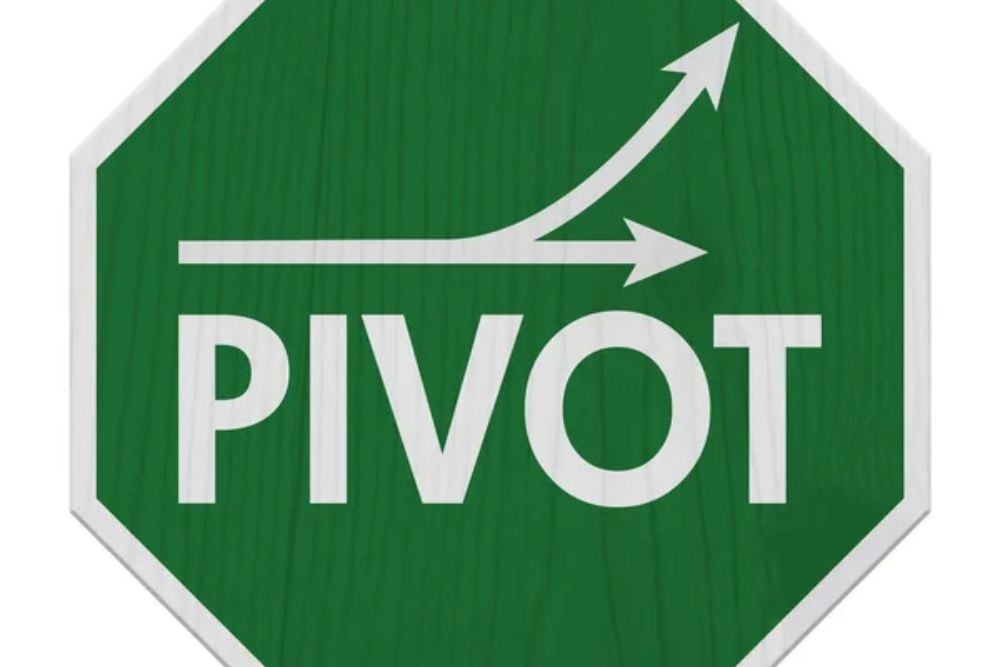
When a company realizes its current approach isn’t working, rather than admitting failure, executives announce a ‘strategic pivot.’ This elegant phrase transforms hasty direction changes into something that sounds intentional and well-planned.
Companies use this term to reframe abandoning failed initiatives as visionary leadership.
Synergy

Few corporate buzzwords have achieved the staying power of ‘synergy.’ This term suggests magical efficiency gains when two entities collaborate, but typically masks the reality that nobody has calculated actual benefits.
Next time someone mentions ‘synergistic opportunities,’ ask them to quantify exactly what they mean in dollars and cents.
Like Go2Tutors’s content? Follow us on MSN.
Deep Dive

When someone suggests a ‘deep dive’ into data or concepts, they often want to appear analytical without committing to specific conclusions. The phrase creates an impression of thoroughness while postponing actual decisions.
It’s the corporate equivalent of saying ‘let me think about it’ when you have no intention of reaching a conclusion.
Circle Back

This innocuous-sounding phrase is the professional way to indefinitely postpone addressing difficult questions. When someone says they’ll ‘circle back’ to your concern, they’re hoping you’ll forget about it entirely.
The vague timeline conveniently allows them to never actually return to the topic while sounding responsive.
Alignment

Teams discuss ‘getting alignedt’ when nobody wants to make a decision or take responsibility. This term creates the illusion of progress while actually describing basic agreement that should have happened at the project’s start.
The more frequently ‘alignment’ gets mentioned, the more likely a project is floundering without clear direction.
Like Go2Tutors’s content? Follow us on MSN.
Bandwidth

When colleagues claim they don’t have ‘bandwidth,’ they’re using network terminology to avoid saying no directly. This technical-sounding alternative to ‘I don’t want to prioritize your request’ shifts blame to abstract capacity constraints rather than actual priorities.
It’s particularly effective because arguing against someone’s self-assessed bandwidth sounds unreasonable.
Leverage

Turning a noun into a verb, ‘leverage’ appears in countless presentations despite rarely adding meaningful content. Saying ‘let’s leverage our existing resources’ translates to ‘let’s use what we have’ but sounds more sophisticated.
This term particularly creates an illusion of strategic thinking where standard operations exist.
Low-Hanging Fruit

This is an agricultural metaphor that suggests easy wins and quick returns, but often disguises the fact that no comprehensive strategy exists. Many times, when teams focus solely on ‘low-hanging fruit,’ they’re tacitly admitting they lack the resources, expertise, or commitment to address more complex challenges requiring genuine innovation.
Like Go2Tutors’s content? Follow us on MSN.
Action Item

The term ‘action item’ transforms mundane tasks into something seemingly more significant. Creating ‘action items’ gives meetings an appearance of productivity even when nothing substantive was decided.
The more impressive-sounding the action item, the less likely it represents actual progress toward meaningful goals.
Thought Leadership

When companies can’t demonstrate measurable results, they often claim ‘thought leadership’ as a consolation prize. This term suggests intellectual authority without requiring verifiable outcomes or practical applications.
True industry leaders rarely need to self-identify as ‘thought leaders’ – their actual innovations speak for themselves.
Robust

Products, strategies, and systems get labeled ‘robust’ when specific performance metrics are unavailable or unimpressive. This vague descriptor creates positive associations without committing to measurable standards.
When someone describes their solution as ‘robust,’ ask which specific performance parameters they’re referencing.
Like Go2Tutors’s content? Follow us on MSN.
Scalable

Startups and new initiatives hide behind ‘scalability’ when current performance doesn’t justify investment. Focusing on theoretical future growth distracts from present limitations.
While scaling considerations matter, overemphasis on what might happen tomorrow often covers for disappointing results today.
Disruptive

Once describing genuine market transformation, ‘disruptive’ now appears in descriptions of minor product updates and incremental improvements. Companies claim disruptive innovation to appear cutting-edge while delivering conventional offerings.
The term has become so overused that truly revolutionary products rarely use this language.
Best Practices

Teams invoke ‘best practices’ when they lack original ideas or want to avoid responsibility for new approaches. This phrase provides safety in conformity – nobody gets fired for following conventional wisdom.
However, truly innovative companies recognize that differentiation often requires deliberately diverging from industry norms.
Like Go2Tutors’s content? Follow us on MSN.
Value-Add

When the core offering seems insufficient, companies emphasize ‘value-add’ components to distract from fundamental weaknesses. This term suggests bonus features while masking core product deficiencies.
Truly valuable products rarely need to specify their ‘value-adds’ because their primary benefits are self-evident.
Iterative Process
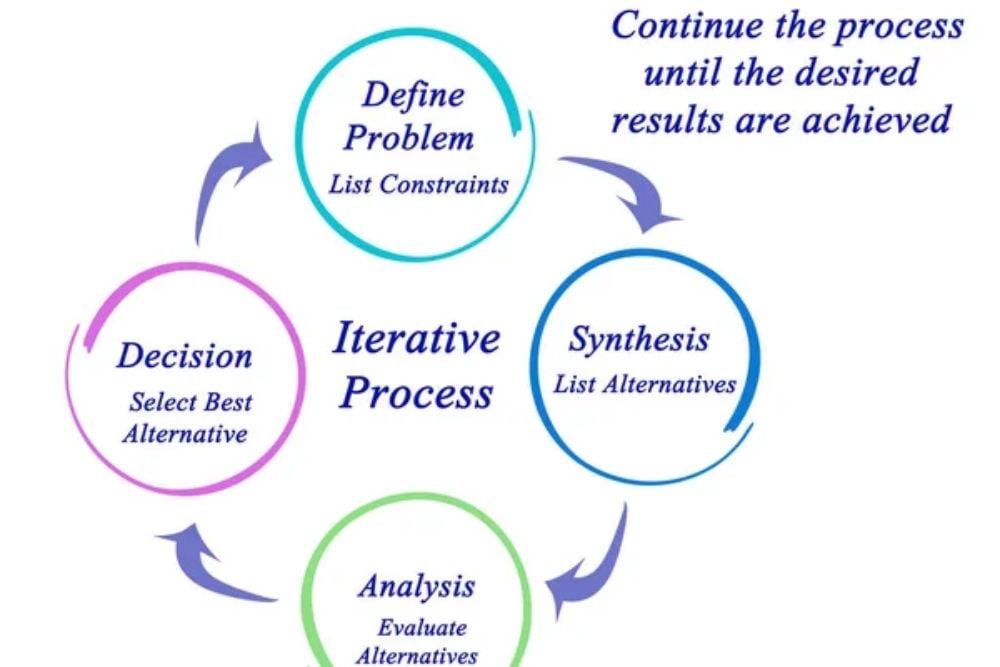
Describing work as an ‘iterative process’ provides convenient cover for incomplete or flawed deliverables. While iteration can drive genuine improvement, the term often excuses poor planning or execution.
When someone emphasizes the iterative nature of their work, they might be preparing you for disappointment with initial results.
Beyond Corporate Speech

These jargon terms thrive because they serve psychological purposes – making uncertainty feel controlled, creating in-group belonging, and softening harsh realities. Recognizing these phrases helps cut through confusion to identify what’s actually happening. Clear communication might be less impressive-sounding, but it builds genuine understanding rather than linguistic smoke screens.
Like Go2Tutors’s content? Follow us on MSN.
More from Go2Tutors!

- 18 Unexpectedly Valuable Collectibles You Might Have Lying Around
- 20 Little-Known Historical Battles That Had Huge Consequences
- 20 Historical Artifacts That Scientists Can’t Explain
- 15 Inventions That Were Immediately Banned After Being Created
- 20 Actors Who Were Almost Cast in Iconic Roles
Like Go2Tutors’s content? Follow us on MSN.