Oldest Flags Still Flying
Flags tell stories that span centuries. While most nations have changed their banners dozens of times throughout history, a handful have kept the same design flying for hundreds of years.
These aren’t just old pieces of cloth—they’re symbols that have survived wars, revolutions, and the complete transformation of the world around them.
Denmark’s Dannebrog

Denmark claims the oldest continuously used national flag in the world. The red banner with a white cross has represented the country since 1219, making it over 800 years old.
Legend says the flag fell from heaven during a battle in Estonia, turning the tide of war for the Danish king. Whether you believe the divine origin story or not, the design has stuck around longer than almost any other national symbol on Earth.
The Danes take their flag seriously. You’ll see it at birthday parties, family gatherings, and just about any celebration.
It’s not treated as a purely patriotic symbol the way flags are in some countries. Instead, it’s woven into everyday life in a way that feels natural rather than forced.
Austria’s Ancient Banner

Austria’s flag dates back to 1230, making it the second oldest national flag still in use. The story goes that Duke Leopold V’s white surcoat became soaked in red during battle, except for the stripe under his belt that stayed white.
That’s how the red-white-red design came to be—or so they say.
The simple three-stripe design has survived the rise and fall of empires. Austria went from duchy to empire to republic, and through all those changes, the flag remained.
That kind of consistency is rare in European history.
Scotland’s Saltire

Scotland has flown the white X-shaped cross on a blue background since the 9th century, though the exact date is debated. The X represents Saint Andrew, Scotland’s patron saint, who was supposedly crucified on an X-shaped cross.
The flag predates Scotland’s union with England by centuries, which explains why many Scots feel such a strong connection to it.
The Saltire appears everywhere in Scotland. You’ll find it painted on faces at sporting events, hanging from windows, and incorporated into modern designs.
It’s old, but it doesn’t feel like a relic. The design remains fresh somehow, even after more than a thousand years.
The Netherlands and Its Tricolor

The Dutch flag’s design dates back to the 16th century, making it one of the oldest tricolor flags still used today. Originally the top stripe was orange, not red, honoring William of Orange who led the Dutch revolt against Spanish rule.
Over time, the orange faded to red in most flags, and eventually red became the official color.
This flag inspired many others. The French tricolor, the Russian flag, and several other national banners borrowed the horizontal stripe design from the Netherlands.
You could argue that Dutch sailors carried the template for modern flag design around the world with them.
Switzerland’s White Cross

Switzerland adopted its square red flag with a white cross in 1841, but the design itself goes back much further—to the 14th century. The Swiss have always done things differently, and their flag is no exception.
It’s one of only two square national flags in the world (Vatican City being the other).
The flag works because of its simplicity. Red and white.
A cross centered perfectly. No fancy emblems or complex designs.
Just a symbol that’s immediately recognizable from any distance. That’s probably why the Red Cross organization inverted the colors for their own flag—they wanted something equally clear and universal.
Nepal’s Unique Shape
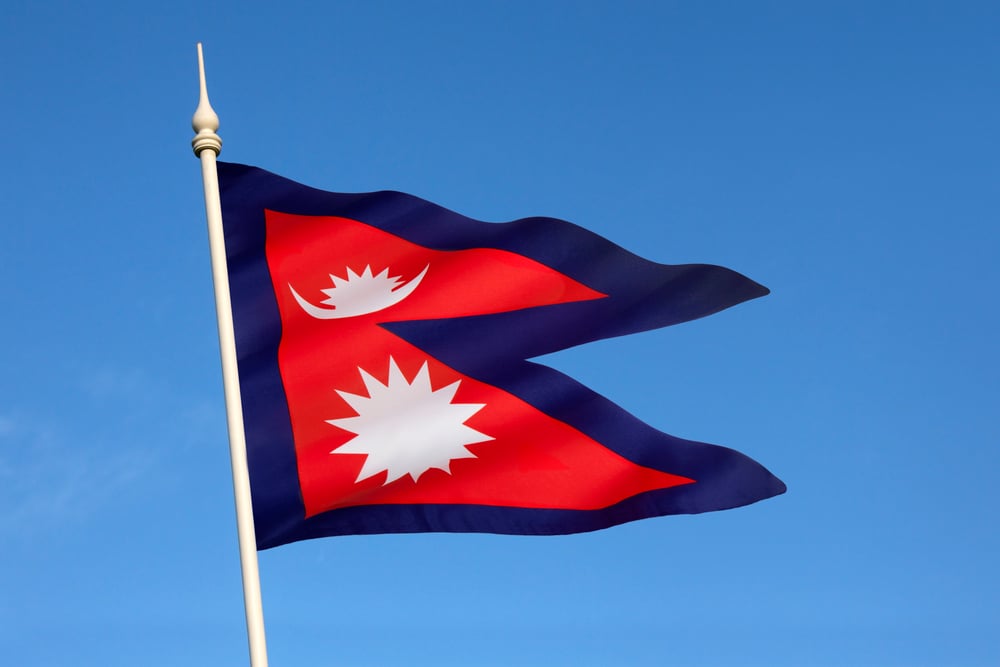
Nepal flies the only non-rectangular national flag in the world. The double-pennant design dates back centuries, though the current version was officially adopted in 1962.
The flag features a moon and sun, symbolizing the hope that Nepal will last as long as these celestial bodies exist.
The unusual shape has practical origins. The two triangular pennants were actually separate flags that Nepali regiments carried into battle.
When the country unified, they combined them into one. The result is a flag that stands out in any lineup of national banners.
Sweden’s Nordic Cross
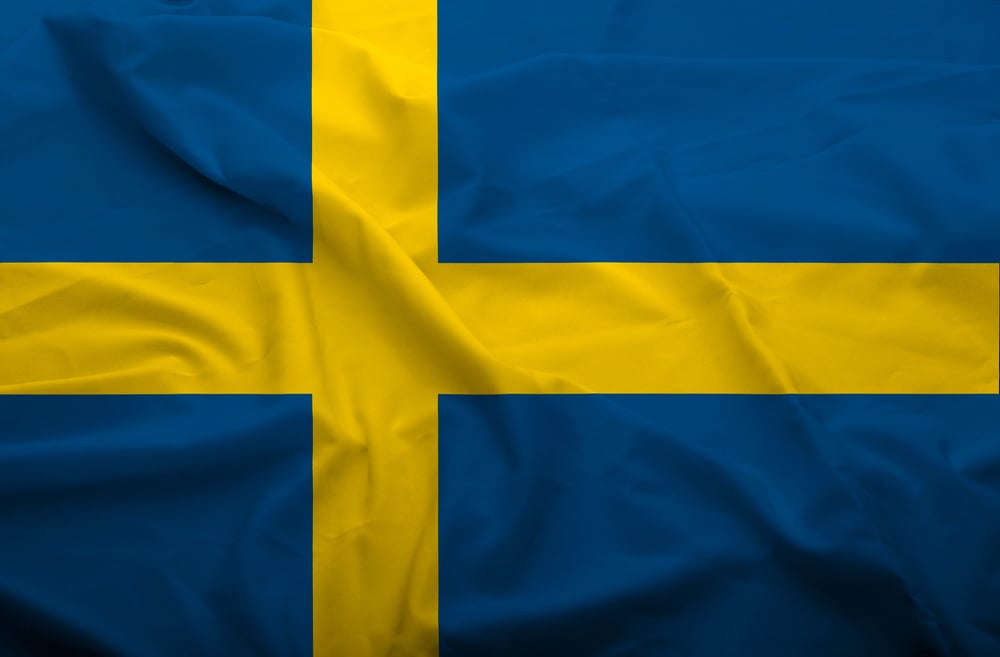
Sweden’s blue flag with a yellow Nordic cross has represented the country since 1906 officially, but the design dates back much further. The cross design follows the same pattern as Denmark’s flag, which makes sense given the shared history and cultural ties between Scandinavian countries.
The colors come from the Swedish coat of arms—blue and yellow have represented Sweden for centuries. When you see the flag, you’re looking at a design that connects modern Sweden to its medieval past.
The continuity matters to people here.
Wales and the Red Dragon
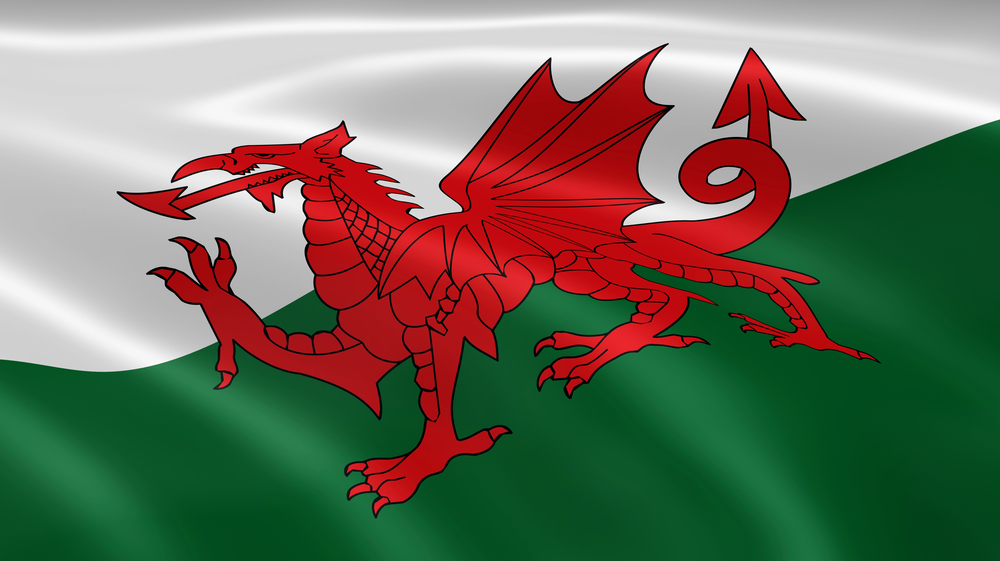
Wales flies one of the most distinctive flags in the world—a red dragon on a white and green background. The dragon symbol has represented Wales since ancient times, with references going back to the 9th century at least.
The current flag design was officially adopted in 1959, but that dragon has been a Welsh symbol for over a millennium.
The dragon isn’t just decoration. It appears in Welsh literature, folklore, and history as a symbol of resistance and pride.
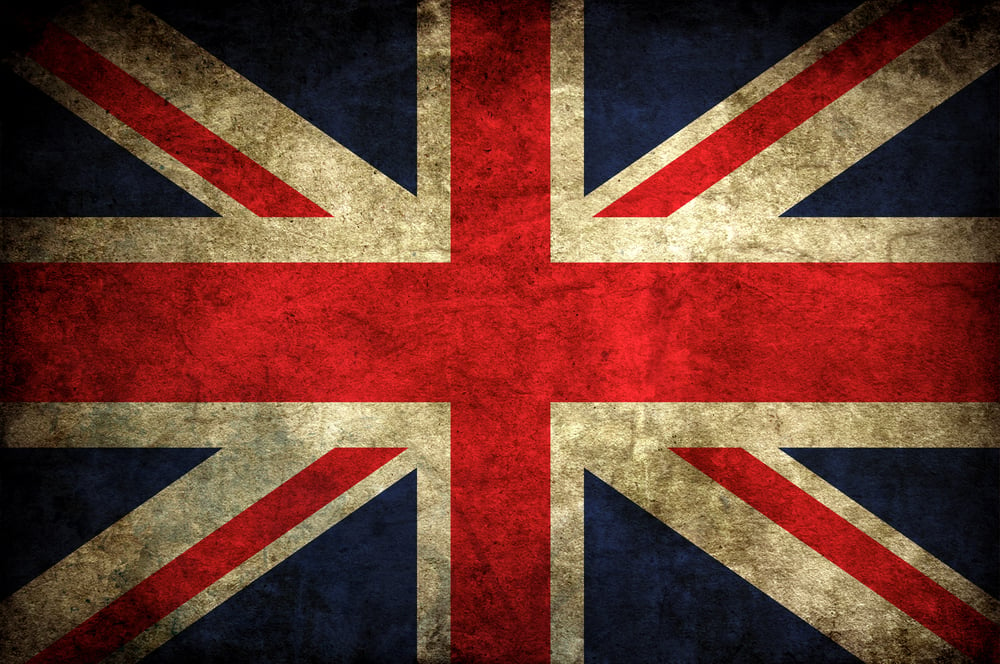
When Wales didn’t get included in the Union Jack (because it was already legally joined with England), the Welsh kept their dragon flying on its own flag.
England’s Saint George Cross
The red cross on a white background has represented England since the 13th century, though it became the official flag much later. Saint George, a Roman soldier and Christian martyr, became England’s patron saint in the 14th century, and his cross became the national symbol.
You see this flag everywhere during international sporting events. English fans wave it, paint it on their faces, and drape it over everything they can.
The simple design makes it easy to reproduce and recognize, which probably helps explain why it’s lasted so long.
Norway’s Cross
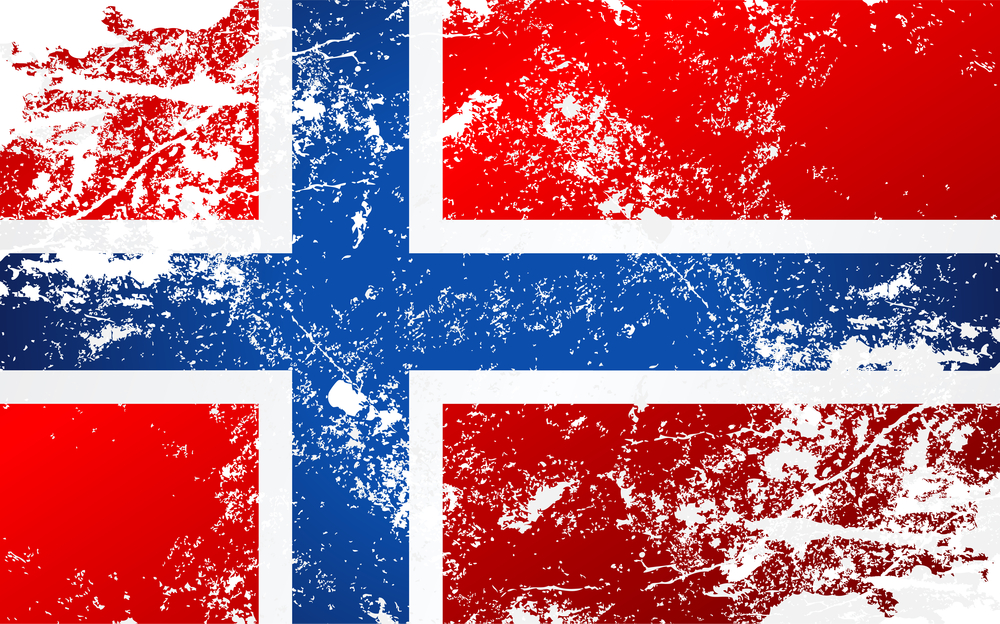
Norway’s flag combines elements from Denmark’s Dannebrog with Sweden’s colors, reflecting the country’s historical relationships with both nations. The design was first used in 1821, making it relatively young compared to some others on this list.
But the cross pattern itself connects to the much older tradition of Nordic cross flags.
The red, white, and blue colors appear in the flags of both France and the United States, which influenced the Norwegian design. The flag represents both Nordic tradition and democratic ideals that spread across Europe in the 19th century.
Albania’s Double Eagle
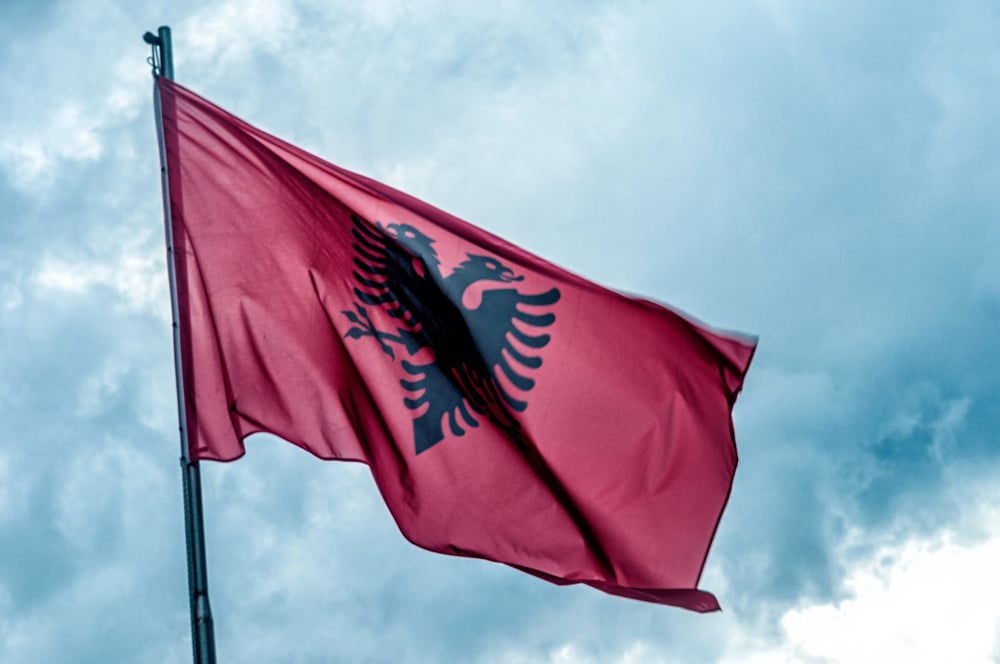
Albania’s black double-headed eagle on a red background traces back to the medieval hero Skanderbeg, who led resistance against Ottoman invasion in the 15th century. The current flag was adopted in 1912, but that eagle symbol has represented Albanian identity for over 500 years.
The double-headed eagle appears in several national flags and coats of arms across Europe, but Albania has maintained one of the most striking versions. The bold contrast between black and red makes it instantly recognizable.
Turkey’s Crescent and Star
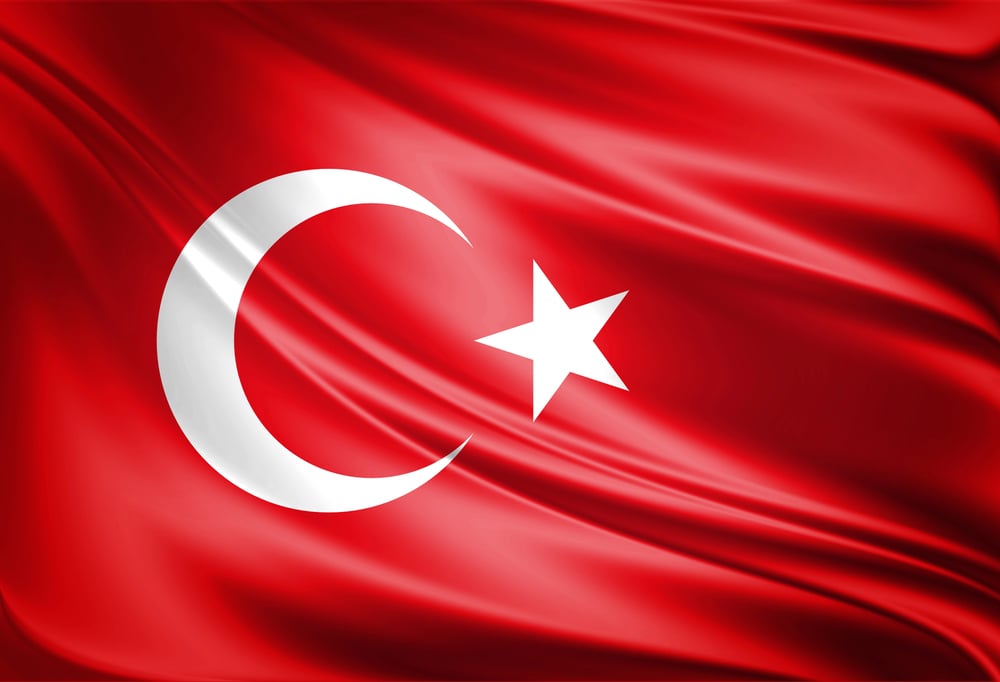
A shape like a curved moon and a single point of light has ridden Turkey’s banner since the 1700s, though older roots stretch behind it. Long before today’s nation took form, that pair showed up on banners across time – tied deeply to both Turkish identity and wider cultural threads.
While the layout settled centuries ago, the meaning beneath keeps winding backward through history.
A deep red canvas stands for the lives lost by Turkey’s fallen heroes. Wherever you look – from city walls to quiet village shops – the moon curve and sparkle shine through culture, stitched into moments people live each day.
Symbols That Endure
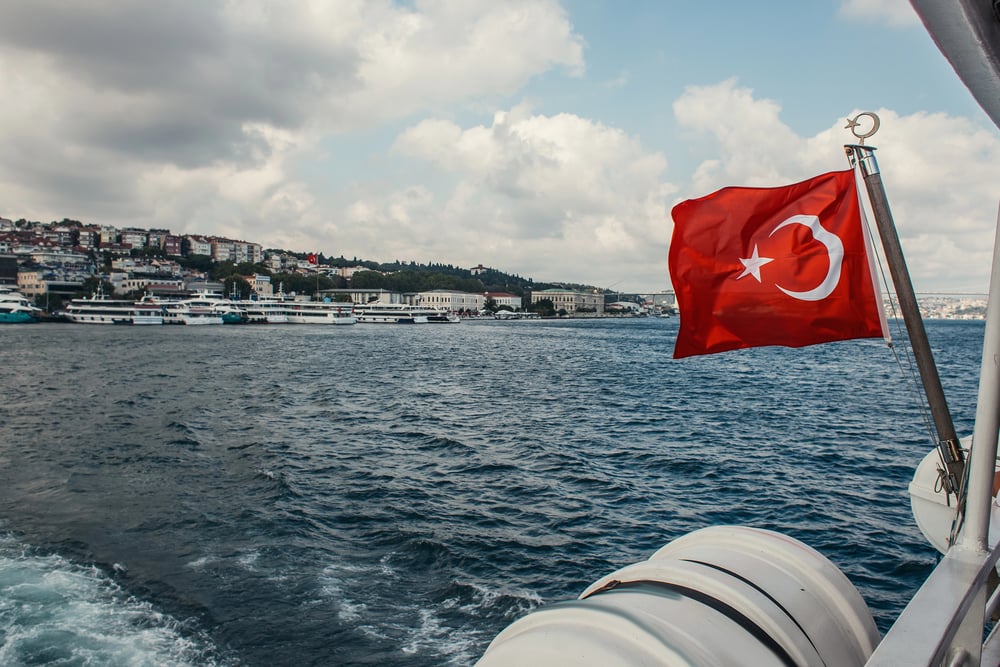
Something ties those aged banners together besides just time. Not mere survival through luck, but meaning deeper than shifting power or rulers of the moment.
Folks recognized their stories within the cloth. Battles were waged beneath them, joy erupted under their fabric, generations inherited their presence.
Lasting hundreds of years isn’t random; it happens when a banner holds a core truth about its people – one steady while all around shifts.
More from Go2Tutors!

- The Romanov Crown Jewels and Their Tragic Fate
- 13 Historical Mysteries That Science Still Can’t Solve
- Famous Hoaxes That Fooled the World for Years
- 15 Child Stars with Tragic Adult Lives
- 16 Famous Jewelry Pieces in History
Like Go2Tutors’s content? Follow us on MSN.



