How Luxury Tableware Evolved Through Centuries
The way people eat has always revealed something about identity and status. Throughout history, tableware served not only as tools but as symbols of culture, wealth, and craftsmanship.
Luxury dining pieces evolved with each era, shaped by new materials, shifting values, and groundbreaking innovations. Every plate, cup, and utensil reflected the world that created it.
Ancient Civilizations Used Precious Metals

Ancient Egyptians, Greeks, and Romans crafted tableware from gold and silver reserved for the elite. These materials were prized not only for their beauty but for their supposed protective qualities.
Roman banquets showcased opulent silver pieces decorated with mythological scenes that took months to complete. Each item signified power, prestige, and exceptional craftsmanship.
Chinese Porcelain Changed Everything
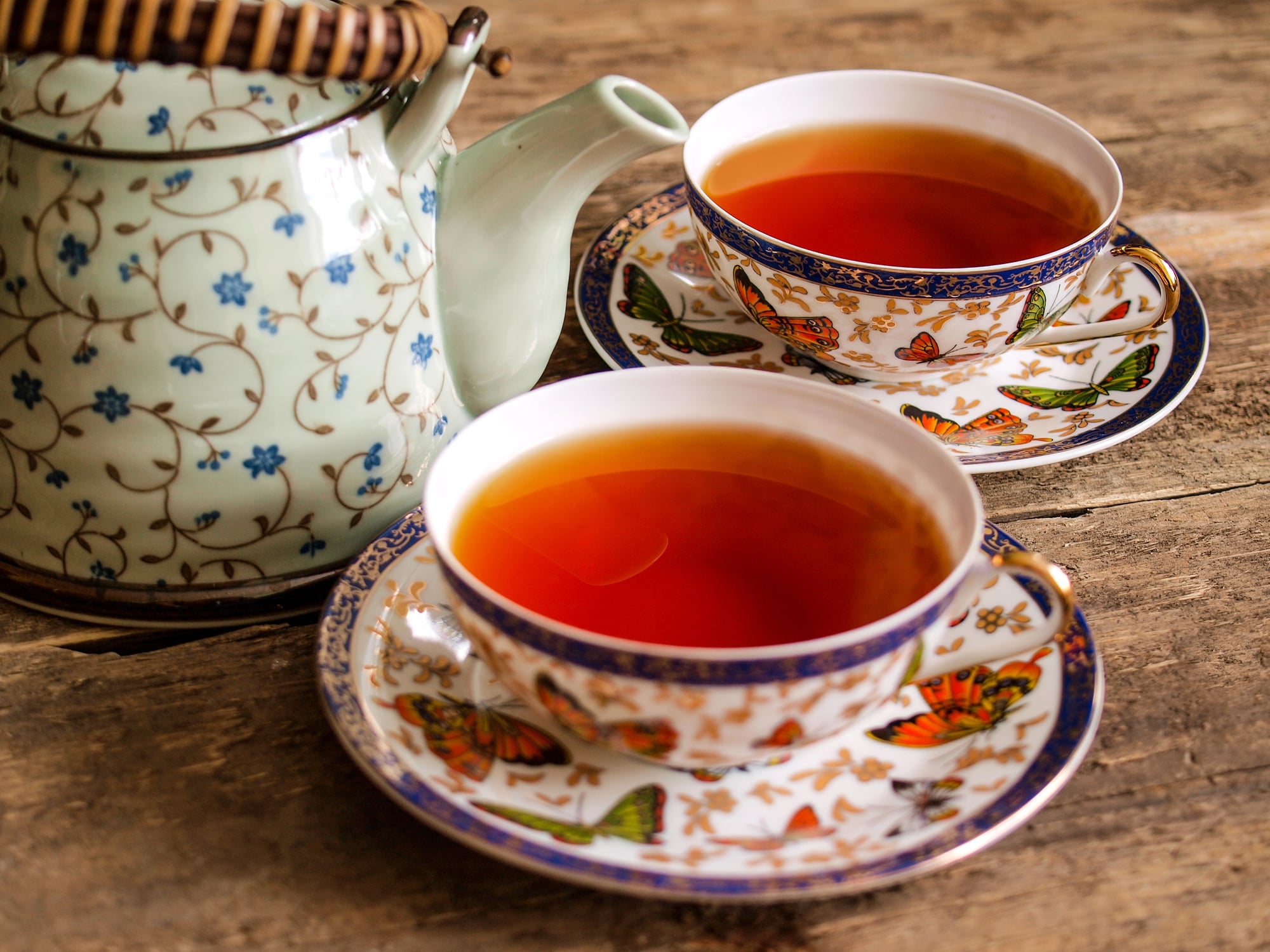
Chinese artisans in the early dynasties developed porcelain, a refined and translucent material unmatched by anything found in Europe. This “white gold” became so treasured that it was displayed more often than used.
Because the process remained a secret for centuries, genuine Chinese porcelain commanded enormous value. Wealthy Europeans considered these pieces the ultimate status symbols.
Medieval Europe Favored Communal Eating

The Middle Ages saw shared dishes dominate even the wealthiest homes. Thick bread trenchers acted as plates for much of the meal, keeping dining simple and communal.
Nobles used pewter and wood adorned with family crests, yet individual place settings were uncommon. Eating with hands or shared utensils reflected a society centered on hierarchy and togetherness.
Renaissance Italy Introduced the Fork

Italian nobles embraced the fork as a symbol of refinement before the rest of Europe accepted it. Many people found it unnecessary or even disrespectful, believing fingers should suffice for God-given food.
Despite the backlash, Italian silver forks with ornate handles became admired luxury pieces. Their use gradually spread across Europe until they became standard.
Meissen Cracked the Porcelain Code

European porcelain finally emerged when Johann Friedrich Böttger unlocked the formula while under the control of Augustus the Strong. The Meissen factory soon produced world-class porcelain that rivaled China’s.
Aristocrats across Europe eagerly commissioned elaborate dinner services. These sets featured hundreds of hand-painted pieces that transformed porcelain ownership forever.
French Refinement Set New Standards

Louis XIV and the court at Versailles turned dining into a sophisticated art form. Matching tableware sets became essential, with every plate, utensil, and glass working together in visual harmony.
Sèvres porcelain gained fame for its bold colors and gilded detailing. Meals became choreographed events where presentation mattered as much as taste.
Georgian England Embraced Silver

British silversmiths created refined and meticulously crafted pieces that families viewed as heirlooms. Hallmarks authenticated each item and elevated silver into a symbol of legacy and wealth.
Sheffield plate brought luxury within reach by fusing silver onto copper. This innovation expanded elegant dining to more households without sacrificing beauty.
Victorian Era Went Overboard
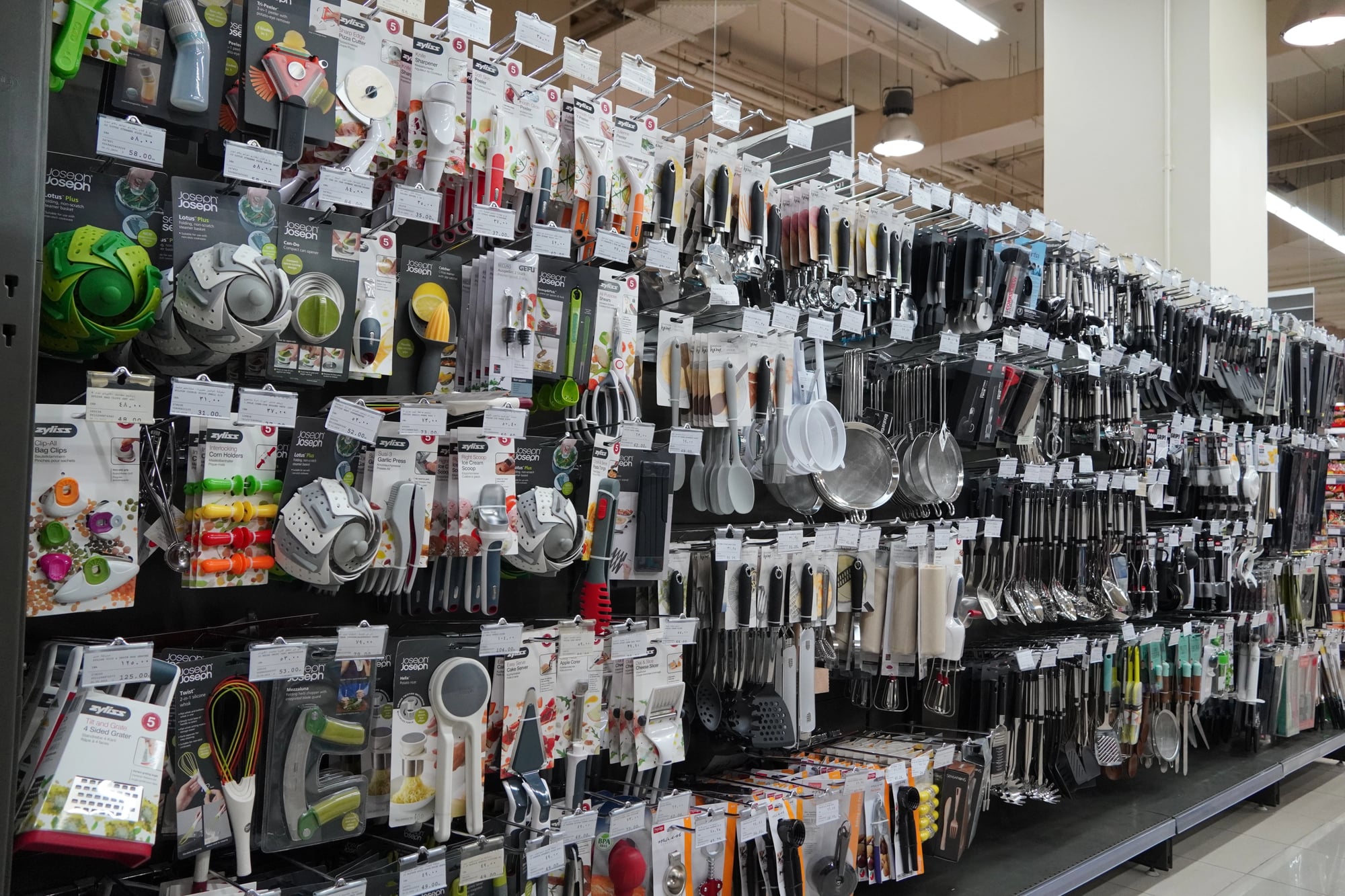
Victorian dining required an astonishing variety of utensils dedicated to specific foods. Formal dinners turned into rituals governed by strict etiquette and abundant decoration.
Bone china flourished as the middle class sought to emulate aristocratic dining. Ornate floral designs and delicate finishes became trademarks of the era’s lavish style.
Art Nouveau Brought Organic Shapes

Art Nouveau rejected rigid Victorian traditions in favor of forms inspired by nature. Tableware became sculptural, flowing, and expressive, transforming dining into an artistic experience.
Glassmaker René Lalique created pieces with curving lines and botanical motifs. These designs made luxury tableware feel modern, fluid, and emotionally engaging.
American Innovation Simplified Things
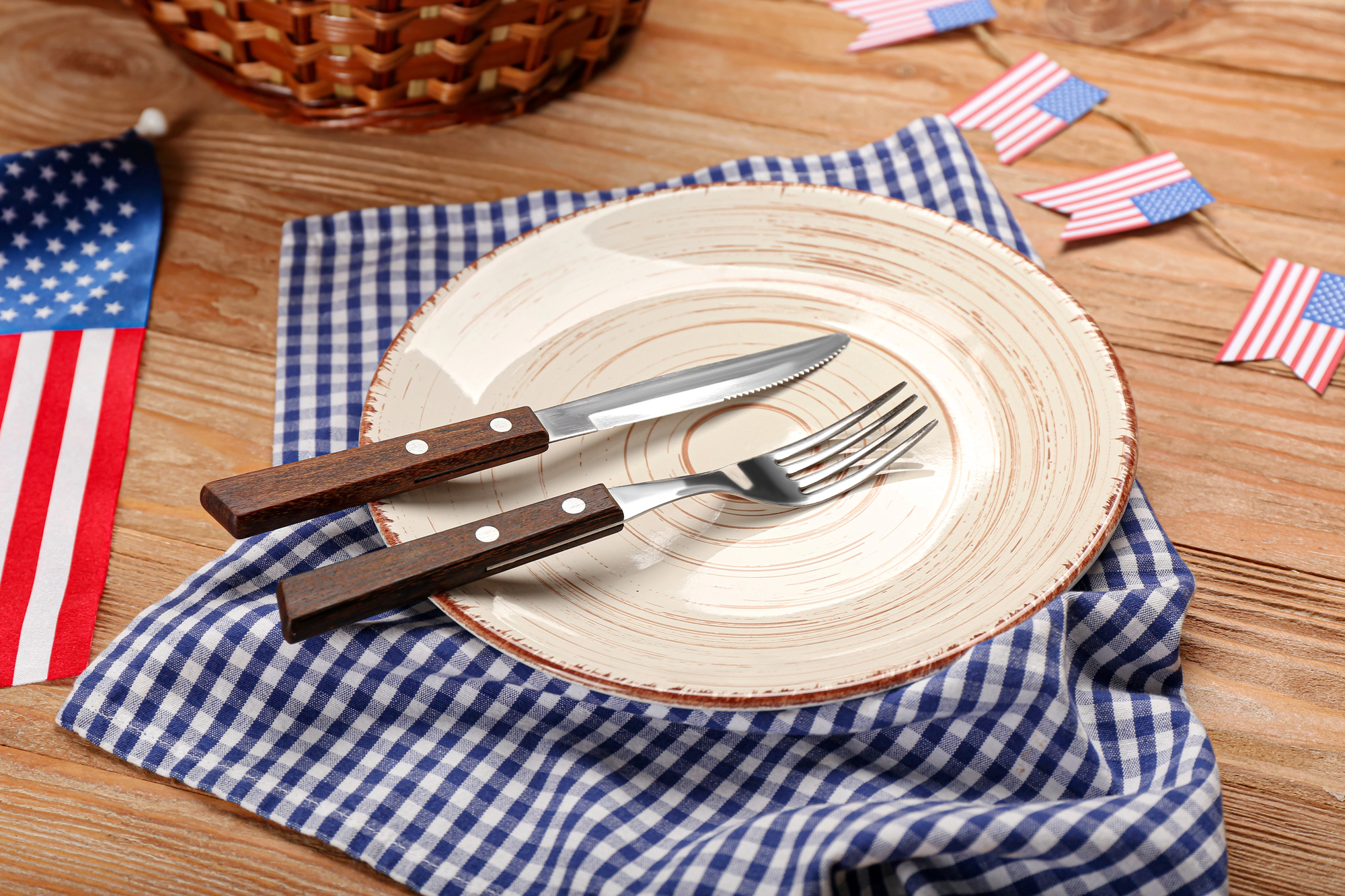
The early twentieth century introduced elegant yet practical American tableware. Companies like Lenox designed durable porcelain that felt refined without excessive ornamentation.
This understated luxury appealed to industrial-era wealth. Clean lines and everyday usability replaced the fussiness of earlier European styles.
Art Deco Added Geometric Glamour

The Art Deco movement embraced symmetry, metallic accents, and bold geometry. Tableware from this era echoed the optimism and technological progress of the age.
Chrome, glossy finishes, and sharp angles created a look suited to ocean liners and urban skyscrapers. The aesthetic brought modern glamour to dining rooms worldwide.
Post-War Design Embraced Minimalism

Scandinavian designers championed the belief that beauty could arise from simplicity. Their tableware emphasized pure forms, quality materials, and understated elegance.
Brands like Rosenthal and Georg Jensen shaped a modern philosophy of “less but better.” This minimalist approach redefined luxury for a new generation.
Studio Pottery Gained Prestige

Handmade ceramics grew in popularity as collectors sought unique, artist-crafted pieces. Visible glaze variations and organic shapes became signs of authenticity rather than flaws.
These bespoke works blurred the line between functional object and fine art. Luxury shifted from perfection to personality and craftsmanship.
Japanese Aesthetics Influenced the West
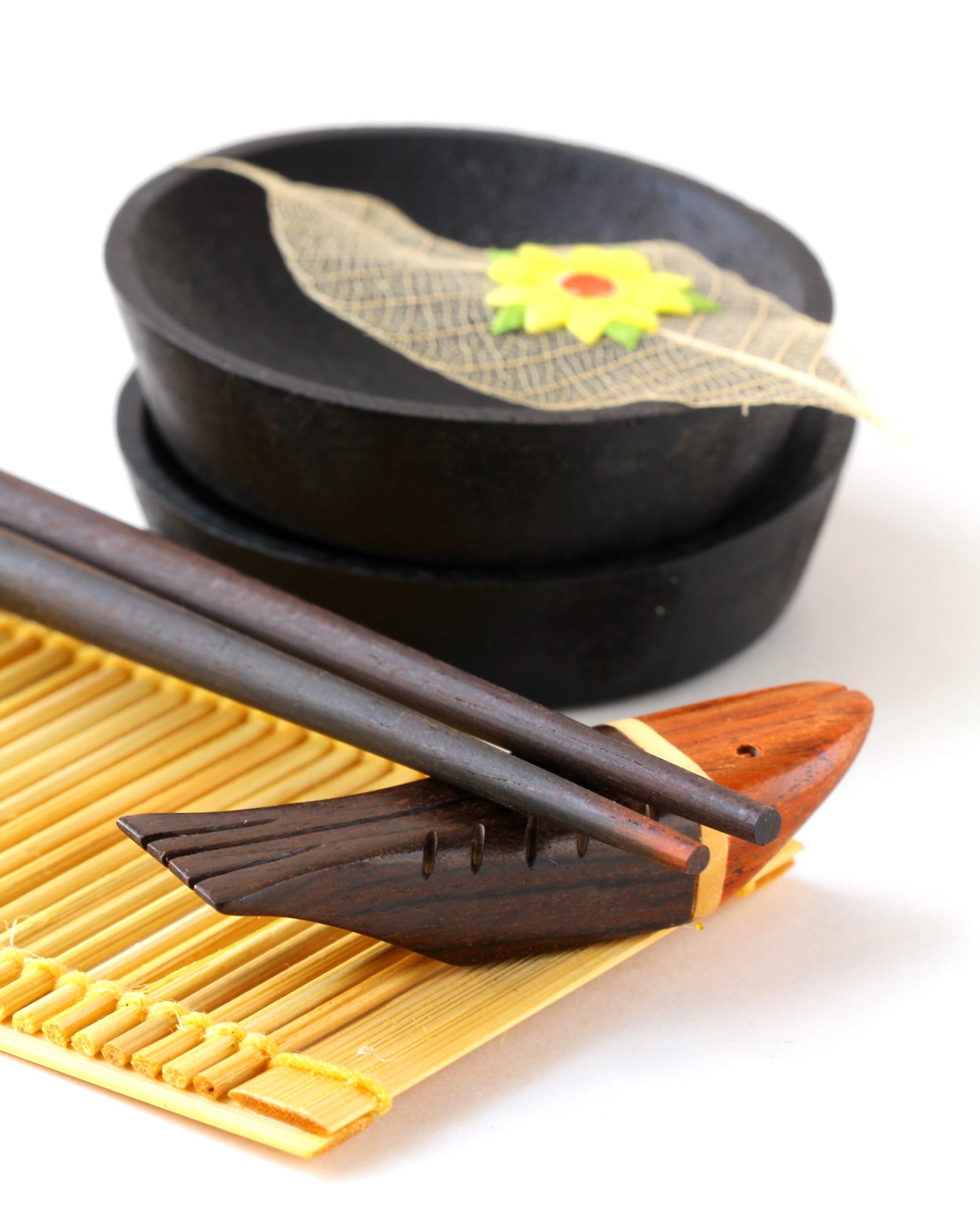
Japanese dining philosophy, including the wabi-sabi appreciation of imperfection, reshaped Western luxury tableware. Pieces were chosen to complement food, season, and occasion rather than to match.
High-end restaurants introduced varied forms and textures that elevated the dining experience. The focus turned to intentionality, subtlety, and harmony.
Contemporary Designers Push Boundaries

Modern creators experiment with unconventional shapes, futuristic materials, and artistic expression. Some pieces challenge traditional definitions of tableware altogether.
Collaborations with renowned artists produce limited editions prized by collectors. Today’s luxury celebrates imagination just as much as tradition.
Sustainability Became a Luxury Concern
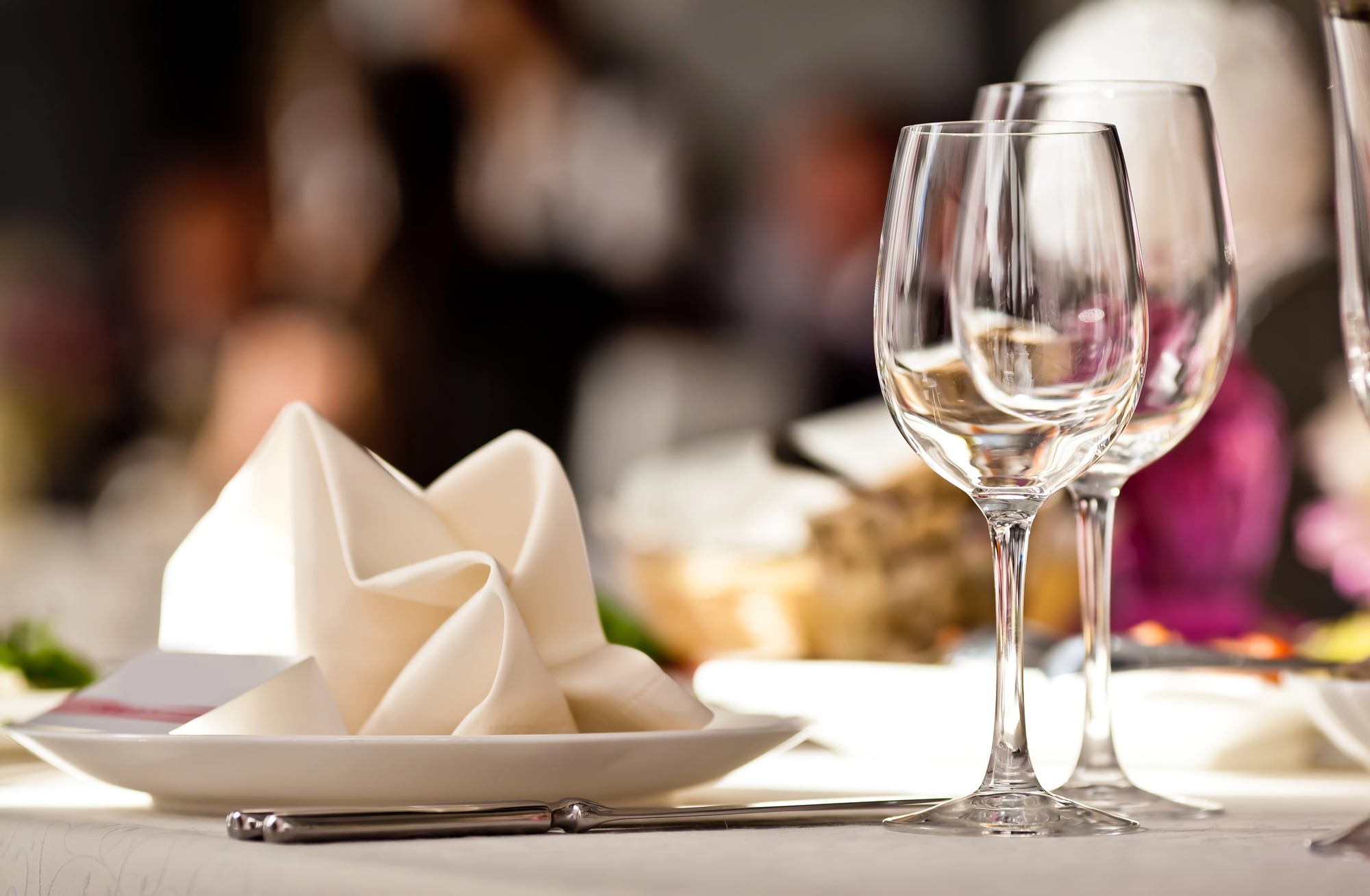
Eco-conscious consumers inspired brands to highlight ethical sourcing and long-lasting craftsmanship. Luxury became associated with responsibility rather than extravagance alone.
Artisan skills once at risk of disappearing gained renewed importance. A focus on heritage and sustainability now defines high-end tableware.
Technology Meets Tradition
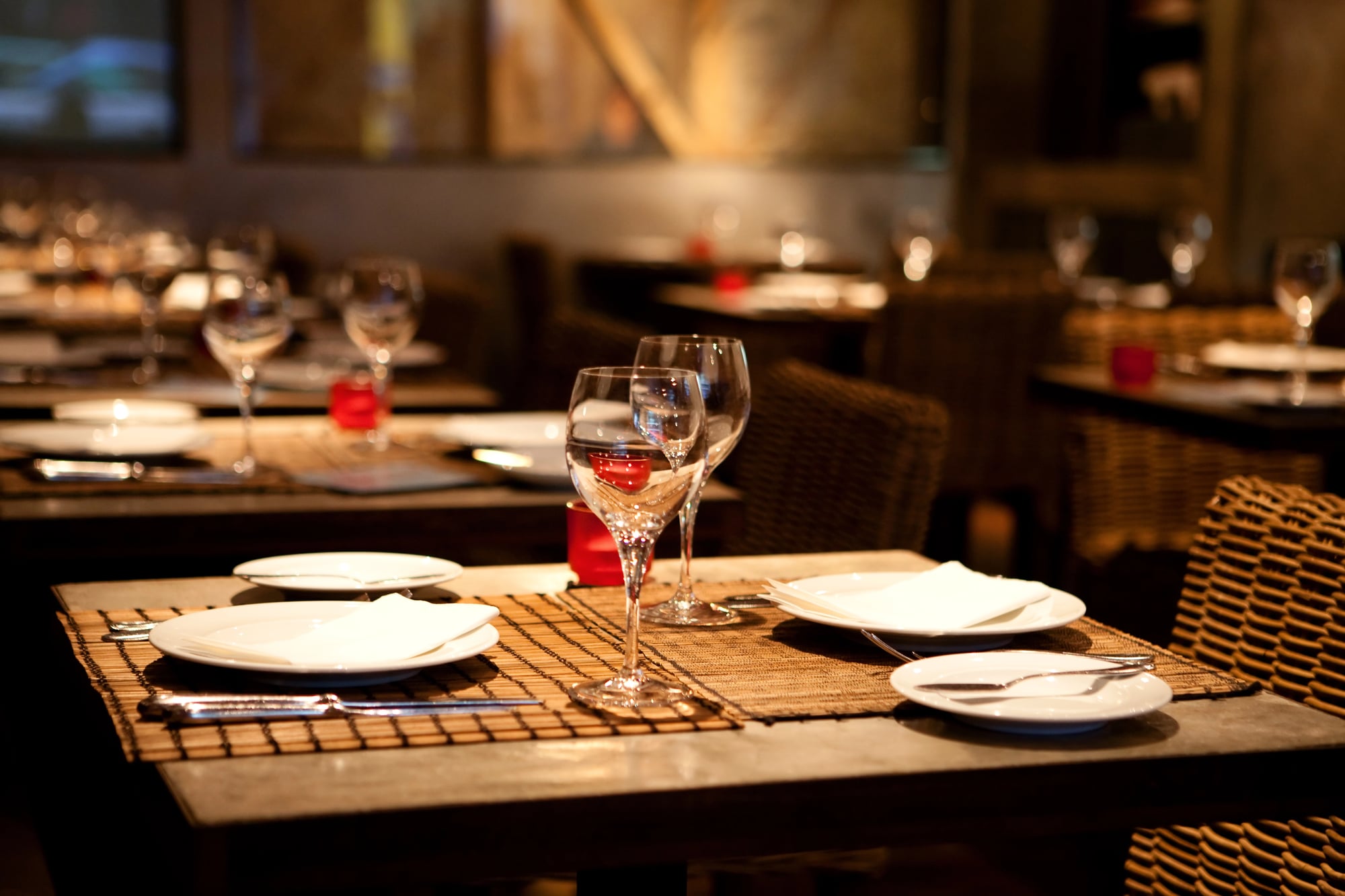
Advanced tools allow designers to refine every detail with precision. Some luxury brands blend 3D-printed structures with hand finishing to maintain individuality.
Innovative coatings and smart materials introduce playful interactions like color-changing surfaces. Technology enhances classic methods rather than replacing them.
Digital Life Shifted How People Gather Stuff

Social platforms turned tableware collecting into a global, highly visual hobby. Rare pieces circulate quickly as enthusiasts share discoveries online.
Old styles find new life through viral attention. The digital world reshaped collecting trends and revived interest in forgotten designs.
The Table Shows What We’ve Been Through
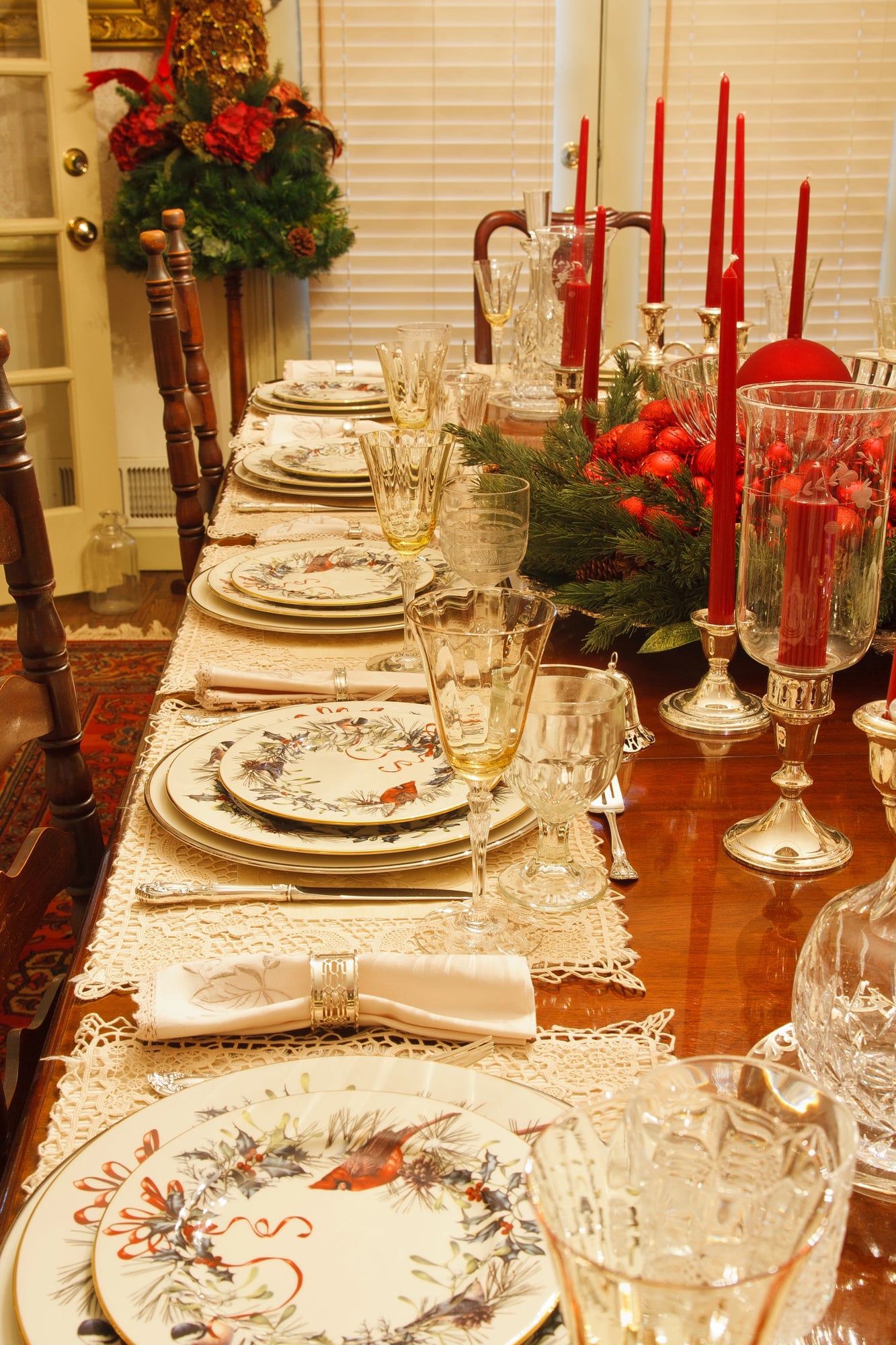
Dining pieces reveal the beliefs, values, and dreams of each era. From Roman silver to eco-friendly modern ceramics, tableware reflects both heritage and evolution.
Whether ancient or contemporary, luxury tableware transforms everyday meals into meaningful moments. These objects connect the past with the future in every shared meal.
More from Go2Tutors!

- The Romanov Crown Jewels and Their Tragic Fate
- 13 Historical Mysteries That Science Still Can’t Solve
- Famous Hoaxes That Fooled the World for Years
- 15 Child Stars with Tragic Adult Lives
- 16 Famous Jewelry Pieces in History
Like Go2Tutors’s content? Follow us on MSN.