Onboard Charges That Sneak Onto Every Cruise Bill Without Warning
You thought you paid for everything up front when you booked that cruise. The reality hits when you get your final statement on the last day, and suddenly, there’s an extra $200, $300, or even $500 worth of charges you never saw coming.
These aren’t the obvious expenses like specialty dining or shore excursions that you deliberately chose. These are the sneaky ones that cruise lines build into their system, the charges that accumulate quietly while you’re busy enjoying vacation mode.
Automatic service charges

Cruise lines add daily service charges to your account whether you know it or not. These typically run $14–$16 per person per day and cover tips for housekeeping, dining room staff, and other service personnel.
The charges start accumulating from day one (even though you probably haven’t used most services yet), and the cruise line presents this as standard practice rather than an optional choice. You can adjust or remove these charges at the guest services desk, but the process feels deliberately awkward.
Staff will ask pointed questions about service quality and make you feel like you’re stiffing hardworking crew members if you reduce the amount.
Specialty coffee and beverage packages

That innocent “would you like the beverage package” question at check-in comes with fine print most people miss. If one person in your cabin purchases a beverage package, everyone of legal drinking age must buy one too.
This policy exists to prevent sharing, but cruise staff present it as a helpful suggestion rather than a requirement. The coffee situation runs even deeper.
Regular coffee in the buffet might be free, but anything resembling actual coffee—espresso, cappuccino, specialty drinks—costs $4–$6 each. Those charges add up fast when you’re grabbing coffee multiple times per day for a week.
Wi-Fi and communication charges

Cruise ship internet pricing makes airport Wi-Fi look reasonable. Basic packages start around $20–$30 per day, and they’re measured in minutes or megabytes rather than unlimited access. Streaming and video calls require premium packages that can cost $50 or more per day. And yet, the sales pitch during embarkation makes it sound like staying connected is simple and affordable.
The real trap lies in the automatic connection. Many phones will connect to the ship’s cellular network without warning, triggering roaming charges that can reach $5–$15 per minute for calls or $20 or more per megabyte for data. These charges appear on your cell phone bill later, not your cruise statement, so you won’t know about them until weeks after you’re home.
Photo packages and professional pictures

Professional photographers appear everywhere on cruise ships, and they’re not taking pictures for fun. Every posed shot, every formal dinner photo, every staged embarkation picture gets uploaded to a system where you can purchase them later. Individual photos cost $20–$25 each, but the packages (which they push heavily) run $200–$400 for the week.
The psychological pressure builds throughout the cruise. Staff members encourage you to “just take the photo, you can decide later,” knowing that once you see yourself having fun on vacation, you’re more likely to purchase. Meanwhile, those charges sit in your account whether you buy the package or not—though they do remove them if you don’t purchase by the end of the cruise.
Spa and salon service fees

Spa treatments come with mandatory gratuities (usually 18–20%) that get automatically added to your room account. But the sneaky part isn’t the gratuity—it’s the additional facility fees, enhancement charges, and product recommendations that spa staff present as part of the experience rather than optional add-ons.
A simple massage turns into a $200 or more experience once you add the aromatherapy upgrade, the hot stone enhancement, and the post-treatment moisturizer that the therapist insists is necessary for your skin type. These recommendations happen when you’re relaxed and not thinking clearly about the budget.
Room service and in-room dining fees

Room service on cruise ships carries delivery fees (usually $4–$8 per order) even for simple items like coffee or sandwiches. Late-night room service often includes additional surcharges, and weekend or port day delivery might cost extra, too. The menu in your room typically shows item prices but mentions delivery fees in small print at the bottom.
Minibar charges work differently than hotels. Some cruise lines use automatic sensors that charge your account the moment you move an item, even if you put it back immediately. Others rely on daily inventory checks that can result in charges for items you never touched if previous guests consumed something without reporting it.
Shore excursion cancellation and change fees
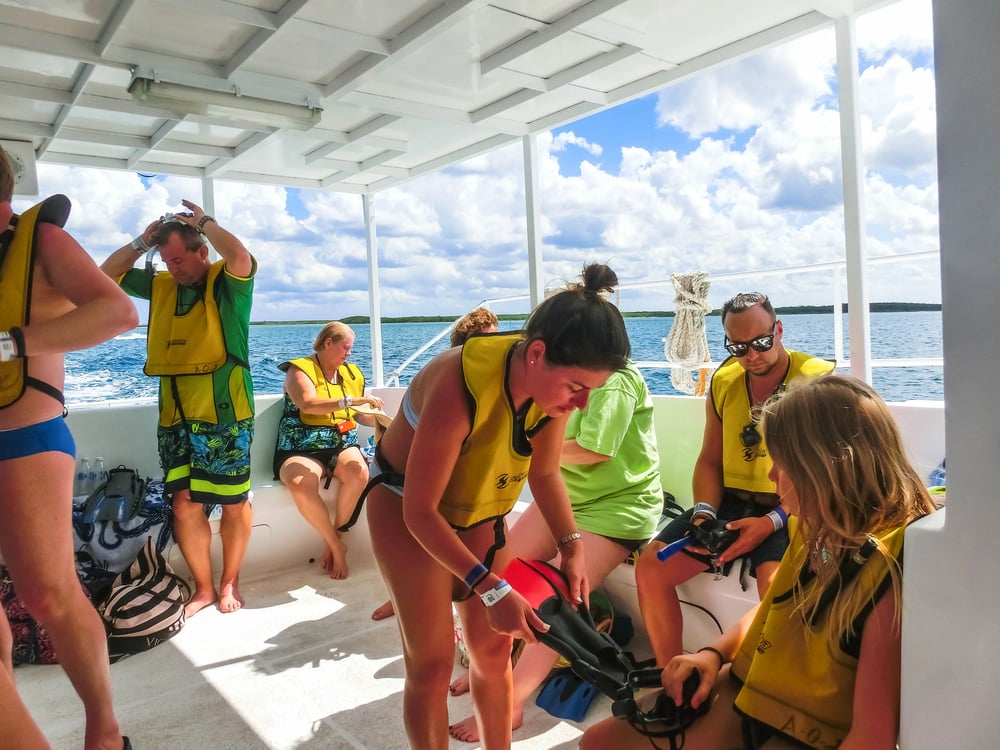
Booking shore excursions through the cruise line feels safe because they guarantee the ship won’t leave without you if the tour runs late. However, cancellation policies are strict—usually no refunds within 48 hours of the tour, and change fees of $25–$50 per person apply even for simple modifications.
The real issue comes with weather-related cancellations. While cruise lines will cancel and refund tours that become dangerous, they rarely cancel for conditions that just make tours unpleasant. That helicopter tour in heavy wind or that beach excursion in pouring rain still happens, and you still pay full price for a diminished experience.
Casino and gaming account charges

Cruise ship casinos operate on cashless systems tied directly to your room account. Setting up a casino account feels like a simple convenience, but it removes the natural spending friction that cash creates. Money moves from your account to the casino seamlessly, making it easy to lose track of spending in the moment.
Some cruise lines offer casino promotions that automatically enroll you when you establish a player’s account. These might include “free” play that comes with wagering requirements, or automatic entries into tournaments that carry entry fees buried in the terms and conditions.
Medical center and health service fees

The medical center charges start with a basic consultation fee ($150–$250) before any actual treatment begins. Simple medications cost 3–4 times pharmacy prices, and even basic first aid supplies carry significant markups. Travel insurance might cover emergency medical treatment, but it rarely covers the convenience care that most passengers need—motion sickness medication, minor injury treatment, or basic illness care.
Medical centers also charge facility fees for equipment usage (oxygen, wheelchairs, etc.) and nursing fees for administering treatments. A simple IV for dehydration can easily cost $500 or more when all fees are included.
Laundry and dry cleaning services

Cruise ship laundry prices make hotel laundry look reasonable. Basic items like shirts or pants cost $5–$8 each to wash and press, while dry cleaning runs $15–$25 per item. The pricing encourages you to use their wash-and-fold service, which charges by the bag but often results in shrunk, damaged, or lost clothing with limited recourse for replacement.
Self-service laundry rooms exist on some ships, but they’re often out of order, overcrowded, or require special detergent purchased from the ship’s shop at inflated prices. The inconvenience pushes passengers toward the full-service option, which is exactly the intended outcome.
Specialty restaurant cover charges

Specialty restaurants advertise their cover charges upfront—usually $35–$55 per person—but additional costs pile up quickly. Wine pairings, premium menu items, and dessert courses often carry surcharges beyond the basic cover charge. What looks like a $50 dinner for two becomes $120 or more once you add drinks and appetizers.
Some specialty restaurants also enforce dress codes that require clothing purchases from the ship’s boutiques if you didn’t pack appropriately. Men’s dress shirts in cruise ship shops cost $60–$80, and they’ll enforce the policy strictly rather than make exceptions.
Art auctions and gallery purchases

Art auctions on cruise ships create artificial urgency around purchases that passengers would never consider at home. The auctioneers offer “free” champagne and create a party atmosphere while presenting investment-grade art that’s usually mass-produced prints with inflated retail values.
The payment terms seem generous—make a small deposit and arrange shipping to your home—but shipping costs are substantial, insurance is recommended (and expensive), and the final artwork often looks different outside the controlled lighting of the ship’s gallery.
Communication and phone call charges

Ship-to-shore phone calls cost $3–$8 per minute, and the charges start the moment the call connects, not when someone answers. International calling rates apply even when calling from U.S. territorial waters to domestic numbers. Voice messages and conference calls carry premium rates, and even checking voicemail can trigger per-minute charges.
The phone system also charges for incomplete calls, busy signals, and wrong numbers. These small charges add up when you’re trying to reach family members or handle business issues that can’t wait until you reach port.
Fitness center and sports activity fees

Basic gym access might be free, but fitness classes, personal training sessions, and specialized equipment carry additional charges. Popular classes like spinning or yoga cost $20–$30 per session, and the small studio spaces mean popular times fill up quickly, encouraging passengers to book multiple sessions in advance.
Sports activities like rock climbing, mini golf, or basketball might advertise as included amenities, but equipment rental (shoes, clubs, etc.) costs extra. Professional instruction or coaching adds significant charges, and tournament entry fees apply for organized competitions.
Gratuity and service charge adjustments
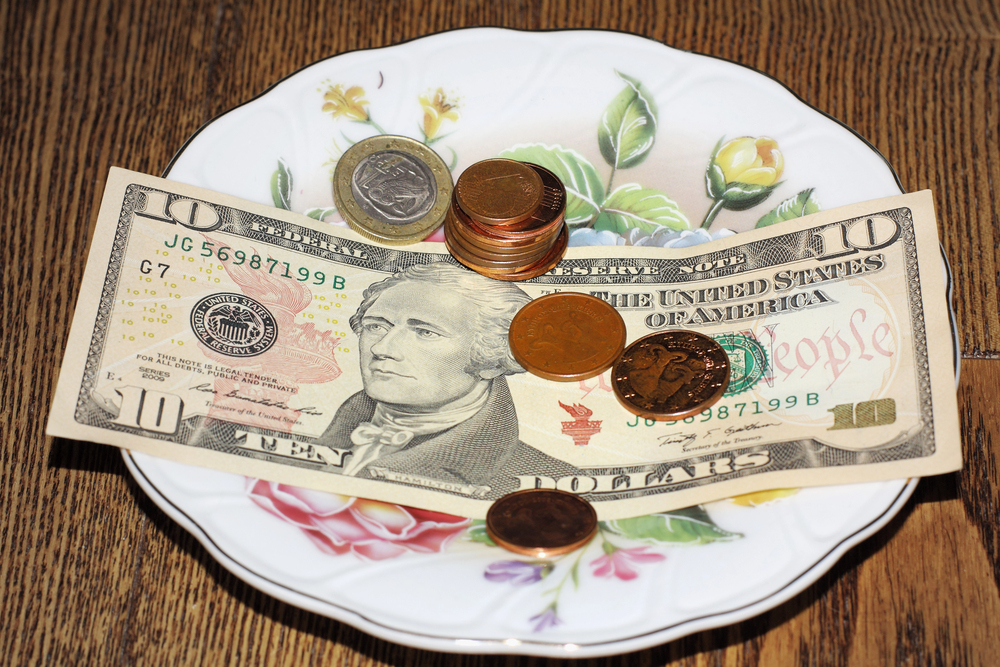
Beyond the automatic daily service charges, many cruise services include automatic gratuities that passengers don’t notice until reviewing their final bill. Spa services, specialty restaurants, and room service all add 15–20% gratuities automatically, and these appear as separate line items rather than being included in advertised prices.
The adjustment process works in the cruise line’s favor. Reducing gratuities requires a trip to guest services with specific justifications, while increasing them can be done easily through the TV system in your room or at any service location.
Shopping and retail markup

Onboard shops carry luxury goods at luxury prices, but the “duty-free” marketing creates an impression of savings that rarely matches reality. Alcohol, jewelry, and designer goods often cost the same or more than land-based retail, despite the absence of certain taxes and duties.
The sales tactics include pressure to purchase during “port days only” sales that create artificial scarcity, and “last chance” promotions that happen multiple times throughout the cruise. Watch and jewelry sales seminars offer “educational” sessions that are actually extended sales presentations.
Currency exchange and transaction fees

Cruise lines process all transactions in U.S. dollars, but they convert foreign currency at rates that favor the house. Credit card transactions might also include foreign transaction fees if the cruise line processes payments through international banks, even for passengers traveling from the U.S.
Cash advances against credit cards (available at guest services) carry immediate interest charges and cash advance fees from both the cruise line and your credit card company. These services are positioned as conveniences for port shopping, but the fees make them expensive ways to access cash.
Port fee and tax adjustments
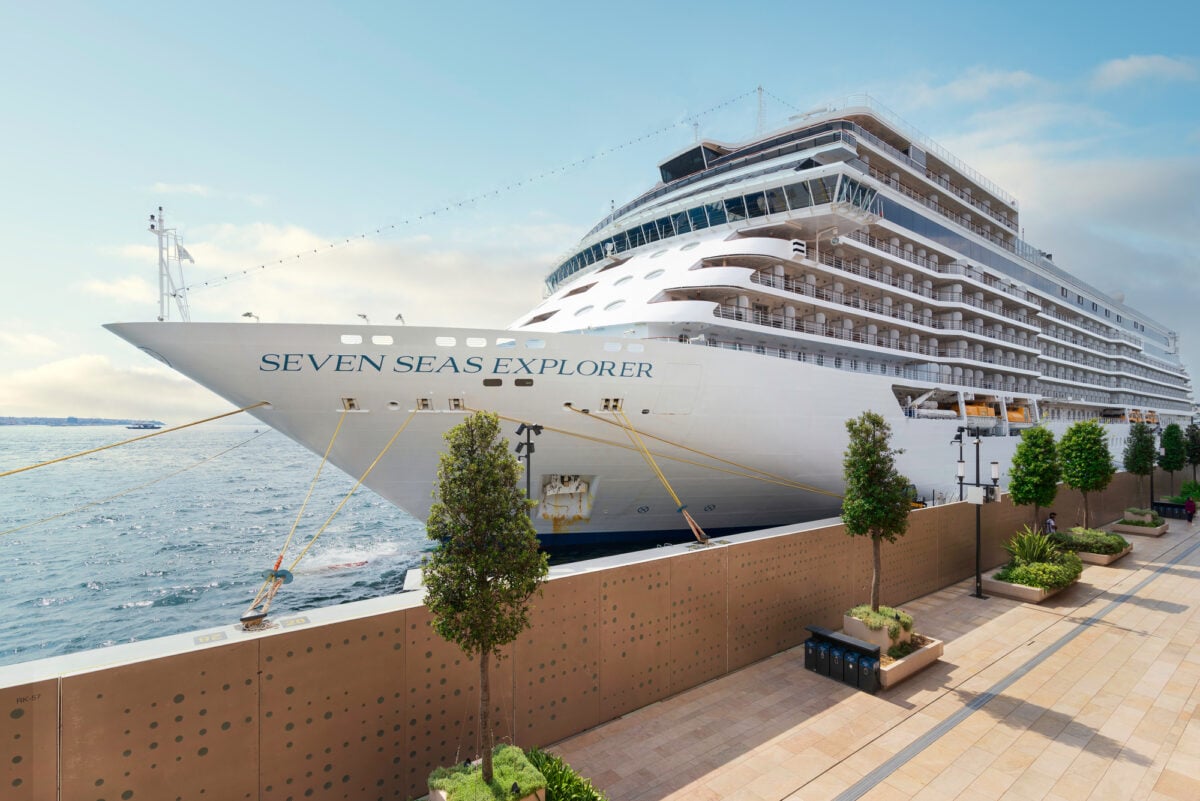
While port fees and taxes are usually included in your cruise fare, changes in itinerary can result in additional charges that appear on your final bill. If the ship substitutes ports due to weather or mechanical issues, higher port fees at the alternative destination become passenger responsibility.
Some cruise lines also adjust fuel surcharges or environmental fees during the cruise based on consumption or regulatory changes. These charges are legal according to the cruise contract terms, but passengers rarely expect them since they weren’t mentioned during booking.
The hidden truth about cruise pricing
The cruise industry has mastered the art of separating vacation enjoyment from spending awareness. Every charge feels small at the moment, every service seems reasonable when you’re relaxed and having fun, and every fee comes with logical explanations that make sense individually. But these charges accumulate into substantial amounts that can double your actual vacation cost.
The real issue isn’t that these services exist or that they cost money. The issue is that cruise lines present them as natural parts of the cruise experience rather than optional purchases, and they structure the payment system to minimize spending awareness until the final bill arrives. Your vacation self operates differently than your budget-conscious self at home, and cruise lines design their entire revenue system around exploiting that difference.
More from Go2Tutors!

- The Romanov Crown Jewels and Their Tragic Fate
- 13 Historical Mysteries That Science Still Can’t Solve
- Famous Hoaxes That Fooled the World for Years
- 15 Child Stars with Tragic Adult Lives
- 16 Famous Jewelry Pieces in History
Like Go2Tutors’s content? Follow us on MSN.