One-Hit Wonders of the 2010s
Some years pass by leaving behind tunes everyone hums till they fade into silence. Not so in the 2010s – things shifted.
Online spaces began shaping what we hear, reshaping stardom itself. Clips on video sites, sudden dance crazes, endless plays on audio apps: these pushed quiet creators straight into bright lights.
Yet here’s the catch – the quicker you rise, the faster people look away. One tune sticks, no matter what else they did.
Not every act here vanished after fame; some even put out tracks that found small audiences. Yet none of those songs took hold like the first.
A handful chose quiet exits instead of chasing crowds. For these names, memory only keeps a single melody alive.
That moment defined them, whether they liked it or not.
Gotye – “Somebody That I Used to Know” (2011)
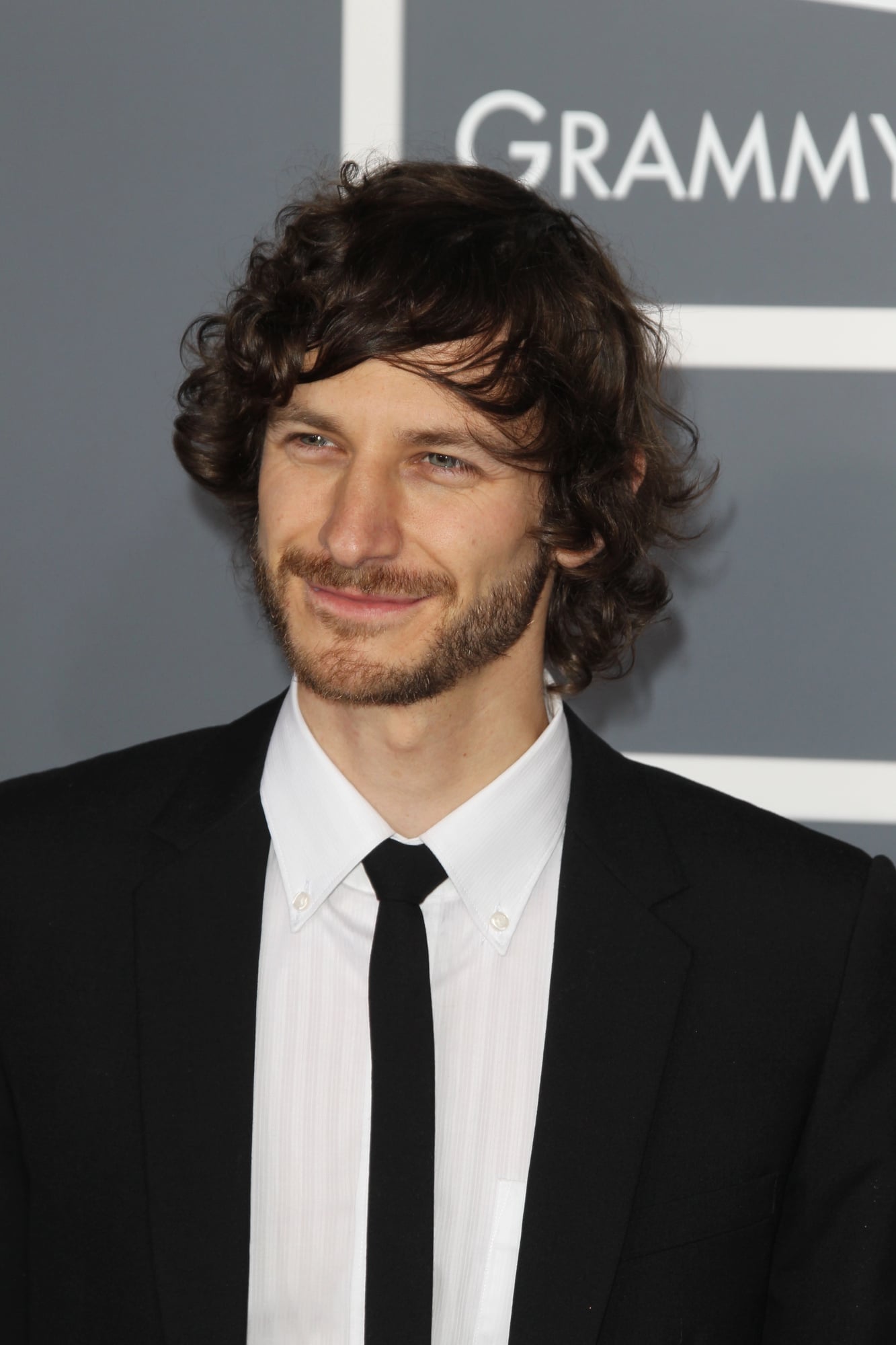
Belgian-Australian musician Wouter De Backer, known as Gotye, crafted what many consider the definitive breakup song of the decade. Featuring New Zealand singer Kimbra, the track blended unusual instrumentation with raw emotional lyrics about a relationship that ended badly.
The song hit number one in more than 20 countries and won three Grammys, including Record of the Year. Then Gotye essentially disappeared.
He declined millions in YouTube ad revenue, moved to Brooklyn, reconnected with a legendary didgeridoo player in the Australian outback, and focused on his other band, the Basics. He’s been active musically, just not in any way that registers on pop charts.
By choice, apparently.
Carly Rae Jepsen – “Call Me Maybe” (2012)

The Canadian singer’s impossibly catchy single dominated the summer of 2012. Justin Bieber tweeted about it.
Cover versions flooded the internet. The phrase “here’s my number, so call me maybe” entered everyday conversation.
Jepsen has continued making music, including the critically beloved album Emotion in 2015, which developed a devoted cult following. But mainstream success never returned.
To the general public, she remains the “Call Me Maybe” singer, even as pop critics insist she’s one of the decade’s most underrated artists.
Psy – “Gangnam Style” (2012)

The Korean rapper’s horse-riding dance became the first YouTube video to hit one billion views. The song was everywhere for months—sporting events, talk shows, political rallies.
People who couldn’t name another Korean artist knew Psy. “Gangnam Style” peaked at number two on the Billboard Hot 100, blocked from the top spot for seven consecutive weeks by Maroon 5’s “One More Night.”
His follow-up, “Gentleman,” also reached the top five. By any normal metric, Psy had two hits.
But nobody remembers “Gentleman.” In public memory, Psy released one song and then vanished back to South Korea, where he’d already been a star for over a decade.
Baauer – “Harlem Shake” (2013)

This one barely counts as a song in the traditional sense. The producer’s instrumental track became massive because of a viral video format: someone dances alone while others ignore them, then a bass drop hits and suddenly everyone’s thrashing around in costumes.
Sports teams did it. College dorms did it.
The videos racked up millions of views. “Harlem Shake” shot to number one on the strength of those user-generated clips.
Baauer has kept producing music, collaborating with artists like Pusha T and Future, but to most people, he’s the guy whose beat soundtracked that weird thing everyone did for two weeks in early 2013.
Ylvis – “The Fox (What Does the Fox Say?)” (2013)

Norwegian comedy duo Vegard and Bård Ylvisåker made this song as a joke. They wanted to create something so ridiculous it would flop, giving them material for their talk show.
Instead, it became a global phenomenon, racking up over a billion YouTube views. The brothers never tried to follow it up internationally.
They went back to their TV show in Norway. The song was never meant to launch a music career, so the fact that it didn’t wasn’t exactly a failure.
Still, outside of Scandinavia, they’re remembered for one thing: asking what sound a fox makes, then answering with increasingly unhinged vocal noises.
Lorde – “Royals” (2013)

This is a controversial inclusion. Lorde has had a successful career with acclaimed albums and other charting singles.
But in the United States, “Royals” stands so far above her other work in terms of cultural penetration that many casual listeners would struggle to name another song. The track criticized materialistic rap lyrics while the 16-year-old New Zealand artist was still in high school.
It won Song of the Year at the Grammys. Her subsequent work has been praised by critics but hasn’t matched that initial commercial impact stateside.
A Great Big World & Christina Aguilera – “Say Something” (2014)
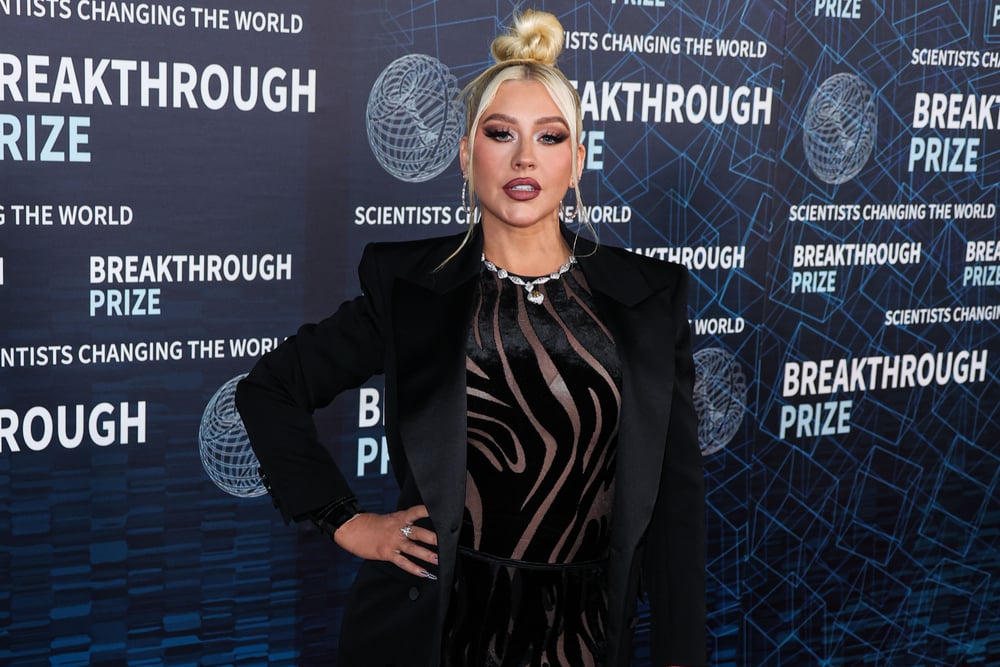
The piano-driven ballad about giving up on a failing relationship hit like a gut punch. Christina Aguilera’s addition elevated the duo’s original version into an arena-sized emotional experience.
The song reached number four and earned Grammy nominations. A Great Big World has continued making music.
They even released another duet with Aguilera in 2019. But “Say Something” remains their only song most people know.
It plays at funerals and breakups and sad movie scenes, a permanent fixture in the cultural soundtrack of grief.
Meghan Trainor – “All About That Bass” (2014)
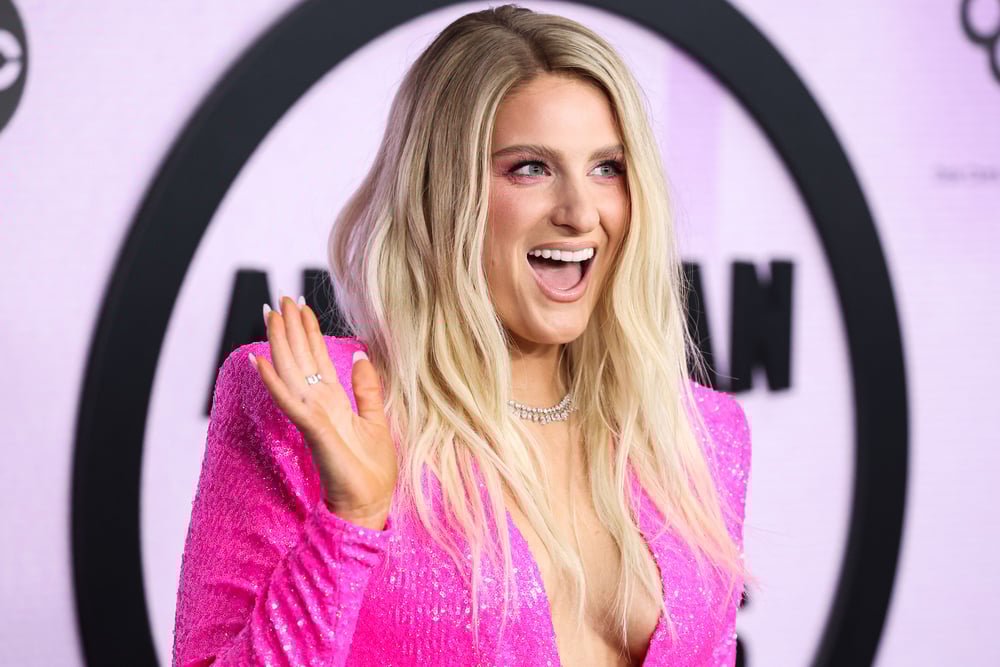
Another borderline case. Trainor has had other hits—”Lips Are Movin'” and “Like I’m Gonna Lose You” both charted well.
But “All About That Bass” was a phenomenon on a different scale. The body-positive anthem with its doo-wop throwback sound spent eight weeks at number one.
To the wider public, Trainor is still primarily “the bass girl.” Her subsequent songs performed decently without becoming cultural moments.
She’s carved out a solid career, but that first single remains the one everyone knows.
Hozier – “Take Me to Church” (2014)
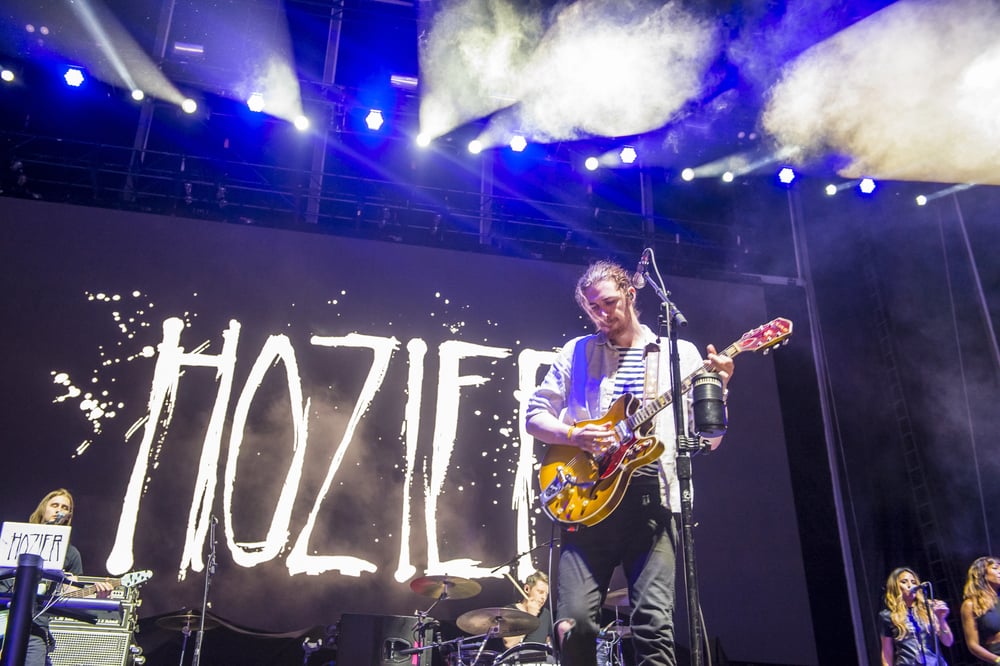
The Irish singer-songwriter recorded this in his parents’ attic and released it as a free download. Thanks to streaming platforms and its powerful music video addressing anti-LGBTQ violence, the song climbed to number two in the U.S. and earned a Grammy nomination.
Hozier has released two more albums, toured extensively, and maintains a dedicated fanbase. But ask most Americans to name a Hozier song, and they’ll give you one answer.
The church song. That’s it.
Omi – “Cheerleader” (2015)

The Jamaican singer originally released this reggae-pop track in 2012, but a remix by German DJ Felix Jaehn turned it into a global smash three years later. The song spent six weeks at number one in the U.S., powered by its sunny disposition and earworm hook about a supportive girlfriend.
Omi released follow-up singles. None of them charted.
He’s the textbook definition of a one-hit wonder: one massive song, then nothing. The cheerleader remains his sole contribution to the pop landscape.
Silentó – “Watch Me (Whip/Nae Nae)” (2015)

The teenage rapper’s dance instruction song became an instant playground phenomenon. Kids everywhere learned the moves.
The song peaked at number three and went quadruple platinum. What followed was less fortunate.
No subsequent releases matched the original’s success. Legal troubles followed.
By 2021, Silentó faced serious criminal charges unrelated to music. The song remains a snapshot of a specific moment—viral, danceable, then gone.
Desiigner – “Panda” (2015)

The SoundCloud rapper dropped this as a debut single, and it climbed all the way to number one. Kanye West sampled it on The Life of Pablo.
For a moment, Desiigner seemed positioned to become a major hip-hop figure. That moment passed.
A full album never materialized on any reasonable timeline. Other singles came and went without impact.
“Panda” remains the beginning and end of Desiigner’s mainstream story, a quintessential example of SoundCloud-era fleeting fame.
Rae Sremmurd – “Black Beatles” (2016)
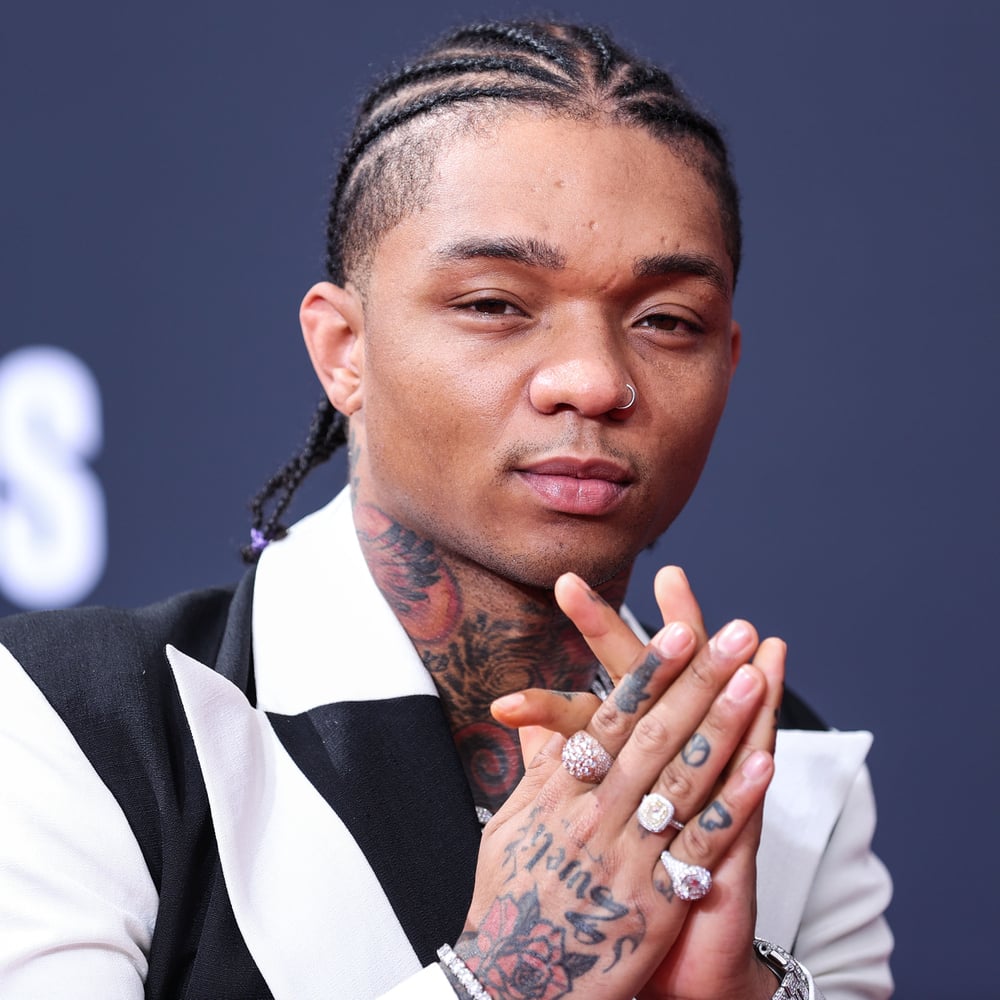
The Mississippi brothers had prior hits—”No Flex Zone” and “No Type” both charted. But “Black Beatles” became something bigger when the Mannequin Challenge went viral.
The song became the unofficial soundtrack to videos of people standing frozen while cameras panned around them. Paul McCartney himself participated in the challenge.
The song hit number one, ending the Chainsmokers’ 12-week reign with “Closer.” Rae Sremmurd has continued releasing music, and member Swae Lee has had solo success.
But “Black Beatles” remains their cultural peak.
Portugal. The Man – “Feel It Still” (2017)

The indie band had been around since 2004, releasing album after album to modest success. Then this neo-psychedelic track broke through, hitting number four and winning a Grammy for Best Pop Duo/Group Performance.
Notably, Motown songwriter Brian Holland received a songwriting credit because the melody borrowed from “Please Mr. Postman.” The band has kept making music since.
But to mainstream audiences, “Feel It Still” exists in isolation, a surprise hit from a decade into a career.
Lil Nas X – “Old Town Road” (2019)
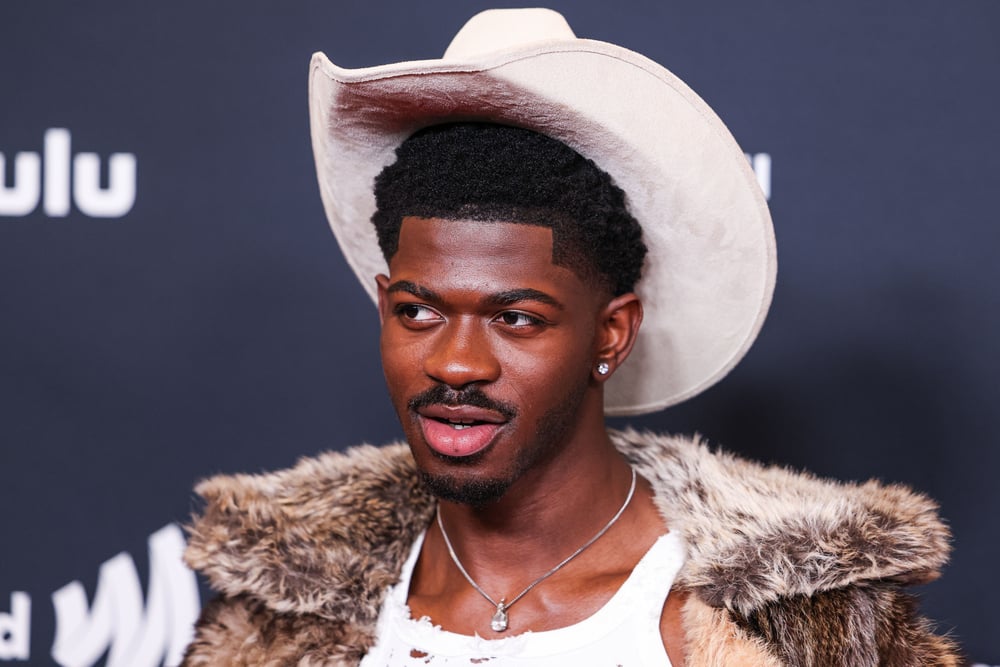
This feels wrong to include because the song spent 19 weeks at number one, the longest run in Billboard history. But as of late 2019, Lil Nas X was a one-hit wonder by technical definition.
His subsequent releases, including “Montero (Call Me By Your Name),” have since proven he’s not a one-hit wonder at all. Still, “Old Town Road” was so massive, so dominant, so inescapable that even if nothing else had followed, it would have defined an entire career.
The country-trap fusion launched on TikTok and became the sound of 2019.
When Lightning Strikes Once

Something ties these tracks together apart from fame that faded fast. Each one locked onto a time – mood, noise, internet wave – that simply cannot repeat.
Psy’s hit fit only one year, no other. A comeback attempt years later would feel strange, out of place.
That freeze-frame moment pushed “Black Beatles” higher than the song alone ever could. A single big hit does not mean someone failed.
For some musicians, that was the goal – a moment loud enough to fill a lifetime, followed by quiet days like anyone else’s. A few carried on playing, searching for lightning twice but never catching it again.
The 2010s churned through talent quicker than earlier times ever did, piling up familiar tunes tied to faces slowly fading into blur.
More from Go2Tutors!

- The Romanov Crown Jewels and Their Tragic Fate
- 13 Historical Mysteries That Science Still Can’t Solve
- Famous Hoaxes That Fooled the World for Years
- 15 Child Stars with Tragic Adult Lives
- 16 Famous Jewelry Pieces in History
Like Go2Tutors’s content? Follow us on MSN.



