16 Iconic Triathletes Who Made History
What started as a quirky experiment in California back in 1974 has blossomed into one of the most demanding and admired endurance sports worldwide: triathlon. This remarkable transformation happened because a select group of athletes did more than just compete—they completely redefined what human endurance could achieve. These pioneers pushed limits, smashed records, and inspired millions to take on the ultimate challenge of swimming, cycling, and running.
Their stories stretch across decades of progress, from humble beginnings on San Diego’s beaches to the grand stage of the Olympics and beyond. Here’s a list of 16 triathletes who didn’t just make history—they became history.
Julie Moss

Julie Moss wasn’t aiming to become triathlon’s most memorable figure when she stepped onto the start line of the 1982 Ironman World Championship as a college student studying exercise physiology. Yet her unforgettable crawl to the finish—collapsing just yards shy of victory as Kathleen McCartney passed her—captured the raw human spirit and introduced triathlon to the broader public. That televised moment did more for the sport’s image than any marketing campaign could.
But Moss’s impact went far beyond that single race. She kept competing at elite levels for many years, proving her Ironman debut wasn’t a one-off but the start of an inspiring career that encouraged countless others to push their own limits.
Mark Allen

Known as ‘The Grip,’ Mark Allen earned his nickname through his mental and physical dominance when it counted most. His epic rivalry with Dave Scott produced some of triathlon’s most thrilling moments, including their legendary 1989 Ironman showdown where Allen finally claimed his first Hawaii title. He then went on to win six Ironman World Championships in a row from 1989 to 1995—a streak that may never be equaled.
Allen’s success came from a combination of careful preparation and an almost zen-like mindset. He showed that triathlon was about far more than physical ability; it demanded mastery of mind, body, and strategy in a way few athletes in any sport have demonstrated.
Like Go2Tutors’s content? Follow us on MSN.
Dave Scott

Dave Scott became triathlon’s first true superstar, capturing six Ironman World Championships between 1980 and 1987. His obsessive focus on details and pioneering training techniques set a new standard for how elite triathletes prepared. Scott didn’t just compete—he studied every facet of performance, from nutrition timing to equipment choices, treating triathlon like a science long before it was widely recognized as one.
Beyond his racing career, Scott influenced the sport as a coach and mentor to the next generation. His legacy proved that longevity in triathlon depended on continuous innovation and adaptation—lessons still vital for today’s athletes.
Paula Newby-Fraser
Paula Newby-Fraser dominated women’s triathlon like few athletes have dominated any sport. Winning eight Ironman World Championships between 1986 and 1996, she established herself as the undisputed queen of long-distance triathlon. Newby-Fraser didn’t just win; she redefined what female endurance athletes could accomplish, often finishing among the top overall competitors regardless of gender.
Her breakthrough in 1988, breaking the nine-hour barrier for the first time, became a benchmark that inspired an entire generation of women. Newby-Fraser showed that dedication combined with smart training could shatter any perceived limits.
Simon Whitfield

Simon Whitfield made history by clinching triathlon’s first Olympic gold medal at the 2000 Sydney Games, elevating the sport to new heights on the global stage. His thrilling come-from-behind sprint finish perfectly showcased triathlon’s unpredictability and tactical depth to millions of viewers unfamiliar with the sport.
Whitfield’s knack for peaking at major events and delivering under pressure earned him widespread respect. He proved triathlon could offer dramatic, television-friendly competition rivaling any Olympic sport.
Like Go2Tutors’s content? Follow us on MSN.
Chrissie Wellington
Chrissie Wellington burst onto the triathlon scene relatively late but quickly rewrote the record books with four Ironman World Championships between 2007 and 2011. Her warm personality and genuine passion made her a beloved figure who went beyond the typical athletic superstar image. Remarkably, Wellington never lost an Ironman-distance race during her professional career—a perfect record that speaks volumes about her talent and preparation.
Her impact extended beyond competition through her advocacy and connection with grassroots athletes. Wellington demonstrated that elite performance need not come at the expense of authenticity or community ties.
Erin Baker
New Zealand’s Erin Baker ruled triathlon in the late 1980s and early 1990s, securing two Ironman World titles and numerous major victories. Known for her fierce competitive edge and sharp race tactics, she set the standard for the well-rounded modern triathlete.
Baker helped raise the sport’s international profile beyond its American roots, proving that triathlon talent could emerge from anywhere in the world and that global competition only strengthens the sport.
Gordon Haller
Gordon Haller earned his place in triathlon history by winning the very first Ironman in 1978, completing Hawaii’s grueling course in 11 hours and 46 minutes. His victory, against just 14 other athletes, laid the foundation for what has become one of sport’s most prestigious endurance events. Haller’s achievement showed that combining swimming, cycling, and running over extreme distances wasn’t just possible—it could capture the imagination of many.
His pioneering win opened doors for thousands who followed, proving ordinary people with extraordinary determination could achieve seemingly impossible goals—a message still central to triathlon today.
Like Go2Tutors’s content? Follow us on MSN.
Natascha Badmann
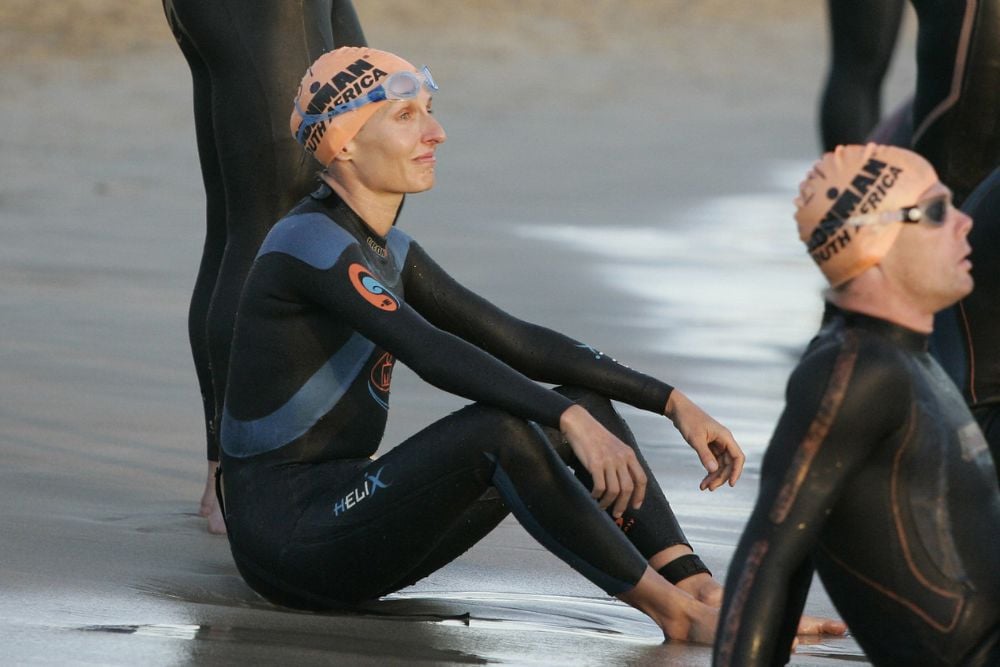
Swiss athlete Natascha Badmann brought European excellence to Hawaii, winning the Ironman World Championship six times between 1998 and 2005. Her consistent, patient approach to preparation showcased the power of disciplined training over flashier methods. Badmann’s success helped globalize Ironman racing and demonstrated that European athletes could dominate through steady, methodical work.
She also inspired masters athletes worldwide by performing at the highest level well into her forties, proving that age can be an advantage in endurance sports through experience and wisdom.
Jan Frodeno
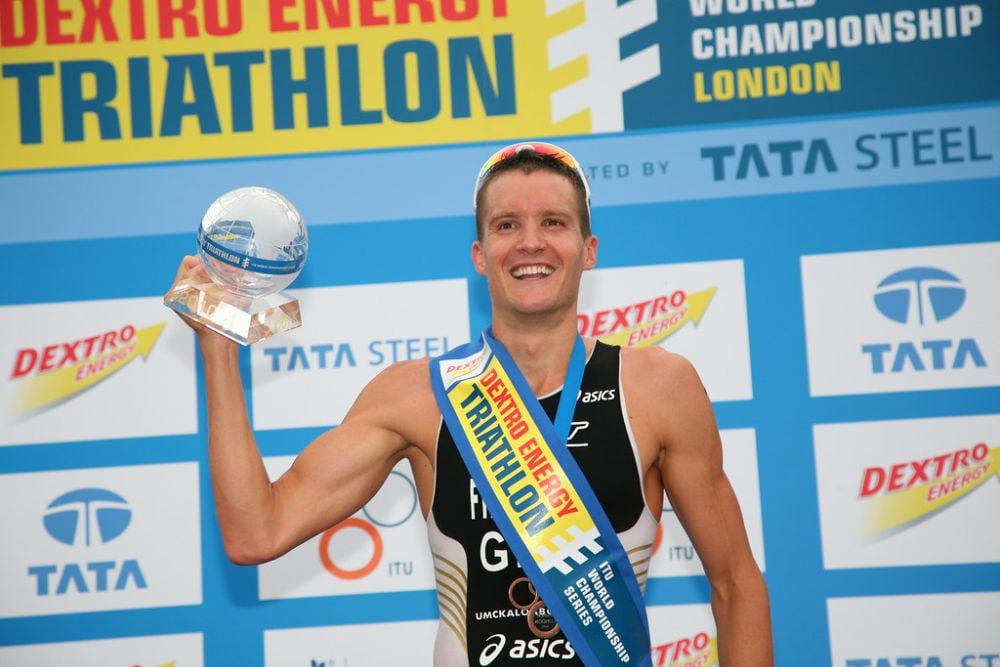
Jan Frodeno achieved a unique feat by winning both Olympic gold and the Ironman World Championship. His 2008 Olympic victory in Beijing highlighted his speed and tactical skill, while his three Ironman Hawaii titles from 2015 to 2019 showcased his dominance over longer distances. Frodeno’s versatility across various triathlon formats set a new benchmark for greatness.
His professional mindset and focus on marginal gains elevated overall performance standards in the sport. Frodeno proved that athletes could excel across distances by applying science-backed training and maintaining sharp focus.
Gwen Jorgensen
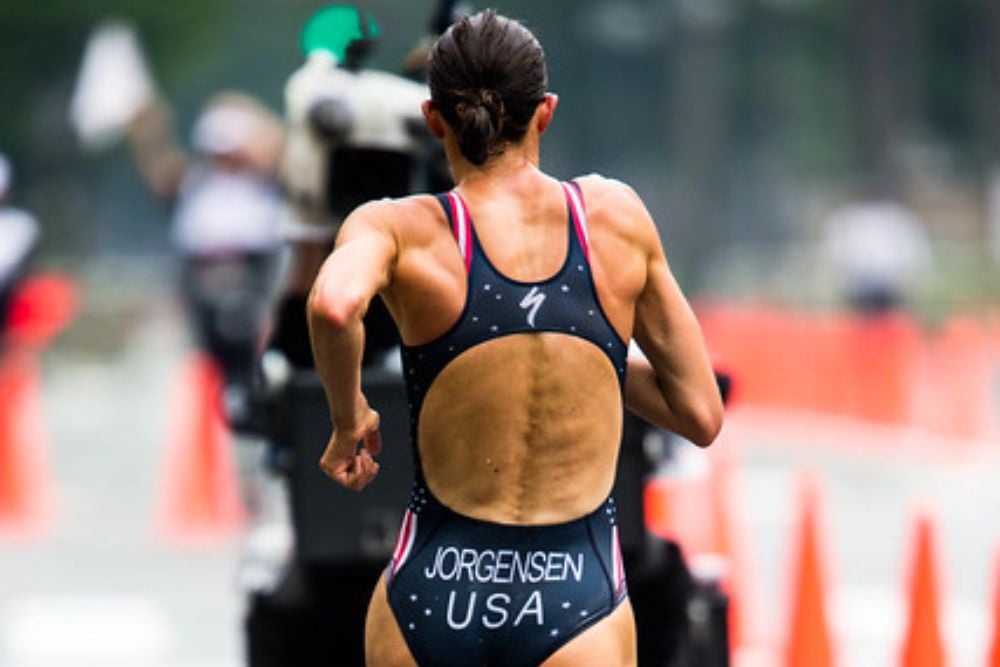
Gwen Jorgensen made a remarkable leap from accounting to becoming triathlon’s most dominant short-distance competitor. Her 2016 Olympic gold medal capped a stunning run of 12 consecutive World Triathlon Series wins. Jorgensen’s background in running gave her a powerful finishing kick that left rivals demoralized and thrilled fans.
Her choice to retire from triathlon at her peak to pursue marathon running showed the restless drive behind great athletes. Jorgensen demonstrated that triathlon could be a springboard for success in other endurance sports.
Like Go2Tutors’s content? Follow us on MSN.
Scott Tinley
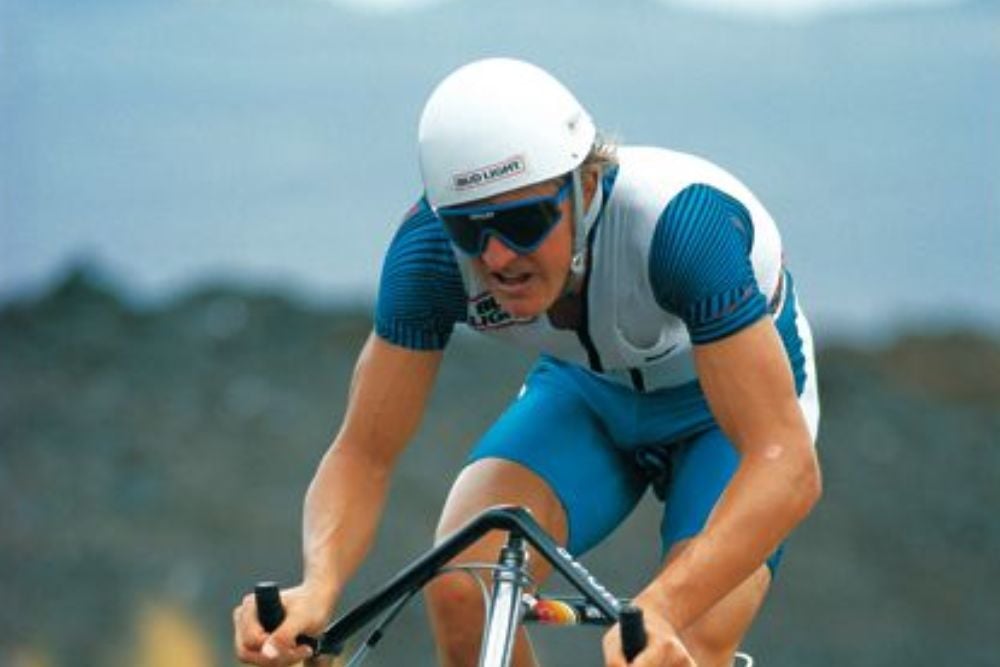
Scott Tinley took home two Ironman World Championships and became one of triathlon’s most thoughtful ambassadors through his writing and commentary. His wins in 1982 and 1985 came at a time when athletes were still discovering the best ways to train and race. Tinley’s intellectual approach helped establish triathlon as a sport for both body and mind.
After retiring, Tinley’s work as an author and academic brought credibility to the sport’s study. He showed that top triathletes could be fierce competitors and articulate voices for their sport.
Daniela Ryf

Daniela Ryf of Switzerland dominated long-distance triathlon with four straight Ironman World Championships from 2015 to 2018. Her consistent, methodical racing style made her nearly unbeatable during her peak. Ryf’s technical training and race strategies highlighted how European precision could translate to success on Hawaii’s tough course.
Her rivalry with other European elites helped raise the bar in women’s long-distance triathlon. Ryf’s career demonstrated that continuous innovation and adaptation are key to sustained excellence.
Scott Molina

Nicknamed ‘The Terminator,’ Scott Molina was known for his relentless racing style and ability to chase down competitors. His versatility across triathlon distances made him one of the most complete athletes of the 1980s and early 1990s. Molina’s aggressive tactics created some of triathlon’s most memorable moments.
Beyond his results, Molina contributed to developing training methods and equipment that influenced today’s racing strategies.
Like Go2Tutors’s content? Follow us on MSN.
Mirinda Carfrae

Australian Mirinda Carfrae, affectionately known as ‘Rinny,’ became famous for her phenomenal marathon runs in Ironman races. Her three Ironman World Championships between 2010 and 2014 often included breathtaking come-from-behind finishes. Carfrae’s ability to run marathons under three hours after swimming and cycling redefined what was possible in triathlon running.
Her infectious personality and passion for competition made her a fan favorite who transcended the sport. Carfrae showed that exceptional running could overcome challenges in swimming and cycling at the highest levels.
Tim Don
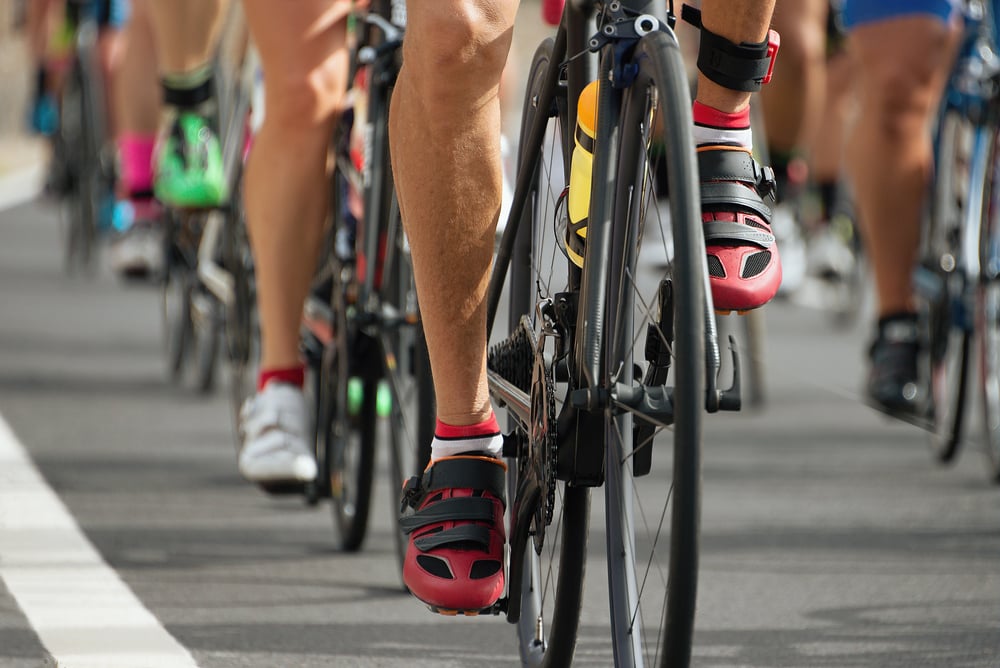
Great Britain’s Tim Don proved his versatility and durability over a career spanning more than 20 years. Excelling at both Olympic and Ironman distances, Don’s range is rare among triathletes. His 2017 Ironman world record of 7:40:23 demonstrated that age 39 can still be a peak performance year with dedication.
Don’s comeback from a serious neck injury that nearly ended his career inspired many facing adversity. He showed that with determination and the right support, athletes can overcome huge obstacles in sport and life.
The enduring impact of triathlon’s pioneers
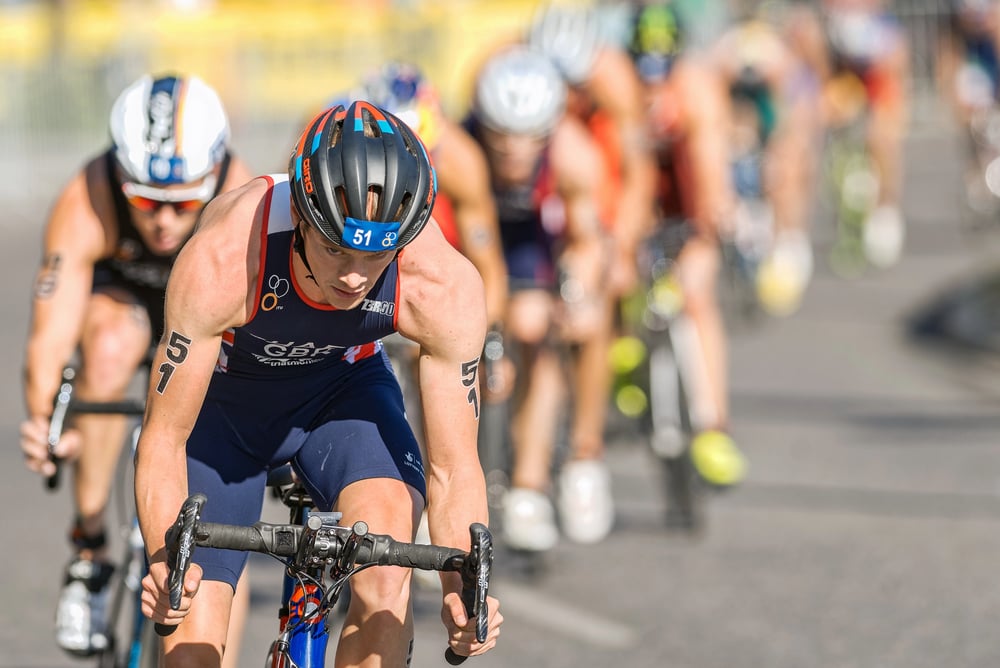
These 16 athletes did far more than just compete—they helped shape triathlon’s journey from an experimental curiosity to a worldwide phenomenon. Their innovations in training, gear, and race tactics laid the groundwork for how modern triathletes prepare and compete today. Current athletes still watch Julie Moss’s crawl, Mark Allen’s strategic brilliance, and Paula Newby-Fraser’s consistency for both inspiration and lessons.
Their influence goes beyond trophies and records to touch millions of age-group athletes tackling their first sprint triathlon or dreaming of an Ironman finish. These legends proved human potential has no fixed limits, and that combining swimming, cycling, and running creates something greater than the sum of its parts. They turned triathlon from a niche sport into a lifestyle that continues to attract newcomers around the world.
Like Go2Tutors’s content? Follow us on MSN.
More from Go2Tutors!

- 16 Historical Figures Who Were Nothing Like You Think
- 12 Things Sold in the 80s That Are Now Illegal
- 15 VHS Tapes That Could Be Worth Thousands
- 17 Historical “What Ifs” That Would Have Changed Everything
- 18 TV Shows That Vanished Without a Finale
Like Go2Tutors’s content? Follow us on MSN.