Ingenious Ways Nature Adapts to Urban Sprawl
Cities feel like the last place anything wild would want to live. Concrete noise, artificial light, pollution, and a near-constant stream of human activity — it sounds hostile to just about every living thing that didn’t evolve alongside a shopping mall.
And yet, look closer and you’ll find nature not just surviving in cities, but actively changing to thrive in them. The adaptations happening right now, often right outside your window, are some of the most fascinating biological stories unfolding anywhere on the planet.
Birds That Started Singing Differently
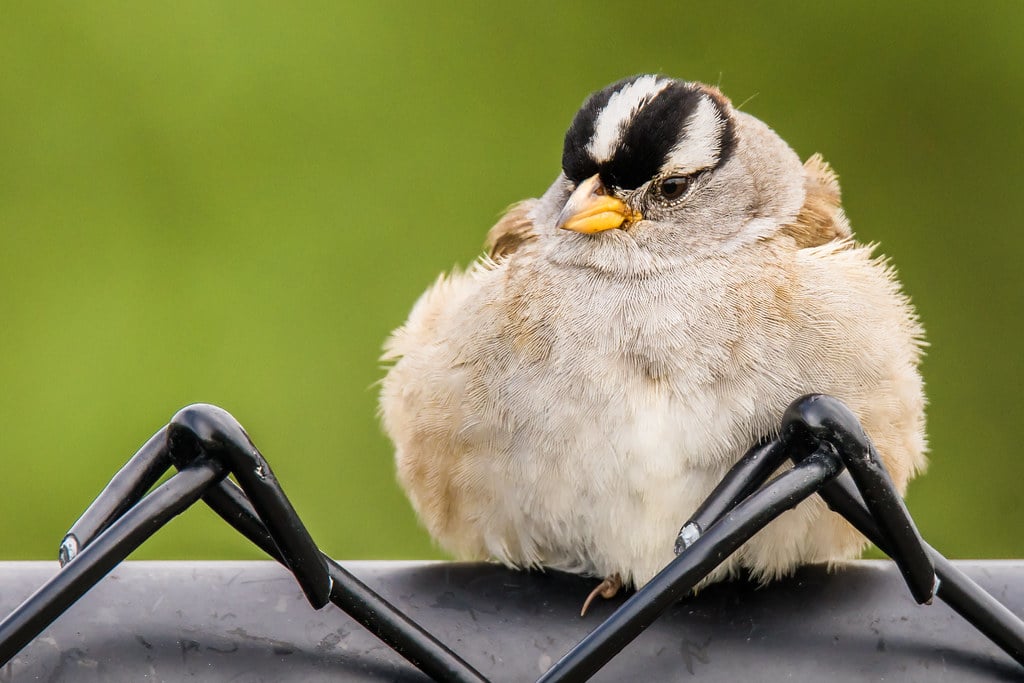
White-crowned sparrows in San Francisco now sing at a higher pitch than they did fifty years ago. The reason is simple: low-frequency urban noise drowns out lower-pitched songs, so birds whose calls sit at a higher frequency get heard, attract mates, and pass those vocal traits to the next generation.
It’s natural selection in action, driven entirely by car engines and city hum. This isn’t just one species.
Researchers have documented similar vocal shifts in great tits across European cities, blackbirds in urban parks, and dozens of other species. The city is essentially conducting its own unplanned experiment in acoustic evolution, and birds are keeping up.
Coyotes That Learned to Navigate Suburbs
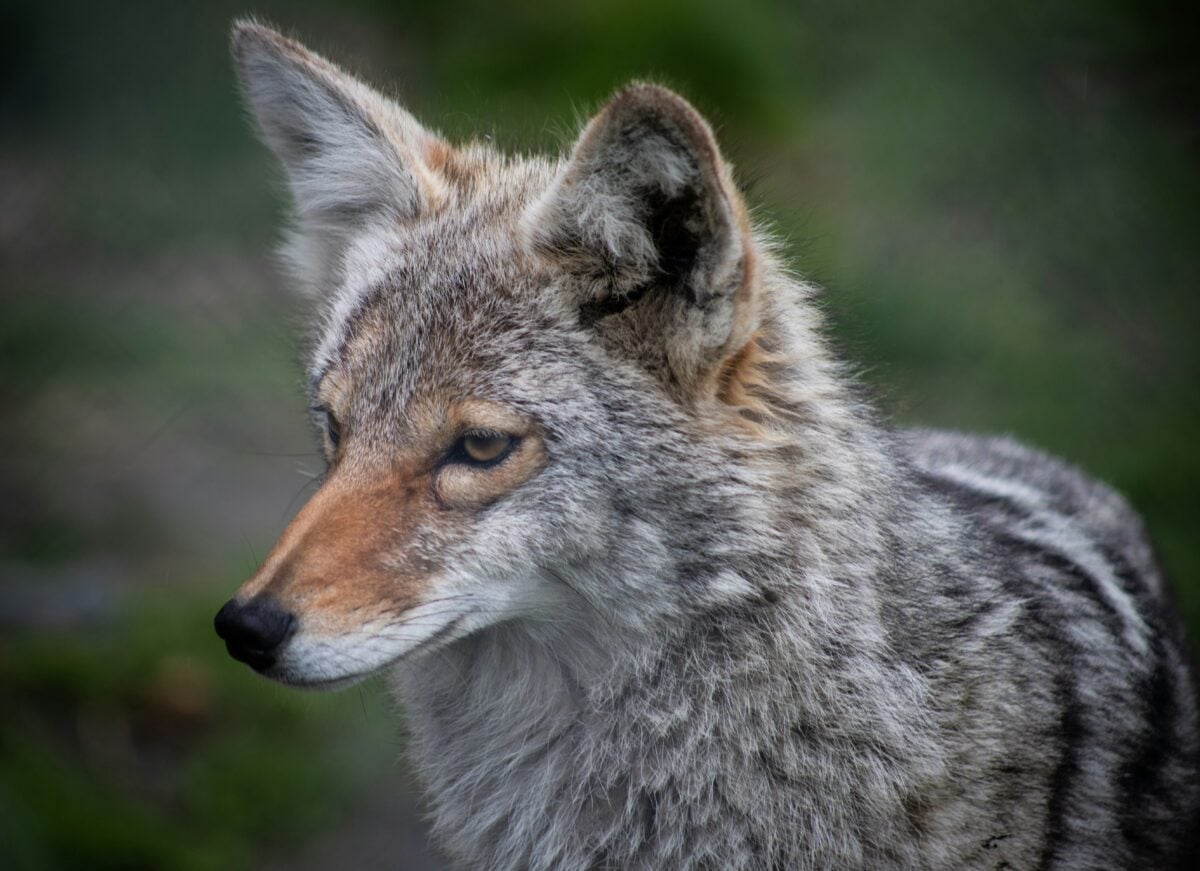
Coyotes were once considered animals of the open plains and desert. Today, they live in every major American city, including Chicago and Los Angeles, and they’ve become remarkably skilled at navigating human-dominated environments.
Urban coyotes adjust their activity patterns to avoid people — shifting to nocturnal movement in densely populated areas while remaining active during the day in quieter zones. They learn traffic patterns.
They use green corridors like golf courses and highway medians to move around unseen. Some have even been observed waiting at crosswalks and observing traffic before crossing roads.
Whether that’s learned behavior or instinct remains debated, but the outcome is the same: they cross the street safely.
Peregrine Falcons and the Skyscraper Solution
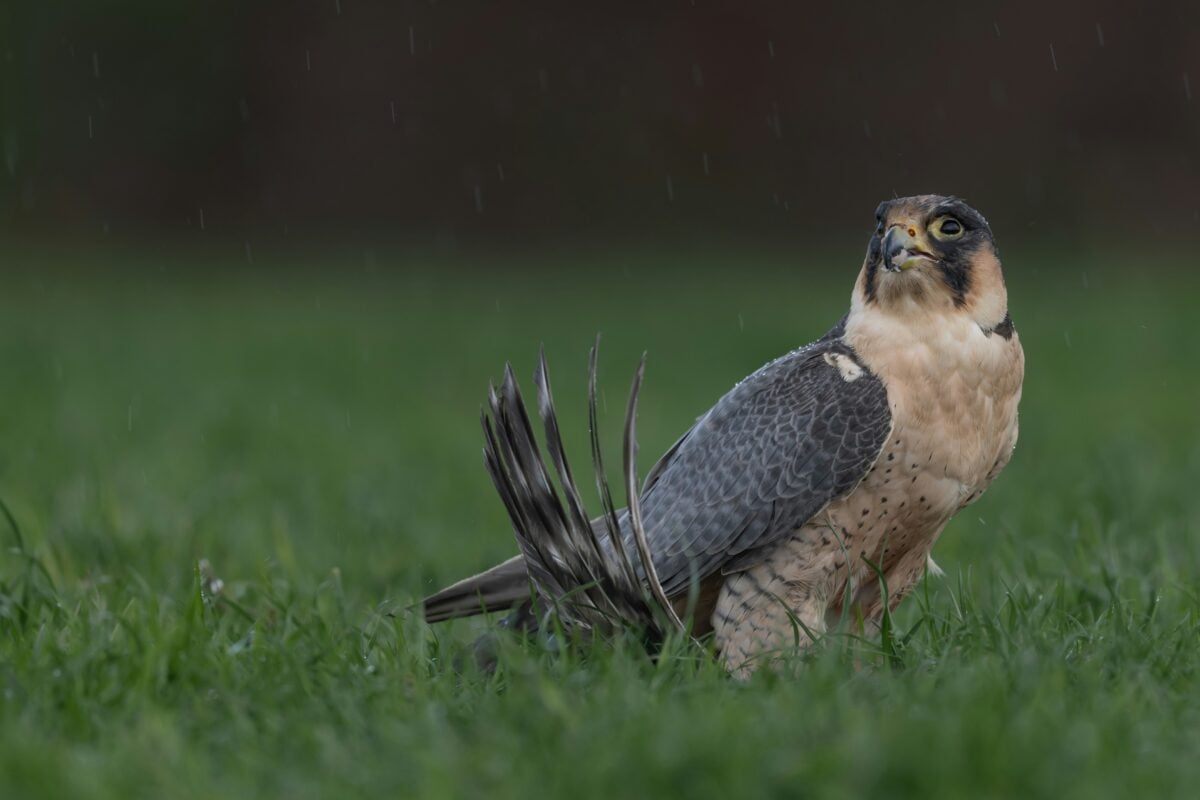
Before skyscrapers existed, peregrine falcons nested on cliff faces. Then the buildings went up, and somewhere along the way, a falcon looked at a 40-story tower and saw a cliff.
The species, which was nearly extinct in the mid-20th century due to pesticide use, has made a remarkable recovery — largely because cities provided exactly what falcons need: high nesting sites, reliable ledges, and an abundance of pigeons. New York City alone hosts dozens of breeding pairs.
London, Chicago, and Sydney have resident populations too. The birds adapted so well that conservationists now install nest boxes on bridges and tall buildings to encourage them.
Plants Cracking Through and Climbing Over
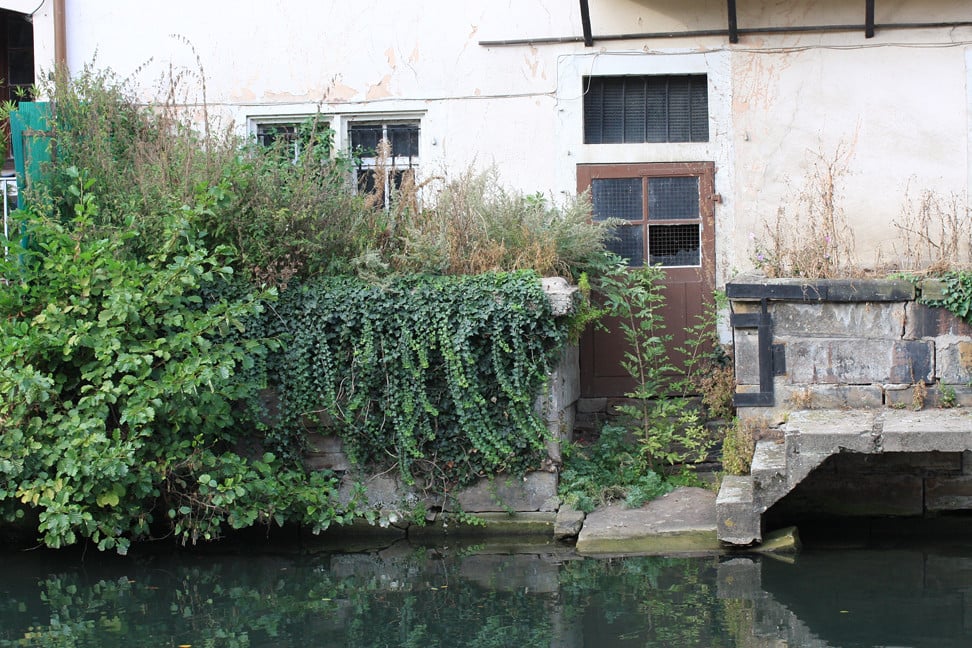
Urban plants face serious challenges — poor soil, heat, compacted ground, and constant foot traffic. But plants have been dealing with hostile environments for hundreds of millions of years, and cities haven’t stumped them.
Some species have evolved thicker, waxier leaves in cities to deal with air pollution and reduced water availability. Certain urban plant populations show accelerated seed dispersal, with seeds designed to travel further to escape concrete-dominated zones.
Others, like the aptly named wall pepper, have simply colonized every crack in masonry they can find. Dandelions are a particularly well-studied case. Urban dandelions grow differently from their rural counterparts — shorter stems, different leaf shapes, altered seed structures — all changes that help them succeed on disturbed ground with minimal soil.
The Raccoon’s Brain
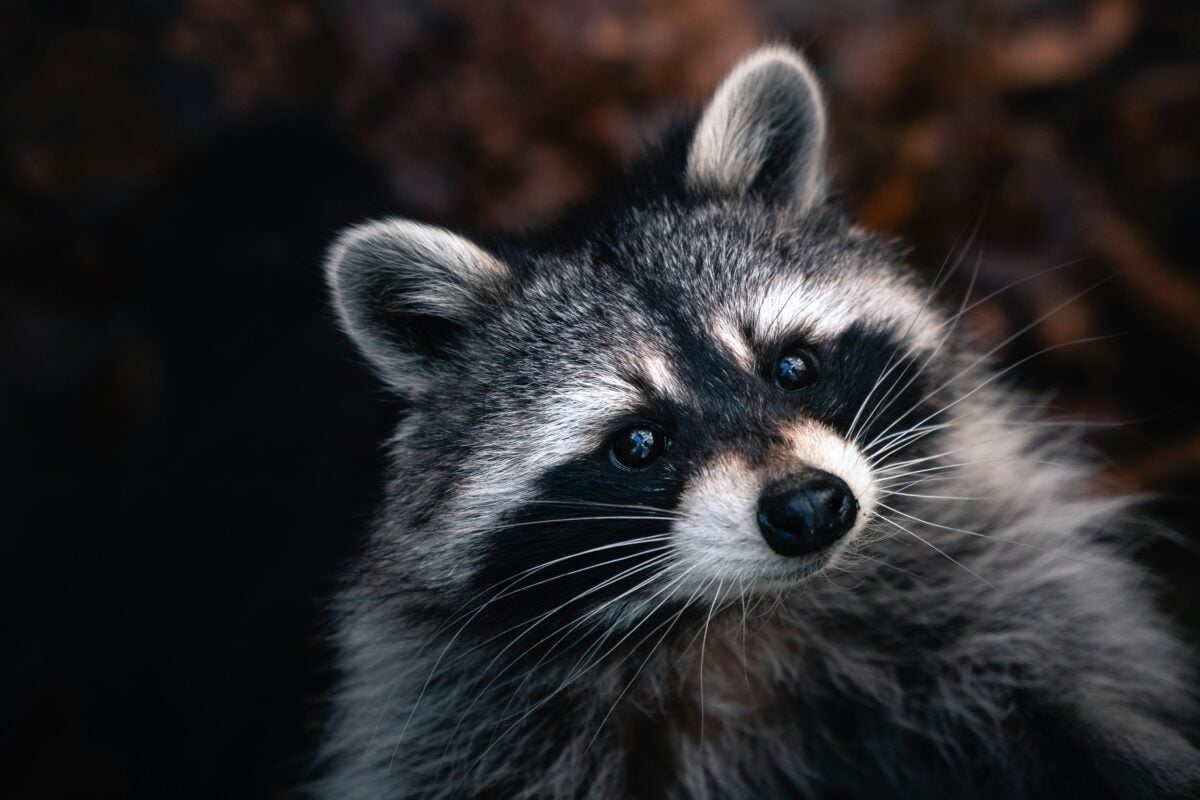
Raccoons didn’t just move into cities. They got smarter in them.
Studies comparing rural and urban raccoon populations show that city raccoons consistently outperform their rural counterparts on problem-solving tasks. They open latches, unlock containers, navigate mazes, and remember solutions to challenges for years after learning them.
The leading explanation is that urban environments select for cognitive flexibility. A raccoon that can’t figure out a new type of garbage bin simply doesn’t eat as well, doesn’t thrive as much, and over generations, the population skews toward animals with better problem-solving ability.
It’s uncomfortable to admit, but the raccoon routing through your trash may genuinely be smarter than its great-grandparents.
Mice and the Metabolism Shift
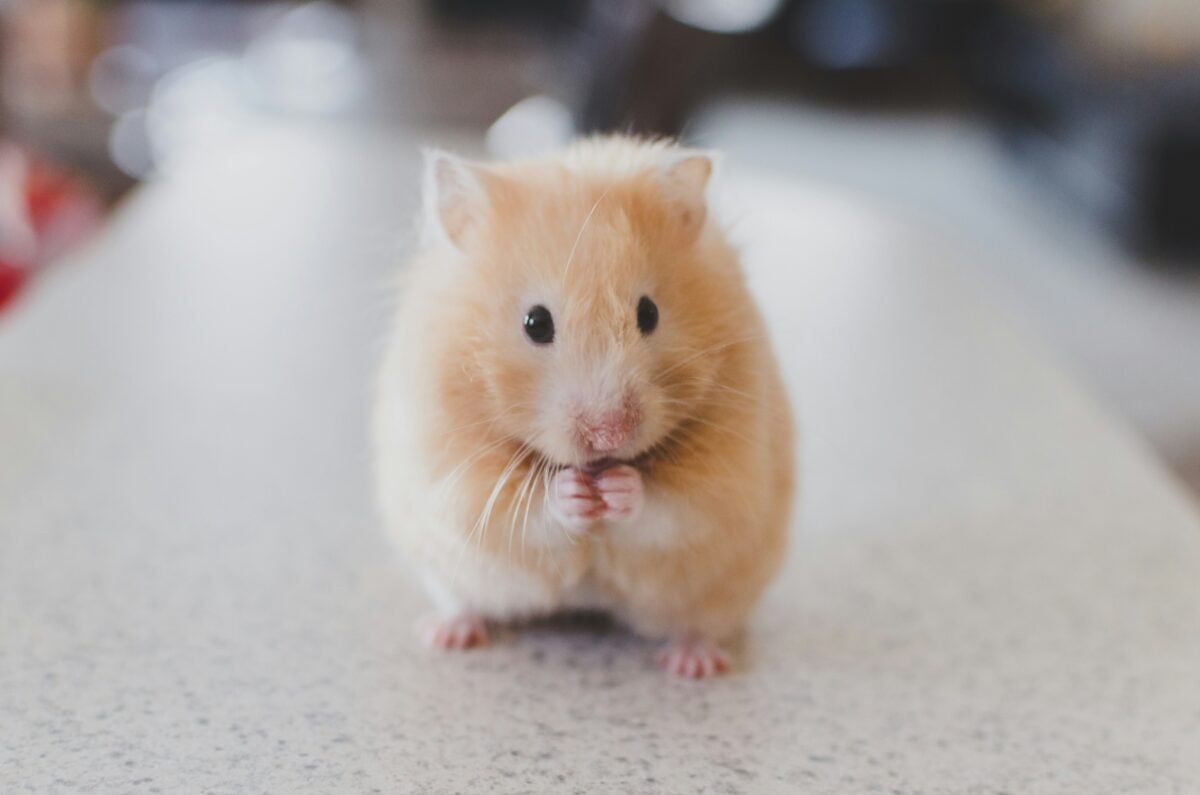
White-footed mice living in New York City parks have evolved measurably different genetics from rural populations in just a few decades — a timespan that is extraordinarily short by evolutionary standards.
City mice carry genetic variants linked to processing fatty, high-calorie food more efficiently. Manhattan’s mouse population, which subsists heavily on discarded human food, has adapted at the metabolic level to handle diets that would be unusual in the wild.
They’re also showing changes in immune function and stress response. The park boundaries essentially act like islands, with each green space hosting its own slightly distinct evolving population.
Moths and the Light Problem
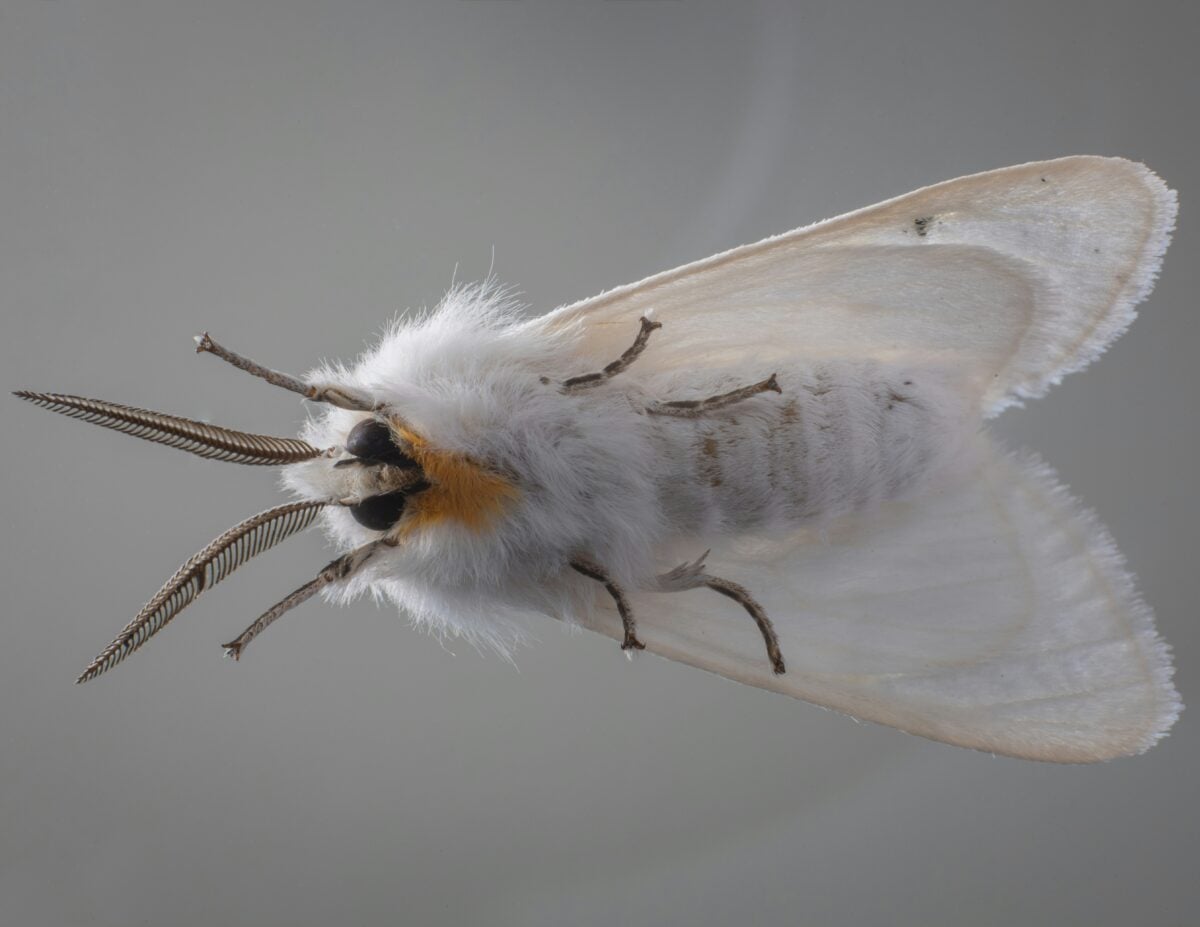
Artificial light disrupts moth navigation. Moths that evolved to use moonlight as a reference point now spiral toward streetlights and porch lights instead, burning energy, getting disoriented, and exposing themselves to predators.
But urban moth populations in some areas are beginning to adapt. Researchers in Switzerland found that moths collected from light-polluted areas showed reduced attraction to artificial light compared to moths from dark rural areas.
The trait appears to be heritable. Moths that are less drawn to lights survive longer in cities and pass that tendency on. After just a few generations, the population composition shifts.
Fish That Handle Dirty Water
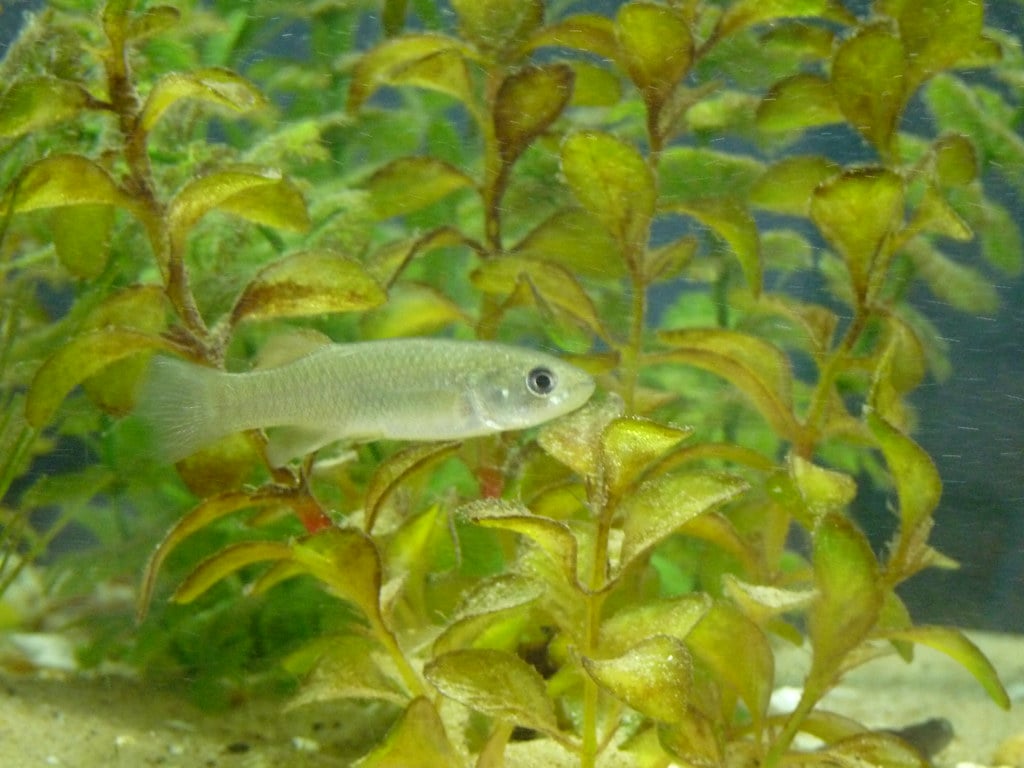
Killifish living in some of the most polluted estuaries in the United States — places like the Elizabeth River in Virginia and parts of Newark Bay — have evolved genetic resistance to the industrial pollutants that would kill fish from cleaner waters.
The adaptation involves changes to the AHR pathway, a set of genes that regulate how the body responds to certain toxic compounds. Normally, exposure to these chemicals triggers a cascade of harmful effects.
Killifish in contaminated areas have essentially switched parts of this pathway off, allowing them to survive and reproduce in waters that should be lethal. It’s not a clean story — the fish have paid a metabolic price for the adaptation — but they’re alive and reproducing while everything else has left or died.
Trees Adjusting to Urban Heat
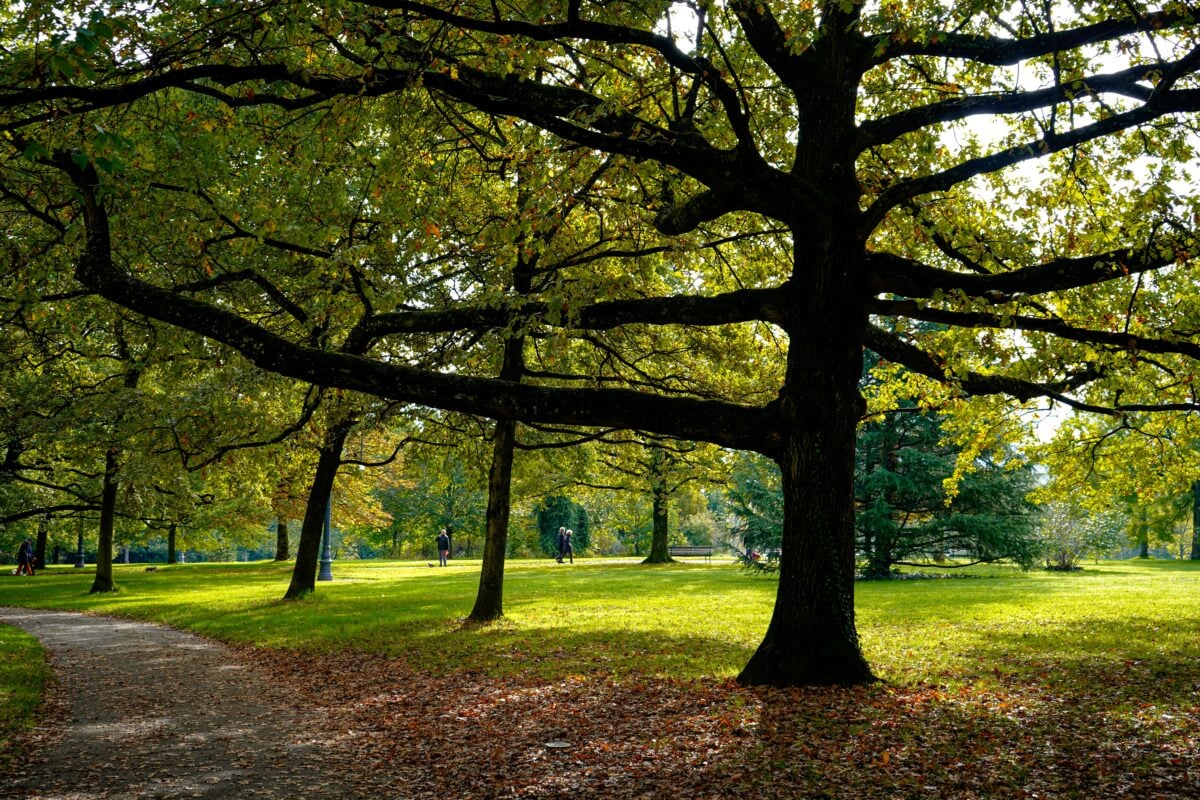
Cities run hotter than surrounding rural areas, a well-documented phenomenon called the urban heat island effect. Concrete and asphalt absorb heat, buildings block cooling winds, and air conditioning units pump warm air into streets.
Urban trees are adapting. Some tree species in cities now leaf out earlier in spring and hold their leaves longer in autumn compared to the same species growing just miles away in rural areas.
This extended growing season is partly due to the extra warmth, but also involves genetic shifts in populations that have lived in urban heat for multiple generations. City trees in some species are beginning to look phenologically distinct from their rural relatives.
Spiders with Different Social Behavior

Orb-weaver spiders living in cities tend to be bolder and more aggressive than rural populations of the same species. The urban environment rewards spiders that are willing to build webs in brighter, noisier, more exposed locations, because those spots often have the best access to insects drawn to artificial light.
Bolder spiders get more food, survive better, and reproduce more. Over time, the urban population shifts toward this behavioral profile. It’s a personality change — at the population level — driven by city life.
Microbes Evolving Resistance
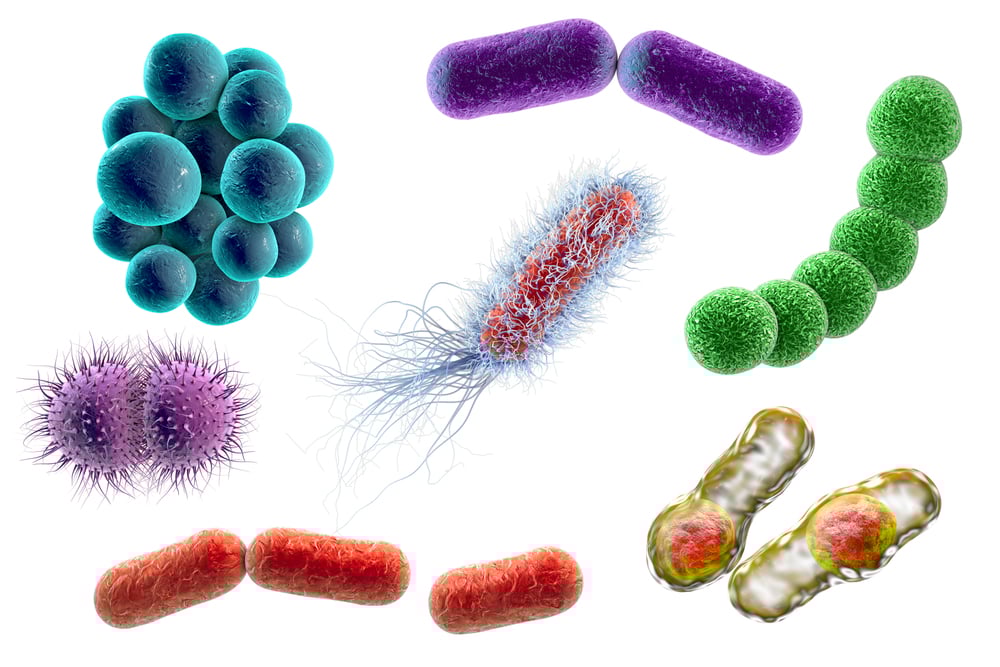
The urban environment is thick with antibiotics — in hospitals, in the water supply, in agricultural runoff that ends up in city rivers. Bacteria exposed to these compounds either die or adapt, and the ones that adapt do so quickly.
Urban waterways now host bacterial communities with significantly higher rates of antibiotic resistance genes than their rural equivalents. This has practical consequences for human health, but it’s also a striking demonstration of how rapidly microbial life can evolve when the environment changes.
What takes thousands of years for a mammal takes bacteria a few weeks.
Foxes Becoming Bolder
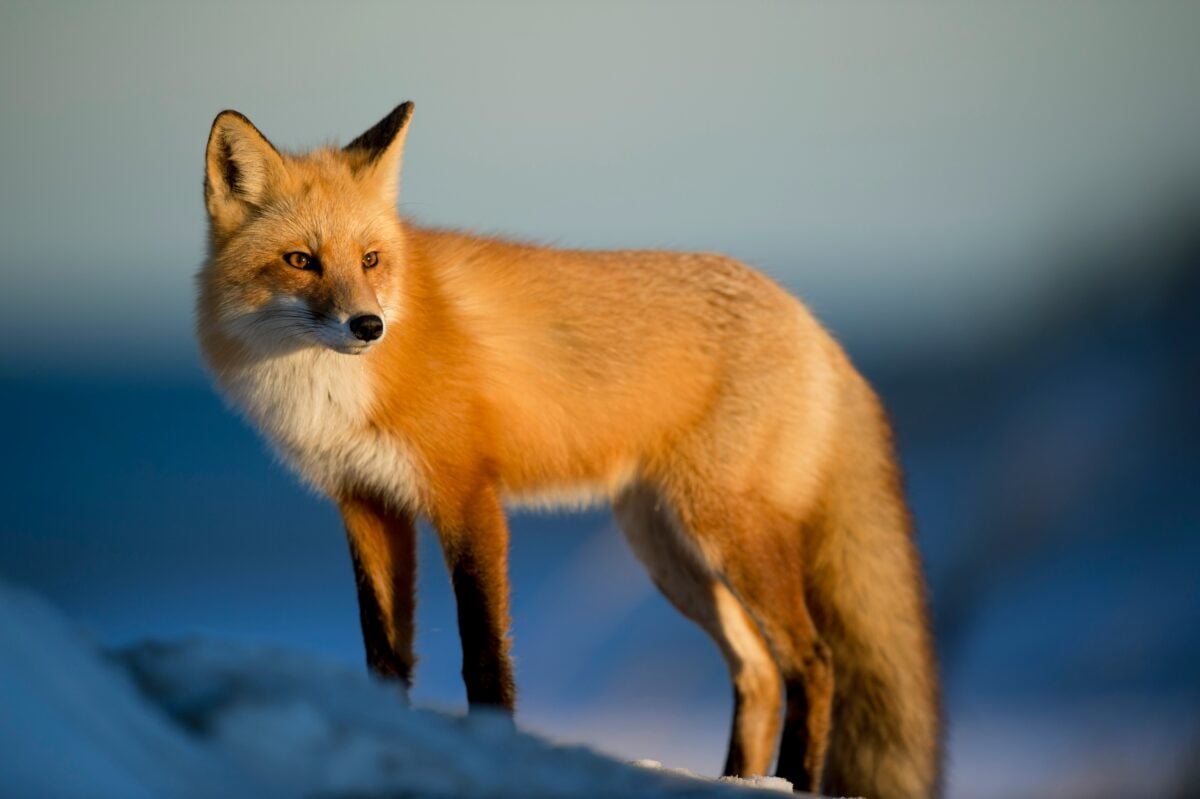
Red foxes have lived alongside humans in British cities for decades, and the urban populations have changed in ways researchers didn’t fully anticipate. City foxes have shorter, wider muzzles compared to rural foxes — changes that parallel the skull changes seen in domesticated animals, which also tend toward shorter, wider faces compared to their wild ancestors.
The working theory is that urban environments select for animals that are less fearful of humans, and that reduced fear comes with a set of developmental and physical changes — a package deal that shows up in the skeleton as well as in behavior. Foxes aren’t becoming domesticated, but they may be walking partway down that road.
Evolution Happening on the Street
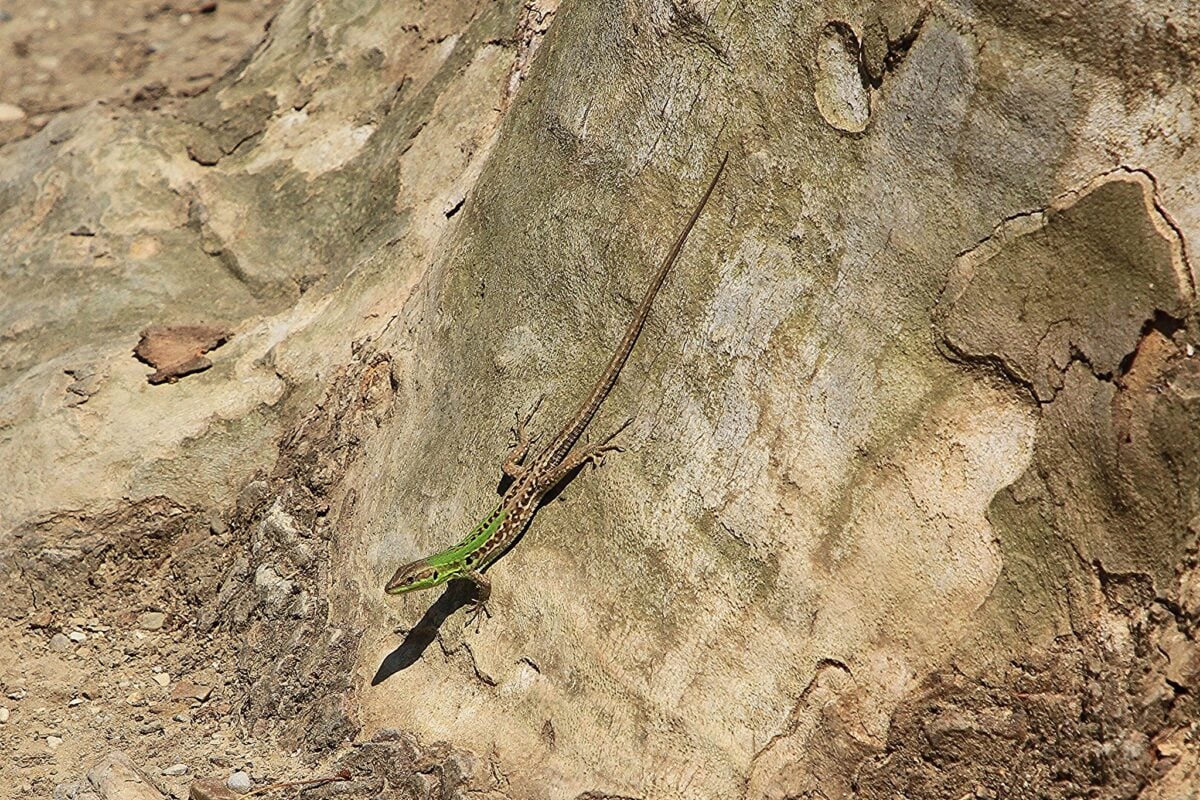
The Italian wall lizard was introduced to a small Croatian island in the 1970s as part of an experiment. Within thirty-six years — an evolutionary blink — the population had developed significantly different gut structures, new microbial communities in their digestive systems, and altered head shapes suited to eating the plant material that was abundant on the island. All documented, all measured.
Urban environments work similarly. They impose new pressures quickly, and life responds. Evolution isn’t something that only happened in the ancient past.
It’s running right now on every road, rooftop, and storm drain in every city on Earth.
The Quiet Persistence of Lichen
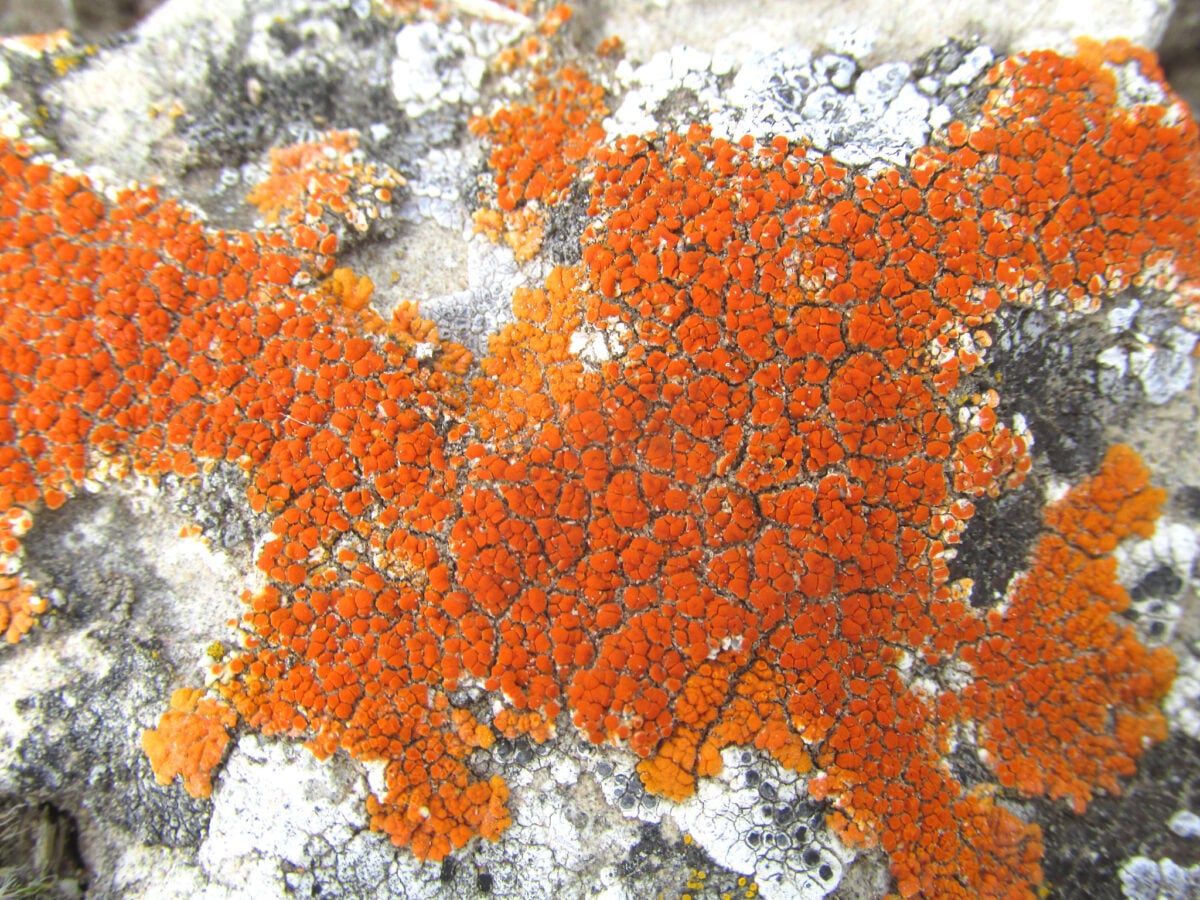
Lichen – the crusty things spreading slowly across ancient walls and gravestones – almost vanished from urban areas when industry boomed. Soot-filled air, loaded with sulfur fumes from burnt coal, killed off most kinds. Without clean breezes, city surfaces stayed empty of their quiet presence through decades of smoke. Trees stood stripped of their usual speckled coats.
Lichen began reappearing when city air got cleaner. Not every kind returning matched those lost earlier.
Tougher types, able to handle grime, arrived first. These hardy newcomers settled places they’d never lived before.
Some even thrive where exhaust fumes settle heaviest. They’ve learned to make use of what others reject.
What the City Teaches
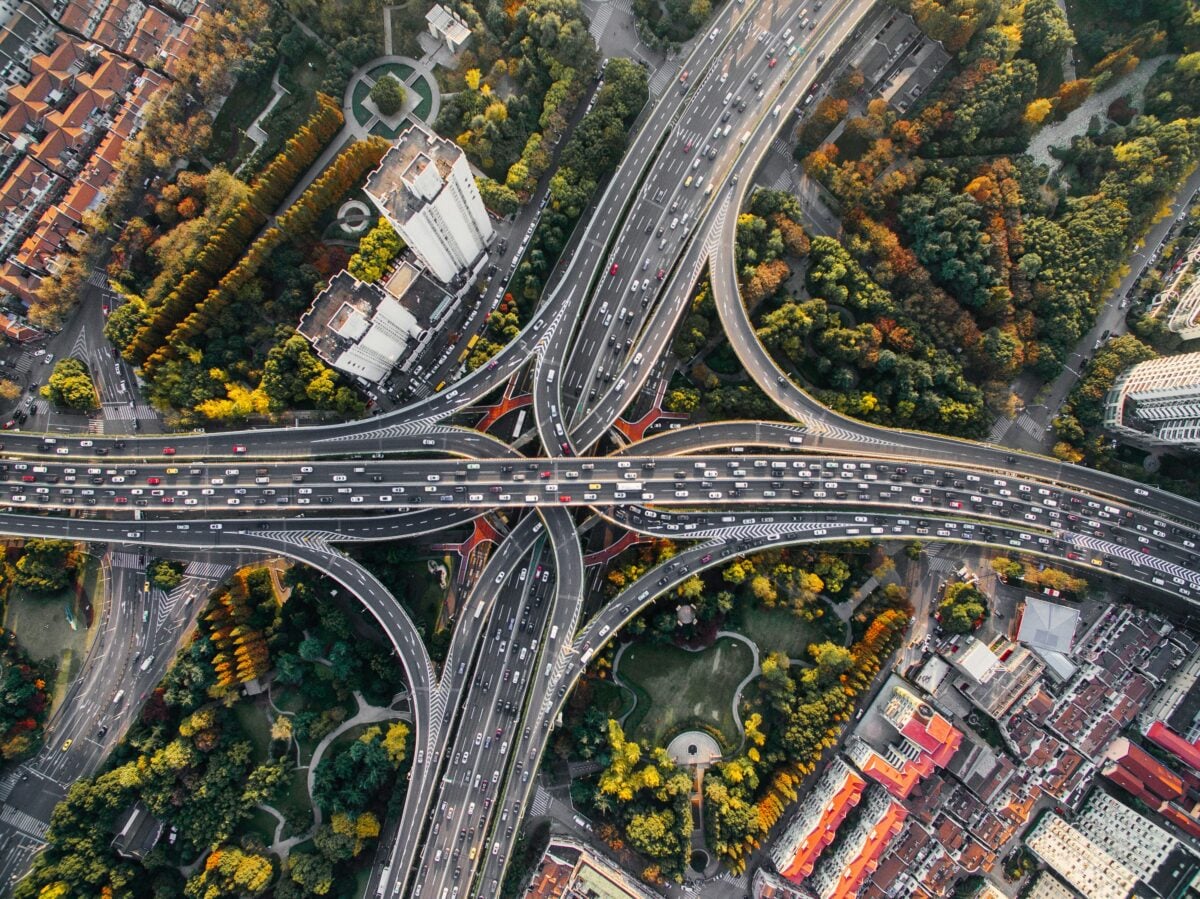
What sticks isn’t always loud. A sparrow sings where it once didn’t, fish push through waters changed beyond recognition, spiders claim cracks meant for stone.
Not forests, these places – paved, humming, sharp with light. Survival here demands trade-offs few creatures can meet.
When change moves too fast, absence fills the space instead. Yet those adjustments reveal a truth about living things – they never pause for ideal moments.
They use whatever exists. In evolutionary terms, cities appeared overnight, still life began responding almost at once.
Changed landscapes brought fresh challenges: hard surfaces, bright nights, constant sound – life, true to form, got busy adapting. This change unfolds without design, steady and unshowy, each step surprising in its quiet persistence.
More from Go2Tutors!

- The Romanov Crown Jewels and Their Tragic Fate
- 13 Historical Mysteries That Science Still Can’t Solve
- Famous Hoaxes That Fooled the World for Years
- 15 Child Stars with Tragic Adult Lives
- 16 Famous Jewelry Pieces in History
Like Go2Tutors’s content? Follow us on MSN.



