Photographers Whose Single Most Famous Shot Defined an Entire Era
Some photographers are remembered not for a body of work but for a single image that transcended its moment and became the visual definition of an era. These photographers took one photograph that altered history’s narrative more than their other work, whether prolific or sparse.
The single shot overshadowed everything else they created, both blessing and curse.
Nick Ut and the Napalm Girl (1972)

Nick Ut’s photograph of nine-year-old Phan Thi Kim Phuc running from a napalm attack became the visual symbol of the Vietnam War’s human cost. Ut took thousands of photographs during the war, documented combat, interviewed soldiers, captured intimate moments of military life.
Yet he is remembered almost exclusively for this one frame from June 8, 1972. The photograph overshadowed his other work so completely that most people know him only as “the photographer who took the Napalm Girl.”
Ut survived the war, emigrated to the United States, and continued his career as a photojournalist for decades. Yet every introduction includes that single image.
The photograph’s power has both defined and limited how Ut is understood as a photographer and artist.
Robert Capa and D-Day (1944)
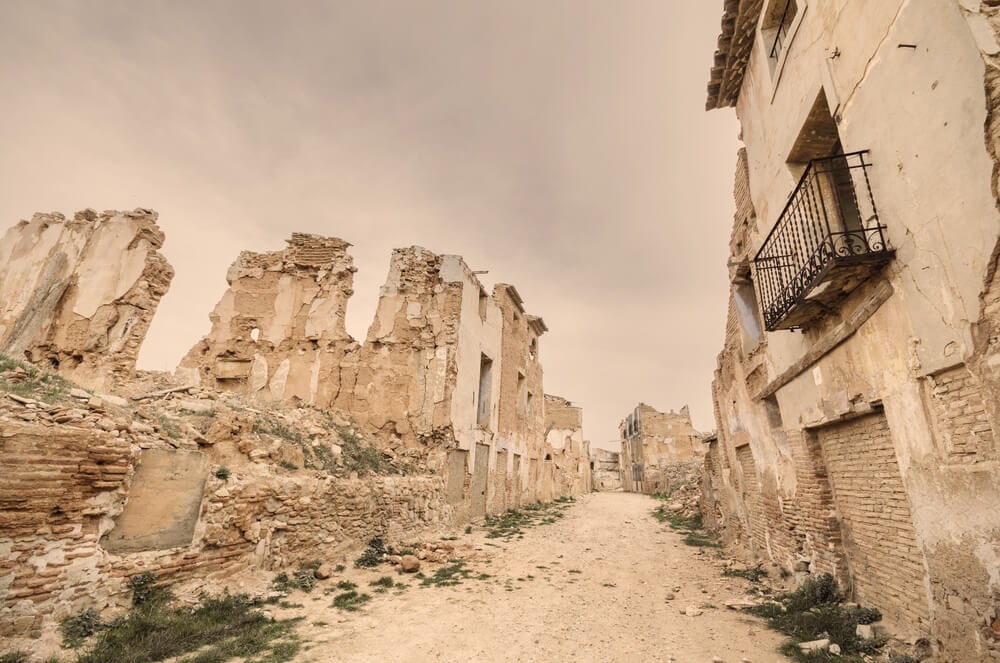
Robert Capa covered wars across Europe and Asia, documented the Spanish Civil War, followed soldiers across multiple campaigns. Yet he is remembered predominantly for his D-Day photographs—specifically the grainy, blurred images taken on Omaha Beach.
Those photographs became the definitive visual record of the invasion, overshadowing his extensive documentation of other conflicts. Capa’s other work, including his photographs of intimate moments between soldiers and loved ones, his portraits of military leadership, and his documentation of the Pacific War, are largely forgotten.
The single day’s work defined his legacy.
Steve McCurry and the Afghan Girl (1984)
Steve McCurry is an accomplished photographer whose work has appeared in National Geographic for decades. He has photographed conflicts across Asia, documented cultures from India to Southeast Asia, created acclaimed photo essays.
Yet virtually every introduction of his work begins with the Afghan Girl. The single image, taken in a five-minute encounter in a refugee camp, has defined how the world understands McCurry.
His other work, some of it extraordinary, is eclipsed by that one photograph. The image’s global fame has made McCurry both celebrated and confined by a single frame.
Malcolm Browne and the Burning Monk (1963)
Malcolm Browne covered the Vietnam War extensively and documented conflicts across Asia throughout his career. Yet he is remembered predominantly for his photograph of Thich Quang Duc setting himself on fire in protest of religious persecution.
The image became the defining photograph of American reckoning with the war’s complexity. Browne’s other work, including his extensive documentation of the war’s political dimensions and his later career as a science journalist, has been largely overshadowed.
The single photograph defined how Browne would be remembered.
Alfred Eisenstaedt and V-J Day (1945)
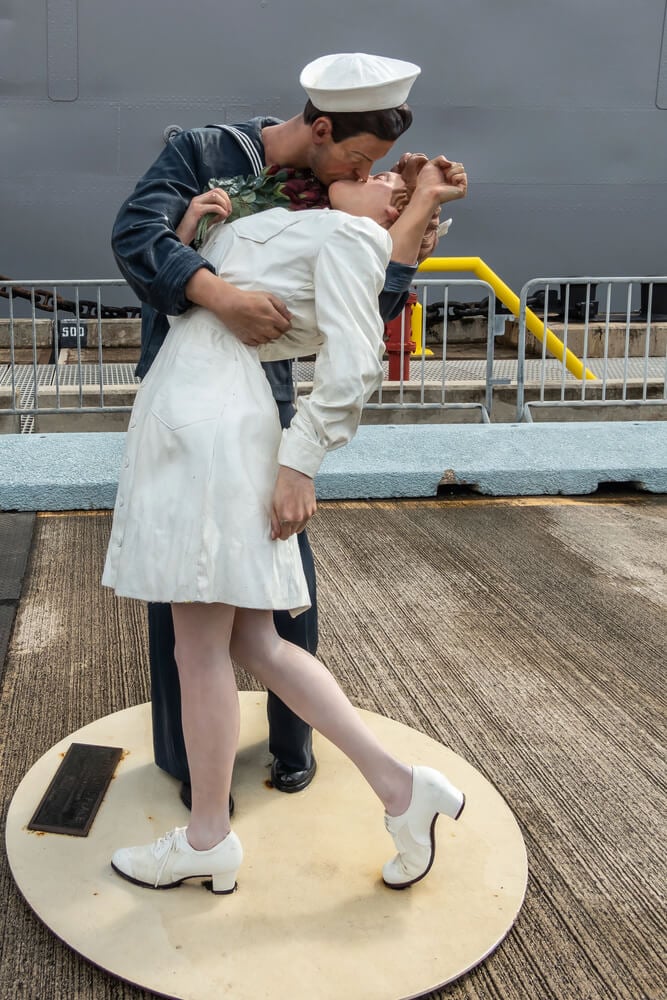
Alfred Eisenstaedt was a prolific photojournalist who documented World War II extensively and had a long career photographing significant historical moments. Yet when most people encounter his name, they think of the V-J Day photograph of a sailor kissing a nurse in Times Square.
That single image, taken on August 14, 1945, has defined Eisenstaedt’s legacy despite his decades of other significant work. The photograph’s power has overshadowed the rest of his career.
Joe Rosenthal and the Iwo Jima Flag Raising (1945)
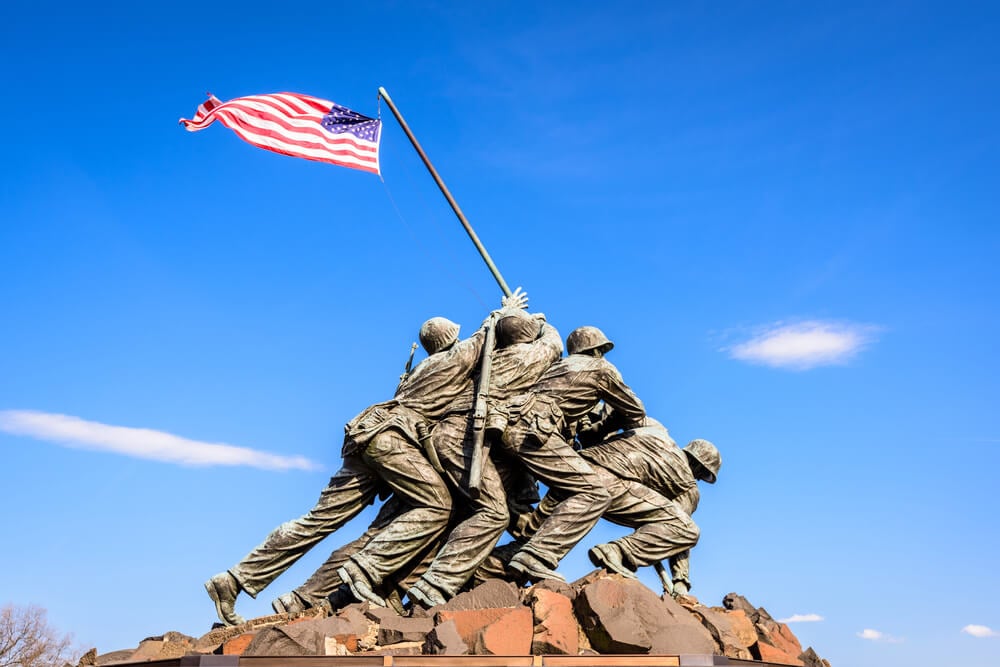
Joe Rosenthal’s photograph of soldiers raising the American flag on Mount Suribachi has become the defining image of American heroism in World War II. The image was reproduced as a sculpture, appeared on stamps, was taught in schools.
Rosenthal was a skilled war photographer who documented the Pacific campaign extensively. Yet every reference to his work returns to that single image.
The photograph’s iconic status has defined and limited how Rosenthal is understood as an artist.
Arthur Sasse and Einstein’s Tongue (1951)
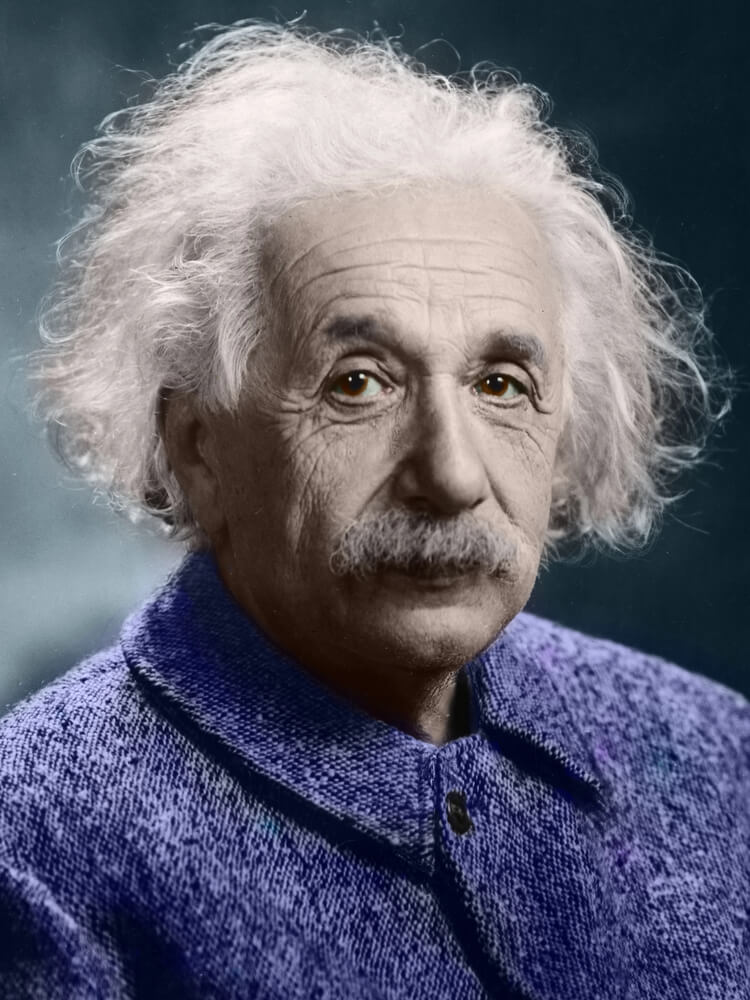
Arthur Sasse was a photographer for UPI who covered many significant moments in mid-20th century America. Yet he is remembered almost entirely for a single photograph taken on March 14, 1951—Albert Einstein sticking his tongue out at photographers after his birthday party.
The image became one of the most reproduced photographs of the 20th century. Sasse’s other work, potentially significant in its own right, has been entirely eclipsed.
He is remembered as “the photographer who took Einstein’s tongue photo” rather than as a photographer whose work spanned decades.
Alberto Korda and Guerrillero Heroico (1960)

Alberto Korda was a Cuban photographer who worked for the revolutionary government and documented the Cuban Revolution extensively. His photographs of Fidel Castro, of daily life in the new Cuba, of political rallies and celebrations, constituted an extensive body of work.
Yet Korda is remembered almost exclusively for his photograph of Che Guevara taken at a funeral service in Havana on March 5, 1960. The image overshadowed everything else he created.
The photograph’s later adoption as a cultural icon meant that Korda’s entire legacy was reduced to a single frame, though Korda himself recognized the image’s power and gave away prints as gifts throughout his life.
Eddie Adams and the Saigon Execution (1968)

Eddie Adams was an accomplished war photographer who covered Vietnam extensively. Yet he is remembered predominantly for a single photograph taken on February 1, 1968, showing a South Vietnamese general executing a suspected Viet Cong officer.
The image transformed American public opinion on the war. Adams’ other war photography, his later work as a photographer of American life, his career spanning decades—all have been overshadowed by that single frame.
The photograph defined how Adams would be remembered historically.
Kevin Carter and the Starving Child (1993)

Kevin Carter was a South African photographer who documented conflicts and suffering across Africa. His extensive body of work was significant and moving.
Yet he is remembered predominantly for a single photograph of a starving child in Sudan being circled by a vulture. The image won the Pulitzer Prize and became iconic.
The controversy surrounding the photograph—the ethical questions about documentary photography and exploitation—has overshadowed Carter’s other work. The photograph defined his legacy, though its legacy is complicated by ethical critique.
Charles Levy and Nagasaki (1945)
Charles Levy was a Navy photographer who documented World War II from multiple perspectives. Yet he is remembered predominantly for his photograph of the mushroom cloud rising above Nagasaki after the atomic bomb detonation.
The image became the defining visual symbol of nuclear weapons’ destructive power. Levy’s other documentation of the war has been largely forgotten.
The single image defined his historical legacy.
Robert Kenny and the Civil Rights Sit-In (1960)
Robert Kenny photographed the Greensboro sit-in on February 1, 1960, when four young African American college students entered a Woolworth’s lunch counter and ordered food. Kenny’s photograph of the sit-in became the defining image of the early Civil Rights Movement.
The image inspired similar sit-ins across the country. Kenny’s other work documenting the movement, his later career, has been eclipsed by that single image.
The photograph defined how Kenny would be remembered.
Margaret Bourke-White and the Steel Foundry (1936)
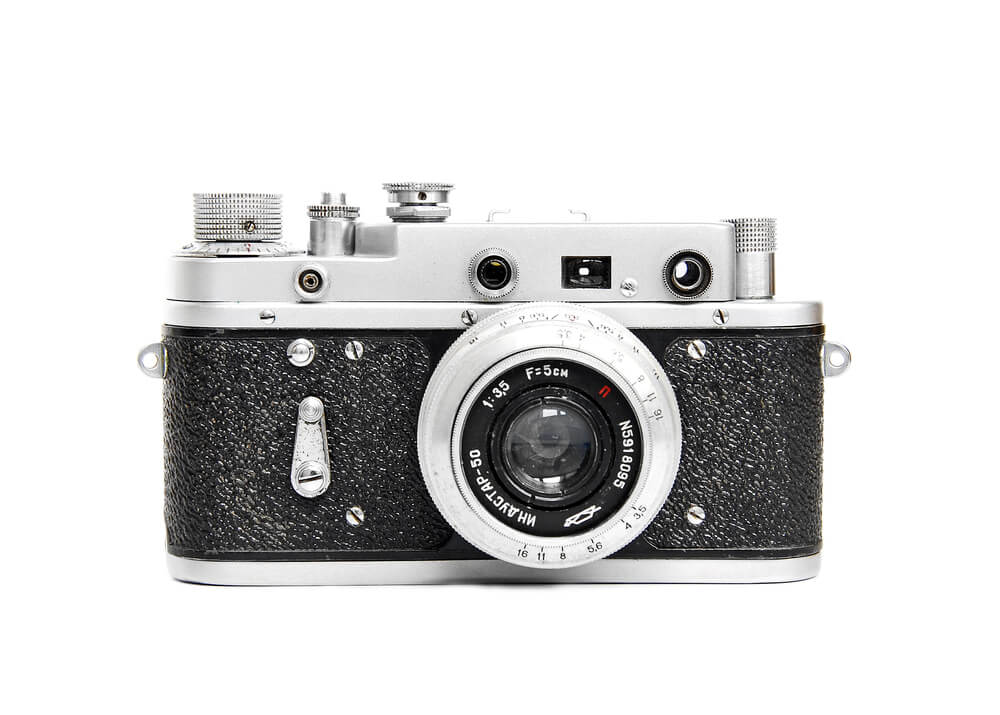
Margaret Bourke-White was an accomplished industrial photographer who documented American manufacturing and later became a significant war photographer. Yet she is often remembered primarily for her striking photographs of American steel foundries taken in the 1930s.
Those images, with their dramatic lighting and geometric compositions, became the defining visual symbol of American industrial power. While Bourke-White’s career spanned decades and continents, the foundry photographs have defined her popular legacy.
Dorothea Lange and Migrant Mother (1936)
Dorothea Lange documented American poverty and social conditions extensively through her work for the FSA (Farm Security Administration). Her body of work from the Great Depression era is substantial and significant.
Yet she is remembered predominantly for a single photograph of Florence Owens Thompson, a migrant farm worker, taken on March 1936. The image became the visual symbol of the Great Depression.
Lange’s extensive documentation of rural poverty and migration, her career spanning decades, has been overshadowed by that single frame. The photograph defined her legacy to the public, even as historians recognize the breadth of her work.
Lewis Hine and Child Labor (1908-1918)
Lewis Hine documented child labor in American factories and mills, creating an extensive body of photographs that contributed to legislative change. Yet he is remembered predominantly for specific images of child workers—the young girl at the spinning frame, the child in the cotton mill.
These images became symbols of the movement against child labor. Hine’s other documentation, his work photographing immigrants and industrial workers, has been partially eclipsed by those specific frames.
The photographs of child labor defined his popular legacy.
Yousuf Karsh and Churchill (1941)

Yousuf Karsh was a renowned portrait photographer who photographed world leaders and celebrities across his long career. Yet he is often remembered primarily for a single portrait of Winston Churchill taken in 1941.
Karsh reportedly removed Churchill’s cig to take the photograph, creating an iconic image. The portrait became the defining image of Churchill himself for many people.
Karsh’s hundreds of other portrait sessions have been overshadowed by that single frame. The photograph defined how Karsh would be remembered by the general public.
Gordon Parks and American Gothic (1950)
Gordon Parks created an extensive body of work documenting American racism and inequality. His career spanned decades and covered multiple continents.
Yet he is often remembered for a single photograph titled “American Gothic,” taken in 1950, showing a Black woman and man standing in front of a segregated store. The image became the defining visual symbol of American racism for many viewers.
Parks’ other work, including his extensive documentation of civil rights and his later career as a filmmaker, has been partially overshadowed. The photograph defined his popular legacy.
Walker Evans and Factory Windows (1936)
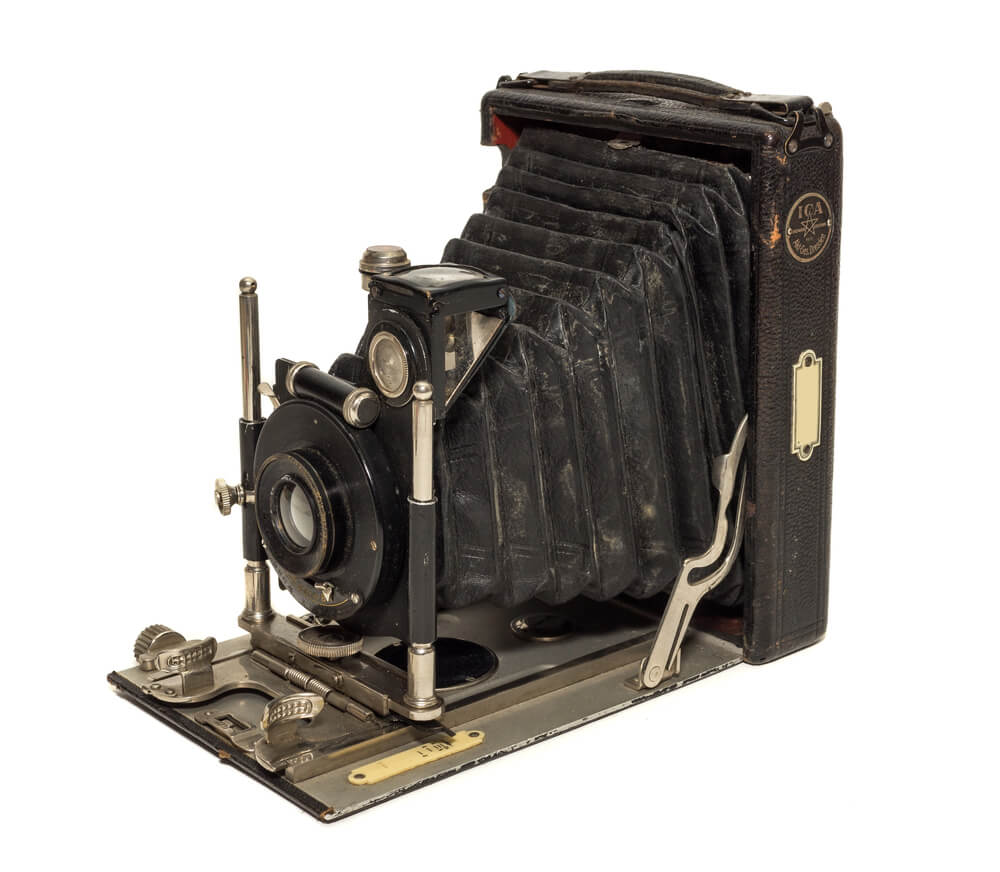
Walker Evans documented American vernacular architecture and industrial landscapes. His extensive work for the FSA and his later career in photography and film constitute a significant body of work.
Yet he is often remembered for specific images of American industrial and architectural decay. These photographs, with their stark compositions and attention to detail, became symbols of American decline and disrepair.
His later work and his career’s breadth have been partially overshadowed by those iconic frames.
Edward Weston and Pepper Number 30 (1930)
Edward Weston was a pioneering modernist photographer who created thousands of photographs exploring form, light, and abstraction. Yet he is often remembered for a single photograph titled “Pepper Number 30,” a close-up of a pepper with curves suggesting human form.
The image became iconic and overshadowed his extensive work exploring other subjects. Weston’s career, spanning decades and continents, has been partially defined by that single image.
James Nachtwey and the Suffering Journalist (1990s)

James Nachtwey is an accomplished war photographer who has documented conflicts across the globe. Yet certain images from his work—specifically photographs of suffering in Rwanda and the Balkans—have become the defining symbols of his career for many viewers.
These images, while powerful, have partially overshadowed the breadth of his work and his complex approach to documenting conflict.
Sebastião Salgado and Gold Miners (1986)

Sebastião Salgado created an extensive body of work documenting global labor and human suffering. Yet certain images from his documentation of Brazilian gold miners have become iconic and have partially defined his public legacy.
These photographs, while part of a larger series, have achieved particular fame and have somewhat overshadowed his other significant work.
Gilles Peress and Massacre Photographer (1990s)

Gilles Peress documented the Rwandan genocide extensively. Certain images from his documentation became iconic symbols of the genocide itself.
These photographs, while authentic and significant, have partially defined how Peress is understood, though his broader body of work encompasses decades of conflict documentation.
Simon Norfolk and Afghanistan (2002-Present)
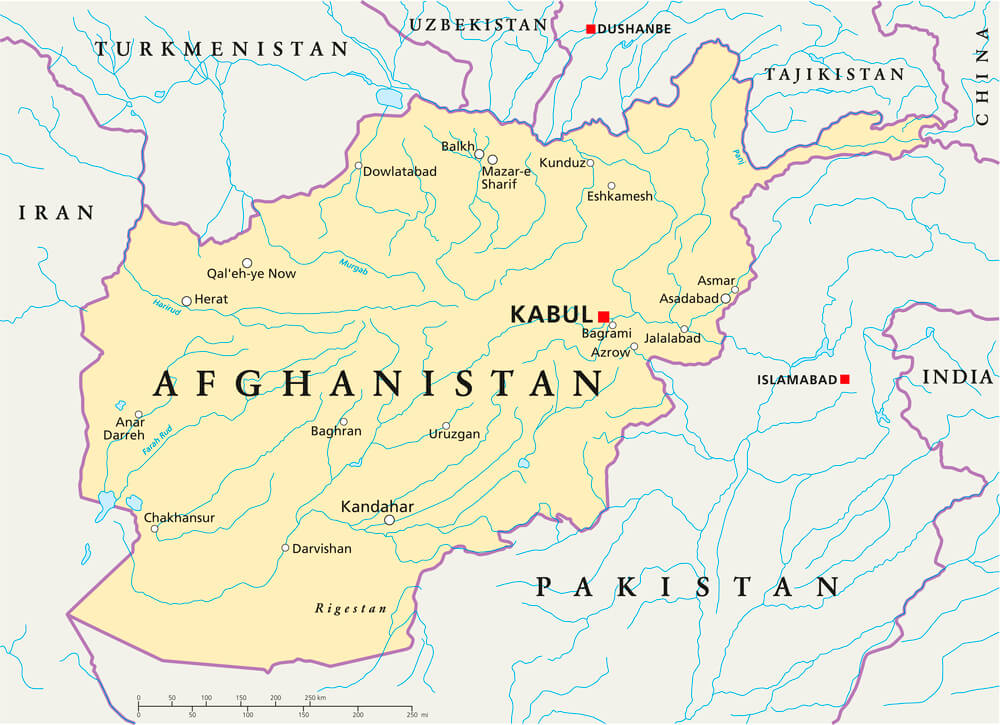
Simon Norfolk has documented the war in Afghanistan across multiple decades. Certain images from his work have become iconic symbols of the Afghan conflict.
These photographs, while part of a larger series, have achieved particular cultural significance and have partially defined Norfolk’s public legacy, even as his career has been broader and more complex.
The Inevitable Paradox
Photographers whose single image defines an era face a paradox: the image’s power grants them immortal fame while simultaneously limiting how they are understood as artists. The single photograph becomes a cage, defining the photographer’s legacy more than their intentions or other work.
Yet that single image’s ability to alter history’s narrative is precisely what gives photography its power. The photograph that transcends its moment does so because it captures something universal, something that speaks across time and context.
The photographer’s entire legacy becomes inseparable from that moment of vision.
More from Go2Tutors!

- The Romanov Crown Jewels and Their Tragic Fate
- 13 Historical Mysteries That Science Still Can’t Solve
- Famous Hoaxes That Fooled the World for Years
- 15 Child Stars with Tragic Adult Lives
- 16 Famous Jewelry Pieces in History
Like Go2Tutors’s content? Follow us on MSN.