Photos Of 15 Cleanest Cities In The World
It’s like stepping into another world. Streets gleam without effort, air moves lightly through your lungs, yet no one seems to be rushing around cleaning.
Not because it’s perfect, but because sweeping, sorting, caring – these things blend into routines like brushing teeth or locking doors. Looks can fool you, sure, until you notice how little thought people give to tossing anything on the ground – it simply does not happen.
Picture this: a walk through streets so tidy they seem unreal. Some spots on Earth show how sharp a city might appear.
These places shift your view without trying hard. A few feel almost too neat to be true.
Watch closely – what seems ordinary elsewhere gets remade here.
Calgary, Canada
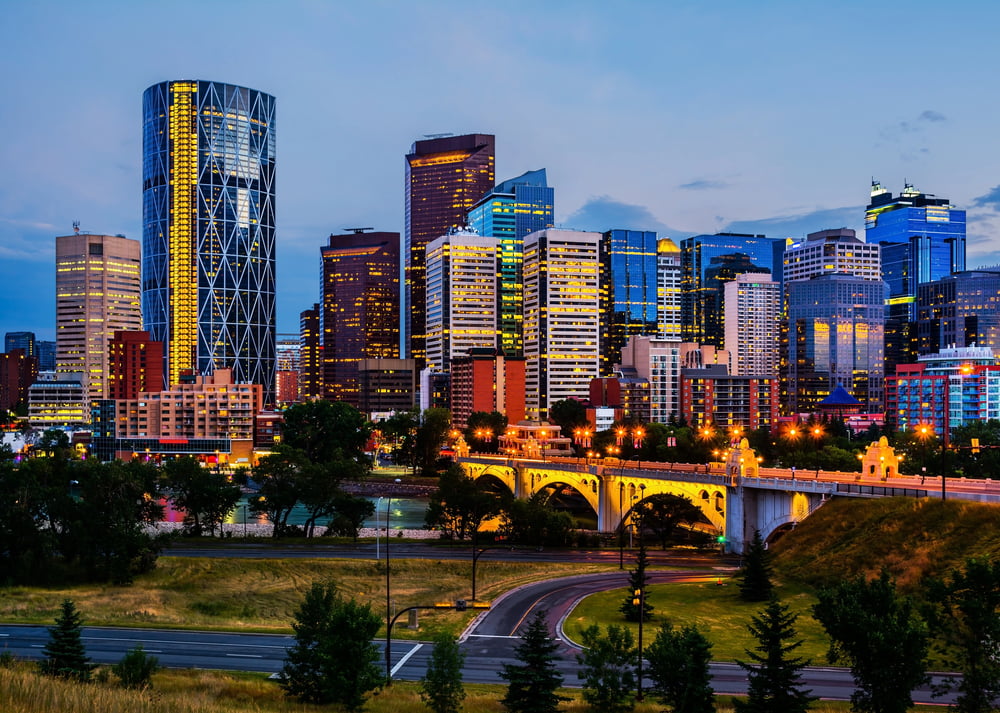
West of most Canadian cities, Calgary carries a name for neatness across North America. With steady efforts behind trash collection, plus care poured into parks, the place stays orderly.
When snow piles high and streets turn icy, things still look cared for. Pride shows in how locals handle their blocks – each yard tidy, each sidewalk clear.
That quiet effort adds up fast.
Copenhagen, Denmark

Cleanliness in Copenhagen acts less like a task for officials, more like something neighbors handle together. Bikes roll constantly along roads here, so fumes from cars fade into the background.
Power comes from sources that do not burn fuel, thanks to steady funding over years. Step onto any sidewalk and it shows – a place shaped by quiet habits, not rules posted on walls.
Singapore

When people talk about tidy urban areas, Singapore usually leads the list – and rightly so. Tough laws back up cleanliness, backed by actual penalties when broken.
Still, it is more than fear of punishment; locals truly care. A kind of quiet respect runs through neighborhoods, showing how streets stay clear without effort.
Trees line pathways like they belong, adding freshness to air and eyes alike. Clean does not feel imposed – it just fits.
Zurich, Switzerland
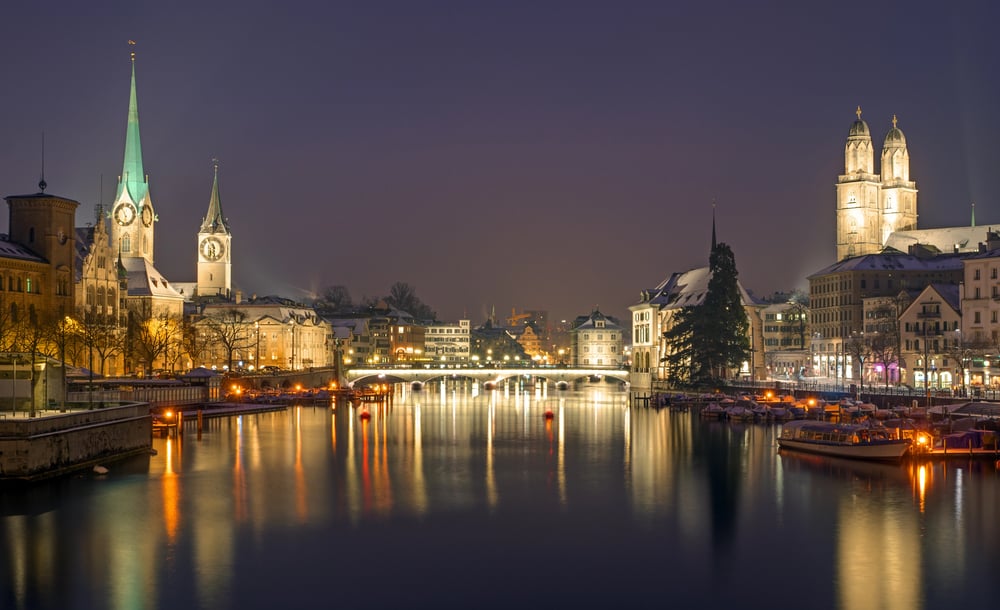
Built on quiet routines, Zurich handles trash without fuss – recycling lands in the right bins thanks to habits formed over years. Waterways gleam, swimmable without second thoughts, fed by steady upkeep others might skip.
Clean streets emerge not from slogans but daily choices woven into city living. Systems work because people follow through, not because they’re told to.
What looks automatic actually rests on constant small efforts no one praises.
Amsterdam, Netherlands

Water shapes Amsterdam, yet care for it never slips. Cleaning crews visit the canals often while tough laws guard against dirty runoff.
Bikes rule the roads instead of cars, so the air stays clearer. Walking through, you sense order without stiffness – like visiting a household where everything has its place, even when strangers keep arriving.
Tokyo, Japan
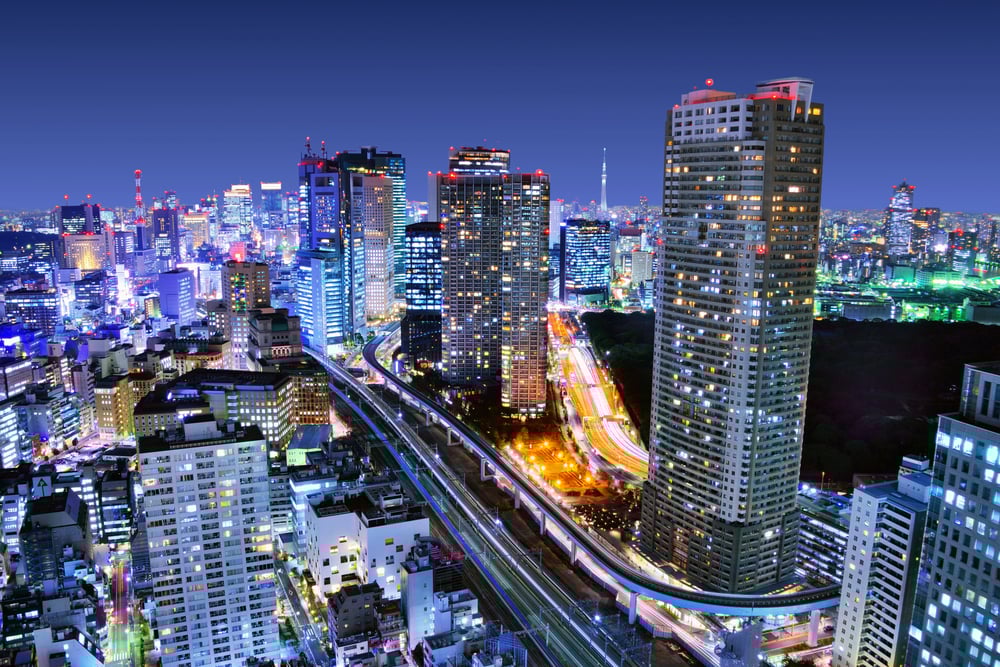
Lots of folks live in Tokyo – more than thirteen million – and still, the place hardly ever looks messy. You will not see bins on every corner; instead, residents hang onto their rubbish till they spot somewhere to toss it.
This habit comes straight from long-held traditions across Japan. Cleaning crews start at dawn, doing their rounds while sidewalks stay empty.
Each area shares cleanup duties, passing responsibility around like clockwork. A huge urban center ends up tidier than many quiet villages.
Helsinki, Finland

Fresh air flows through Helsinki where nature meets daily life in quiet ways. Power comes mainly from wind, sun, and forest biomass instead of fossil fuels.
Lakes nestled nearby feed the taps with crisp drinking water – rarely treated, never bottled. Streets stay spotless not because rules shout but because people act without being told.
Green parks stretch between buildings like shared backyards cared for by everyone who walks them.
Oslo, Norway

Oslo made a real commitment to the environment decades ago, and the city looks like it. The waterfront has been transformed from an industrial zone into a clean, open public space that residents use daily.
The city is also one of the global leaders in electric vehicle adoption, which keeps the air noticeably cleaner. Oslo proves that a city can be both economically active and environmentally responsible at the same time.
Reykjavik, Iceland
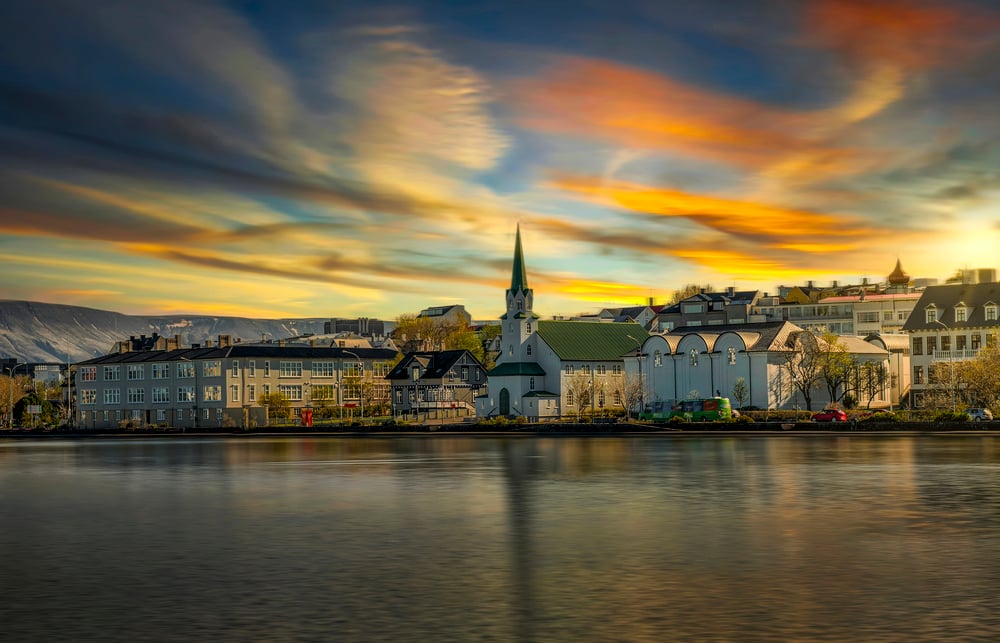
Reykjavik runs almost entirely on renewable energy, which gives it a natural edge in the clean city category. Geothermal energy heats most buildings, meaning very little fossil fuel is burned in day-to-day life.
The streets stay clean because the culture simply does not tolerate littering. With a small population and a strong sense of civic duty, keeping Reykjavik clean is more of a shared habit than a policy challenge.
Vienna, Austria
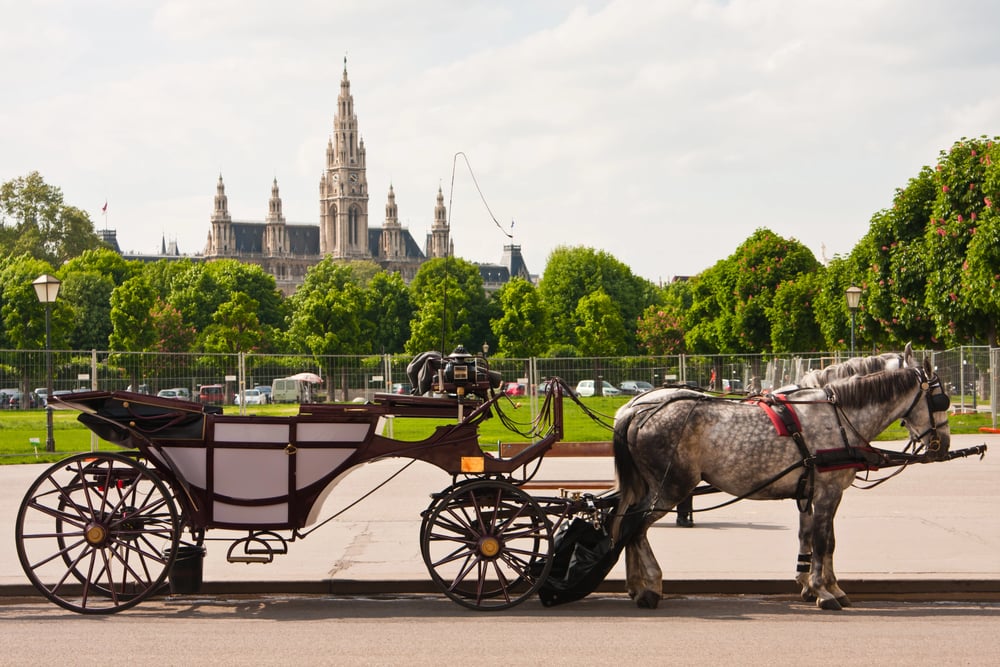
Vienna is the kind of city where even the subway stations look clean enough to eat off the floor. The city runs a highly efficient public transport system, which reduces car dependency and lowers emissions.
Green spaces are plentiful and well-tended, giving the city a balanced, open feel. Vienna regularly tops global livability rankings, and its cleanliness is a big part of why people love living there.
Auckland, New Zealand

Auckland sits on a narrow strip of land between two harbors, and keeping that coastal environment clean is a point of local pride. The city has strong recycling programs and active community groups that regularly clean up beaches and parks.
Air quality is consistently high, helped by ocean breezes and relatively low industrial pollution. Auckland’s scenery is hard to match, and the cleanliness keeps it looking exactly as good as the photos suggest.
Stockholm, Sweden
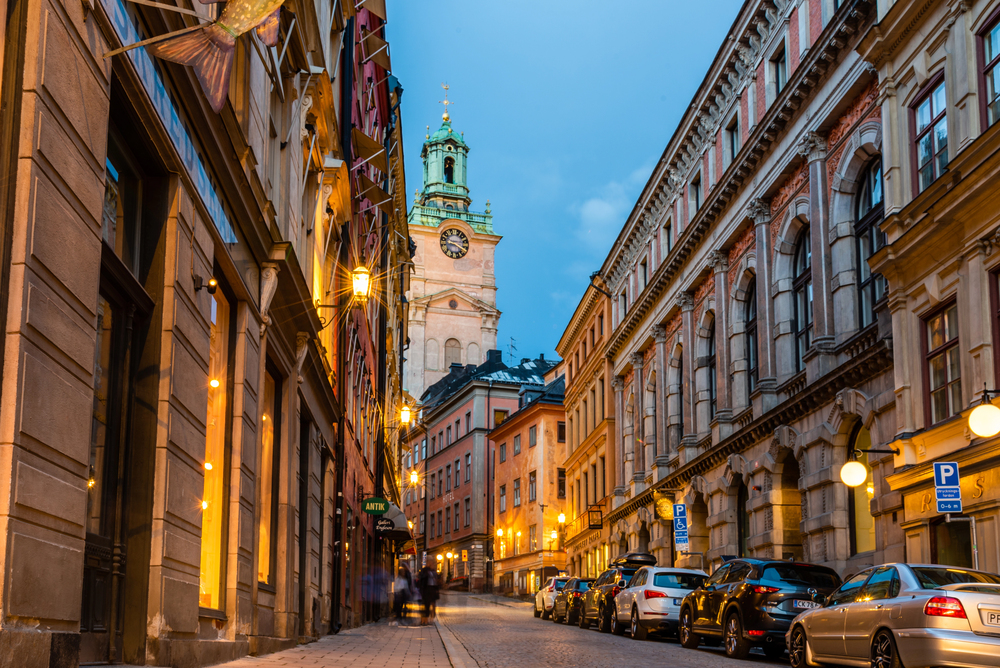
Stockholm spreads across fourteen islands, and keeping all that urban waterfront clean takes serious effort. The city has been recycling more than 99 percent of its household waste for years, turning most of it into energy.
Stockholm’s streets are quiet, well-lit, and well-maintained. The government treats sustainability as a core part of city planning, not an afterthought, and the difference shows.
Bern, Switzerland
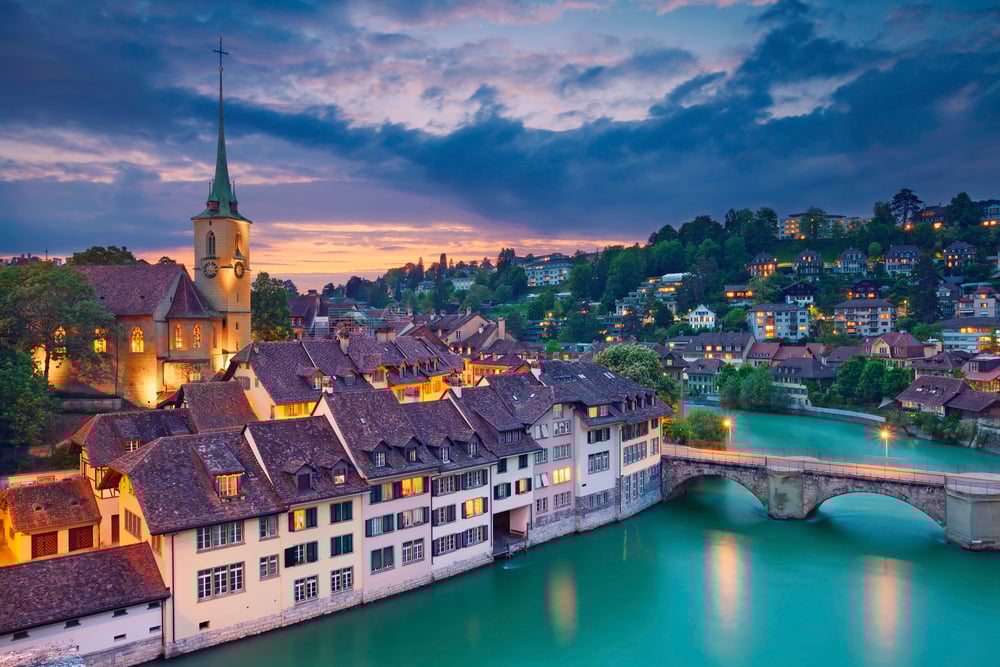
Bern is Switzerland’s capital city and carries that country’s famous reputation for order into everything it does. The old town is a UNESCO World Heritage Site, and it is kept in pristine condition year-round.
Residents follow strict waste sorting rules, and the city invests heavily in maintaining its historic buildings and public areas. For a capital city, Bern has a surprisingly calm and clean atmosphere that visitors consistently notice.
Adelaide, Australia

Adelaide does not always make the loudest noise on global city lists, but it consistently ranks among the cleanest. The city has a strong culture of environmental responsibility, with active programs to reduce waste and protect coastal areas.
Its beaches are well-maintained, and the city’s parks are a point of local pride. Adelaide also has some of the cleanest air quality of any Australian city, partly due to its coastal location.
Kobe, Japan

Kobe sits along Japan’s coast and carries the same high cleanliness standards that define most Japanese cities. The city rebuilt itself after a major earthquake in 1995 and used that opportunity to modernize its infrastructure and public spaces.
Streets are clean, public transport is efficient, and residents take pride in their city’s appearance. Kobe also has strict regulations around industrial areas to protect air and water quality, and those rules are taken seriously.
A Standard Worth Chasing

These fifteen cities did not get clean by accident. Every single one of them built cleanliness into how they think about public life, policy, and personal responsibility.
The real takeaway is that a clean city is not about money alone; it is about culture, systems, and people who care. Any city in the world can look at these examples and find something worth borrowing.
More from Go2Tutors!

- The Romanov Crown Jewels and Their Tragic Fate
- 13 Historical Mysteries That Science Still Can’t Solve
- Famous Hoaxes That Fooled the World for Years
- 15 Child Stars with Tragic Adult Lives
- 16 Famous Jewelry Pieces in History
Like Go2Tutors’s content? Follow us on MSN.