Photos Of 16 Landmarks That Look Different Today
Far beneath the waves, hidden from everyday view, dwell creatures few eyes have seen. Not chance but depth keeps these fish apart from regular nets and lines.
Strange shapes move through darkness where sunlight fades into silence. Luck might play a role, though more often it is gear built for pressure that finds them.
Anglers tell stories, yet most tales miss these beings entirely. What looks like fantasy turns out to be fine and scale in cold quiet places.
Picture a few famous places on our planet. Watch them shift through time, one frame after another. Some grow quieter. Others hum louder now than before.
The Parthenon
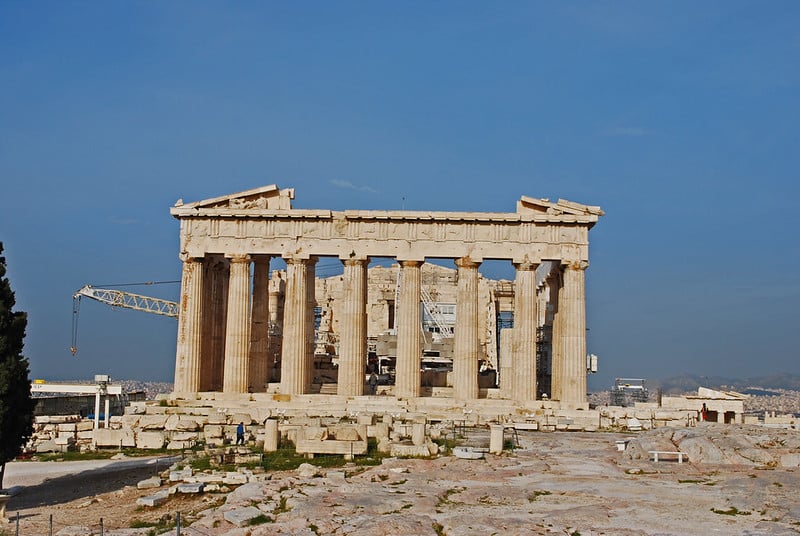
Long ago, the Parthenon shone bright under the sun, coated in bold pigments that made every carving come alive. Not now – time stripped it bare, leaving only soft golden stone shaped slowly by weather.
Once whole, with walls rising high and art filling each level, it housed a grand figure of Athena crafted from precious materials. Centuries passed, bringing ruin through conflict, tremors, theft; parts vanished into foreign halls.
Roofs collapsed, pillars fell one by one, fragments scattered far beyond Greece. What remains stands open to sky, quiet, touched deeply by age and human hands alike.
The Great Wall Of China

Out along northern China, the wall changes shape with every stretch you come across. Close to Beijing, where crowds gather, pieces stand fixed up – neat rows of stone, paths swept clear, rails bolted tight for anyone walking near the edge.
Head farther out, where few go, and what remains sags slowly into ruin. Where builders once packed dirt instead of laying rock, whole lengths have softened into the land itself, barely visible now beneath grass and rain.
Here and there, nothing stays at all – taken apart bit by bit, stone by stone, carried off long ago for walls around fields or foundations under village homes.
Niagara Falls
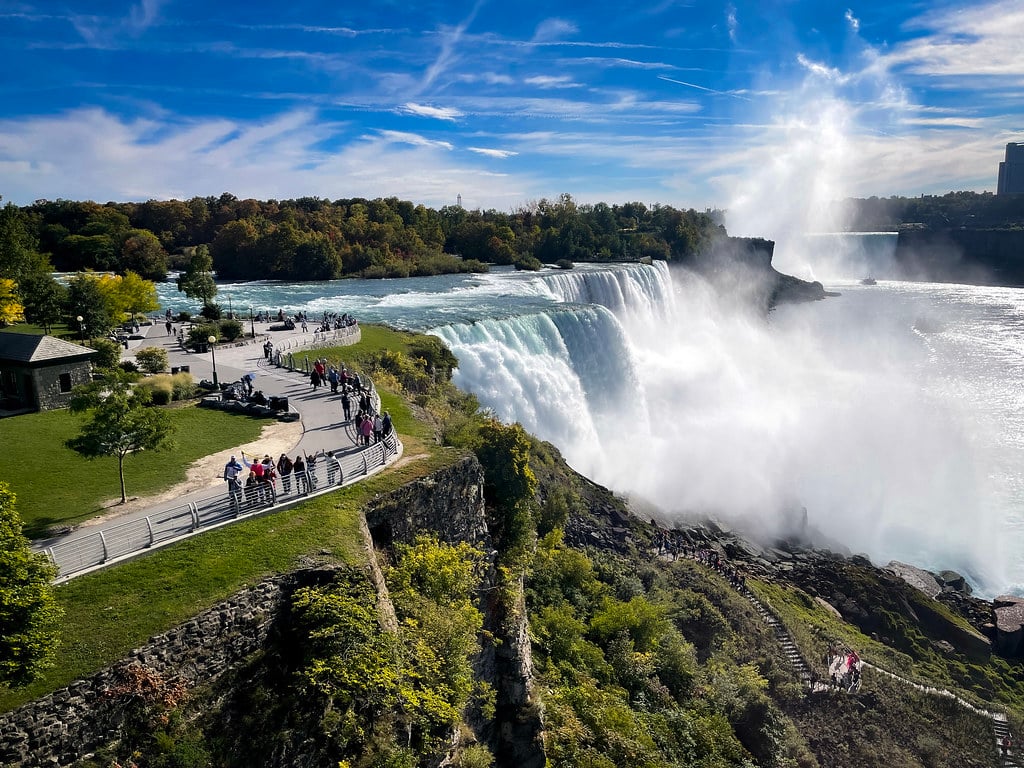
Seven miles back, thousands of years ago, this stretch between the U.S. and Canada sat farther forward – now it’s crept upstream slowly since then. Taller drops roared here long before electric demand pulled currents away starting in the 1900s.
After dark, also through colder seasons, workers cut nearly half the river’s passage. Once thick clouds above have thinned out now – the air feels different near stone edges today.
Trees gave way to paved walkways while shops rose up beside railings where people pause to look instead.
Mount Rushmore
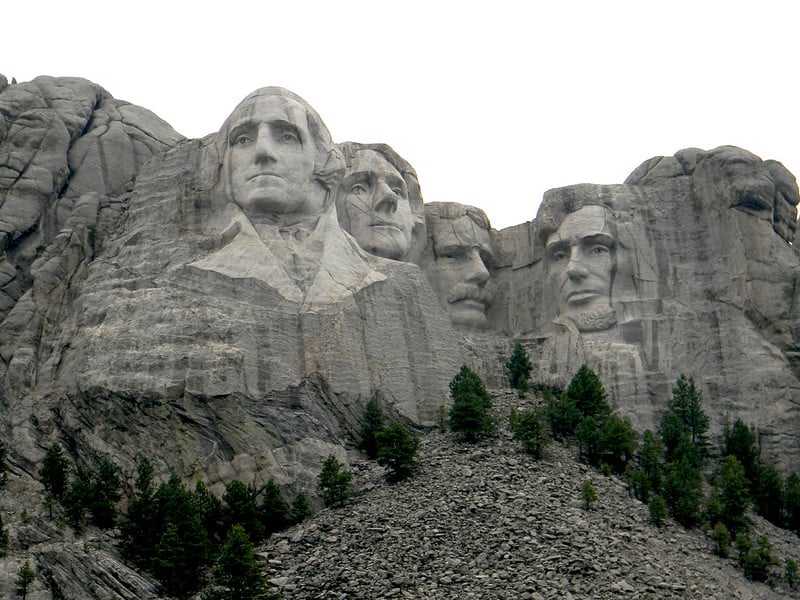
Up close, the stone figures in South Dakota’s hills still match how Borglum shaped them before he passed. Still, time has left thin splits in the rock where rain slips through.
Crews lower themselves on ropes every season, filling gaps with a paste meant to hold moisture back. What once looked pale now carries streaks – dampness and moss have dimmed parts of the peak.
There was talk once of finishing the bodies beneath the shoulders. Money disappeared though, so only the faces stayed.
The Colosseum
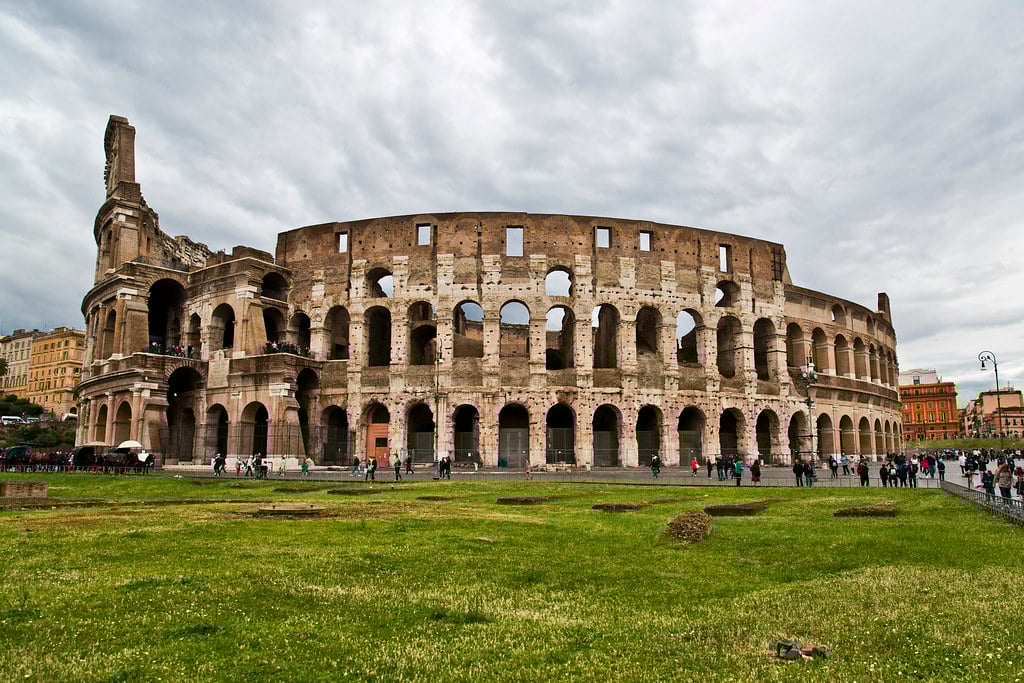
One moment it was whole – an enormous oval rising four levels high, built for fifty thousand eyes to watch below. Sunlight used to get blocked by a giant fabric shield stretched overhead.
Marble lined the rows where people sat, while sculptures gave the place its voice. Beneath stone floors, hidden passages twisted like roots, holding fighters and beasts until showtime began.
Now, only fragments remain – less than half still standing after centuries peeled layers away. When quakes hit in 847 and again in 1349, the south wall gave way, shaping what we see today – curved like a slice of moon.
Over hundreds of years, stone by stone, people carried off marble seating, along with metal fasteners, until only bare brick and rough concrete remained.
Machu Picchu
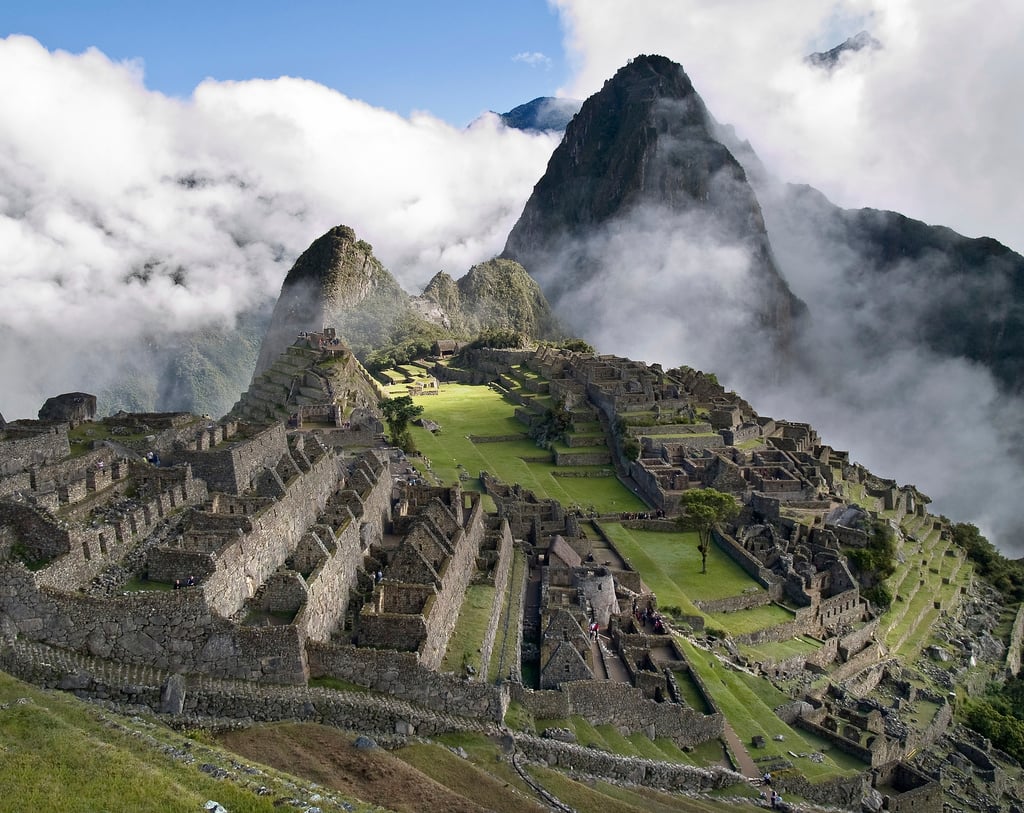
The Inca citadel in Peru sat abandoned and hidden under jungle growth for nearly 400 years before Hiram Bingham brought it to international attention in 1911. Early photos show buildings completely covered in vegetation with trees growing through walls.
Restoration efforts cleared away the plants and rebuilt some structures using original stones. The site now welcomes over a million visitors annually, and all that foot traffic has worn down the ancient stone steps and pathways.
Erosion from heavy rains threatens the foundations, and the terraces that once prevented landslides need constant repair to stay functional.
The Statue Of Liberty

Lady Liberty arrived in New York Harbor as a shiny copper color in 1886, looking more like a new penny than the green icon recognized today. The statue’s copper skin reacted with air and water over about 30 years, forming the blue-green patina that now protects the metal underneath.
The torch changed significantly too. The original torch allowed water to leak in and damage the arm, so in 1986, workers replaced it with a completely new torch covered in 24-karat gold leaf.
The new torch looks brighter and more reflective than the old one, especially when lit at night.
Angkor Wat
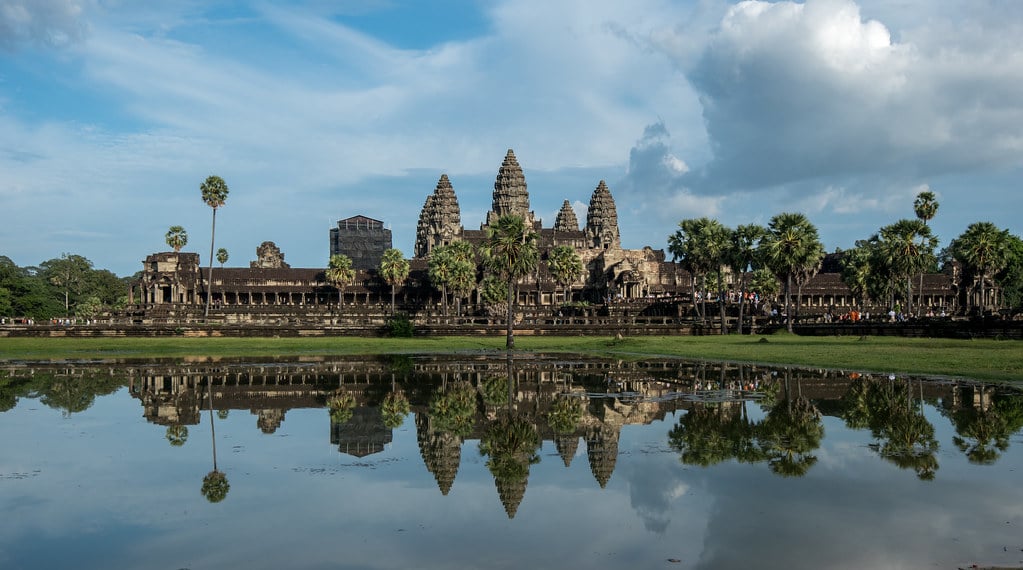
Cambodia’s massive temple complex faced centuries of damage from jungle overgrowth, wars, and looters who stole countless statues and carvings. Trees with massive roots wrapped around buildings and squeezed through walls, splitting apart the stone blocks.
The Khmer Rouge regime used the site as a military base and storage area during the 1970s, causing additional destruction. Recent restoration projects cleared away dangerous trees, rebuilt collapsed sections, and installed drainage systems.
The cleaned sandstone now appears much lighter than in old photos, though some argue the temples looked more atmospheric when partially reclaimed by nature.
Easter Island Statues
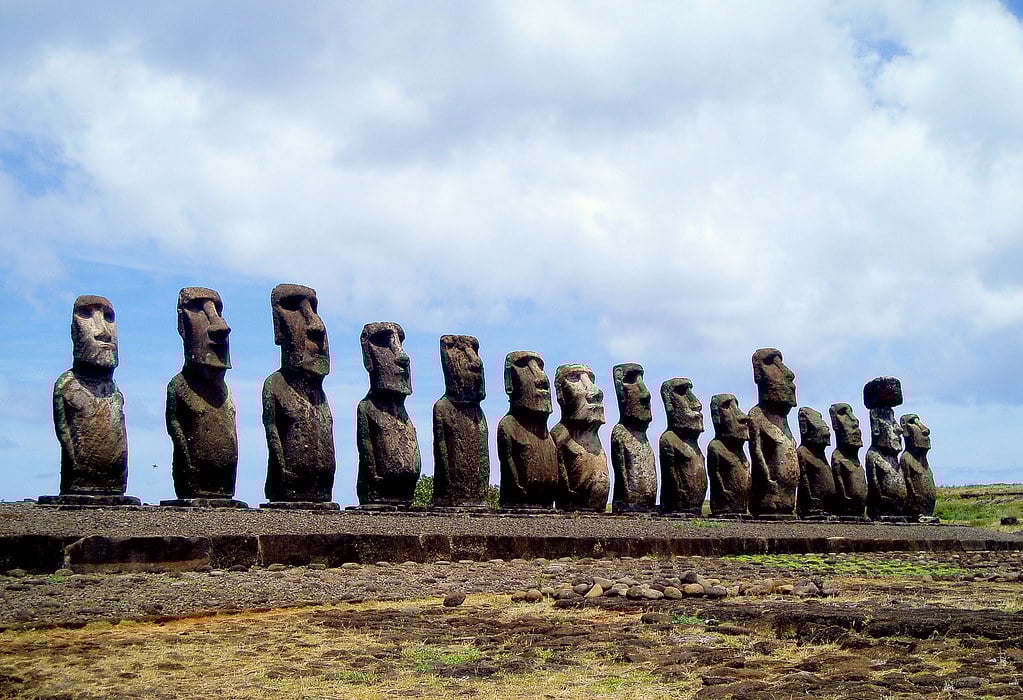
The famous moai statues on Rapa Nui originally stood on stone platforms with red rock cylinders balanced on their heads and white coral eyes that made them appear to be watching over the island. Nearly all the statues toppled during warfare between clans in the 1700s and 1800s.
They lay face-down in the dirt for centuries until archaeologists began raising them back up in the 1950s. Today, visitors see restored statues standing upright again, but most lack their original topknots and eyes.
The exposed volcanic rock has weathered and eroded, giving the statues a more worn appearance than when they were first carved.
The Sphinx
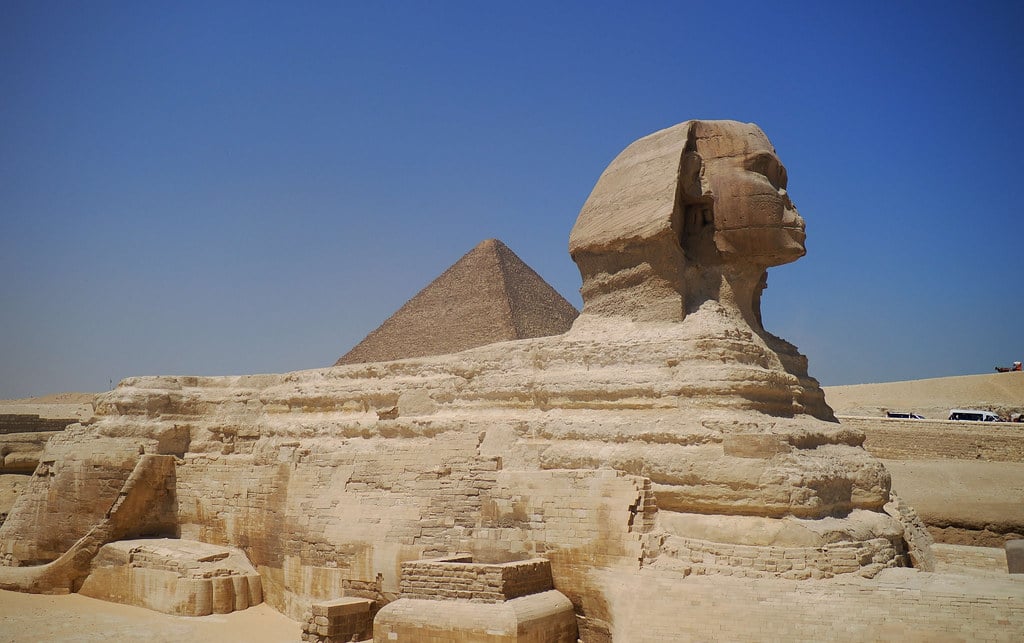
Egypt’s limestone guardian has lost its nose, beard, and much of its original surface detail over the past 4,500 years. Early depictions show the Sphinx with a full face and possibly painted in bright colors.
Sand buried the monument up to its neck for most of recorded history, which actually protected the body from erosion. Once fully excavated in the 1930s, the exposed limestone began deteriorating rapidly from wind, humidity, and air pollution.
The paws and body show extensive restoration work, with modern cement patches clearly visible. The Sphinx sits much lower relative to the surrounding ground level than in ancient times due to excavation around the base.
Stonehenge
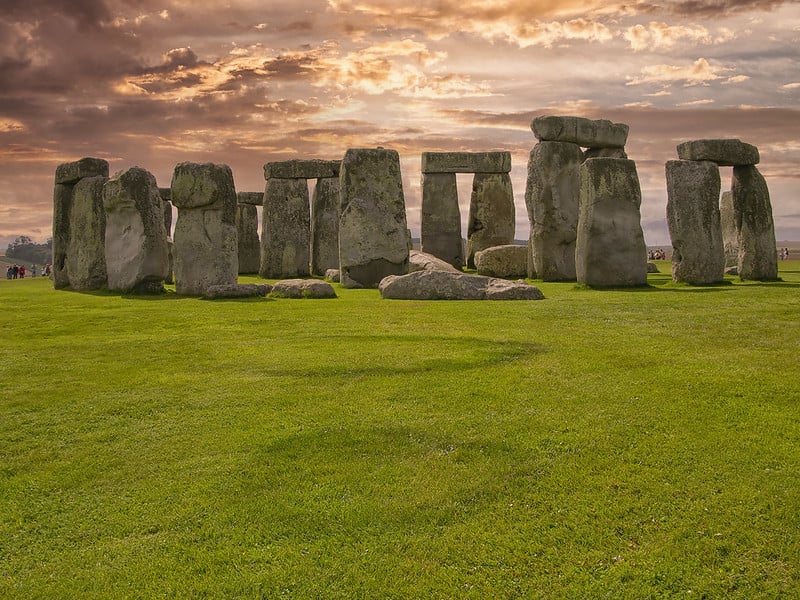
The prehistoric monument in England looked quite different when built around 3000 BC. All the massive stones stood upright with lintels connecting the tops to form a complete circle.
The stones were shaped and smoothed more carefully than they appear now. Several stones toppled over the centuries, with some falling as recently as the early 1900s.
Victorian archaeologists “restored” the site by re-erecting fallen stones and setting others in concrete, though they may not have placed everything back correctly.
The monument now stands surrounded by ropes and walkways that keep visitors at a distance, whereas people used to walk right up and touch the stones or even chip off souvenirs.
The Leaning Tower Of Pisa
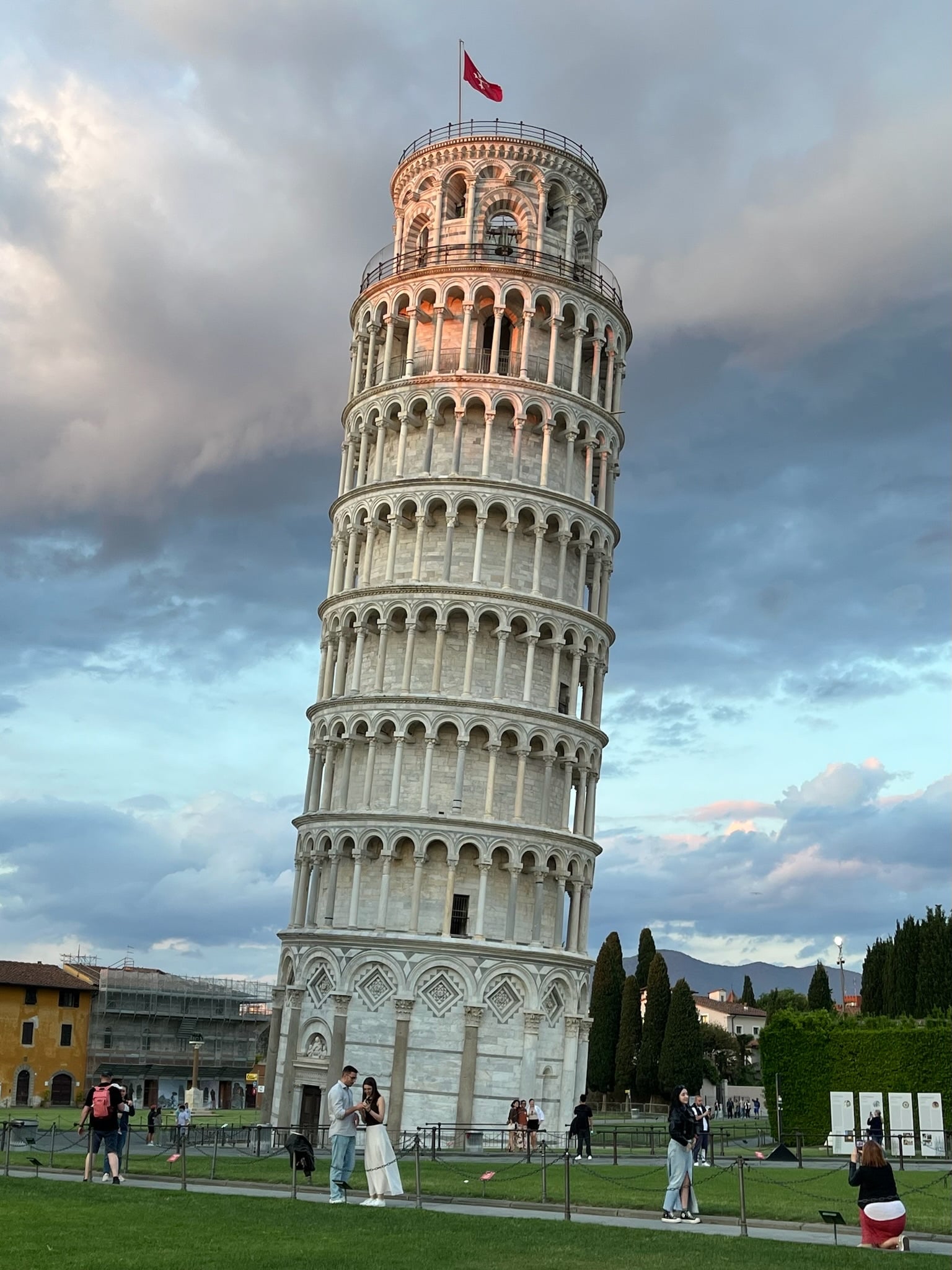
Italy’s famous tower has always leaned, but the tilt kept getting worse over the centuries. By 1990, the tower leaned 5.5 degrees from vertical and engineers feared it might collapse.
A major stabilization project between 1993 and 2001 actually reduced the lean by about half a degree, pulling the tower back to roughly where it stood in 1838. The building now leans at about 3.97 degrees.
Workers also cleaned centuries of grime from the white marble, making it appear brighter than in older photos. The surrounding plaza was cleared of vendors and vehicles, giving visitors a cleaner view than previous generations experienced.
Chichen Itza
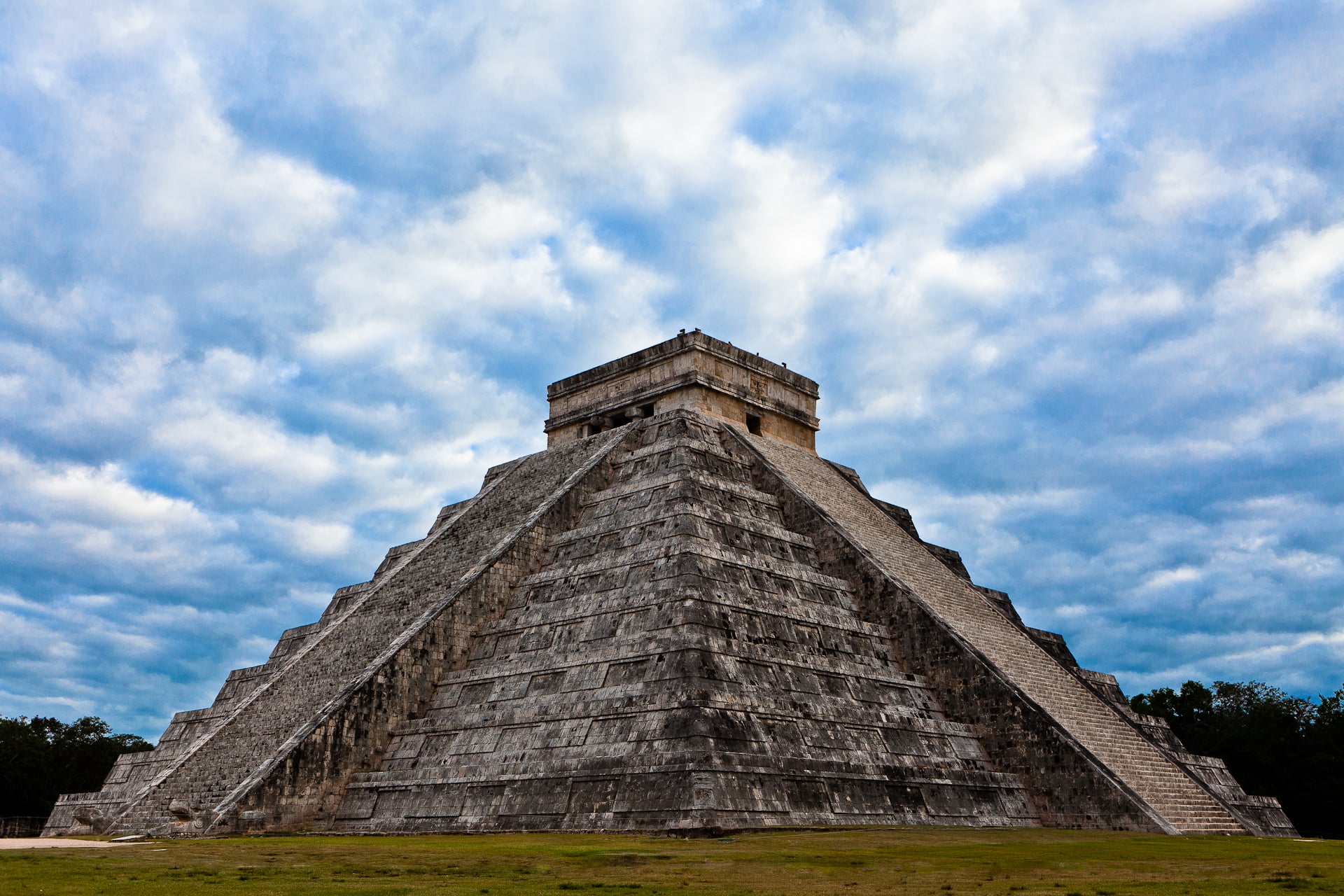
The Mayan pyramid known as El Castillo looked dramatically different before archaeologists cleared away the jungle in the early 1900s. Trees and vines covered the structure, hiding the precise geometric shape and carved serpent heads.
The pyramid originally featured a coat of smooth limestone plaster painted in red, and a temple at the top held ceremonies and rituals. Today, the exposed grey limestone shows significant weathering, and climbing the steep steps is no longer allowed after a tourist’s fatal fall in 2006.
Excavations revealed an earlier, smaller pyramid hidden completely inside the visible structure, adding a new dimension to the site’s history.
The Brandenburg Gate
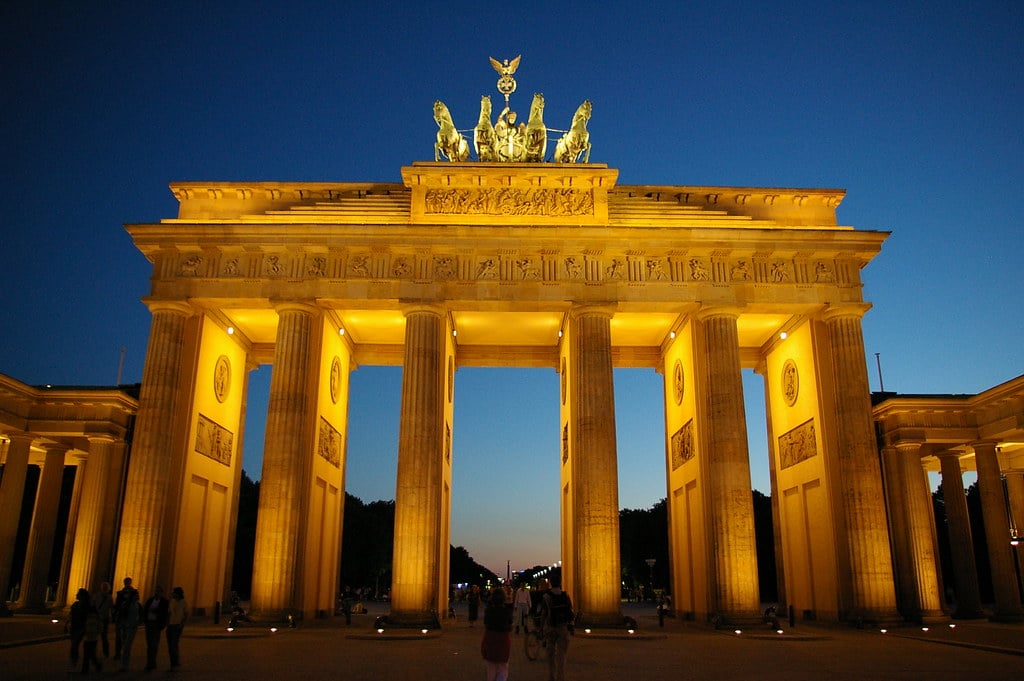
Berlin’s neoclassical monument has witnessed dramatic changes across its 230-year history. The gate originally marked the entrance to the city and stood surrounded by walls and buildings.
The Quadriga statue on top disappeared twice, first when Napoleon took it to Paris in 1806, then when it was destroyed during World War II and needed to be recast. Bullet damage and shrapnel scars from the war are still visible on the columns.
The gate sat in the no-man’s-land next to the Berlin Wall from 1961 to 1989, inaccessible to both East and West Germans. Today it stands in a large pedestrian plaza, cleaned and restored, surrounded by modern buildings and millions of tourists annually.
The Golden Gate Bridge
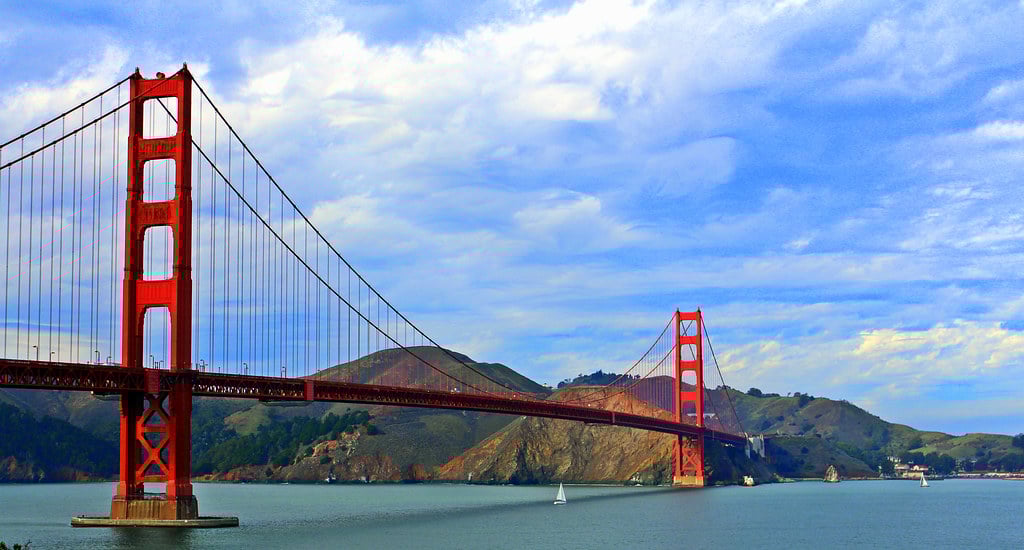
San Francisco’s iconic bridge looked brand new and bright orange when it opened in 1937. The color, officially called International Orange, was chosen to make the bridge visible in fog, but it appeared more vibrant when first painted.
Decades of exposure to salt air, wind, and moisture have necessitated continuous repainting to prevent rust. The original paint contained lead, which had to be carefully removed during later maintenance.
The bridge’s appearance changes depending on weather conditions, sometimes looking red, sometimes dark brown, and occasionally disappearing entirely into thick fog banks that roll under the deck.
The Taj Mahal
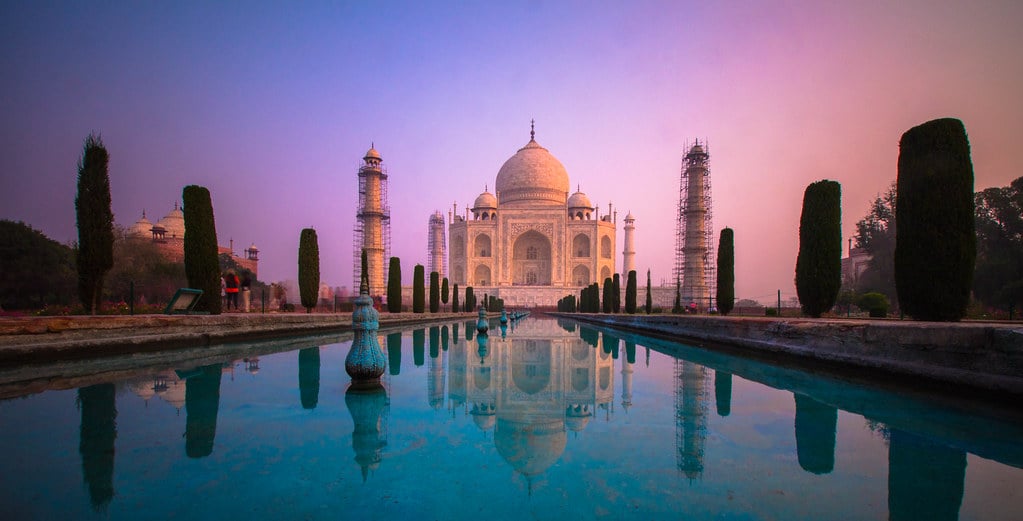
The white marble mausoleum in India has struggled with discoloration from air pollution, acid rain, and insect droppings. The once-pristine white facade now shows yellowish and greenish stains in many areas despite repeated cleaning efforts using special clay treatments.
The Yamuna River behind the monument has shrunk significantly and become heavily polluted, changing the reflection photos that made the site famous. The surrounding gardens appear more manicured now than in historical photos, with modern irrigation systems keeping the lawns green year-round.
The four minarets tilt slightly outward by design, but this protective feature is more noticeable as the building ages.
When The Past Meets The Present
These landmarks prove that nothing truly stays the same, even when built to last forever. Some changes happened quickly through wars and natural disasters, while others crept up slowly over hundreds of years.
The places we visit today tell different stories than they did for our parents or grandparents, and future generations will see them differently still. Each change adds another layer to their history, making these sites living records of human civilization rather than frozen monuments to the past.
More from Go2Tutors!

- The Romanov Crown Jewels and Their Tragic Fate
- 13 Historical Mysteries That Science Still Can’t Solve
- Famous Hoaxes That Fooled the World for Years
- 15 Child Stars with Tragic Adult Lives
- 16 Famous Jewelry Pieces in History
Like Go2Tutors’s content? Follow us on MSN.