15 Images Of The Most Unique Perfume Bottles Ever Designed
Perfume bottles have always been more than just containers. They’re tiny sculptures that sit on vanity tables, catching light and holding dreams.
Some designers push far beyond the traditional crystal cuts and elegant curves, creating vessels that challenge what a fragrance bottle can be. These bottles don’t just hold scent — they become art pieces that happen to contain liquid poetry.
Salvador Dalí’s Mae West Lips
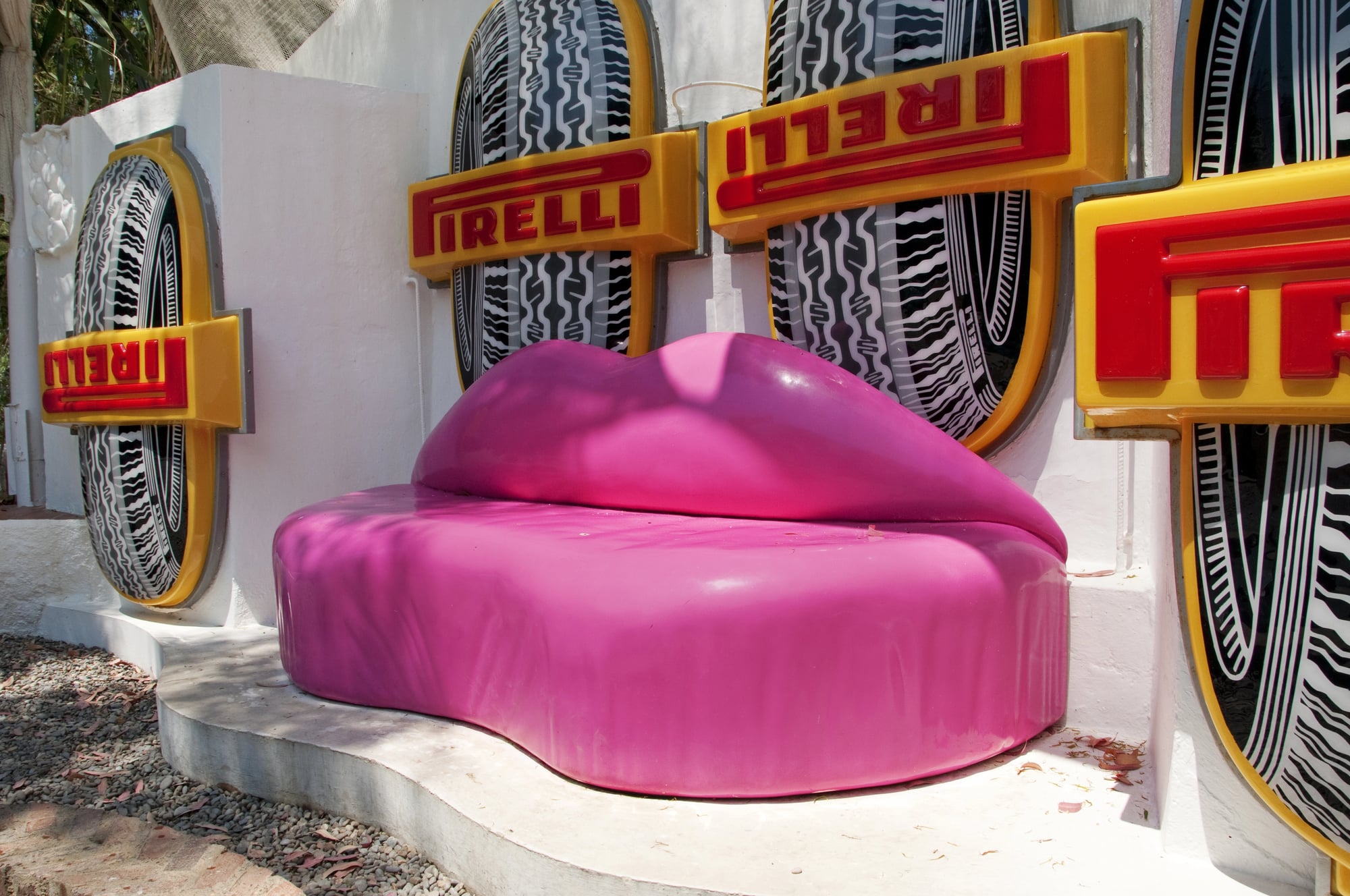
Dalí didn’t design a perfume bottle so much as he sculpted a surreal statement. The bright red lips hover in space, supported by an invisible torso that exists only in your imagination.
When you hold it, the weight feels wrong — deliberately so, because Dalí wanted you to question what you were holding. The bottle makes no practical sense, which is exactly the point.
Opening it requires a small ritual of finding the hidden mechanism, and once you discover it (the bottle splits along an invisible seam that runs through the lips), the act feels both intimate and slightly transgressive. The fragrance inside becomes secondary to the experience of the object itself, though Dalí would argue they’re inseparable — that the scent of the perfume and the touch of those ceramic lips create a single, unified artwork that you wear rather than simply apply.
Jean Paul Gaultier’s Corset Bottle
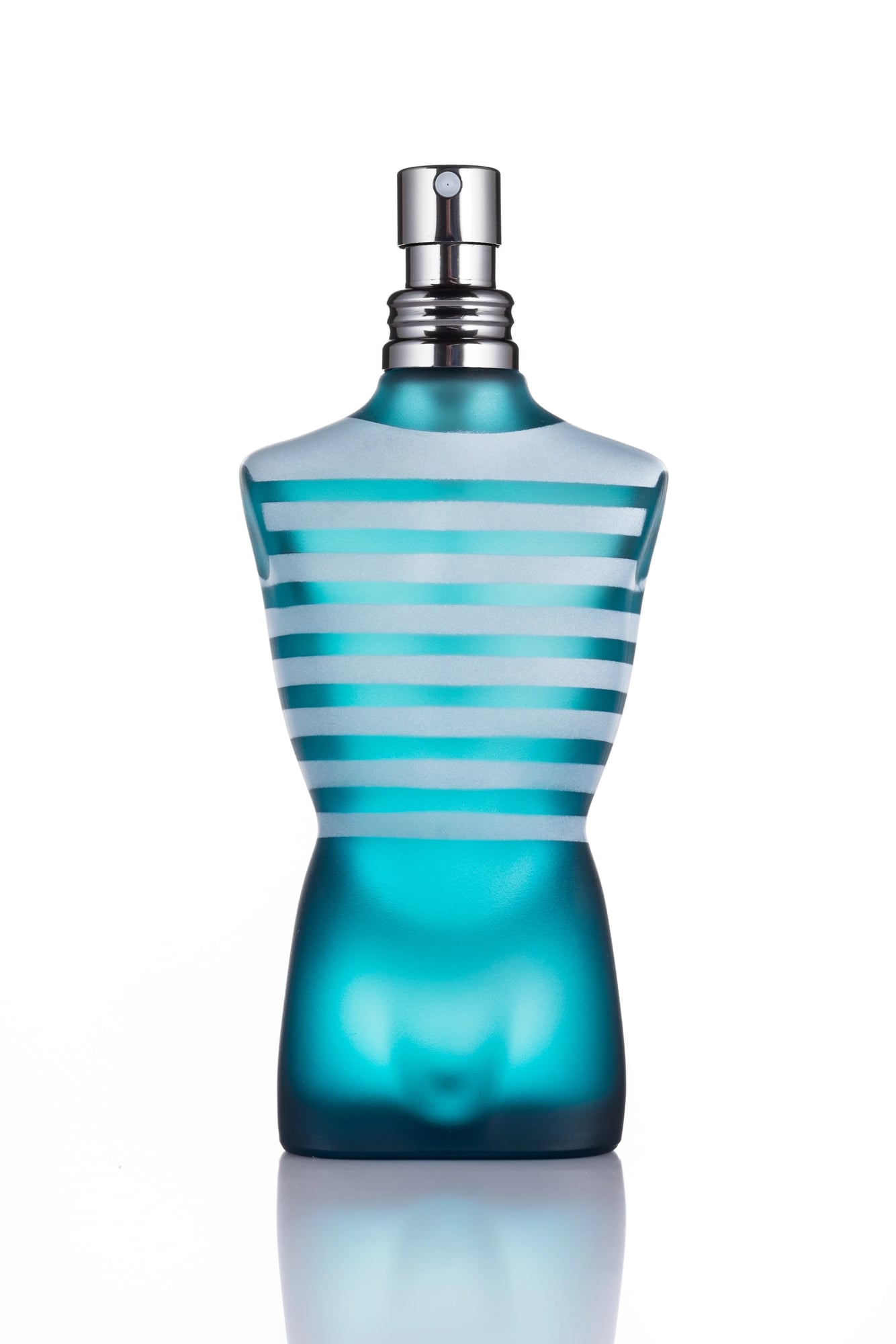
Consider how clothing holds the body, and then imagine that same intimacy translated to glass. Gaultier’s corset bottle doesn’t just reference fashion — it becomes fashion, complete with lace-up details and the subtle curves that suggest a torso without literally depicting one.
The bottle sits on your dresser like a tiny mannequin, waiting.
But it’s the weight distribution that makes this design quietly brilliant. The narrow waist means the bottle wants to tip, so you handle it more carefully than other fragrances.
That moment of extra attention — the slight pause as you steady it in your palm — changes how you experience the scent inside. The bottle demands a different kind of ritual, one that mirrors the way a real corset changes how its wearer moves through the world.
Thierry Mugler’s Angel Star
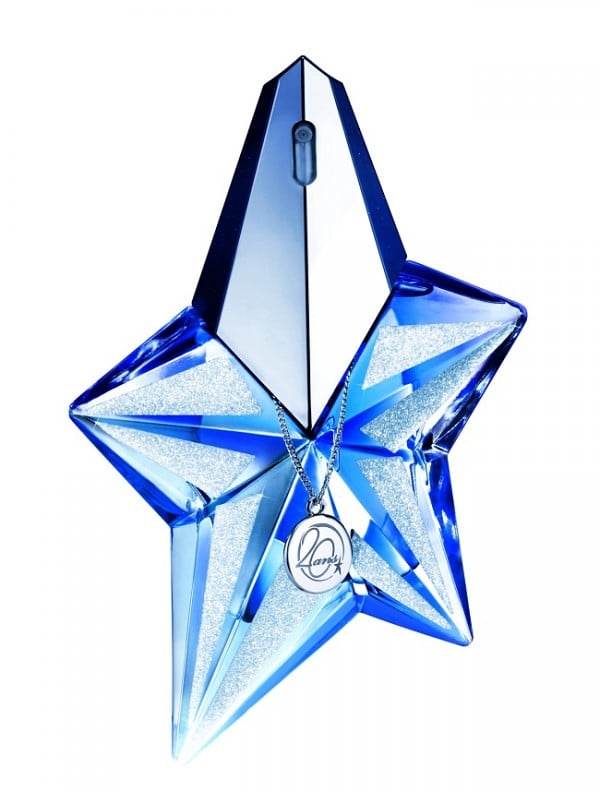
Mugler created a bottle that refuses to sit flat on any surface. The five-pointed star design means it always rests at an angle, catching light differently depending on how it lands.
This isn’t accidental clumsiness — it’s intentional disruption of the orderly perfume shelf.
The blue glass shifts from deep navy to electric sapphire depending on the light, and the faceted edges throw small rainbows across nearby surfaces. Every time you reach for it, the bottle has shifted slightly, settled into a new position.
It’s restless in the way that stars actually are — constantly moving, never quite where you expect them to be.
Kenzo’s Flower Bottle
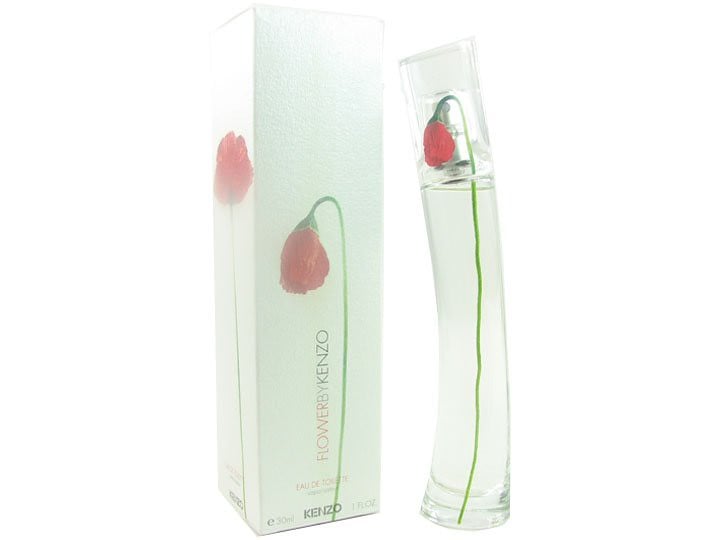
The eye-shaped bottle feels like it’s watching you. Kenzo designed it to reference both a flower bud and an eye, so it sits in that uncomfortable space between organic and animate.
The red poppy cap blooms from what could be an iris or could be a petal — the ambiguity is intentional.
When you remove the cap, the motion mimics both picking a flower and closing an eye. The bottle becomes a small daily meditation on beauty and impermanence.
The clear glass body means you watch the liquid level drop with each use, marking time in a way that traditional bottles don’t. It’s a reminder that even perfume, like flowers, doesn’t last forever.
Marc Ecko’s Complex Bottle
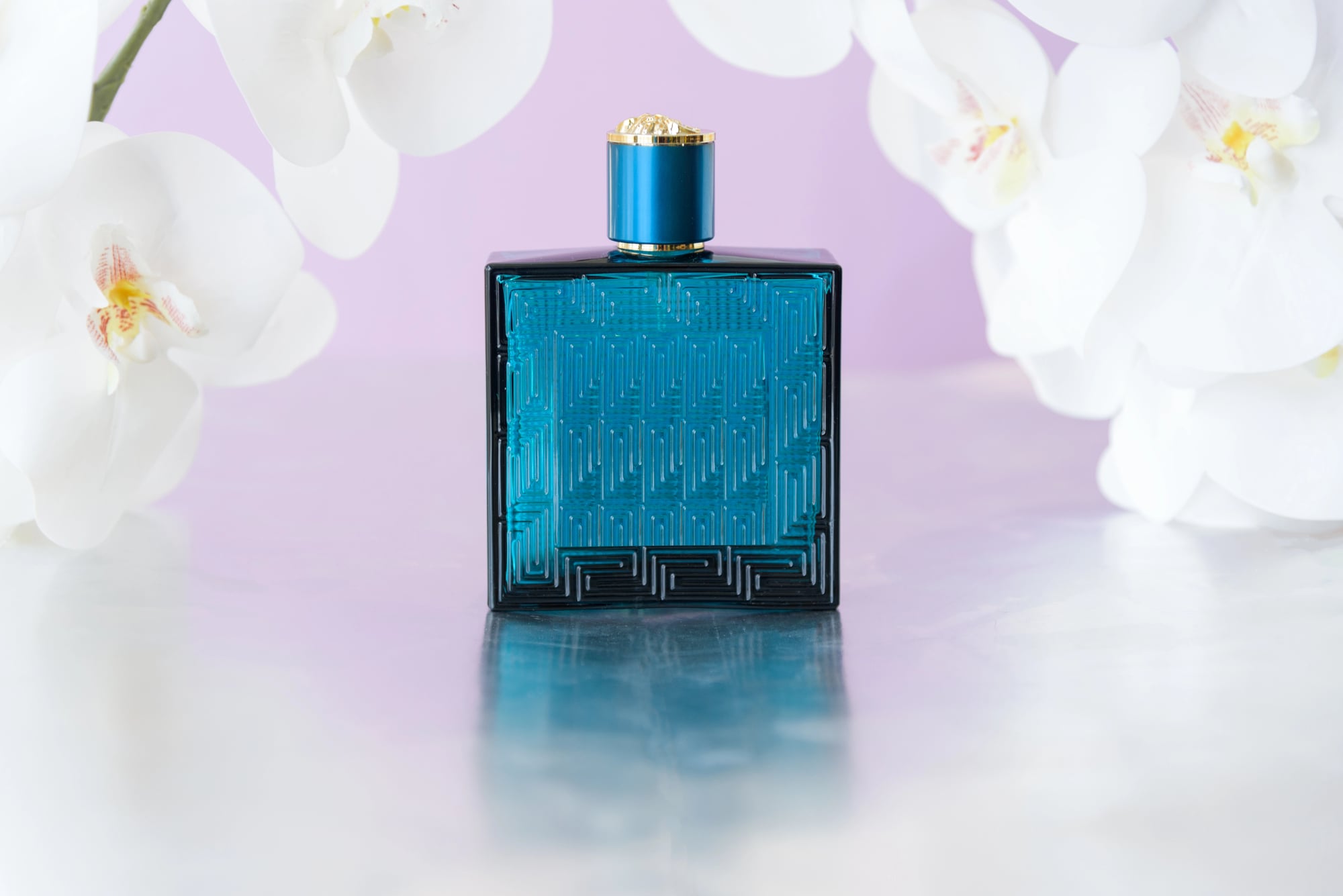
This bottle looks like it belongs in a mechanic’s toolbox rather than a perfume collection. The industrial design includes actual moving parts — gears and pistons that serve no function except to confuse your expectations about what luxury should look like.
The metal cap requires a specific twist-and-pull motion that feels more like operating machinery than opening fragrance.
The contradiction between the rough exterior and the refined scent inside creates a cognitive dissonance that somehow works. It’s perfume for people who don’t want to admit they wear perfume, packaged in a way that suggests motor oil more than eau de toilette.
The bottle succeeds because it commits completely to its aesthetic, never apologizing for being different.
Nina Ricci’s Apple Bottles

Nina Ricci understood something about desire and simplicity that other designers missed. The apple bottle doesn’t try to be clever or shocking — it just sits there being exactly what it appears to be.
But there’s something unsettling about perfection this complete, an apple with no blemishes, no stem, no variation in color.
The smooth glass surface reveals no seams, no obvious opening mechanism. Finding how to access the fragrance becomes a small puzzle, and once solved, the bottle opens in a way that feels slightly forbidden.
The apple splits along an invisible equator, revealing the spray mechanism hidden inside. It’s Eve’s apple redesigned for the modern vanity table, complete with the subtle suggestion that using it might change something fundamental about your day.
So you hold it differently than other bottles. More carefully. More deliberately.
And maybe that’s exactly what Nina Ricci intended — for the simple act of applying perfume to carry just a hint of transgression, just enough to make the morning routine feel less routine.
Moschino’s Cleaning Product Bottles
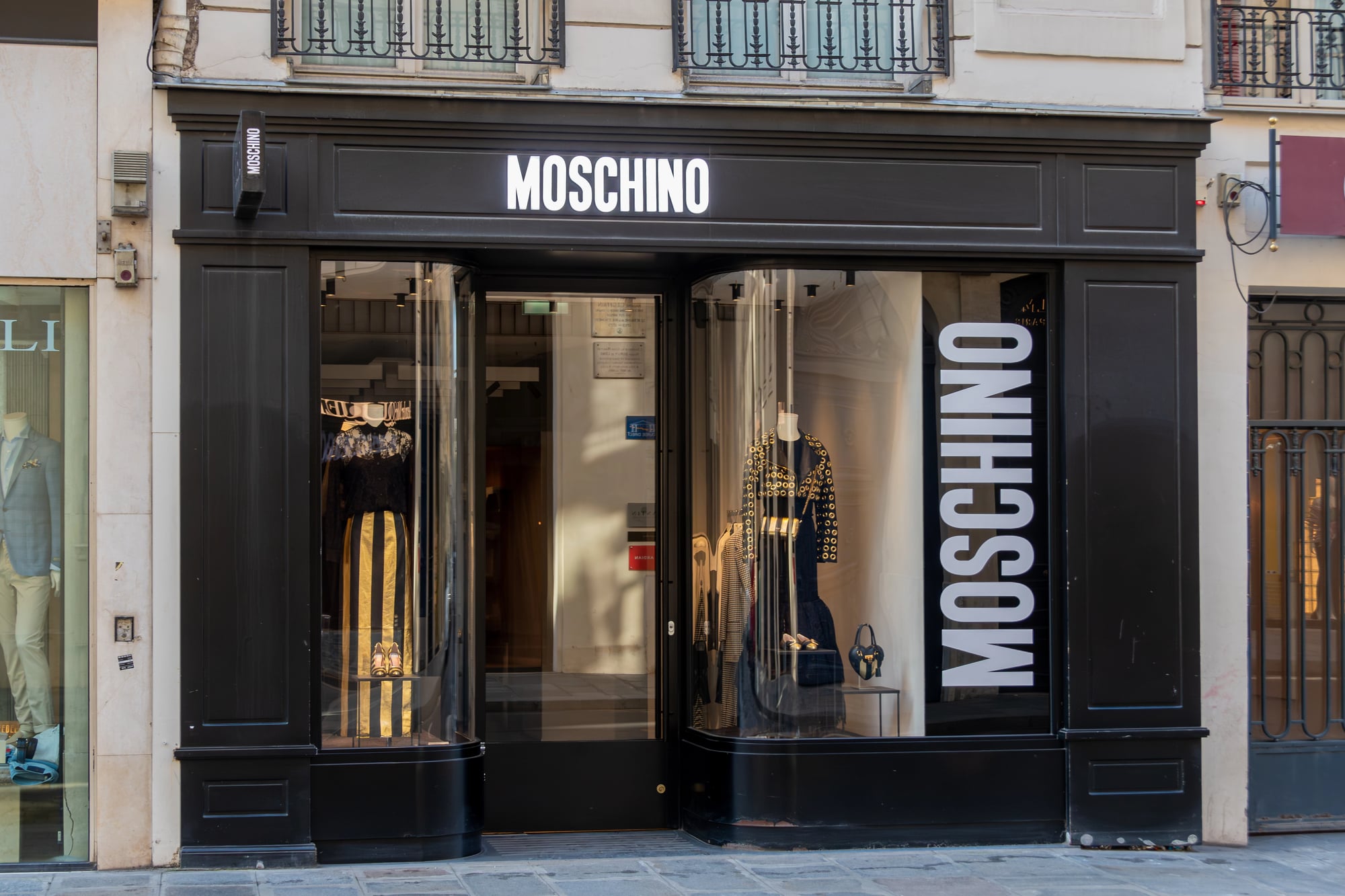
Moschino took household cleaners and transformed them into luxury fragrance vessels. The result sits in the uncanny valley between high fashion and grocery store shelves.
The bottles perfectly mimic Windex blue, complete with spray triggers and utilitarian labels, but contain some of the most expensive fragrances on the market.
The cognitive dissonance never fully resolves. Your brain keeps expecting the bottle to smell like ammonia instead of bergamot and vanilla.
This tension between expectation and reality creates a daily moment of surprise — even after owning the bottle for months, that first visual impression still registers as cleaning product rather than perfume. Moschino weaponized the power of visual assumption, proving that packaging can be more subversive than scent.
Viktor & Rolf’s Upside-Down House
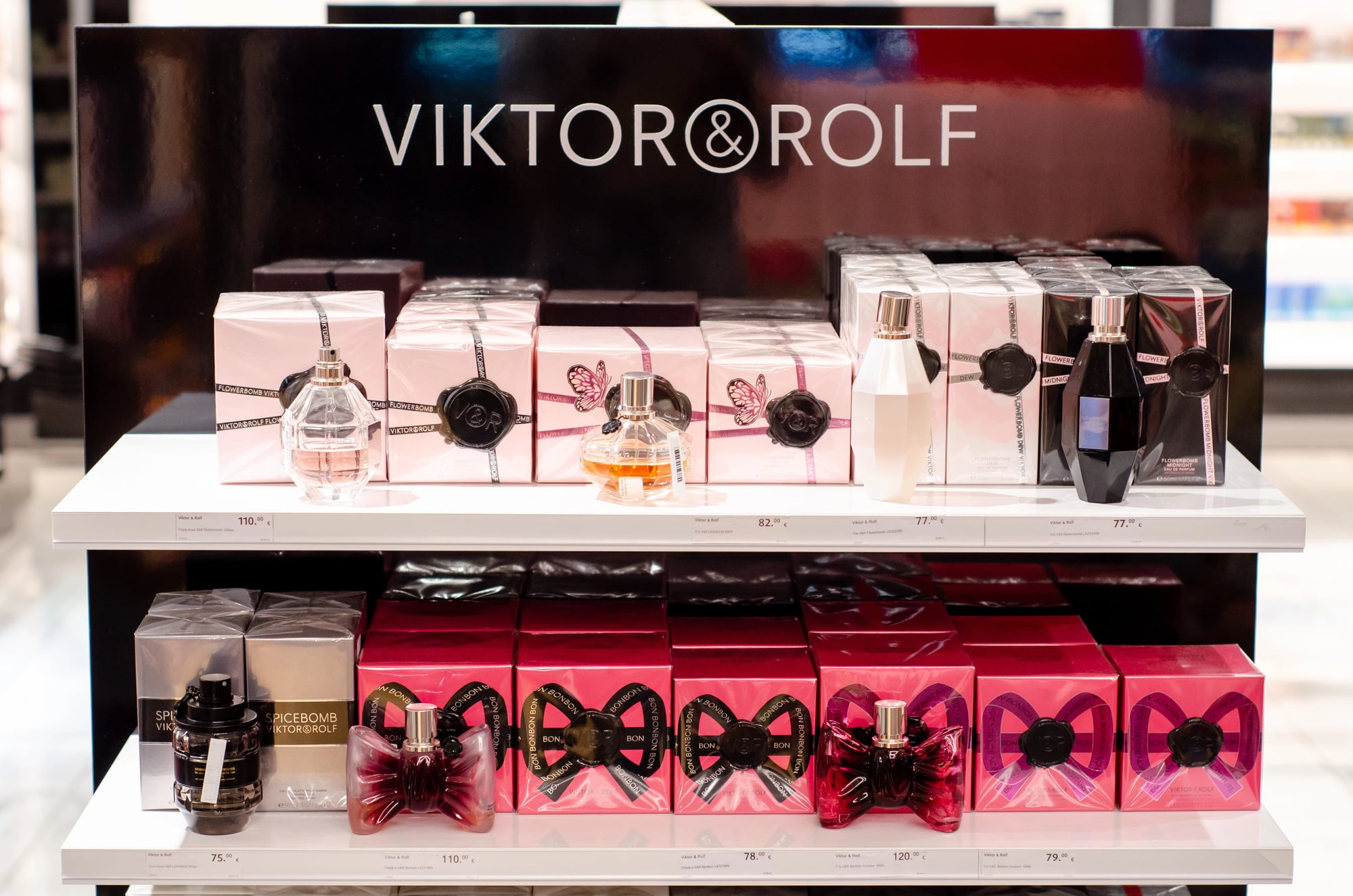
The bottle depicts a complete house turned upside-down, with every architectural detail rendered in miniature. Windows, doors, roof tiles, chimneys — all inverted and frozen in glass.
It’s unsettling in a way that’s hard to articulate, like looking at a snow globe after an earthquake.
But the real genius lies in how the bottle forces you to think about stability and home. Every time you pick it up, you’re literally turning someone’s world right-side-up, then setting it back down upside-down again.
The house becomes a metaphor for how fragrance changes your internal landscape — the way a single scent can make familiar spaces feel completely different. The bottle doesn’t just hold perfume; it holds the concept of transformation itself.
Tom Ford’s Private Blend Padlock Bottles
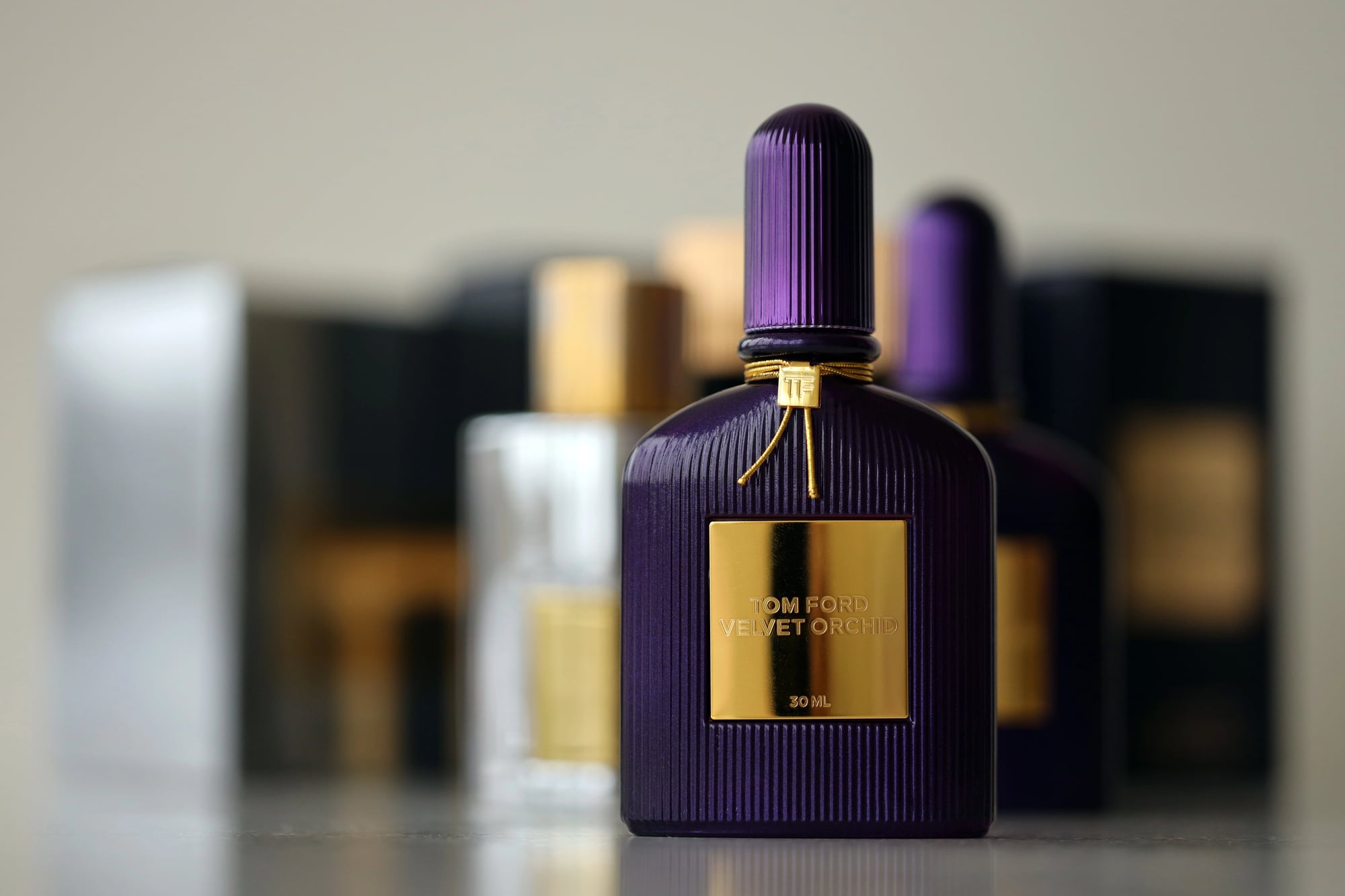
Ford’s padlock design suggests secrets worth protecting. The hefty metal casing feels more like jewelry than packaging, and the weight alone communicates luxury in a way that lighter bottles can’t match.
But it’s the locking mechanism that makes this design memorable — a small ritual of opening that adds ceremony to the daily application of fragrance.
The lock isn’t functional in any practical sense, but it changes how you interact with the contents. Something about the clicking mechanism and the solid metal construction makes the perfume inside feel more valuable, more exclusive.
Ford understood that perceived rarity drives desire, and the padlock design creates artificial scarcity even when the bottle sits on your own dresser.
Issey Miyake’s Pleated Bottles
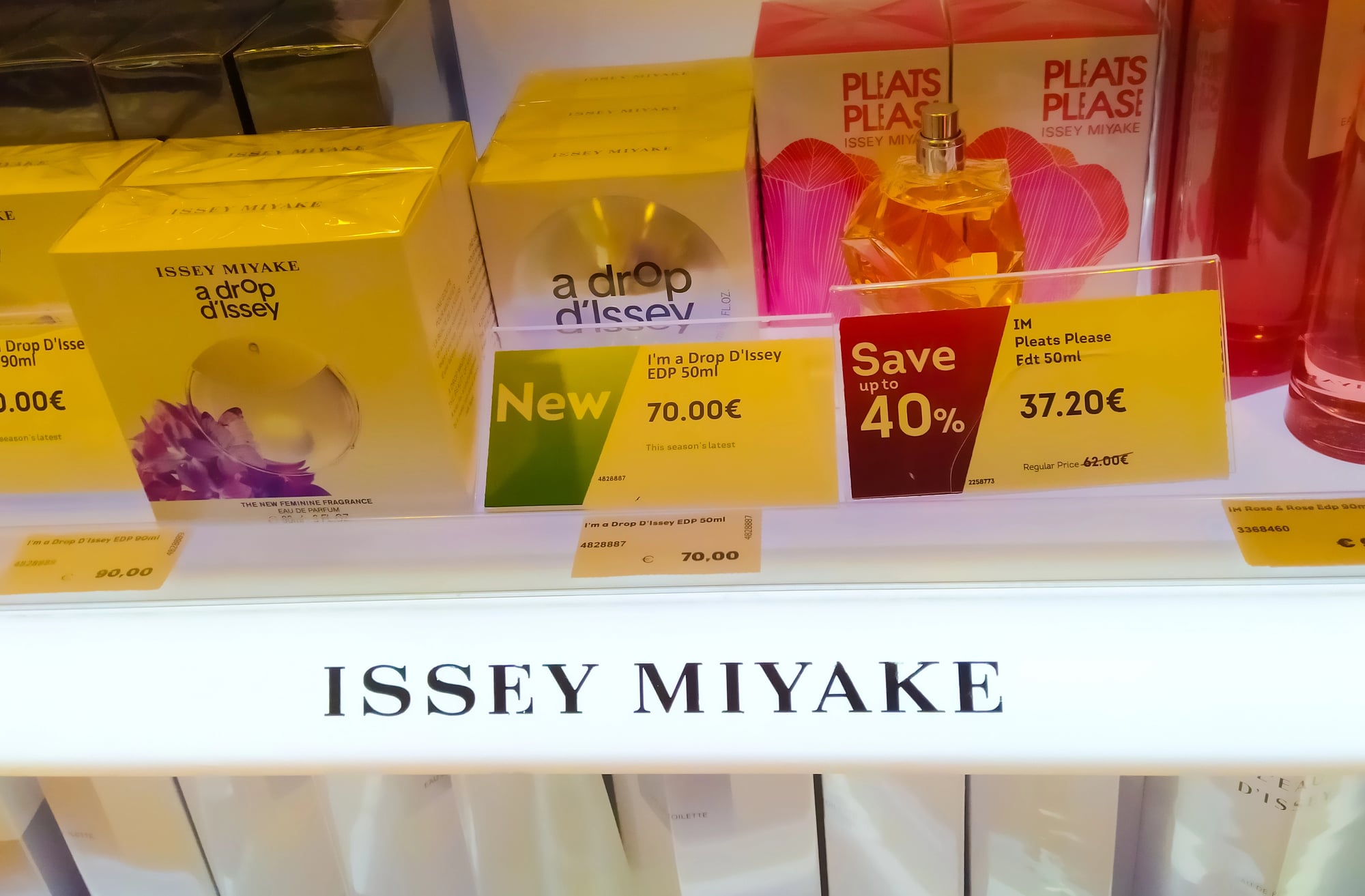
Miyake translated his signature pleating technique from fabric to glass, creating bottles that appear to be made of folded light rather than solid material. The ridged surface catches and refracts illumination in ways that change throughout the day — morning light renders it almost transparent, while evening light makes it glow like colored ice.
The pleated texture also changes how the bottle feels in your hand. Instead of smooth glass, your fingers trace the raised ridges, adding a tactile dimension to the fragrance experience.
The bottle becomes a small meditation object, something you handle differently than other fragrances. Miyake created a container that engages multiple senses before you even spray the perfume, proving that packaging can be performance art.
Paco Rabanne’s Metal Flask Bottles
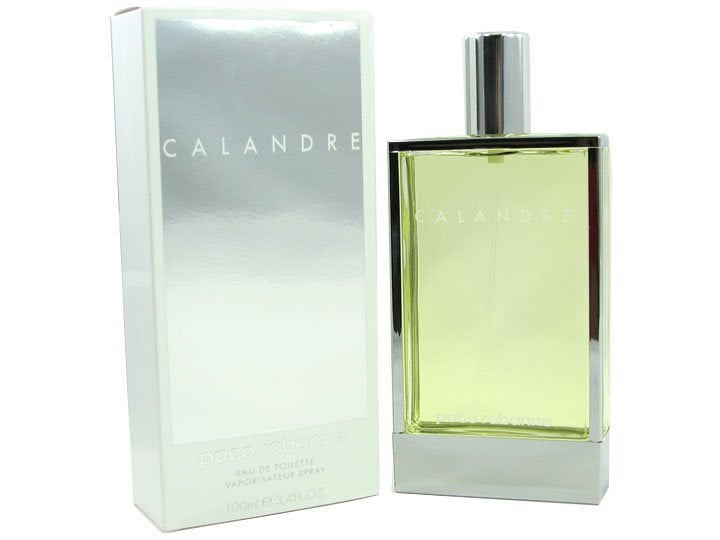
Rabanne’s bottles look like they belong in a spacecraft rather than a boudoir. The brushed metal surface reflects light with industrial precision, and the angular geometry feels deliberately unfeminine in a market obsessed with curves and flowers.
It’s perfume designed for a future that might never arrive.
The metal construction means these bottles age differently than glass ones. They develop small scratches and scuffs that become part of their character, like well-worn tools.
Over time, your specific bottle becomes unique through use — something that mass-produced glass containers can’t achieve. The bottle tells the story of how you’ve handled it, creating a personal history written in tiny marks across the metal surface.
Gaultier’s Airplane Bottle
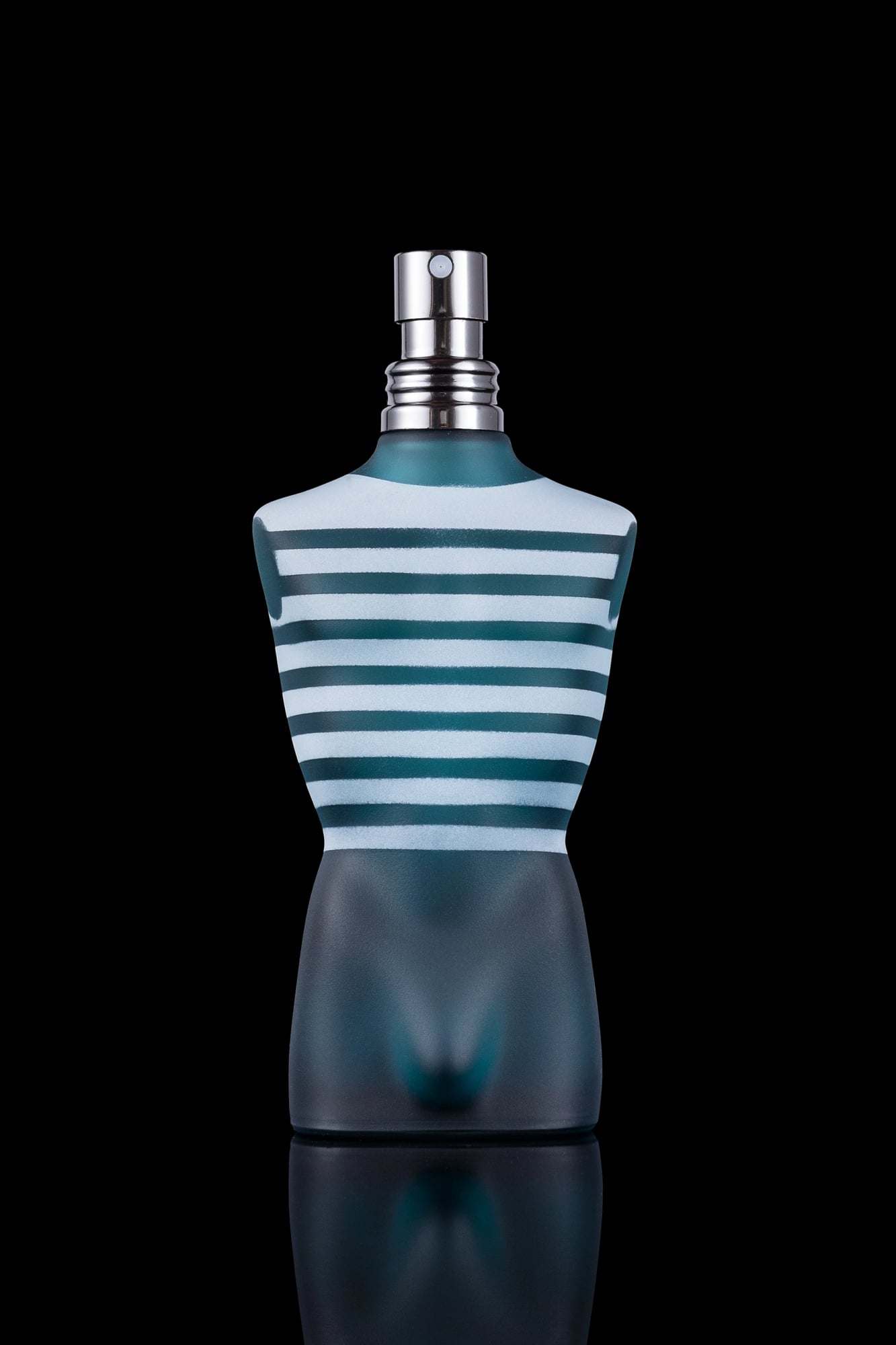
This bottle doesn’t just reference travel — it becomes travel, complete with wings, propeller, and landing gear details that serve no function except to complete the illusion. The fragrance inside becomes secondary to the joy of owning a tiny airplane that happens to contain perfume.
But there’s something deeper at work here. The airplane suggests movement, adventure, escape from the ordinary. Every time you use it, you’re reminded of places you haven’t been, trips you haven’t taken.
The bottle transforms the mundane act of applying fragrance into a small moment of wanderlust, proving that the best packaging doesn’t just hold products — it holds possibilities.
Maison Margiela’s Laboratory Bottles
Margiela’s bottles look like they were stolen from a chemistry lab. The clinical glass construction, minimal labeling, and utilitarian design strip away every trace of traditional perfume marketing.
No flowers, no curves, no suggestion of romance or luxury. Just pure function rendered in medical-grade glass.
This radical simplicity becomes its own form of luxury. In a market saturated with ornate bottles and flowery marketing, the laboratory aesthetic feels rebellious and honest.
The bottle suggests that what’s inside is serious, scientific, worth studying rather than simply wearing. Margiela proved that sometimes the most radical design choice is no design at all — just truth rendered in transparent glass.
Comme Des Garçons’ Geometric Bottles
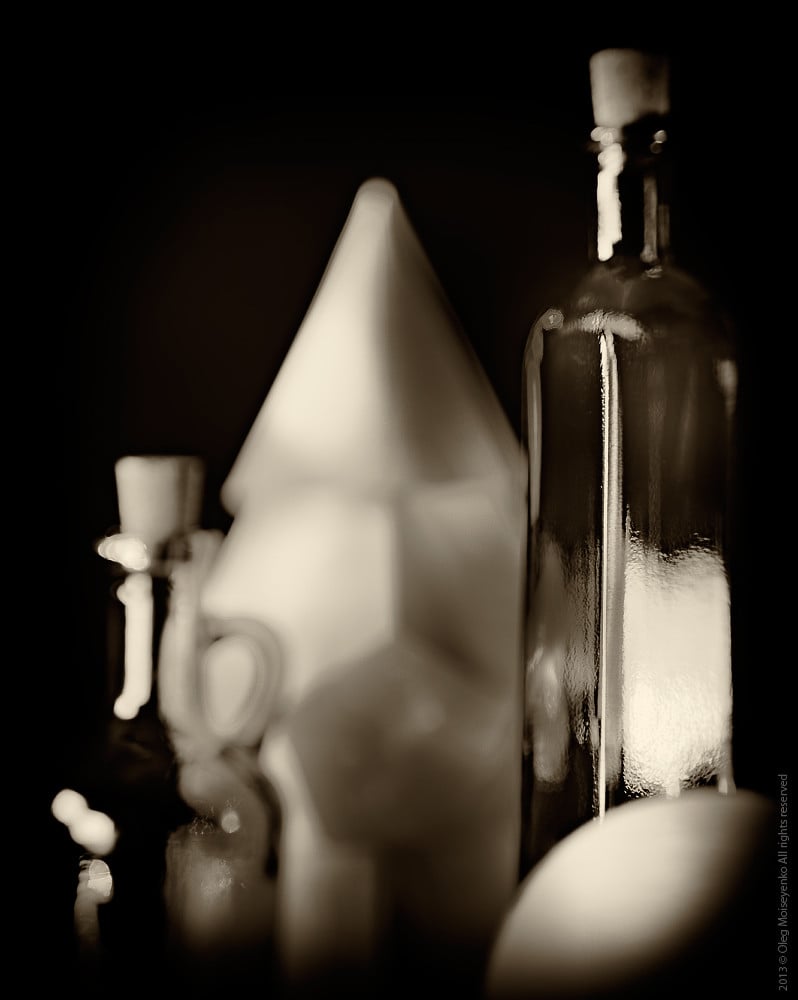
These bottles challenge every assumption about what perfume packaging should look like. Angular, asymmetrical, deliberately uncomfortable to hold — they feel more like modern sculpture than functional containers.
The irregular shapes mean they sit awkwardly on shelves, refusing to align with other bottles or fit into standard storage solutions.
But the awkwardness is intentional. Comme des Garçons wanted their fragrances to disrupt your routine, to make you think differently about scent and beauty and daily rituals.
The bottles succeed because they never let you forget you’re holding something unusual. They transform the simple act of applying perfume into a small daily encounter with art, proving that the most memorable designs are often the least comfortable ones.
Hermès’ Terre D’Hermès Anchor Bottle
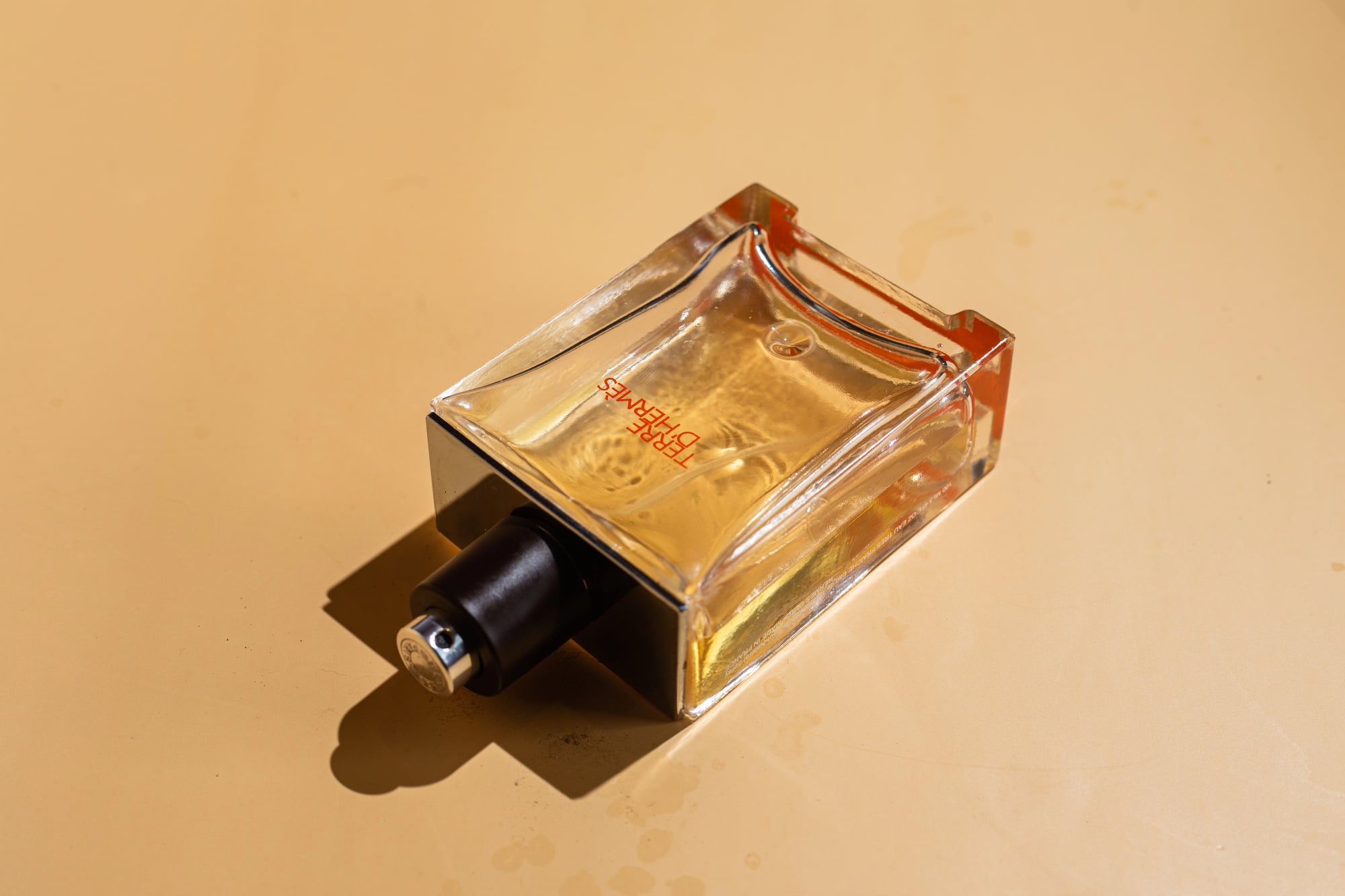
The bottle’s base widens dramatically, creating a center of gravity so low that the container feels unmovable once set down. This isn’t accident — it’s Hermès translating their equestrian heritage into glass.
The bottle suggests the stability of earth, the weight of tradition, the satisfaction of things that endure.
Holding it requires two hands, not because of size but because of the unusual weight distribution. This changes how you apply the fragrance, making it feel less like a quick spritz and more like a deliberate ritual.
The bottle forces you to slow down, to pay attention, to treat the contents with the respect that Hermès believes their fragrances deserve. In a world of convenient, lightweight packaging, the anchor bottle makes weight feel like luxury.
The Art Of Holding Dreams
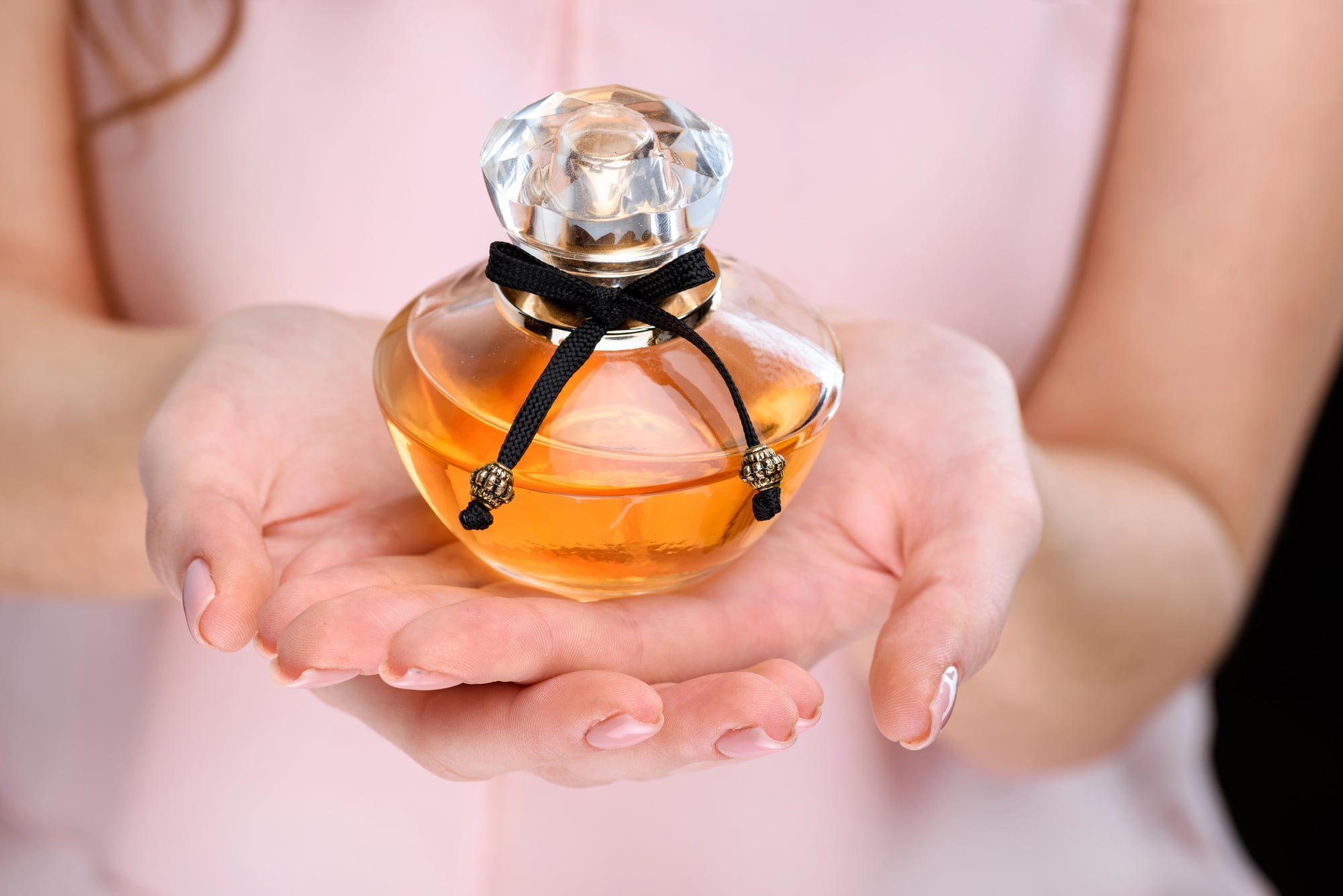
These bottles prove that great design transcends function. They become objects you live with, not just products you use.
Each one changes how you think about scent, ritual, and the small daily ceremonies that shape our days. The best ones don’t just hold perfume — they hold possibilities, memories, and dreams of who you might become with the right fragrance and the perfect bottle to contain it.
More from Go2Tutors!

- The Romanov Crown Jewels and Their Tragic Fate
- 13 Historical Mysteries That Science Still Can’t Solve
- Famous Hoaxes That Fooled the World for Years
- 15 Child Stars with Tragic Adult Lives
- 16 Famous Jewelry Pieces in History
Like Go2Tutors’s content? Follow us on MSN.