Photos Of Foods With Umami That You’ll Want to Try
You’ve probably tasted umami without realizing it. That deep, savory satisfaction when you bite into aged cheese or savor a perfectly ripe tomato — that’s umami working its magic.
Unlike sweet, sour, salty, or bitter, umami doesn’t announce itself with fanfare. It settles into your palate like a warm conversation, making everything taste more complete.
The Japanese identified this fifth taste over a century ago, but food lovers everywhere have been chasing that rich, meaty depth of flavor for much longer. These foods showcase umami at its finest, each one offering a different pathway to that satisfying, mouth-watering experience that keeps you reaching for just one more bite.
Aged Parmesan Cheese
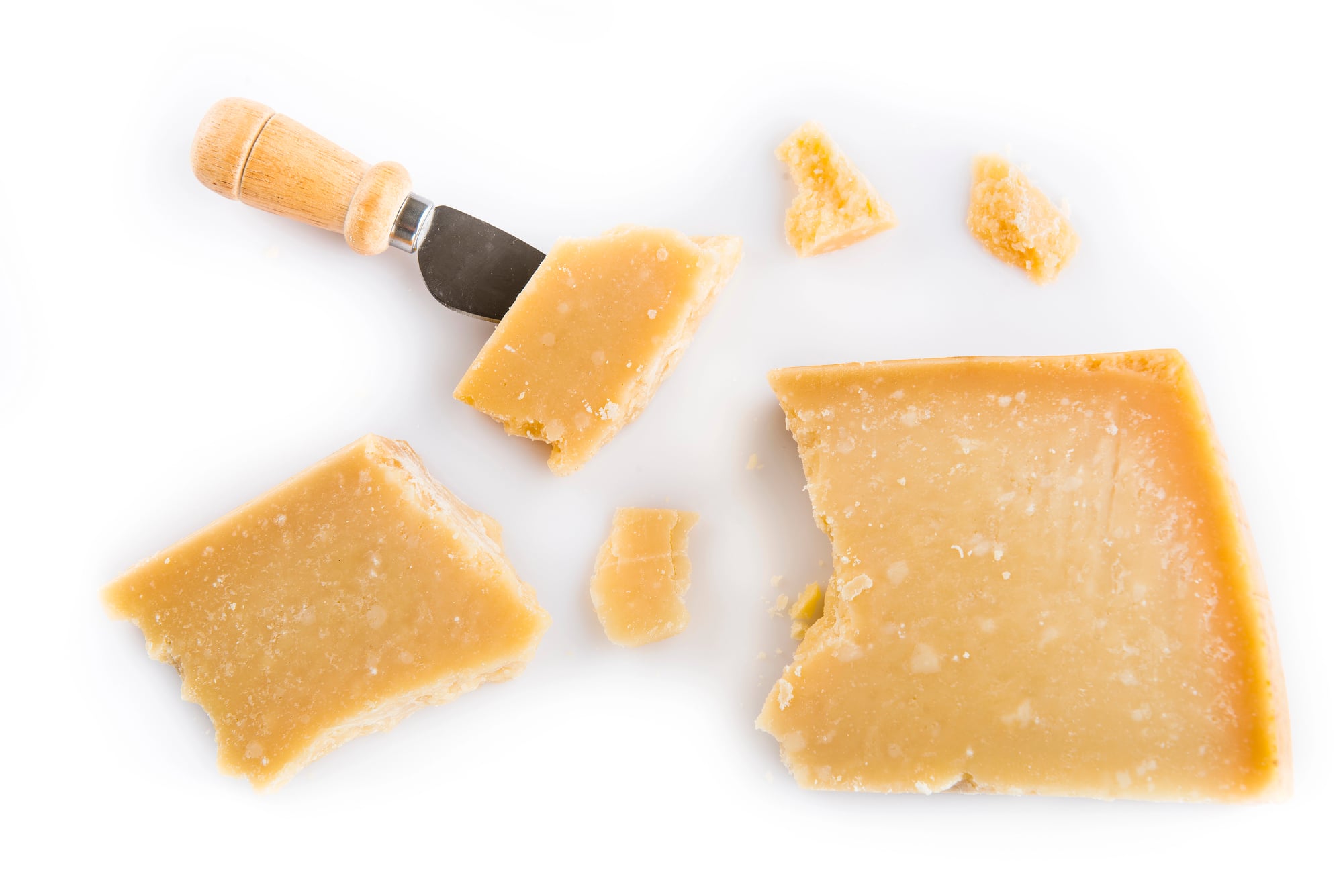
Twenty-four months changes everything. Fresh parmesan tastes pleasant enough, but aged parmesan develops those crystalline pockets that crunch between your teeth and flood your mouth with concentrated umami.
Soy Sauce
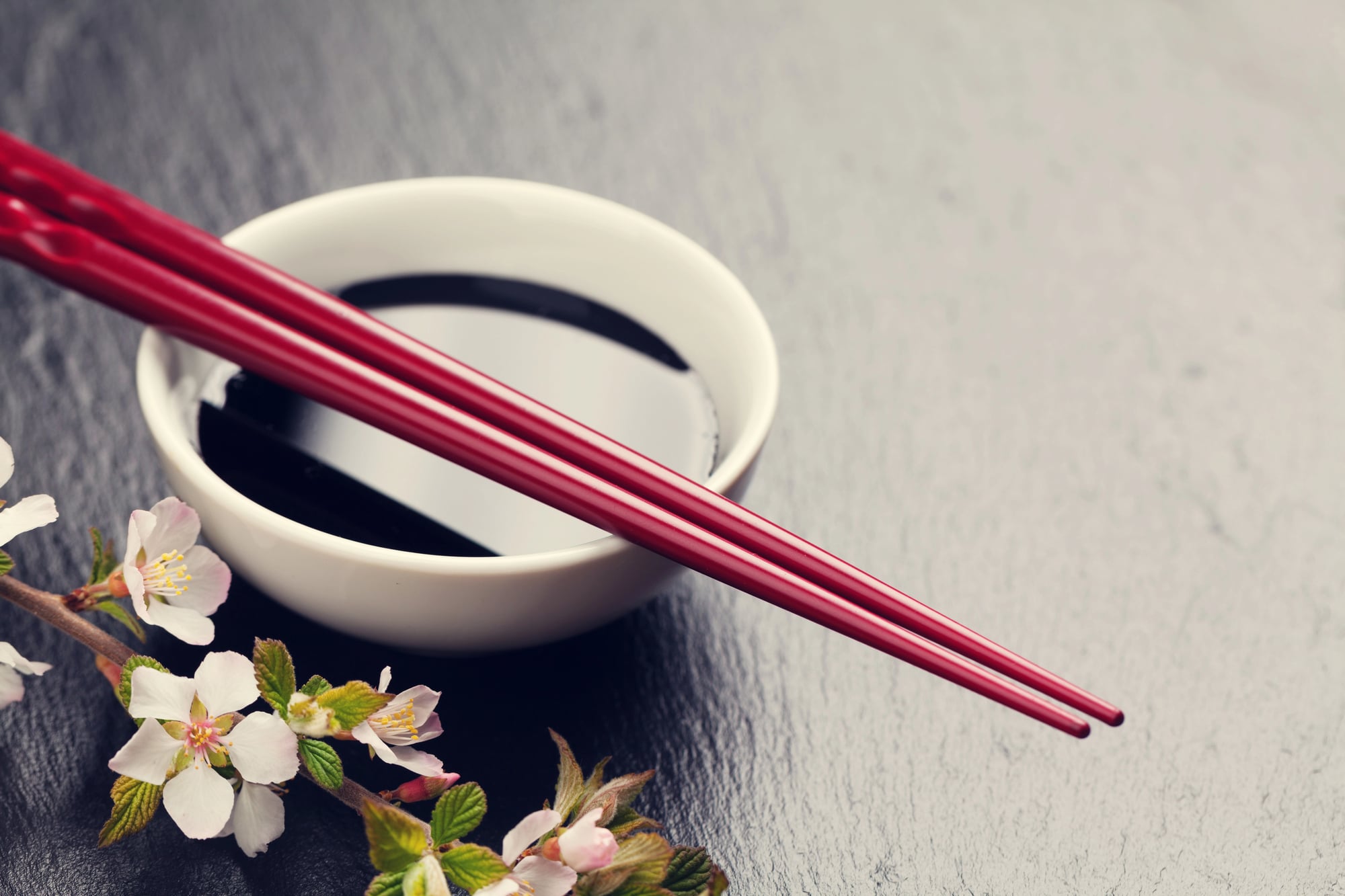
The fermentation process transforms humble soybeans into liquid umami (and this is where the magic happens, because time and beneficial bacteria create compounds that didn’t exist before). A single drop contains the kind of complex, layered flavor that took months to develop — salty, yes, but also deeply savory in a way that makes everything it touches taste more like itself.
So simple. So essential.
Sun-Dried Tomatoes
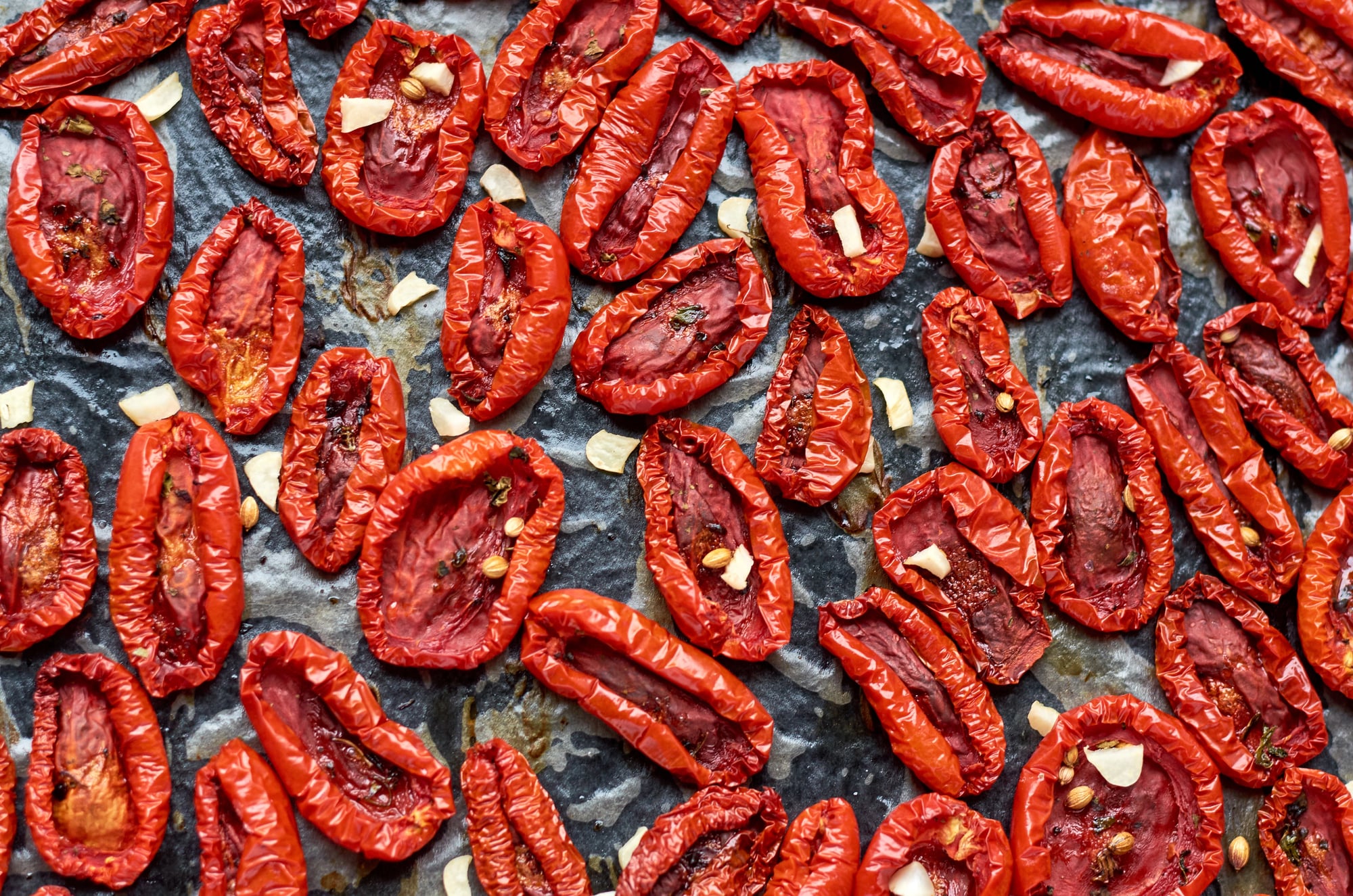
Fresh tomatoes whisper. Sun-dried tomatoes shout.
The dehydration process doesn’t just remove water — it concentrates every flavor compound until what remains is pure tomato essence, chewy and intense and almost meaty in its richness.
Anchovies
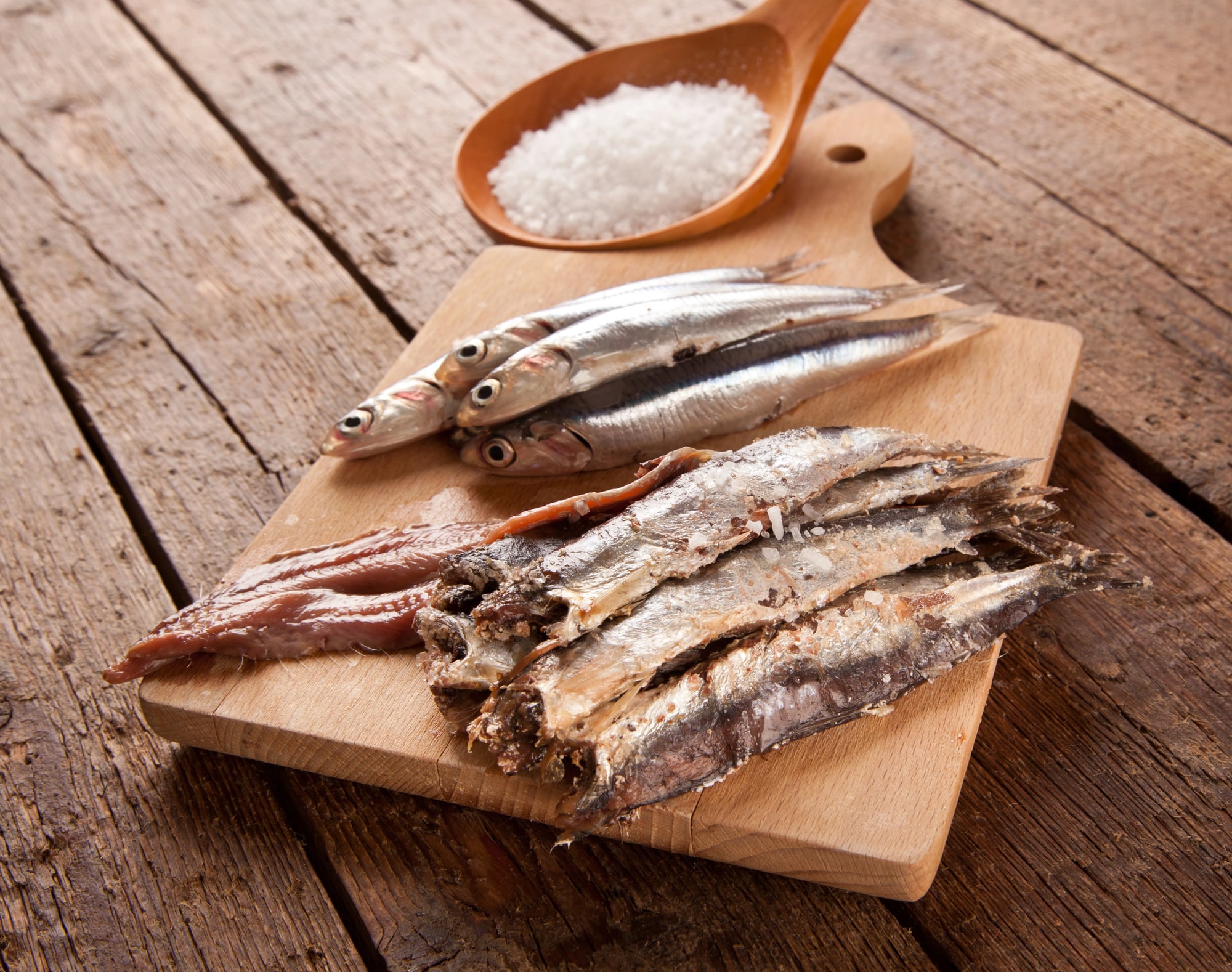
Most people think they hate anchovies. This turns out to be excellent news for those who appreciate them, because it means more remain available for the rest of us.
A single anchovy fillet contains enough umami to transform an entire sauce, which is saying something for a fish that fits on a fingertip.
Mushrooms
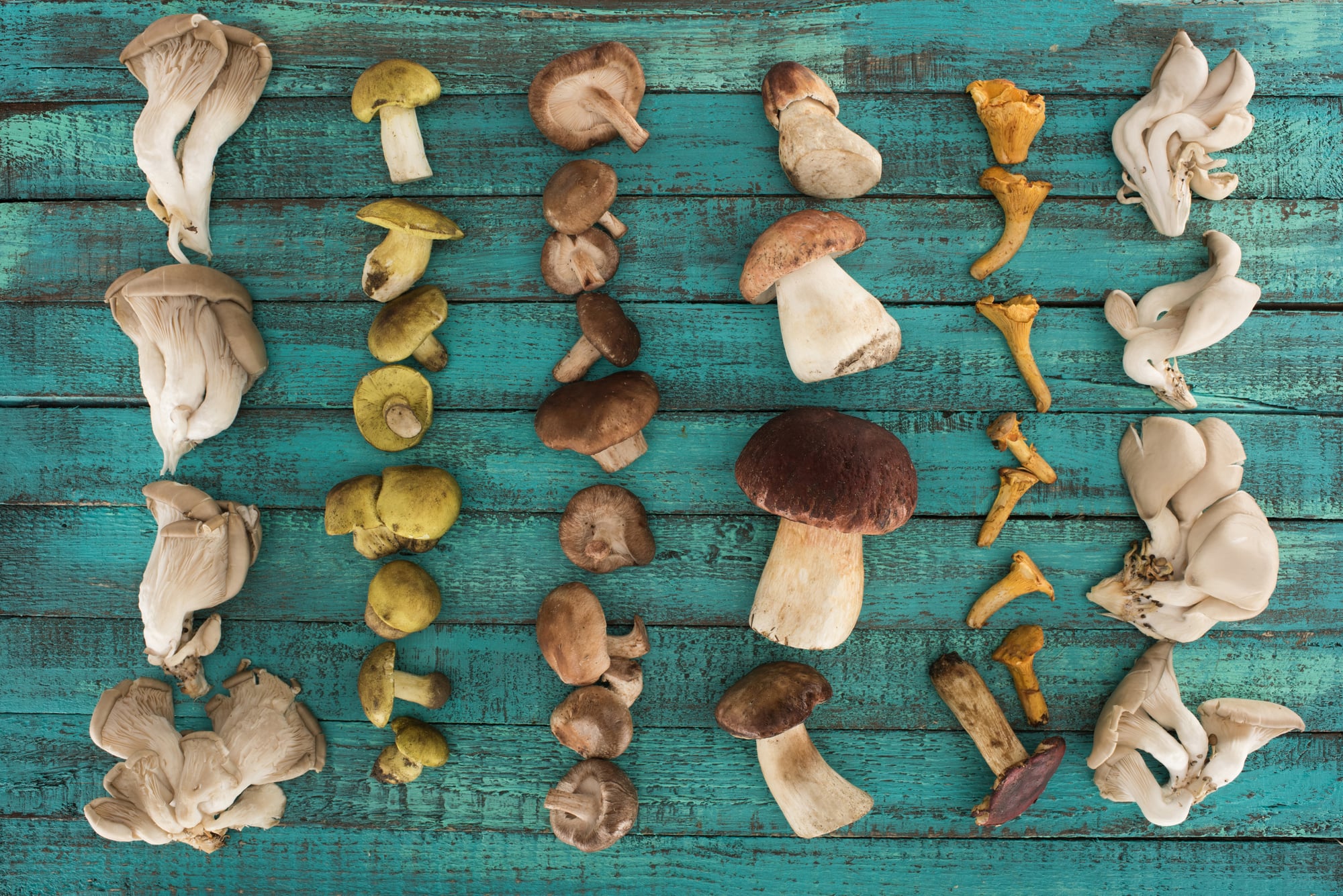
Shiitake mushrooms carry themselves like they know something you don’t. That earthy, almost smoky depth comes from natural glutamates that develop as the mushroom matures — the same compounds that make aged cheese so compelling, but wrapped in a completely different package.
Fresh shiitakes are good; dried and rehydrated shiitakes approach transcendence, their flavor concentrated into something that tastes like the forest floor after rain, if the forest floor happened to be delicious.
You find yourself reaching for mushrooms when a dish needs weight, needs presence, needs that indefinable quality that makes people pause mid-conversation to ask what’s in the sauce.
Miso Paste
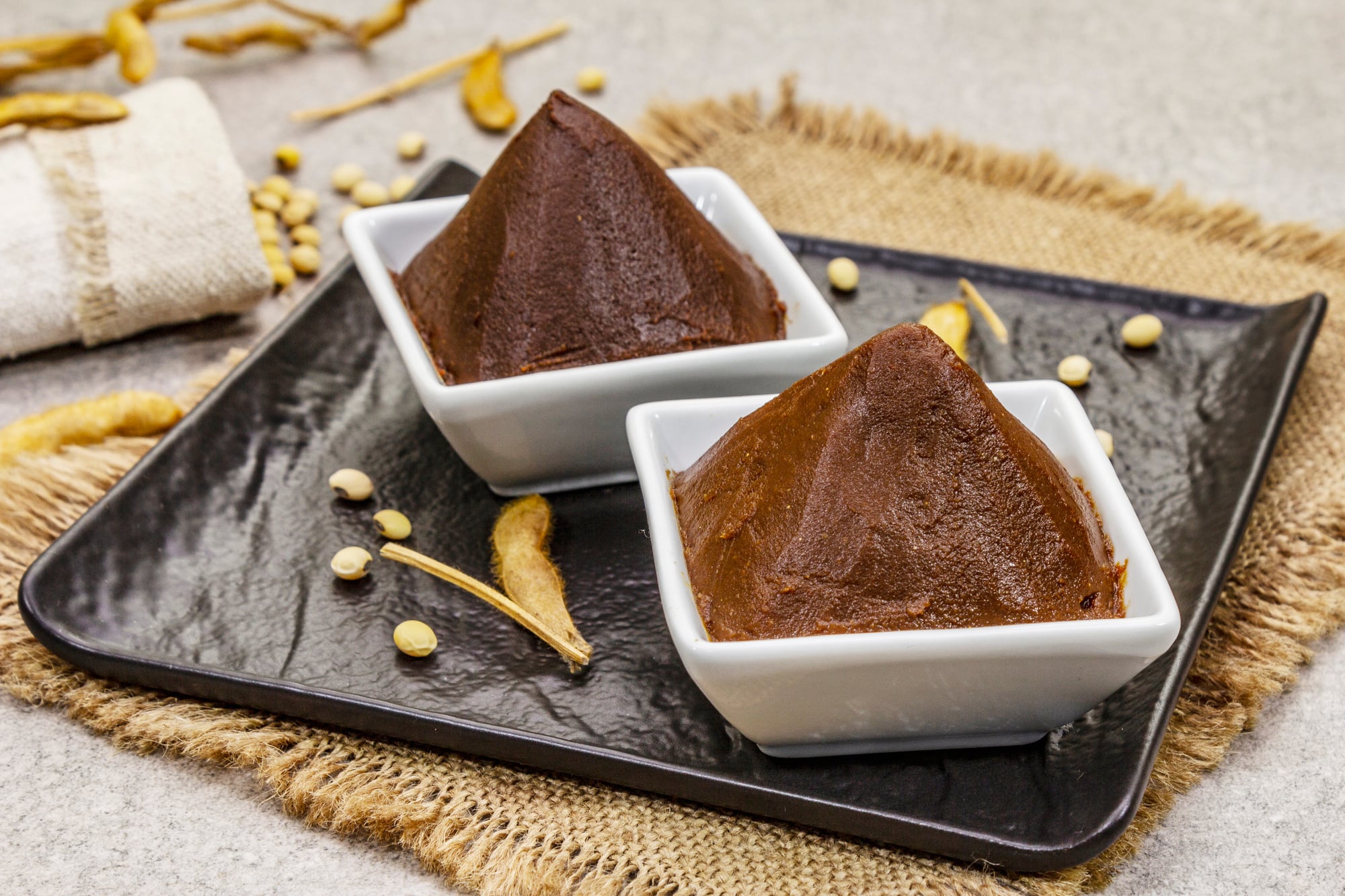
The paste sits quietly in the refrigerator, unremarkable to look at. But miso represents years of patient fermentation, soybeans transformed by koji mold into something that contains multitudes — sweet, salty, funky, rich.
A teaspoon dissolves into broth and creates depth that would otherwise take hours of simmering bones to achieve.
Aged Cheddar
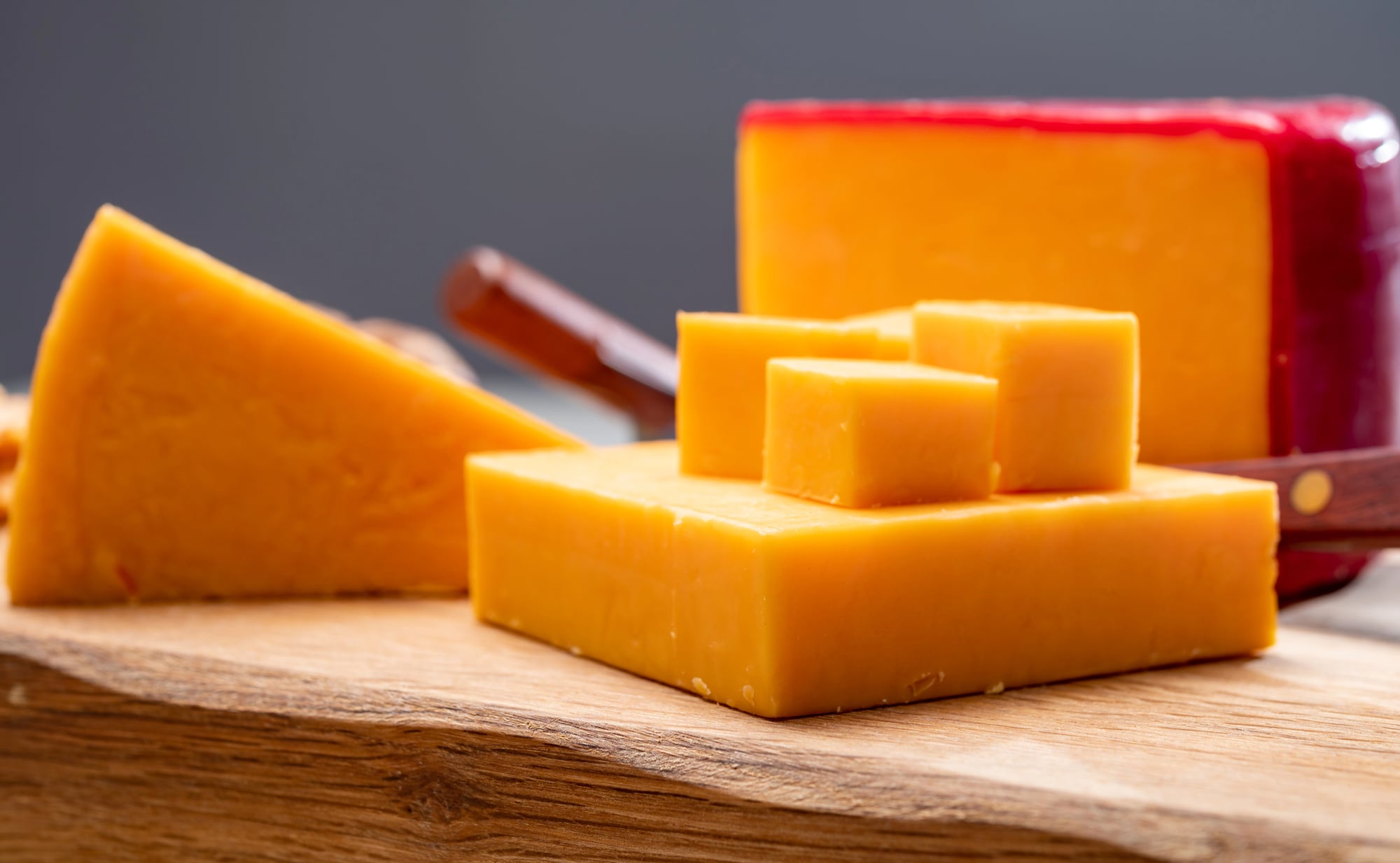
Sharp cheddar. The name doesn’t lie.
But beyond the sharpness lives something rounder, more complete — that’s the umami talking. Two-year-old cheddar has developed enough complexity to stand alone on a cracker, demanding nothing else.
Fish Sauce
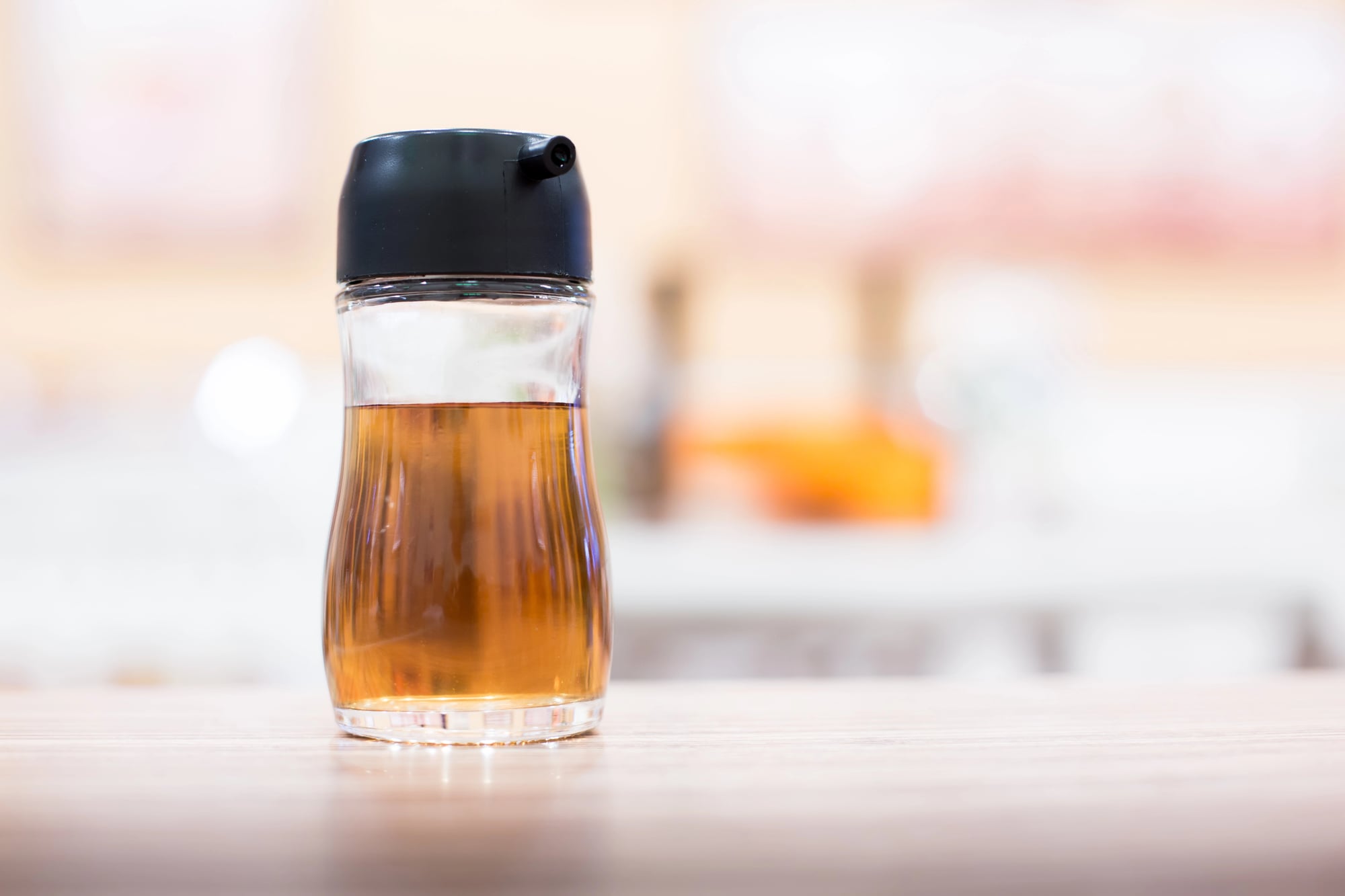
Three ingredients: fish, salt, time. The result defies its humble origins, becoming a condiment so packed with umami that a few drops can rescue an otherwise flat dish.
Vietnamese pho wouldn’t be pho without it, which should tell you something about its power.
Kombu Seaweed
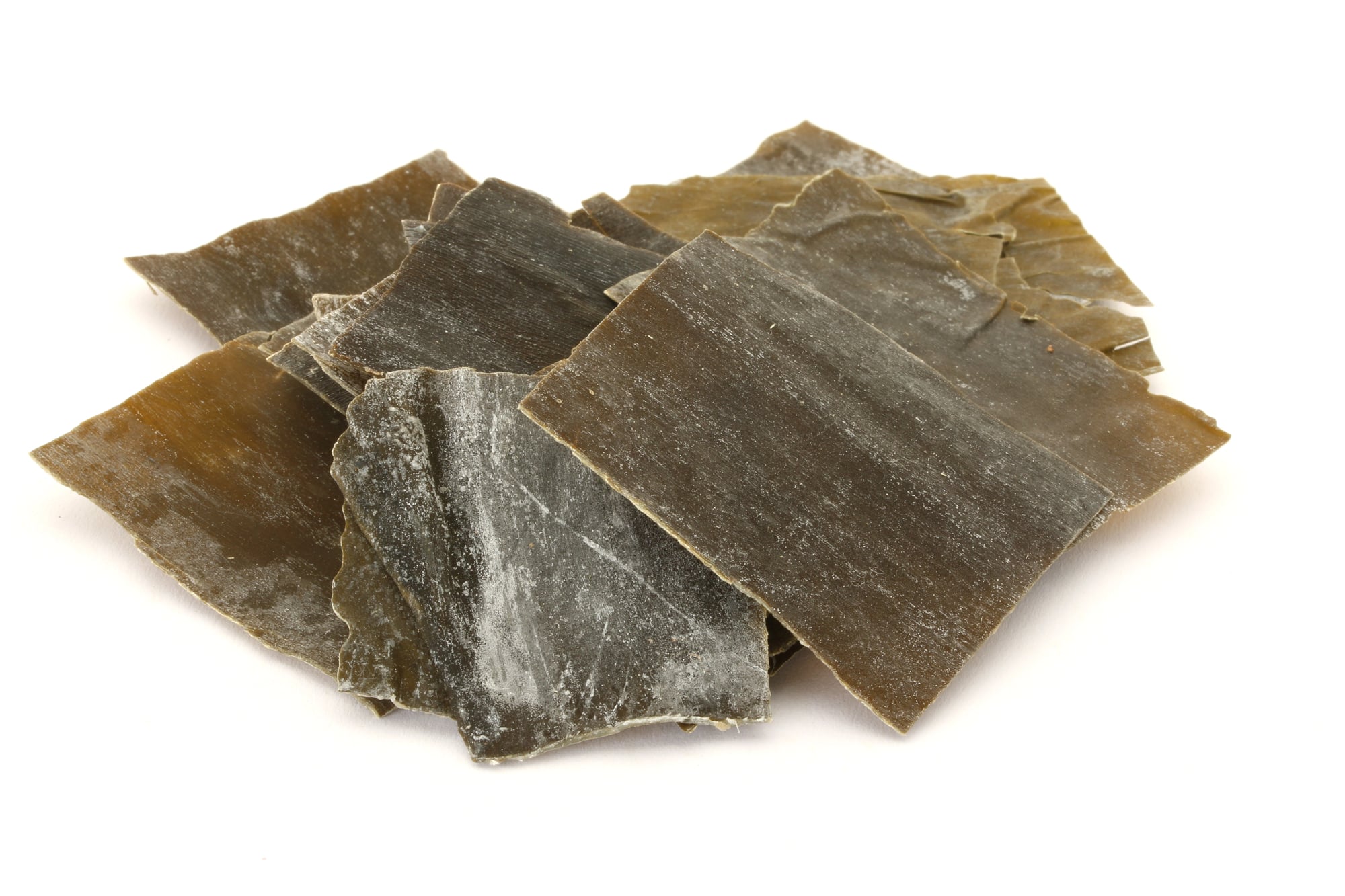
Kombu looks like leather and tastes like the ocean concentrated into edible form. Japanese cooks have built entire culinary traditions around this seaweed’s ability to create dashi — a broth so fundamentally satisfying that it forms the backbone of countless dishes.
The umami here is clean and mineral, like tasting the sea without the salt overwhelming everything else.
Dried kombu keeps indefinitely, waiting patiently to transform whatever liquid you steep it in. One piece of kombu can turn plain water into something worth sipping on its own.
Worcestershire Sauce
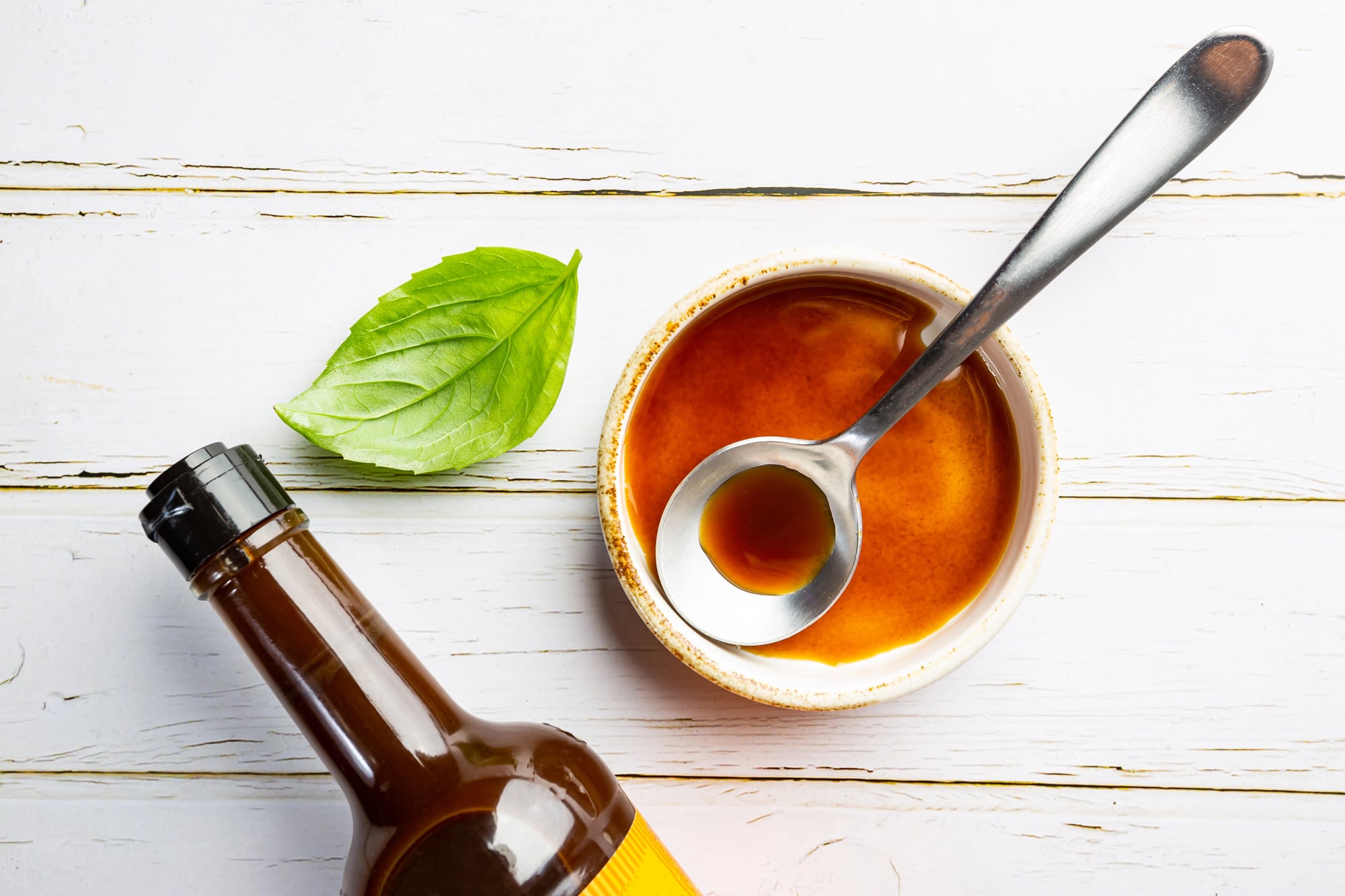
Anchovies, tamarind, molasses, vinegar, and a dozen other ingredients fermented together until they become something entirely new. Worcestershire sauce is umami in liquid form — complex, mysterious, and impossible to replicate at home despite countless attempts.
Dried Bonito Flakes
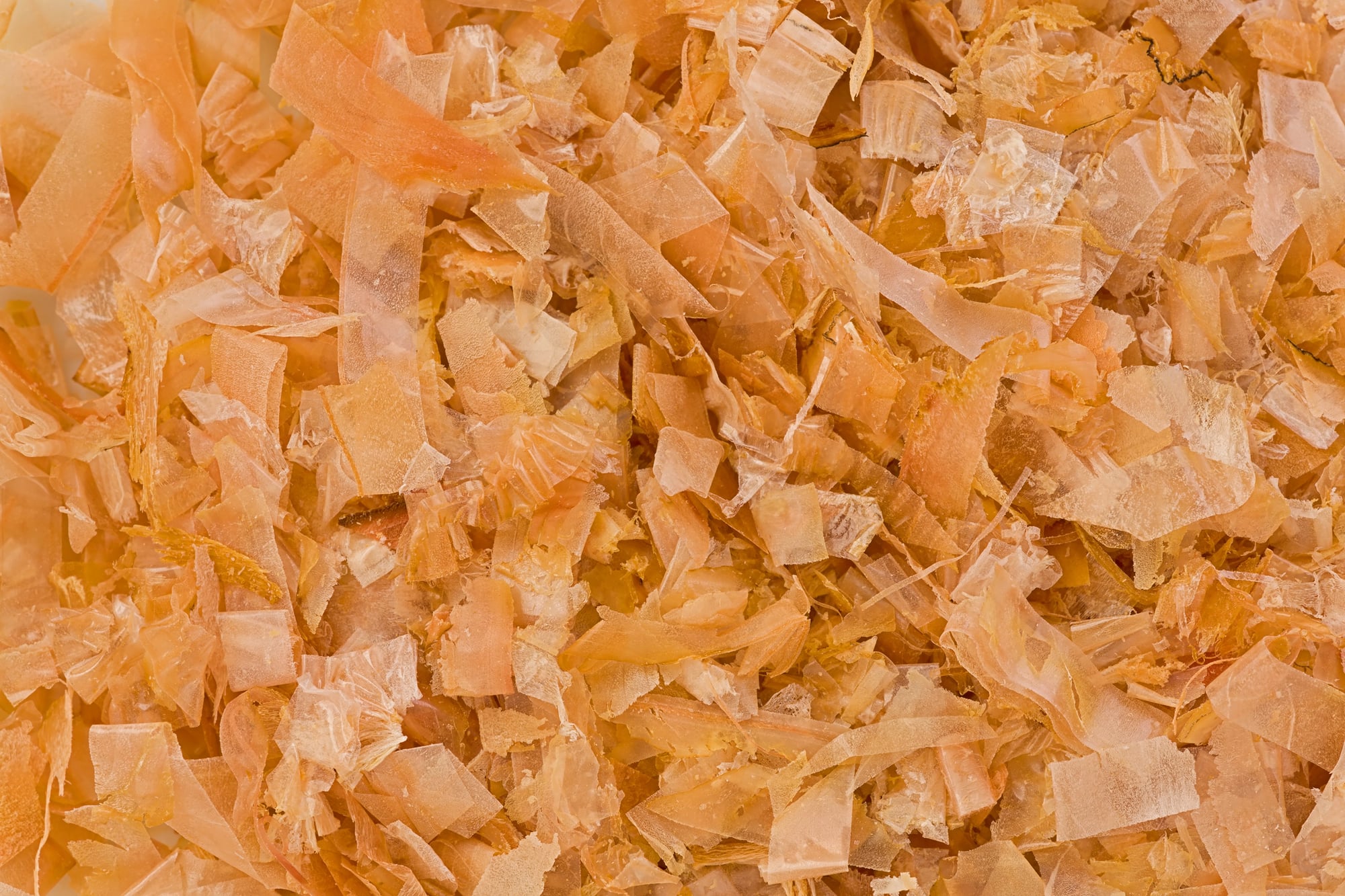
Paper-thin shavings of fish so thoroughly dried and fermented that they resemble wood shavings more than anything that once swam in the ocean. But steep those flakes in hot water and watch them dance as they release their smoky, oceanic essence into the liquid.
The resulting dashi forms the foundation of Japanese cooking for good reason.
Oyster Sauce
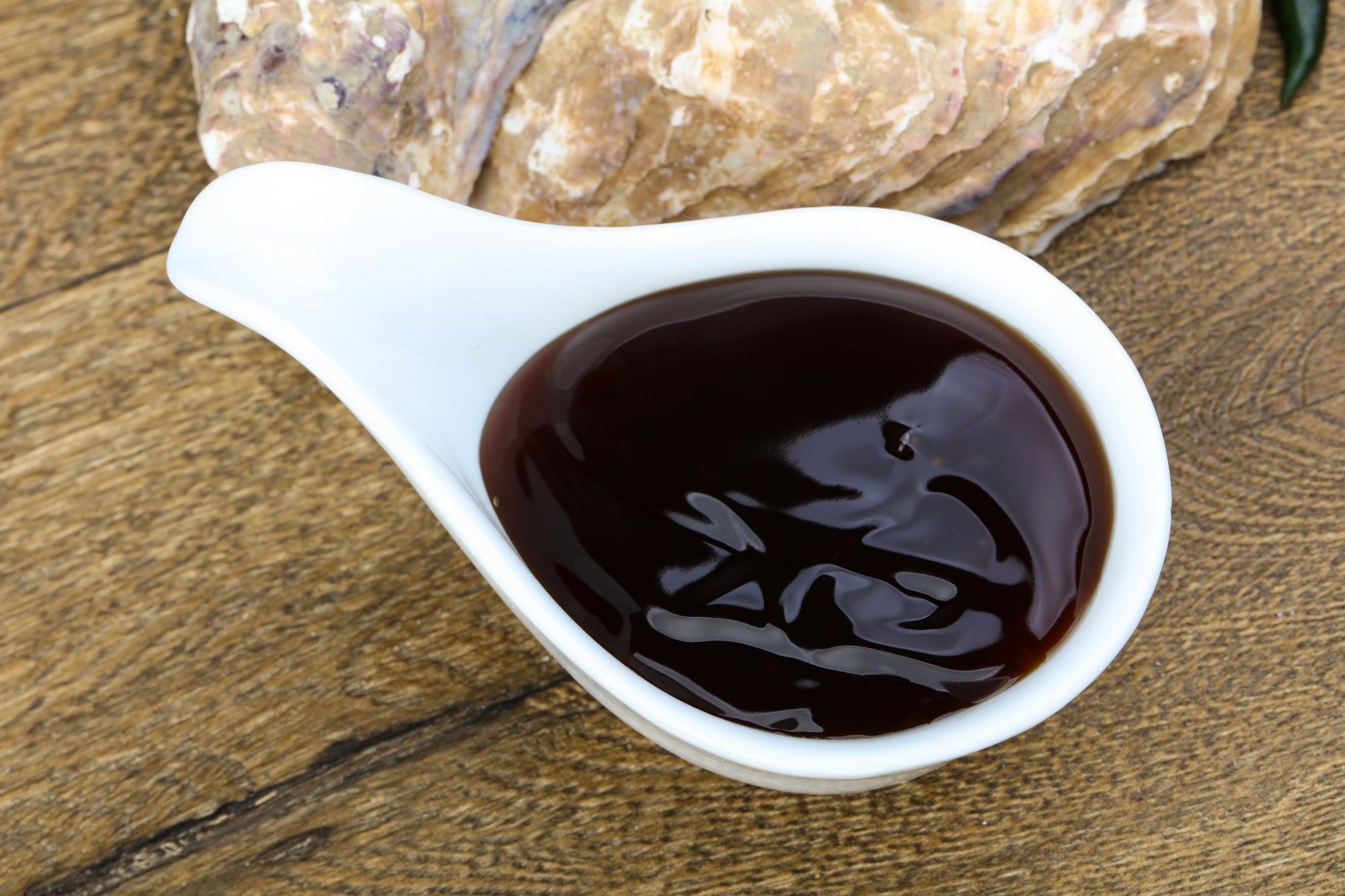
Despite its name, oyster sauce tastes more like concentrated umami than identifiable shellfish. The thick, glossy sauce clings to vegetables and transforms stir-fries from simple to crave-worthy.
A tablespoon contains enough savory depth to make even basic ingredients taste restaurant-quality.
Kimchi
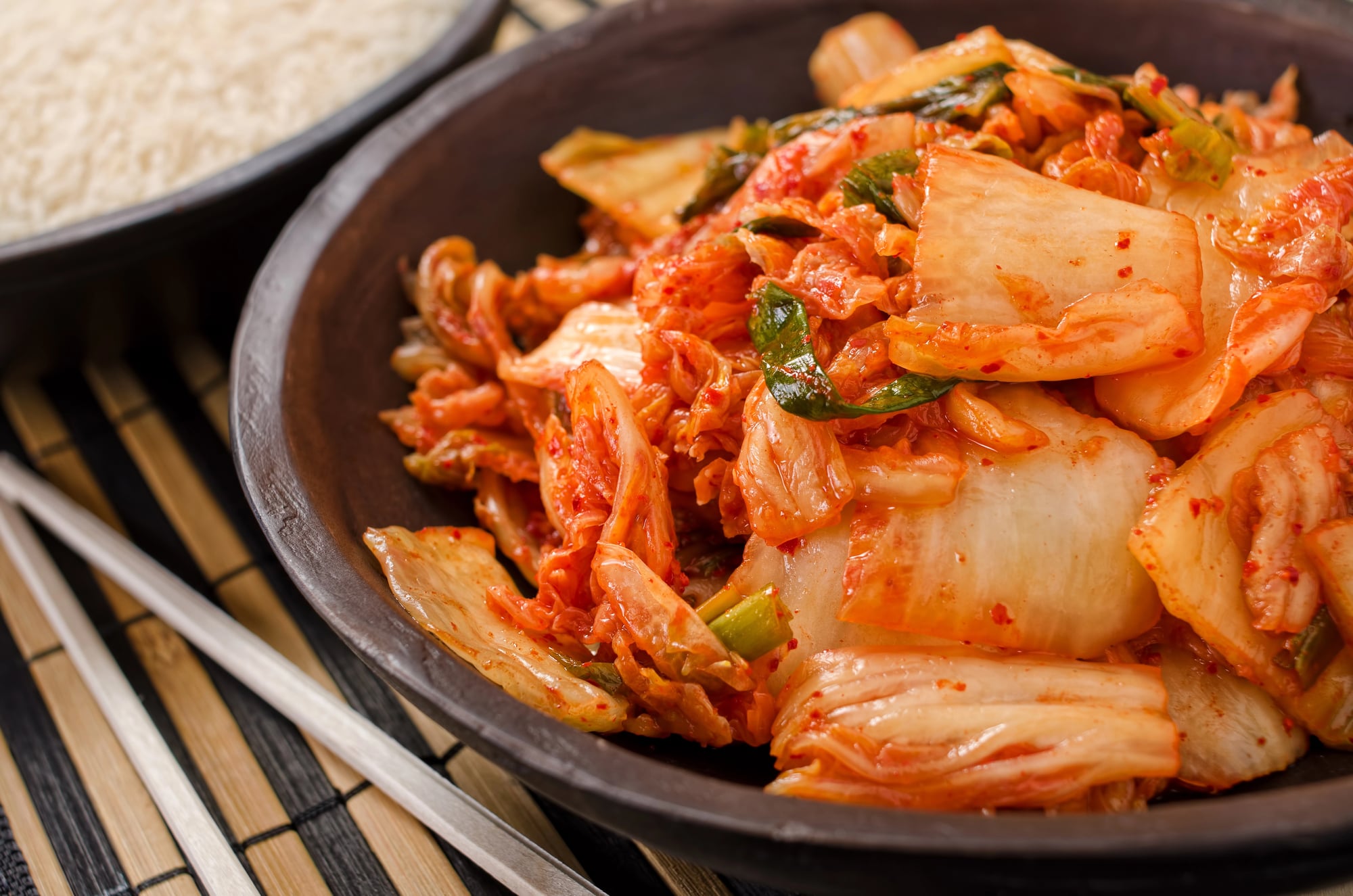
Fermented vegetables shouldn’t be this compelling, yet kimchi manages to be spicy, funky, sour, and deeply umami all at once. The fermentation process creates layers of flavor that develop over weeks, turning simple cabbage into something that improves almost any dish it touches.
Day-old kimchi is good; month-old kimchi approaches perfection.
Blue Cheese
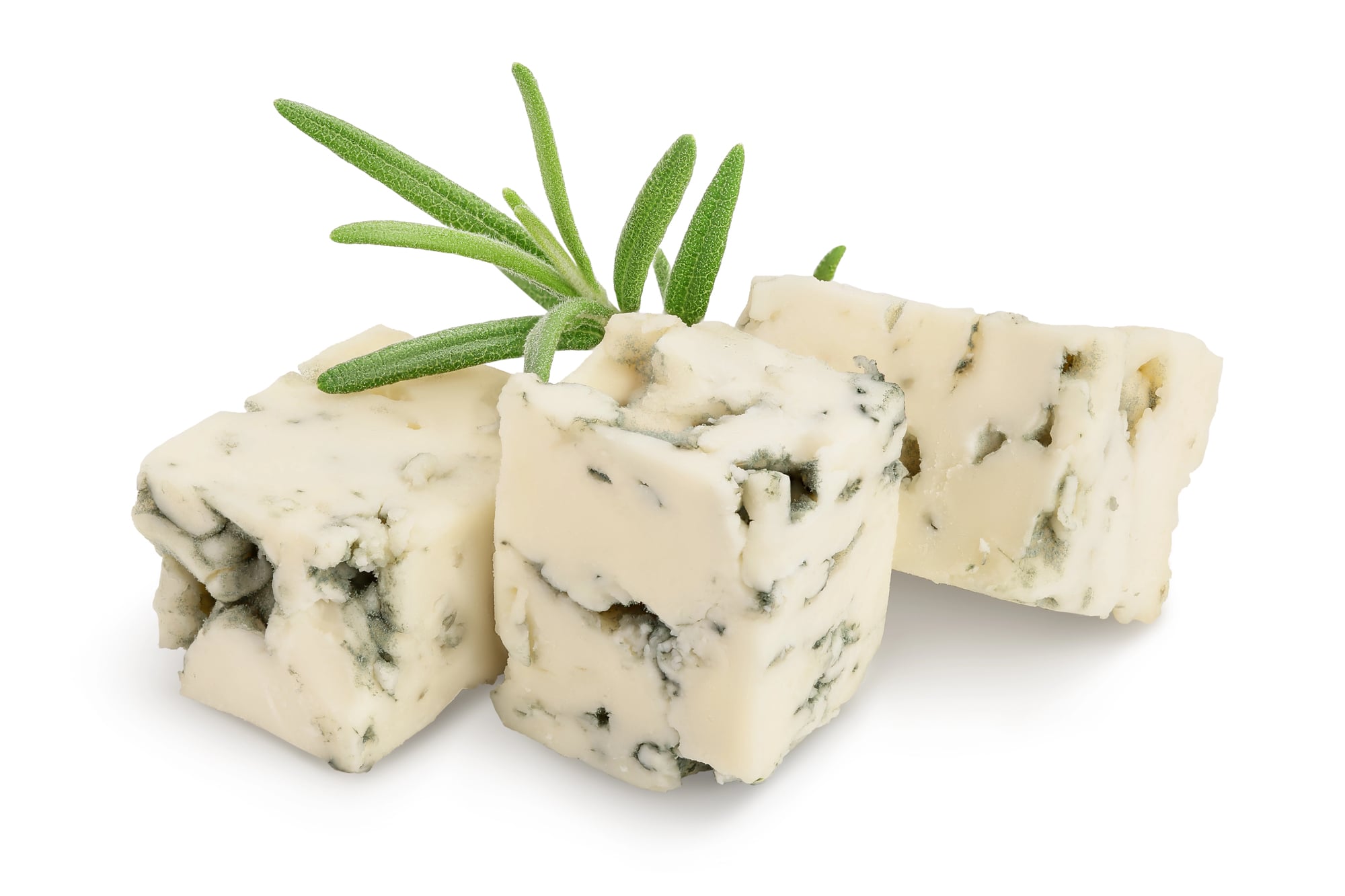
Blue cheese doesn’t ask for your approval. The bold, pungent flavor comes from Penicillium cultures that create both the characteristic blue veins and the intense umami that makes blue cheese so polarizing.
Those who love it really love it, drawn to that combination of creaminess and funk that no other cheese quite replicates.
Embracing The Fifth Taste
Understanding umami changes how you cook and eat. That mysterious something that makes certain dishes irresistible finally has a name, a science, a reason.
Once you start recognizing umami in your favorite foods, you begin seeking it out deliberately — adding a splash of fish sauce here, grating aged cheese there, reaching for the mushrooms when a dish needs more depth. The fifth taste was always there, waiting to be acknowledged.
More from Go2Tutors!

- The Romanov Crown Jewels and Their Tragic Fate
- 13 Historical Mysteries That Science Still Can’t Solve
- Famous Hoaxes That Fooled the World for Years
- 15 Child Stars with Tragic Adult Lives
- 16 Famous Jewelry Pieces in History
Like Go2Tutors’s content? Follow us on MSN.