17 Phrases We Owe to Ancient Civilizations
Every day, we sprinkle our conversations with sayings that have survived thousands of years, though most people have no idea they’re channeling ancient wisdom. These expressions traveled through empires, survived the fall of civilizations, and somehow made it into modern English with their meanings intact.
From Roman battlefields to Greek theaters, from Norse mythology to biblical texts, our language carries the DNA of cultures that shaped human history. The phrases we use casually today often carry stories of triumph, tragedy, and timeless human truths that resonated just as strongly in ancient times.
Here’s a list of 17 phrases that connect us directly to the ancient world, proving that some ideas never go out of style.
Crossing the Rubicon

When Julius Caesar crossed this small river in northern Italy with his army in 49 BC, he knew there was no going back – Roman law forbade generals from bringing troops into Italy proper. The phrase means passing a point of no return, making an irreversible decision that changes everything.
Modern speakers use it when talking about major life choices, though they’re probably not risking civil war like Caesar did.
Achilles’ Heel

Greek mythology tells us that Achilles was invulnerable everywhere except his heel – where his mother held him when dipping him in the protective River Styx. The phrase describes a person’s one crucial weakness despite overall strength.
Today’s business leaders, athletes, and politicians all worry about their metaphorical Achilles’ heels being exposed.
Like Go2Tutors’s content? Follow us on MSN.
Beware of Greeks Bearing Gifts

This warning comes from Virgil’s telling of the Trojan War – specifically about the wooden horse that seemed like a generous offering but hid enemy soldiers inside. The phrase cautions against suspicious generosity, particularly when it comes from rivals or enemies.
Modern usage applies it to everything from corporate takeovers to seemingly too-good-to-be-true deals.
Et Tu, Brute

Shakespeare popularized these words from Caesar’s assassination – though historically, Caesar probably spoke in Greek, not Latin. The phrase expresses the pain of betrayal by a trusted friend, someone you never expected to turn against you.
People still use it when discovering that close allies have stabbed them in the back, metaphorically speaking.
All Roads Lead to Rome

The Roman Empire built such an extensive network of highways that travelers could reach the capital from virtually anywhere in the known world – and the Romans made sure everyone knew it. The saying means that different approaches can lead to the same result.
Today’s project managers and problem-solvers understand that multiple strategies often converge on identical outcomes.
Like Go2Tutors’s content? Follow us on MSN.
Carpe Diem

Horace coined this Latin phrase meaning “seize the day” in his Odes – encouraging readers to make the most of present moments rather than worrying about an uncertain future. The concept resonated so strongly that it became a cornerstone of how people think about time and opportunity.
Modern motivational speakers and life coaches have basically built entire careers around this ancient Roman advice.
Throwing Someone to the Lions

Roman emperors entertained crowds by forcing condemned prisoners to face wild animals in the Colosseum – a spectacle that was both punishment and public entertainment. The phrase describes sacrificing someone to save yourself or to appease angry crowds.
Contemporary politics and corporate environments still use this imagery when describing scapegoating tactics.
Apple of My Eye
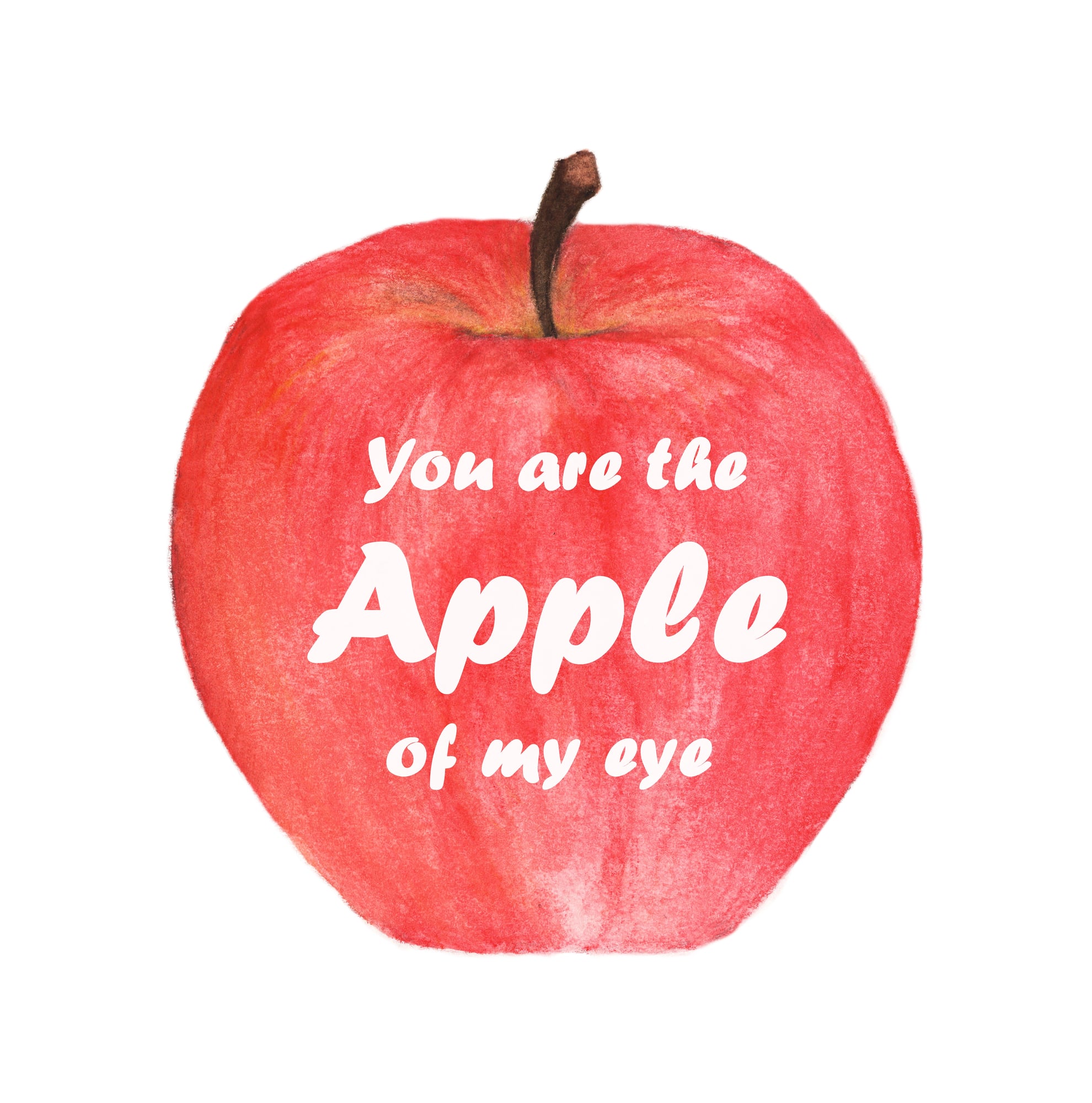
This phrase appears in the Bible’s Book of Deuteronomy – where it refers to something precious that deserves careful protection, like the pupil of an eye. Ancient Hebrew and later English speakers used it to describe beloved people who should be cherished above all else.
Parents today still call their children the apple of their eye, continuing a tradition thousands of years old.
Like Go2Tutors’s content? Follow us on MSN.
The Dice is Cast

Another Caesar quote – this time from when he crossed the Rubicon, though he actually said it in Greek. The phrase refers to a decision that can’t be undone, like dice that have already been thrown.
Gamblers, decision-makers, and anyone facing irreversible choices understand the finality this ancient metaphor captures.
Pyrrhic Victory

King Pyrrhus of Epirus defeated the Romans in several battles during the 3rd century BC – but lost so many soldiers that he reportedly said another such victory would ruin him completely. The phrase describes winning at such a high cost that it’s almost like losing.
Military strategists and business leaders still worry about achieving goals that aren’t worth the price paid.
Pandora’s Box

Greek mythology tells of Pandora opening a container that released all the evils into the world – though she managed to trap hope inside before closing it. The phrase warns about unleashing consequences that can’t be contained or controlled.
Modern discussions about technology, politics, and social change often reference this ancient cautionary tale.
Like Go2Tutors’s content? Follow us on MSN.
By the Skin of Your Teeth

The Book of Job contains this vivid expression describing an extremely narrow escape from danger or disaster. Ancient audiences understood it as barely surviving when destruction seemed certain.
Today’s speakers use it for close calls in everything from traffic accidents to meeting deadlines, maintaining the same sense of barely avoiding catastrophe.
Don’t Look a Gift Horse in the Mouth

Ancient horse traders could determine an animal’s age and health by examining its teeth – so inspecting a gifted horse’s mouth was considered rude and ungrateful. The saying advises against being overly critical of generous offerings.
Modern etiquette still recognizes the wisdom of accepting gifts graciously rather than nitpicking their value.
When in Rome, Do as the Romans Do
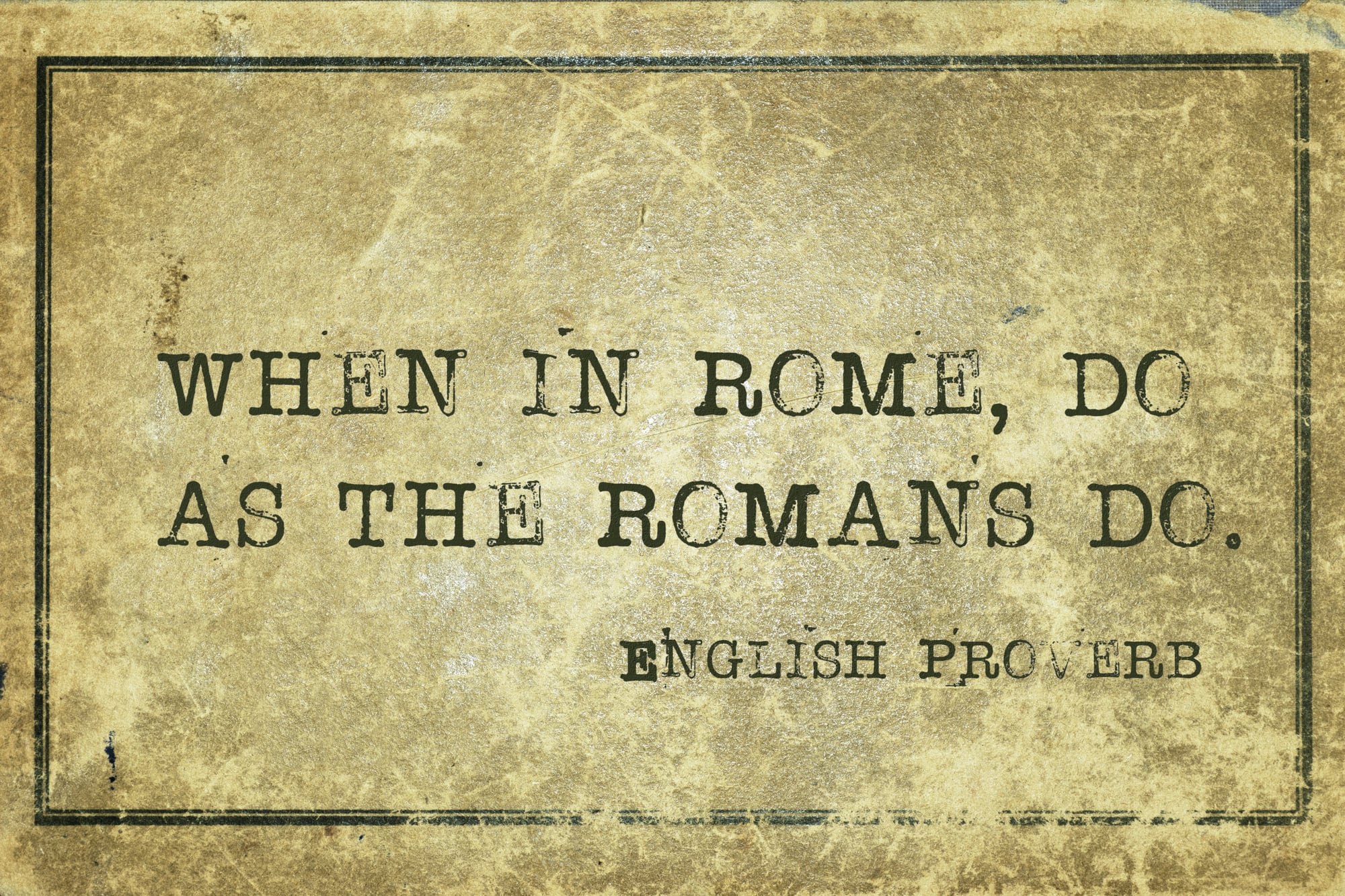
Saint Ambrose gave this advice to Saint Augustine in the 4th century AD, though the concept of adapting to local customs existed long before Christianity. The phrase encourages cultural flexibility and respectful adaptation to new environments.
International travelers, immigrants, and anyone entering unfamiliar social situations still follow this ancient diplomatic wisdom.
Like Go2Tutors’s content? Follow us on MSN.
Sour Grapes

Aesop’s fable tells of a fox who couldn’t reach some grapes, so he declared them probably sour anyway – a classic case of protecting ego through rationalization. The phrase describes dismissing something you can’t have by claiming you didn’t want it in the first place.
Psychologists recognize this defense mechanism, though ancient Greeks identified the pattern first through storytelling.
Trojan Horse

The legendary wooden horse that concealed Greek soldiers and led to Troy’s downfall has become the ultimate symbol of deceptive infiltration. The phrase describes anything that appears harmless but contains hidden threats or ulterior motives.
Computer security experts borrowed the term for malicious software that masquerades as legitimate programs, proving ancient warfare tactics translate perfectly to digital battlefields.
Midas Touch

King Midas received the power to turn everything he touched into gold – which seemed wonderful until he nearly starved because even his food became metal. The phrase describes someone who succeeds at everything they attempt, though it sometimes carries undertones of success that comes with unexpected costs.
Modern entrepreneurs and investors understand both the blessing and potential curse of the Midas touch.
Like Go2Tutors’s content? Follow us on MSN.
Ancient Wisdom in Modern Words

These enduring phrases prove that human nature hasn’t changed much over the millennia – we still face the same fundamental challenges of loyalty, ambition, decision-making, and survival that our ancestors did. While technology and society have evolved dramatically, the core experiences these sayings capture remain remarkably constant.
Ancient civilizations gave us more than architecture and art; they provided a linguistic inheritance that helps us navigate the complexities of contemporary life with wisdom tested across centuries.
More from Go2Tutors!

- 18 Unexpectedly Valuable Collectibles You Might Have Lying Around
- 20 Little-Known Historical Battles That Had Huge Consequences
- 20 Historical Artifacts That Scientists Can’t Explain
- 15 Inventions That Were Immediately Banned After Being Created
- 20 Actors Who Were Almost Cast in Iconic Roles
Like Go2Tutors’s content? Follow us on MSN.



