Photos Of Ghost Towns In The American West That Were Left Behind
The American West holds onto its secrets like dust in an old photograph. Abandoned buildings lean against desert winds, their windows reflecting nothing but sky and memory.
These ghost towns scattered across the frontier tell stories that refuse to fade — of gold rushes that went bust, railroad promises that never came, and communities that simply ran out of reasons to stay. Each one stands as a monument to ambition, failure, and the stubborn hope that drove people to build lives in impossible places.
Time moves differently here, where the only traffic is tumbleweeds and the only sounds are creaking wood and settling stone.
Bodie, California
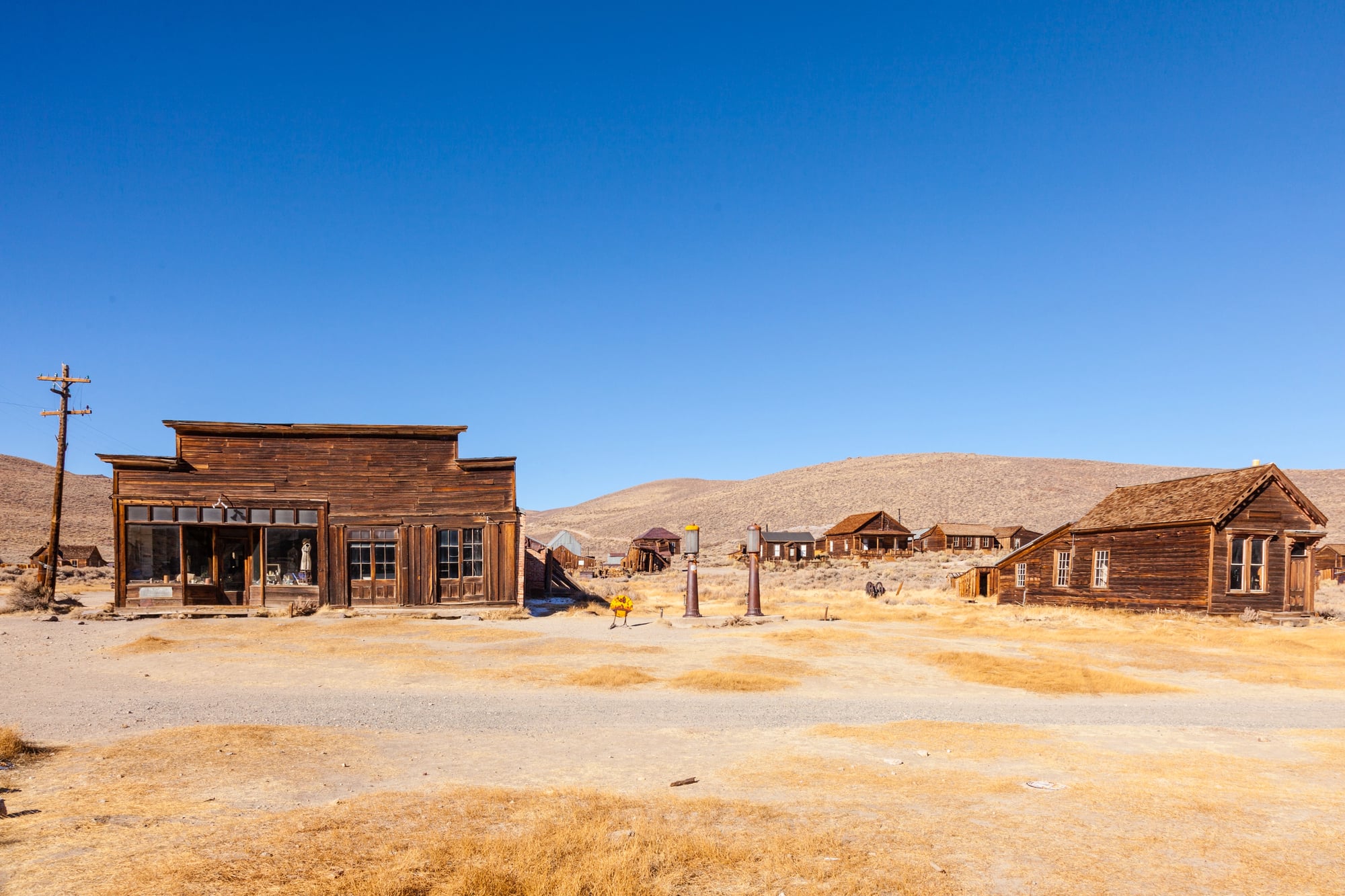
Gold built this place. Then gold killed it.
By the 1940s, the last residents locked their doors and walked away, leaving behind a perfectly preserved slice of 1880s frontier life. The state turned it into a park, but they kept one rule: everything stays exactly where it was found.
Rhyolite, Nevada
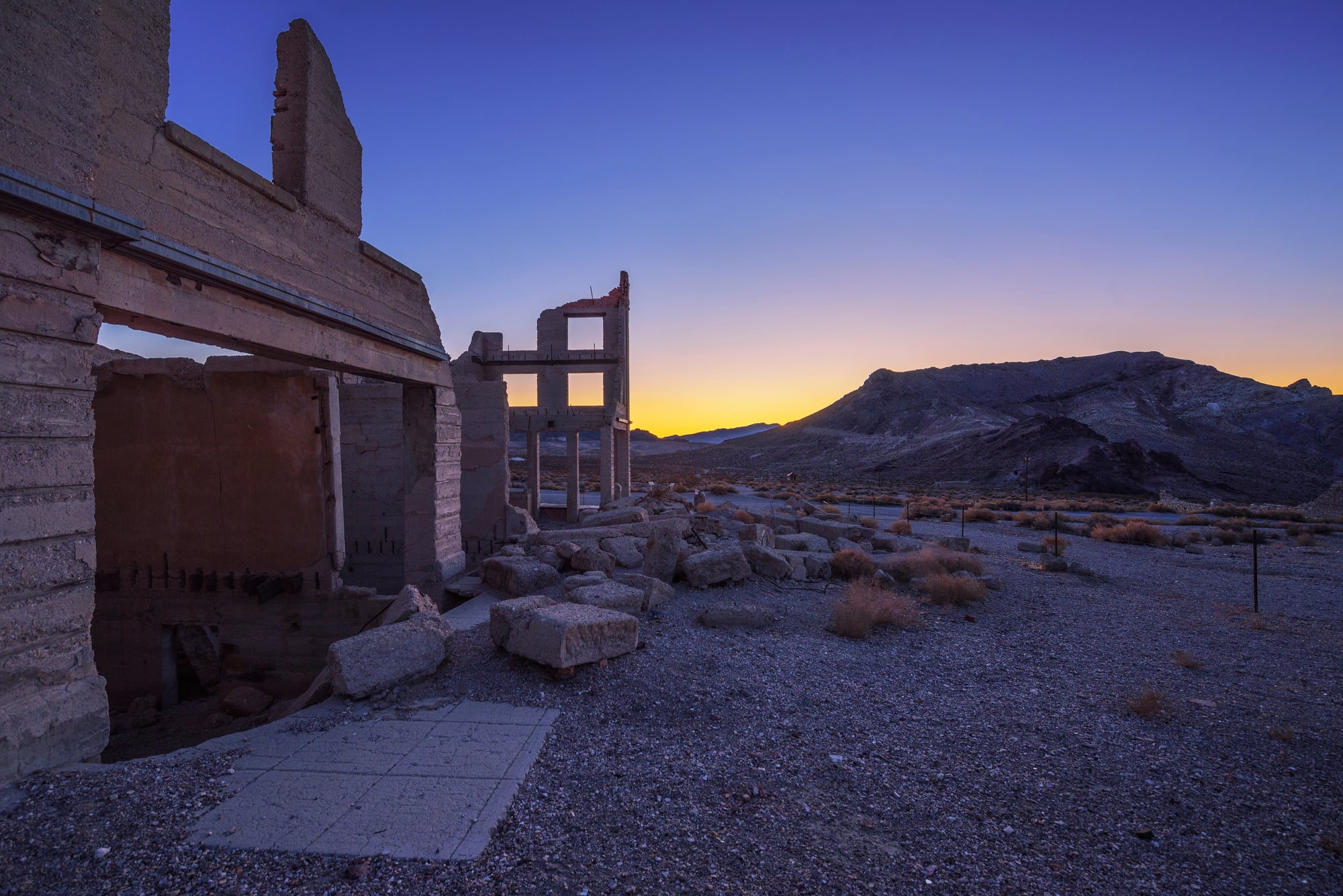
The desert doesn’t negotiate with abandoned dreams, and Rhyolite proves this better than most places (the town lasted exactly seven years before the mines ran dry, which tells you something about the staying power of get-rich-quick schemes).
What remains now are concrete shells that look like broken teeth against the Nevada sky, their windows and doors long gone but their walls still standing — stubborn monuments to a boom that went bust so fast it made heads spin.
And yet the ruins have lasted longer than the town ever did, which seems fitting somehow. The desert preserves what it wants to preserve.
Calico, California
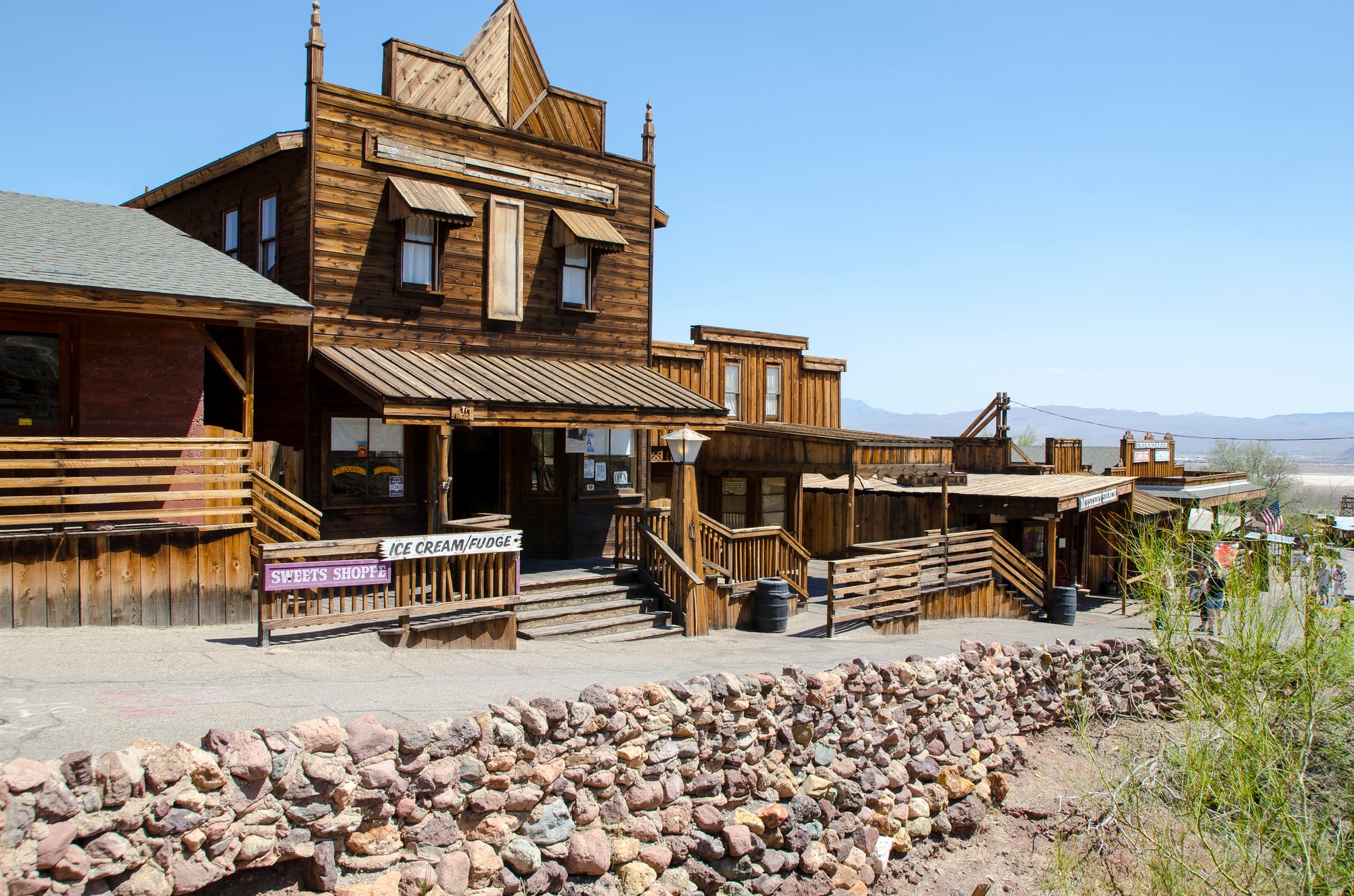
Like finding an old jewelry box in your grandmother’s attic, Calico holds its treasures carefully but shows them reluctantly. The town died twice — once when the silver ran out, again when the borax mining stopped — yet something about its adobe walls and weathered wood refuses to surrender completely.
You walk through these streets and feel the weight of conversations that happened here, arguments over claims and card games, the sound of children who grew up and moved away to places with more promise and less dust.
Virginia City, Montana
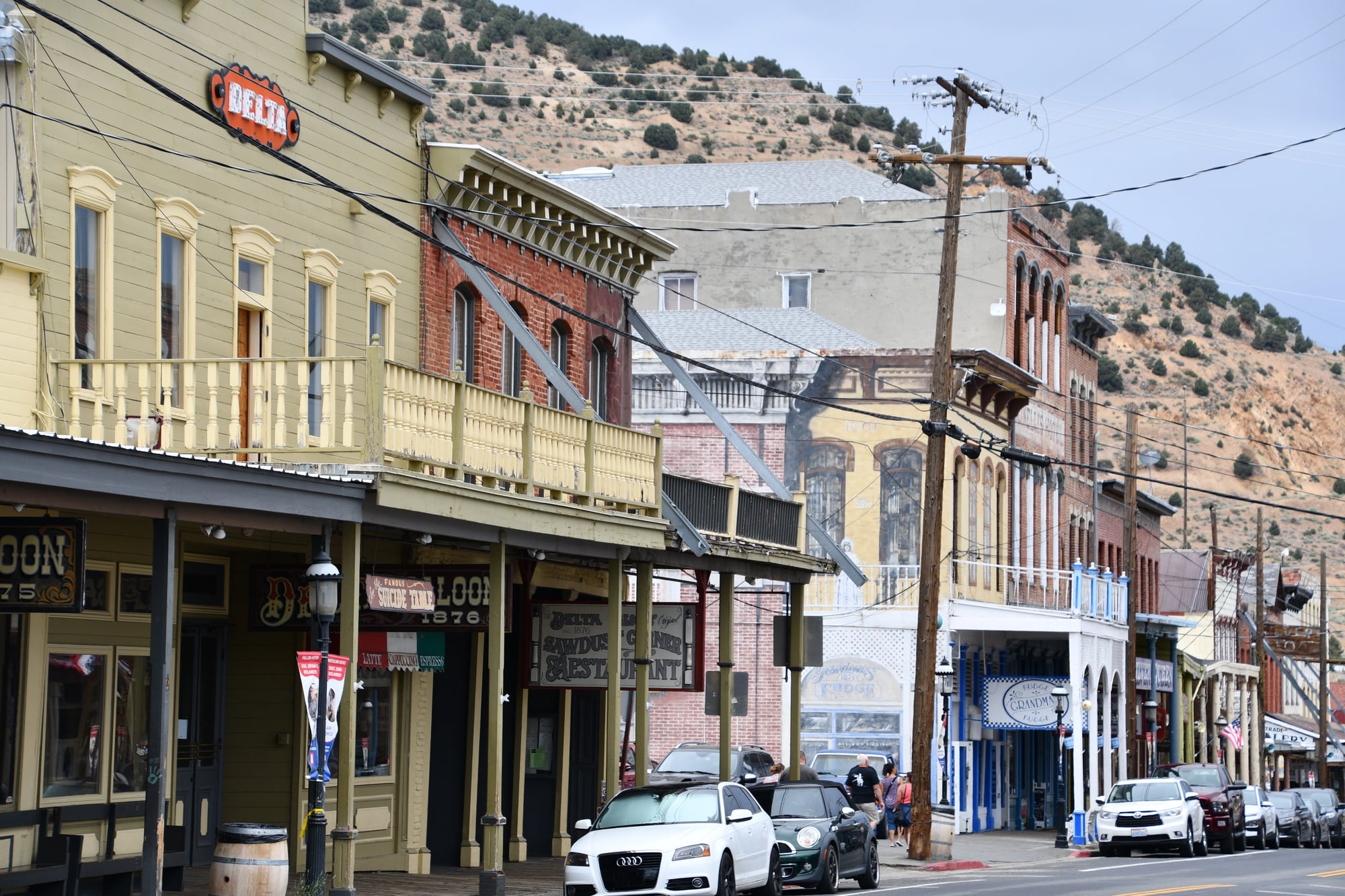
Montana’s Virginia City represents everything romantic about the Old West, and everything brutal about it too. The town made millionaires and paupers with equal enthusiasm back when gold was easier to find than a decent meal.
Today it operates as a tourist destination, but the authenticity runs deeper than the staged gunfights and period costumes would suggest.
Garnet, Montana
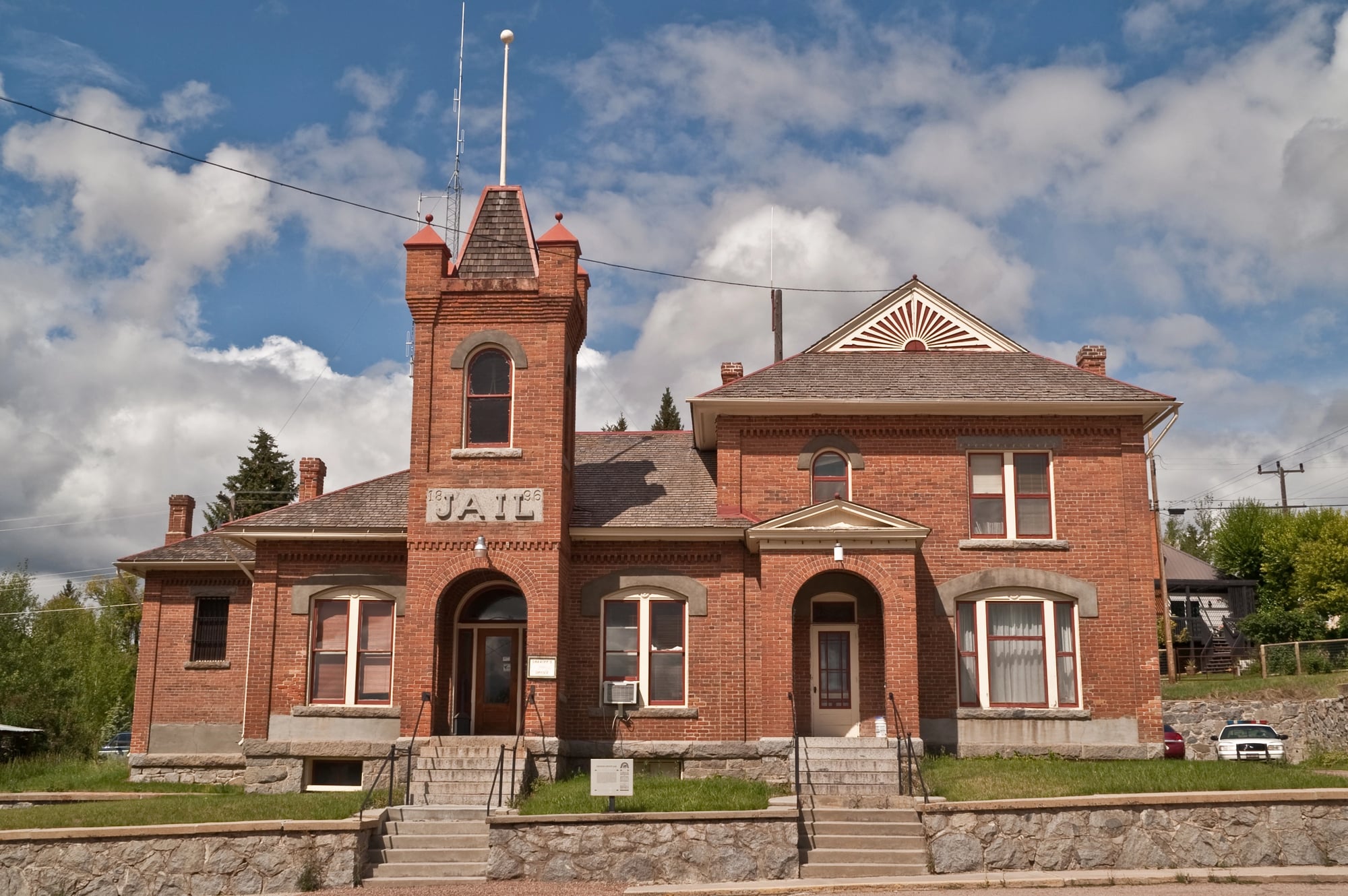
Here’s the thing about Garnet (and this applies to most ghost towns, if you think about it): the buildings outlasted the people who built them, which wasn’t supposed to happen but somehow feels appropriate given how much faith those original settlers put in permanence.
The town sits at 6,000 feet in the Montana wilderness, accessible only by a dirt road that turns impassable in winter — which explains why everyone left but doesn’t explain why the structures remain so remarkably intact after more than a century of mountain weather.
So now you have this strange situation where you can walk through someone’s abandoned kitchen and see their dishes still on the shelves, their newspapers still folded on tables, as if the residents just stepped out for a moment and forgot to come back.
But they’re not coming back.
Bannack, Montana
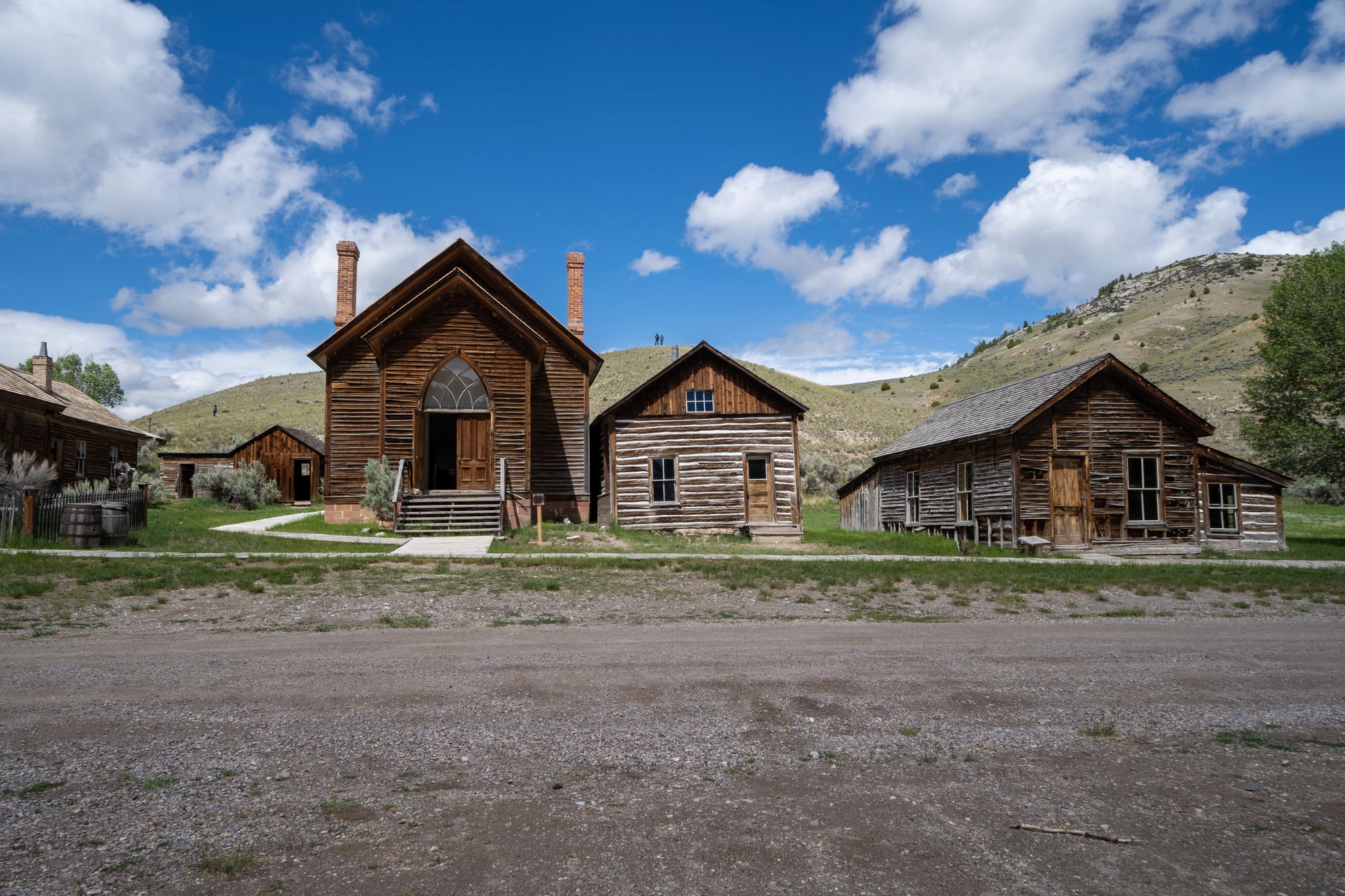
The first territorial capital of Montana carries itself with the dignity of faded royalty. Bannack thrived for exactly as long as the placer gold held out, then settled into the kind of slow decline that feels more like falling asleep than dying.
The buildings sag but they don’t collapse, held up by dry air and the stubborn craftsmanship of people who built things to last even when they probably knew they wouldn’t be staying.
Goldfield, Nevada
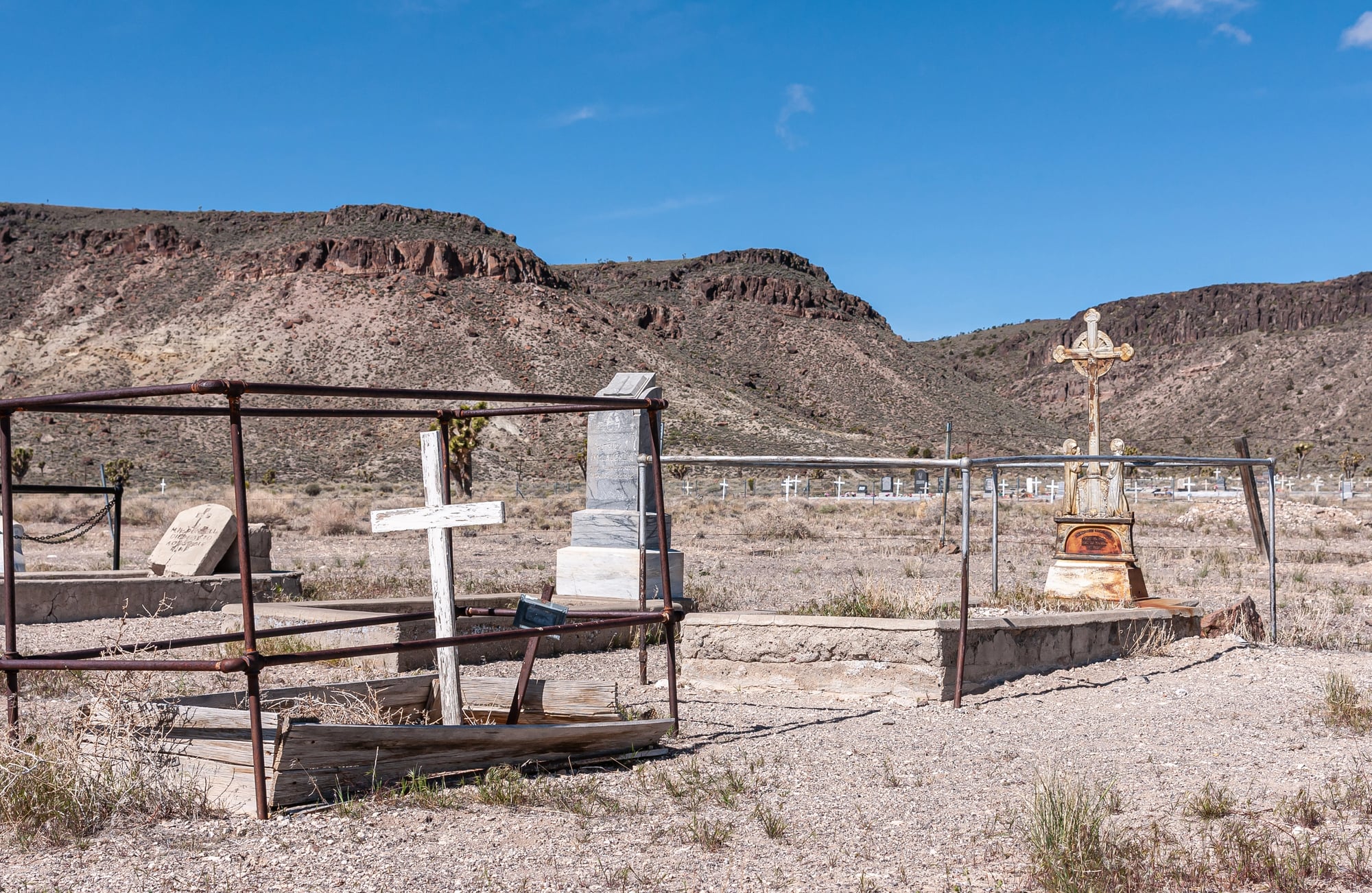
Nevada specializes in towns that burned bright and fast, and Goldfield fits the pattern perfectly. The place went from zero to 20,000 residents in less than a decade, then back to nearly zero just as quickly.
What remains looks like a movie set, except the decay is real and the silence runs deeper than any director could manufacture.
Cerro Gordo, California
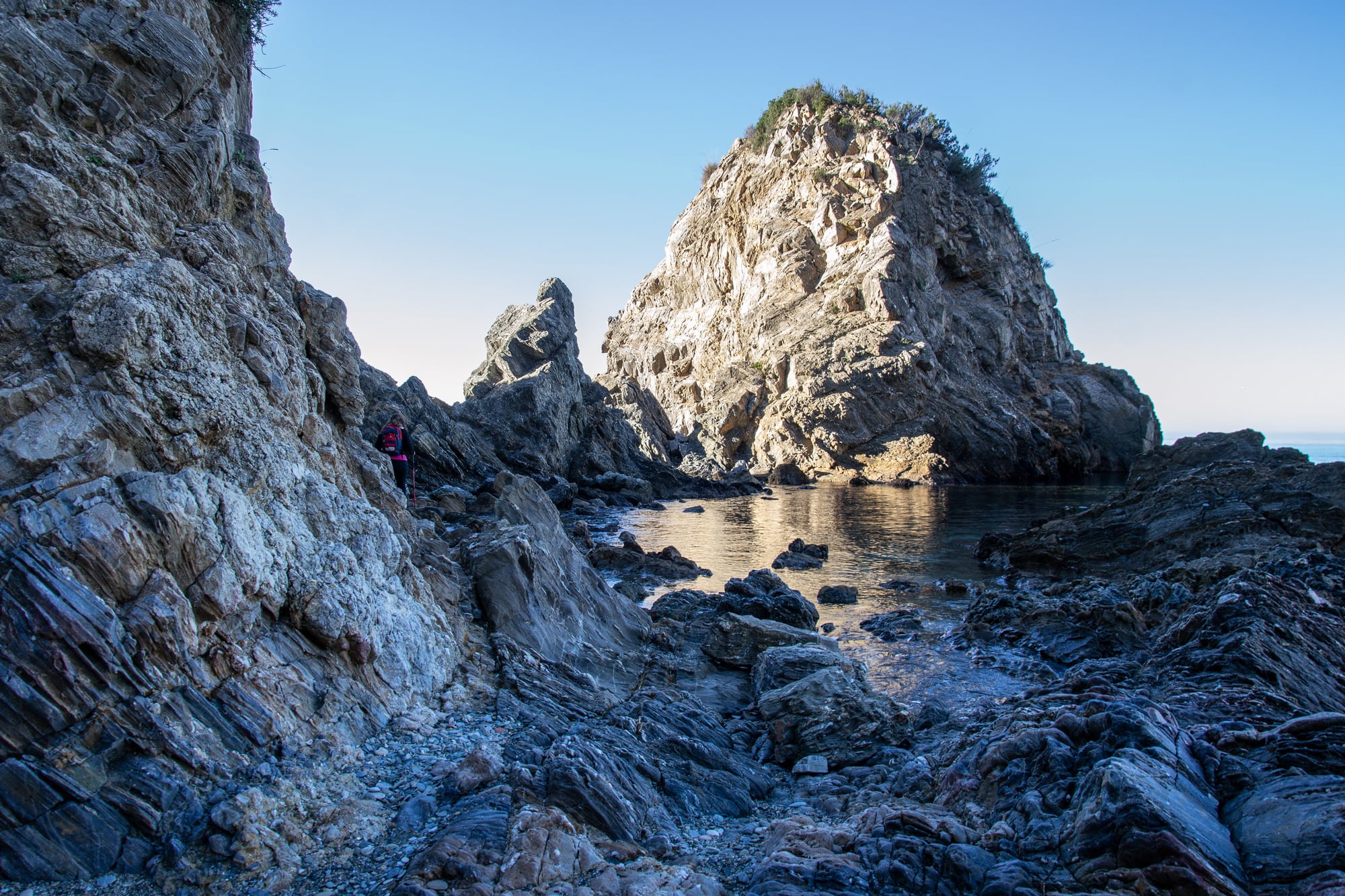
Perched on a mountainside like a bird’s nest built too high, Cerro Gordo clung to life longer than most mining towns (the silver and lead kept coming for nearly fifty years, which counts as a successful run in boom-and-bust terms).
The town literally helped build Los Angeles — all that silver and lead went straight down the mountain to fuel the growing city below, but when the mines finally gave out, Los Angeles kept growing and Cerro Gordo just stopped.
And that’s the way it goes sometimes. The buildings remain scattered across the steep terrain like abandoned puzzle pieces, each one telling part of a story that never quite got finished, weathered by desert wind and mountain storms but still holding their ground against gravity and time.
Elkhorn, Montana
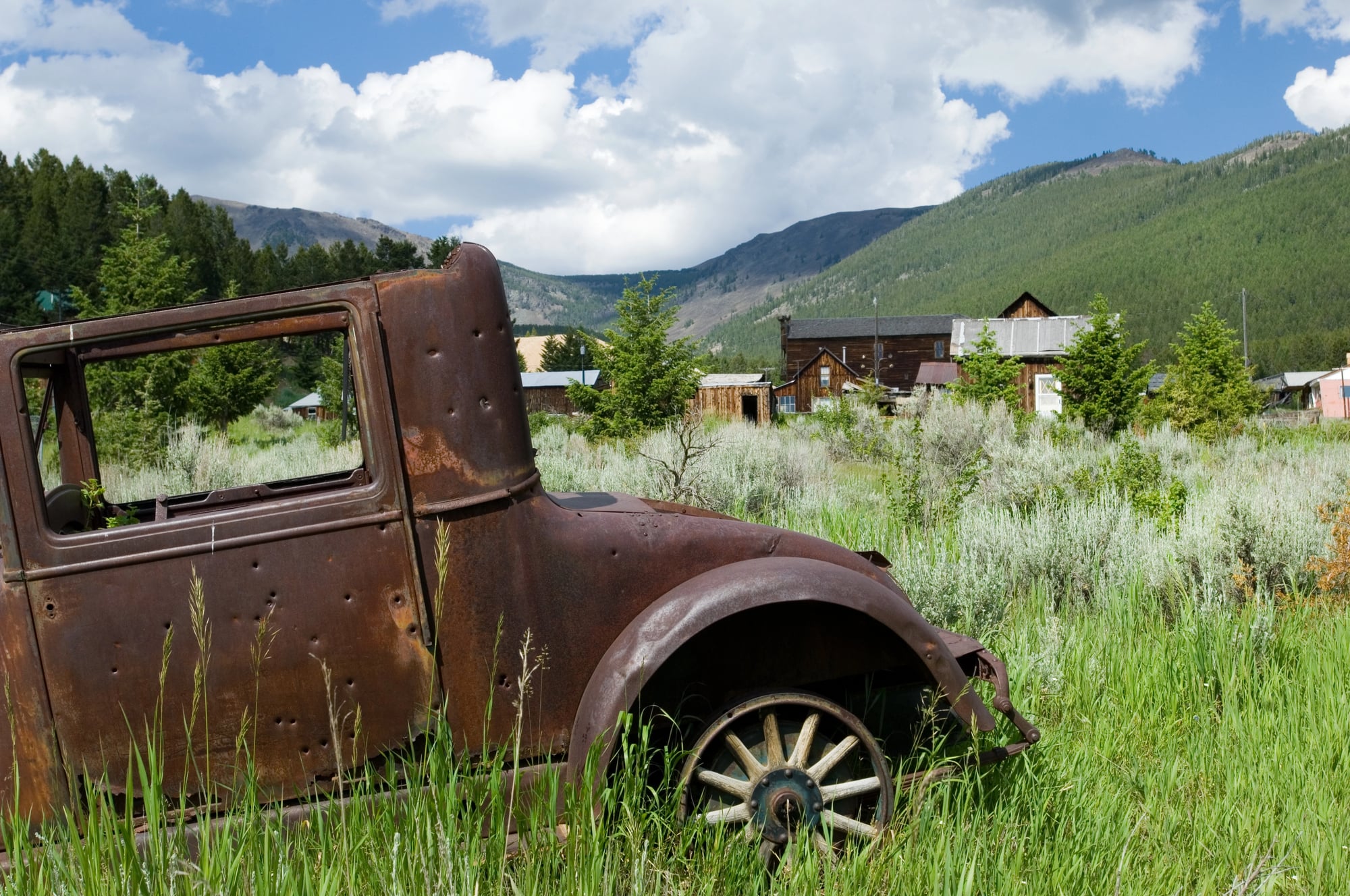
Silver made Elkhorn and silver broke it, but the town’s two-story buildings refuse to acknowledge defeat. The place sits in a valley that feels protected from the world, surrounded by peaks that probably haven’t changed much since the miners first arrived.
Walking through Elkhorn feels like interrupting a conversation that’s been on pause for decades.
Darwin, California
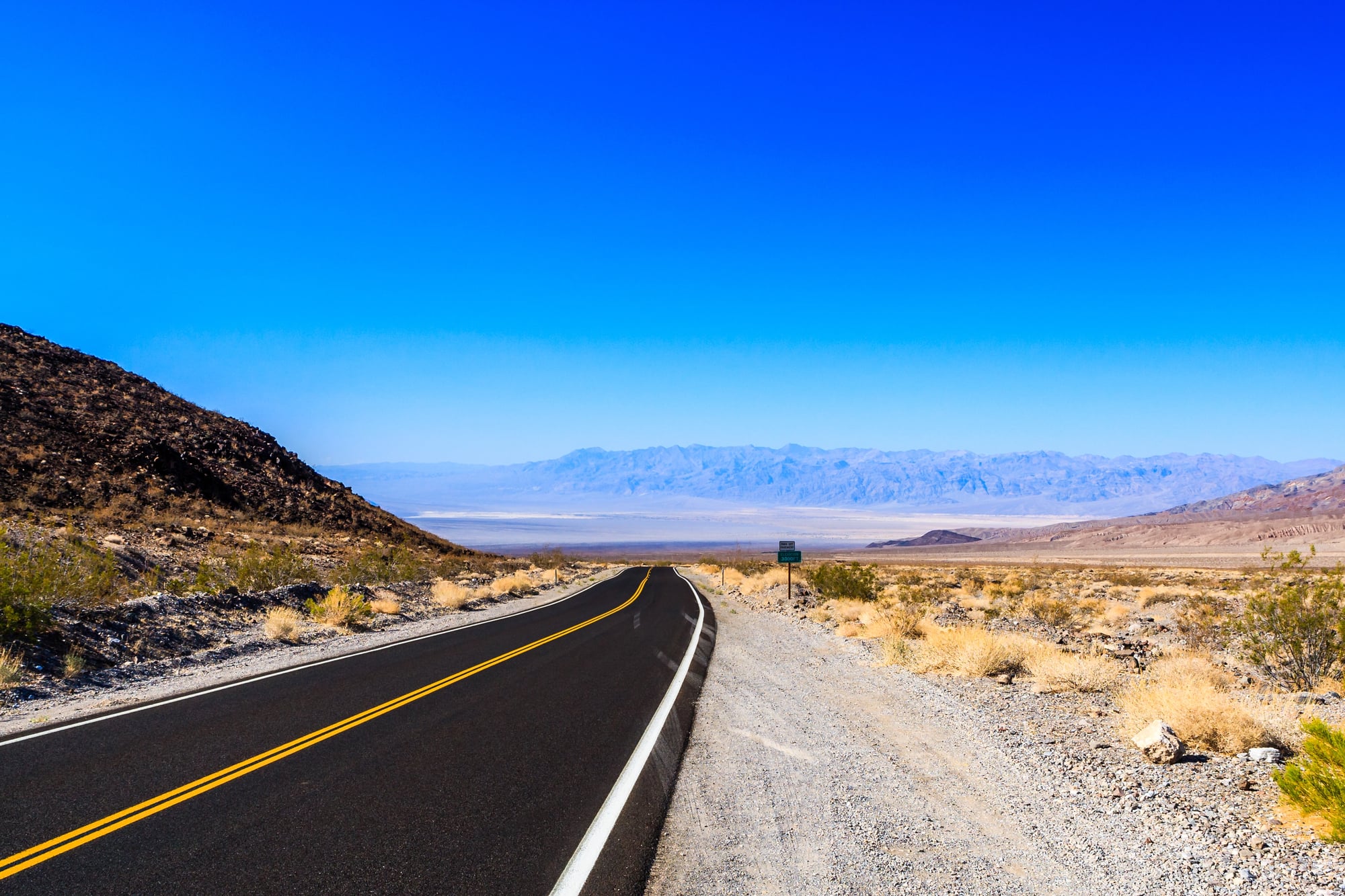
Darwin earned its name through survival of the fittest, and the irony there runs deeper than most people realize. The town hung on longer than it should have, sustained by stubbornness and the kind of desert isolation that either breaks people or makes them unbreakable.
What’s left now are buildings that look like they’re still deciding whether to fall down or keep standing.
Terlingua, Texas
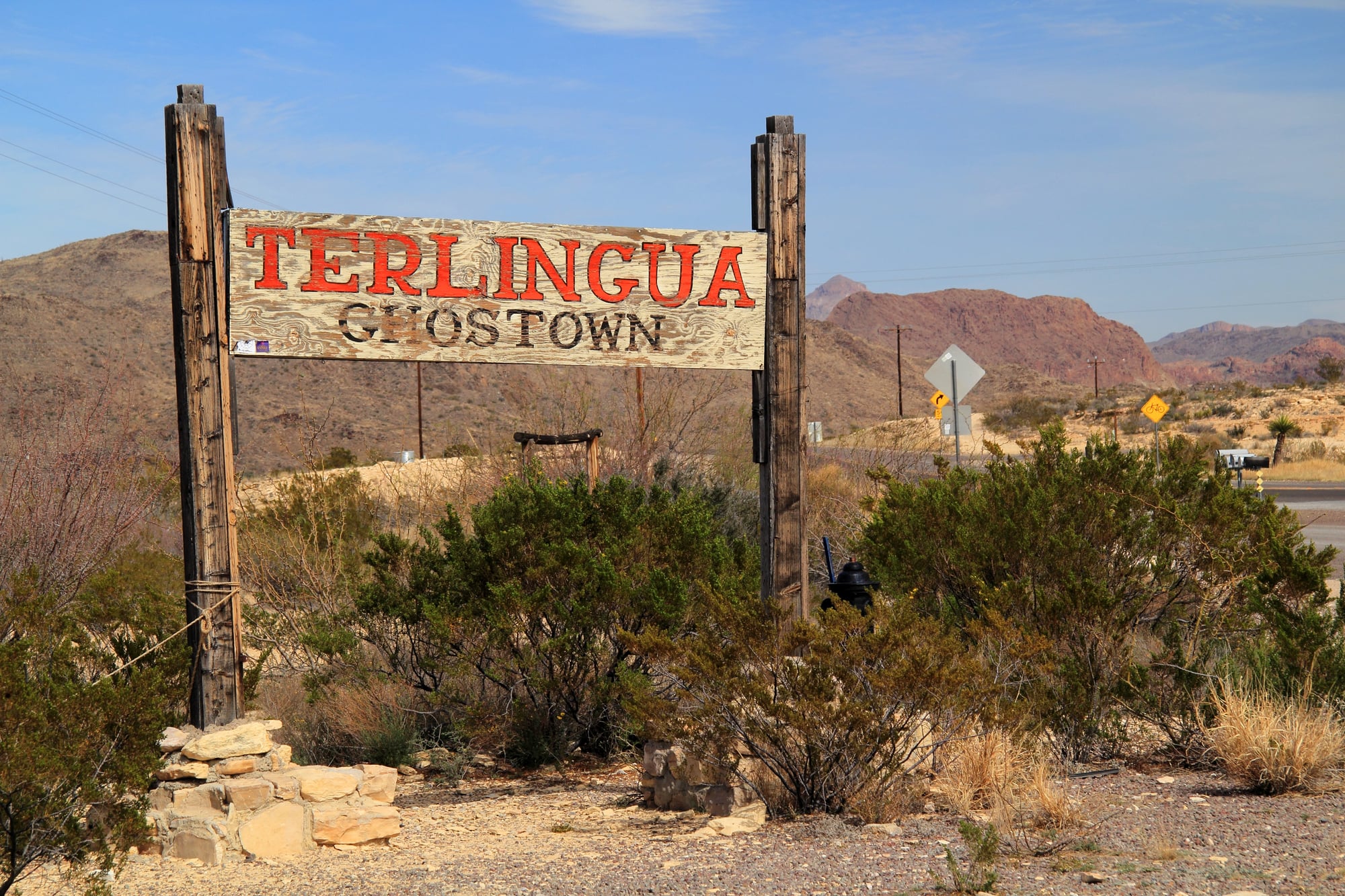
The desert takes everything eventually, but it takes it slowly (which might be mercy or might be cruelty, depending on how you look at it), and Terlingua shows both sides of that equation — buildings that crumble gracefully alongside others that seem determined to outlast the heat and wind and time itself.
The town lived and died by quicksilver mining, which sounds romantic until you remember that quicksilver is mercury and mercury mining tends to end badly for everyone involved, but the miners who worked here probably knew that and stayed anyway because that’s what people do when they need the work.
So now you have these adobe ruins scattered across the Chihuahuan Desert like broken pottery, beautiful in their dissolution, each wall and foundation telling part of a story about people who came here looking for fortune and found hardship instead but kept digging anyway.
Thurmond, West Virginia
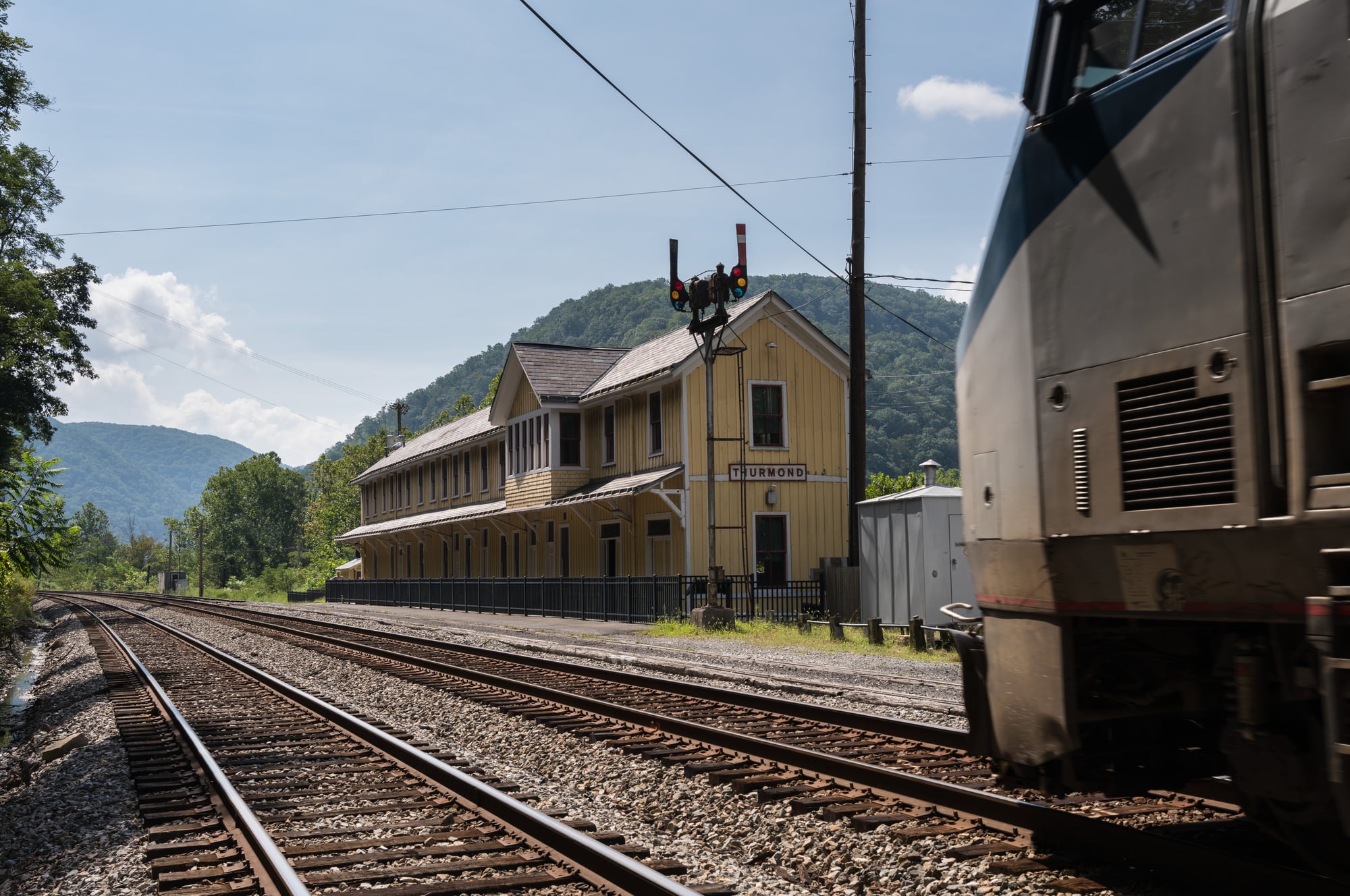
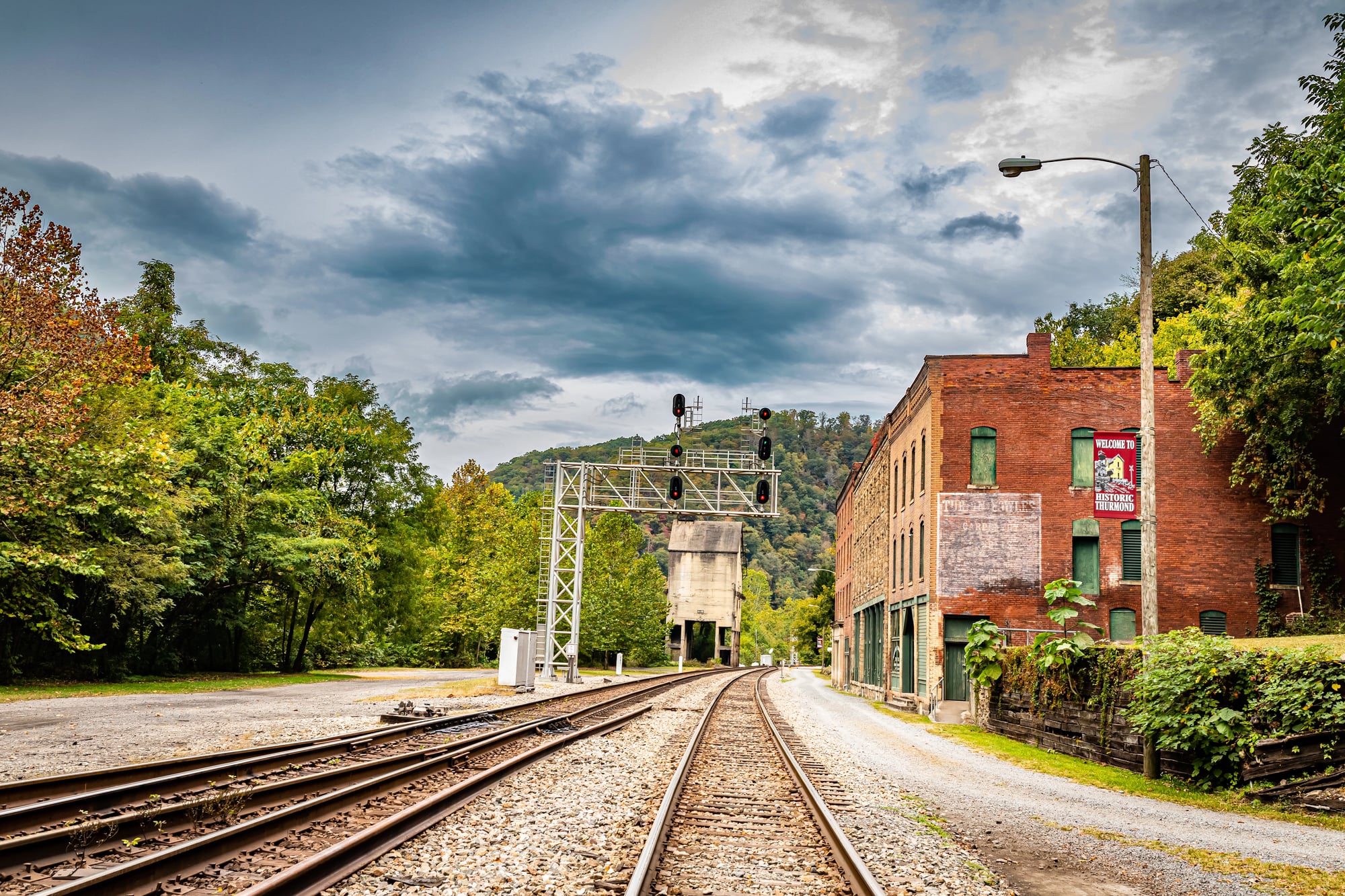
Coal built this place and coal abandoned it, leaving behind a train depot that still functions even though hardly anyone lives here anymore.
Thurmond represents the kind of company town that thrived when railroads moved America’s freight, then faded when the world moved on to trucks and highways.
The buildings that remain look like they’re waiting for a train that’s running about fifty years late.
Grafton, Utah
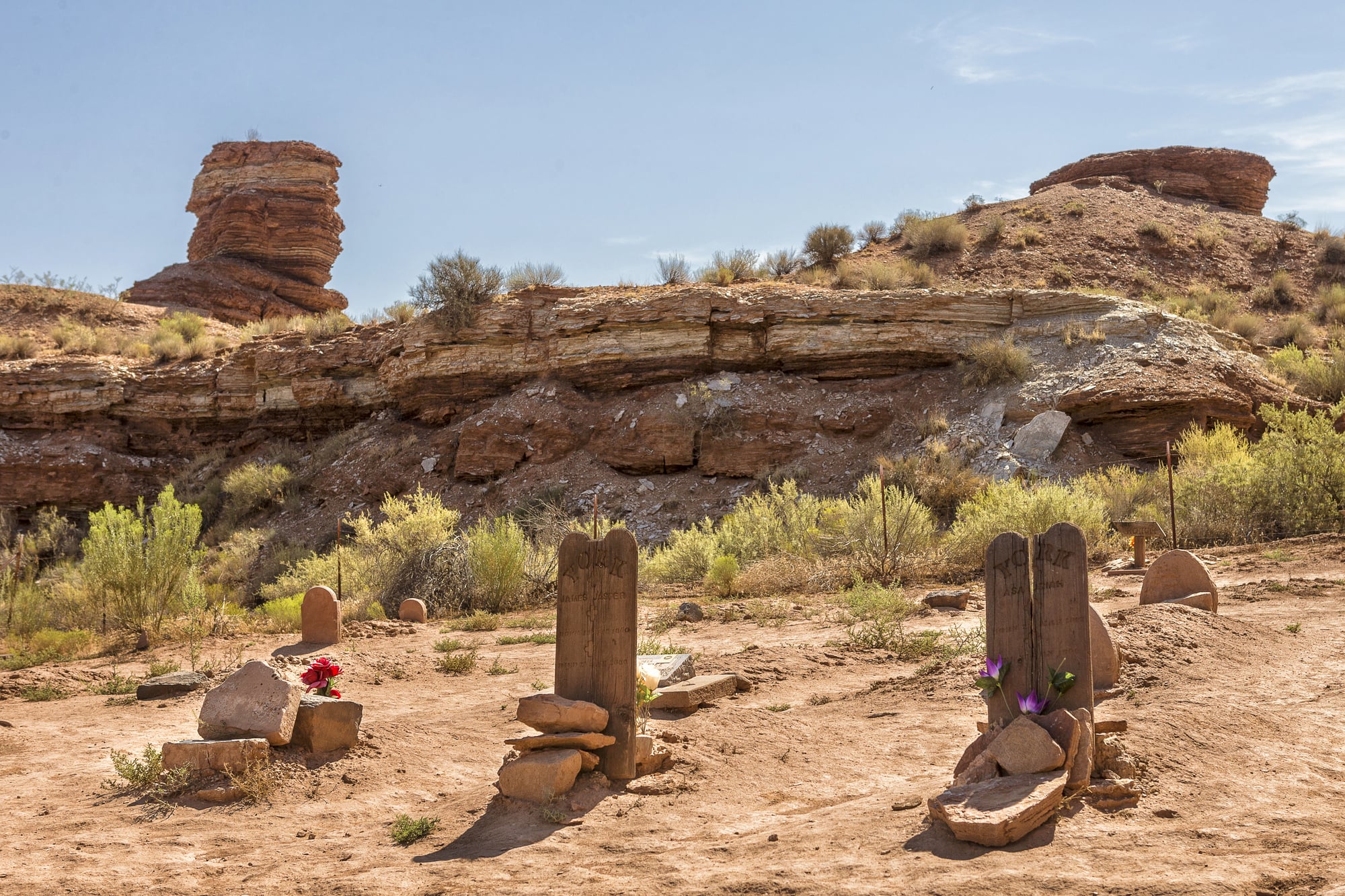
Mormon pioneers built Grafton with the kind of optimism that frontier life demanded, then discovered that optimism doesn’t always overcome geography and economics.
The Virgin River flooded regularly, the soil proved difficult, and eventually most residents moved to easier places.
What remains are solid stone and adobe buildings that showcase the craftsmanship of people who built for permanence even in temporary circumstances.
Ashcroft, Colorado
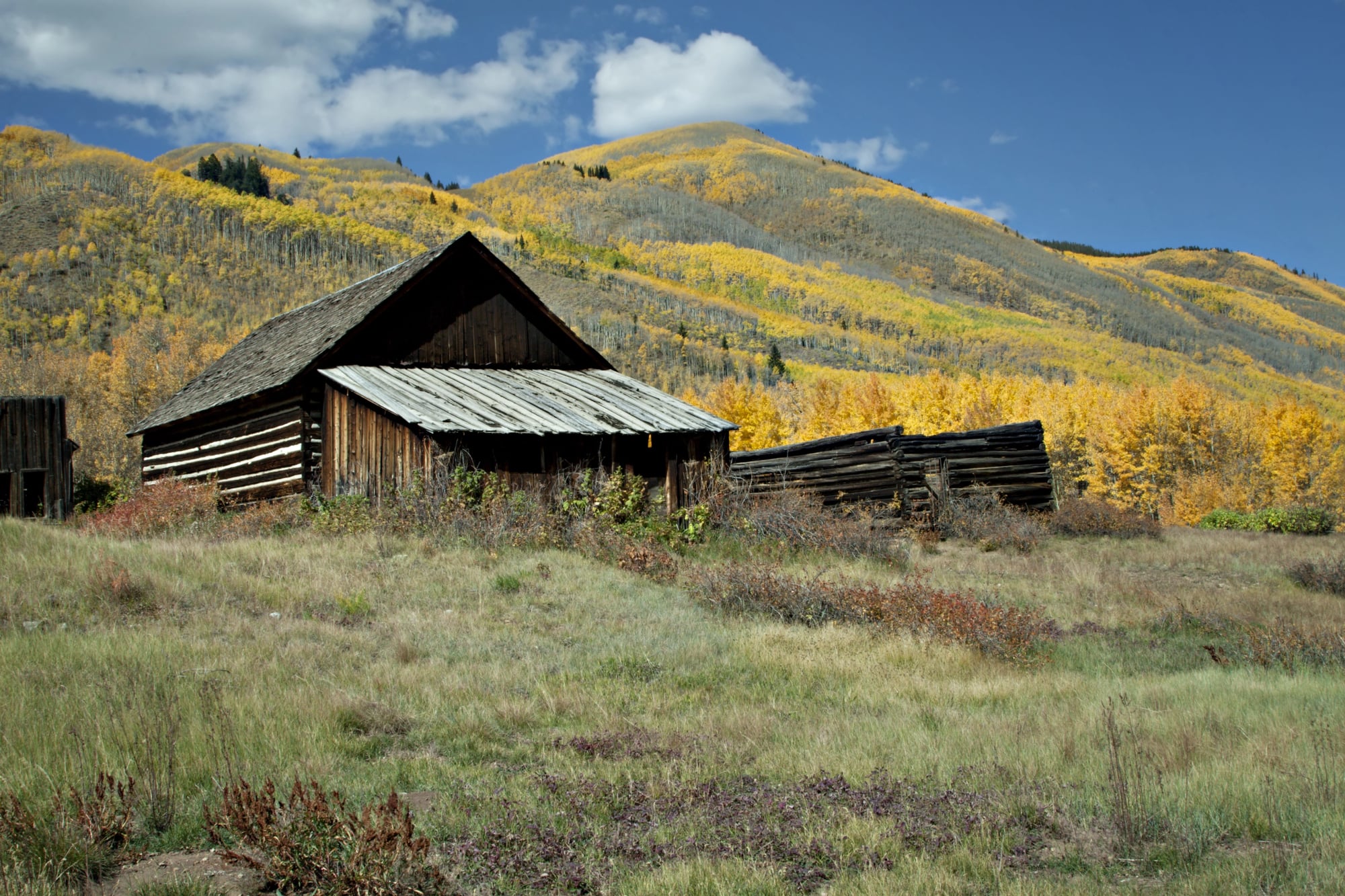
High in the Colorado Rockies, Ashcroft sits at an elevation where winter means business and summer barely gets started before it’s time to prepare for winter again.
Silver mining brought people here in the 1880s, but the altitude and isolation that made the place profitable also made it nearly impossible to live in year-round.
The wooden buildings that survive look fragile against the mountain backdrop, yet they’ve withstood more than a century of harsh weather.
When The Dust Settles
These towns remind you that permanence is mostly an illusion people tell themselves while they’re building something they hope will last.
The West is littered with places where someone looked at empty land and saw a future, then committed to that vision so completely they built churches and schools and main streets for communities that existed more in hope than reality.
What strikes you most about walking through these abandoned places isn’t the sadness of it all, but the persistence — the way wooden boards and stone walls keep standing long after the dreams that raised them have blown away with the tumbleweeds.
More from Go2Tutors!

- The Romanov Crown Jewels and Their Tragic Fate
- 13 Historical Mysteries That Science Still Can’t Solve
- Famous Hoaxes That Fooled the World for Years
- 15 Child Stars with Tragic Adult Lives
- 16 Famous Jewelry Pieces in History
Like Go2Tutors’s content? Follow us on MSN.