16 Children’s Shows That Were Secretly Dark When You Rewatch Them As An Adult
There’s something unsettling about revisiting the shows that once brought pure joy to Saturday mornings. What seemed innocent through eight-year-old eyes often reveals layers of darkness that somehow slipped past both network censors and parental supervision.
These aren’t just harmless cartoons with the occasional adult joke thrown in for good measure — they’re programs built on foundations of existential dread, psychological manipulation, and themes that would make most therapists reach for their notepads. The real shock isn’t that these dark elements existed, but that an entire generation absorbed them without question.
Rewatching these shows as an adult feels like discovering a secret language that was hiding in plain sight all along.
Courage The Cowardly Dog
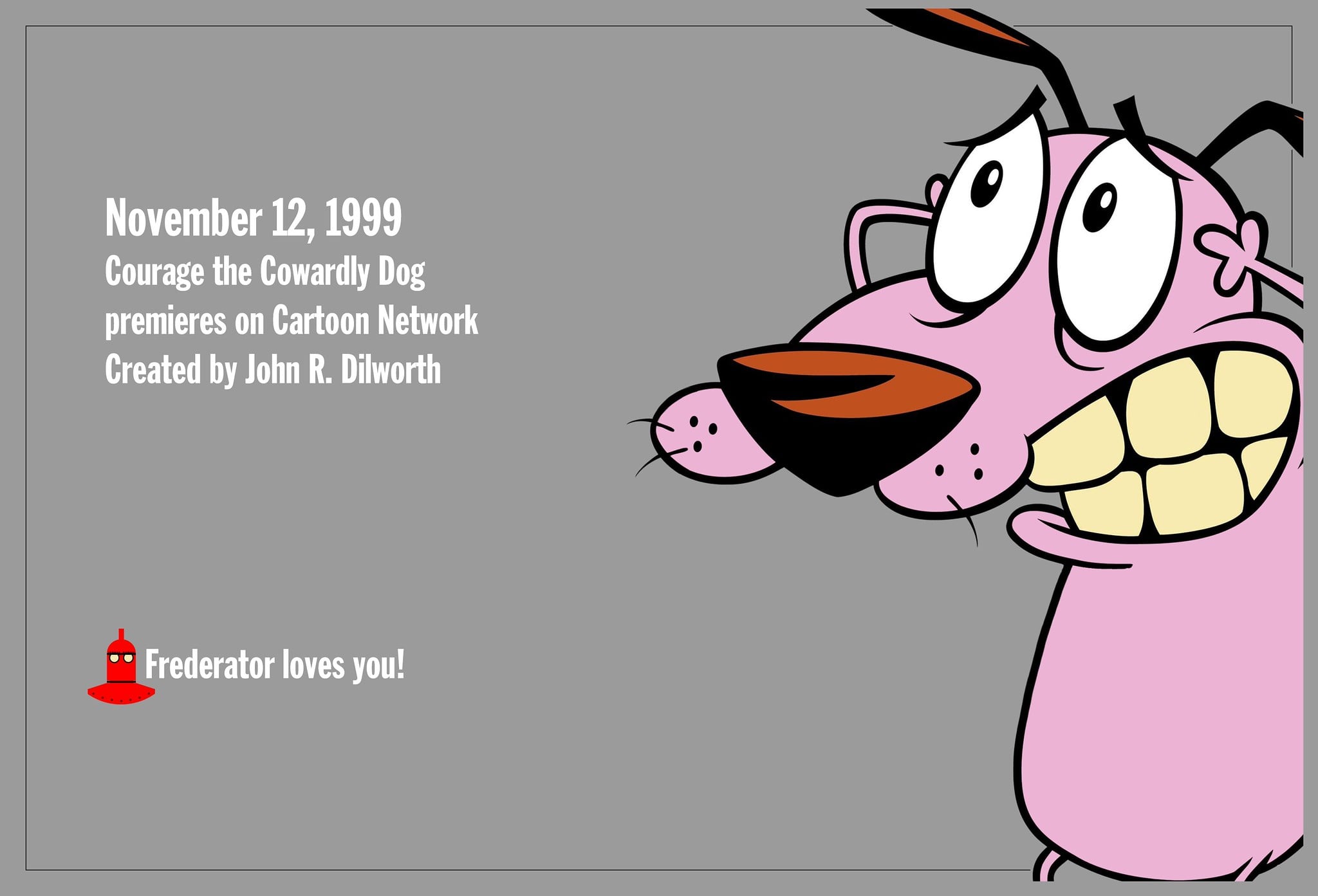
This show was pure nightmare fuel disguised as children’s entertainment. A dog living in literal isolation with elderly owners, facing cosmic horror on a weekly basis while everyone around him remains oblivious to the danger.
The trauma never ends.
Ren And Stimpy
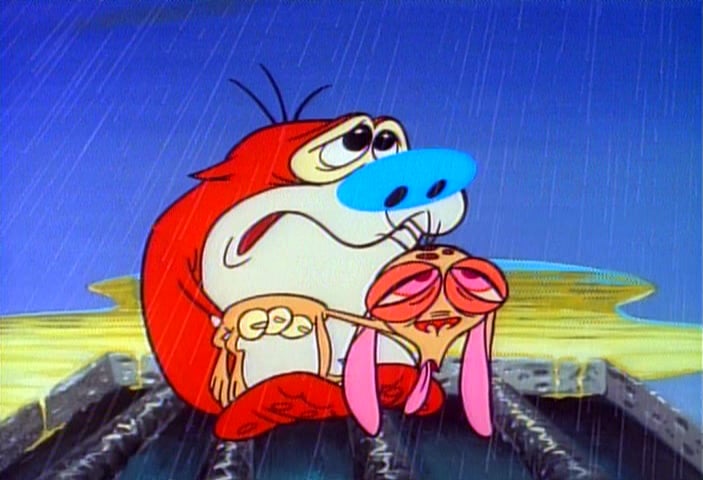
The relationship between Ren and Stimpy wasn’t friendship — it was codependency wrapped in psychological abuse. Ren’s violent outbursts and manipulative behavior toward the mentally challenged Stimpy created a dynamic that was deeply uncomfortable, even before considering the inappropriate undertones that led to the creator’s later controversies.
The Grim Adventures Of Billy And Mandy
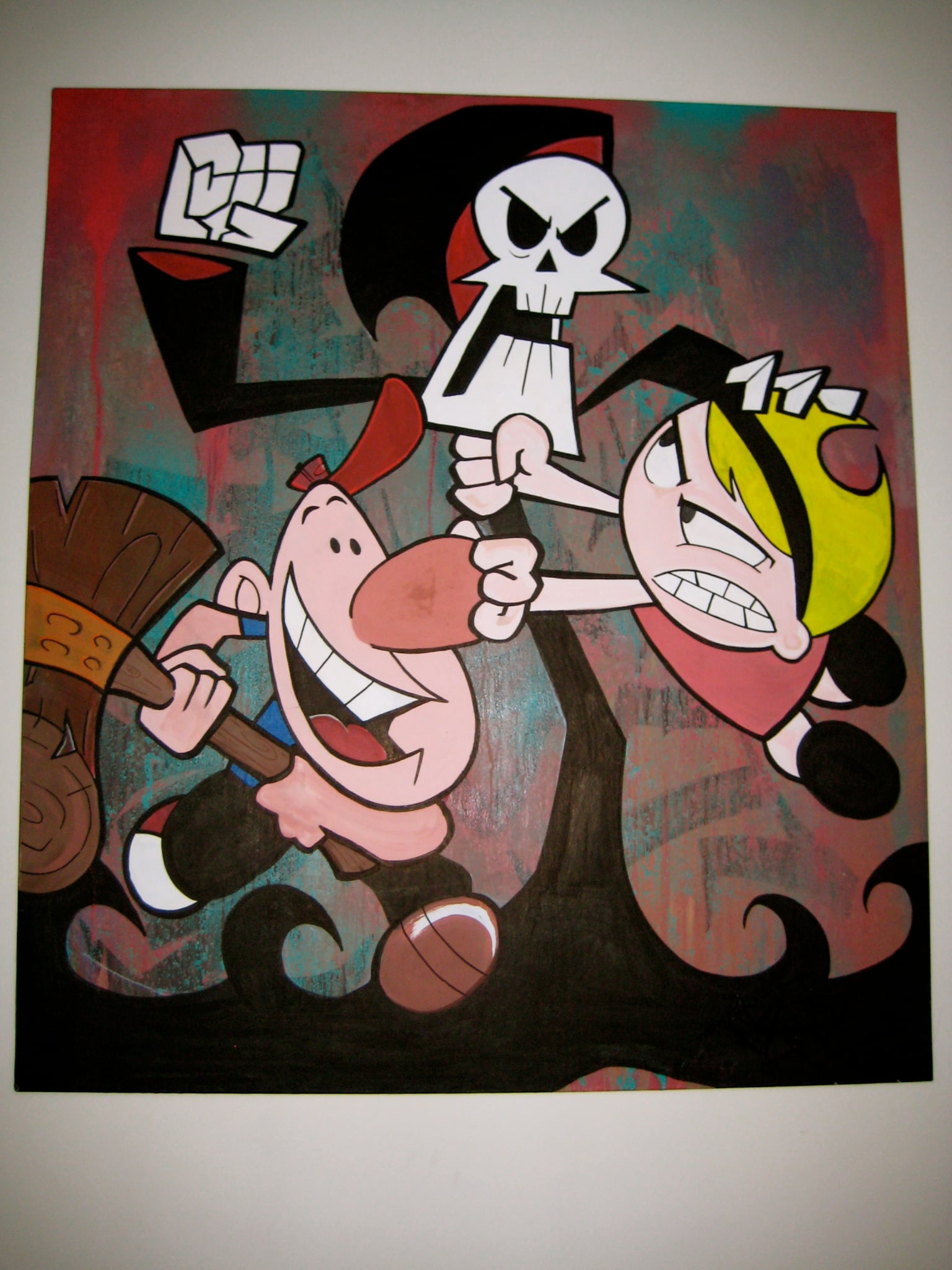
Death personified becomes the servant of two children because he lost a bet. That premise alone carries enough existential weight to crush most adults, but the show went further by making the Grim Reaper — traditionally humanity’s greatest fear — into a figure of pity and ridicule.
The real darkness lived in how the children treated their supernatural slave. Billy’s stupidity wasn’t innocent; it was weaponized ignorance that destroyed everything around him.
Mandy’s intelligence was purely destructive, aimed at control and domination. Together, they represented childhood stripped of wonder and filled with casual cruelty.
Rocko’s Modern Life
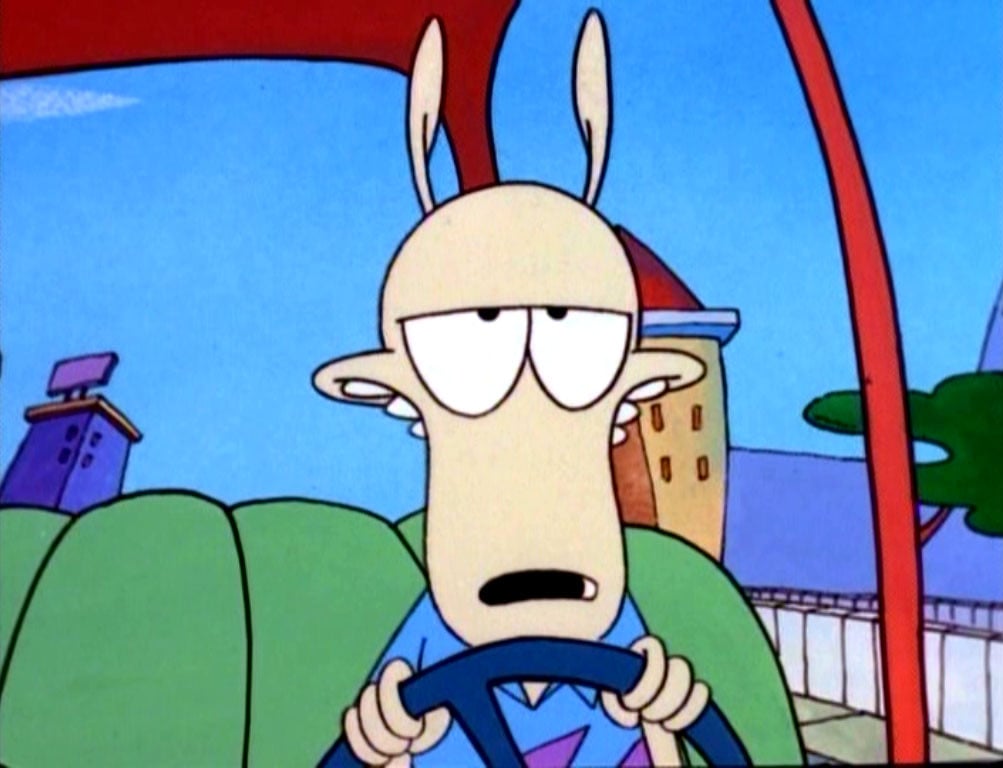
Adult life was depicted as an endless series of humiliations, dead-end jobs, and bureaucratic nightmares. Rocko wasn’t navigating the American dream — he was drowning in it.
Every episode reinforced the message that modern existence was fundamentally broken. The show’s humor came from watching a decent person get crushed by systems designed to exploit him.
That’s not particularly funny when you’re living it yourself.
The Powerpuff Girls

Child soldiers created in a laboratory fight crime instead of going to school or having normal childhoods. Professor Utonium didn’t adopt orphans — he manufactured weapons and convinced them that violence was their primary purpose in life.
The girls’ enthusiasm for fighting made it worse, not better.
Hey Arnold
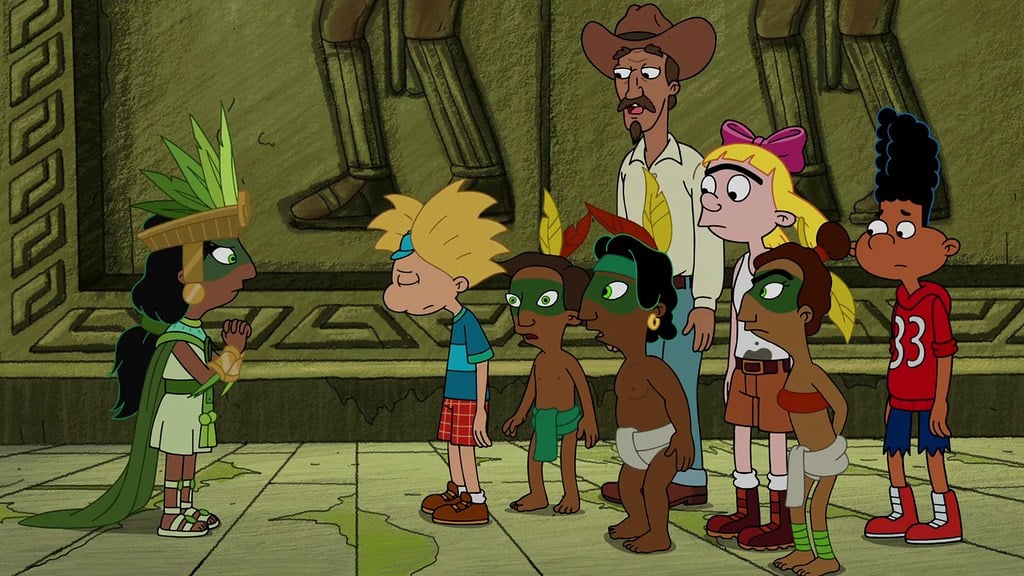
Arnold’s life was built on abandonment and mystery (his parents disappeared when he was young, leaving him with grandparents in a boarding house full of damaged adults), but the show treated this as normal background noise rather than the profound trauma it represented. Most episodes involved Arnold trying to fix other people’s problems while his own emotional needs went completely unaddressed — which creates a pretty clear picture of a child who learned early that his value came from what he could do for others, not from who he was.
The city setting reinforced this isolation; Arnold moved through urban decay and social dysfunction like it was perfectly natural for a fourth-grader to navigate adult problems on his own. And then there’s the football-shaped head, which sounds minor until you realize it marked him as visibly different in a world that already offered him no security or stability.
So Arnold wasn’t just helping his neighbors out of kindness. He was desperately trying to create the functional community he’d never had.
Invader Zim
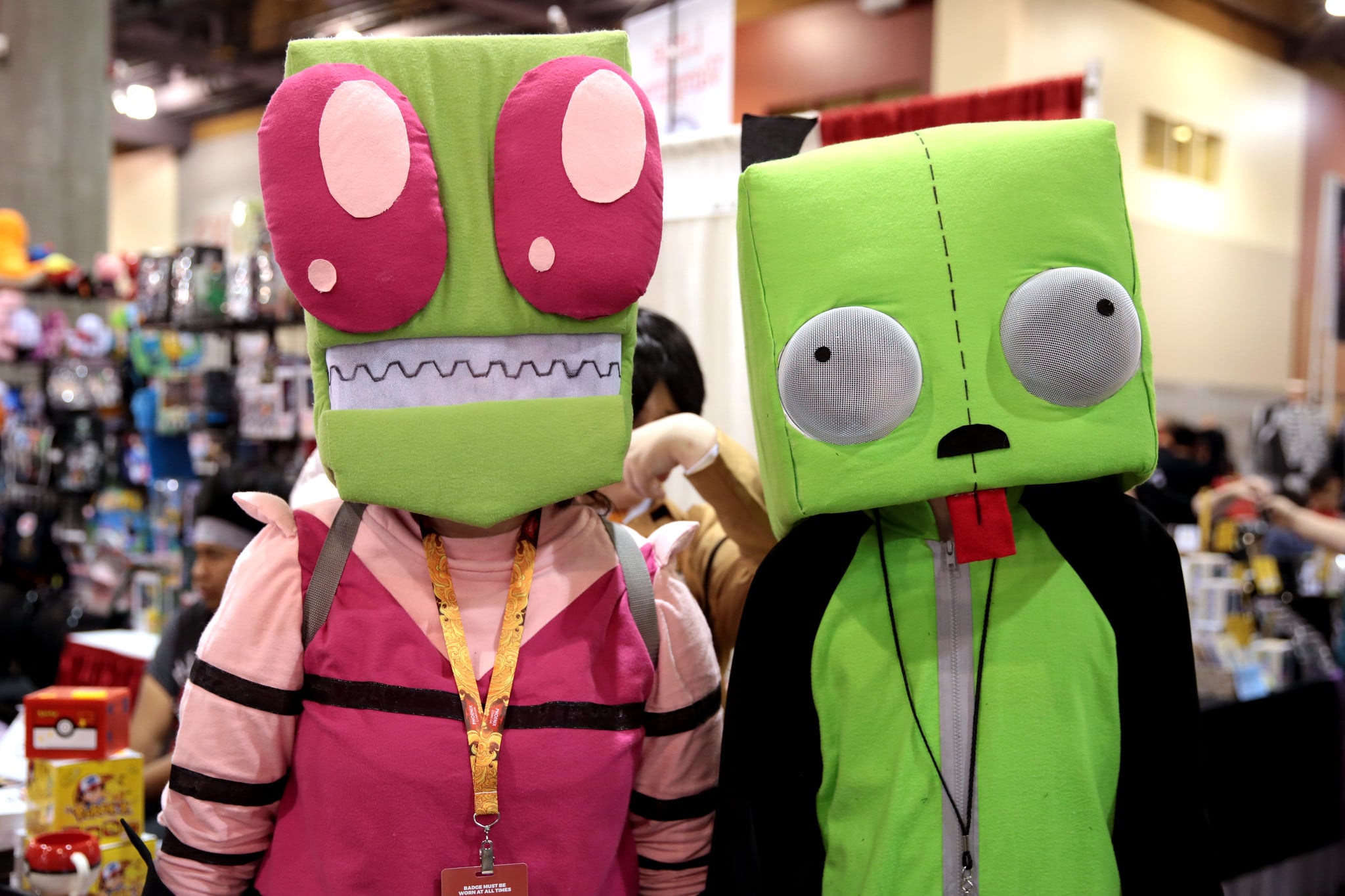
An incompetent alien attempts to conquer Earth, but nobody notices because human society is already too broken to recognize an existential threat. The show’s central joke was that humanity had already destroyed itself through stupidity and apathy — Zim was redundant.
Dib’s obsession with exposing Zim read less like heroism and more like the desperate attempts of someone trying to prove that reality still mattered to people who had given up on caring.
The Angry Beavers
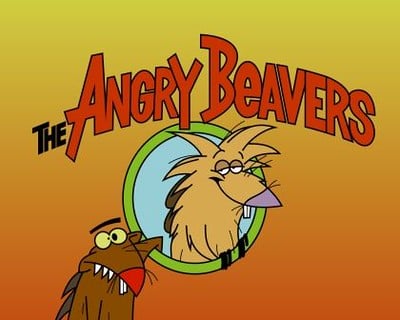
Two brothers live alone in the wilderness after being kicked out of their family home for reaching maturity. That’s the natural order for beavers, but the show treated it like a sitcom setup rather than examining the profound abandonment at its core.
Norbert and Daggett’s relationship was built on mutual resentment disguised as sibling affection. They stayed together not out of love, but because they had nowhere else to go.
The comedy came from watching two individuals slowly drive each other insane while pretending everything was fine. Their attempts at domestic life — building elaborate dams, hosting dinner parties, pursuing hobbies — felt like children playing house to avoid confronting the fact that they were truly alone in the world.
Ed, Edd N Eddy
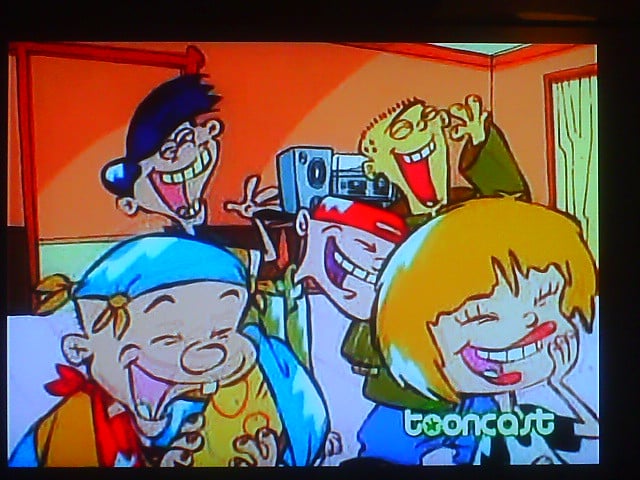
The cul-de-sac operated as a lord-of-the-flies scenario where children created their own brutal economy based on candy and social dominance. The Eds weren’t entrepreneurs — they were desperate outcasts running increasingly dangerous scams to buy acceptance from peers who would never truly include them.
Every failed scheme resulted in physical violence that was played for laughs, but the pattern revealed something uglier: a community where belonging could only be earned through pain, and where the weakest members were systematically targeted for abuse. The other children weren’t just mean; they were actively cruel, creating elaborate punishments for the Eds that went far beyond reasonable retaliation.
And the complete absence of adults meant there was no higher authority to appeal to, no justice system beyond mob rule. So the Eds kept trying because the alternative was complete social isolation.
The candy they chased wasn’t really candy at all — it was hope that their torment might eventually earn them a place in a world that had already decided they didn’t belong.
Foster’s Home For Imaginary Friends
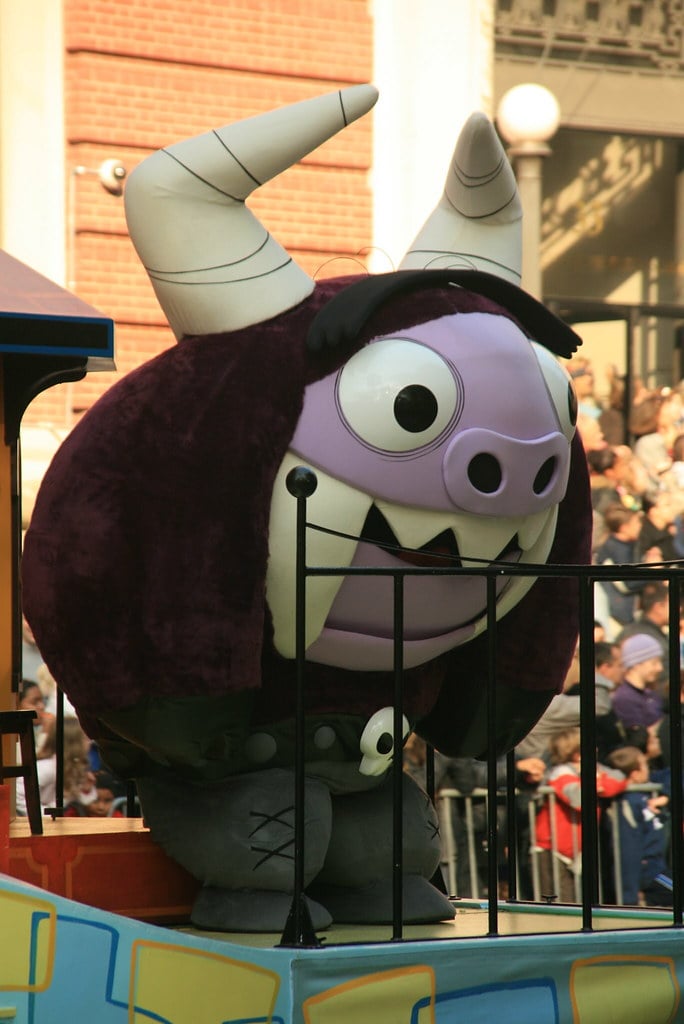
Abandoned imaginary friends live in an orphanage waiting for new children to adopt them. The premise suggested that childhood wonder was disposable — something to be discarded when it became inconvenient.
These weren’t toys being donated; they were sentient beings whose creators had moved on without them. The home itself functioned as a shelter for the casualties of growing up.
Each resident represented a child who had decided that imagination was no longer worth maintaining.
SpongeBob SquarePants
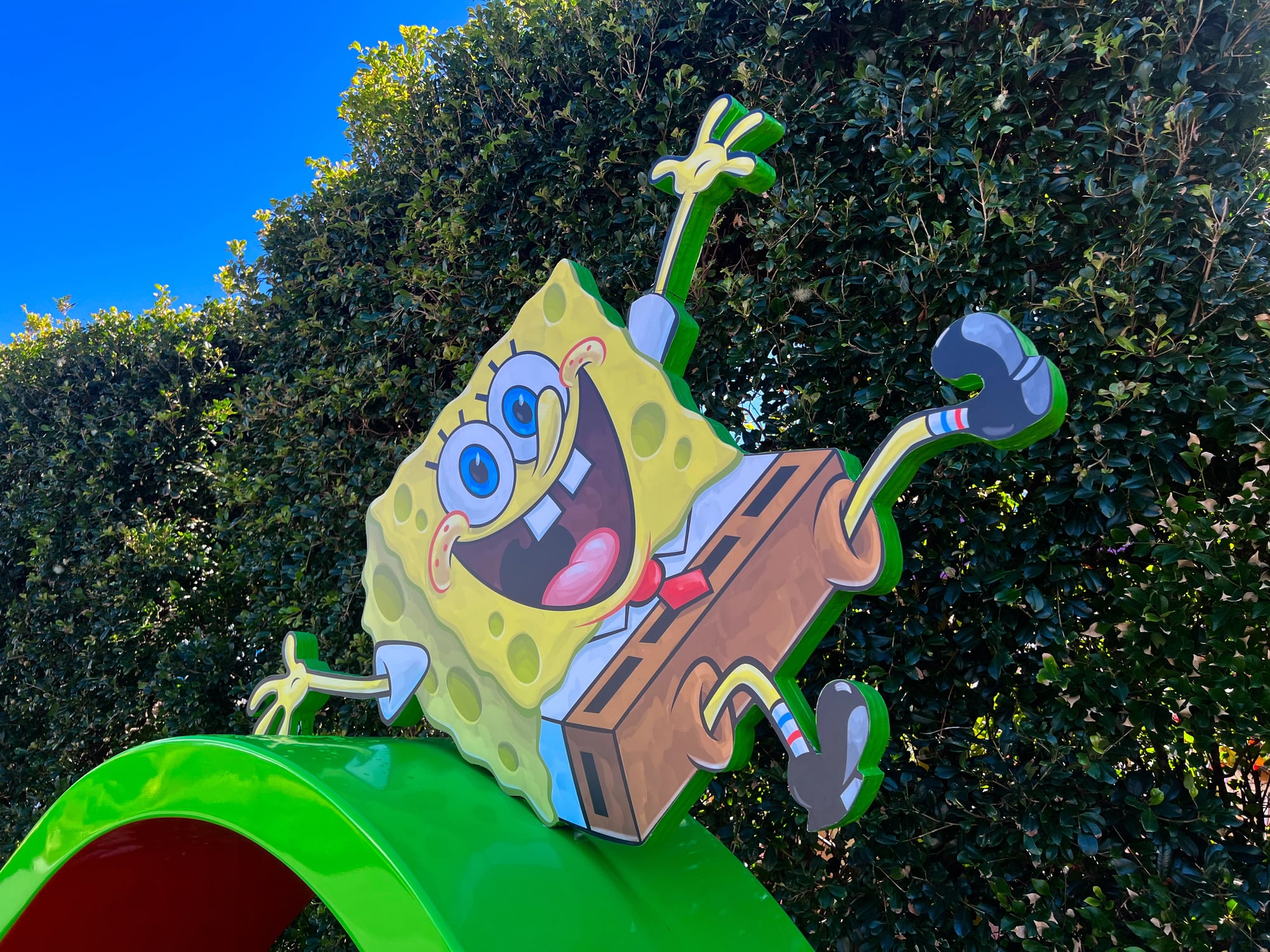
SpongeBob’s relentless optimism in the face of constant mistreatment wasn’t inspiring — it was concerning. His neighbors found him annoying, his boss exploited him, and his best friend barely tolerated him, yet he maintained his enthusiasm as if emotional abuse was just part of life.
The Krusty Krab operated as a capitalist nightmare where an employee worked for poverty wages while generating massive profits for an owner who openly despised him. SpongeBob’s love for his job read less like passion and more like Stockholm syndrome.
The Fairly OddParents
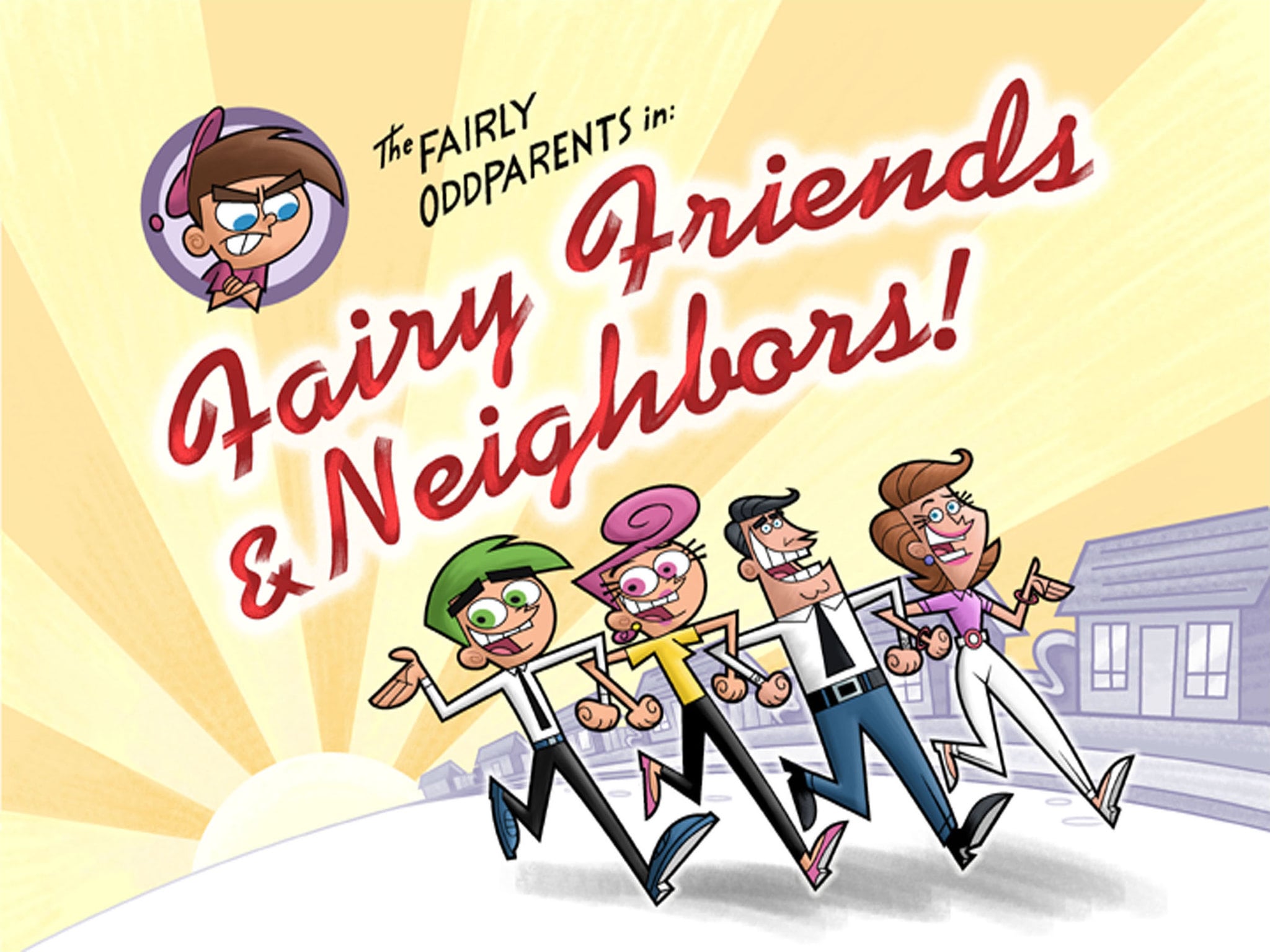
Timmy’s fairy godparents existed because his life was so miserable that magical intervention was considered necessary. His parents neglected him, his teacher tormented him, and his babysitter was actively abusive — yet the show treated this as comedy rather than a child welfare crisis.
The fairies’ magic couldn’t actually fix the fundamental problems in Timmy’s life (his parents’ indifference, the school’s dysfunction, the community’s failure to protect him), which meant every episode ended with him right back where he started: trapped in a situation that required supernatural assistance just to be bearable. And there’s something deeply unsettling about a universe where a child’s suffering is so normalized that even magical beings accept it as unchangeable background conditions.
The rules governing fairy godparents — they disappear when children grow up or reveal their existence — created additional pressure for Timmy to remain both miserable and silent about the only help he had. So the magic wasn’t really helping him at all.
It was just making his situation tolerable enough that he could continue enduring it.
Adventure Time
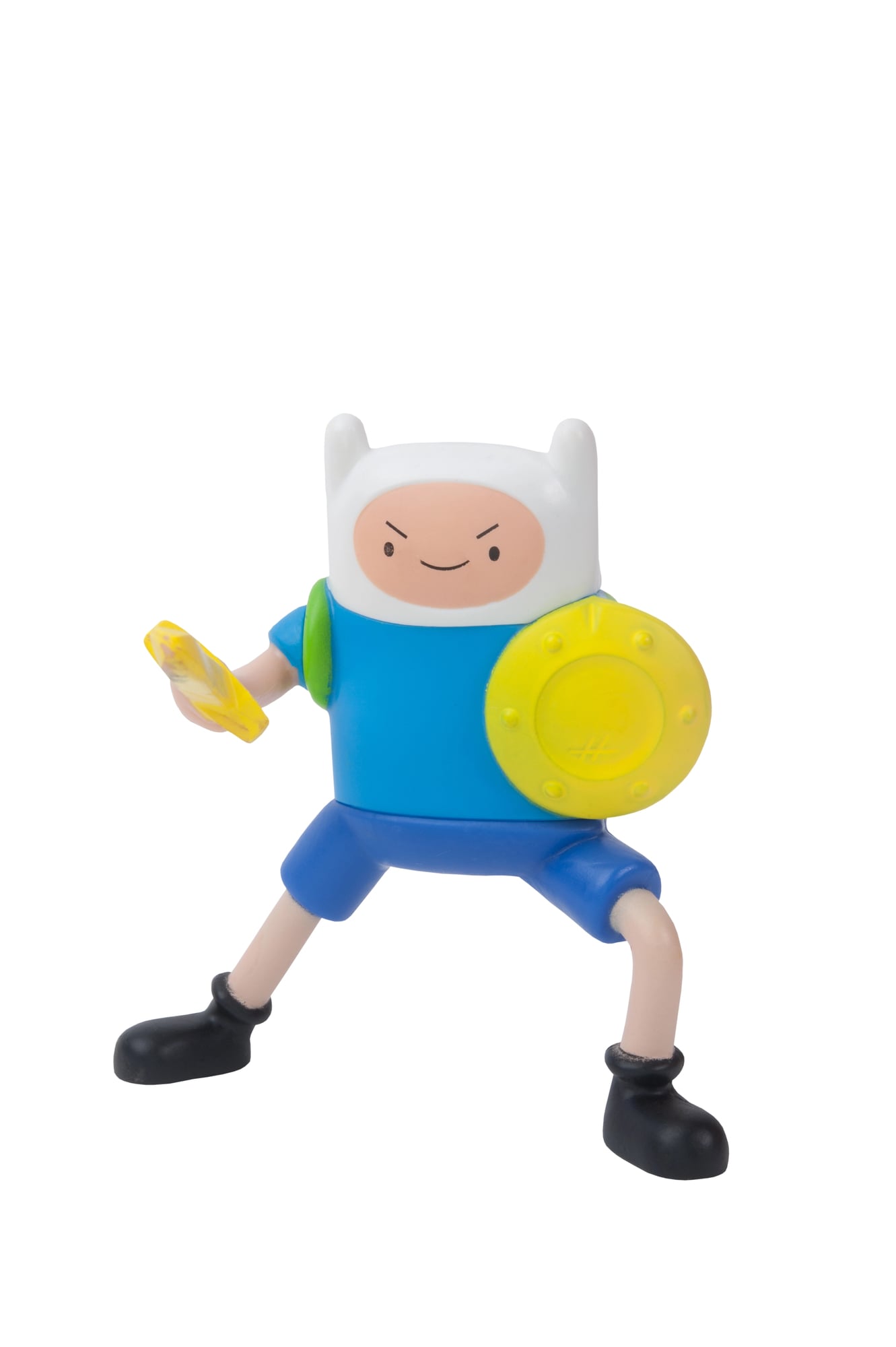
Post-apocalyptic wasteland populated by the survivors of nuclear war, where a human boy and his dog navigate the remnants of civilization. The candy kingdom was built on the bones of the old world, and Princess Bubblegum’s rule involved disturbing experiments and authoritarian control disguised as benevolent leadership.
Finn’s quest for purpose in a world that had already ended felt less like adventure and more like a child trying to create meaning from meaninglessness.
Regular Show
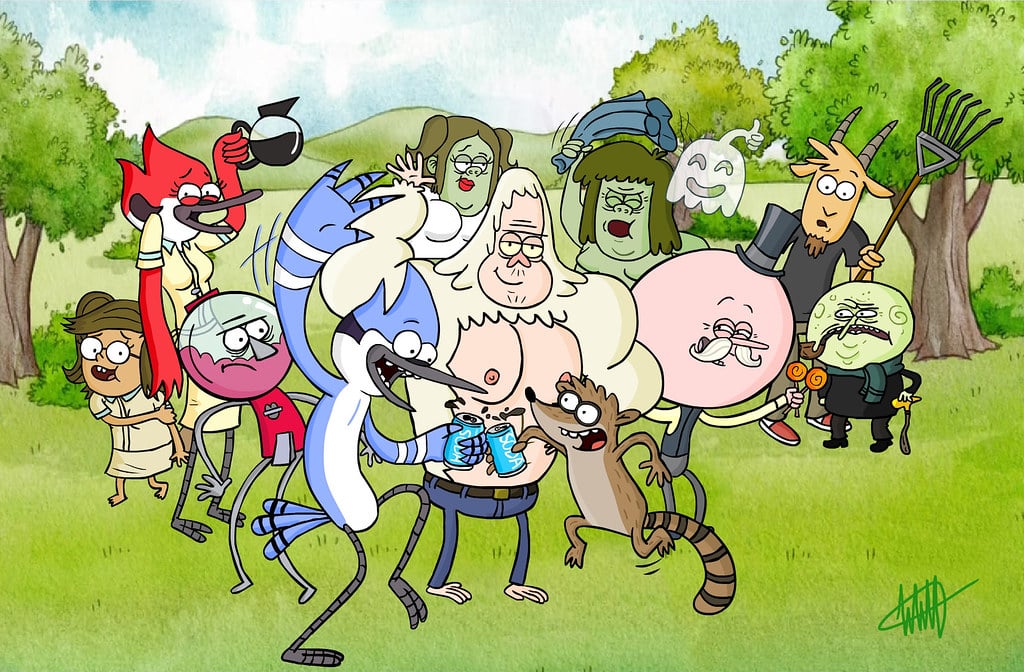
Two slacker employees stumble into supernatural disasters while avoiding actual work. The show normalized workplace dysfunction and suggested that responsibility was something to be actively avoided rather than embraced.
Mordecai and Rigby’s friendship was built on mutual enablement of destructive behavior. Their boss Benson’s constant rage wasn’t unreasonable — he was managing employees who regularly endangered everyone around them through their incompetence and selfishness.
Dexter’s Laboratory
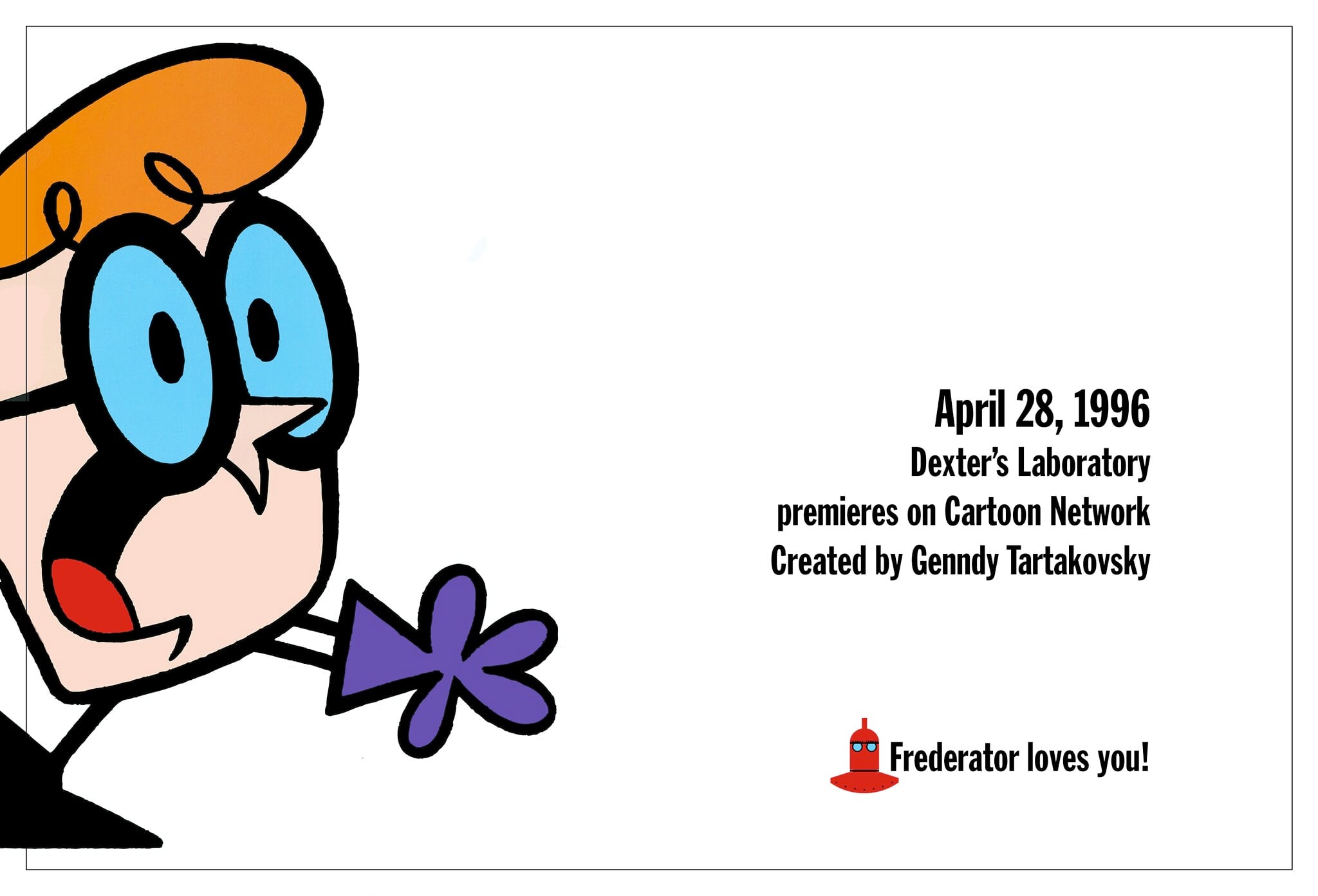
A child genius hides his scientific work from parents who would never understand his capabilities. Dexter’s laboratory represented the ultimate isolation — a place where his intellectual gifts could flourish, but only in complete secrecy from the people who were supposed to support him.
Dee Dee’s intrusions weren’t sibling rivalry; they were systematic destruction of the one space where Dexter could be himself. The show repeatedly rewarded her vandalism while punishing his attempts at achievement.
Avatar: The Last Airbender
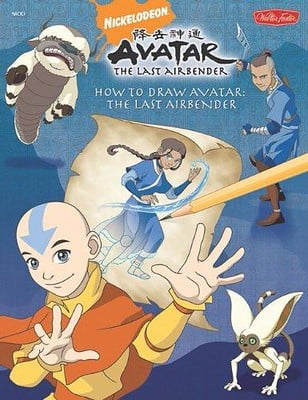
A twelve-year-old carries the responsibility for ending a war and preventing genocide, while grappling with the knowledge that his entire culture was systematically exterminated while he was unconscious. The show handled these themes with remarkable maturity, but that didn’t make them less heavy.
Aang’s journey wasn’t just about mastering elements — it was about a child processing survivor’s guilt and deciding whether violence could ever be justified, even to prevent greater violence. The weight of being the last of his kind, combined with the pressure to save the world, created a psychological burden that would crush most adults.
Looking Back Through Different Eyes

Childhood has a way of filtering out the darkness that doesn’t serve its purposes. These shows weren’t accidents or oversights — they were deliberate reflections of adult anxieties, packaged in bright colors and sold to the very audience they were commenting on.
The real question isn’t why these themes existed, but why they felt so natural that an entire generation absorbed them without question. Perhaps that’s the most unsettling realization of all: the darkness was always there, hiding in plain sight, teaching lessons that wouldn’t be understood until much later.
The shows didn’t change — the eyes watching them did.
More from Go2Tutors!

- The Romanov Crown Jewels and Their Tragic Fate
- 13 Historical Mysteries That Science Still Can’t Solve
- Famous Hoaxes That Fooled the World for Years
- 15 Child Stars with Tragic Adult Lives
- 16 Famous Jewelry Pieces in History
Like Go2Tutors’s content? Follow us on MSN.



