Photos Of Incredible Subterranean Hotels Built Into Caves
There’s something almost primal about the idea of sleeping underground. Maybe it connects to some ancient memory of shelter and safety, or perhaps it’s the simple thrill of doing something completely different from your usual hotel routine.
Either way, cave hotels have become some of the most sought-after accommodations in the world, offering guests the chance to experience luxury in spaces carved directly from rock. Hidden below ground, these places go beyond mere curiosity.
Cappadocia, Turkey
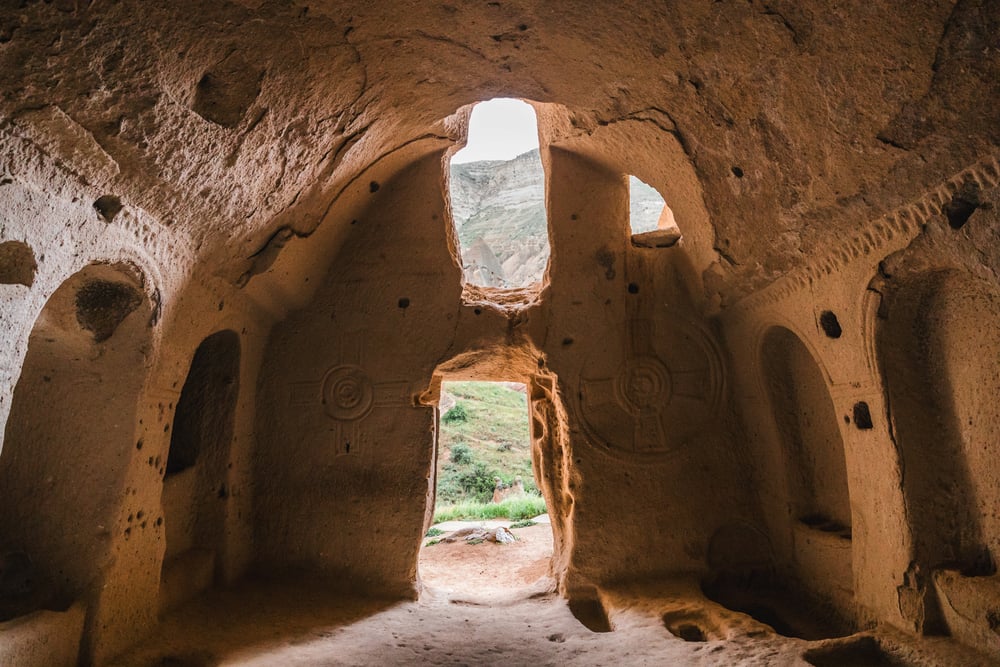
The fairy chimneys got carved by wind and water over millions of years. Humans showed up later and decided they’d make excellent hotels.
Smart humans. These cave rooms stay naturally cool in summer and warm in winter.
Petra, Jordan
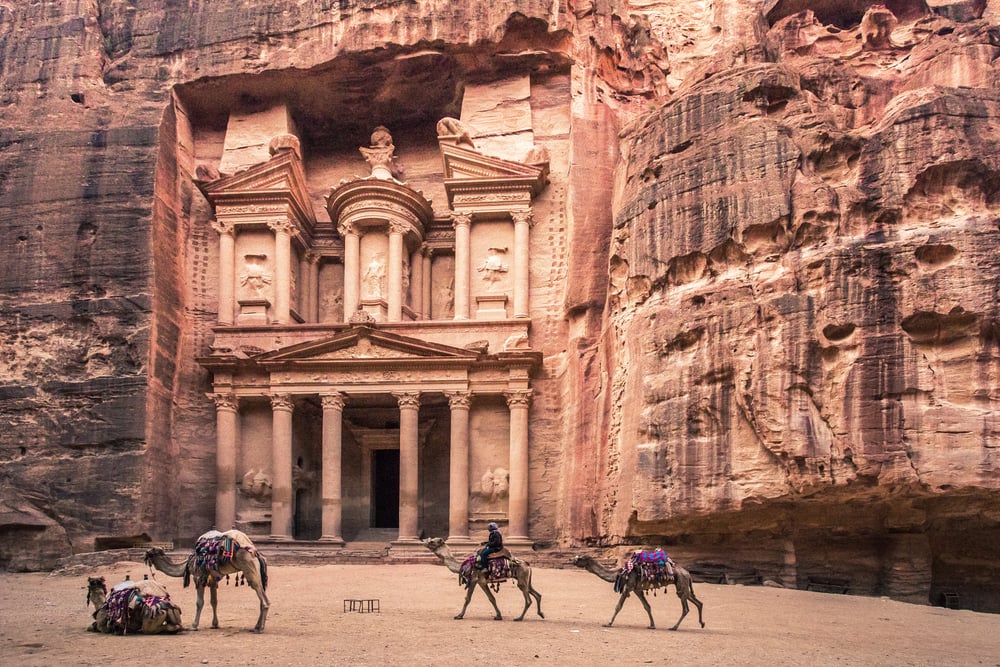
And here’s where things get interesting (because apparently sleeping in a cave overlooking one of the Seven Wonders of the World wasn’t interesting enough already) — the Feynan Ecolodge sits within the Dana Biosphere Reserve, roughly 50 kilometers north of Petra — a different destination entirely, but one that shares the same dramatic Jordanian landscape. But the real cave experience comes from the smaller boutique properties that have carved guest rooms directly into the sandstone cliffs, where you wake up each morning with the rose-colored rock of Petra glowing just outside your window, assuming you can drag yourself away from a bed that’s literally surrounded by stone that’s older than most civilizations.
Even so, these aren’t primitive accommodations: the contrast between ancient rock walls and modern luxury creates something that feels both timeless and completely contemporary. So you’re sleeping in a stone that Lawrence of Arabia might have touched.
Santorini, Greece
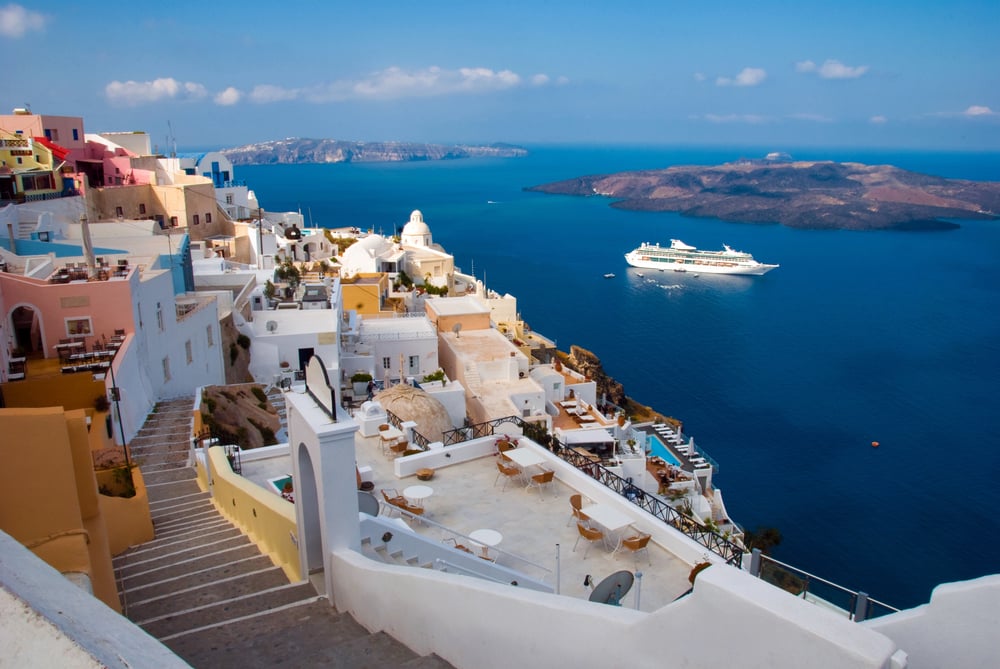
Sleeping in a cave feels like being held by the island itself. The volcanic rock that forms these underground suites has spent centuries learning how to cradle travelers, and it shows in the way the curved walls seem to wrap around you rather than simply contain you.
These aren’t harsh, angular spaces — they’re gentle hollows that breathe with the rhythm of the Aegean. The white-washed interiors catch and multiply whatever light filters down from above, creating an almost luminous quality that shifts throughout the day.
Matera, Italy
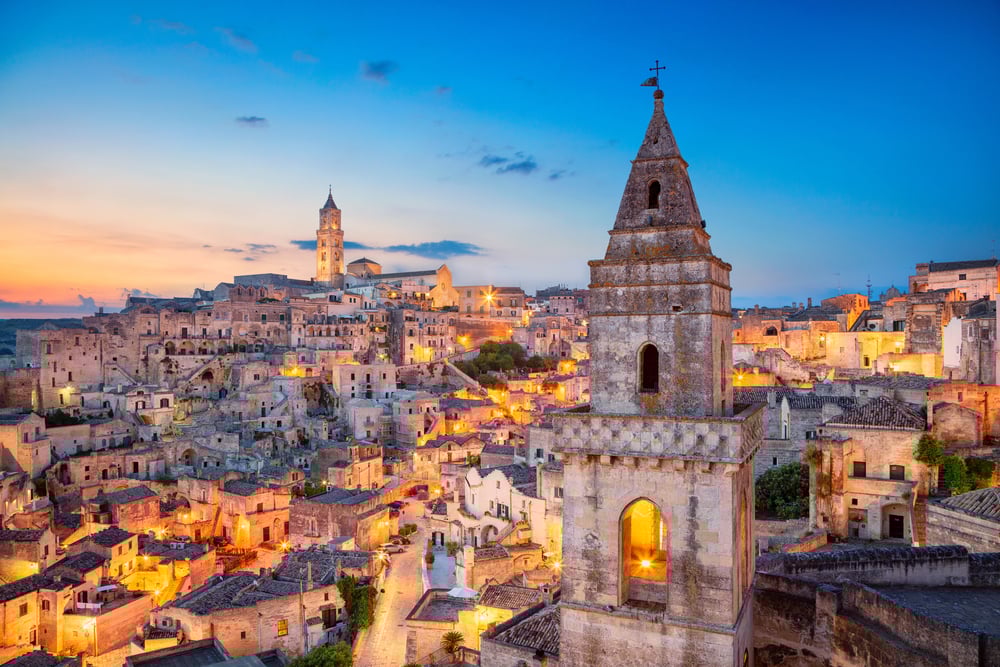
Cave hotels are tourist traps that happen to be genuinely worth the trap. Matera’s sassi districts were literally carved out of limestone cliffs, and turning them into luxury accommodations was the obvious next step once people stopped actually living in them full-time.
The fact that these caves were continuously inhabited for over 9,000 years should tell you something about their livability. They’ve had plenty of time to work out the kinks.
Utah, United States
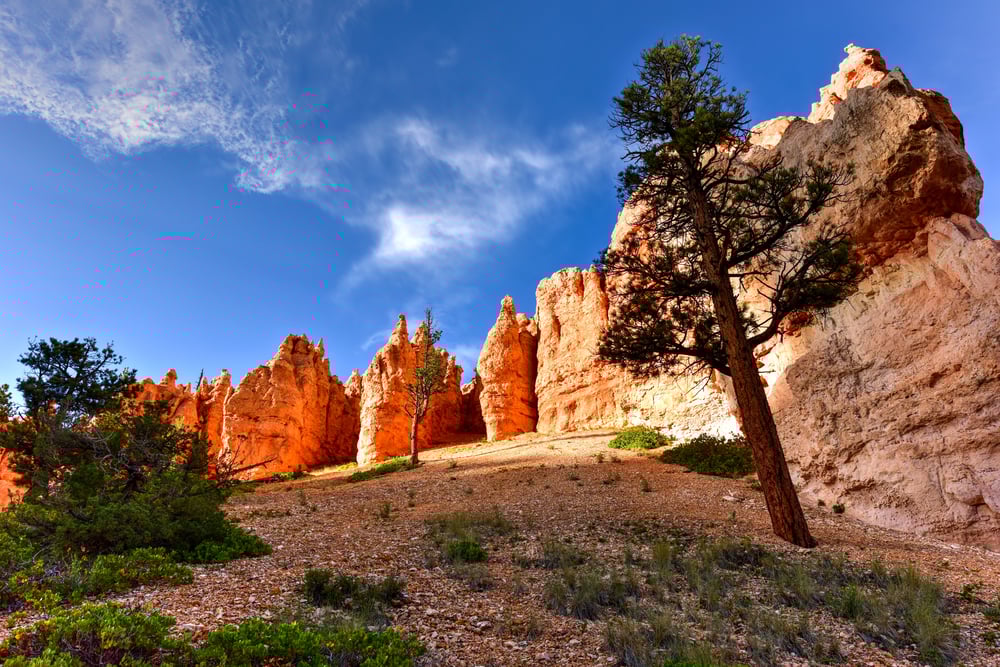
There’s something beautifully stubborn about carving a hotel into a red rock desert, as if someone looked at the vast emptiness of southern Utah and decided what it really needed was a place to get room service. The cave suites here feel like they’re hiding secrets — not the kind you’d want to uncover necessarily, but the kind that make you understand why people used to believe the earth itself was alive.
These spaces breathe differently than regular hotel rooms, expanding and contracting with temperature changes in ways that remind you constantly that you’re sleeping inside a living geological formation. The silence underground is different from surface silence: it’s thicker, more complete.
Andalusia, Spain
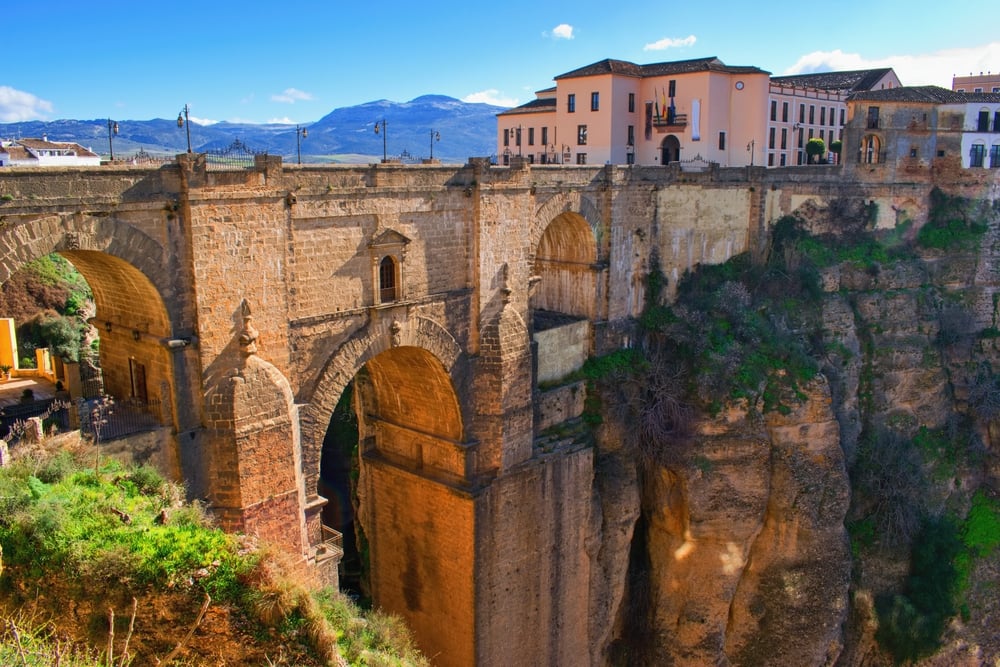
The whitewashed cave houses of Andalusia work on pure practicality. Summer temperatures that would melt most tourists barely register underground.
The thick rock walls maintain a consistent coolness that makes air conditioning seem almost quaint. These caves don’t fight the landscape — they become part of it.
Coober Pedy, Australia
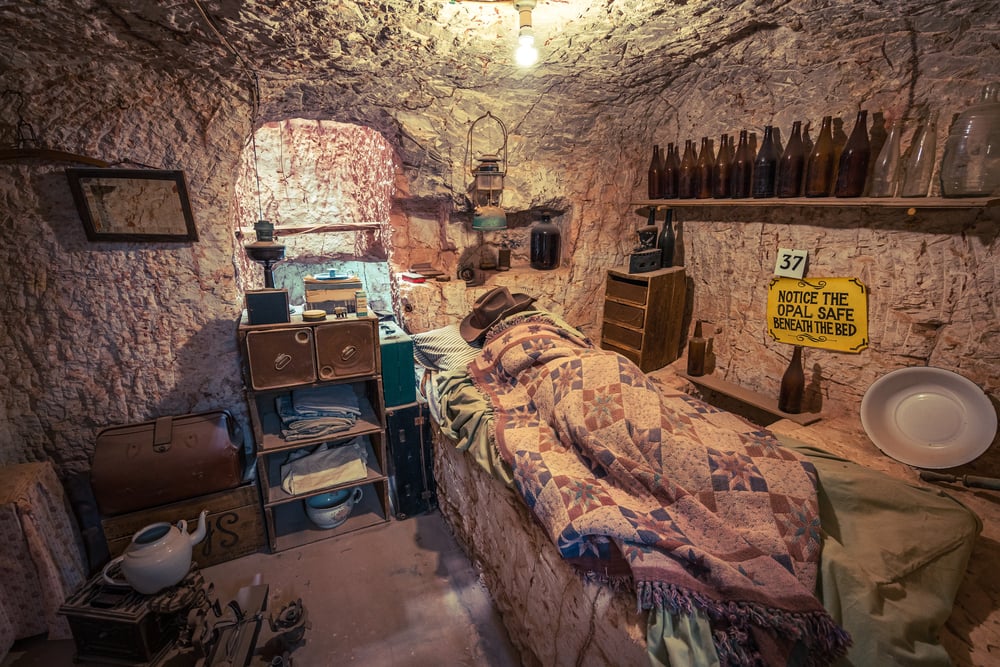
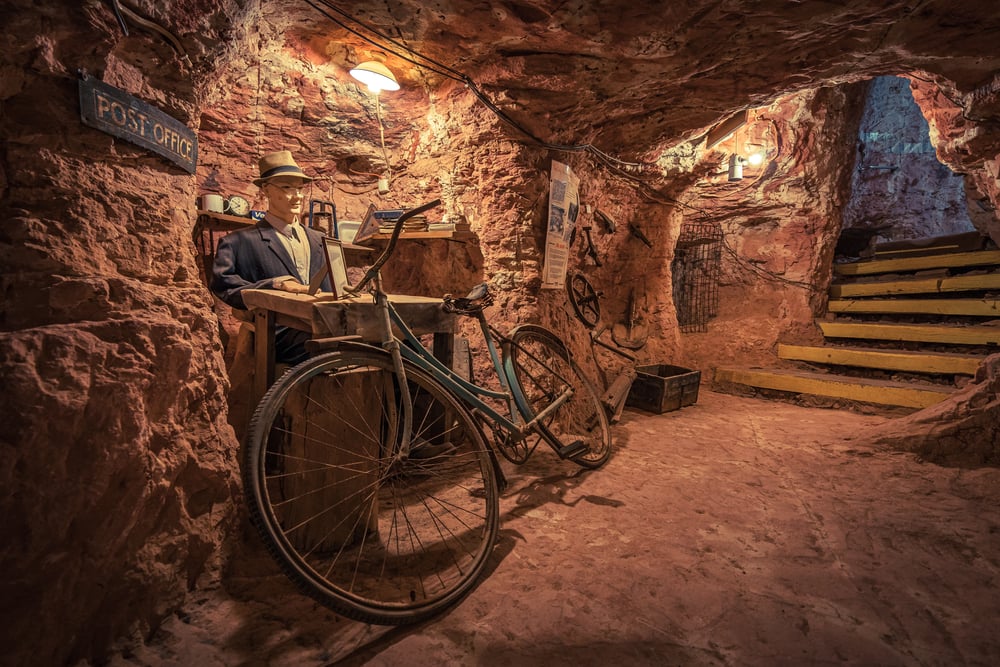
And when you’re in a place where surface temperatures regularly hit numbers that would make a pizza oven jealous (and where the landscape looks suspiciously like Mars, which isn’t entirely coincidental given that this is where they filmed half the desert scenes you’ve ever seen in movies), the decision to build underground stops being quirky and starts being obvious. The opal miners figured this out decades ago: if you’re going to spend time in a place where the sun actively tries to kill you, you might as well dig down where it can’t reach.
But these aren’t rough mining camps anymore — they’re surprisingly sophisticated spaces where you can enjoy a glass of wine while surrounded by walls that occasionally glitter with embedded opal fragments. Even so, stepping outside feels like entering an alien world.
Dordogne, France
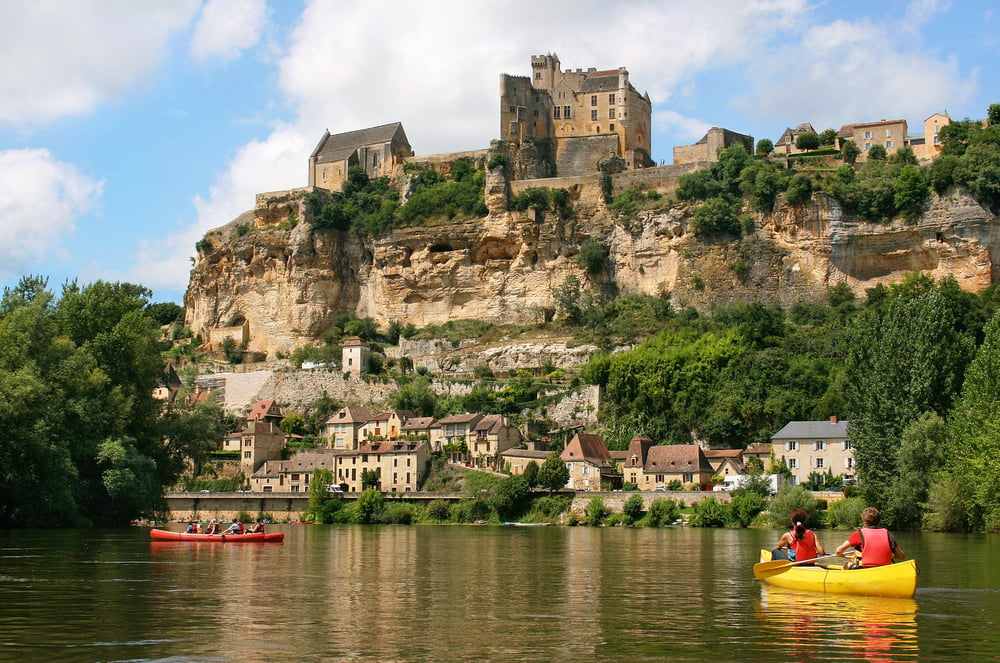
Cave hotels in the Dordogne feel like stepping into a fairy tale where the dwarfs had excellent taste in interior design. The limestone here has been carved and shaped for centuries, creating spaces that flow from room to room with an organic logic that conventional architecture can’t match.
These aren’t just pits in the ground with beds thrown in — they’re thoughtfully designed retreats where the rock itself becomes part of the décor. The natural acoustics turn even whispered conversations into something more intimate.
New Mexico, United States
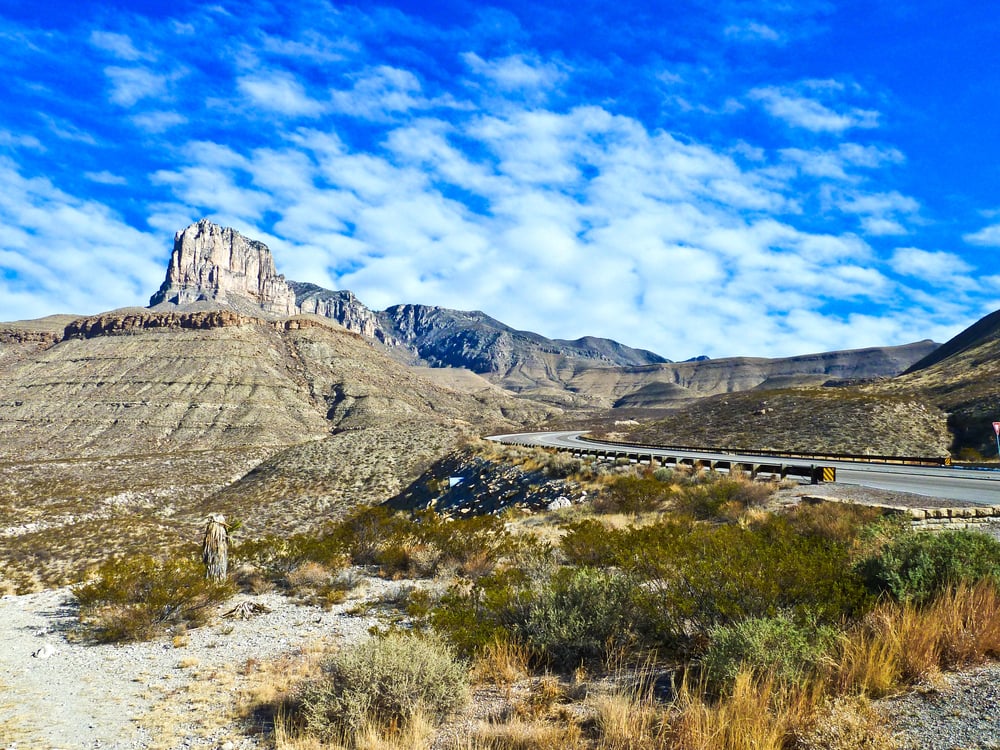
Underground hotels in New Mexico understand drama. The high desert landscape doesn’t do subtlety, so why should the accommodations?
These cave suites lean into the stark beauty of the region, offering spaces where massive wooden beams contrast with smooth rock walls, creating interiors that feel both ancient and refreshingly modern. The temperature differential between day and night disappears when you’re sleeping several feet below ground.
Urgup, Turkey
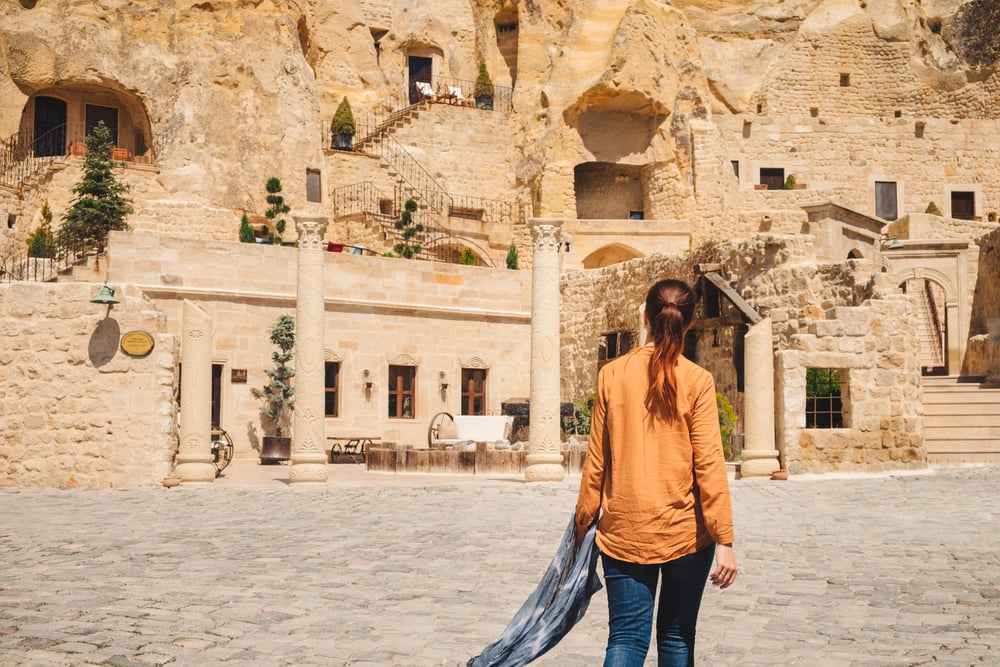
The volcanic tuff in this region carves like butter but hardens like concrete once exposed to air. Perfect building material, assuming you don’t mind the fact that your hotel room predates most nations by several centuries.
These cave hotels often connect through underground passages that make exploring feel like a legitimate adventure. You can wander from room to room without ever seeing daylight.
Sicily, Italy
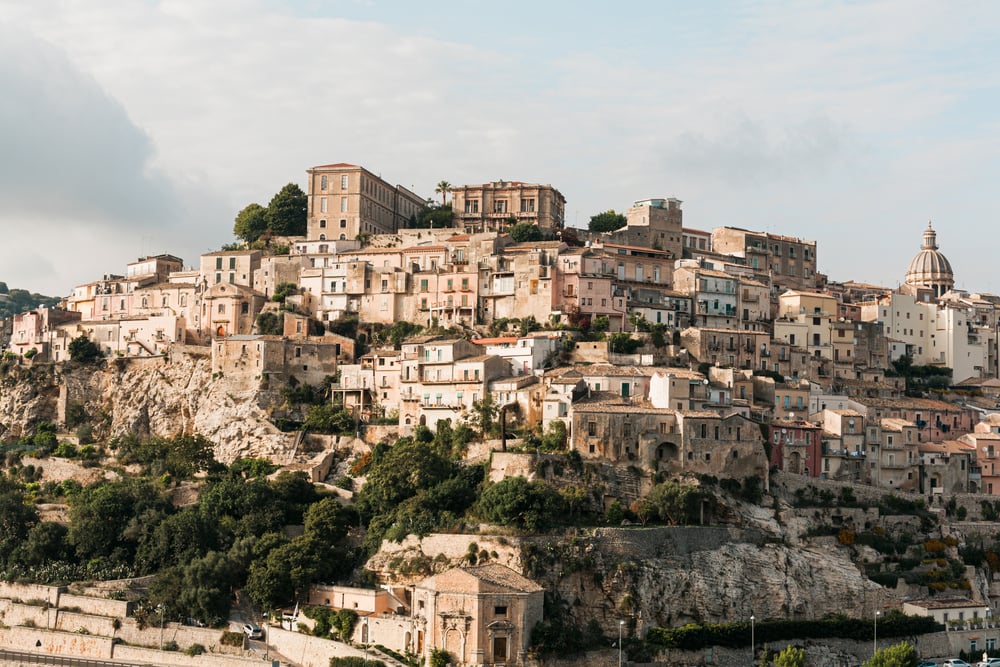
So here’s the thing about Sicilian cave hotels: they exist in a landscape that’s been conquered by everyone from Greeks to Arabs to Normans, and each group left their mark on how these underground spaces get used. The caves themselves are carved from limestone cliffs that drop straight into the Mediterranean, creating rooms where you can literally lie in bed and watch fishing boats navigate waters that haven’t changed much since Odysseus was trying to get home (though the Wi-Fi has improved considerably).
And yet these spaces manage to feel completely contemporary, with modern amenities seamlessly integrated into rock formations that were ancient when Rome was just getting started. The sound of waves carries differently through limestone.
Puglia, Italy
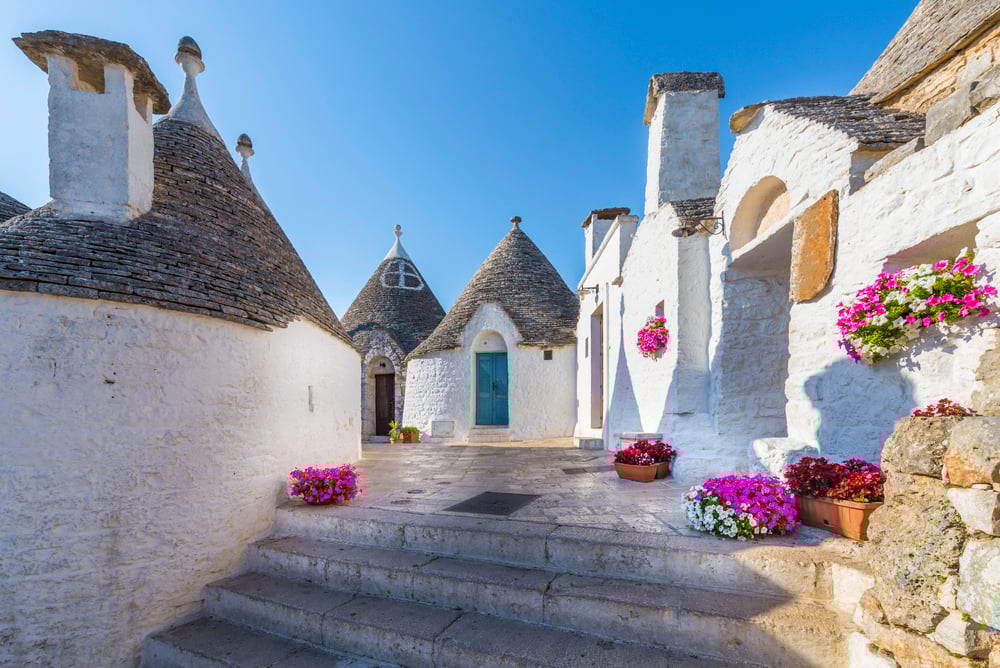
Underground rooms in southern Italy follow a quiet rule: when summer turns fierce, slipping below ground keeps things cool, with dense stone walls blocking out noise from visitors grumbling in the sun. Built near trulli homes, these cave stays mix cone-shaped designs of the area with hollowed-out chambers that seem to grow right from the roots of nearby olive trees.
One step leads deeper without warning till light vanishes behind you. Looks unplanned but works too well to be chance.
Arizona, United States
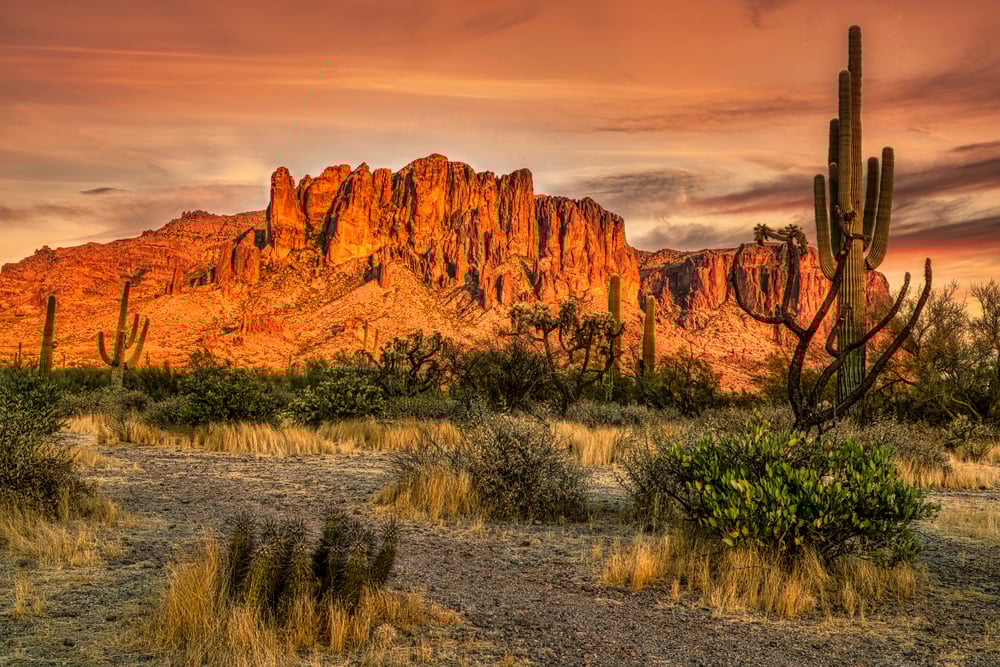
The desert doesn’t apologize for being harsh, and neither do Arizona’s cave hotels. These spaces embrace the stark beauty of the Sonoran landscape, offering accommodations that work with the natural cooling properties of underground spaces rather than fighting against the climate with energy-intensive alternatives.
These caves stay comfortable when surface temperatures would make a roadrunner reconsider its life choices. The rock thermal mass does all the work.
Derbyshire, England
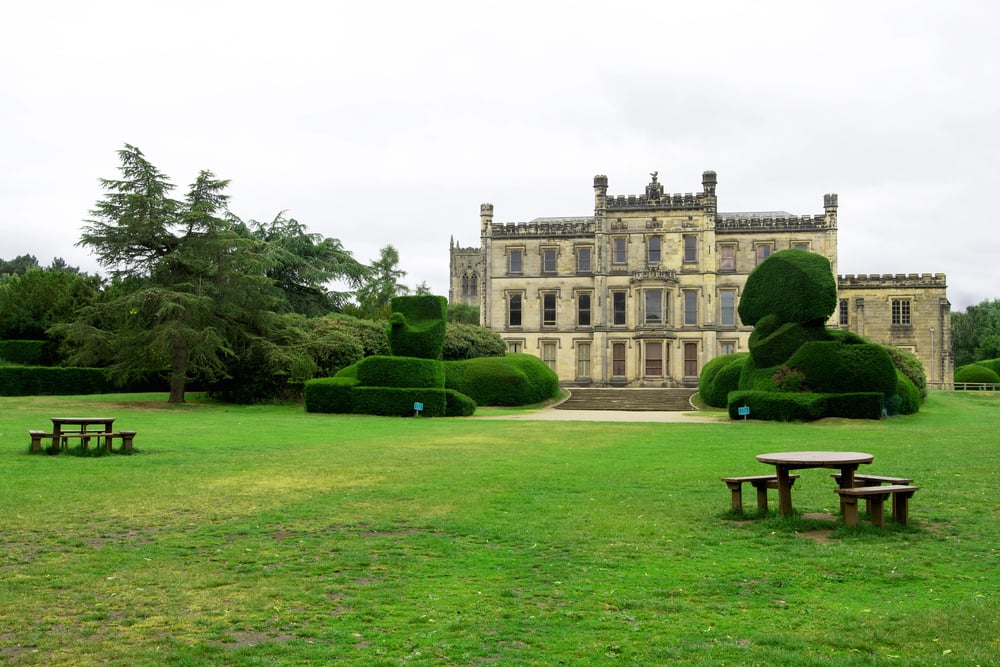
And it’s slightly surreal to find yourself sleeping in a cave in the English Peak District, where the rolling green hills above give no indication of the limestone caverns below, but these subterranean hotels have managed to create spaces that feel both cozy and dramatic — no small feat when you’re working with materials that haven’t seen sunlight since the Pleistocene epoch. The contrast between the gentle English countryside above and the mysterious underground chambers below creates a sense of discovery that most hotel experiences can’t match: you’re not just staying somewhere different, you’re staying somewhere that exists in a completely different relationship with the landscape around it.
The silence underground makes the sounds of the countryside above seem almost exotic. Sheep bleating becomes a distant, mysterious sound.
Sleeping In The Earth’s Memory
These subterranean retreats offer more than just novelty — they provide a different way of experiencing rest itself. When you’re surrounded by stone that’s been shaped by centuries of wind, water, and human hands, sleep becomes something deeper than just closing your eyes in another hotel room.
These caves remember things: ancient weather patterns, the footsteps of countless travelers, the slow patience required to carve comfort from solid rock. And for a few nights, you get to be part of that memory.
More from Go2Tutors!

- The Romanov Crown Jewels and Their Tragic Fate
- 13 Historical Mysteries That Science Still Can’t Solve
- Famous Hoaxes That Fooled the World for Years
- 15 Child Stars with Tragic Adult Lives
- 16 Famous Jewelry Pieces in History
Like Go2Tutors’s content? Follow us on MSN.