Mysteries Of Ancient Egypt No One Can Explain
Still today, people wonder about Ancient Egypt – its towering buildings, complex beliefs, its objects left behind. Though studied for years, with new tools arriving every decade, plenty still sits unclear or half-explained.
Not simply because it is old does fascination grow, yet seeing how sharp, how planned those ancient choices appear – even now. Peering into the past reveals secrets from Ancient Egypt – riddles still tugging at experts’ minds today.
Each clue resists answers, stretching curiosity across centuries. Hidden chambers whisper instead of shouting facts.
Some puzzles grow stranger the more we learn. Time hasn’t softened their edges.
Questions linger where explanations should be.
The Construction Of The Pyramids
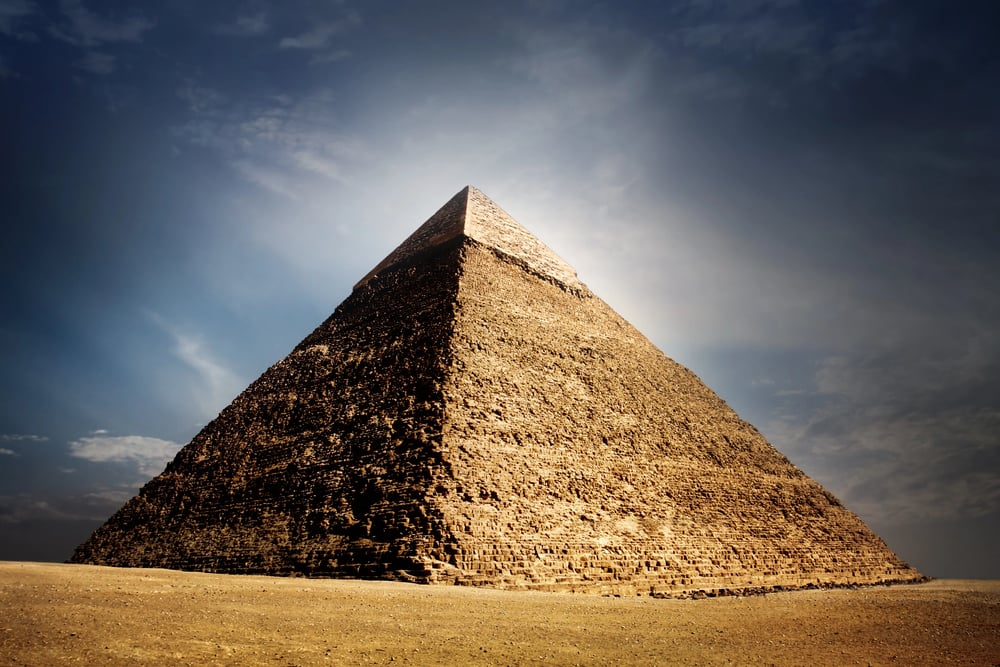
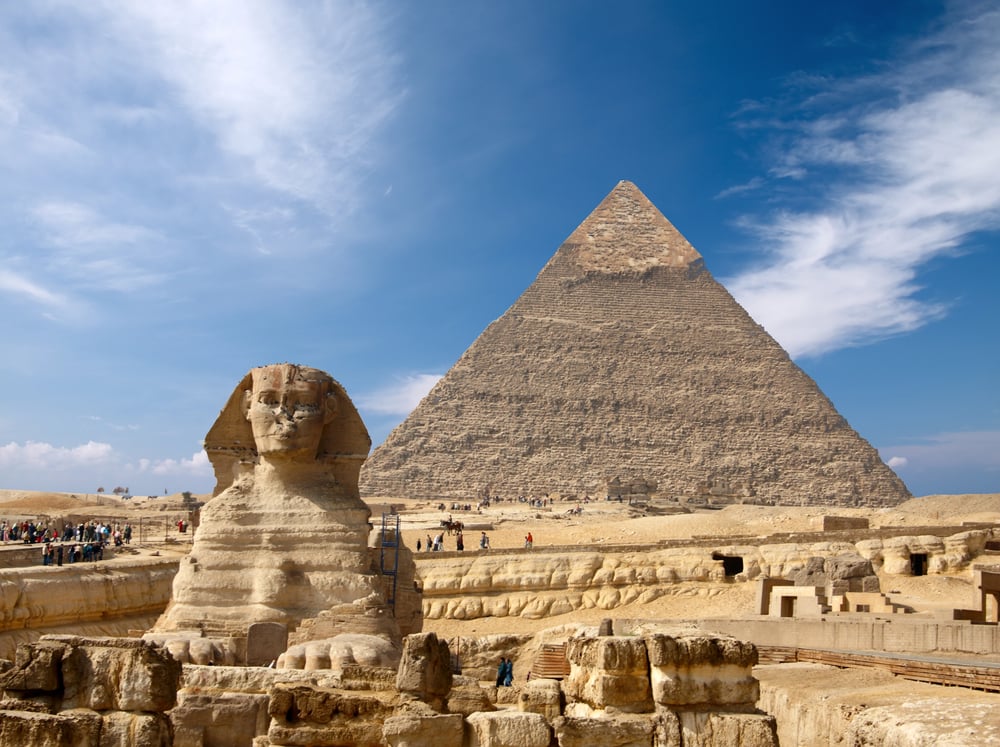
The pyramids of Giza stand as some of the most impressive structures ever built, yet the exact methods used in their construction are still debated. Massive stone blocks, some weighing several tons, were transported and placed with remarkable precision.
While ramps and labor forces are commonly suggested, no single explanation fully accounts for the scale and accuracy involved. Even so, archaeological evidence suggests a highly organized workforce rather than forced labor, which challenges earlier assumptions.
The sheer coordination required hints at sophisticated planning methods that are still not fully understood.
The Purpose Of The Great Pyramid’s Chambers
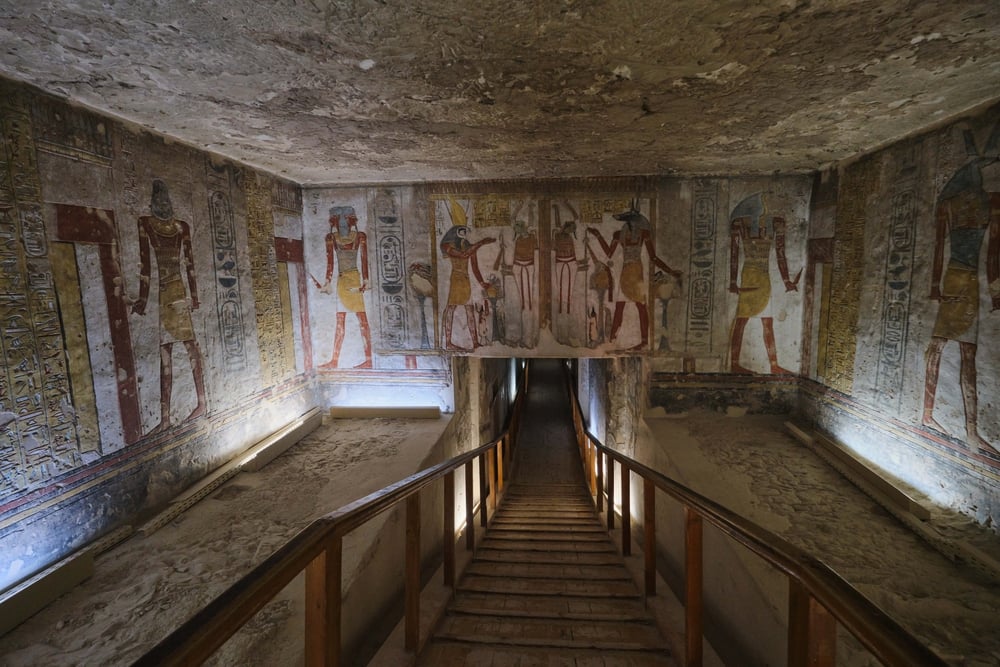
Inside the Great Pyramid, several chambers and passageways continue to raise questions. While traditionally believed to be burial spaces, some chambers do not clearly serve that purpose.
Their layout and positioning suggest a more complex design. Recent scans have revealed hidden voids within the structure, adding another layer of mystery.
These discoveries suggest that there may be aspects of the pyramid’s purpose that have yet to be uncovered.
The Sphinx’s Missing Nose
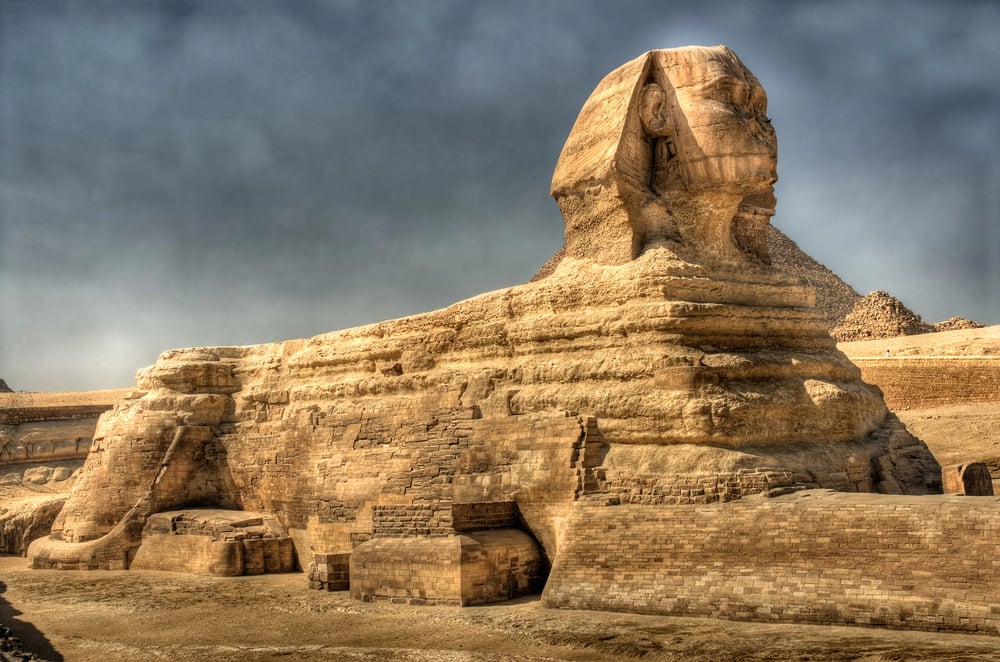
The Great Sphinx of Giza is one of the most recognizable monuments in the world, yet the reason for its missing nose remains uncertain. Various theories exist, ranging from deliberate damage to natural erosion.
Historical accounts suggest that the damage occurred long after its construction, but there is no definitive explanation. The absence of clear records leaves room for speculation, making it one of the more curious details of Egyptian history.
The Alignment Of The Pyramids
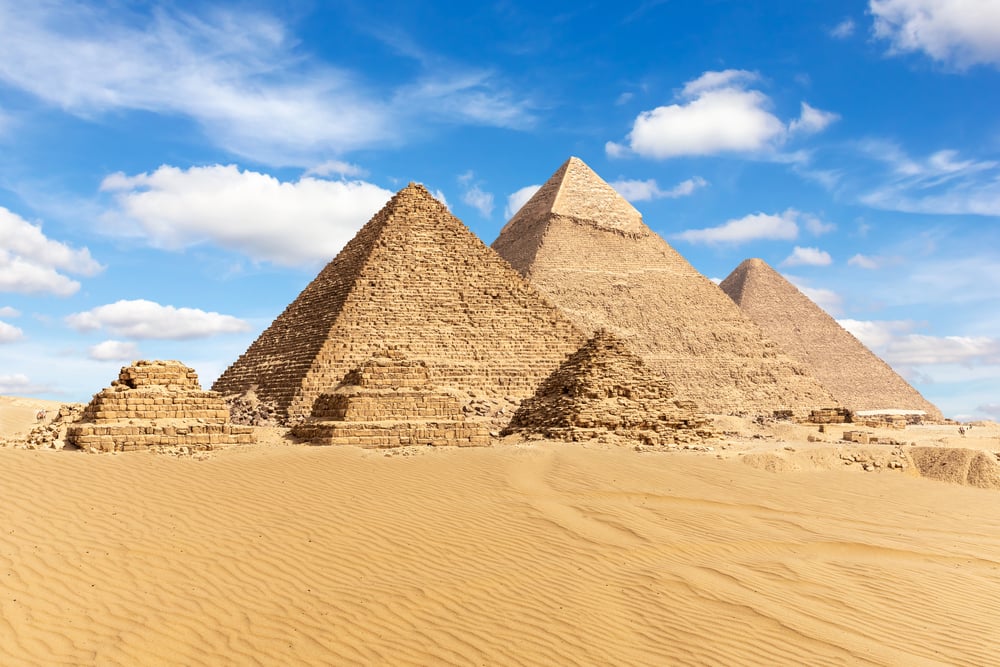
The pyramids are aligned with a level of precision that continues to surprise modern researchers. Their orientation closely matches the cardinal points, and some theories suggest connections to celestial bodies.
While ancient Egyptians were skilled observers of the sky, the exact methods used to achieve such accuracy remain unclear. Still, the alignment reflects a deep understanding of both geography and astronomy.
The Disappearance Of Queen Nefertiti’s Tomb
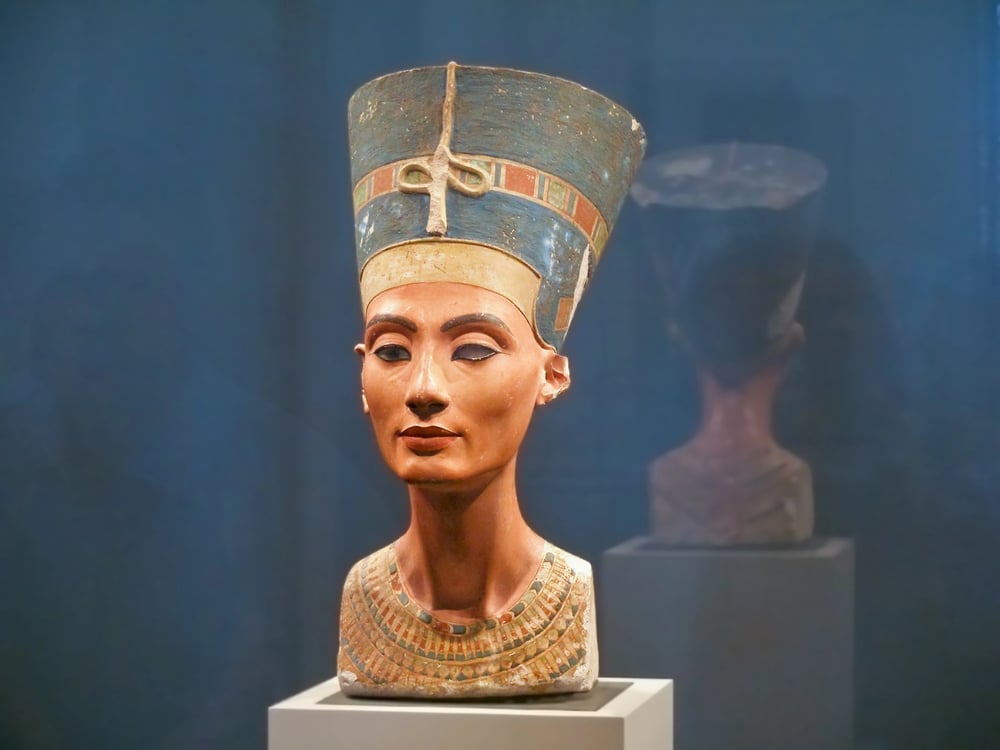
Queen Nefertiti remains one of the most iconic figures of Ancient Egypt, yet her final resting place has never been definitively identified. Despite extensive searches, no confirmed tomb has been found.
Some theories suggest it may be hidden within or near other known tombs, possibly even undiscovered chambers. The lack of concrete evidence keeps the mystery very much alive.
The Antikythera-Like Knowledge Gap

Ancient Egypt shows signs of advanced knowledge in areas such as medicine, engineering, and astronomy. However, there are gaps in understanding how this knowledge developed and spread.
Artifacts and texts hint at techniques that seem ahead of their time, yet there is limited documentation explaining their origins. This uneven record leaves historians trying to piece together a fragmented picture.
The Use Of Hieroglyphs
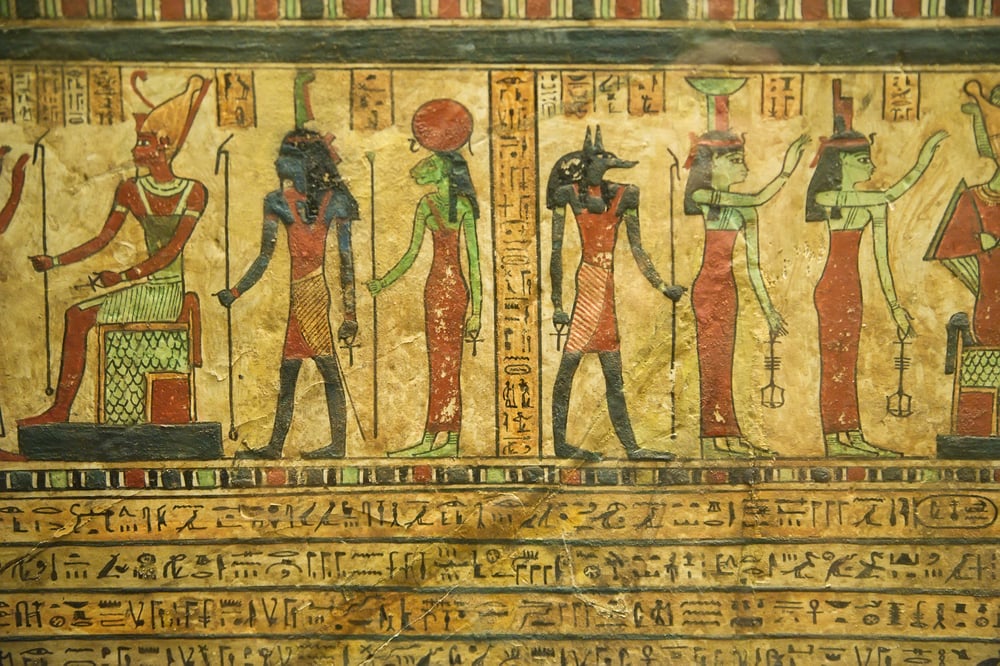
Hieroglyphs are one of the most distinctive features of Ancient Egyptian culture, yet their full nuance is still being explored. While many symbols have been translated, the deeper layers of meaning can be difficult to interpret.
Context plays a significant role, and some inscriptions may carry symbolic or cultural meanings that are not immediately obvious. This makes translation an ongoing process rather than a finished task.
The Mystery Of The Lost Labyrinth
Ancient writers described a vast labyrinth in Egypt, said to rival the grandeur of the pyramids. However, its exact location and structure remain uncertain.
Some archaeological sites have been proposed as possible candidates, but none have fully matched the descriptions. The idea of such a structure existing adds an intriguing layer to what may still lie undiscovered.
The Mummification Process Variations
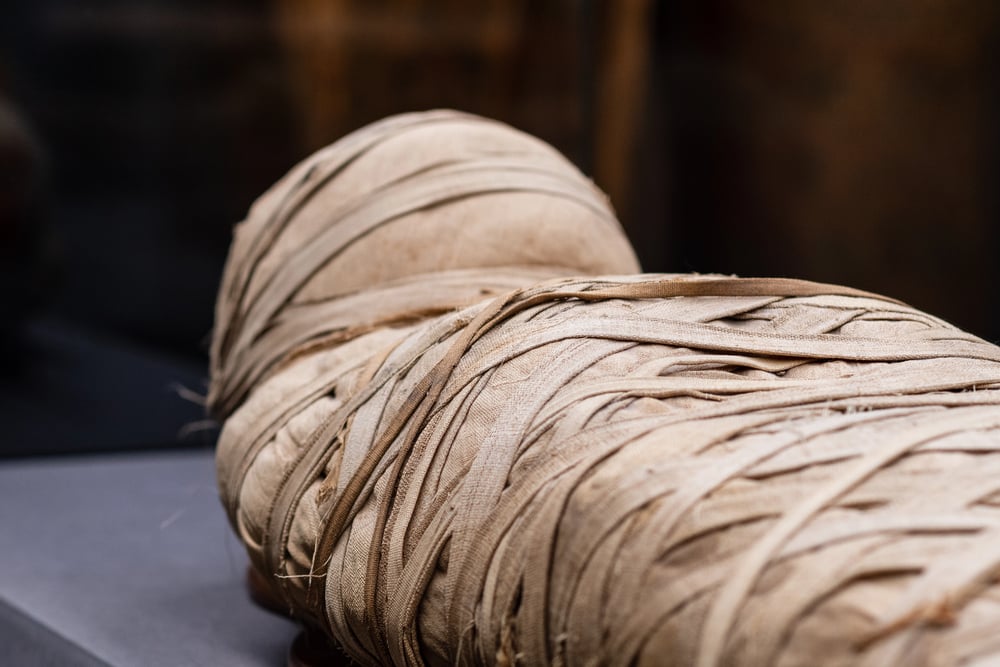
Mummification is often seen as a standardized practice, but evidence suggests there were variations in technique over time and across regions. Not all mummies were prepared in the same way.
These differences raise questions about the knowledge and resources available to different groups. It also suggests that the process may have evolved in ways that are not fully documented.
The Fate Of Akhenaten
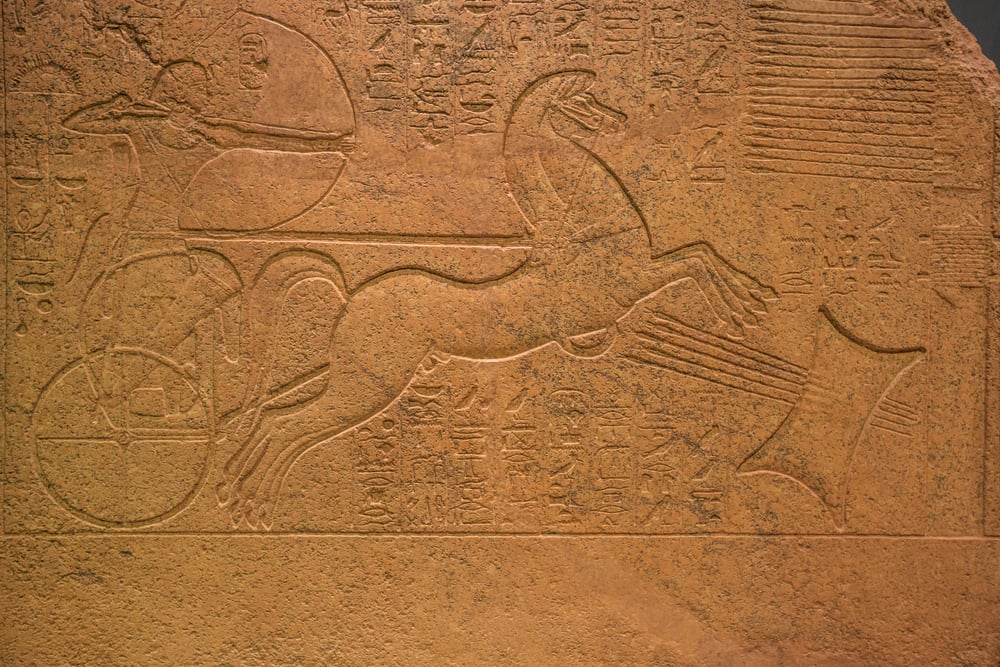
Akhenaten, known for introducing a form of monotheism, remains a controversial figure. After his reign, much of his legacy was deliberately erased, and details about his death and burial are unclear.
This intentional removal from records complicates efforts to understand his life and impact. The gaps left behind continue to challenge historians.
The Purpose Of Obelisks
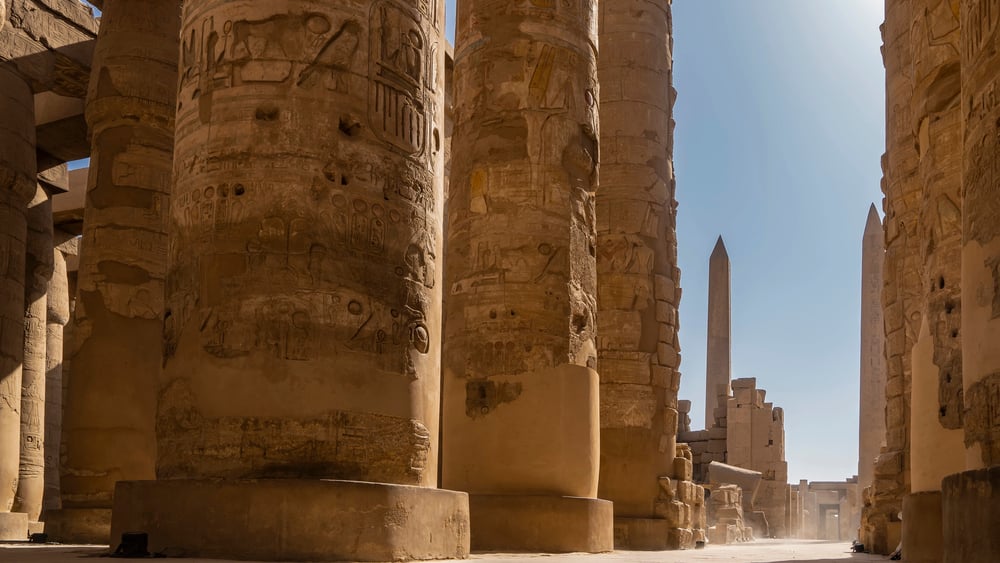
Obelisks are striking monuments that appear throughout Ancient Egypt, often associated with temples and religious sites. While their symbolic meaning is generally understood, their precise role in rituals is less clear.
Their construction and transportation also raise questions, given their size and the tools available at the time. Still, they remain powerful symbols of Egyptian ingenuity.
The Workers’ Villages
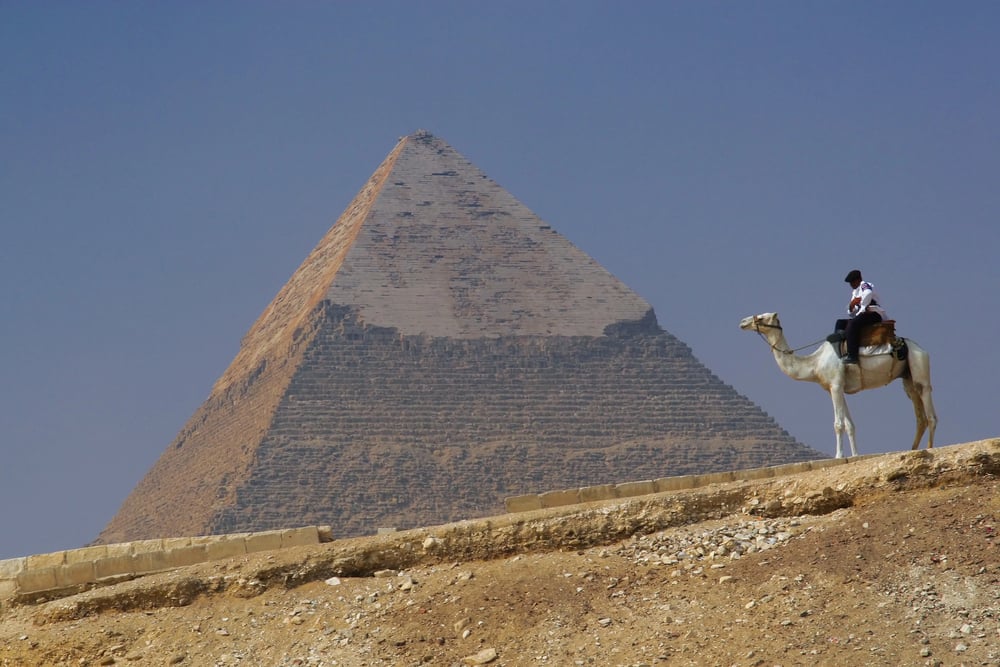
Excavations have uncovered villages where pyramid workers lived, offering insights into daily life. These findings suggest a structured and organized community rather than a purely labor-driven existence.
However, many aspects of their social structure and routines remain unclear. The discoveries raise as many questions as they answer about how these communities functioned.
The Hidden Chambers Of Saqqara
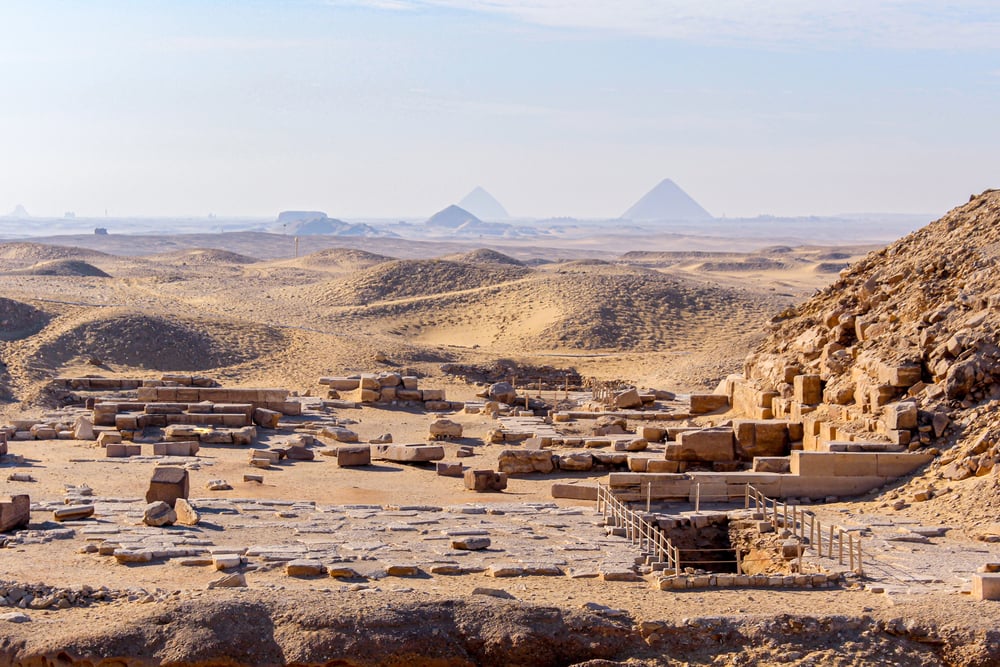
Saqqara is home to numerous tombs and structures, some of which are still being explored. Recent discoveries have revealed new chambers and artifacts, hinting at how much remains are buried.
These findings suggest that the site may hold even more secrets, waiting to be uncovered. The ongoing nature of these discoveries keeps the mystery alive.
The Role Of Religion In Daily Life
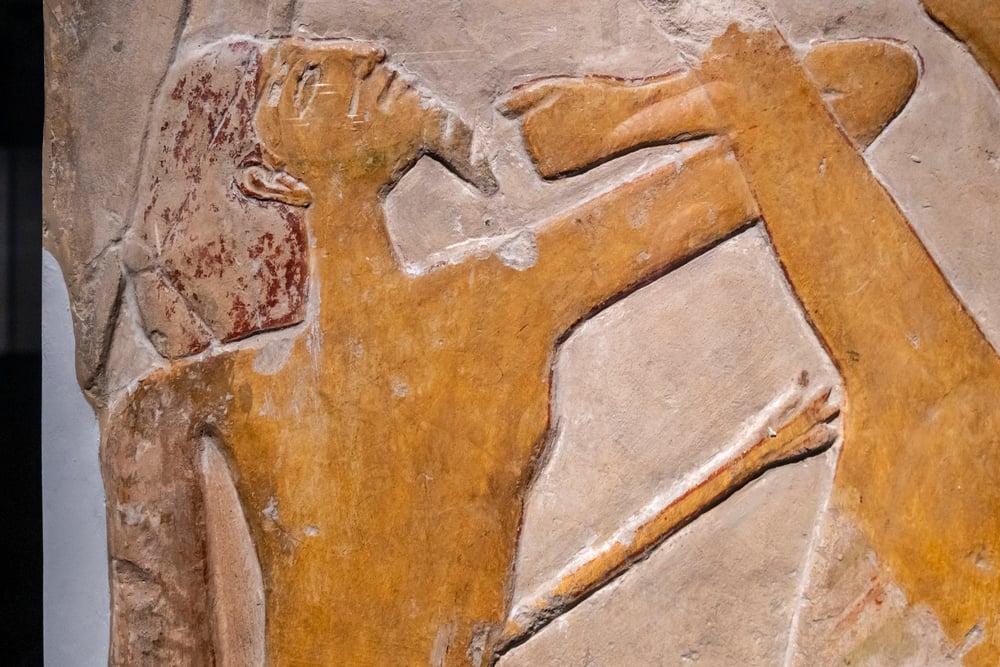
Religion played a central role in Ancient Egyptian society, influencing everything from governance to personal routines. Yet the exact ways in which beliefs shaped daily decisions are not always clear.
Texts and artifacts provide clues, but they do not offer a complete picture. This leaves room for interpretation and ongoing study.
The Durability Of Their Structures
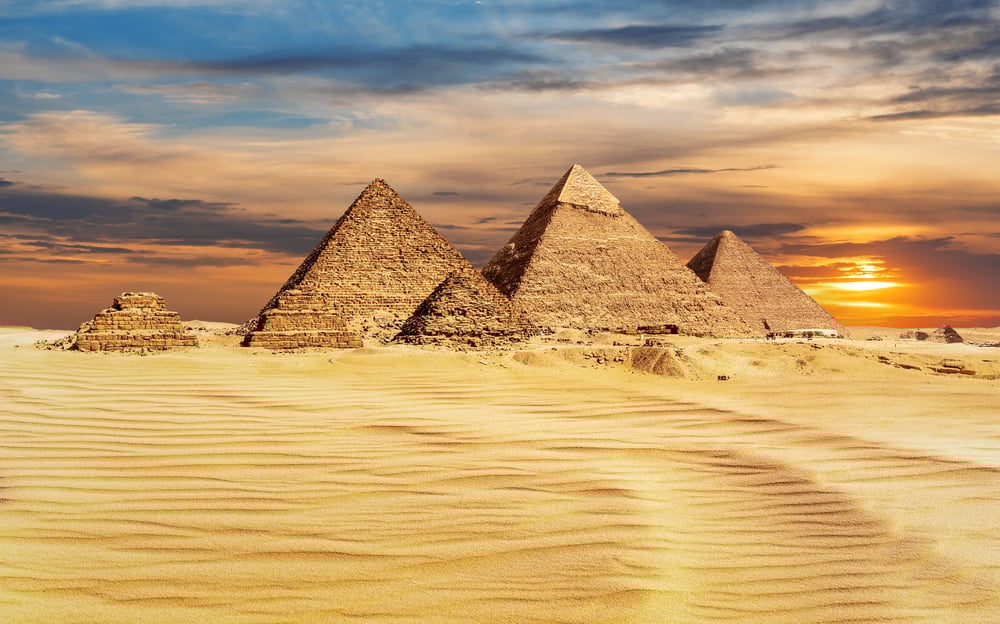
Many Egyptian structures have stood for thousands of years, raising questions about the materials and techniques used. Their durability suggests a deep understanding of construction principles.
Even today, some aspects of their methods are still being studied. The longevity of these structures continues to impress and puzzle researchers alike.
The Unfinished Obelisk
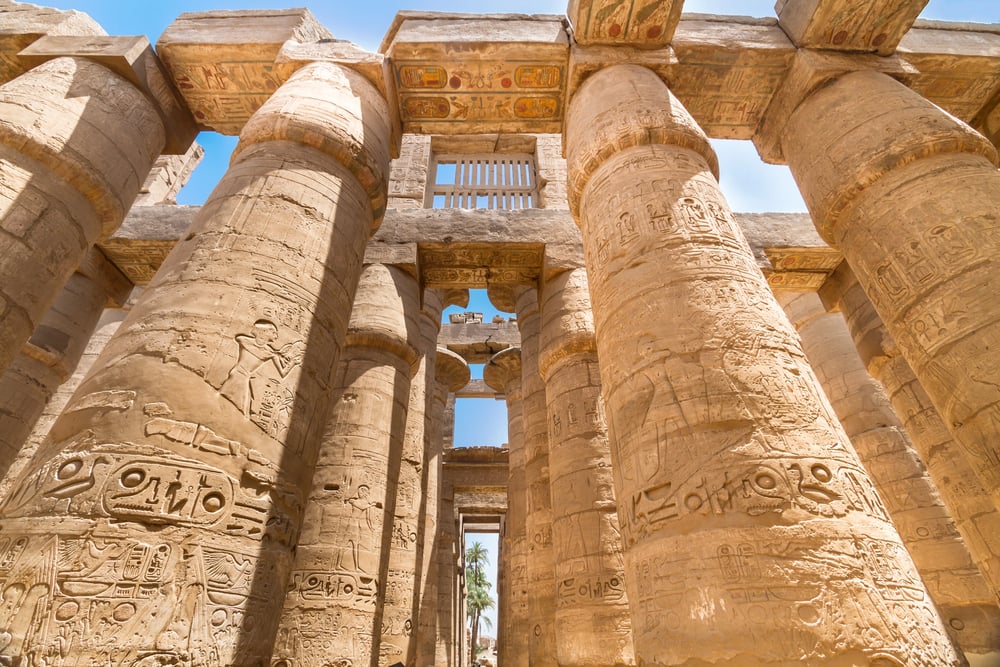
The unfinished obelisk in Aswan provides a rare glimpse into ancient construction methods. It was abandoned due to cracks in the stone, offering insight into both ambition and limitation.
At the same time, it raises questions about how often such projects were attempted and what other efforts may have gone unrecorded. It stands as both a clue and a mystery.
The Sea Peoples

The Sea Peoples are often mentioned in Egyptian records as a significant threat, yet their origins remain unclear. They appear suddenly in historical accounts and then fade away.
This lack of clear identity has led to numerous theories, but no definitive answers. Their story remains one of the more enigmatic chapters in ancient history.
The Lost Knowledge Of Ancient Egypt
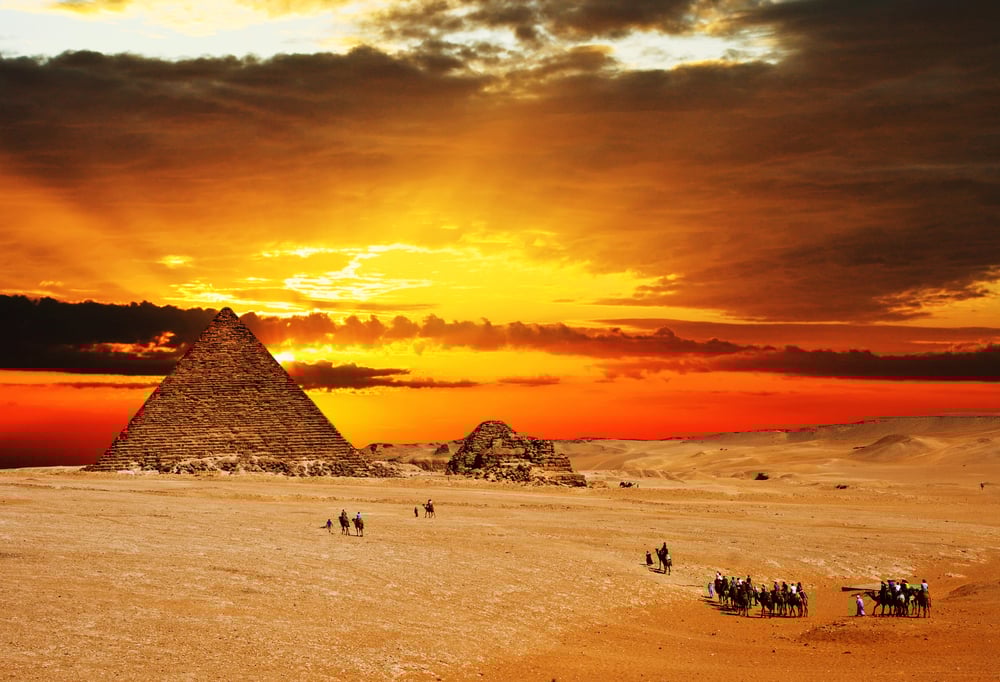
Much of what we know about Ancient Egypt comes from surviving texts and artifacts, but it is clear that not everything has been preserved. Entire aspects of their knowledge may have been lost over time.
This missing information creates gaps that modern researchers continue to try to fill. It also serves as a reminder that history is often incomplete.
Why The Mystery Endures

Mystery sticks around because answers often bring more questions. New discoveries dig up facts, still leave gaps wide open.
Tools get sharper, see deeper, and fail to clear the fog entirely. Fascination grows not from knowing, but from not quite grasping.
Clarity slips away even as lights shine brighter into old ruins. Still, it’s the space between knowing and not that makes Ancient Egypt matter now.
Because mysteries linger, people keep returning – new eyes on old truths, questioning what past minds took for granted.
More from Go2Tutors!

- The Romanov Crown Jewels and Their Tragic Fate
- 13 Historical Mysteries That Science Still Can’t Solve
- Famous Hoaxes That Fooled the World for Years
- 15 Child Stars with Tragic Adult Lives
- 16 Famous Jewelry Pieces in History
Like Go2Tutors’s content? Follow us on MSN.