Photos Of Memorable School Projects Every 80s–90s Kid Did
Prior to the use of laptops, tablets, and presentation programs, school projects usually entailed the use of construction paper, glue sticks, markers, and a messy table filled with craft supplies. For children growing up during the 1980s and 1990s, these assignments usually entailed hands-on creativity and imagination.
Sometimes, these assignments could take several nights to complete, particularly if the assignments entailed the use of paint or the need to assemble the work with care. Parents would sometimes end up assisting their children with these assignments, making them family activities.
Although these assignments were tedious, they were useful learning experiences for children. For some assignments, almost every classroom would use them, and many adults would immediately identify with these assignments, having created them during their school days.
Let’s take a closer look at some memorable school assignments that almost every child growing up during the 80s and 90s would remember making.
Baking Soda Volcano

The baking soda volcano might be the most famous school science project ever assigned. Students built a volcano shape using materials like papier-mâché, clay, or cardboard wrapped around a small container hidden in the center.
Once the structure dried, it was painted with brown and red colors to resemble a volcanic mountain. The final step involved mixing baking soda with vinegar to create a foaming chemical reaction.
The bubbling liquid flowed down the sides of the volcano, mimicking molten lava during an eruption. Class presentations often turned into lively demonstrations as students eagerly triggered their volcanoes.
Even though the science behind the experiment was simple, the dramatic visual effect made the project unforgettable. For many students, it was the first time a science assignment felt like a real demonstration rather than a worksheet.
Solar System Model

Creating a solar system model was another classic classroom assignment. Students used foam spheres or clay to represent the planets and painted each one according to textbook illustrations.
Strings, wires, or wooden sticks were often used to position the planets around a central sun. Painting the planets required patience, especially when adding details like Saturn’s rings or Jupiter’s swirling patterns.
Some models were designed to hang from the ceiling so the planets appeared to orbit in space. The finished project helped students understand the arrangement of planets in a visual and interactive way.
Instead of memorizing a list of names from a textbook, they could see how the solar system was organized and how each planet differed in size and appearance.
Shoe Box Diorama

The shoe box diorama appeared in countless classrooms and could represent almost any subject. Students transformed empty shoe boxes into miniature scenes that illustrated historical events, storybook moments, or natural environments.
Inside the box, colored paper often formed the background while small figures made from cardboard or clay represented people or animals. Some students added cotton clouds, tiny trees, or paper buildings to make the scene feel more realistic.
These dioramas allowed students to turn ideas into physical models. A scene from a novel or a historical settlement suddenly became a small three-dimensional world.
The finished projects lined classroom shelves, creating a display of many different interpretations of the same assignment.
Egg Drop Experiment
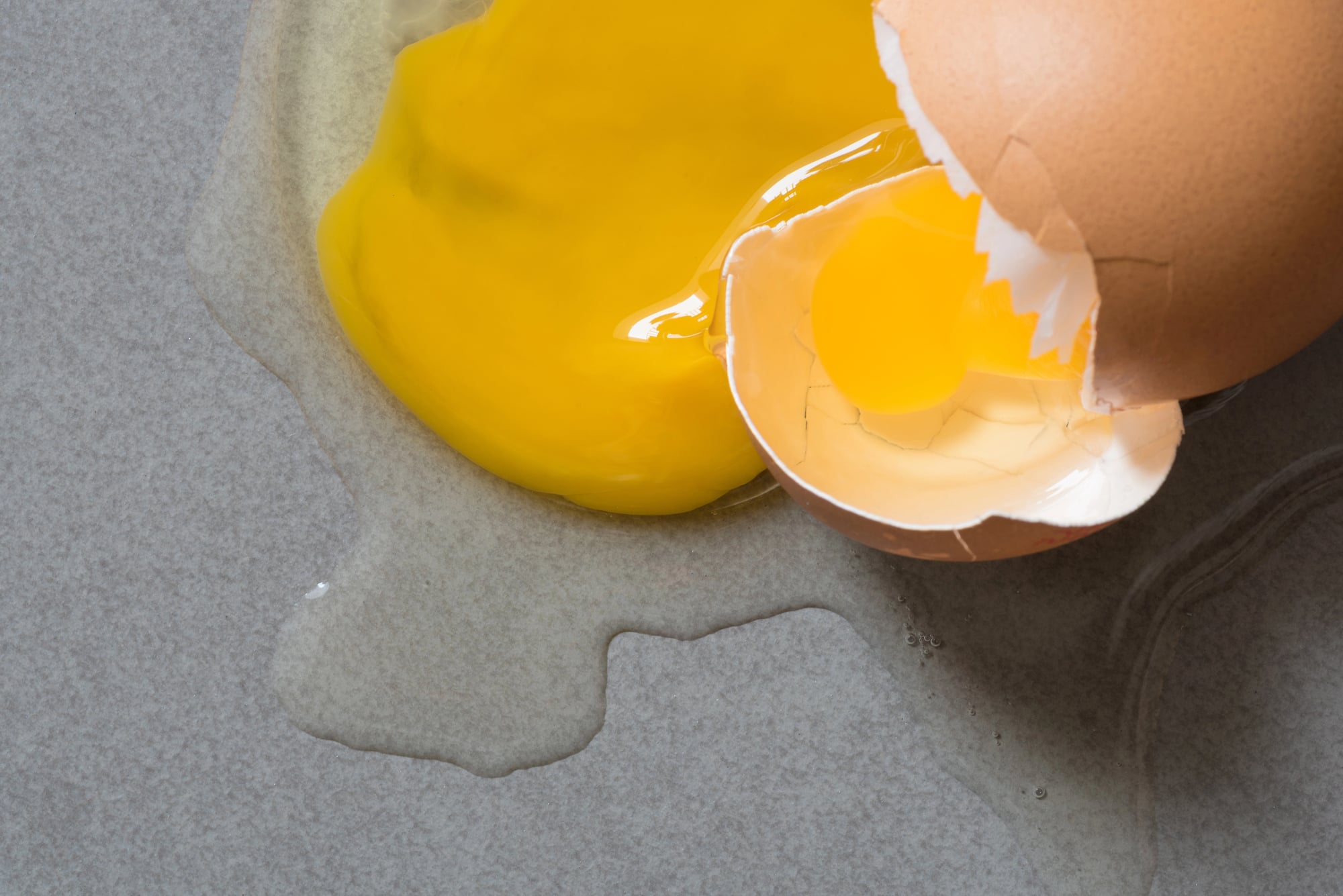
The egg drop experiment combined creativity with basic engineering ideas. Students were challenged to design a structure that could protect an egg during a fall from a specific height.
The egg needed to remain intact after hitting the ground. Materials varied widely, from cotton and cardboard to balloons, tape, and small parachutes.
Some students built protective boxes while others created suspension systems designed to soften the impact. Testing day often became the most exciting part of the assignment.
Students gathered outside or in a gymnasium to watch each design drop from above. Some eggs survived perfectly, while others cracked immediately.
Regardless of the outcome, the experiment encouraged creative thinking about structure, impact, and problem-solving.
Poster Board Book Reports

Book reports during this era often required more than writing a summary. Students created colorful poster boards filled with illustrations, character descriptions, and key events from the story they had read.
Markers, colored pencils, and decorative borders helped transform the poster into a visual presentation. Some students included drawings of important scenes, while others added timelines or maps related to the story’s setting.
When displayed around the classroom, the posters created a small gallery of different books. Walking past them allowed students to learn about stories their classmates had chosen, sometimes sparking interest in reading those books themselves.
Papier-Mâché Globes
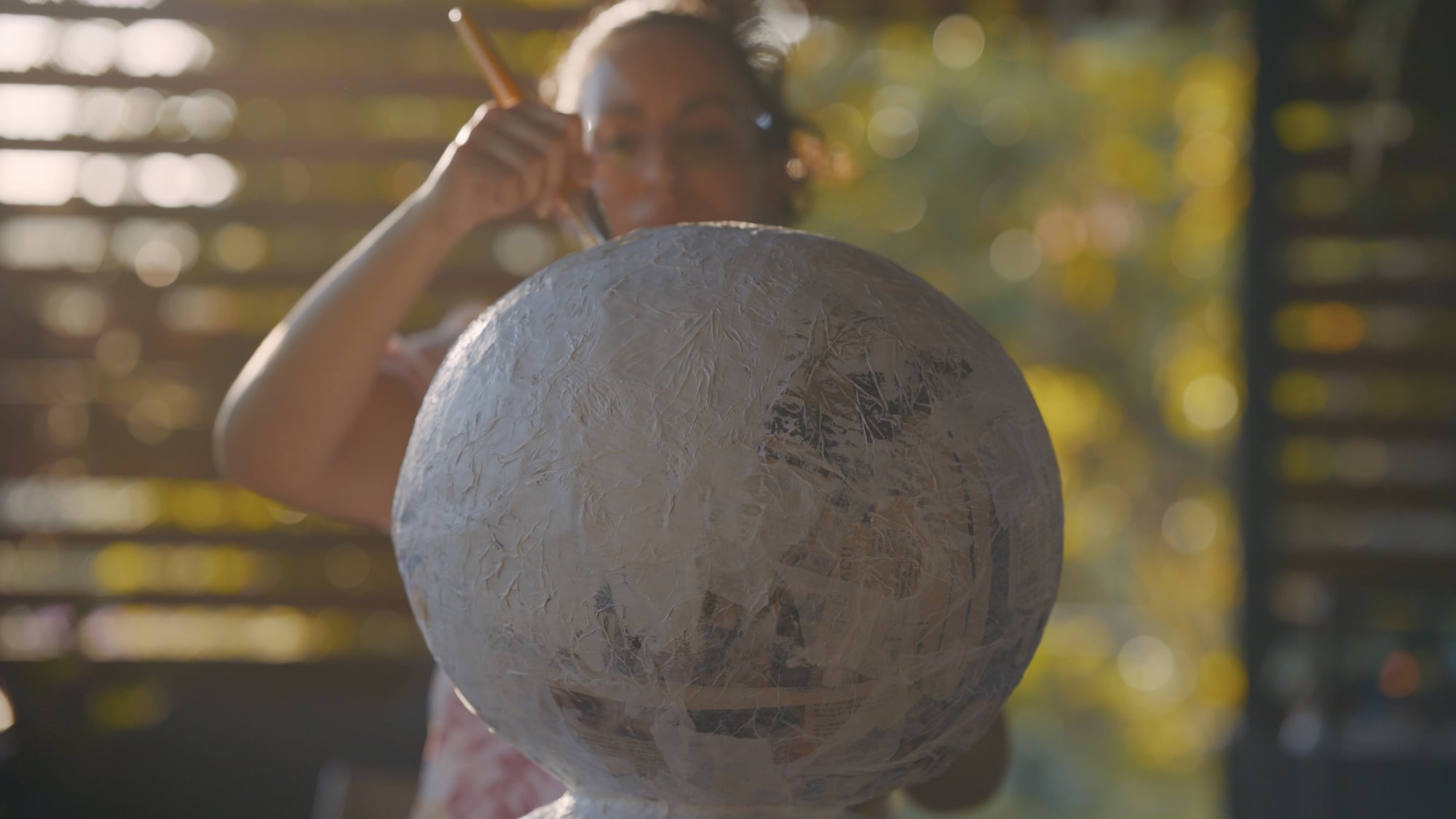
Papier-mâché globes introduced geography through a hands-on craft project. The process usually began by covering an inflated balloon with strips of newspaper dipped in paste or glue.
Several layers were added to create a sturdy surface. Once the globe dried, students painted blue oceans and carefully outlined the continents.
The assignment required both artistic effort and geographic awareness as students tried to position the landmasses correctly. Although the process could be messy, the final product was rewarding.
Students ended up holding a handmade model of the Earth, which made geography lessons feel more real and engaging.
Timeline Posters

Timeline projects helped students visualize how historical events unfolded over time. Using a long sheet of poster board, students arranged key events in chronological order.
Each point on the timeline included a short explanation and often a small drawing or image representing the event. Topics ranged from ancient civilizations to modern historical movements.
The visual layout helped students see connections between events that might otherwise seem unrelated. By building the timeline themselves, they could better understand how history developed step by step rather than as isolated facts.
Bridge Building Projects

Bridge-building assignments introduced basic engineering principles in a surprisingly fun way. Students constructed small bridges using materials such as popsicle sticks, toothpicks, or spaghetti.
Glue played a major role in holding the structure together, and careful design determined how much weight the bridge could support. After the bridges were finished, teachers often tested them by gradually adding weight.
The moment of testing created suspense throughout the classroom. Some bridges held impressive loads before finally collapsing, while others failed quickly.
The project demonstrated how design choices could affect strength and stability.
Plant Growth Experiments

Plant growth projects allowed students to observe biology in action. Seeds were planted in small containers, and students recorded changes as the plants began to sprout.
Some experiments compared how plants grew under different conditions, such as varying amounts of sunlight or water. Students kept notes in journals or charts documenting each stage of growth.
Watching a tiny seed develop into a plant helped students understand life cycles and environmental influences. The gradual process also taught patience as they waited for visible changes to appear.
State Or Country Display Boards

Geography projects often required students to create display boards about a specific state or country. Research included information about landmarks, climate, population, and cultural traditions.
Students decorated their boards with maps, drawings of important locations, and interesting facts. Some projects even included small cultural details such as traditional clothing illustrations or food descriptions.
Presenting these boards allowed students to learn about places far beyond their own communities. By sharing their research with classmates, they expanded their understanding of different regions and cultures.
The Creativity Behind Classroom Projects

It is interesting to note that school projects in the 1980s and 1990s promoted creative thinking in ways that many students nostalgically recall with fondness.
While working on such projects, students had to use trial and error methods, such as designing a bridge that would support weights or painting a solar system with exact details.
Overall, it is interesting to note that in retrospect, it seems that such assignments were part of an era in which education involved designing, painting, and presenting ideas through hands-on work.
Indeed, even today, such assignments evoke nostalgia and highlight the importance of such simple work.
More from Go2Tutors!

- The Romanov Crown Jewels and Their Tragic Fate
- 13 Historical Mysteries That Science Still Can’t Solve
- Famous Hoaxes That Fooled the World for Years
- 15 Child Stars with Tragic Adult Lives
- 16 Famous Jewelry Pieces in History
Like Go2Tutors’s content? Follow us on MSN.



