Surprising Facts About Competitive Eaters
When you think of athletic prowess, competitive eating probably doesn’t come to mind first. But the world of professional food consumption is far more complex and fascinating than most people realize.
These athletes—and yes, they are athletes—push their bodies to extraordinary limits in ways that would surprise anyone who’s only seen the spectacle on TV.
They Train Like Olympic Athletes

Competitive eaters don’t just show up and start scarfing down hot dogs. They follow rigorous training regimens that would impress any sports coach.
Many spend hours each day working on jaw strength, stomach capacity expansion, and swallowing techniques. Some practice with water to stretch their stomachs without the calories, while others use specific foods to build tolerance for different textures and temperatures.
The training isn’t just physical—it’s mental too. Eaters study the mechanics of each food type, develop strategies for different contests, and work on maintaining focus during the intense pressure of competition.
They track their progress with the same dedication as marathon runners logging miles.
Most Are Surprisingly Thin

Here’s something that catches everyone off guard: the majority of competitive eaters are actually quite slim. Joey Chestnut, the undisputed king of competitive eating, maintains a relatively normal weight despite consuming massive quantities of food during competitions.
Same goes for Takeru Kobayashi and many other champions.
The reason comes down to basic biology and discipline. These athletes compete only occasionally, and they fast before and after events.
Their bodies become efficient at processing large volumes quickly without storing much of it as fat. Between competitions, most maintain strict diets and exercise routines.
The Jaw Muscles Can Increase By 50%
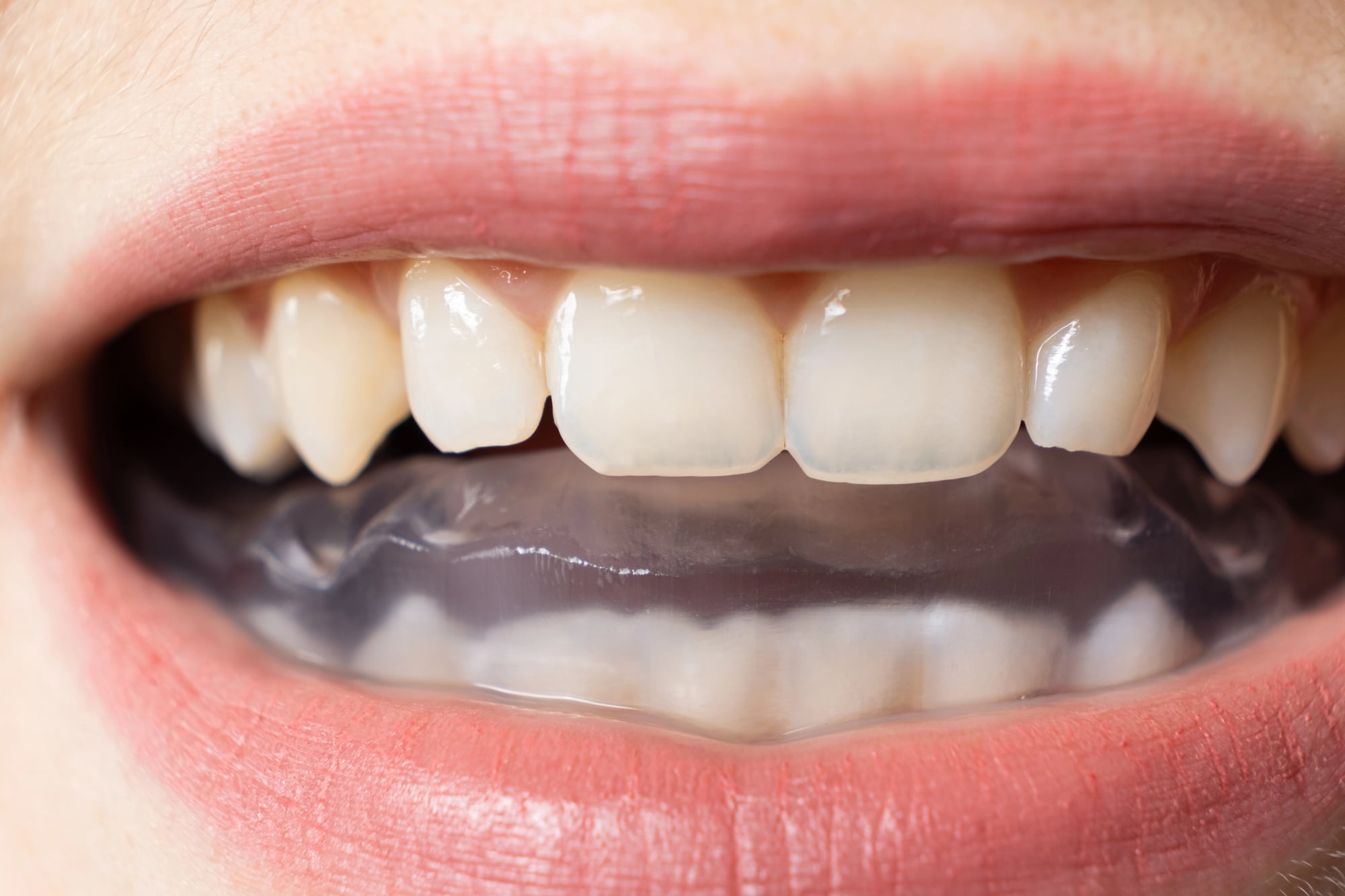
The human jaw wasn’t designed for what competitive eaters put it through, so it adapts in remarkable ways (much like how a pianist’s fingers develop independence and strength through years of practice, though the stakes here involve significantly more mustard). Professional eaters develop masseter muscles—the main chewing muscles—that can be up to 50% larger than average.
This isn’t just about chewing faster; it’s about maintaining rhythm and power throughout contests that can last 10 minutes or more.
But the adaptation goes deeper than muscle size. The temporomandibular joint, which connects the jaw to the skull, becomes more flexible.
Some eaters can unhinge their jaws slightly, creating more space in the mouth. And the coordination between chewing, swallowing, and breathing becomes almost choreographed—a dance that most people would find impossible to master.
Speed Matters More Than Stomach Size
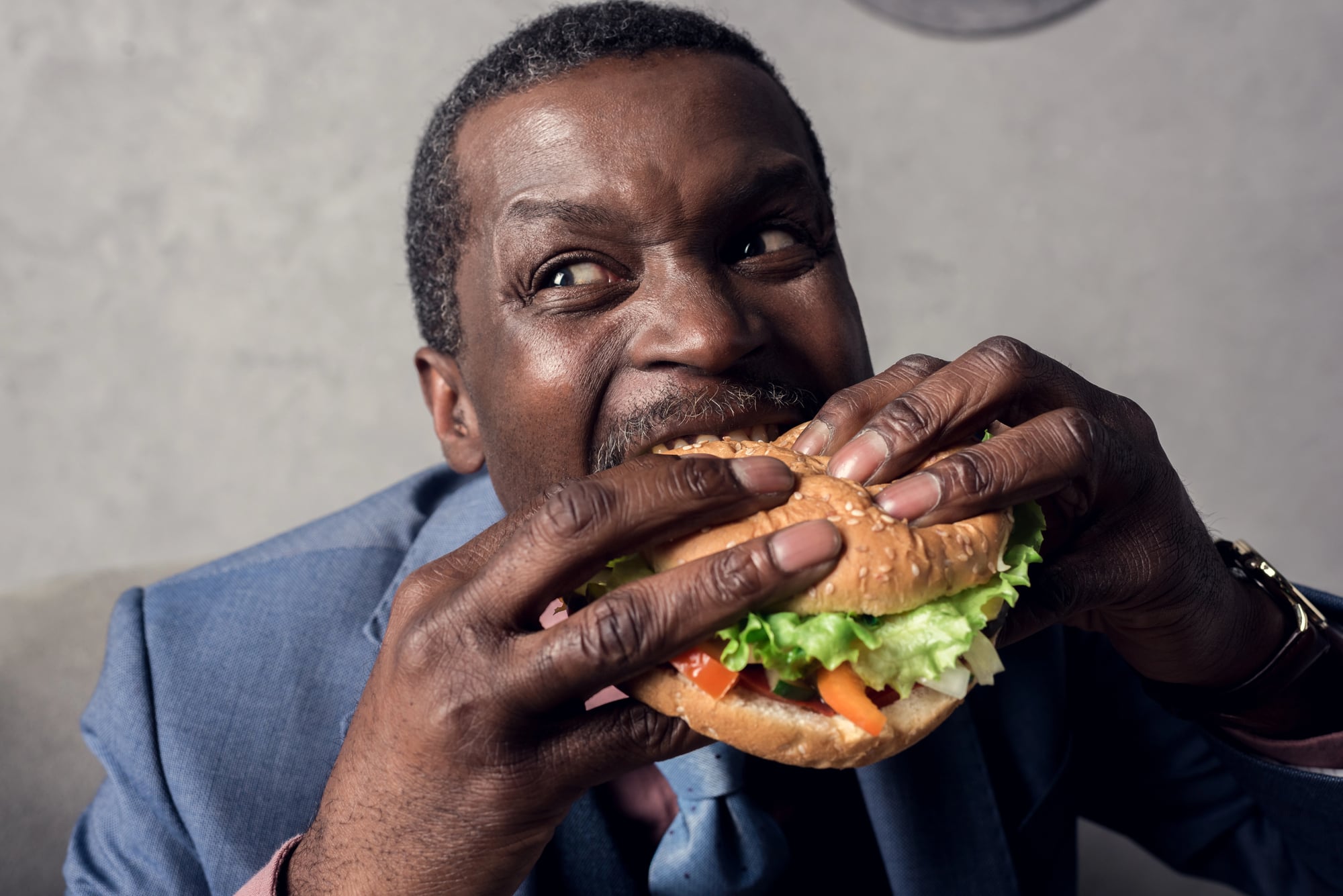
People assume competitive eating is about having the biggest stomach, but that’s missing the point entirely. The real skill lies in speed and efficiency.
Contests are timed, usually lasting between 8-15 minutes, which means the fastest eater wins, not necessarily the one who could theoretically hold the most food.
This changes everything about technique. The best eaters focus on minimizing chewing time, optimizing their swallowing rhythm, and eliminating any wasted motion.
They study the biomechanics of eating the same way sprinters study their stride. A competitive eater who can consume 30 hot dogs in 10 minutes will beat someone who could theoretically eat 40 but needs 15 minutes to do it.
Water Temperature Is Crucial
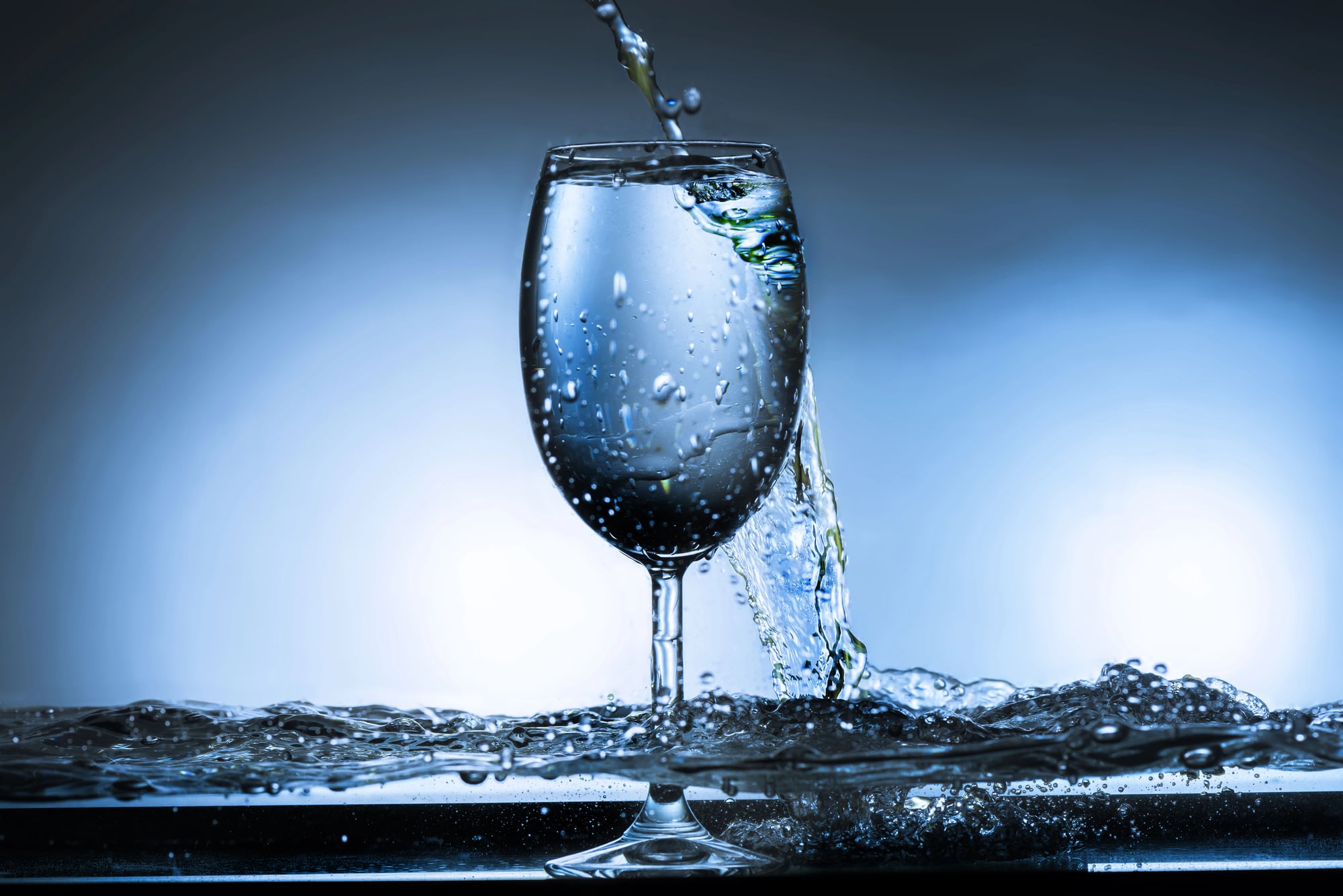
Professional eaters are obsessive about water temperature, and for good reason. Room temperature water moves through the digestive system most efficiently, while cold water can cause the stomach muscles to contract and slow down the process.
Hot water can be uncomfortable and create a feeling of fullness too quickly.
Many eaters have specific hydration strategies. Some pre-hydrate with exact amounts at precise temperatures.
Others use different water temperatures during the contest itself—lukewarm for washing down food, slightly cooler for recovery between bites. It sounds absurd until you realize that at the highest levels of competition, these tiny advantages can mean the difference between winning and losing.
The Sport Has Strict Drug Testing

Competitive eating is governed by Major League Eating, which maintains anti-doping policies that would be familiar to any professional sports organization (imagine explaining to someone that athletes get tested for performance-enhancing drugs before a pie-eating contest—the world has become a strange and wonderful place). Eaters are prohibited from using appetite stimulants, digestive aids, or anything that might provide an unfair advantage.
The testing isn’t just for show. Certain medications can affect stomach capacity, digestion speed, or pain tolerance in ways that would give competitors an edge.
Some banned substances can also mask the body’s natural warning signals about overconsumption, which creates serious safety risks. The sport takes its integrity seriously, even if outsiders sometimes don’t.
Techniques Vary Wildly By Food Type
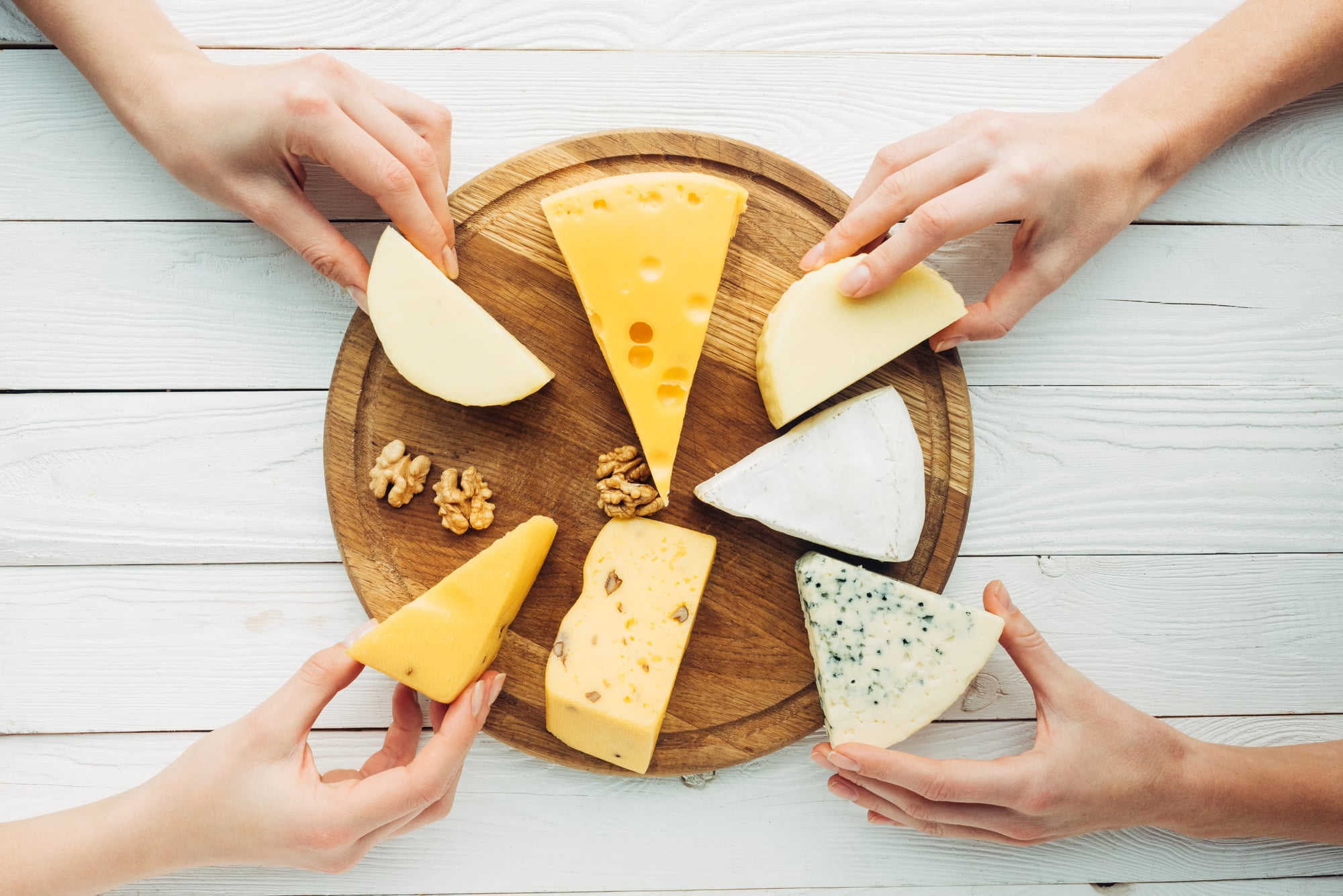
Each food requires a completely different approach. Hot dogs get split lengthwise and eaten separately from the buns, which are dunked in water.
Pizza requires folding techniques that maximize surface area contact with the mouth. Chicken wings demand a specific grip and bone-cleaning method that looks more like surgery than eating.
Professional eaters often specialize in certain food types because mastering each technique takes years. Some excel at solid foods that require more chewing, while others dominate liquid-based challenges.
The hand movements, mouth positioning, and breathing patterns change completely depending on what’s being consumed. Watch slow-motion footage of different contests and it becomes clear that each food type is essentially a different sport entirely.
Recovery Can Take Days

The aftermath of a major eating competition isn’t pretty. Professional eaters often experience severe digestive distress, dehydration, and fatigue that can last 48-72 hours.
Some describe it as worse than a hangover, with nausea, cramping, and an inability to eat normal amounts of food for several days.
The recovery process is as planned as the competition itself. Many eaters have specific protocols involving electrolyte replacement, gentle foods, and gradual return to normal eating patterns.
Some work with doctors to monitor their recovery, especially after particularly intense contests. The human body isn’t designed to process 70 hot dogs in 10 minutes, and it lets you know.
Mental Conditioning Is Half The Battle

Competitive eating pushes past every natural instinct your body has about food consumption. The feeling of being uncomfortably full hits within the first few minutes, and eaters have to mentally override their body’s signals to stop.
This requires the kind of mental conditioning that endurance athletes develop—the ability to function effectively while experiencing significant discomfort.
Many eaters use meditation, visualization techniques, and psychological training to prepare for competitions. They practice eating past the point of comfort in controlled settings, building mental resilience alongside physical capacity.
The mind-body connection in competitive eating is profound; eaters who lose focus or let discomfort break their concentration rarely win, regardless of their physical preparation.
Safety Protocols Are Extensive

Major League Eating events have medical personnel on standby and strict safety protocols that most spectators never see. Contestants must pass health screenings before competing, and there are immediate disqualification rules for anyone showing signs of distress beyond normal competition discomfort.
The protocols exist for good reason. Competitive eating puts enormous stress on the cardiovascular system, can cause dangerous electrolyte imbalances, and carries risks of choking or aspiration.
Professional contests have emergency procedures for various medical scenarios, and referees are trained to recognize when a competitor needs to stop immediately. The carnival atmosphere can make it seem lighthearted, but the medical risks are taken very seriously.
Prize Money Is Surprisingly Substantial
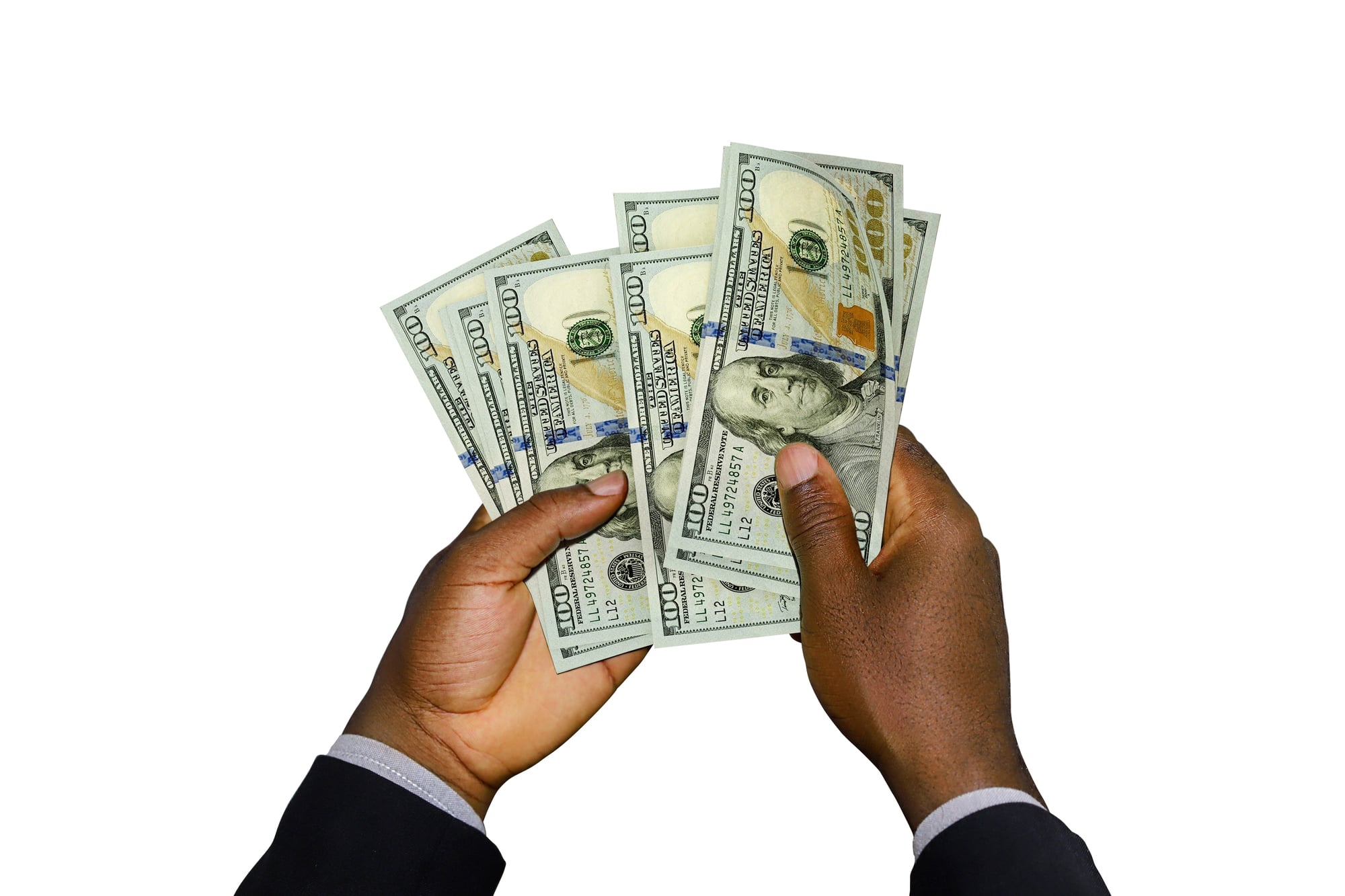
Top competitive eaters can earn six-figure incomes from prize money, sponsorships, and appearance fees. Joey Chestnut reportedly earns over $200,000 annually from competitive eating, with the Nathan’s Famous Fourth of July International Hot Dog Eating Contest alone offering a $10,000 first prize.
The earning potential extends beyond just contest winnings. Successful eaters get sponsorship deals with food companies, appear in commercials, and command speaking fees for corporate events.
Some leverage their fame into other business ventures or media opportunities. For the elite competitors, competitive eating can be a legitimate full-time career, complete with managers, agents, and endorsement deals.
Training Injuries Are Common

Professional eaters deal with repetitive stress injuries that sound almost comical until you consider the pain involved. Temporomandibular joint disorder (TMJ) is endemic in the sport, causing chronic jaw pain and difficulty with normal eating.
Some develop dental problems from the constant pressure and grinding.
Digestive injuries are more serious. Stomach stretching can sometimes go too far, leading to gastroparesis—a condition where the stomach loses its ability to empty properly.
Some eaters develop chronic acid reflux or ulcers from the repeated stress on their digestive systems. Like any sport that pushes the human body to extremes, competitive eating extracts a physical toll that can last long after the career ends.
The Community Is Surprisingly Supportive

Despite the competitive nature of the sport, the community of professional eaters is remarkably close-knit and supportive. Veterans mentor newcomers, sharing techniques and safety advice.
Competitors genuinely celebrate each other’s successes and offer support during difficult recoveries or injuries.
This camaraderie makes sense when you consider how few people understand what competitive eaters go through. The physical and mental challenges create a bond similar to what you might find among extreme sports athletes or military personnel.
They’re the only ones who truly understand the dedication required and the toll it takes, which creates a natural solidarity that transcends individual rivalries.
Beyond The Spectacle
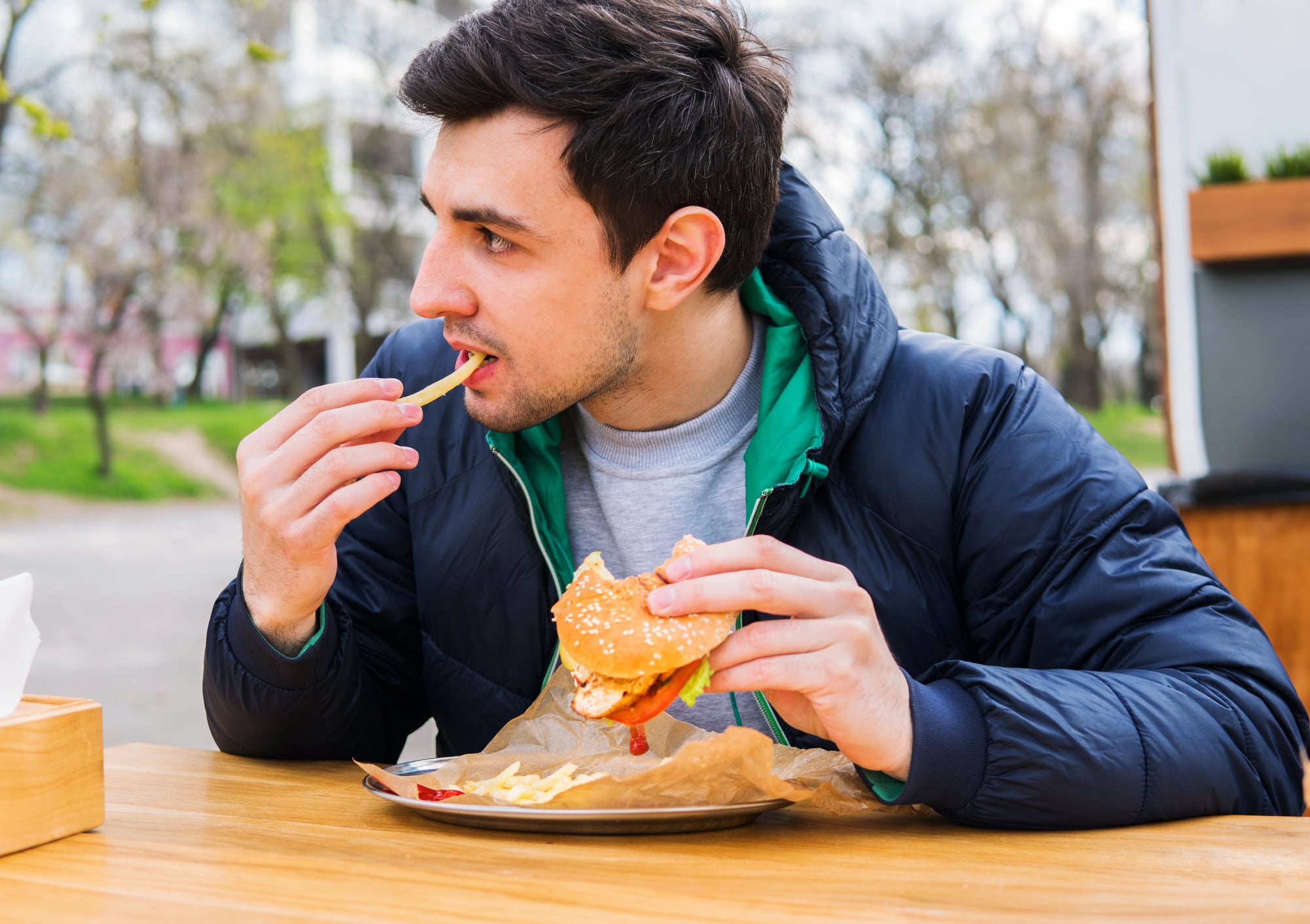
Competitive eating occupies a strange space in American culture—part sport, part entertainment, part curiosity. But underneath the spectacle lies something genuinely impressive: human beings pushing their bodies and minds to accomplish something that seems impossible.
Whether that’s worth celebrating is up to individual perspective, but the dedication, skill, and sheer determination involved deserve recognition beyond just the shock value.
These athletes have turned eating into an art form with its own techniques, strategies, and culture. They’ve created a sport where mental toughness matters as much as physical capacity, where split-second timing can determine victory, and where the difference between winning and losing often comes down to preparation invisible to spectators.
That’s more impressive than most people realize.
More from Go2Tutors!

- The Romanov Crown Jewels and Their Tragic Fate
- 13 Historical Mysteries That Science Still Can’t Solve
- Famous Hoaxes That Fooled the World for Years
- 15 Child Stars with Tragic Adult Lives
- 16 Famous Jewelry Pieces in History
Like Go2Tutors’s content? Follow us on MSN.