Toothpaste Flavors That Exist Only in Asia
Walking through a pharmacy in Tokyo or Seoul feels different from browsing the oral care aisle back home. The toothpaste section stretches longer than you expect, packed with tubes covered in characters you might not read and flavor descriptions that sound more like dessert menu items than dental hygiene products.
Asian markets have taken toothpaste in directions that would surprise most Western consumers, and these regional flavors tell you something about local tastes and cultural preferences.
Green Tea
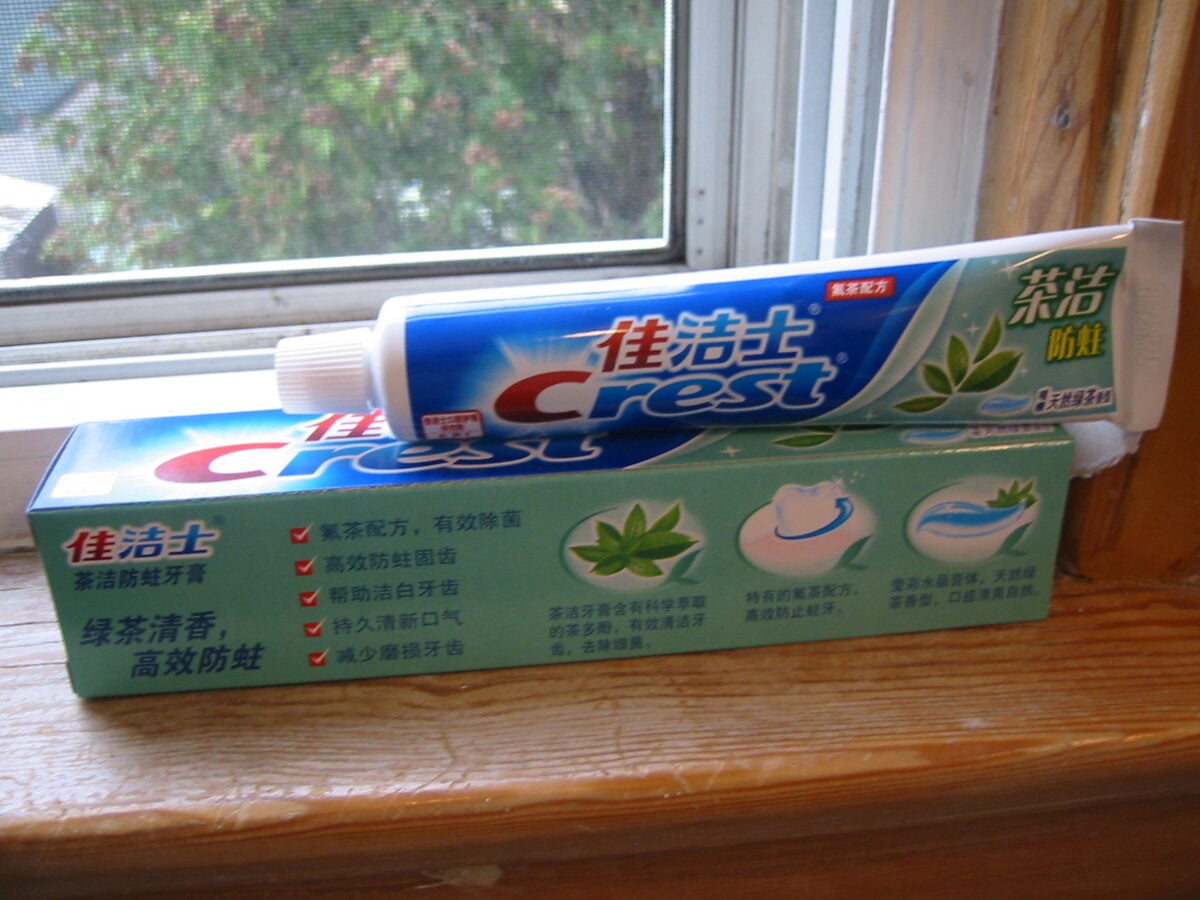
Green tea toothpaste dominates Asian shelves the way mint dominates everywhere else. The flavor comes from matcha powder or green tea extract, giving your mouth a mild, slightly earthy taste that feels refreshing without the sharp bite of peppermint.
Japanese and Korean brands especially push this flavor, marketing it not just as a taste preference but as part of a wellness routine. The antioxidants in green tea supposedly benefit your gums, though the real appeal is the flavor itself—subtle enough for morning use, distinct enough to feel like you’ve cleaned your teeth.
Wasabi
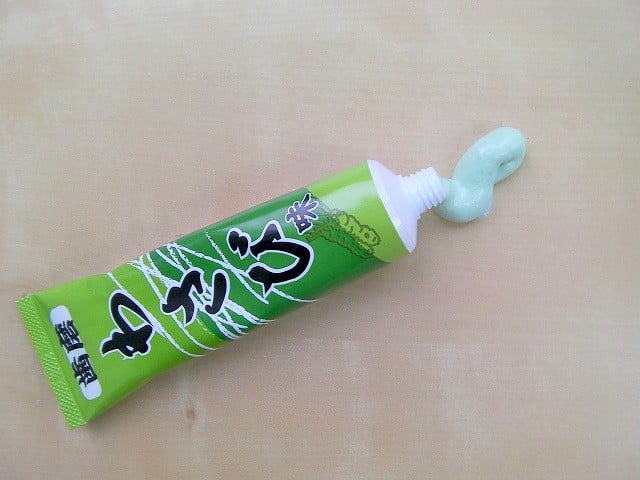
Yes, the same green paste that clears your sinuses at sushi restaurants now comes in toothpaste form. Japanese brands created wasabi toothpaste with the logic that if wasabi kills bacteria on raw fish, it can do the same in your mouth.
The flavor hits harder than you expect from toothpaste, bringing a sharp, pungent kick that wakes you up faster than coffee. You won’t find this in every store, but specialty shops and travel sections stock it as both a functional product and a novelty item that tourists pick up as proof they tried something bold.
Charcoal
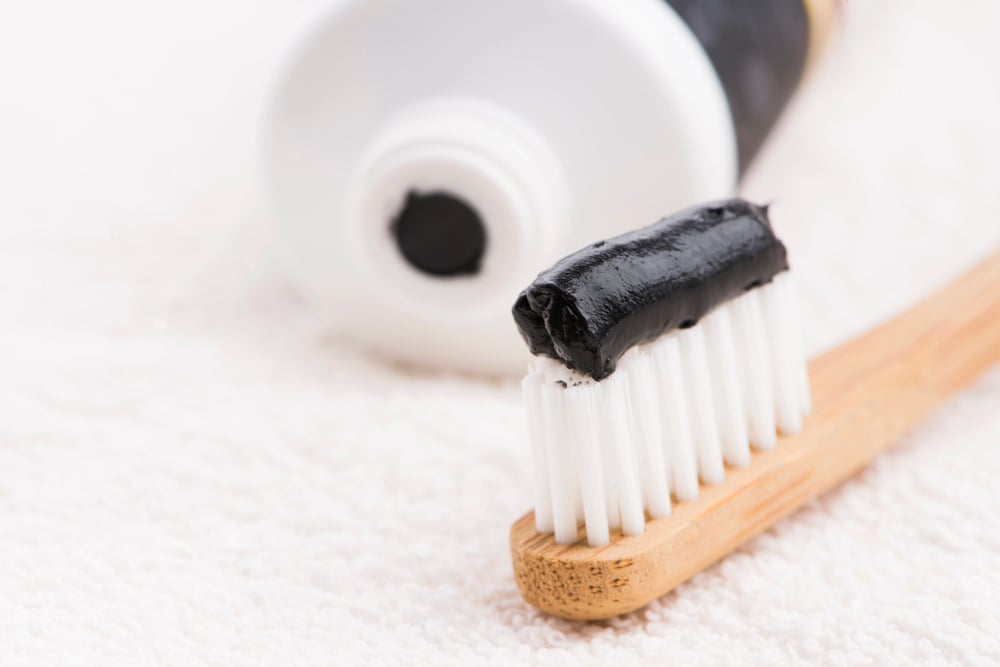
Charcoal toothpaste swept through Asia before making its way West, and the Asian versions often taste different. Instead of just adding charcoal to mint, brands mix it with flavors like bamboo salt or herbal extracts.
The paste turns your mouth black while you brush, which takes some getting used to, but the taste runs mild and slightly salty. Korean brands especially pair charcoal with sea salt, creating a mineral taste that devotees swear makes their teeth feel cleaner.
Salt
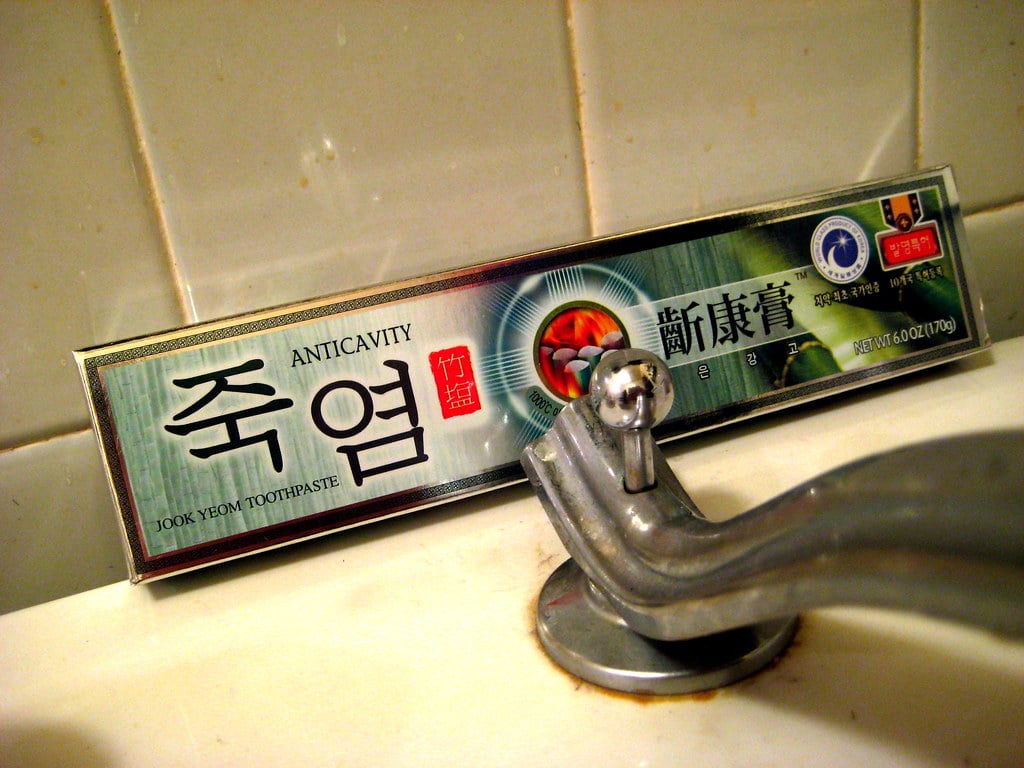
Speaking of salt, plain salt-flavored toothpaste sits on shelves throughout Asia as a traditional option. The paste contains sea salt or mineral salt, and brushing with it feels like rinsing with very clean saltwater.
Japanese and Korean consumers who grew up using salt toothpaste often stick with it, claiming it strengthens gums better than sweet flavors. The taste takes adjustment if you’re used to mint, but the salty, clean finish grows on you.
Peach and Other Stone Fruits
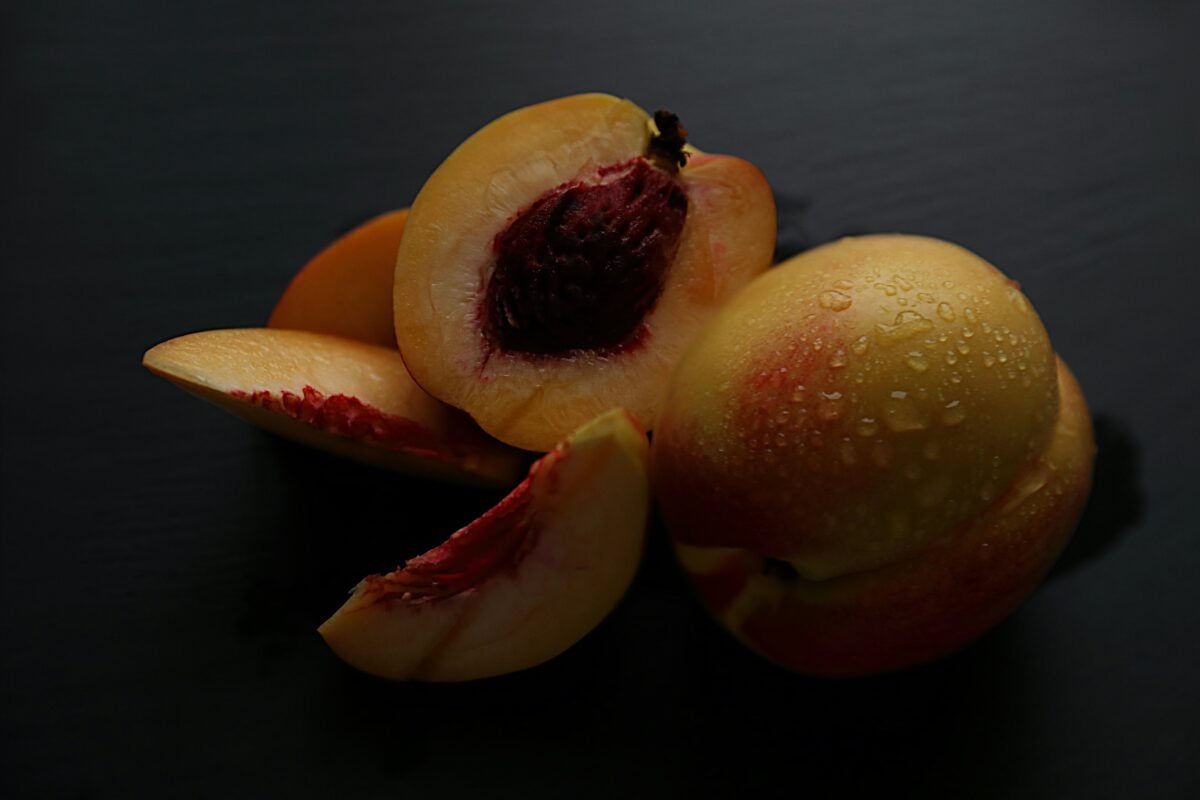
Fruit-flavored toothpaste exists in children’s sections worldwide, but Asia offers fruit flavors marketed to adults. Peach toothpaste sells particularly well in Japan and China, offering a sweet, floral taste that makes brushing feel less like a chore.
The flavor doesn’t taste artificial or candy-like. It captures the essence of biting into a ripe peach without the overwhelming sweetness you’d expect.
Some brands also make plum and lychee versions, expanding the stone fruit lineup.
Yuzu
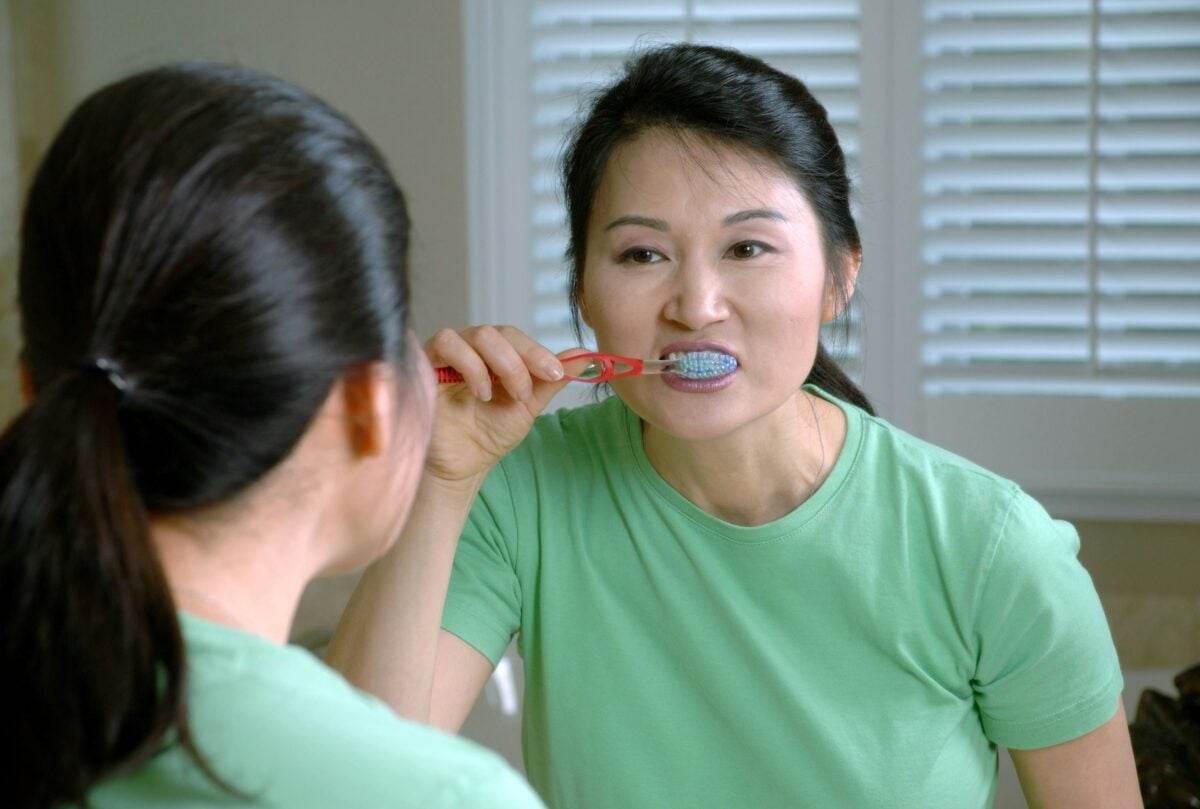
This Japanese citrus fruit creates a toothpaste flavor that sits somewhere between lemon and grapefruit but softer than both. Yuzu paste gives you a bright, tangy freshness without the sourness that makes you wince.
The flavor profile matches the fruit’s reputation in Japanese cuisine as something that adds complexity rather than just tartness. Brushing with yuzu toothpaste leaves your mouth feeling clean and awakened, with a lingering citrus note that doesn’t clash with breakfast.
Coffee
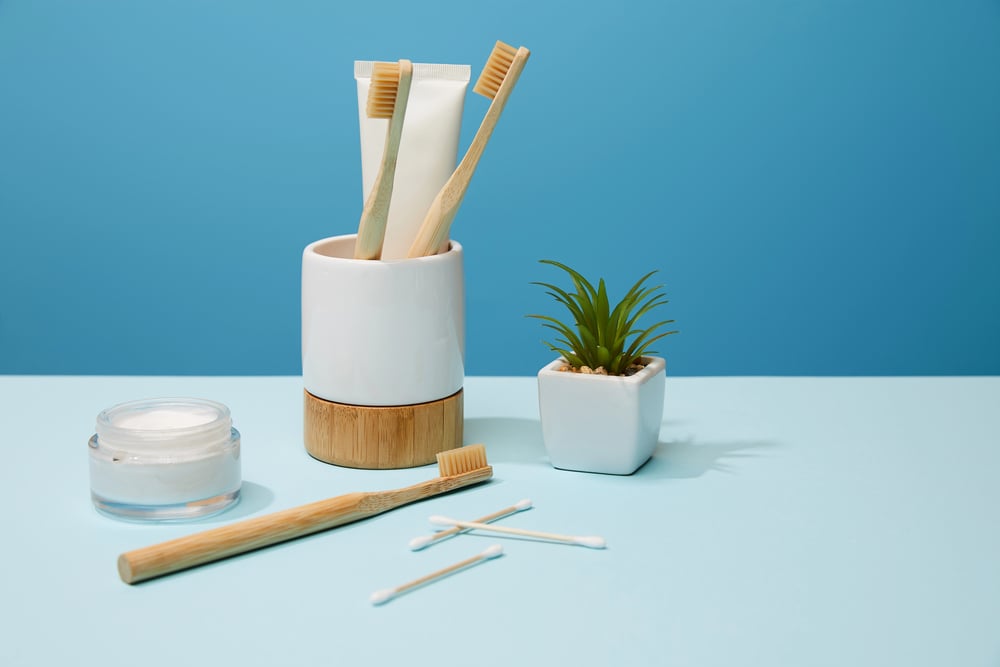
Coffee toothpaste sounds counterintuitive since coffee stains teeth, but Korean and Japanese brands market it to coffee lovers who want that morning coffee taste without drinking another cup. The paste tastes like a mild coffee with a hint of sweetness, and supposedly the coffee compounds help freshen breath and reduce bacteria.
Whether it actually cleans better remains debatable, but the flavor serves people who brush their teeth right after their morning coffee and want to preserve that taste.
Bamboo Salt
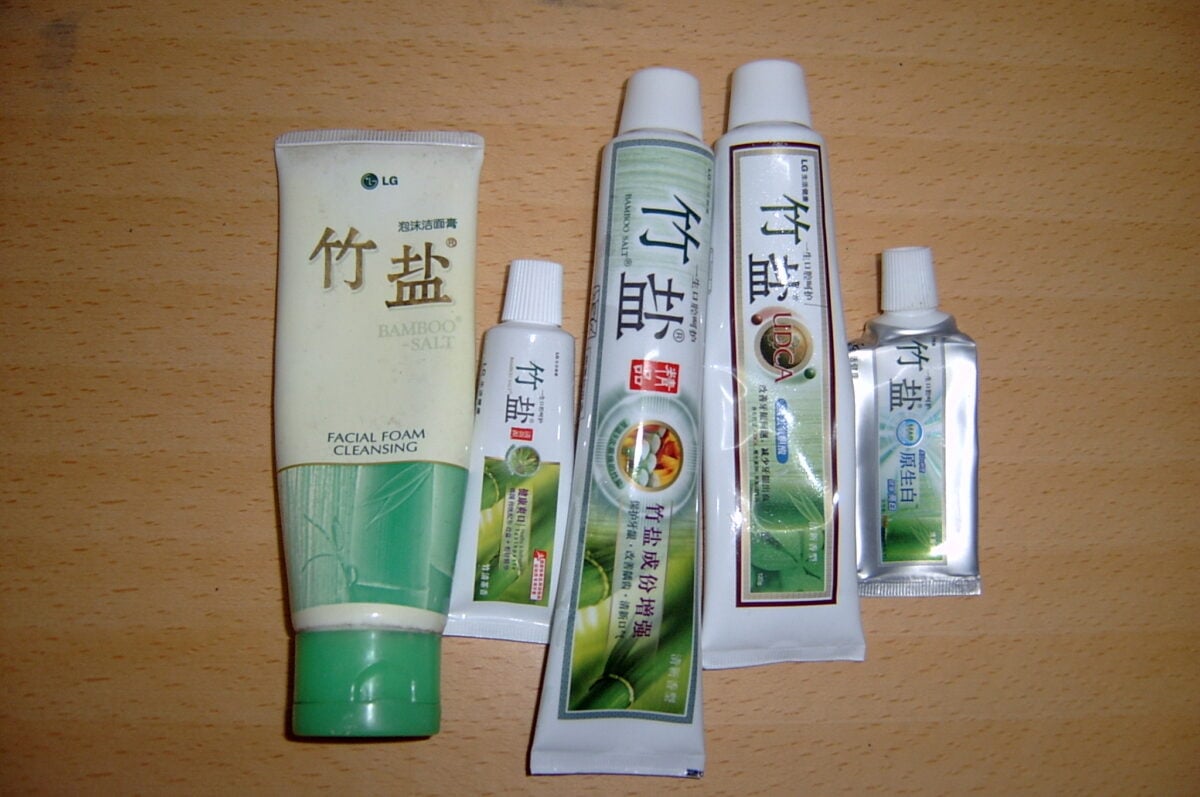
Bamboo salt involves roasting sea salt inside bamboo stalks multiple times, creating a mineral-rich product that Korean traditional medicine values. Toothpaste made with bamboo salt tastes intensely salty with slight smoky notes.
The paste often comes in a brownish color that looks unusual compared to white toothpaste, and the flavor hits strong from the first brush. Korean brands position this as a premium, health-focused option, and loyal users claim it keeps their gums healthier than any mint alternative.
Chrysanthemum
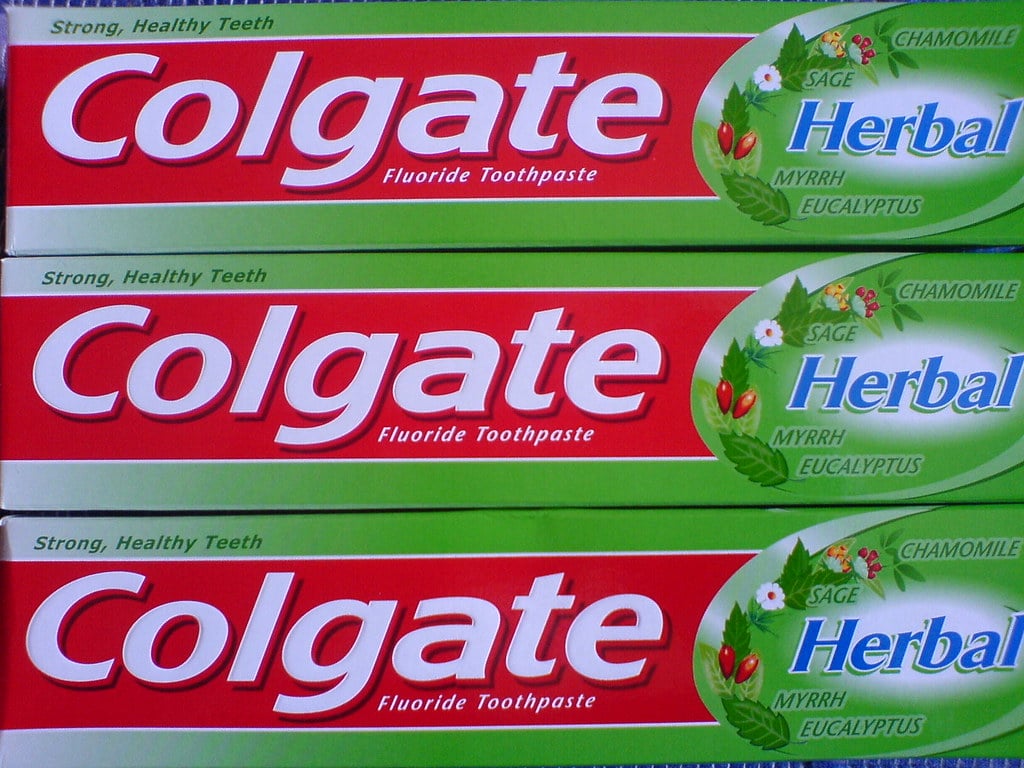
Flower-flavored toothpaste might sound odd until you remember that chrysanthemum tea is popular across Asia. The toothpaste carries the same delicate floral taste as the tea, slightly sweet with herbal undertones.
Chinese brands particularly favor this flavor, marketing it as cooling and calming. The taste doesn’t overwhelm your senses the way mint does, making it popular with people who find traditional toothpaste too aggressive.
Strawberry and Melon
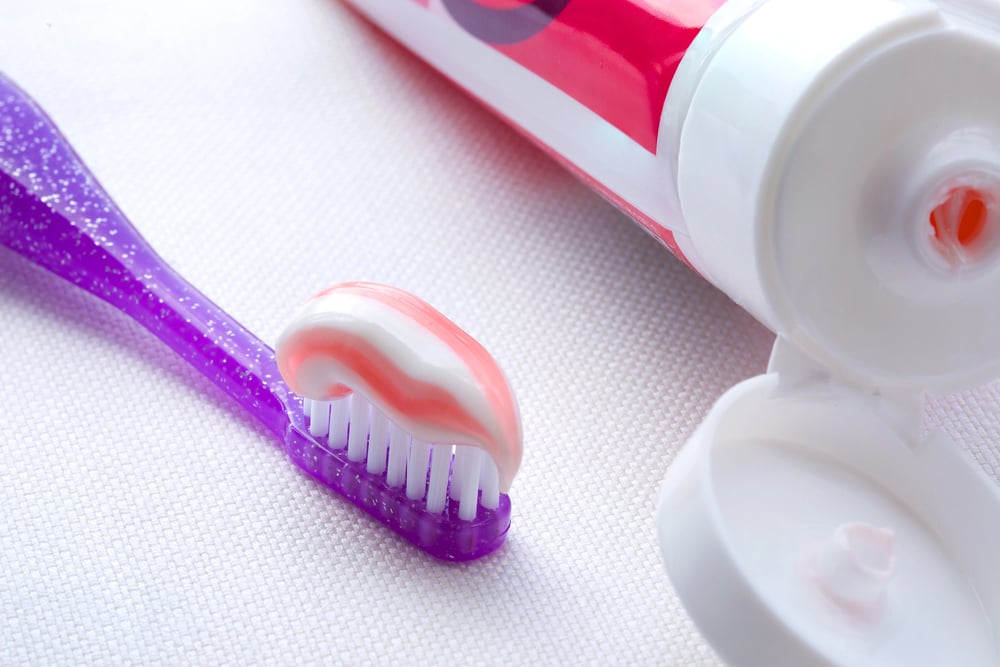
These fruit flavors show up in adult toothpaste lines throughout Asia, not just children’s versions. Korean brands especially make strawberry toothpaste that tastes like fresh strawberries rather than strawberry candy, and Japanese melon paste captures the subtle sweetness of honeydew or cantaloupe.
The flavors work because they’re understated. You taste the fruit, but the paste still feels like toothpaste rather than dessert.
Ginseng
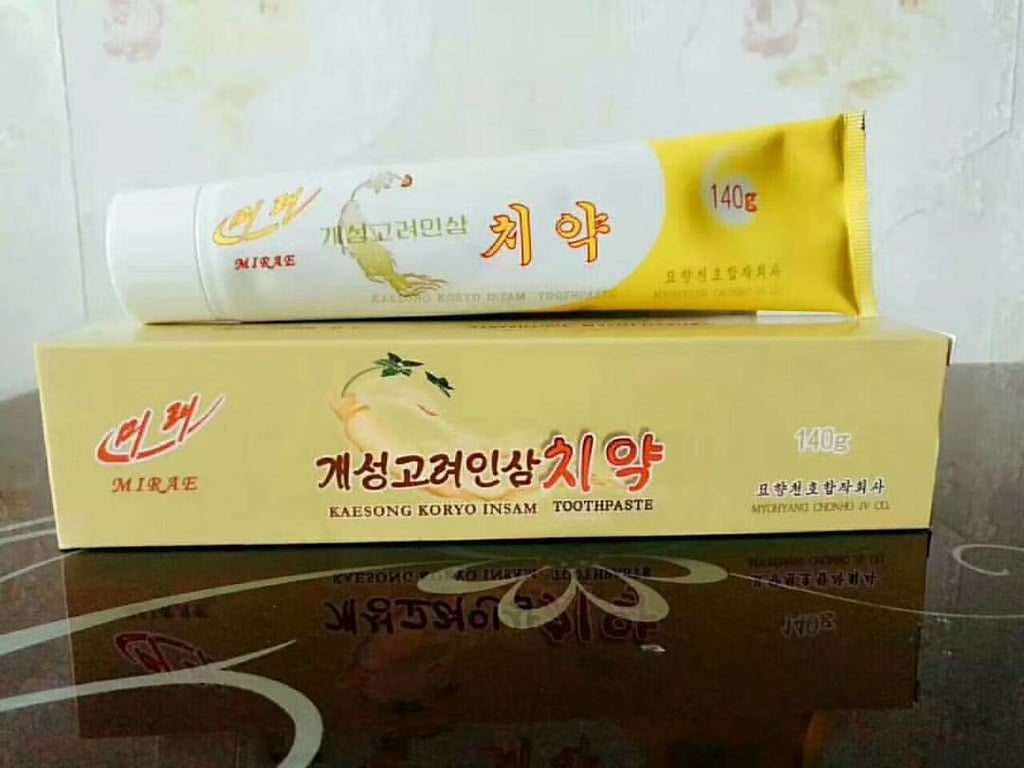
Ginseng toothpaste brings Korean herbal medicine to your bathroom routine. The root creates a distinctive earthy, slightly bitter taste that takes getting used to, but fans of ginseng tea recognize and appreciate the flavor immediately.
Korean brands emphasize the traditional medicinal properties of ginseng, suggesting it strengthens gums and promotes oral health. The paste usually comes in a brownish or beige color, and the taste lingers longer than mint.
Herbal Blends
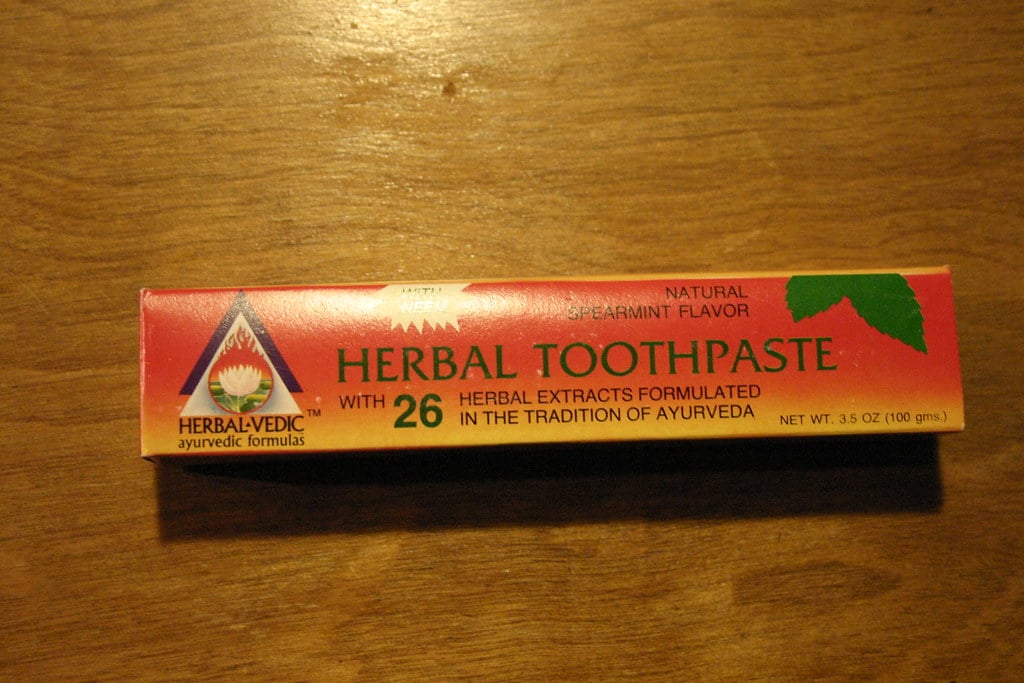
Many Asian brands create complex herbal toothpastes that mix multiple ingredients like cloves, cardamom, cinnamon, and various medicinal herbs. These pastes taste nothing like Western mint.
They bring warm, spicy flavors that feel more like brushing with chai than toothpaste. Thai and Chinese brands particularly favor these complex blends, each company guarding its specific formula as a trade secret passed through generations.
Seaweed
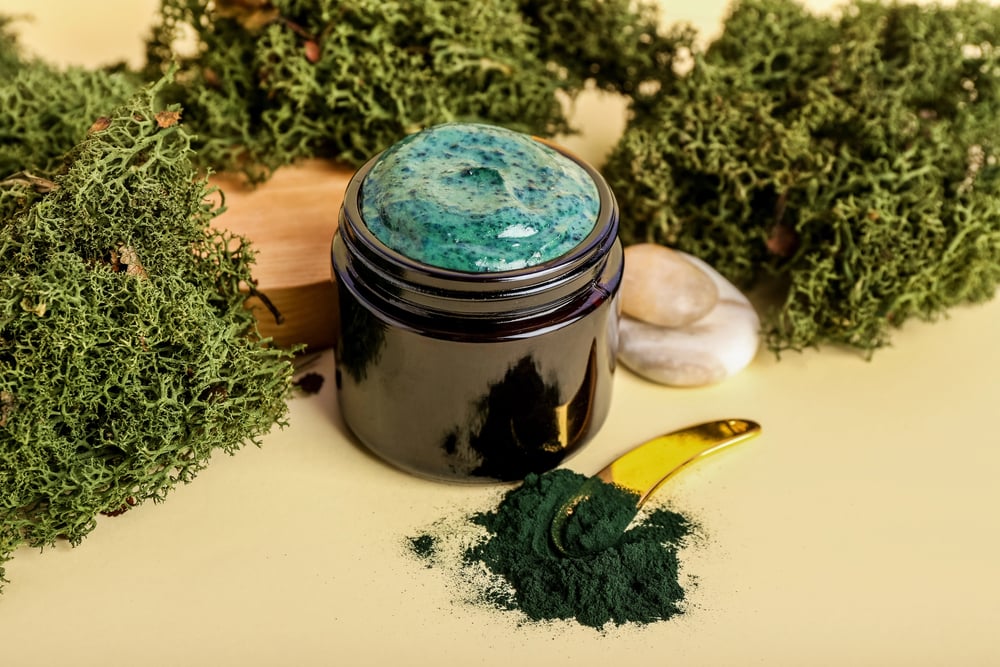
Japanese brands make toothpaste with seaweed extract, giving it a mild oceanic taste that’s less intense than you fear. The flavor reminds you of being near the ocean without tasting overwhelmingly fishy.
Seaweed paste usually pairs with salt or mild mint, creating a clean, mineral taste that fans describe as pure and natural. The marketing emphasizes seaweed’s mineral content and supposed benefits for dental health.
Purple Sweet Potato
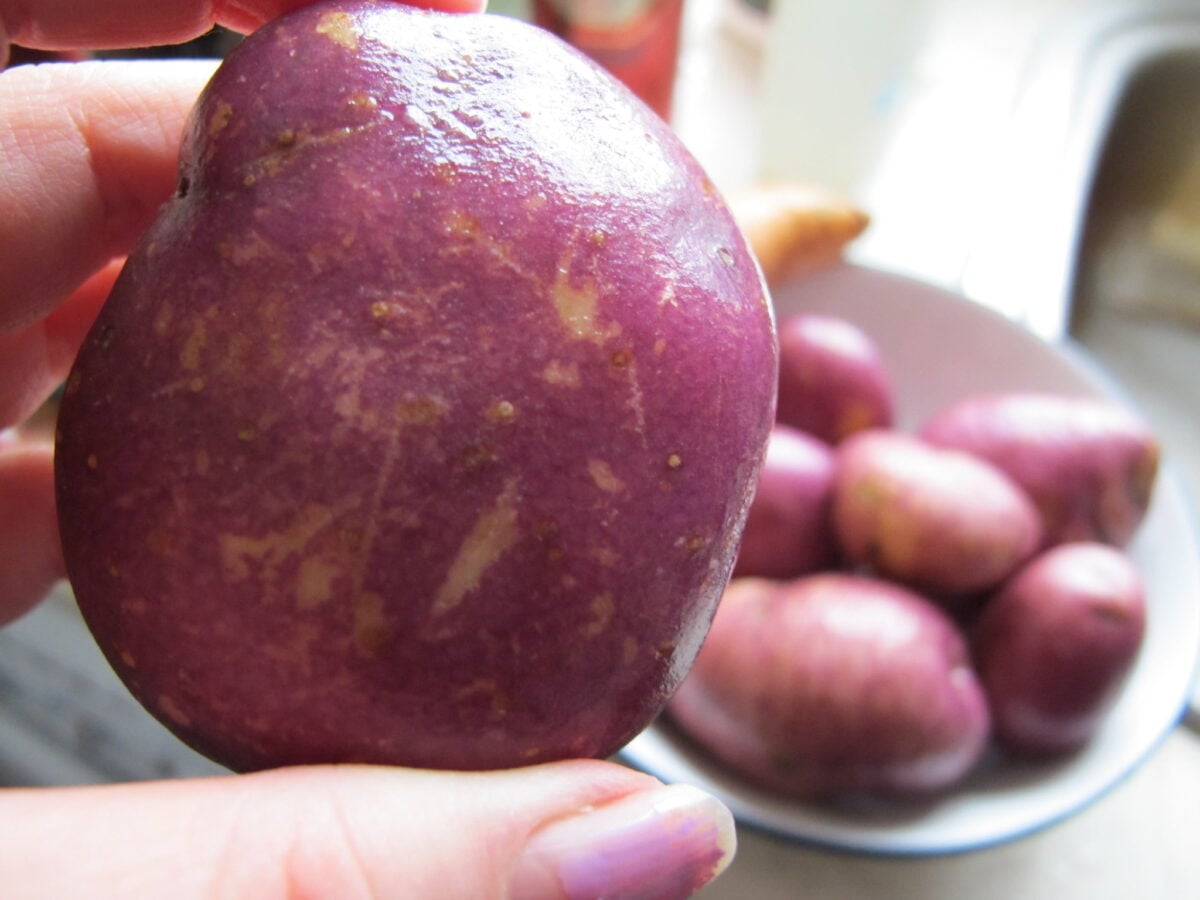
This uniquely Asian flavor comes from Japanese purple sweet potato, a staple food that’s sweeter and more complex than regular potatoes. The toothpaste tastes mildly sweet with earthy undertones, and the paste often comes in a light purple shade.
It’s marketed more as a novelty in some places, but in areas where purple sweet potato is a dietary staple, it’s just another regional flavor that makes sense to local consumers.
Persimmon
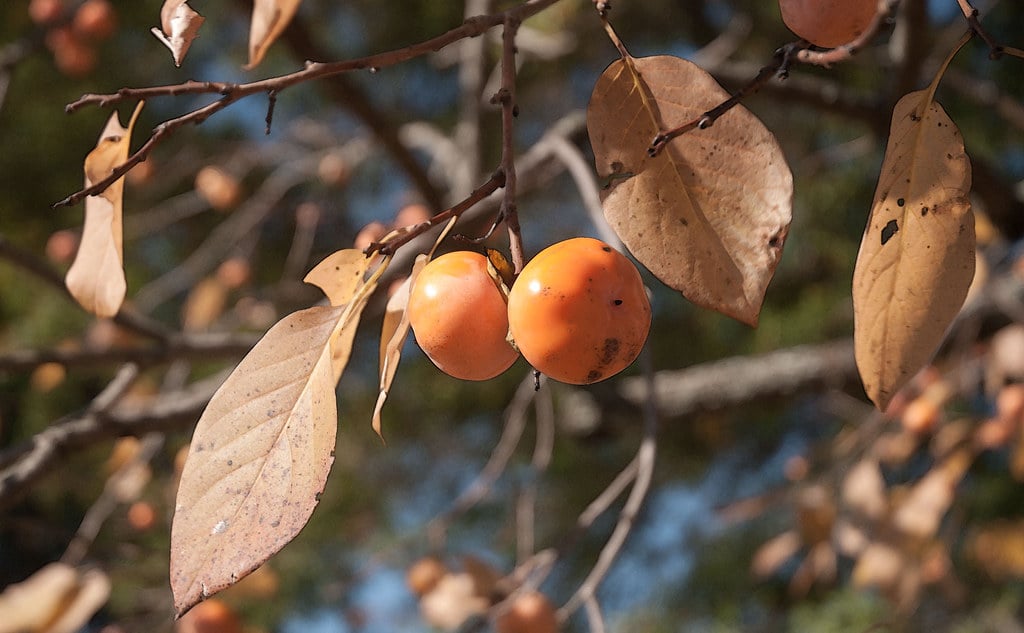
That honey-like taste? It comes from fully grown persimmons, big in Japan and Korea when the weather turns cold.
Not too sugary – just soft on the tongue, yet leaves a light pull at the cheeks. Some say that mild grip is why rinsing feels more thorough.
While many see it as a limited-time thing, certain shops stock it even past autumn. A few fans won’t switch, no matter the season.
Finding Your Flavor
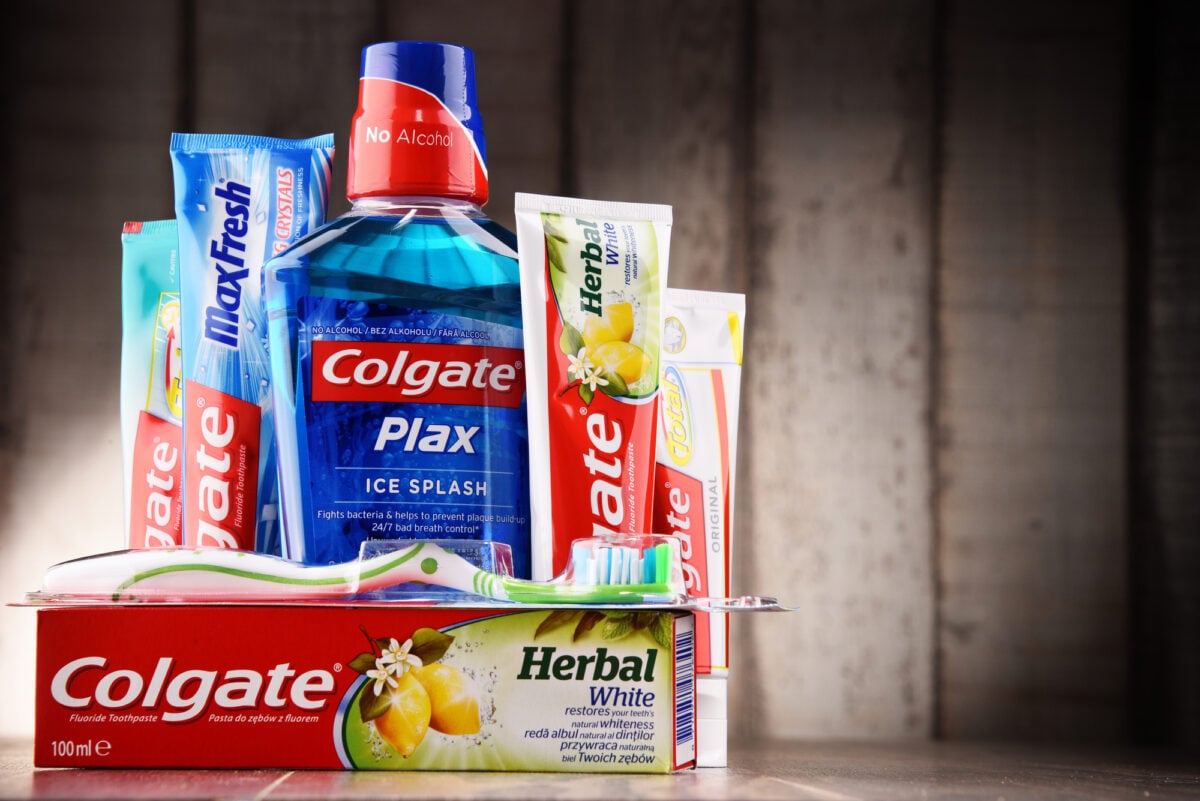
Walk down any Asian supermarket aisle stacked with toothpaste. You will notice tastes there are nothing like what you see back home.
Mint takes a back seat when jars show up in green tea, salty seaweed, even mango tones. People choose these not just out of habit but because they feel cleaner after using them.
Some say it freshens without burning their tongue. Others find the flavor sticks around longer.
A quiet preference has shaped entire shelves full of options most never knew existed. Your morning brush could look completely different if you tried one.
Next trip east, let curiosity pull you into that corner between shampoo and dental floss. What seems odd at first may start making sense once you try.
More from Go2Tutors!

- The Romanov Crown Jewels and Their Tragic Fate
- 13 Historical Mysteries That Science Still Can’t Solve
- Famous Hoaxes That Fooled the World for Years
- 15 Child Stars with Tragic Adult Lives
- 16 Famous Jewelry Pieces in History
Like Go2Tutors’s content? Follow us on MSN.