Photos of Steam Trains Crossing America
Steam locomotives did more than haul freight across the continent. They gave the country a shared sense of speed, scale and schedule, and photographers followed them from the earliest wooden platforms to the final coal-fired runs.
The images below span roughly 130 years, from a toy-sized engine that lost a race to a horse to night scenes lit by dozens of flashbulbs.
Some of these locomotives are museum pieces, while others still pull passengers on weekends.
Tom Thumb Loses a Race to a Horse
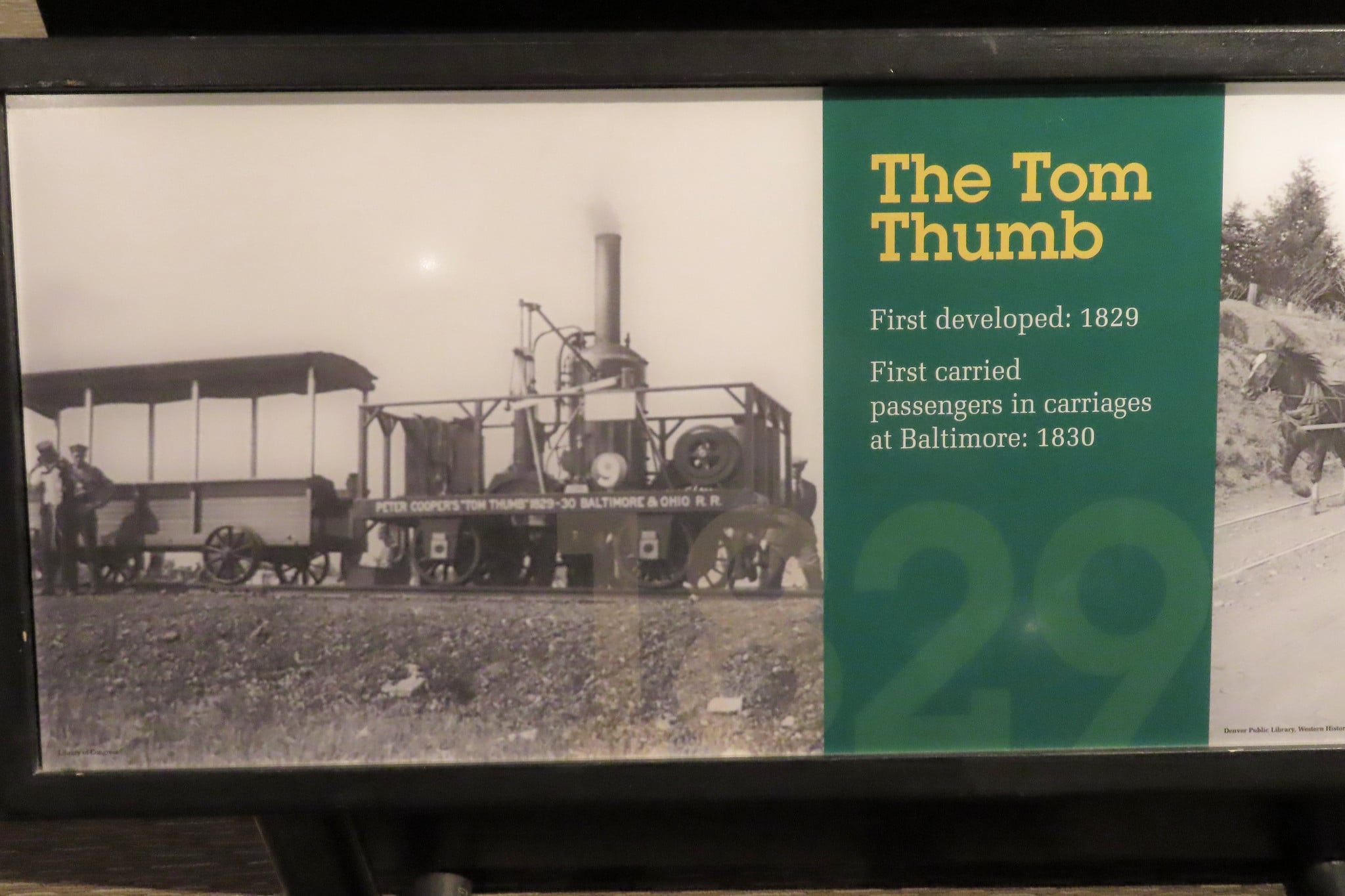
In August 1830, Peter Cooper’s tiny locomotive Tom Thumb challenged a horse-drawn railcar on the Baltimore and Ohio line outside Baltimore. The little engine pulled ahead on the straightaways, but a belt slipped off a blower pulley and the horse won the race.
Cooper, a New York businessman, had built the engine to show that steam power could handle the line’s sharp curves. The demonstration worked, and the company soon turned to steam locomotives.
Photos of a replica show a squat machine with an upright boiler, smaller than many modern lawn tractors.
Best Friend of Charleston Blows Its Boiler
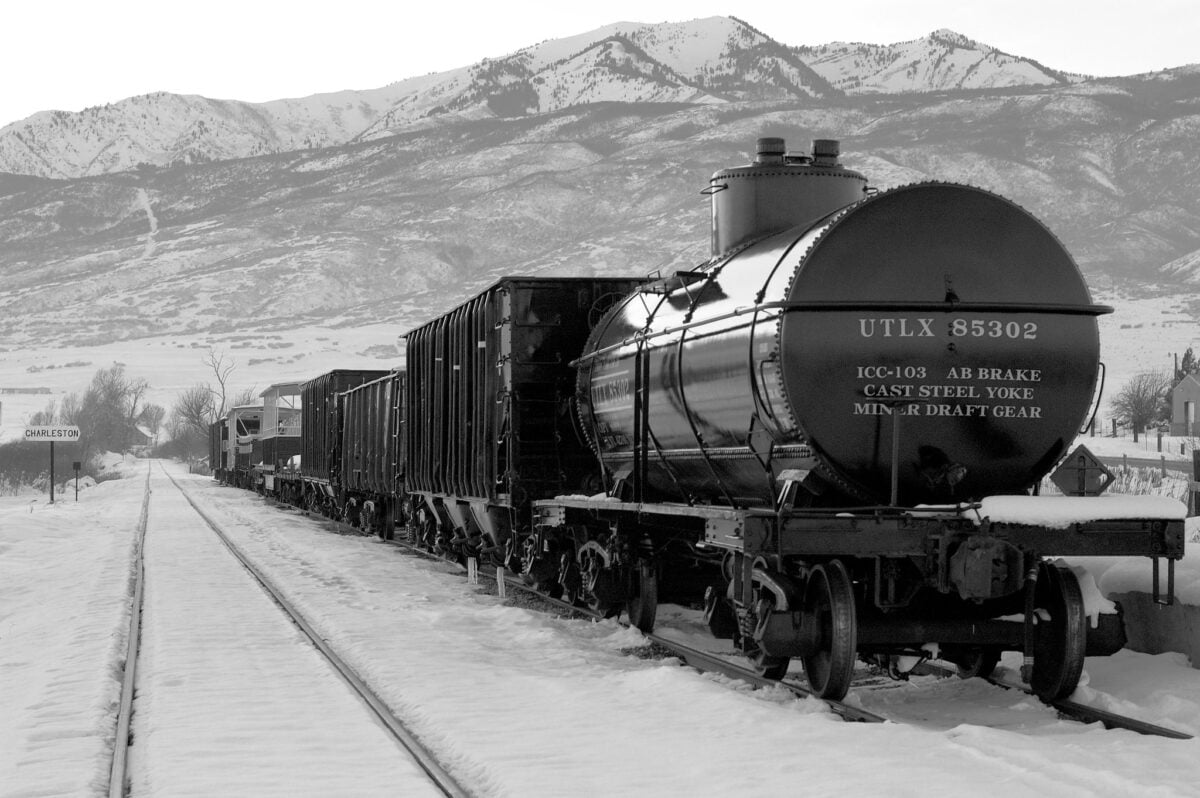
In December 1830, the Best Friend of Charleston entered service on the South Carolina Canal and Rail Road, and it is generally counted among the first American-built locomotives to pull a scheduled passenger run. The engine proved reliable until June 1831, when a fireman annoyed by the hiss of escaping steam tied down the safety valve, and the boiler exploded.
Managers responded by placing a car of cotton bales between the engine and the passengers as a shield. Photos of a replica show an open platform with a vertical boiler and a tall, narrow smokestack.
John Bull Runs Again After 150 Years
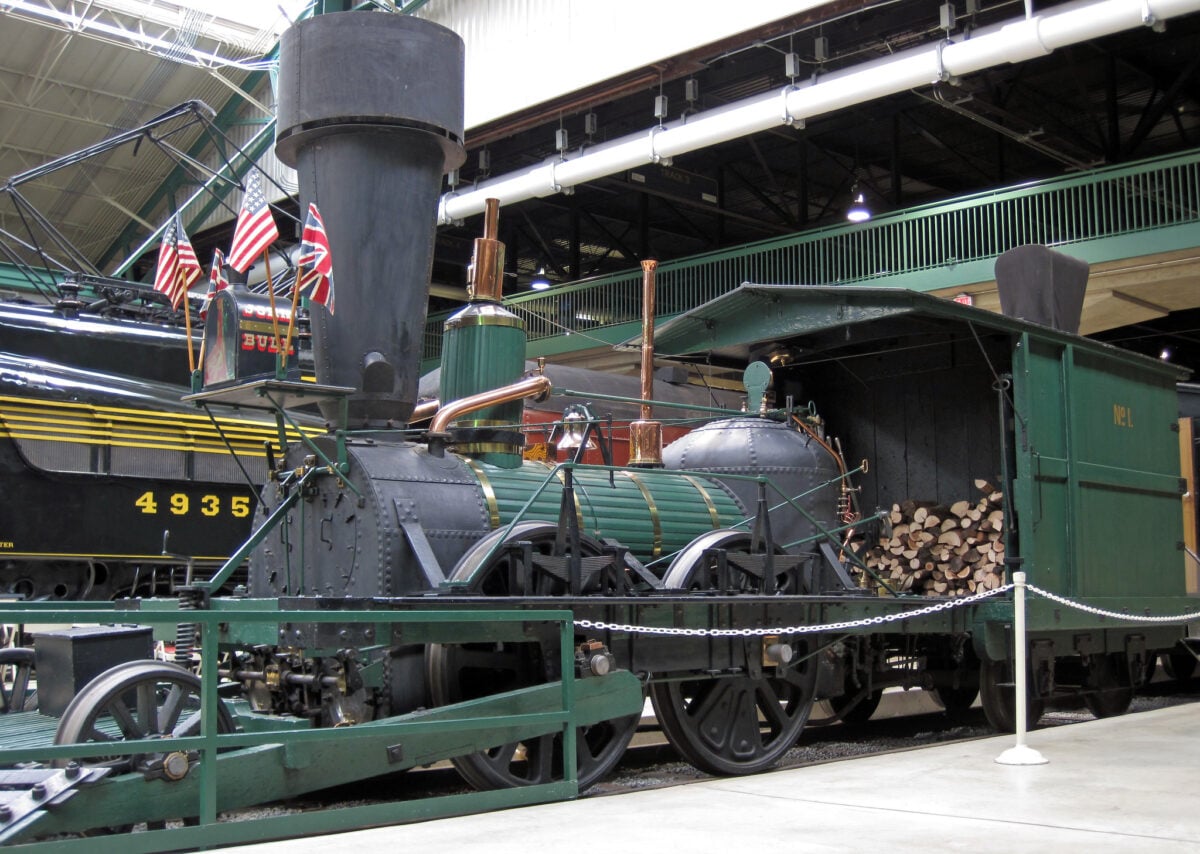
Built in England by Robert Stephenson and Company, the John Bull arrived in New Jersey in 1831 and went to work for the Camden and Amboy Railroad. The engine hauled trains for decades before it was retired, then became an exhibit and eventually part of the Smithsonian collection.
In 1981, curators fired it up for its 150th anniversary, and it moved under its own steam for crowds of delighted spectators. Photos from that day show a small machine with a tall chimney and a boiler that looks almost spindly beside later engines.
Horseshoe Curve Wraps a Pennsylvania Mountain
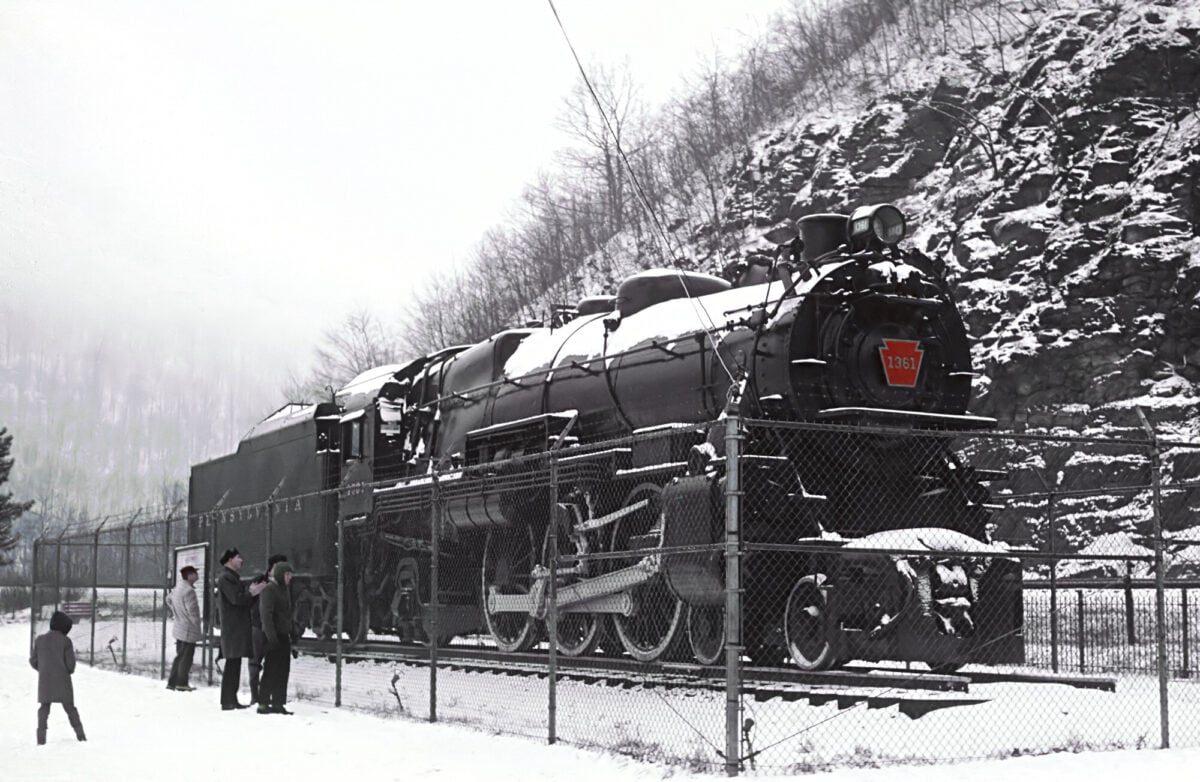
The Pennsylvania Railroad opened Horseshoe Curve near Altoona in 1854 as a way to climb the Allegheny Mountains without a long tunnel or an expensive incline. The track bends around a valley in a wide arc, letting trains gain elevation gradually.
Photographers have long stood on the inner slope to capture locomotives approaching from both ends of the same bend. German saboteurs who landed on the East Coast in 1942 had the curve on their list of targets, but they were caught before they could act.
The General Chased Across Georgia
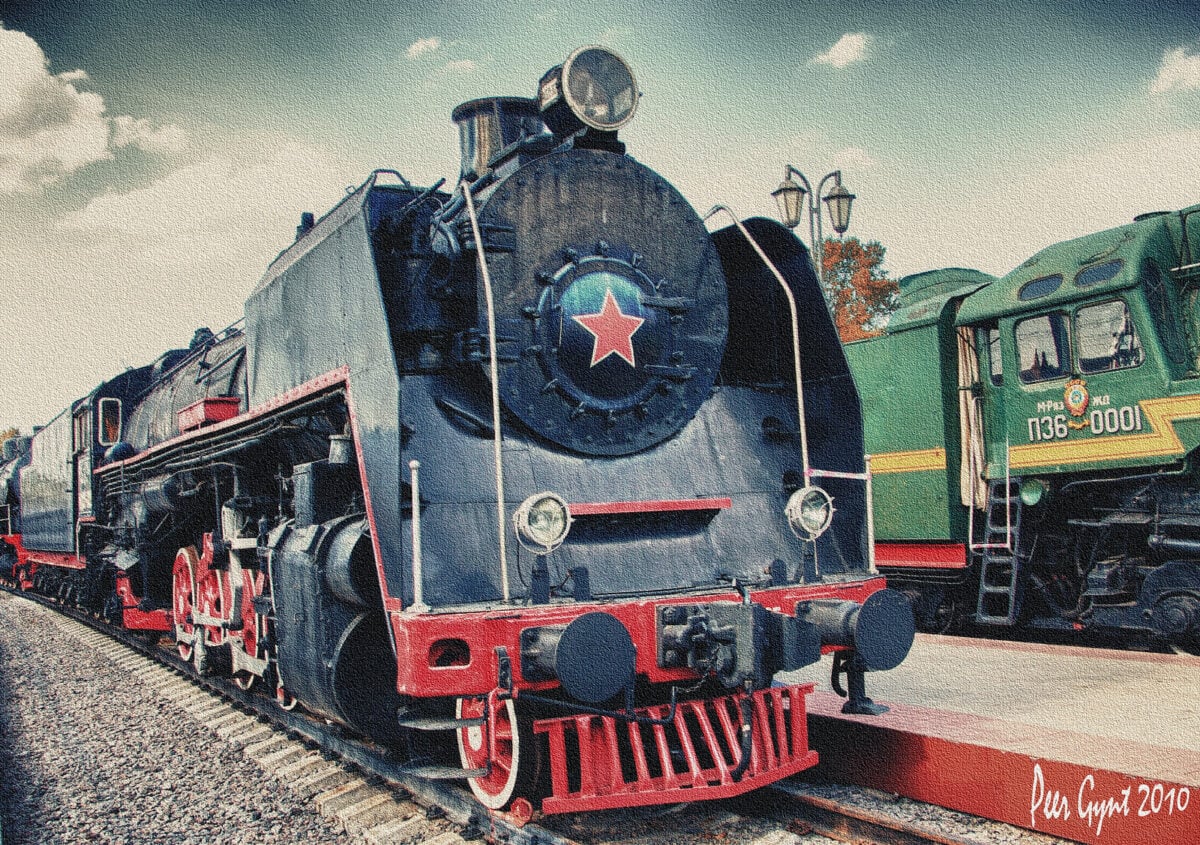
On April 12, 1862, Union volunteers led by James Andrews stole the locomotive General at Big Shanty, Georgia, and raced north on the Western and Atlantic Railroad, cutting telegraph wires as they went. Conductor William Fuller pursued on foot, on a handcar and aboard other engines, finally catching the raiders after about 87 miles when the General ran low on fuel.
Andrews and several of his men were hanged, and some of the surviving raiders were among the first recipients of the Medal of Honor. Photos of the preserved engine in Kennesaw show a handsome wood-burner in a museum hall.
Chinese Crews and Sierra Snowsheds
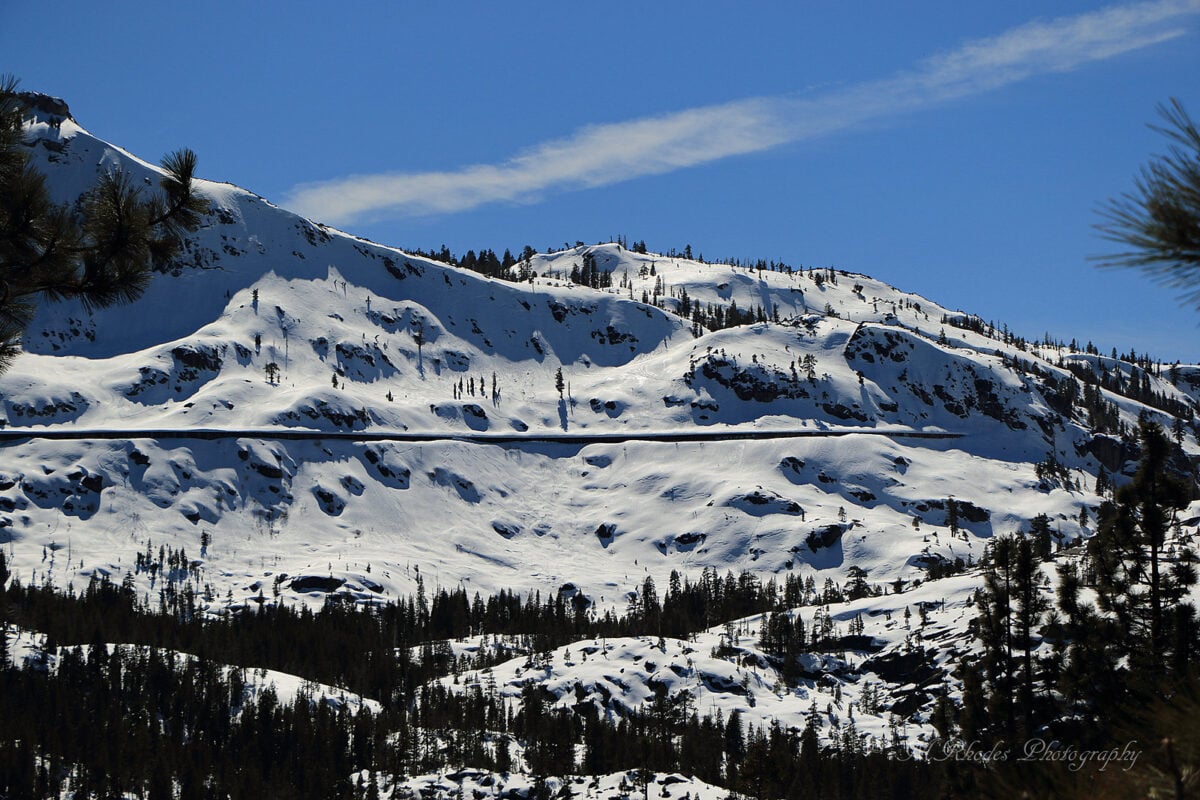
Thousands of Chinese laborers did much of the hardest work on the Central Pacific Railroad, blasting tunnels and building grades through the Sierra Nevada in the 1860s. Winter storms buried the tracks in snow, so the railroad covered long stretches with heavy wooden sheds that photographers later captured as dark tunnels running along the mountainside.
The sheds protected trains but also trapped smoke, and fires sometimes destroyed sections of them. Photos from the construction era show workers in wide hats standing on rock cuts, dwarfed by the cliff faces they had carved away.
Two Engines Meet at Promontory Summit
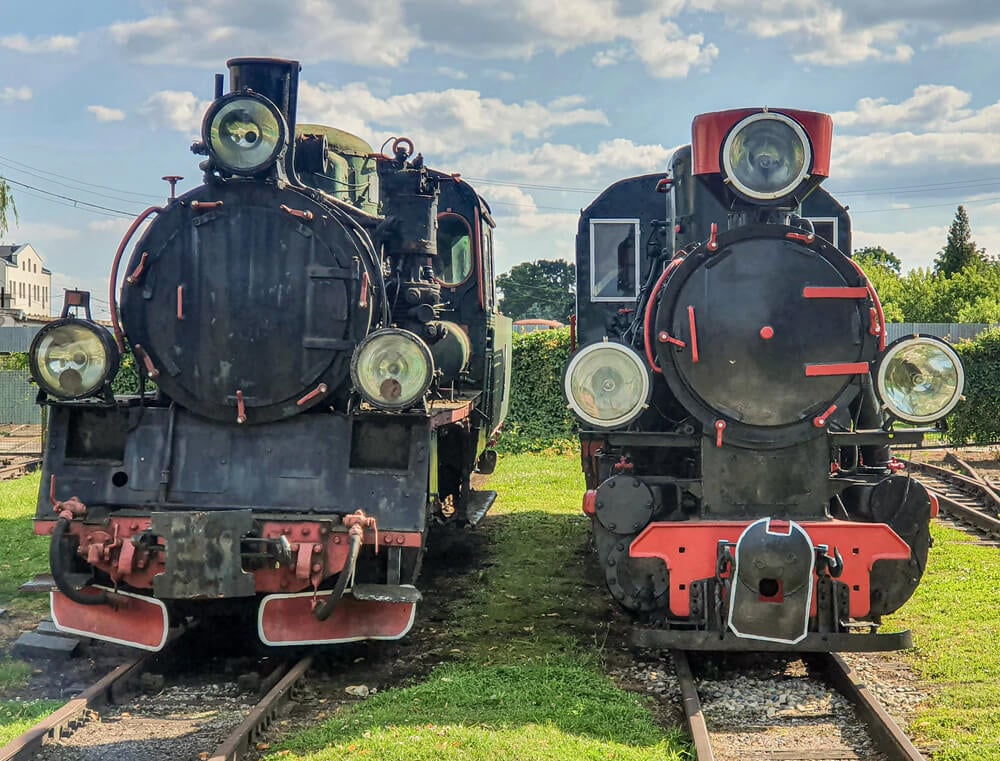
On May 10, 1869, the Central Pacific’s Jupiter and the Union Pacific’s No. 119 stood nose to nose at Promontory Summit, Utah, as officials joined the first transcontinental railroad. Both Leland Stanford and Thomas Durant are said to have missed the ceremonial spike on their first swings, and a telegraph operator tapped out a single word, DONE, to announce the link.
The gold spike was removed afterward for safekeeping. The best-known photo, taken by Andrew J. Russell, shows the two crews shaking hands over a champagne bottle in front of the engines.
Kinzua Viaduct Spans a Pennsylvania Gorge
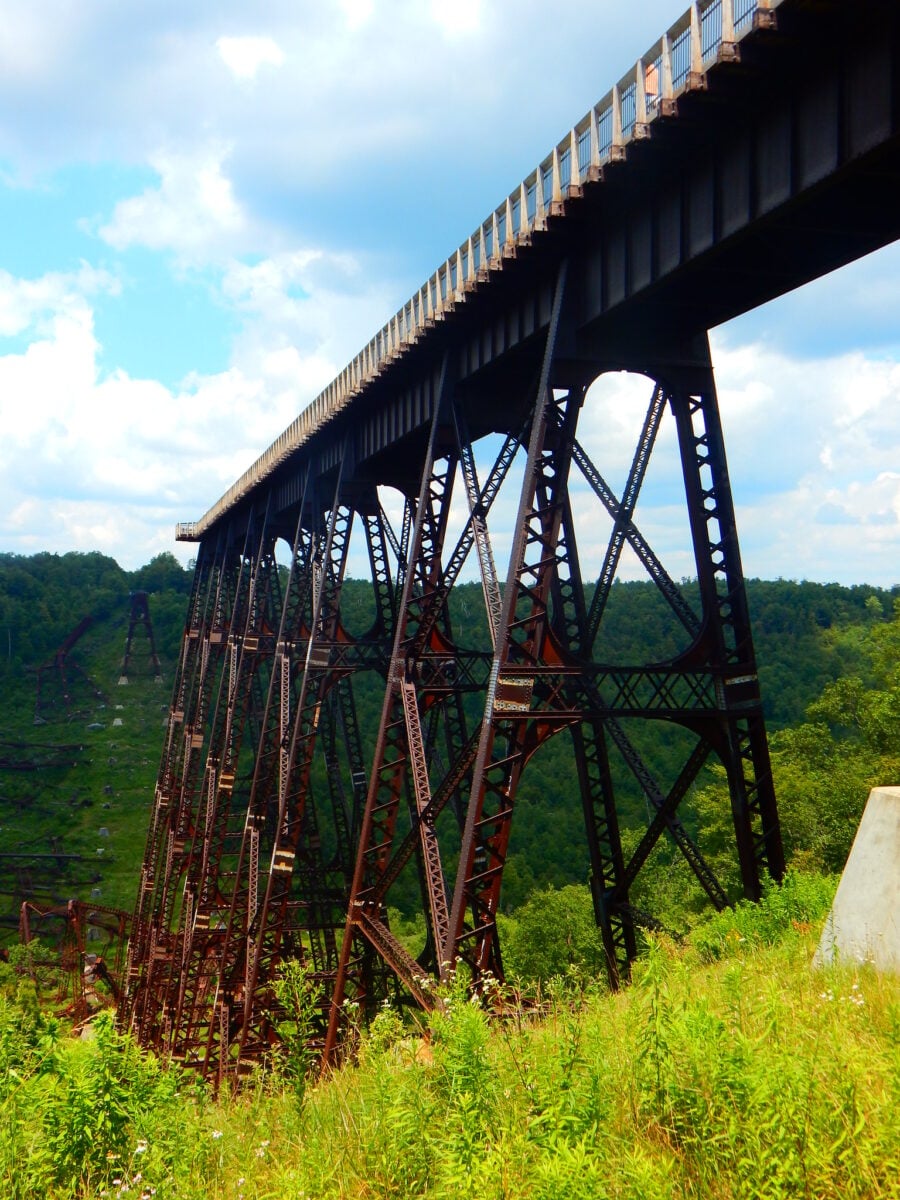
Built in 1882 for the New York, Lake Erie and Western Railroad, the Kinzua Viaduct crossed a valley in northern Pennsylvania on iron towers more than 300 feet high. It was rebuilt in steel in 1900 to carry heavier locomotives, and it drew tourists for decades afterward.
A tornado toppled part of the structure in 2003, and the surviving section was turned into a walkway in a state park. Early photos show a delicate iron lattice that looks almost too thin to support a steam train.
Narrow-Gauge Steam Climbs the San Juans
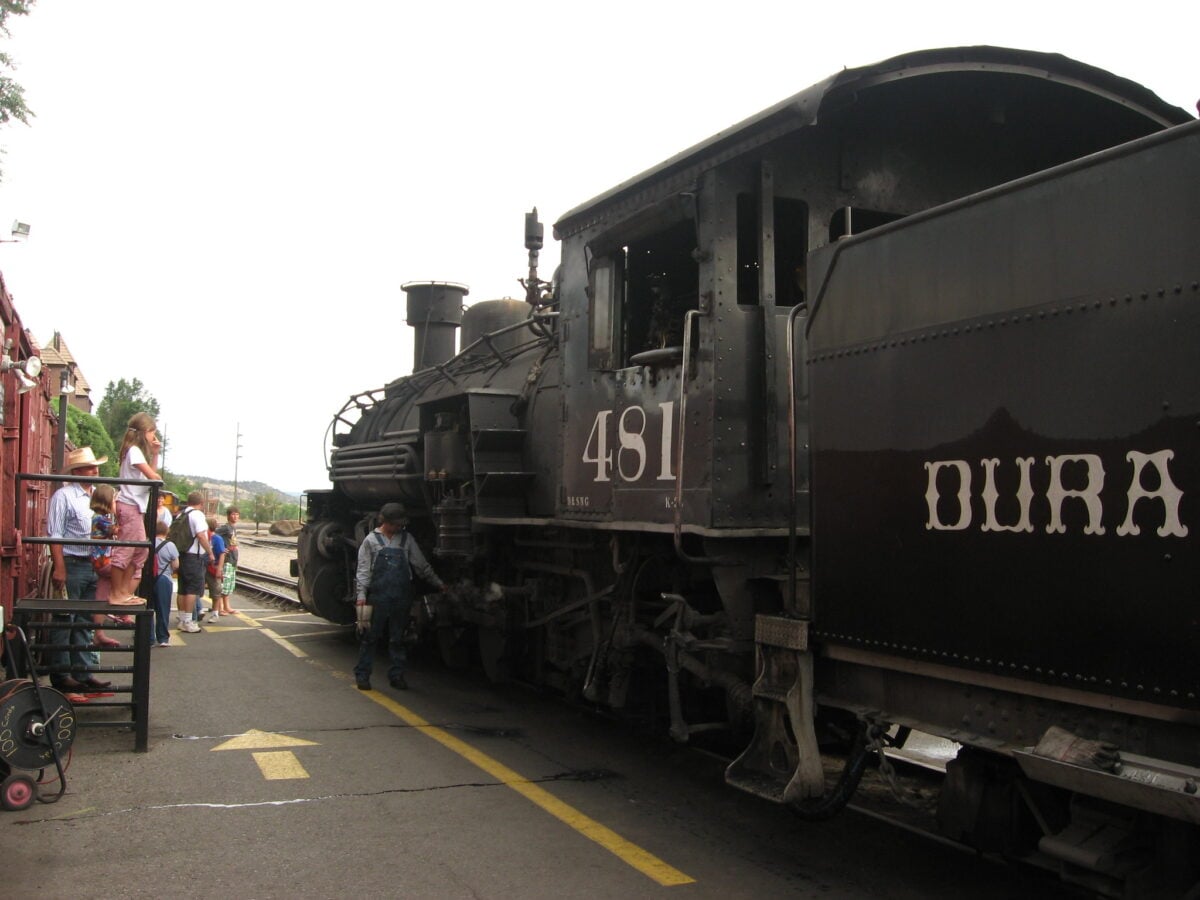
Coal-fired steam locomotives have hauled passengers between Durango and Silverton, Colorado, since the Denver and Rio Grande opened the line in 1882 to serve silver and gold mines. The route winds about 45 miles along the Animas River through deep canyon country, with one stretch where the tracks run along a narrow ledge high above the water.
Photographers favor winter shots with steam billowing against snow-covered peaks. The railroad still operates as the Durango and Silverton Narrow Gauge Railroad, burning coal in locomotives that date to the 1920s.
Shay Locomotives Crawl Up Logging Grades
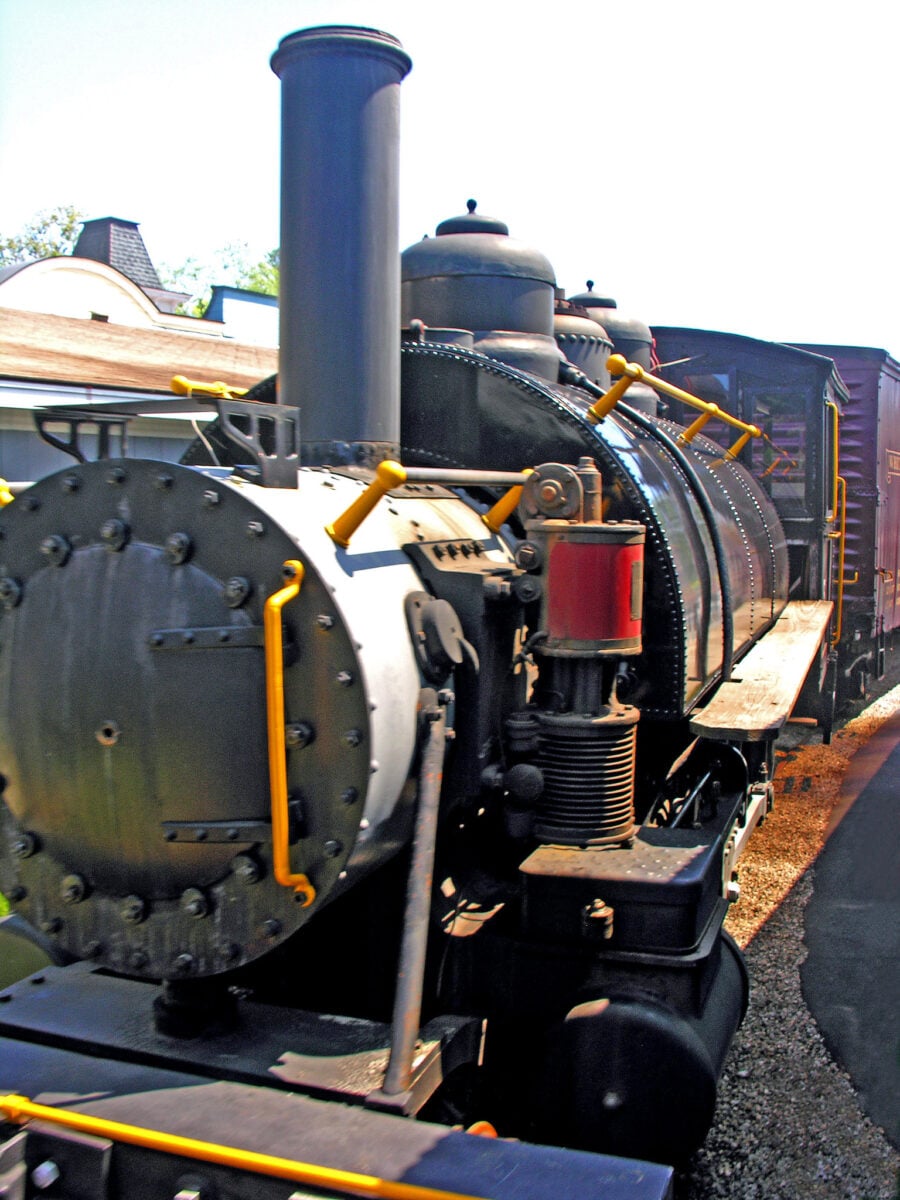
Ephraim Shay, a Michigan logger, designed a geared steam locomotive in the 1880s that could climb steep grades on rough, hastily laid track. The Lima Locomotive Works in Ohio built them in large numbers, and they became fixtures of timber country from the Appalachians to the Pacific Northwest.
Instead of long rods driving the wheels, the engines used vertical cylinders on one side and a shaft that turned every axle. Photos at Cass Scenic Railroad in West Virginia show Shays hauling tourists up the same mountain grades once used for lumber.
Casey Jones and Engine 382
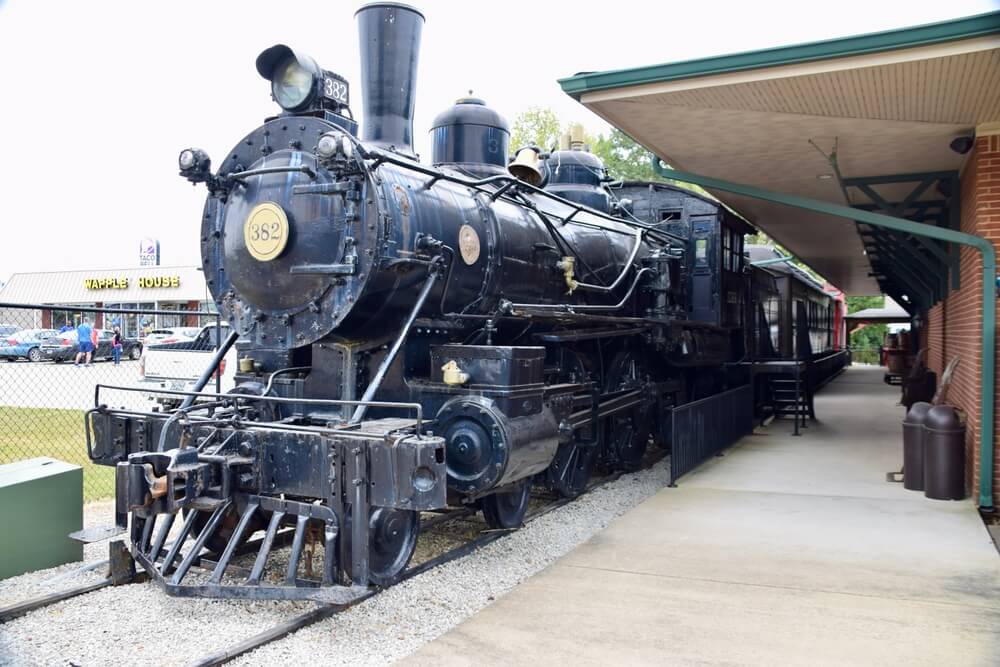
On April 30, 1900, Illinois Central engineer John Luther Jones, known as Casey, died when his passenger train, running late, slammed into a stalled freight near Vaughan, Mississippi. Jones stayed at the throttle and applied the brakes, which slowed the train enough that the passengers and crew survived, and he was the only fatality.
A song written by an engine wiper who knew him helped turn the engineer into a folk hero. Photos of his locomotive, number 382, show a tall black engine with a high cab and a bell on top.
Red Carpet for the Twentieth Century Limited
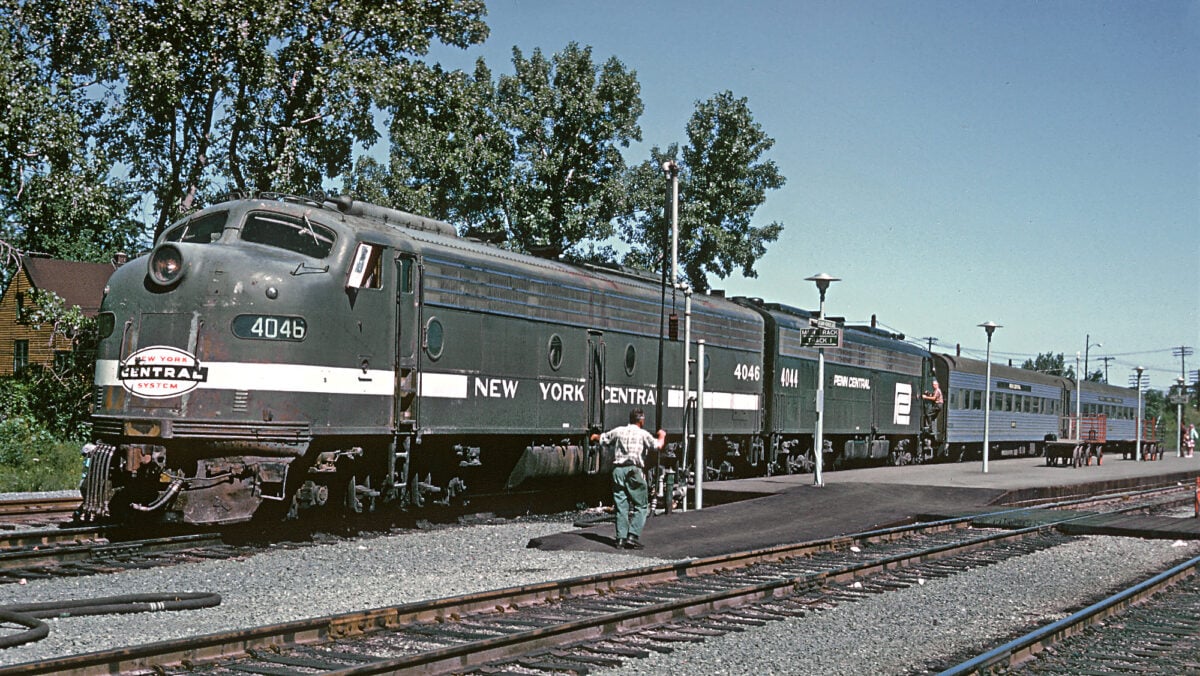
The New York Central’s flagship train ran overnight between New York and Chicago, and boarding passengers walked along a crimson carpet laid on the platform. The streamlined version introduced in 1938 featured a Hudson locomotive styled by industrial designer Henry Dreyfuss, with a smooth steel shroud and a tapering nose.
The trip took about 16 hours, a schedule that let business travelers sleep, dine and arrive ready for a morning meeting. Photos of the train show a gleaming gray locomotive trailing a line of matching cars at dusk.
Hiawatha Races Past 100 Miles an Hour
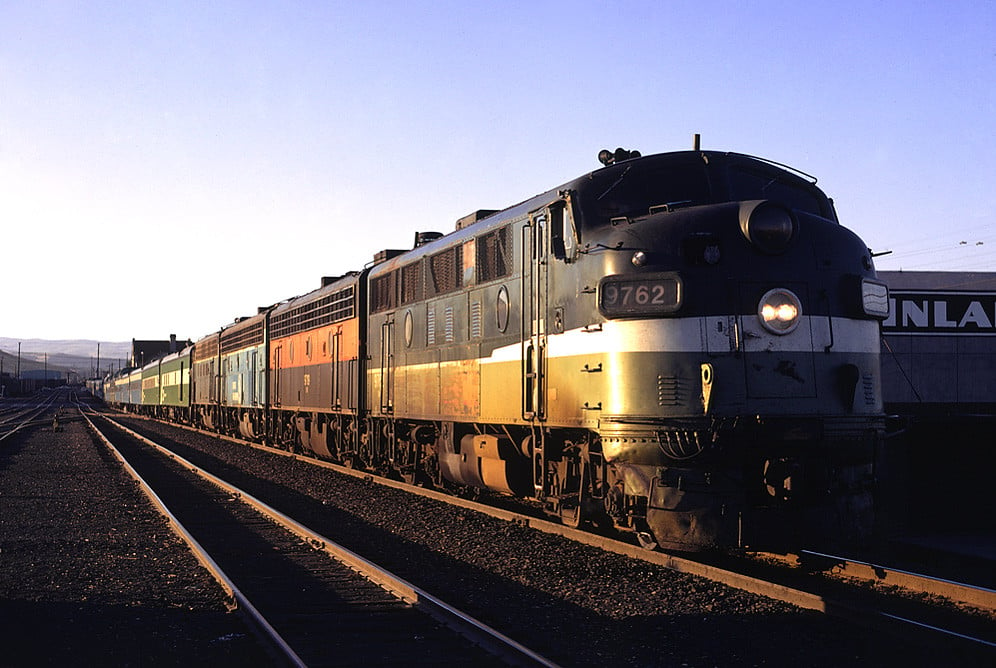
Launched in 1935 by the Milwaukee Road, the Hiawatha service between Chicago and the Twin Cities used streamlined steam locomotives built to keep schedules at high speed. The Class A engines were designed for sustained running near 100 miles an hour, and the service cut the trip to roughly six and a half hours.
Passengers rode in lightweight cars finished in orange and maroon, which made the train easy to spot from a distance. Photos of the Hiawatha at speed show a blur of paint and a long plume trailing behind.
Big Boy Locomotives Haul Freight Over Wyoming
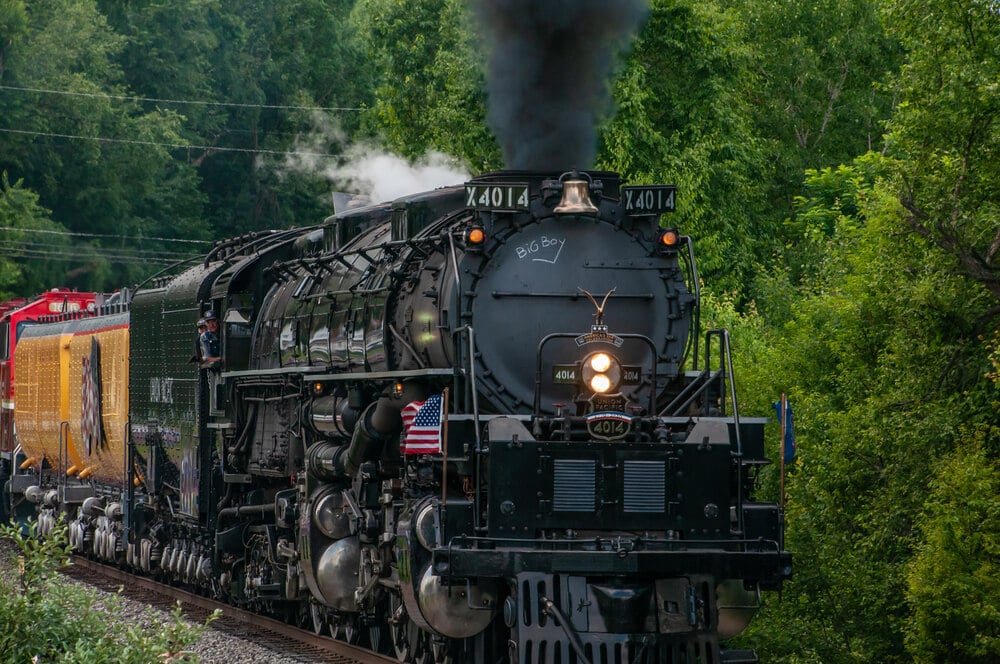
Union Pacific bought 25 Big Boy locomotives from the American Locomotive Company between 1941 and 1944 to haul heavy freight over the Wasatch Range between Ogden, Utah, and Green River, Wyoming. Each had a 4-8-8-4 wheel arrangement, with two sets of driving wheels hinged to handle curves, and weighed more than a million pounds with its tender.
Eight survive in museums and parks, and number 4014 returned to steam in 2019 for the 150th anniversary of the transcontinental railroad. Photos show a locomotive so long that it barely fits a single frame.
Southern Pacific 4449 Wears Daylight Colors
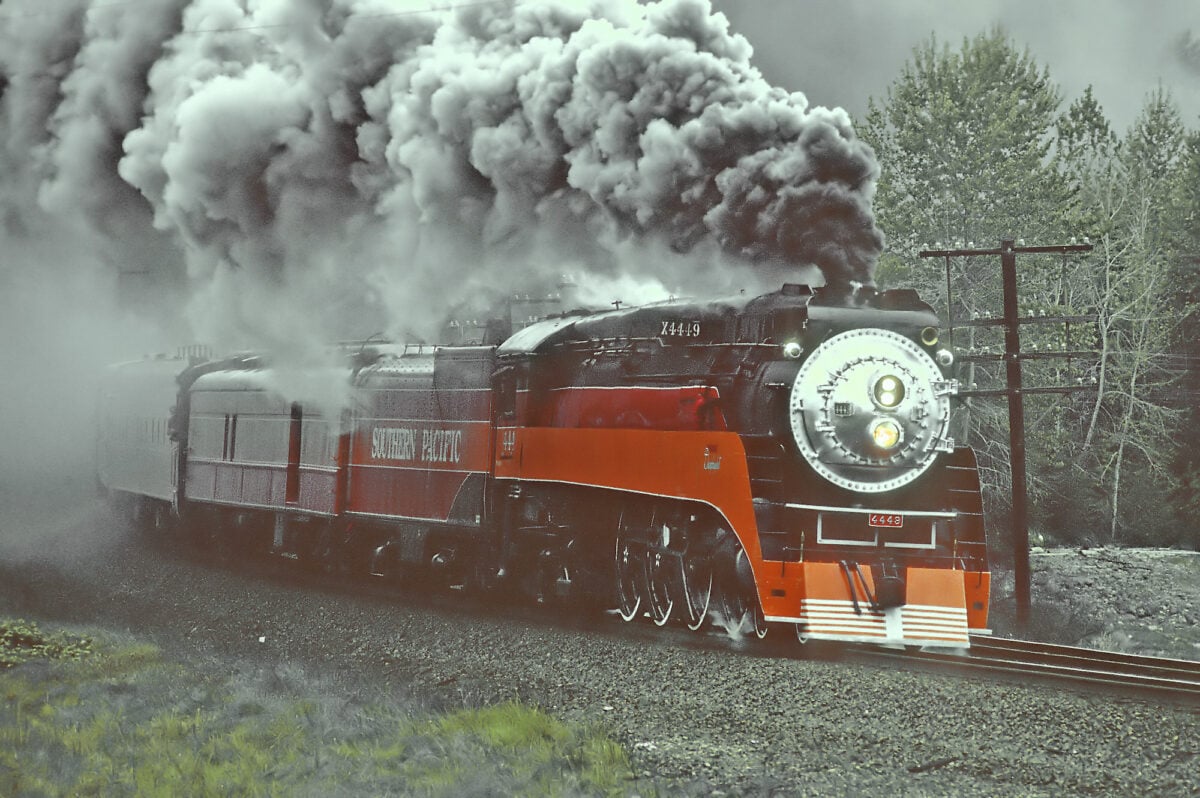
Southern Pacific 4449 was built by the Lima Locomotive Works in 1941 for the Daylight passenger service between Los Angeles and San Francisco, and the engine wore a vivid scheme of red, orange and black. After retirement in 1957, it was saved and displayed in a Portland, Oregon, park, then restored for the American Freedom Train, which toured the country during the 1975 and 1976 bicentennial.
It has remained operational since and still runs excursions in the Pacific Northwest. Photos of the locomotive in motion look as bright as a postcard.
Norfolk and Western 611 Roars Back
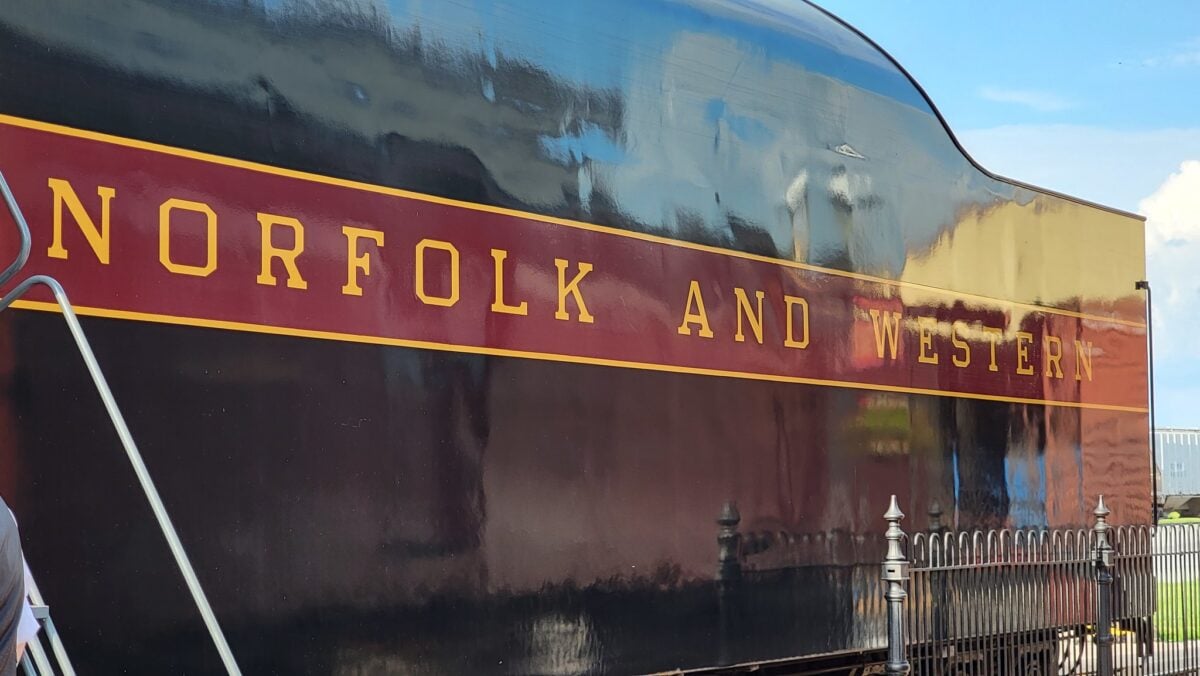
Built in Roanoke, Virginia, in 1950, Class J number 611 was one of the last passenger steam locomotives made for an American railroad. It pulled passenger trains such as the Powhatan Arrow until retirement in 1959, then went on display at the Virginia Museum of Transportation.
After a restoration, it returned to the main line in 2015, and excursion trains again carry crowds through Virginia and the Carolinas. Photos of the locomotive show a sleek black machine with a streamlined shroud and a fast stride.
O. Winston Link Lights Up the Night
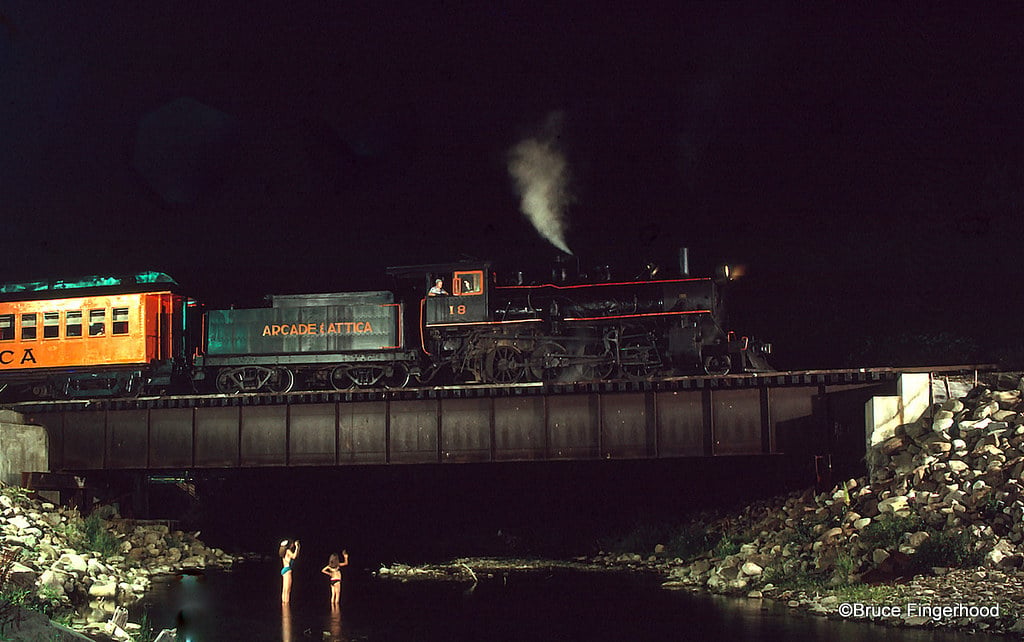
Between 1955 and 1960, photographer O. Winston Link documented the final years of steam on the Norfolk and Western Railway, often shooting after dark with banks of flashbulbs wired together. His best-known image, Hotshot Eastbound, shows a freight train passing a drive-in movie screen in Iaeger, West Virginia.
Link spent weeks planning some shots, hauling heavy cables and lamps, and sometimes needed dozens of bulbs to light a single scene. The photographs combine rural American life with the glow of a machine nearing the end of its working career.
Union Pacific 844 Never Retired
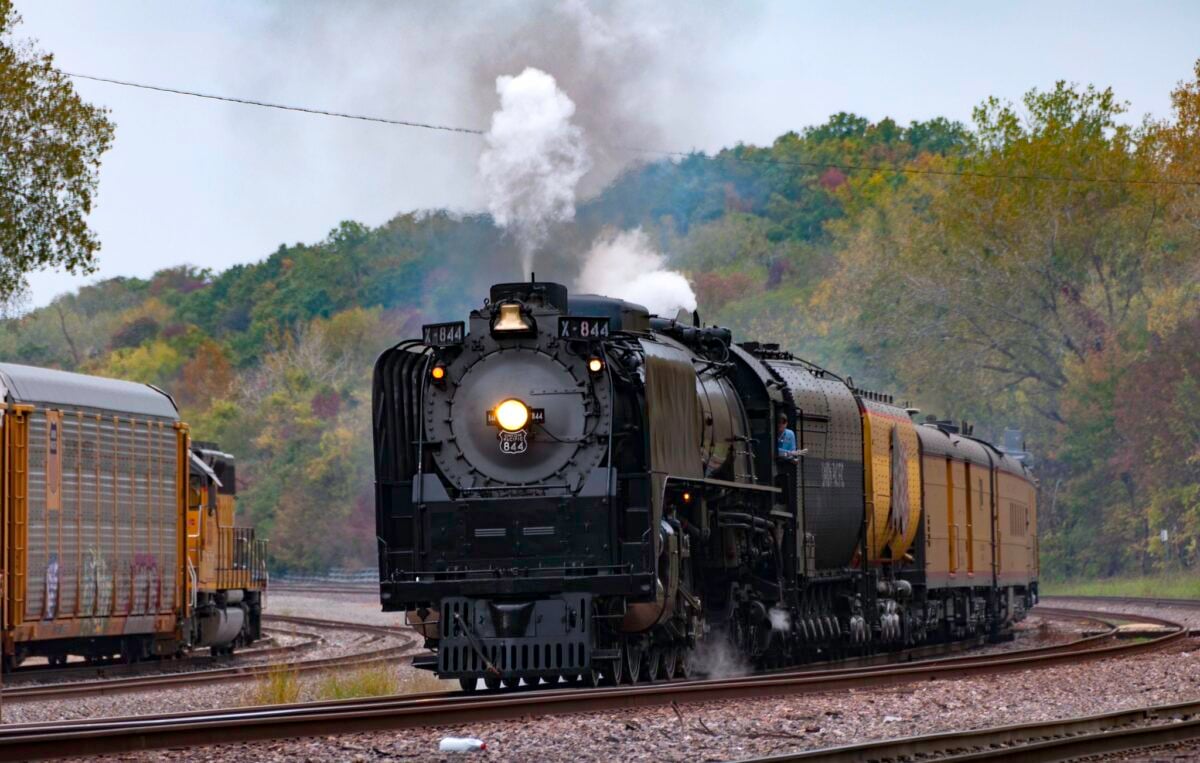
Delivered in 1944, Union Pacific’s locomotive number 844 holds a unique distinction because the railroad says it is the only steam locomotive a major U.S. railroad has never retired from service. The railroad kept it for special trains and promotional tours, and it still pulls excursions out of Cheyenne, Wyoming.
Photographers chase it across the plains during summer runs, perching along fields to capture its plume against open sky. Photos taken over the decades show the same engine in changing paint, always pulling a line of cars toward the horizon.
Cumbres and Toltec Crosses a Mountain Pass
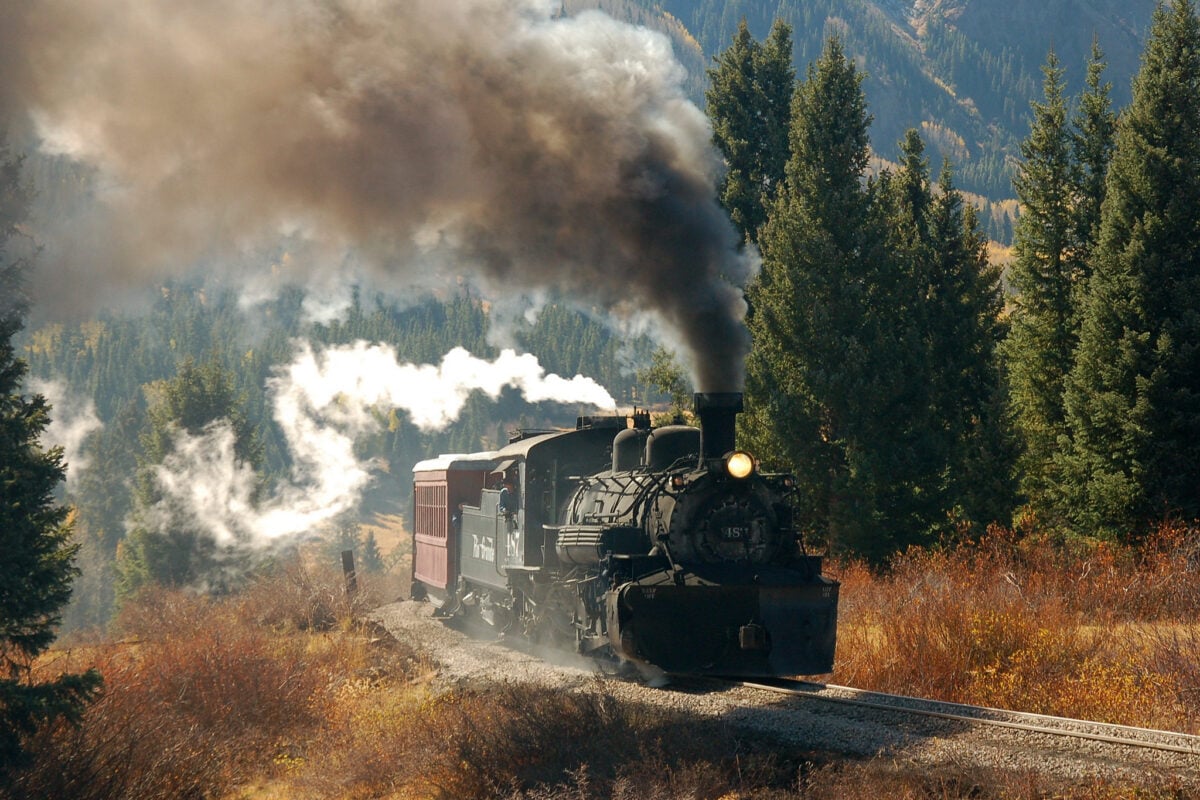
The Cumbres and Toltec Scenic Railroad runs 64 miles between Chama, New Mexico, and Antonito, Colorado, climbing to just over 10,000 feet at Cumbres Pass. The narrow-gauge line began in 1880 as a branch of the Denver and Rio Grande to haul ore and supplies, and it kept its steam locomotives and track structures after freight service ended.
Today the railroad is owned jointly by the two states and run for visitors. Photos show black engines crossing wooden trestles and rounding rocky bluffs in thin mountain air.
The Last Steam Runs Fade Out
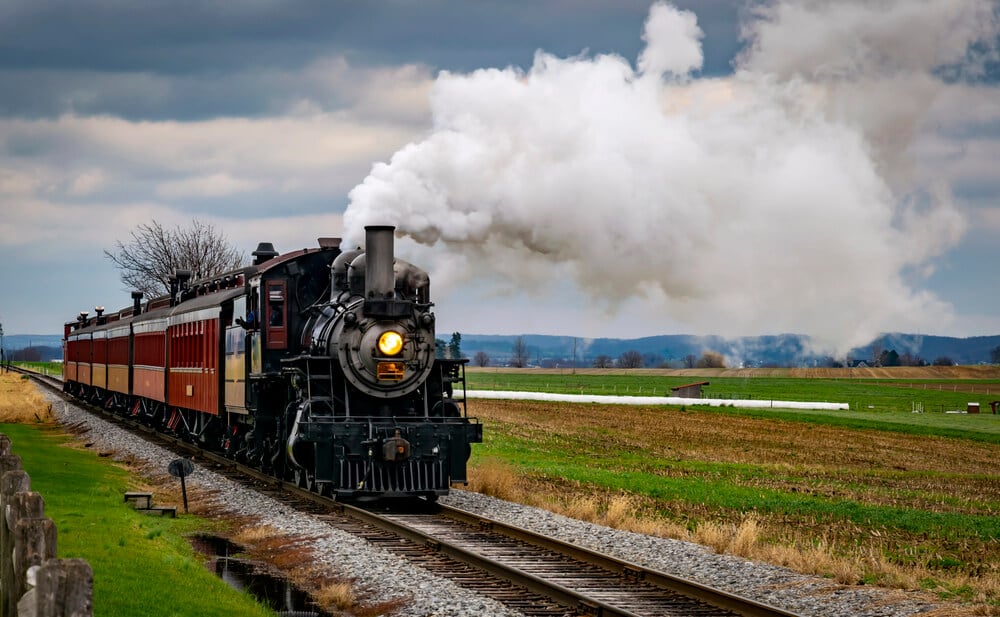
By the end of the 1950s, diesel-electric locomotives had replaced steam on most major American railroads because they needed less maintenance and fewer service stops. Norfolk and Western, one of the last big holdouts, ended steam in 1960.
Photographers rushed to record scenes before the engines were scrapped, and many locomotives ended up as scrap metal while others were donated to cities for display in parks. The photos from those final seasons carry a particular mood, showing crews and station agents who knew the work was ending.
Iron Roads and the Country They Stitched Together
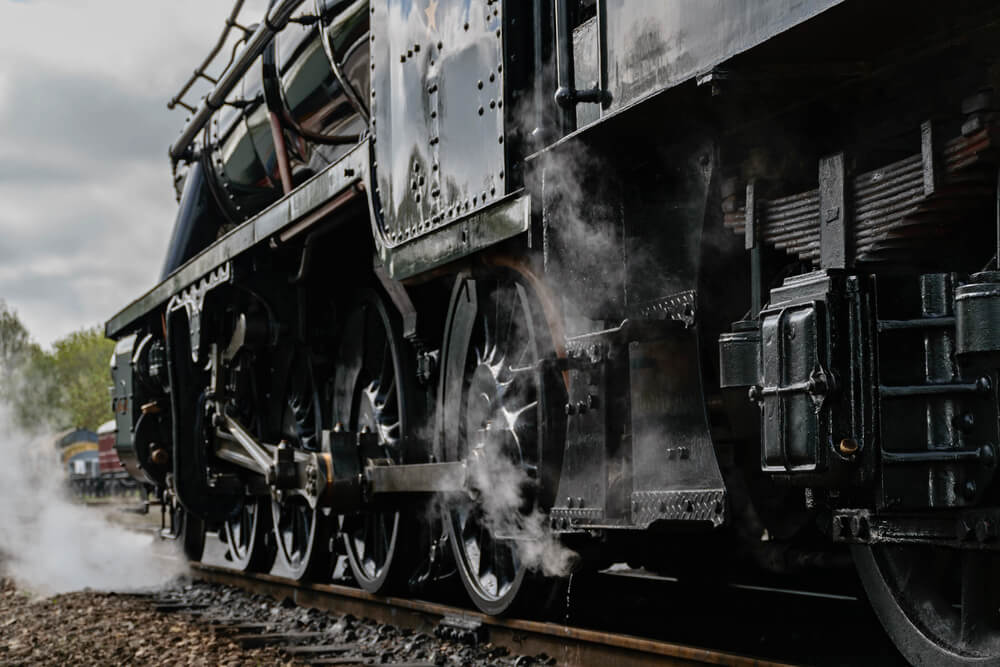
Seen together, these photographs trace how a small experiment in Baltimore became a web of rails that tied distant towns to the same clock. Engineers, laborers and photographers each left a record, and many of the machines they handled have survived in museums or on tourist lines.
The pictures also show how quickly the technology changed, from a vertical boiler on a flatcar to streamlined giants and then to silence. The last steam days did not end the story.
Volunteers, preservation societies and railroads with a sense of history keep a few engines alive, and crowds still gather at crossings when a whistle sounds in the distance. That response suggests the appeal was never only about transportation.
More from Go2Tutors!

- The Romanov Crown Jewels and Their Tragic Fate
- 13 Historical Mysteries That Science Still Can’t Solve
- Famous Hoaxes That Fooled the World for Years
- 15 Child Stars with Tragic Adult Lives
- 16 Famous Jewelry Pieces in History
Like Go2Tutors’s content? Follow us on MSN.