17 Ads That Accidentally Made the Product Sound Dangerous
Even the best businesses make marketing mistakes. Sometimes, even with entire teams analyzing campaigns, no one notices when an advertisement unintentionally implies harm rather than gain.
These mistakes frequently become legendary—not because they are brilliant, but rather because they serve as warnings that marketing teachers frequently bring up in class. Here are 17 commercials where businesses unintentionally made their goods sound hazardous rather than appealing, transforming what could have been strong sales pitches into unforgettable marketing blunders.
Absolut Failure
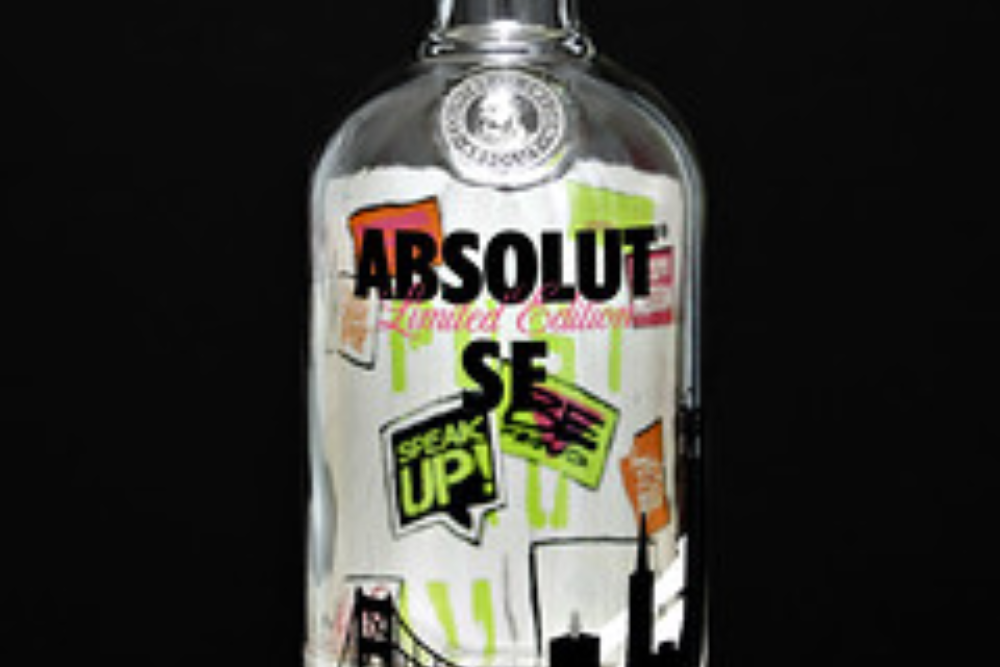
The vodka company was usually great with minimalist marketing, but with their “Absolut Killer” campaign, they raised some serious eyebrows. They used their distinctive bottle shape with a chalk outline around it – the image of a crime scene investigation.
People couldn’t help but wonder if they were selling the product as being so dangerous and deadly rather than smooth and fun to drink. The visual metaphor backfired spectacularly when people started linking their drink with actual deaths.
Toyota’s Runaway Campaign

Toyota’s “Moves Forward” slogan acquired an unfortunate double meaning during their 2010 recall crisis for faulty accelerator pedals. TV spots showing vehicles zooming forward unstoppably transformed from feature to warning when millions of cars needed repairs for that exact issue.
The timing proved catastrophic – their tagline essentially described the mechanical problem their vehicles were experiencing throughout the country.
Like Go2Tutors’s content? Follow us on MSN.
Apple’s Crushing Experience

When Apple promoted the iPhone with “There’s crushing power in your hands,” they meant processing capability. However, following industry reports of bendable phones and battery malfunctions, many customers interpreted this as an admission that their expensive devices might physically break – or worse.
The messaging quickly shifted toward performance specs instead of anything that could suggest structural weakness.
Peloton’s Frightening Transformation
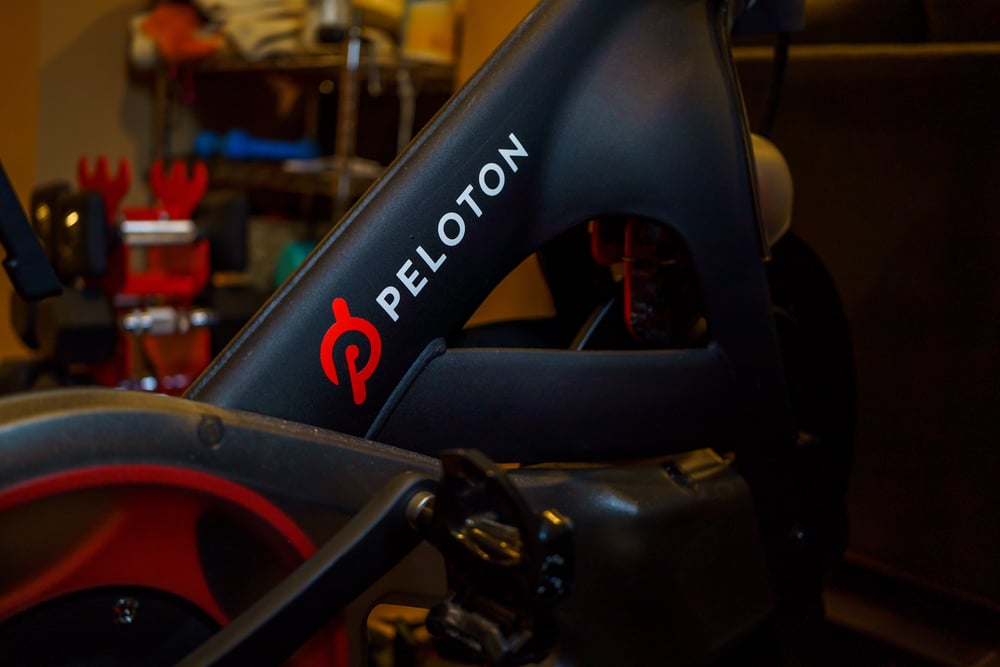
Peloton’s notorious 2019 holiday ad showed a woman documenting her year-long journey after receiving the exercise bike as a gift. Her visibly anxious expression and comments about being “nervous” made it seem like she’d been forced into a terrifying fitness regimen – not enjoying a premium workout product.
The woman’s apparent distress caused Peloton’s stock to plummet as viewers associated the brand with psychological pressure rather than wellness.
Burger King’s Moldy Whopper
Attempting to highlight their removal of preservatives, Burger King released footage of their signature sandwich decomposing over 34 days. While meant to emphasize freshness and natural ingredients, the time lapse of fuzzy, multicolored mold growing on their flagship product created lasting disgust.
Customers couldn’t separate the revolting imagery from the food they were supposed to purchase, making their meals seem unsafe rather than wholesome.
Like Go2Tutors’s content? Follow us on MSN.
Snickers’ Not Going Anywhere
The chocolate company started a campaign with “You’re not going anywhere for a while” with pictures of roadside delays and car issues. Though meant to imply pleasant pleasure during unplanned free time, the link between eating their candy bar and car failure produced an inadvertent alert.
Customers questioned whether eating Snickers could somehow leave them trapped or paralyzed.
Lifebuoy’s Deadly Germs
Lifebuoy soap tried highlighting its antibacterial properties through dramatic visuals of germs covering everyday objects. The campaign crossed into fear-mongering when they displayed magnified bacteria forming skull shapes on children’s toys – suggesting imminent danger without their product.
Instead of promoting cleanliness, the ads generated panic by implying that touching anything without their soap could pose life-threatening risks.
Mountain Dew’s Radioactive Appeal
Mountain Dew has long embraced its distinctive bright green color, though their “Radioactive” campaign pushed this attribute too far. Ads featuring glowing soda cans with hazard symbols aimed to communicate intense flavor and energy boosts – but customers couldn’t avoid associating the drink with actual radiation poisoning.
The visual metaphor proved too literal, transforming refreshment into perceived toxicity.
Like Go2Tutors’s content? Follow us on MSN.
Charmin’s Painful Problem
To highlight the softness of its toilet paper, Charmin ran a campaign on “painful cleaning experiences.” The ads showed people wincing painfully, implying that rival goods made use uncomfortable.
When people started linking the pain expressions to Charmin itself, this approach backfired dramatically and gave the impression that using their product could cause bathroom discomfort.
Airbnb’s Floating World

Airbnb launched their ill-timed “Floating World” email campaign just as Hurricane Harvey caused catastrophic flooding across Houston. Their promotional materials showed houses perched on water with suggestions for booking waterfront accommodations.
The unfortunate timing made it appear that Airbnb was either mocking disaster victims or promoting potentially dangerous flood-prone properties during an active natural disaster.
Pepsi’s Explosive Flavor
Pepsi attempted to demonstrate their drink’s bold taste through images of cans bursting open and soda spraying dramatically. Their “Explosion of Flavor” campaign included visuals of shattered containers and liquid erupting violently.
Rather than conveying intensity, customers saw potential hazards – particularly when graphics showed metal fragments and pressurized contents that seemed genuinely dangerous.
Like Go2Tutors’s content? Follow us on MSN.
Volkswagen’s Emission Confession
Shortly before the emissions scandal broke, Volkswagen heavily promoted its vehicles as “Clean Diesel” with the confident slogan “Truth in Engineering.” These advertisements became infamously ironic when investigators discovered the company had installed software to cheat emissions tests.
Their campaign unintentionally highlighted how environmentally harmful their vehicles actually were while positioning dishonesty as their engineering philosophy.
Nutella’s Morning Madness
Nutella promoted their chocolate-hazelnut spread as part of a “balanced breakfast” while showing children becoming increasingly hyperactive after consumption. Though intended to convey energy and excitement, the commercials instead suggested the sugary product might cause behavioral problems.
Parents viewed the wild-eyed, manic children as a warning about potential sugar-induced chaos rather than happy, well-nourished kids.
Gillette Razor’s Cutting Edge

Gillette’s campaign for multi-blade razors emphasized sharpness with “The closest shave you’ll ever have—be careful.” The cautionary ending attempted humor, but paired with images of men examining small facial cuts, made their product seem potentially harmful.
Customers questioned why they needed warnings about a personal care item that touches their face daily. The mixed message undermined confidence in product safety.
Like Go2Tutors’s content? Follow us on MSN.
Listerine’s Painful Clean
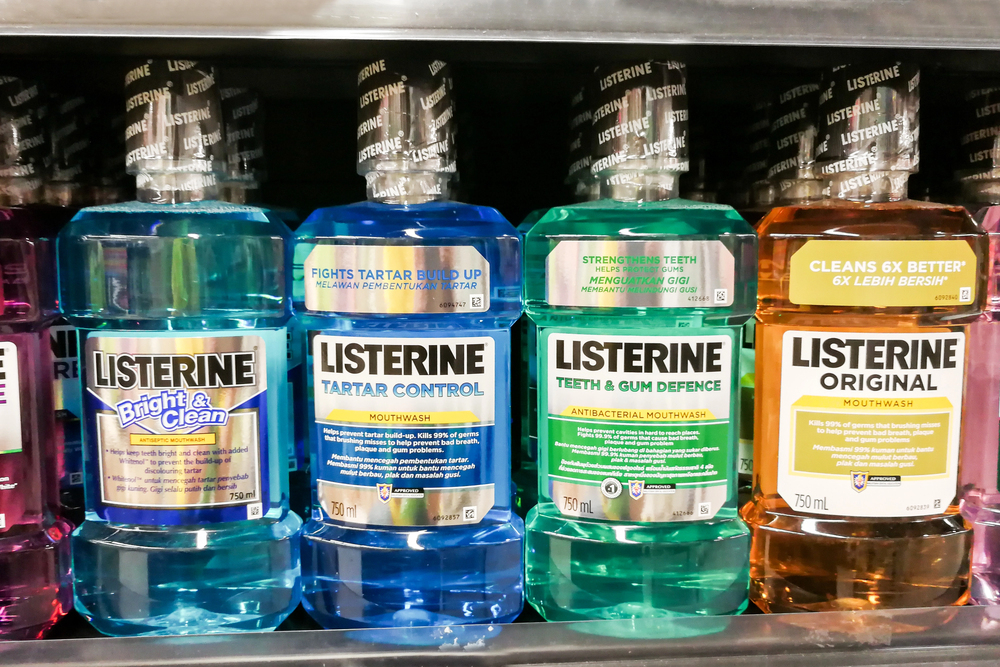
Listerine emphasized the intense sensation of its mouthwash with the memorable tagline “It hurts, so it works.” Commercials showed people wincing and making pained expressions during use.
Instead of associating the burning feeling with effectiveness, consumers interpreted this as an admission that the product caused actual discomfort. The campaign essentially promised pain as a feature rather than highlighting the benefits of oral hygiene.
Nyquil’s Knockout Power
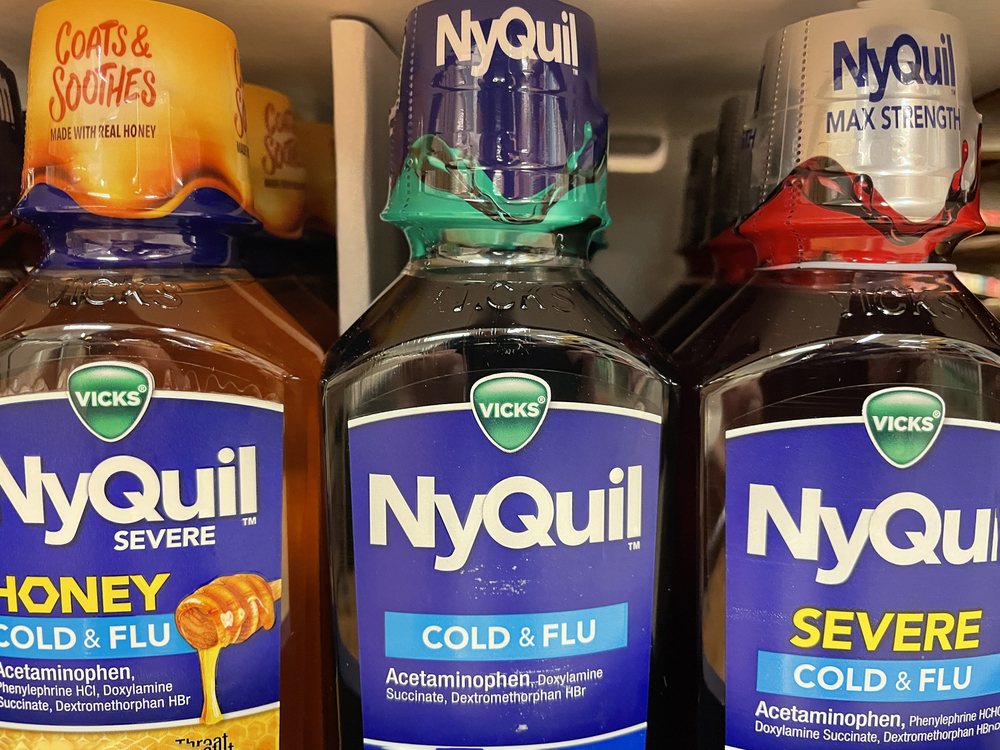
Nyquil emphasized its strength by focusing on how quickly it induces sleep, calling it “the powerful knockout formula.” Advertisements depicted people instantly collapsing into unconsciousness, which unintentionally suggested heavy sedation rather than gentle relief.
The dramatic imagery made the cold medicine appear more like a dangerous tranquilizer than a helpful remedy, causing concern about its potency.
Red Bull’s Heart-Stopping Energy
Red Bull’s campaign highlighting extreme energy boosts featured their famous “Gives you wings” slogan alongside heart monitors showing dramatic cardiac spikes. The suggestion of heart palpitations and excessive stimulation worried health-conscious consumers about cardiovascular effects.
Medical professionals questioned the wisdom of portraying rapid heart rate changes as a positive outcome from consuming an energy drink.
Like Go2Tutors’s content? Follow us on MSN.
The Legacy of Warning Labels

These advertising missteps demonstrate the delicate balance between promoting effectiveness and accidentally suggesting danger. Most companies quickly adjust messaging when unintended implications emerge, though the campaigns often survive in marketing textbooks as cautionary examples.
Creating ads that convey product benefits without veering into threatening territory remains challenging for even the most sophisticated marketing teams. Today’s savvy consumers quickly detect when enthusiasm for product features crosses into concerning territory.
These blunders remind us that sometimes the most compelling selling point isn’t about intensity or power, but about safety and reliability—qualities that never accidentally sound dangerous when properly communicated.
More from Go2Tutors!

- 18 Unexpectedly Valuable Collectibles You Might Have Lying Around
- 20 Little-Known Historical Battles That Had Huge Consequences
- 20 Historical Artifacts That Scientists Can’t Explain
- 15 Inventions That Were Immediately Banned After Being Created
- 20 Actors Who Were Almost Cast in Iconic Roles
Like Go2Tutors’s content? Follow us on MSN.