Famous Feuds Between Historical Rivals
History enjoys a good conflict.
Rivalries that shaped industries, defined nations, and sparked creative revolutions frequently started out as personal disputes between two individuals or groups motivated by pride, ideology, or the simple will to win.
The human side of history—ambition, ego, genius, and the obstinate need to be remembered—is revealed by these conflicts, some political and others cultural.
They remind us that progress rarely happens in peace; it often emerges from friction.
Here’s a closer look at five rivalries that altered the course of history and the ways in which their effects continue to influence how we compete, define success, and create new ones.
Elizabeth I vs. Mary, Queen of Scots

Few rivalries were as steeped in politics, faith, and bloodline as the battle between Elizabeth I of England and Mary, Queen of Scots.
Both women were great-granddaughters of Henry VII—Elizabeth through his son Henry VIII, and Mary through his daughter Margaret Tudor.
That shared ancestry placed them on a collision course for the English crown.
Elizabeth ruled with restraint and strategy, navigating a Protestant England still healing from decades of turmoil.
Mary, fiery and devoutly Catholic, became a beacon for those who viewed Elizabeth as a usurper.
Letters once written in cautious diplomacy turned into veiled threats and political chess moves.
Mary’s presence in England became dangerous.
To Elizabeth, she was both a cousin and a political weapon that others could wield.
The constant plots and conspiracies forced the queen’s hand.
On 8 February 1587, Elizabeth signed Mary’s death warrant—a decision she claimed broke her heart but secured her reign.
The execution ended a personal feud but began centuries of fascination with two queens who defined the limits of female power in a man’s world.
Even after Mary’s death, her memory haunted Elizabeth, who reportedly avoided speaking her cousin’s name.
Their rivalry wasn’t just about crowns; it was about identity, faith, and the fragile balance between power and conscience.
Alexander Hamilton vs. Aaron Burr
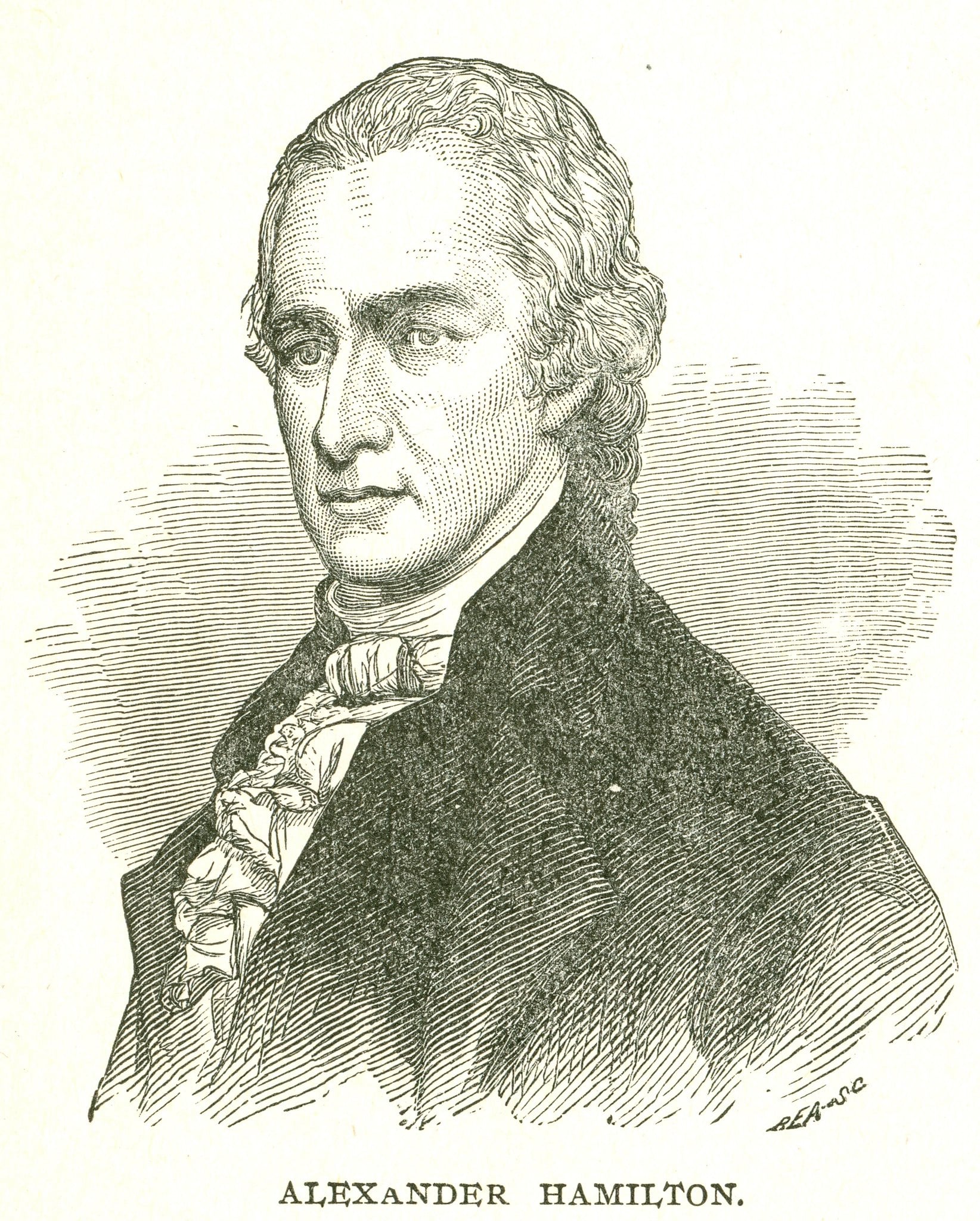
The feud between Alexander Hamilton and Aaron Burr reads like a political drama written for the stage.
Hamilton, the outspoken architect of America’s financial system, thrived on intellect and confrontation.
Burr, equally ambitious but more measured, preferred charm over chaos.
Their clash began in ideology—Federalist versus Republican—but grew increasingly personal.
Hamilton’s public criticisms painted Burr as unprincipled and self-serving.
Burr, already isolated in his own party, saw his rival’s influence closing every door.
Their tension simmered for years, poisoning dinner tables, pamphlets, and politics alike.
By 1804, the animosity reached its breaking point.
Burr challenged Hamilton to a duel after a decade of insults.
On 11 July 1804, they met in Weehawken, New Jersey.
Hamilton fired first, his shot deliberately wide; Burr’s bullet struck true.
Within hours, Hamilton was dead, and Burr’s career effectively ended.
The duel ended two remarkable lives in different ways—one literally, one politically.
Hamilton became a symbol of integrity and sacrifice, while Burr spent the rest of his days chasing redemption.
Some historians suggest Hamilton’s final shot was more gesture than attack—a silent protest against the culture of dueling itself.
Still, pride and politics proved fatal companions, turning a long rivalry into one of America’s most enduring tragedies.
Thomas Edison vs. Nikola Tesla
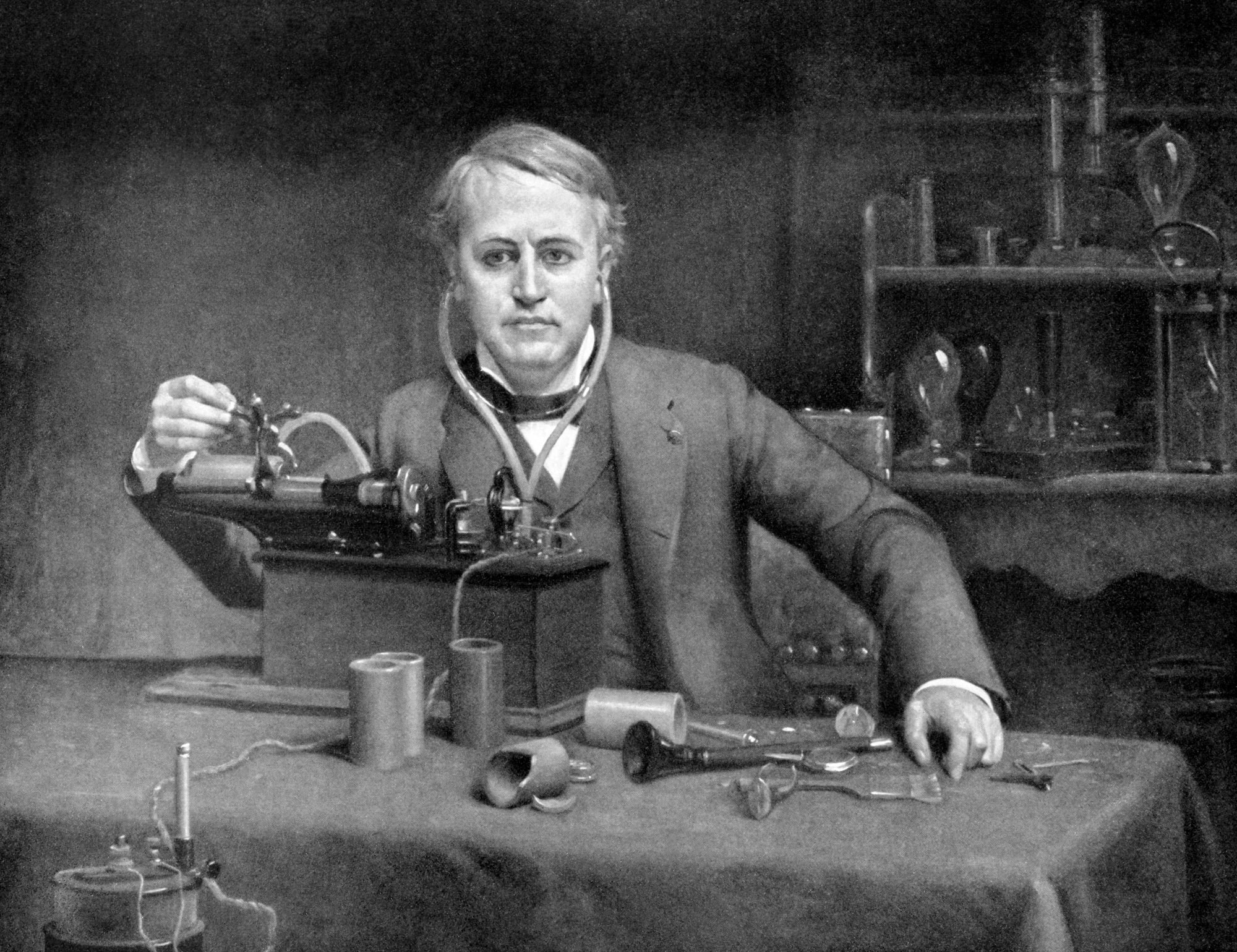
Few rivalries have shaped the modern world as profoundly as that between Thomas Edison and Nikola Tesla.
Edison, a master of persistence and publicity, represented the industrial age’s entrepreneurial spirit.
Tesla, brilliant yet misunderstood, embodied visionary genius unbound by convention.
The so-called “War of Currents” was less a personal feud and more a battle of systems.
Edison’s direct current (DC) network powered early cities, while Tesla’s alternating current (AC) designs, championed by George Westinghouse, promised efficiency over distance.
Edison saw a threat not only to his technology but to his empire.
What followed was a campaign of public demonstrations meant to discredit AC.
Edison funded grim experiments to highlight its dangers, including the 1903 electrocution of an elephant—though not all were directly orchestrated by him.
Tesla, meanwhile, pressed ahead with innovation, designing AC motors and envisioning wireless energy decades before it was feasible.
In the end, the world chose Tesla’s vision.
AC became the standard for global power distribution, while Edison retained fame as a tireless businessman.
Tesla died with little wealth but enduring reverence as the misunderstood genius who lit the world.
Their rivalry proved that progress often comes from collision rather than consensus, and that history doesn’t always reward the first to succeed—only the one who dares to think differently.
Pablo Picasso vs. Henri Matisse
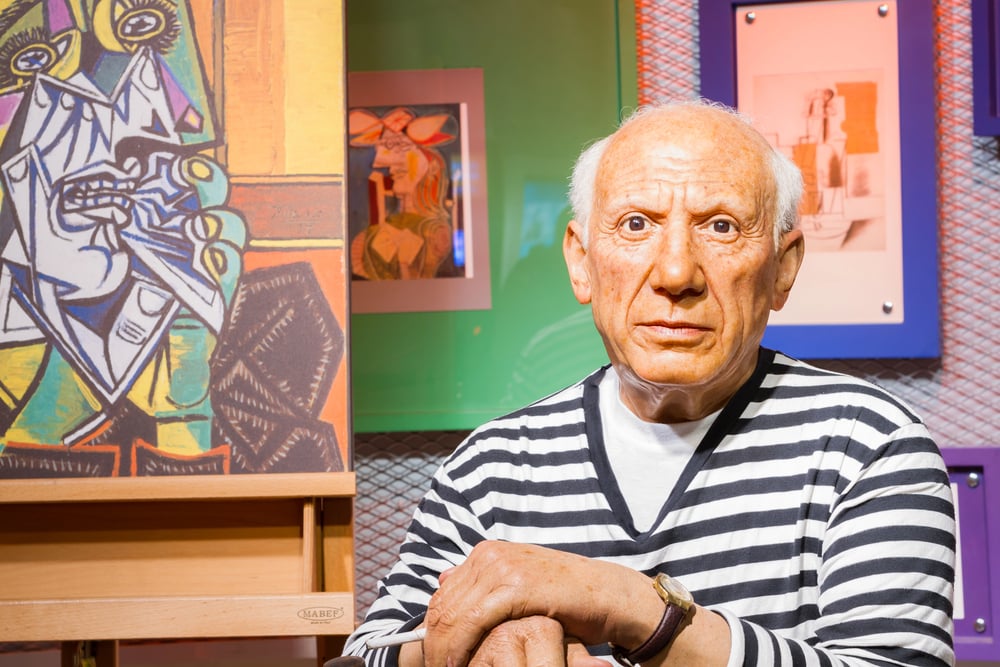
In the early 20th century, modern art found its pulse in two studios: one in Paris, one in Vence.
Pablo Picasso and Henri Matisse were friends, rivals, and mutual provocateurs who redefined what art could be.
Matisse pursued color, harmony, and serenity; Picasso chased movement, distortion, and emotional truth.
They studied each other’s work obsessively, borrowing ideas and challenging limits.
Their artistic dialogue became a tug-of-war between chaos and calm, intellect and instinct.
Matisse once admitted that he painted “to make Picasso furious,” a confession that said as much about their friendship as their competition.
Critics often painted their relationship as combat, but it was more like a creative duel fought on canvas.
Picasso once called Matisse “the enemy I cannot live without,” acknowledging how their competition sharpened both their genius.
Each sought to outdo the other—not in hatred, but in vision.
Still, rivalry can blur admiration and envy.
Matisse’s quiet experimentation forced Picasso to reinvent himself again and again.
When Matisse died in 1954, Picasso mourned him deeply, later saying he felt as if he’d lost his “compass.”
The feud that had once fueled their innovation ended in respect, leaving behind a legacy that shaped the course of modern art.
Their rivalry didn’t divide art—it propelled it forward, proving that competition can be the heartbeat of creativity.
Coca-Cola vs. Pepsi

Some rivalries are born in palaces or laboratories; others in boardrooms and grocery aisles.
Coca-Cola and Pepsi’s century-long competition began in the late 1800s and grew into a global culture war.
Coca-Cola positioned itself as classic, patriotic, and dependable.
Pepsi countered as youthful, daring, and willing to challenge the status quo.
Their marketing battles—from taste tests to celebrity endorsements—defined advertising itself.
The “Cola Wars” reached fever pitch in the 1980s with the Pepsi Challenge, a campaign that showed many consumers preferred Pepsi in blind taste tests.
However, the results didn’t translate to overall market dominance.
Coca-Cola responded with the infamous “New Coke,” launched in April 1985 and withdrawn just three months later in July.
The reformulation sparked public outrage but ultimately strengthened Coke’s brand loyalty, reminding consumers why tradition mattered.
Even so, the rivalry never truly cooled.
Both brands learned that competition fuels innovation, pushing them to evolve with every generation.
Pepsi experimented with pop culture tie-ins, while Coca-Cola leaned into nostalgia and consistency.
From vending machines to Super Bowl ads, their decades-long feud isn’t just about soda—it’s a story of identity, nostalgia, and the endless pursuit of being number one.
The Cola Wars continue today, proving that some rivalries age not with bitterness, but with brilliance.
Why Rivalry Still Captivates Us

Rivalry has always served as a mirror reflecting human ambition, whether in royal courts or corporate boardrooms.
Each of these feuds—whether waged with swords, patents, or paintbrushes—reveals something timeless about the desire to outshine, outlast, or outdo.
The names change, but the instinct endures.
Rivals push one another to either fall harder or rise higher, and occasionally both.
Friction, the kind that inspires new ideas or transforms entire eras, is frequently the source of progress rather than peace.
Whether they are aware of it or not, today’s leaders and innovators still use that pattern whenever they compare themselves to a peer.
We become sharper, faster, and bolder when we compete with others.
They push limits that we might not be able to reach on our own.
Rivalry is ultimately about momentum rather than conflict.
Every age leaves behind its own unique duel in the history of human progress because of the same tension that unites.
The greatest rivalries in history demonstrate that the world might not advance at all if we don’t have someone to push us.
More from Go2Tutors!

- The Romanov Crown Jewels and Their Tragic Fate
- 13 Historical Mysteries That Science Still Can’t Solve
- Famous Hoaxes That Fooled the World for Years
- 15 Child Stars with Tragic Adult Lives
- 16 Famous Jewelry Pieces in History
Like Go2Tutors’s content? Follow us on MSN.