15 Moments That Almost Changed History Forever
History hangs on a thread more often than most people realize. The world as we know it exists because of countless small decisions, lucky breaks, and split-second timing that could have gone differently.
A missed opportunity here, a delayed message there, and entire civilizations might have taken radically different paths. These near-misses remind us how fragile our timeline really is — and how close we’ve come to living in a completely different world.
The Mongol Invasion of Japan
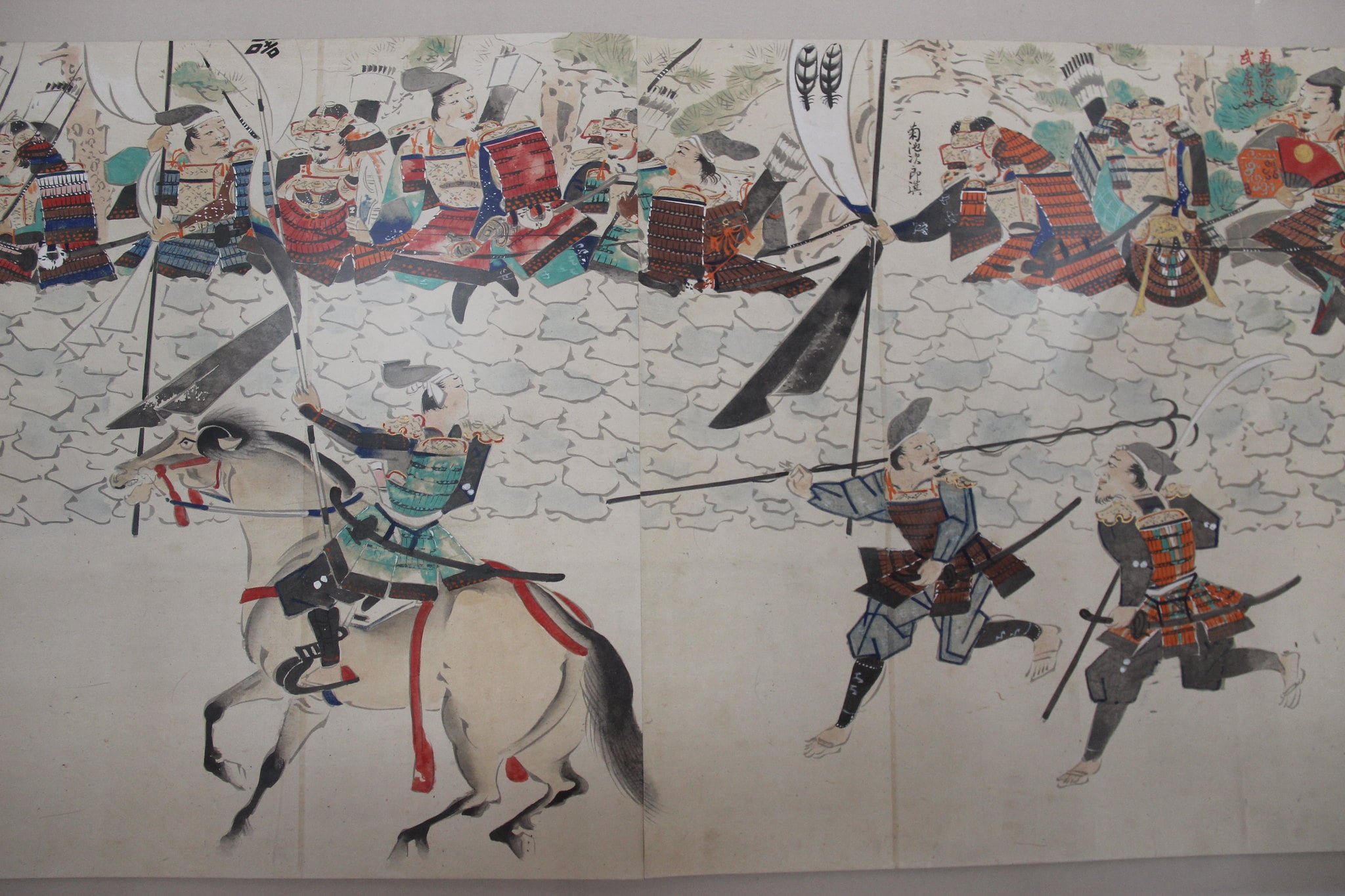
Two typhoons saved Japan from Mongol conquest. Kublai Khan launched massive invasion fleets in 1274 and 1281, each time with overwhelming force that should have crushed Japanese resistance.
Both times, storms destroyed his ships before the conquest could be completed. The Japanese called these storms “kamikaze” — divine wind.
Without those storms, Japan would have become just another Mongol province. No isolated development of samurai culture, no Meiji Restoration, no rapid industrialization that made Japan a world power.
The entire balance of East Asian history shifts.
Stanislav Petrov’s Decision
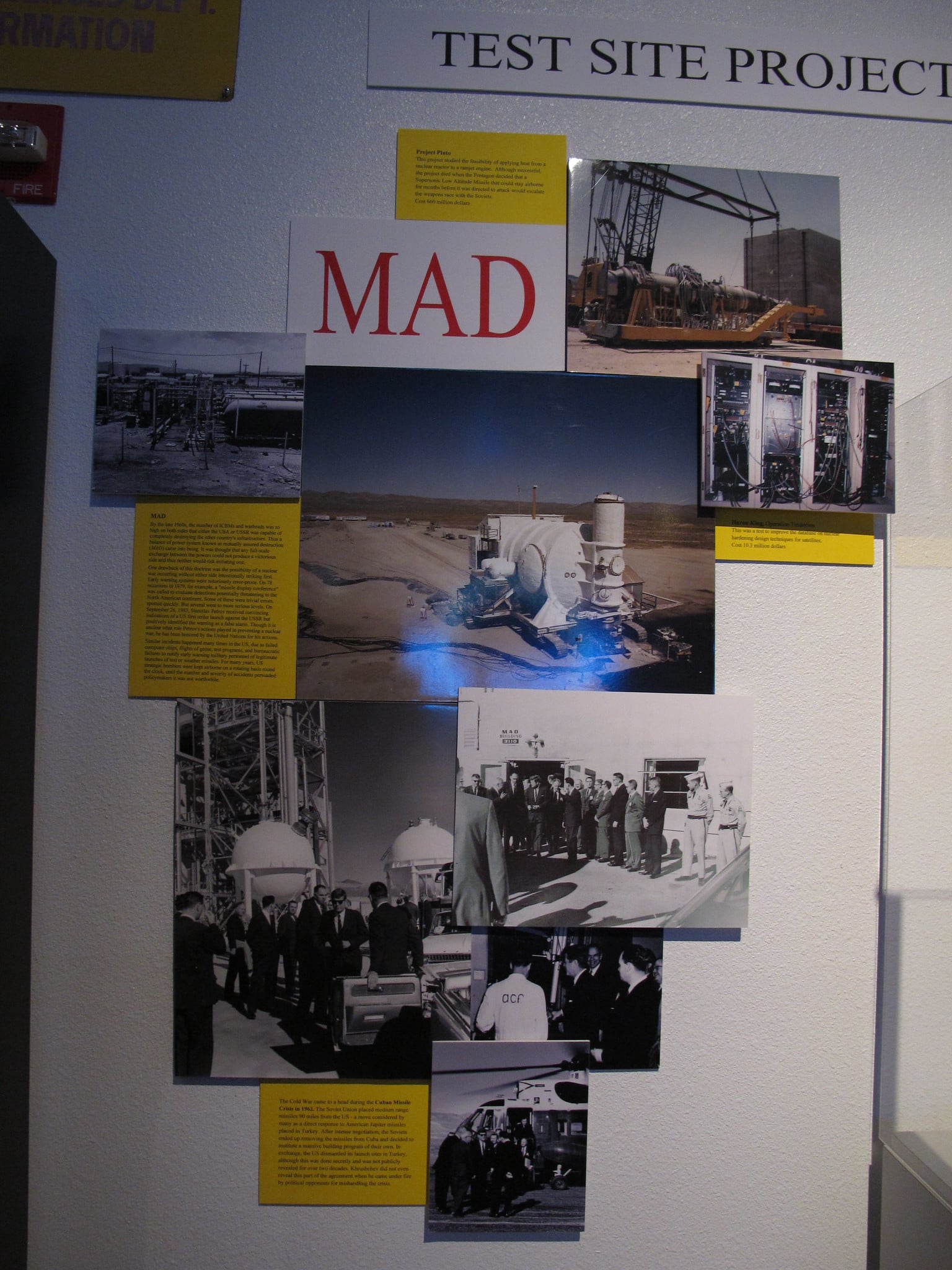
On September 26, 1983, Soviet officer Stanislav Petrov received computer alerts showing incoming American missiles. Protocol demanded he report the attack immediately, which would have triggered automatic nuclear retaliation.
Instead, he decided the readings were false and didn’t pass them up the chain of command.
He was right — it was a computer malfunction. But for several minutes, the decision to start nuclear war rested entirely with one man who chose not to believe his instruments.
One different choice, and civilization ends that Tuesday night.
The English Armada’s Near Victory
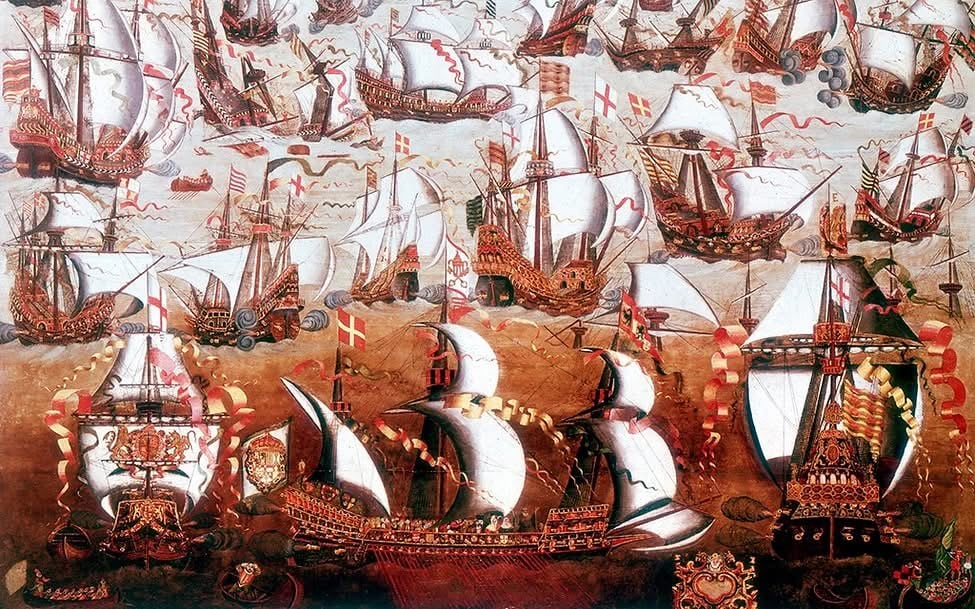
Everyone knows about the Spanish Armada of 1588, but the English counter-attack the following year almost succeeded in destroying Spanish sea power entirely.
The 1589 English counter-attack was commanded by Lord Howard of Effingham and Sir John Norris, with Sir Francis Drake serving as a senior commander.
This fleet reached the Spanish coast, captured several ports, and came within reach of seizing the treasure fleet that funded Spain’s empire.
Bad weather and disease forced the English to withdraw just as they were about to land the decisive blow. Had they succeeded, Spain’s golden age ends a century early, the colonization of the Americas follows a completely different pattern, and English dominance arrives 200 years ahead of schedule.
Portugal might never have fallen under Spanish control, the Dutch Revolt succeeds faster, and the religious wars that tore Europe apart take entirely different forms.
Hitler’s Art School Application
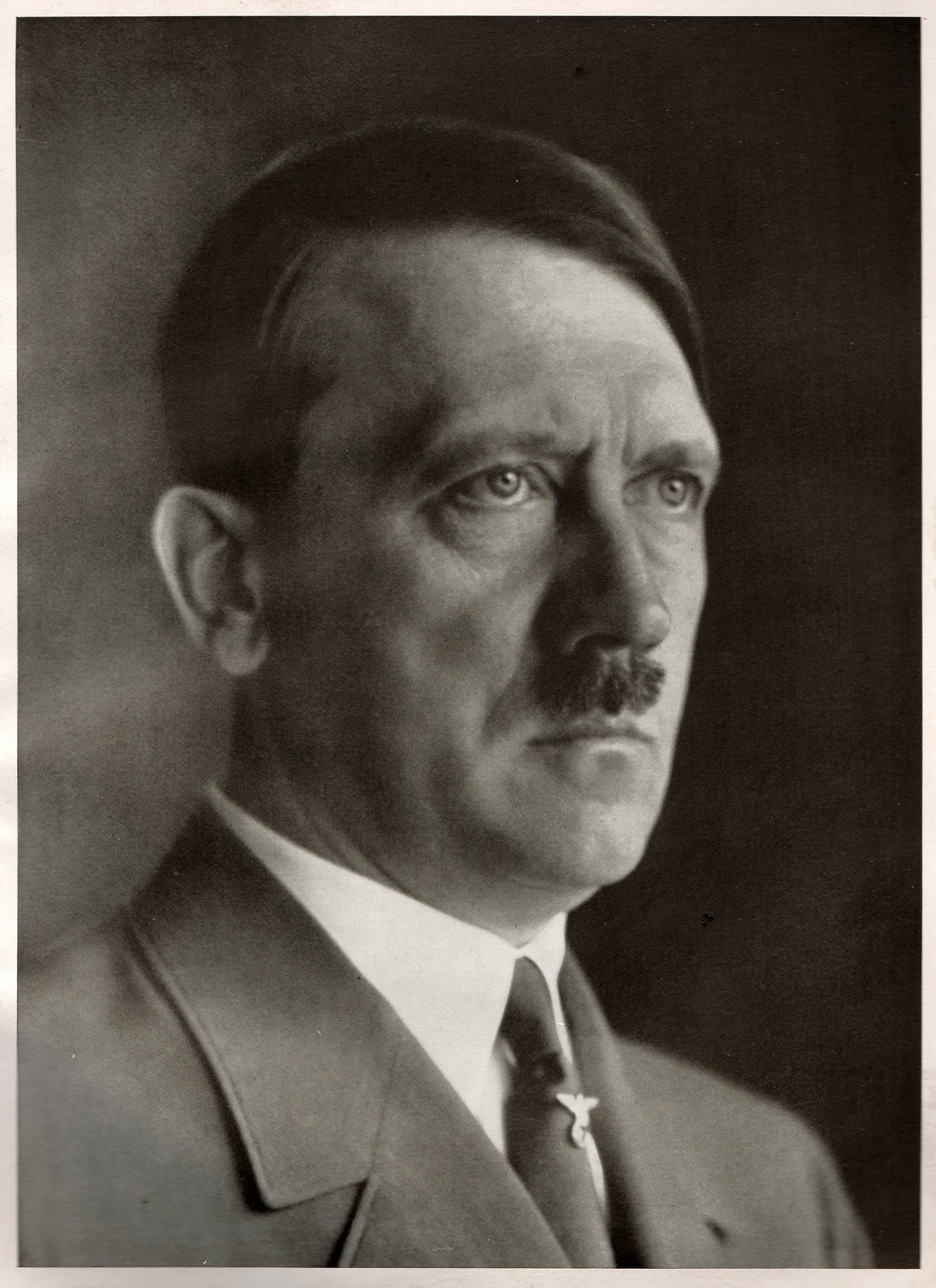
Adolf Hitler applied to the Academy of Fine Arts in Vienna in 1907 and 1908, being rejected both times. His first application was rejected in 1907, and his reapplication in 1908 was also unsuccessful.
He had some talent — his architectural drawings showed promise — but the academy wanted him to study architecture instead of painting. Hitler refused to consider the alternative path.
Had he been accepted, or had he swallowed his pride and studied architecture, he becomes just another struggling artist in Vienna’s bohemian quarter. No failed painter nursing resentments in Munich beer halls, no charismatic speaker blaming Germany’s problems on scapegoats, no Nazi Party.
The entire trajectory of the twentieth century pivots on an admissions committee’s decision.
Alexander the Great’s Near Death at the Granicus
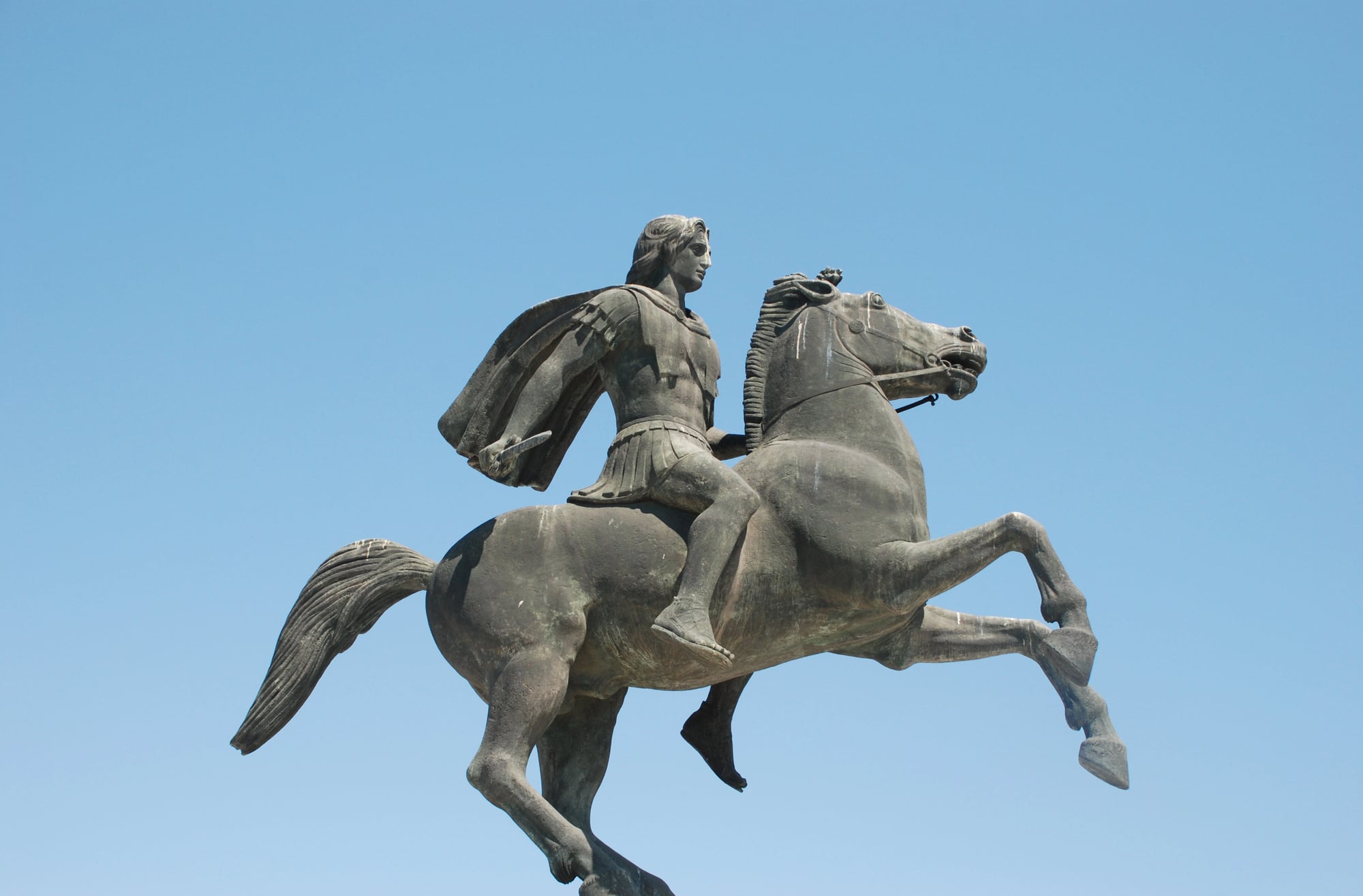
At the Battle of Granicus in 334 BCE, Alexander the Great nearly died in single combat with a Persian noble named Spithridates. Alexander’s helmet was split by a battle axe, and a second Persian was about to deliver the killing blow when Cleitus the Black intervened at the last second, saving the young king’s life.
Alexander was 22 and had been campaigning for less than two years.
His death there ends the Hellenistic period before it begins, leaves Greek culture confined to the Greek mainland, and prevents the cultural fusion that shaped everything from mathematics to medicine for the next thousand years.
Rome rises in a world without Greek philosophical influence, Christianity develops without Hellenistic theology, and the intellectual foundations of Western civilization look completely different.
The Carrington Event and Modern Technology

The Carrington Event of 1859 was the most powerful geomagnetic storm in recorded history. Telegraph systems worldwide failed, with some operators receiving electric shocks and telegraph paper catching fire.
Aurora were visible as far south as the Caribbean.
Had this storm occurred in the modern era, it would have destroyed satellite networks, knocked out power grids across entire continents, and crippled electronic communications for months or years.
The economic damage would have reached into the trillions, and the social disruption would have made the 2008 financial crisis look manageable.
We dodged this bullet by about 150 years of technological development.
The Near-Assassination of Franklin Roosevelt
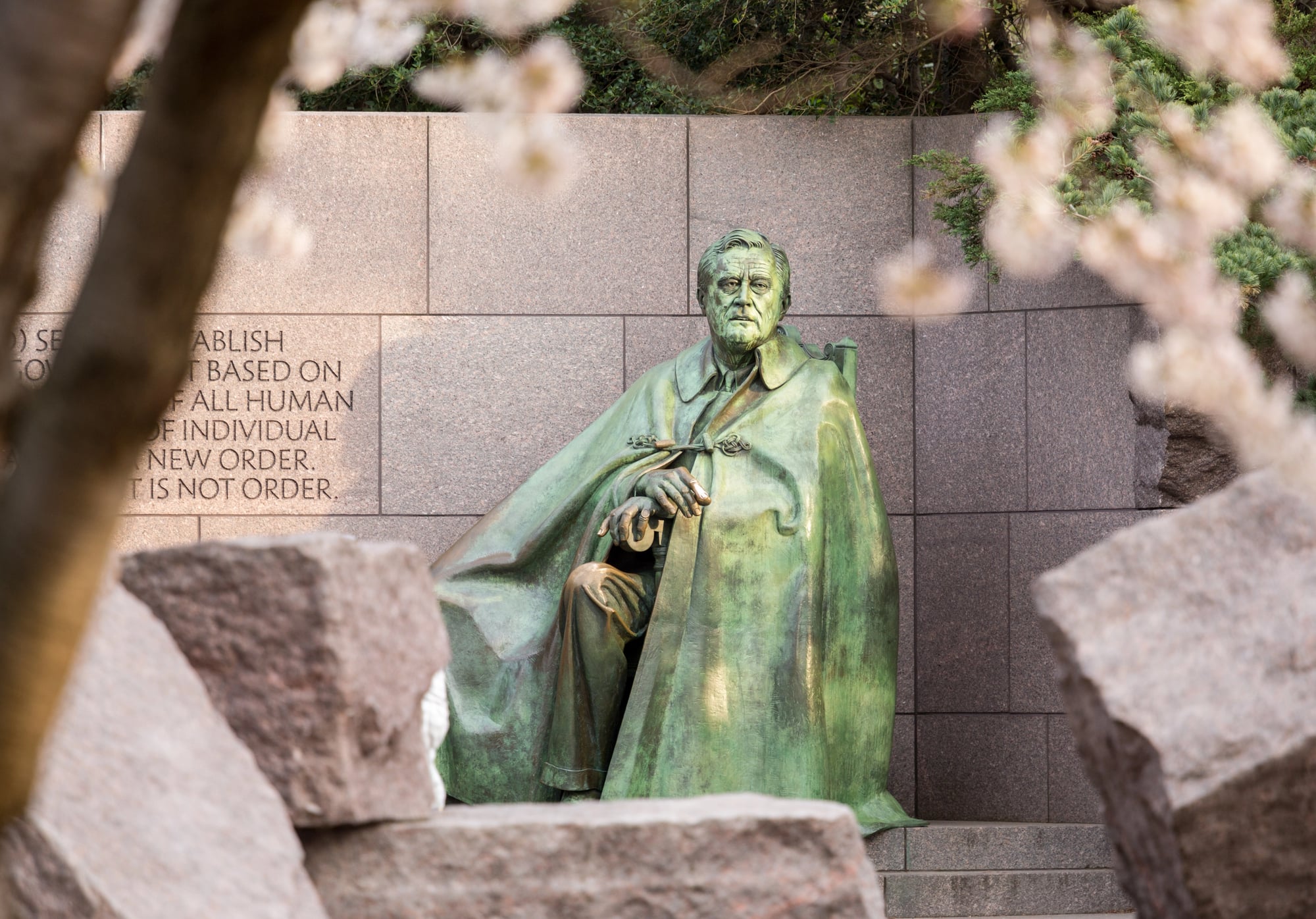
On February 15, 1933, approximately two and a half weeks before his inauguration on March 4, Franklin Roosevelt was giving a speech in Miami when Giuseppe Zangara fired five shots at him from 25 feet away.
None hit Roosevelt, but Chicago mayor Anton Cermak, who was standing nearby, was mortally wounded.
Zangara was reportedly a poor shot, and the crowd was jostling him, but he came remarkably close to killing the president-elect at the depths of the Great Depression.
Without Roosevelt’s New Deal programs and his wartime leadership, America’s recovery from economic collapse might have taken decades longer, and the country might never have emerged as a global superpower.
The Mongol Recall from Europe
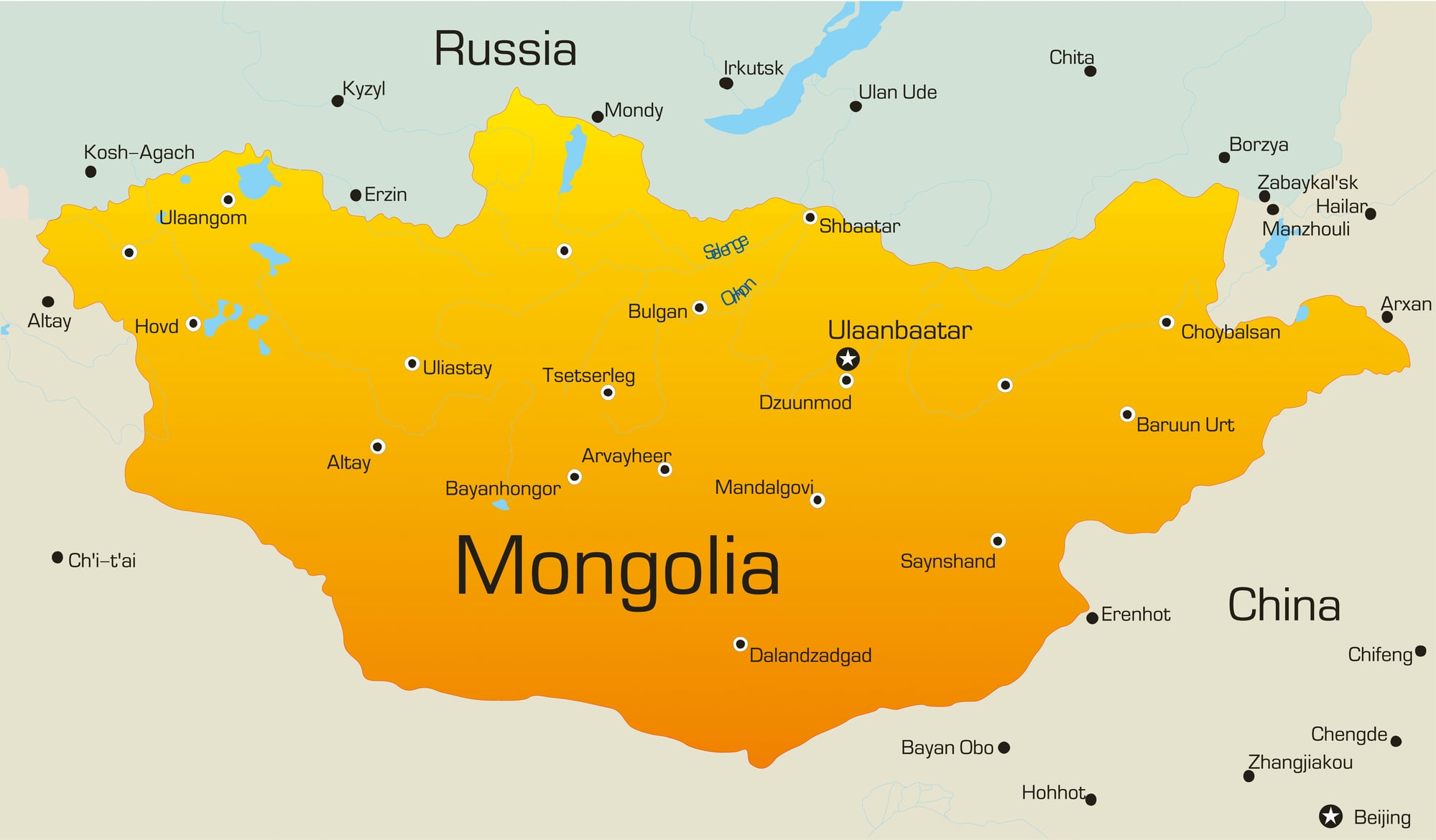
In 1241, Mongol forces under Batu Khan had conquered Poland and Hungary and were preparing to invade Western Europe. Their military machine was unstoppable — no European army could match their speed, tactics, or coordination.
Then Ögedei Khan, the Great Khan of the Mongol Empire, died in Mongolia, and Batu Khan recalled his forces to participate in choosing a successor.
European knights liked to think their castles and heavy cavalry would have stopped the Mongols, but there’s no evidence for this optimism. The Mongols had already adapted their tactics to defeat every type of fortification and military formation they’d encountered.
Without Ögedei’s death, the Mongols probably conquer France, destroy the Holy Roman Empire, and end medieval European civilization before it fully develops.
Vasily Arkhipov and the Nuclear Torpedo
During the Cuban Missile Crisis, Soviet submarine B-59 was detected by U.S. destroyers and subjected to depth charge attacks. The submarine’s nuclear torpedo required unanimous consent from three officers to be fired.
Two voted yes. Vasily Arkhipov voted no.
Arkhipov couldn’t communicate with Moscow and had every reason to believe war had already started. The depth charges were exploding around his submarine, his crew was near panic, and his fellow officers were convinced they were under attack.
His single “no” vote prevented nuclear war from starting in the Caribbean on October 27, 1962.
The Great Dying That Almost Wasn’t
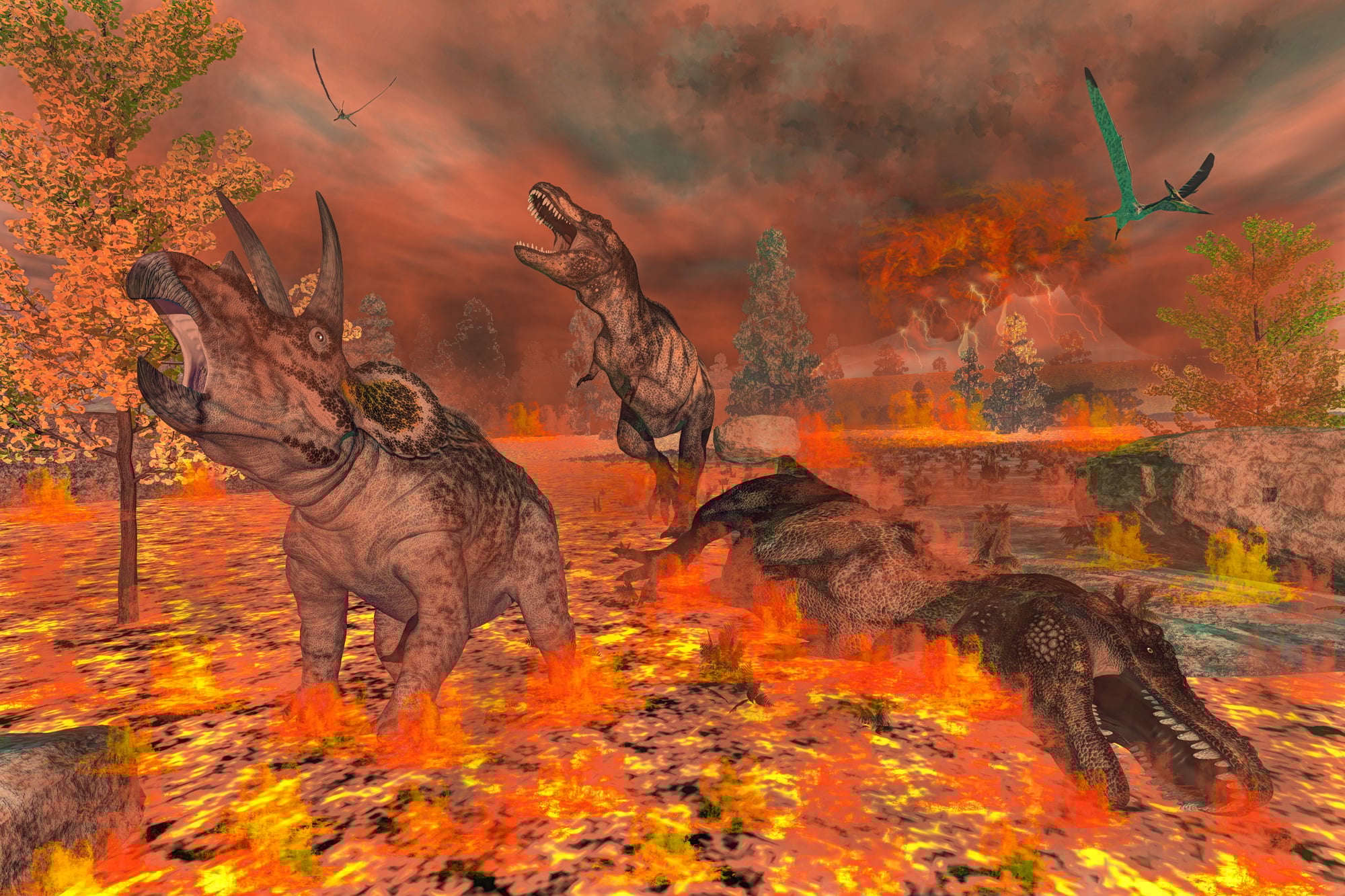
Around 250 million years ago, the Permian-Triassic extinction event — the Great Dying — eliminated 96% of marine species and 70% of terrestrial species. This was caused by massive volcanic eruptions in what is now Siberia, which released enormous amounts of carbon dioxide and poisonous gases into the atmosphere.
Had those eruptions been slightly less severe or occurred in a different location, complex life on Earth might have continued evolving along completely different lines.
Dinosaurs might never have gotten their evolutionary opportunity, mammals might have remained small and peripheral, and intelligence might have evolved in some other lineage entirely — or not at all.
The Miracle of the House of Brandenburg
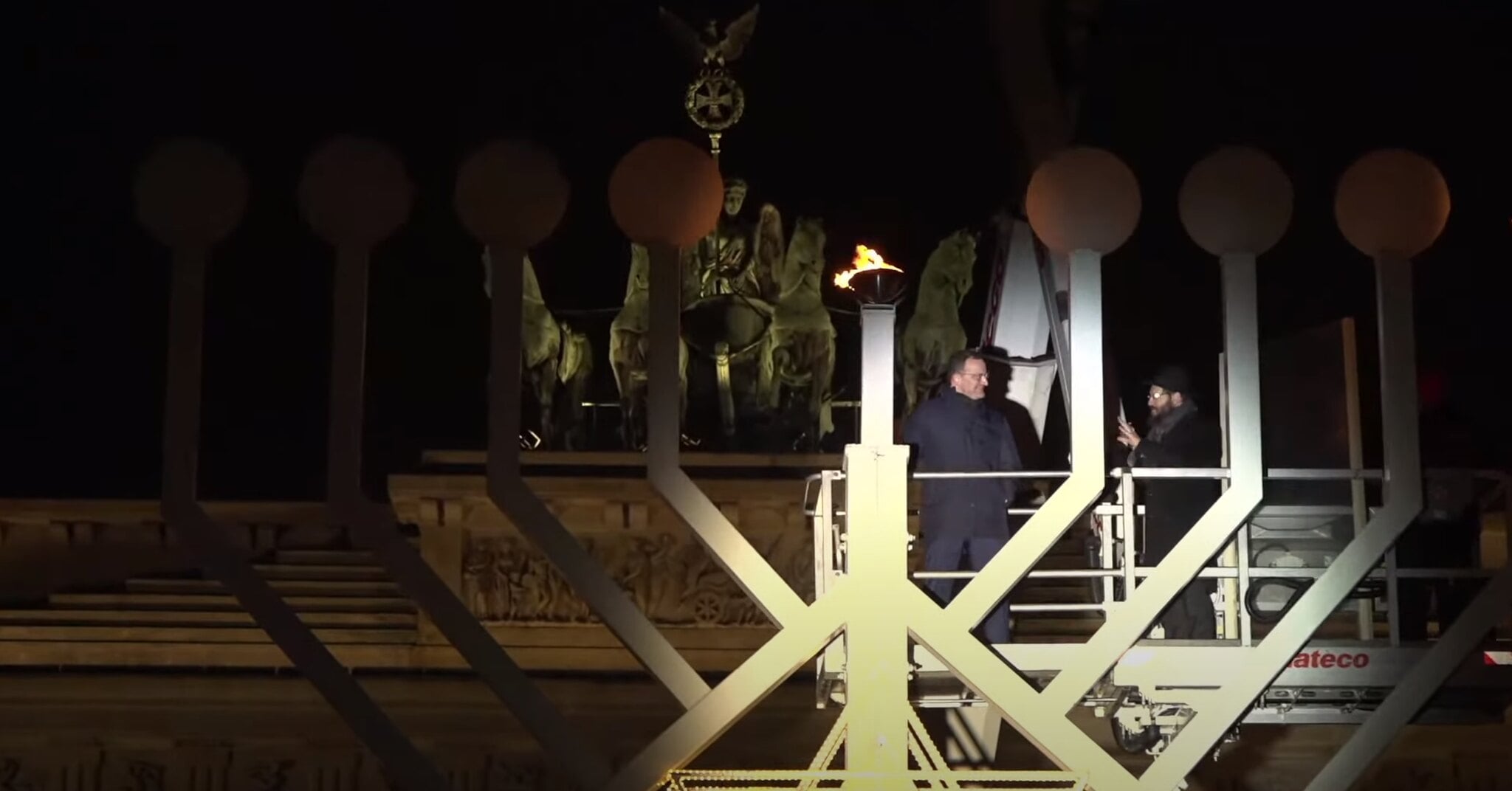
In 1762, Empress Elizabeth of Russia died just as Russian armies were about to capture Berlin and destroy Frederick the Great’s Prussia. Her successor, Peter III, admired Frederick and immediately switched sides, saving Prussia from complete annihilation.
Without this intervention, Prussia disappears from European history.
No Prussia means no German unification under Prussian leadership, no German Empire, and no World War I triggered by German aggression. France remains the dominant continental power, the balance of European politics stays centered on the rivalry between France and Austria, and the rise of nationalism takes completely different forms.
Columbus’s Near Turn Back
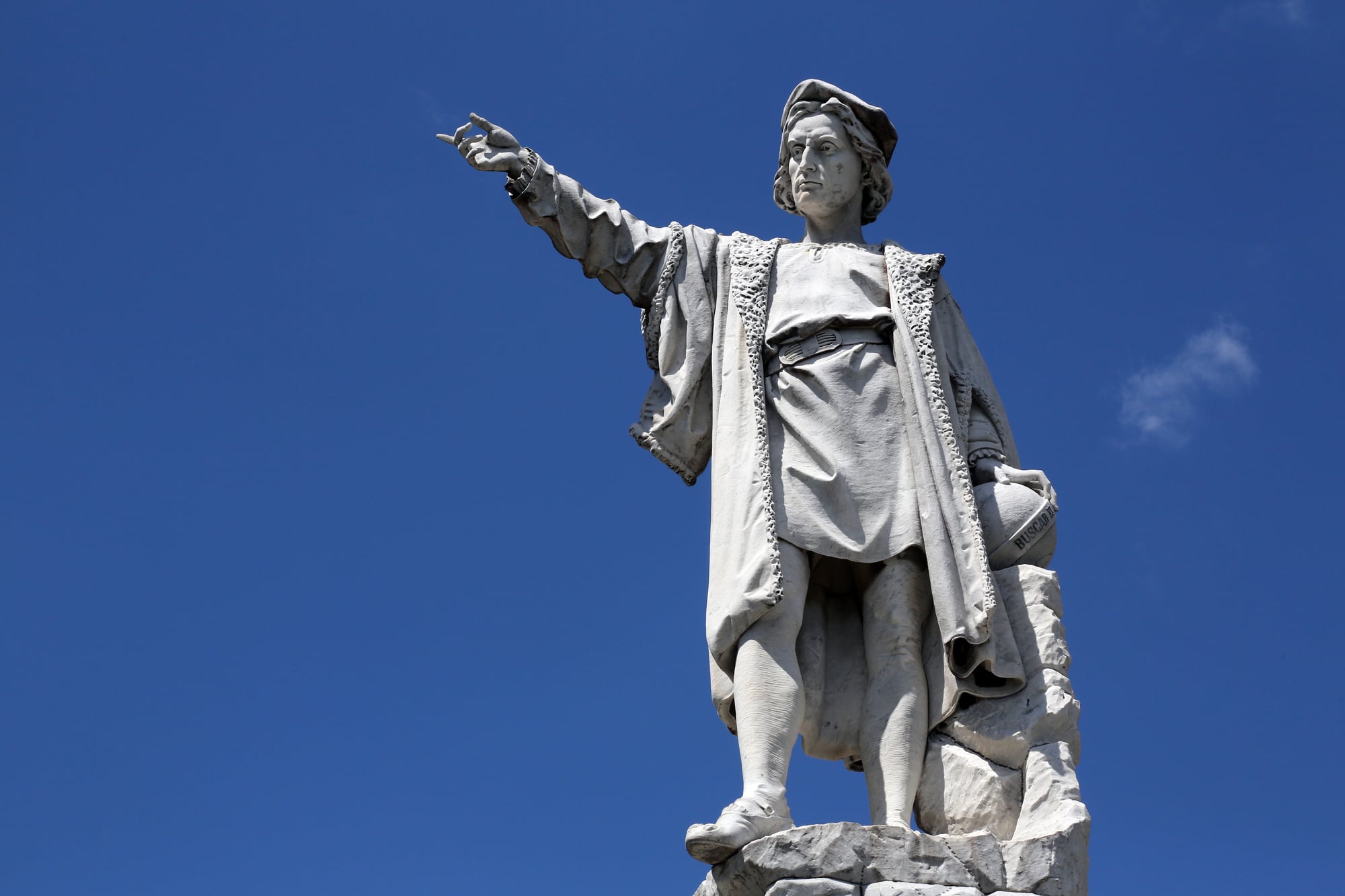
According to tradition, on October 10, 1492, Christopher Columbus’s crew demanded he turn back. However, historians debate the extent and seriousness of this crew unrest, and the historical record of a genuine mutiny threat remains contested.
Columbus negotiated for three more days.
On October 12 — the second of those three days — they spotted land in the Bahamas.
One more day of bad weather or contrary winds, and Columbus returns to Spain empty-handed, discredited and bankrupt. The Spanish crown loses interest in westward exploration for decades, giving other European powers time to discover and claim the Americas first.
The entire colonial period unfolds under different flags, with different languages, different legal systems, and different cultural patterns.
The Toba Supervolcanic Eruption
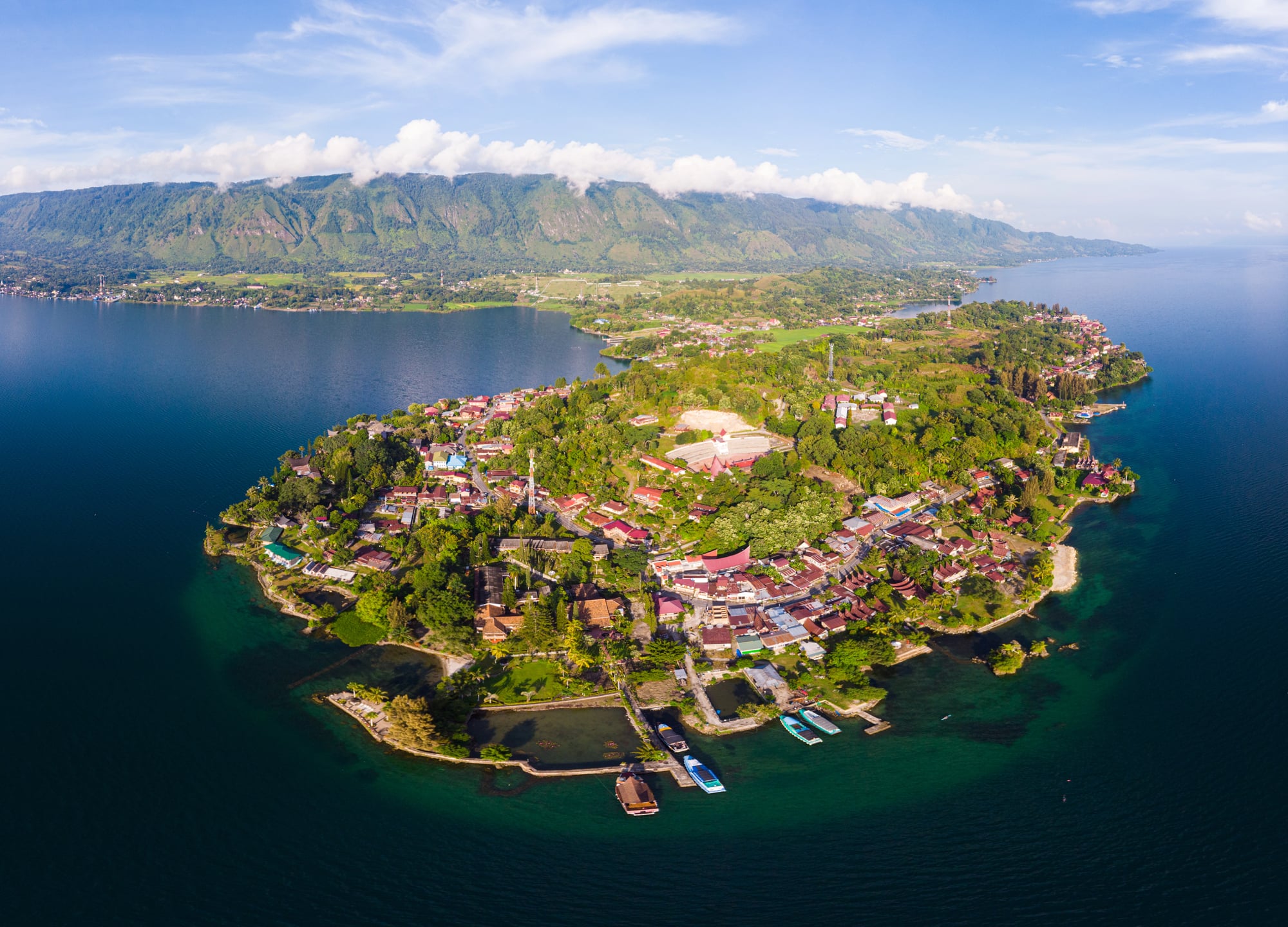
Around 74,000 years ago, the Toba supervolcano in Indonesia erupted with a force that makes modern volcanic eruptions look like firecrackers. The explosion blocked sunlight for years, triggered a volcanic winter, and reduced the human population to somewhere between 1,000 and 10,000 breeding pairs.
Genetic evidence suggests humanity passed through an extremely narrow bottleneck at this time — we came closer to extinction than most people realize.
A slightly larger eruption or a few more years of volcanic winter, and human civilization never develops because humans never survive long enough to develop it.
The 1995 Norwegian Rocket Incident
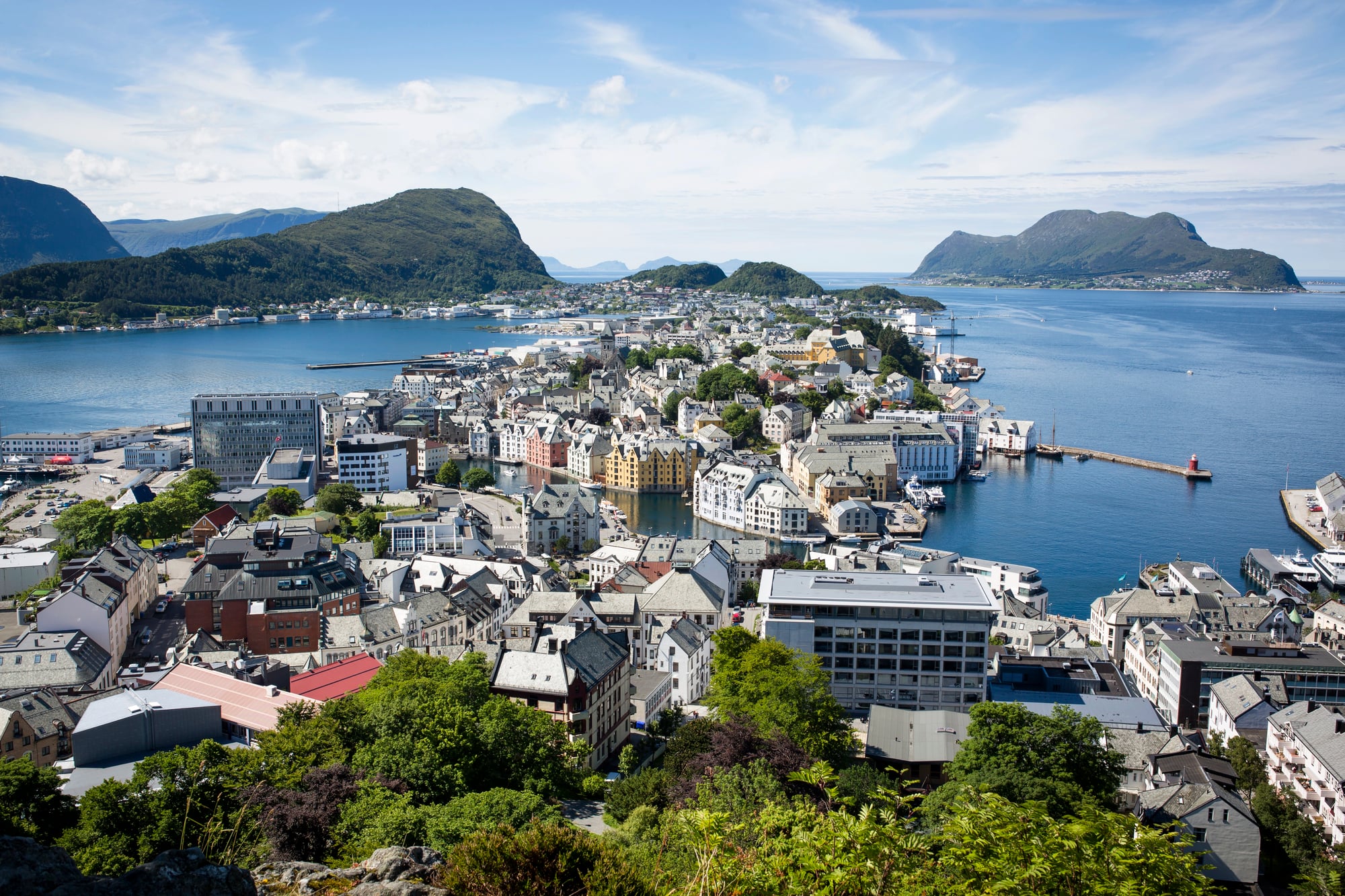
On January 25, 1995, Russian radar operators detected what appeared to be a U.S. submarine-launched ballistic missile heading toward Moscow. President Boris Yeltsin activated his nuclear briefcase and was reportedly minutes away from ordering a retaliatory strike when Russian officials realized the object was a scientific rocket launched from Norway to study the aurora.
The Norwegian government had notified Russia about the launch, but the message never reached the radar operators.
For several minutes, nuclear war was prevented only by Russian restraint and the time it took to confirm what they were seeing. This happened during a period of relatively good U.S.-Russian relations — a similar incident during a crisis might have ended differently.
When Almost Happened Anyway

These moments remind you that history is far more fragile than textbooks suggest. The world you live in exists because of countless small decisions, lucky accidents, and split-second timing that could easily have gone the other way.
Every stable institution, every cultural tradition, every scientific advance rests on a foundation of near-misses and close calls that most people never hear about.
The next time someone talks about historical inevitability, remember that we’re all living in the timeline where the storms hit the Mongol fleets, where the wrong turns happened at just the right moments, and where the right people said “no” when it mattered most.
More from Go2Tutors!

- The Romanov Crown Jewels and Their Tragic Fate
- 13 Historical Mysteries That Science Still Can’t Solve
- Famous Hoaxes That Fooled the World for Years
- 15 Child Stars with Tragic Adult Lives
- 16 Famous Jewelry Pieces in History
Like Go2Tutors’s content? Follow us on MSN.



