Photos Of Unusual Statues That Look Like Real People
Street art has evolved far beyond simple murals and graffiti tags. Walking through cities today, you might find yourself doing a double-take at what appears to be a person sitting on a bench, only to realize it’s an incredibly lifelike statue.
These hyperrealistic sculptures blur the line between art and reality so convincingly that they’ve become urban legends in their own right. Some are so detailed that passersby stop to ask for directions, while others are positioned so naturally that they seem to be waiting for the bus alongside everyone else.
Ron Mueck’s Giant Baby
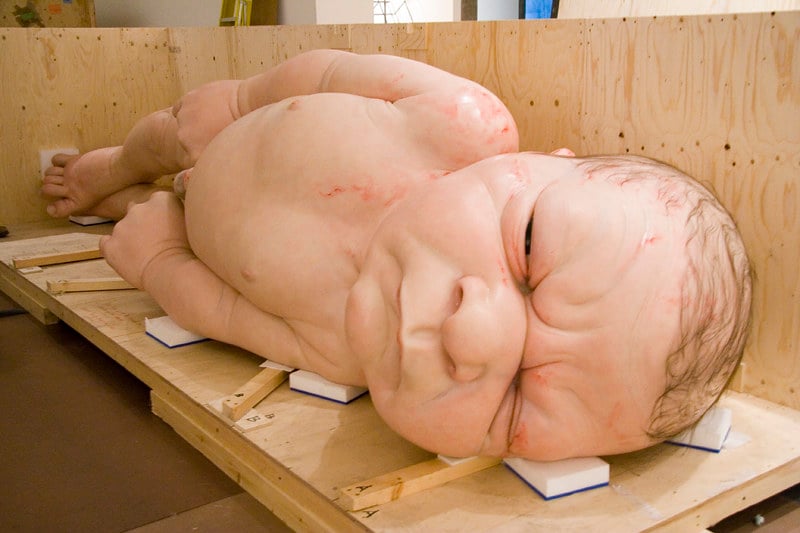
Ron Mueck doesn’t just create realistic sculptures—he creates unsettling ones. His oversized newborn, displayed in galleries worldwide, forces viewers to confront the raw vulnerability of human life at a scale that makes everyone uncomfortable.
The baby’s skin appears soft enough to touch. Its eyes seem to follow you across the room.
Mueck’s attention to detail extends to every wrinkle, every tiny fingernail, every strand of barely-there hair.
Duane Hanson’s Museum Security Guard
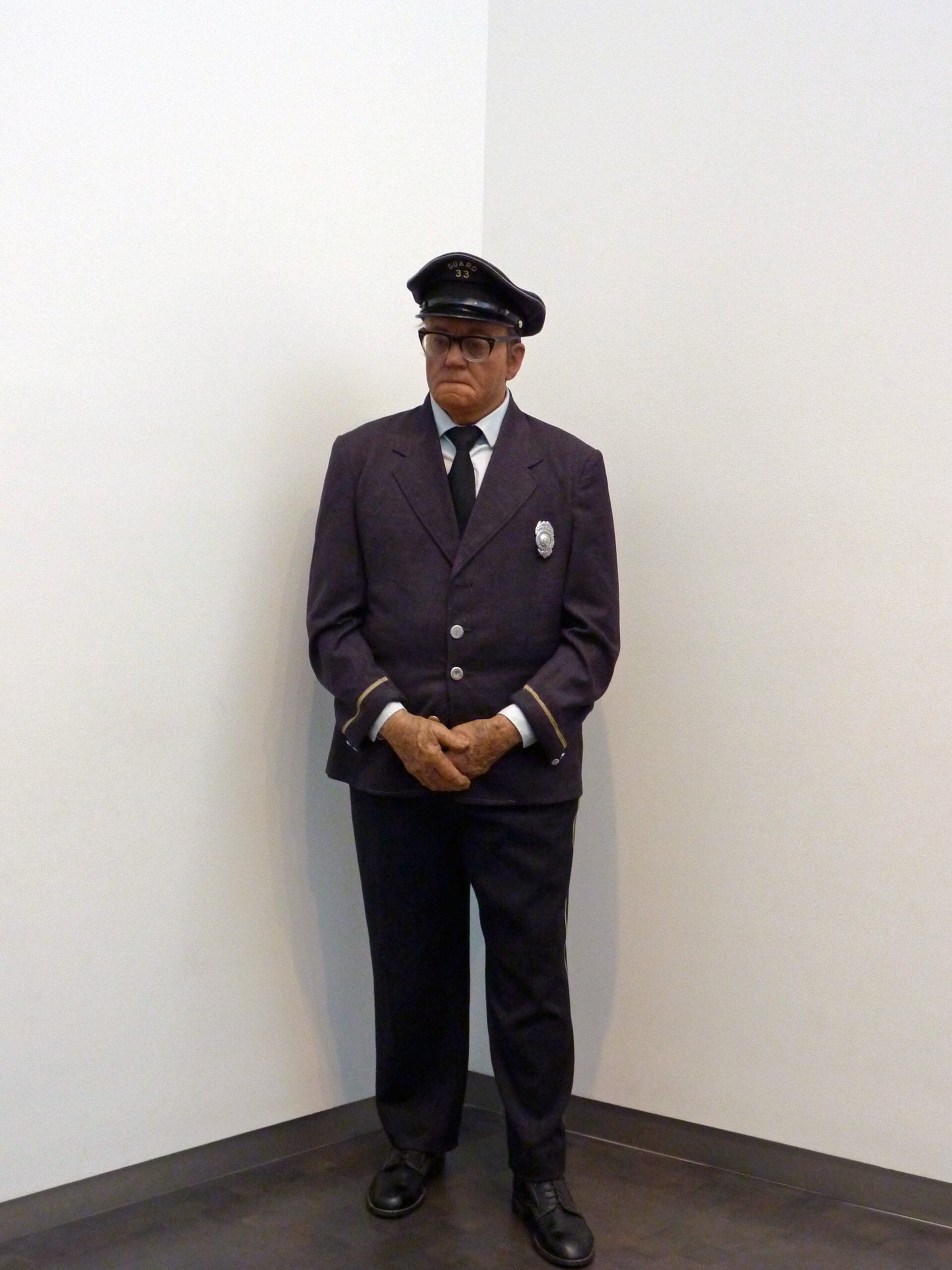
Hanson’s fiberglass security guard stands in museums, and visitors regularly approach him with questions about the exhibits. The uniform is authentic, down to the worn patches on the elbows and the slight sag in the shoulders that comes from standing all day.
But here’s the thing about Hanson’s work (and this applies to most of his pieces, which include shoppers, tourists, and construction workers): the longer you stare, the more you notice the small imperfections that make them human. So human, in fact.
The guard’s tired expression isn’t just painted on—it’s carved into the very posture of the figure.
Marc Sijan’s Standing Man In Suit
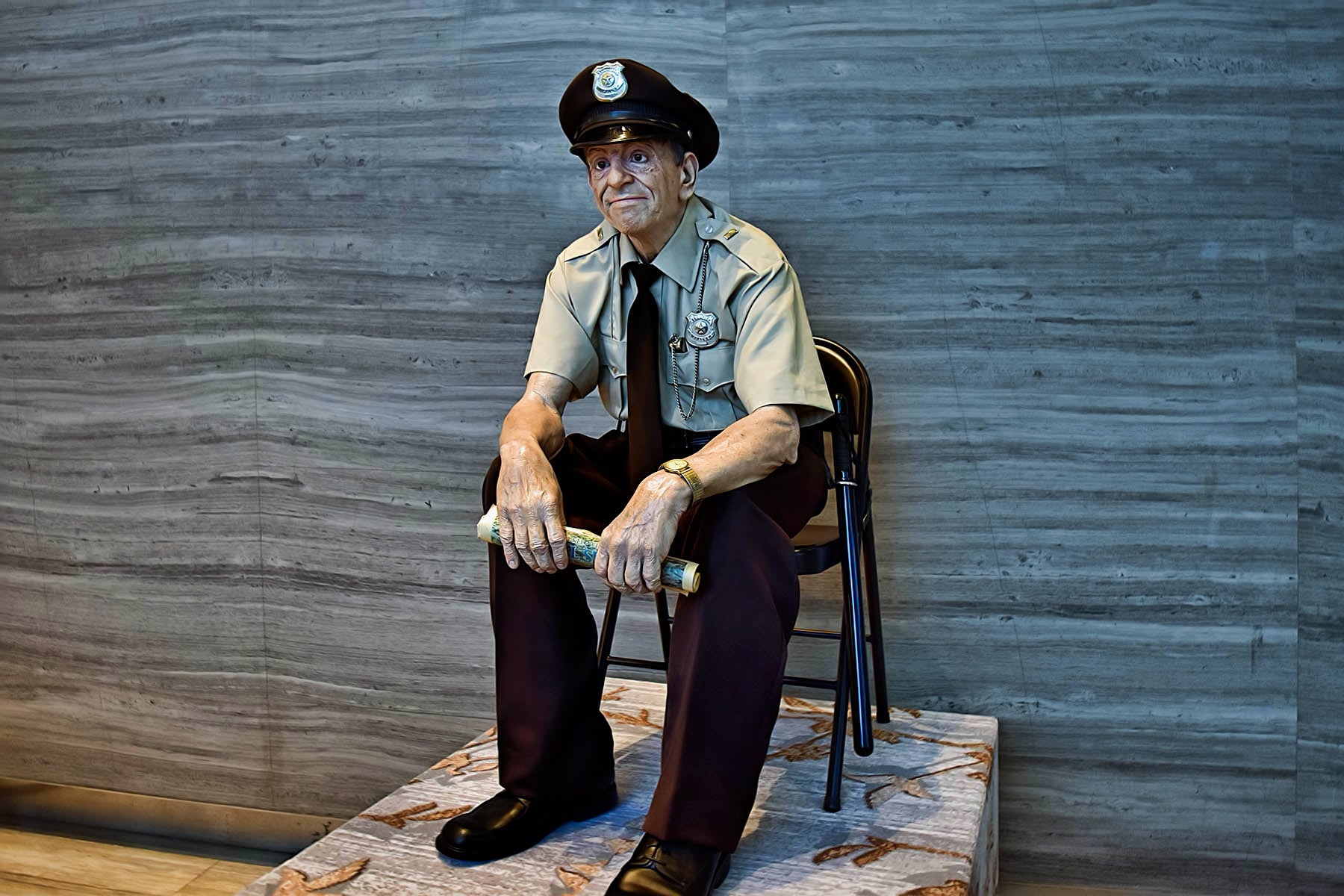
Sijan’s businessman statue is a striking example of hyperrealistic sculpture. The suit wrinkles naturally where fabric would bunch when someone stands with their weight shifted to one leg.
The man’s expression carries that particular brand of urban exhaustion—not dramatic, just the quiet fatigue of someone who takes the same train every morning. His tie sits slightly askew.
One shoelace appears looser than the other. The meticulous attention to detail creates a figure so convincing that viewers often pause and study it longer than they would a typical sculpture, drawn in by its unsettling familiarity.
Carole Feuerman’s Swimmers
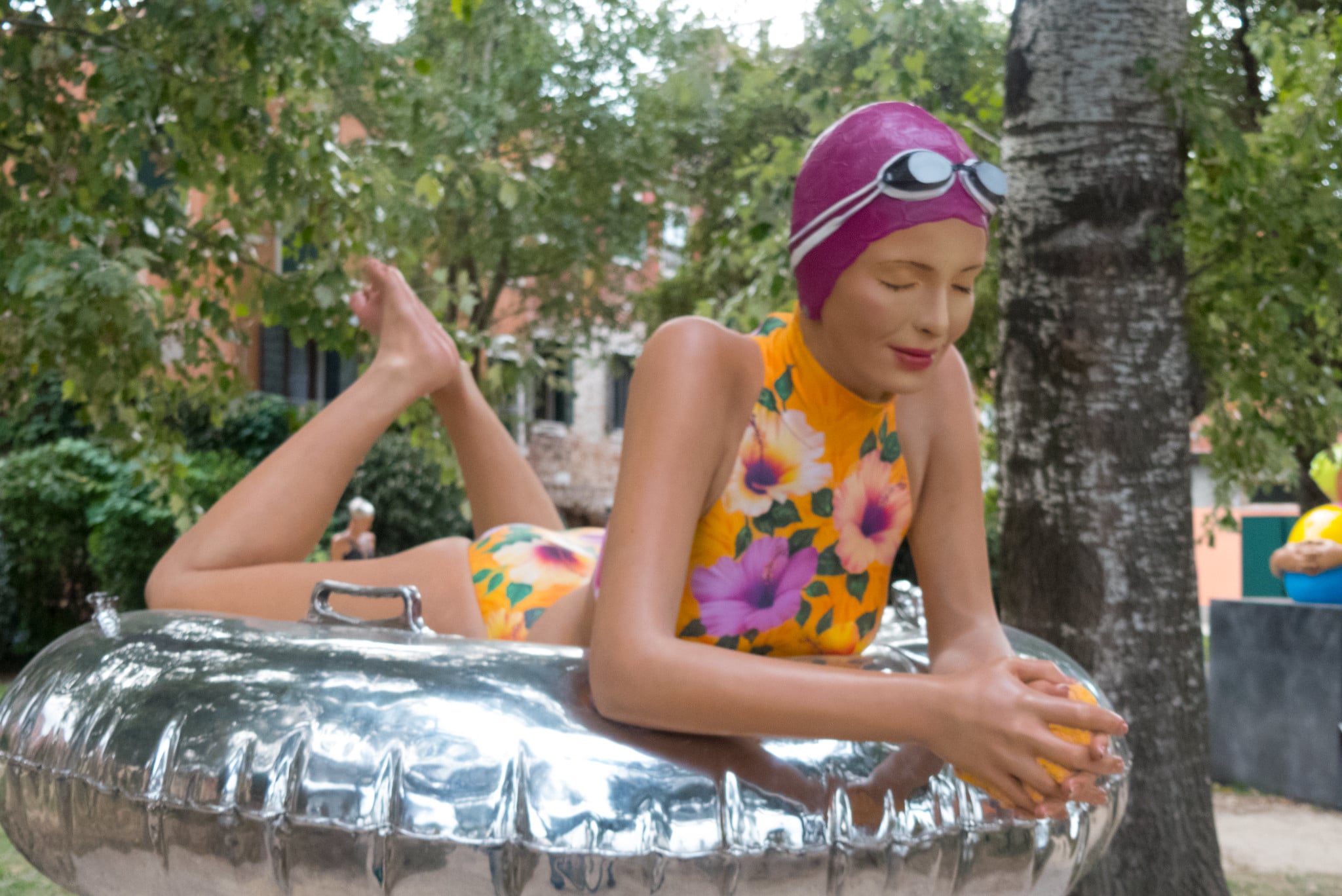
Feuerman captures swimmers mid-stroke, their bodies frozen in moments of athletic grace that would be impossible to hold in real life. Water droplets cling to their skin with such precision that you expect them to roll off at any moment.
The swimmers’ muscles show the tension of movement, but it’s the small details that sell the illusion (the way a swimsuit pulls slightly at the shoulder, the particular way water beads on skin that’s been treated with chlorine, the focused expression of someone counting laps in their head). And yet these figures possess an otherworldly quality that real swimmers, struggling with breath and buoyancy, never quite achieve.
But then again, that’s the point.
Patricia Piccinini’s Hyperrealistic Figures
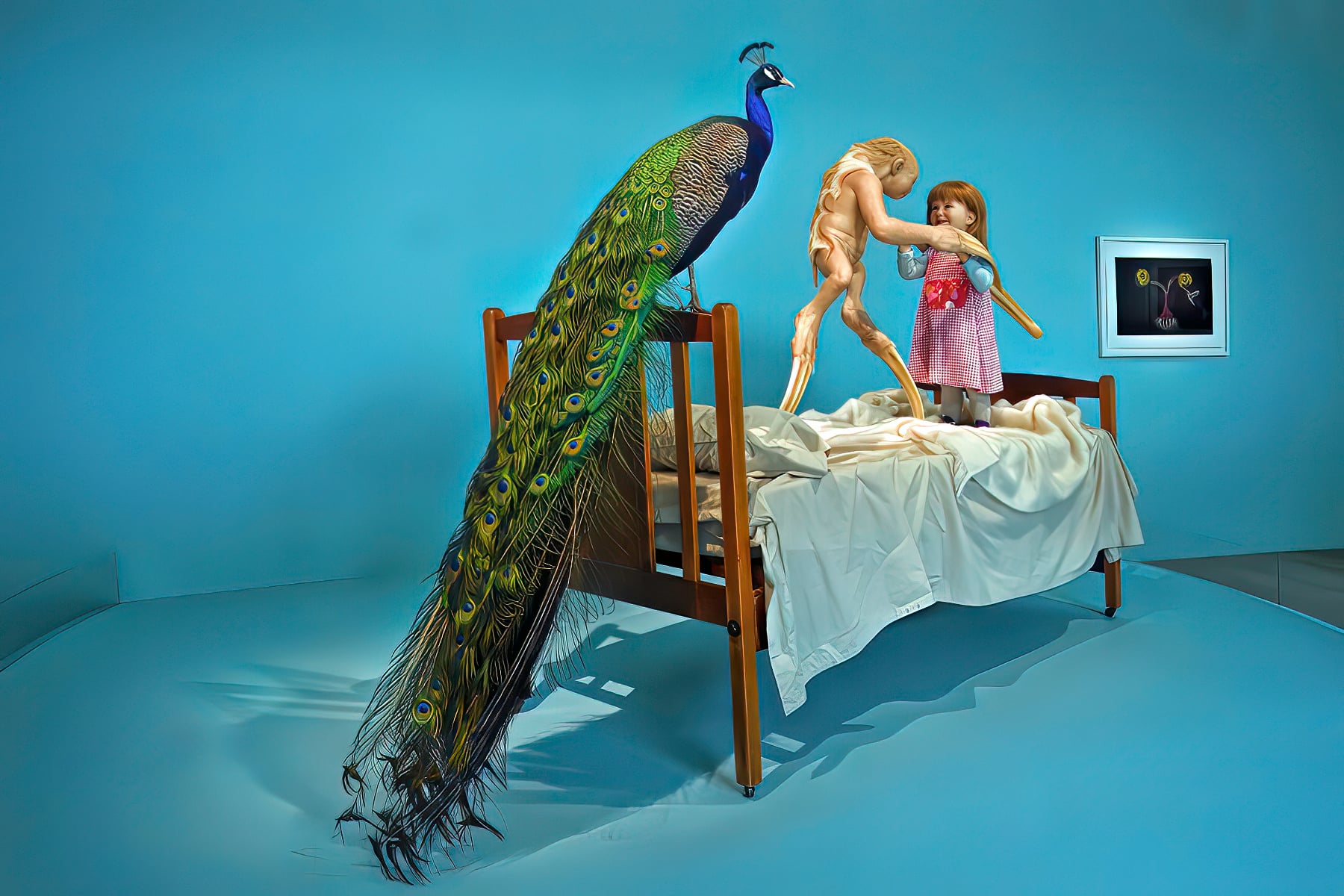
Piccinini’s work walks the line between beautiful and disturbing. Her figures look human enough to trigger recognition, but something is always slightly off—proportions that don’t quite match, skin that’s too perfect, expressions that seem to know something you don’t.
The uncanny valley effect hits hard with Piccinini’s pieces. They’re realistic enough to fool your peripheral vision but strange enough to make you question what you’re seeing when you look directly at them.
Evan Penny’s Distorted Self-Portraits
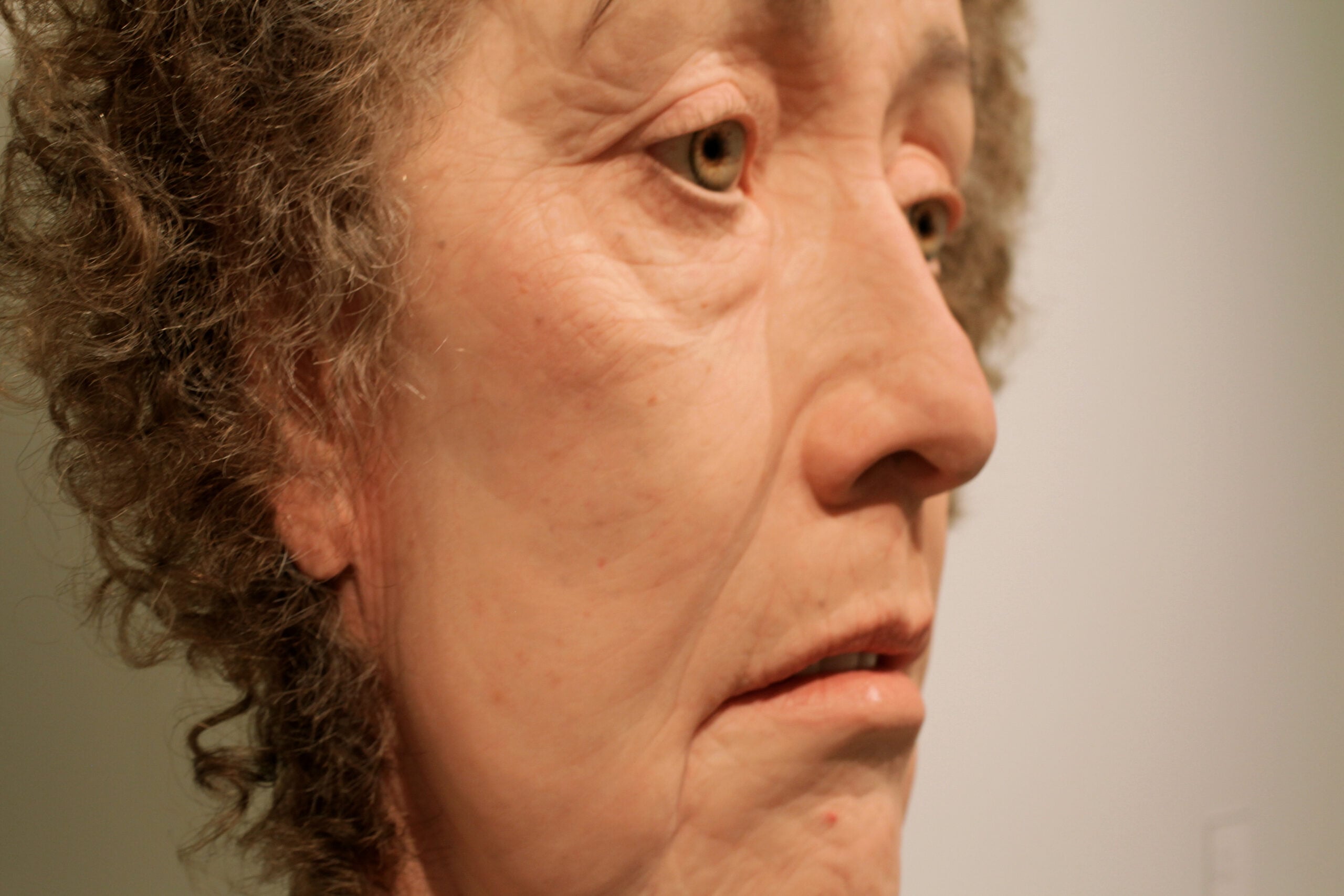
Penny stretches and compresses his self-portraits as if they’re being viewed through a funhouse mirror. The distortion makes them look more real, not less—the way faces actually appear when you’re standing too close or catching someone in your peripheral vision.
His technique reveals something true about human perception: we rarely see people as they actually are, but as our brains interpret them through distance, emotion, and expectation.
Tony Matelli’s Sleepwalker
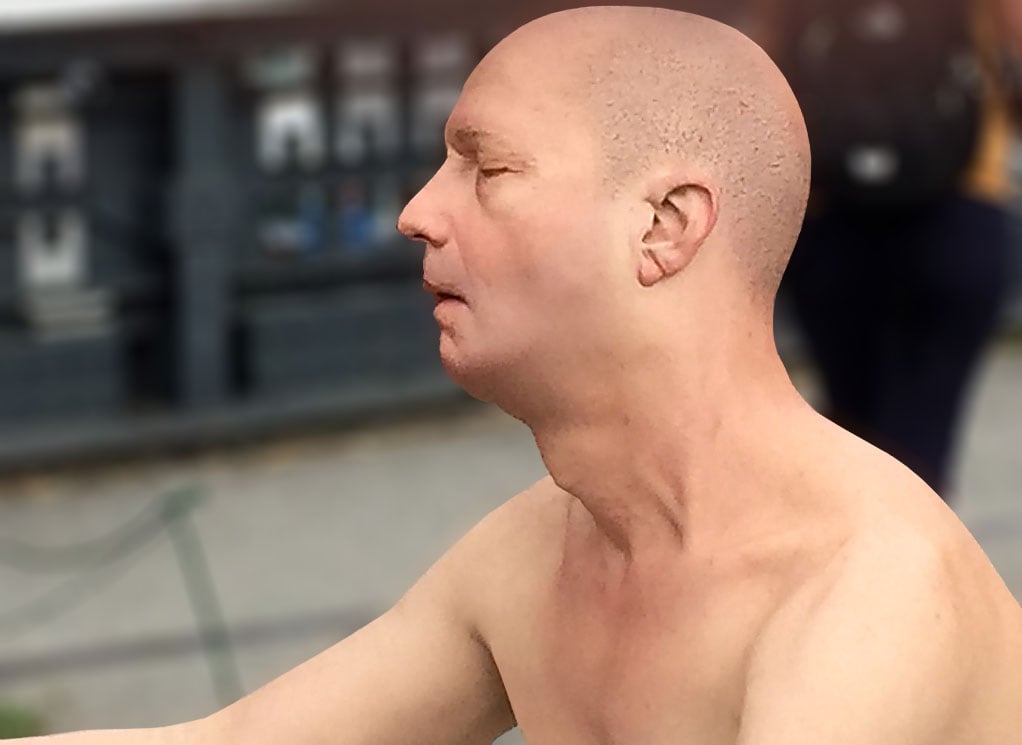
Matelli’s nearly-unclothed sleepwalker caused a stir when installed on a college campus. The figure appears to be wandering in a dream state, arms outstretched, completely vulnerable and unaware of his surroundings.
Students reported genuine concern for the figure’s wellbeing before realizing it was art. The piece captures that particular helplessness of sleep so convincingly that it triggers protective instincts in viewers.
George Segal’s White Plaster Figures
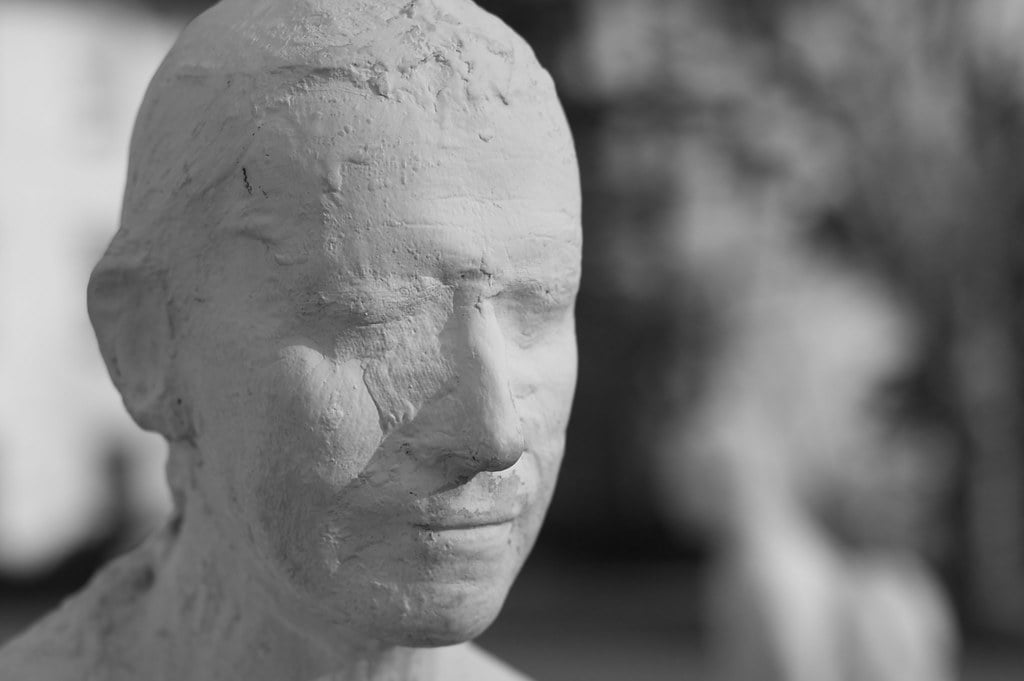
Segal’s ghostly white figures occupy everyday spaces—sitting on real benches, standing at actual bus stops, waiting in authentic diners. The monochromatic treatment makes them look like memories made solid.
The white plaster creates a haunting effect, as if the figures are echoes of people who once occupied these spaces. They’re realistic in posture and proportion but otherworldly in their stark, uniform color.
Maurizio Cattelan’s Him
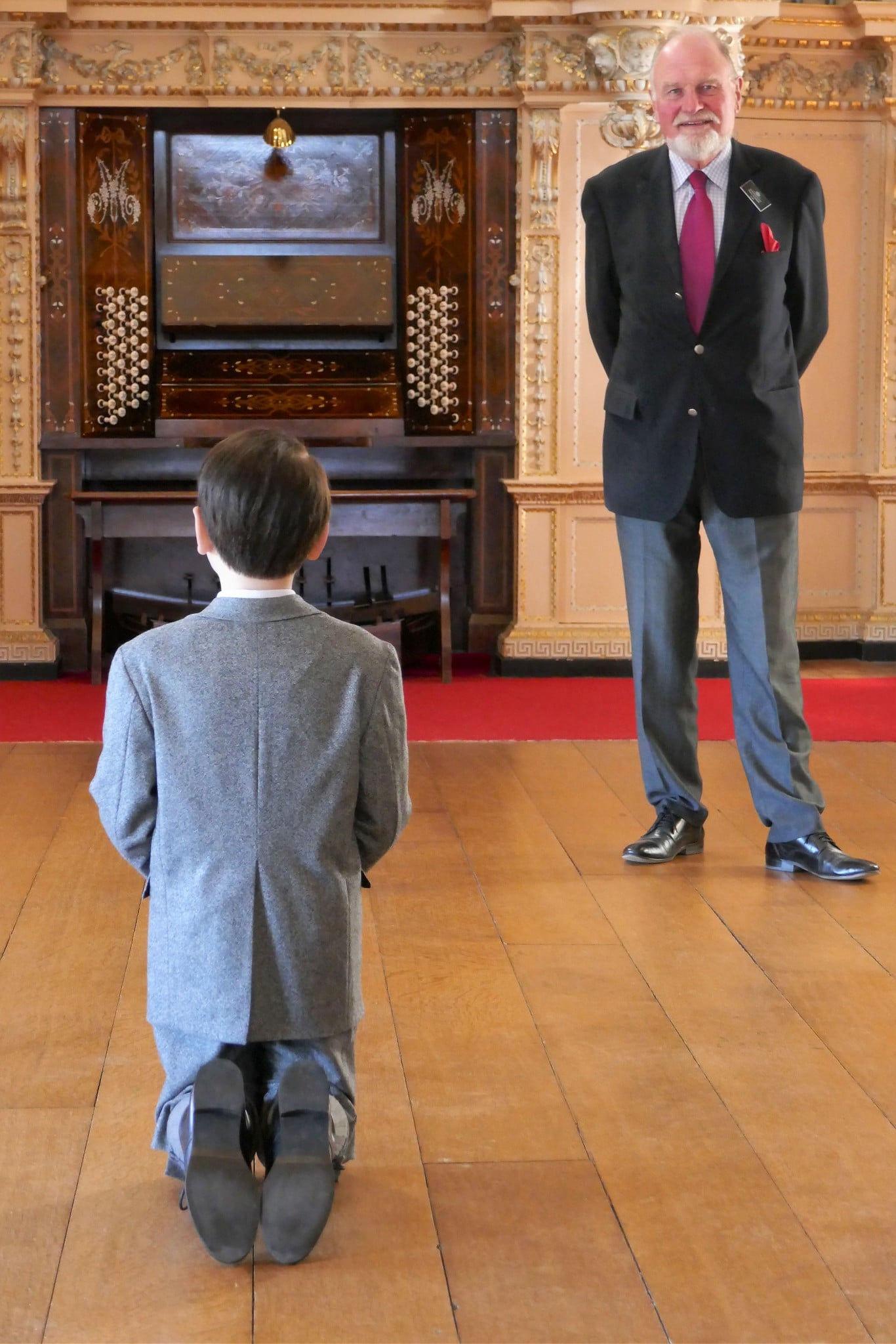
Cattelan’s kneeling figure, viewed from behind, appears to be a small child at prayer. Walk around to see the face, and the shock is immediate and intentional—it’s a hyperrealistic sculpture of Adolf Hitler as a child.
The piece forces viewers to confront uncomfortable questions about evil, innocence, and the humanity present in even the most despised historical figures.
Sam Jinks’ Elderly Woman
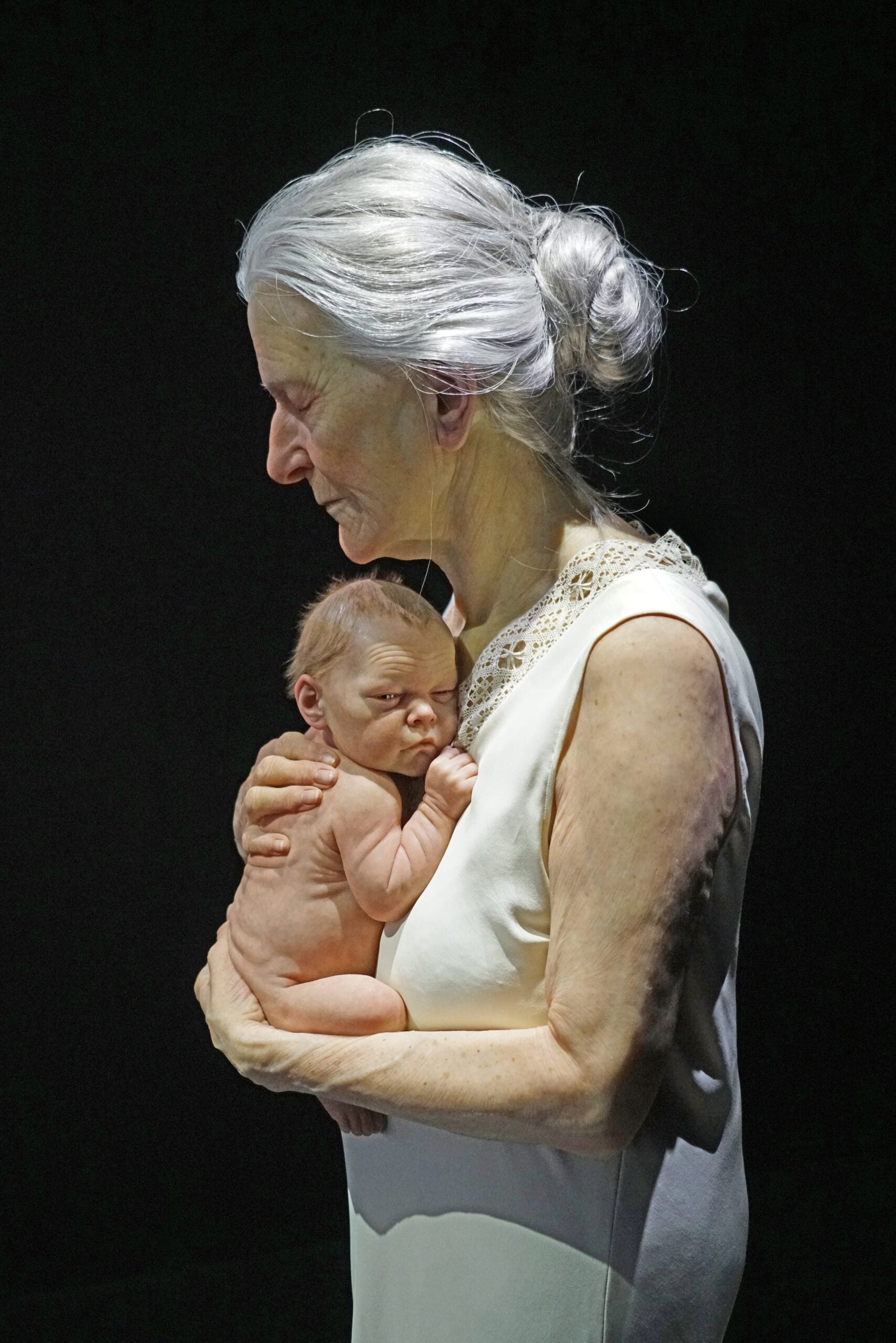
Jinks’ elderly woman sits peacefully, every wrinkle and age spot rendered with meticulous care. Her hands show the particular thinness of very old skin, and her expression carries decades of accumulated wisdom and weariness.
The sculpture celebrates aging in a culture that often fears it. Her dignity is unmistakable, her presence commanding despite her small stature.
Jamie Salmon’s Portrait Sculptures
Salmon’s busts capture specific individuals with such precision that they function as three-dimensional photographs. Every pore, every facial hair, every tiny scar is present and accounted for.
His subjects often appear to be in mid-conversation, their expressions caught at the exact moment between words. The illusion is so complete that viewers often find themselves waiting for the figure to continue speaking.
Beyond The Gallery Walls
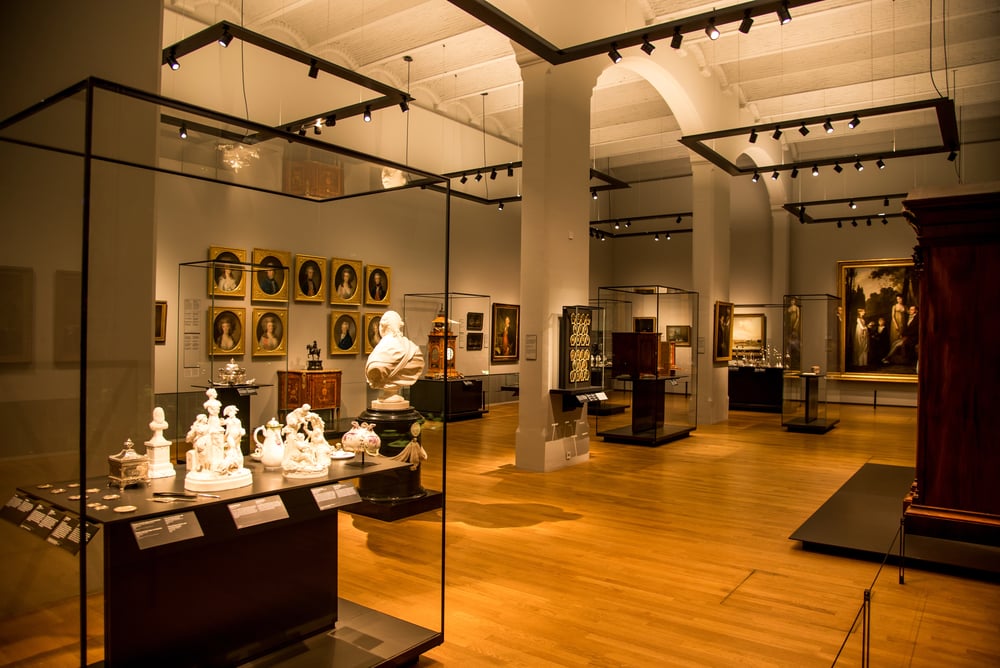
These artists have redefined what sculpture can accomplish, pushing past mere representation into something that challenges perception itself. Their work doesn’t just look real—it makes you question what real actually means.
When a statue can fool your eyes, trigger your emotions, and make you reconsider the nature of human presence, it transcends the boundaries between art and life in ways that traditional sculpture never attempted.
More from Go2Tutors!

- The Romanov Crown Jewels and Their Tragic Fate
- 13 Historical Mysteries That Science Still Can’t Solve
- Famous Hoaxes That Fooled the World for Years
- 15 Child Stars with Tragic Adult Lives
- 16 Famous Jewelry Pieces in History
Like Go2Tutors’s content? Follow us on MSN.



