Photos Of Unique Animals and Creatures Only Found in Oz
Australia has earned its reputation as one of the wildest places on Earth when it comes to animal life. The country sits isolated from other continents, which gave its creatures millions of years to develop in ways that seem almost unbelievable to visitors from elsewhere.
From pouched mammals to venomous oddities, the land down under hosts animals that look like nature got creative and decided to break all the rules. Ready to meet some of the most unusual residents you’ll only find in Australia?
Here are the creatures that make Oz truly one of a kind.
Quokka

The quokka has become famous on social media for what people call its permanent smile. This small marsupial, about the size of a house cat, lives mainly on Rottnest Island off Western Australia’s coast.
Quokkas show little fear of humans and often approach visitors with curiosity, which makes them popular subjects for tourist photos. Their friendliness comes from living in an environment with few natural predators, and they munch on vegetation while hopping around on powerful back legs.
Tasmanian Devil
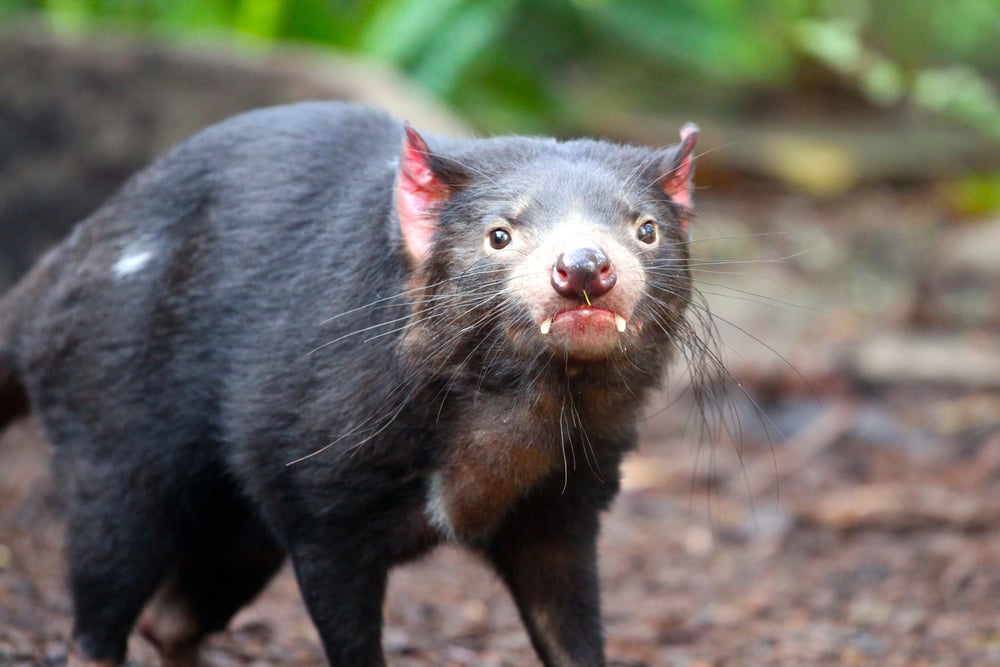
Despite the name, Tasmanian devils aren’t particularly evil, though they do have a fierce reputation. These carnivorous marsupials produce some of the loudest and most disturbing screeches in the animal kingdom, especially when feeding or fighting over food.
Devils can bite through bone with jaw strength that rivals much larger predators. A facial tumor disease has threatened their population in recent decades, but conservation efforts have helped protect remaining groups in Tasmania.
Wombat
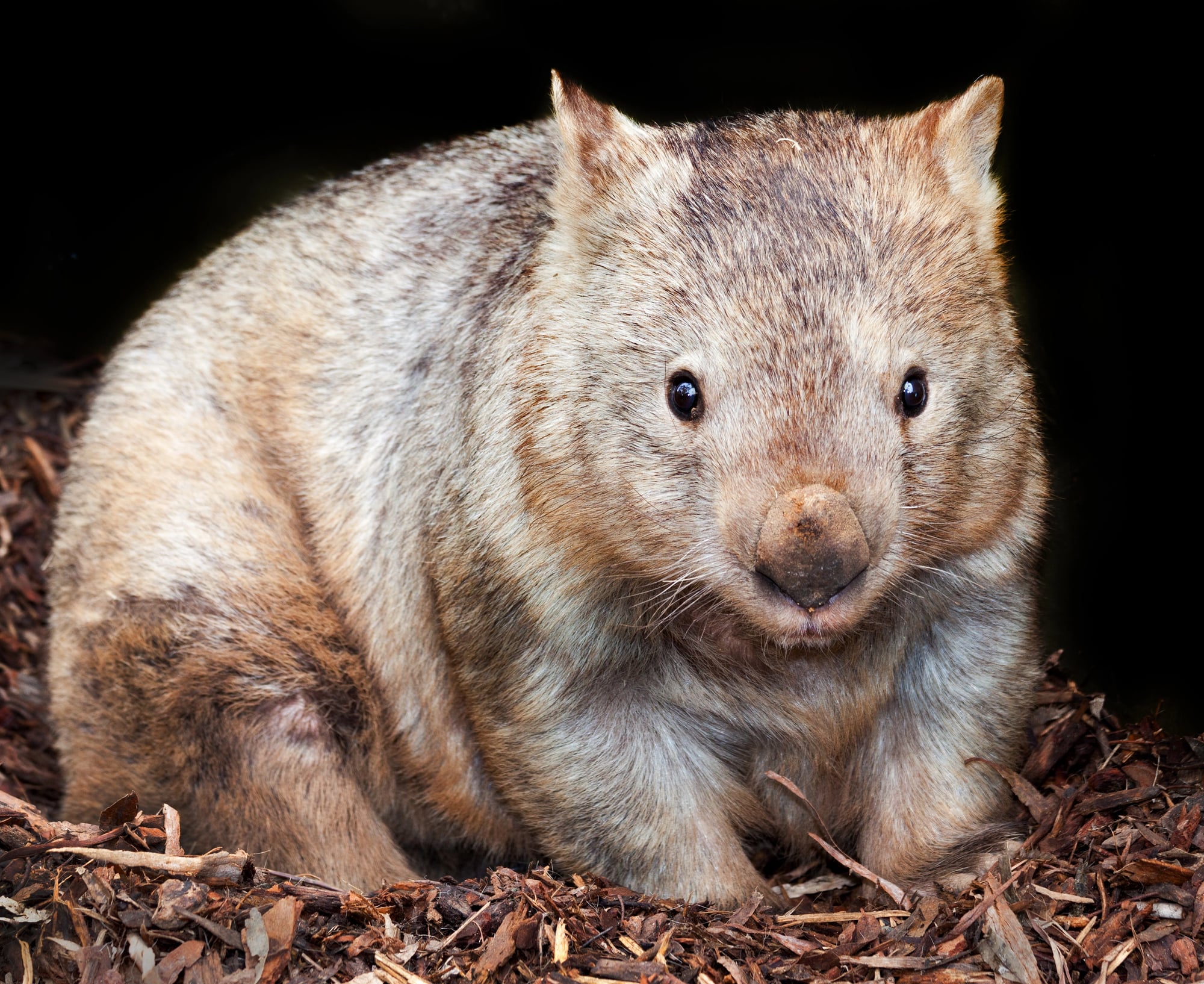
Wombats dig extensive underground burrow systems that can stretch for over 650 feet. These stocky marsupials produce cube-shaped droppings, which scientists believe helps mark territory since the unusual shape prevents the droppings from rolling away.
A wombat’s rear end consists of mostly cartilage and bone, which it uses as a defense mechanism by blocking burrow entrances and crushing predators against tunnel walls. They might look cuddly, but wombats can run up to 25 miles per hour and have been known to knock down grown adults.
Sugar Glider
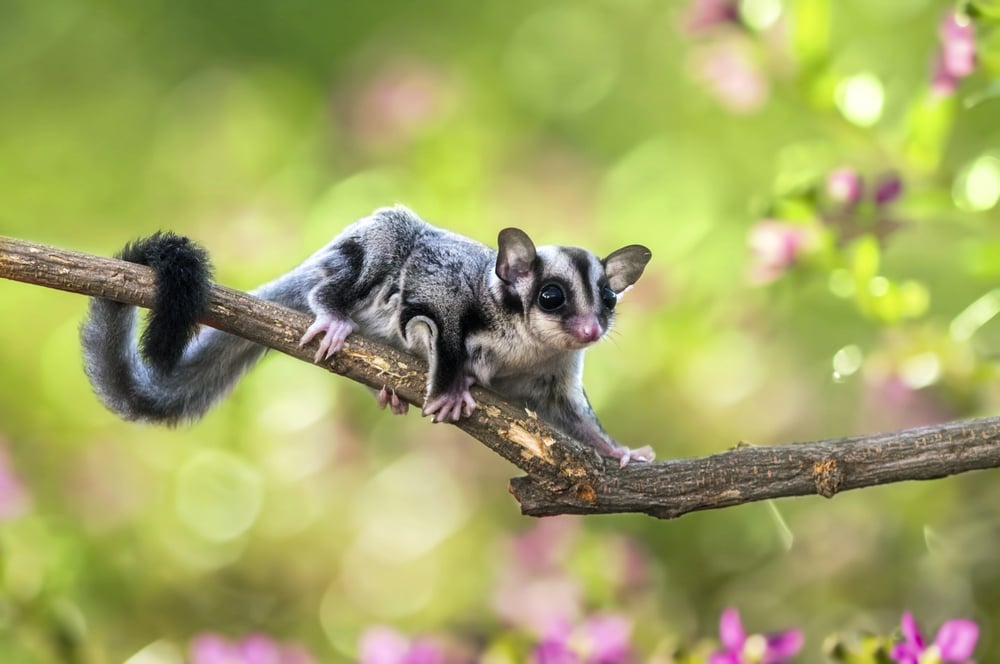
Sugar gliders don’t actually fly, but they glide through the air using a membrane that stretches from their wrists to their ankles. These tiny possums can travel up to 150 feet in a single glide, steering themselves by adjusting their legs and tail.
They live in family groups of up to seven adults plus their young, and they communicate through a variety of sounds including barking and chirping. Their diet consists mainly of tree sap and nectar, which explains the ‘sugar’ part of their name.
Platypus
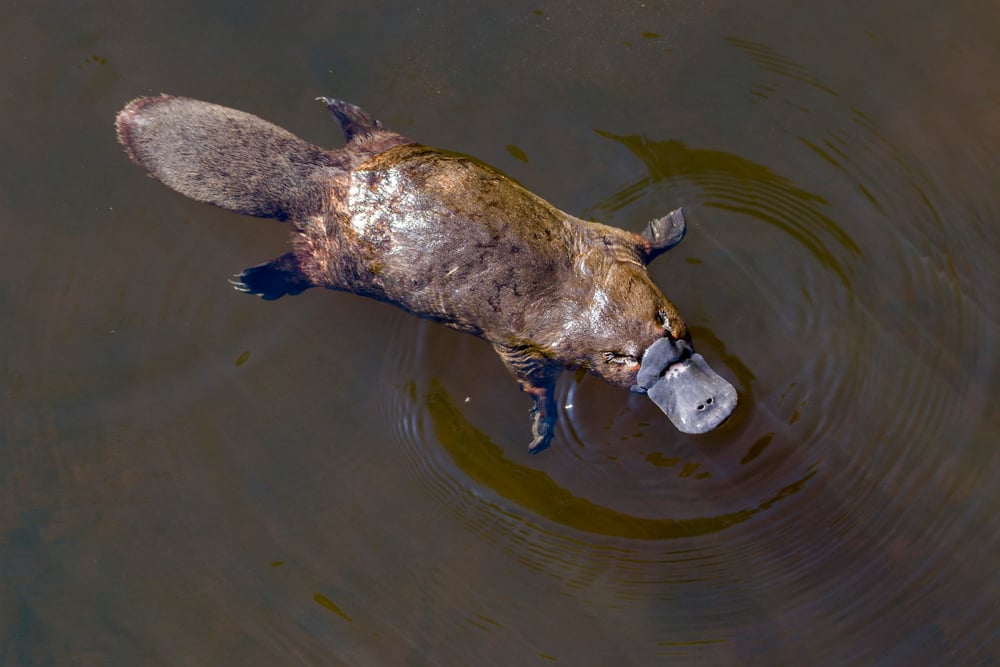
The platypus confused European scientists so much when they first saw a specimen that they thought someone had sewn different animals together as a joke. This egg-laying mammal has a duck’s bill, a beaver’s tail, and venomous spurs on its hind legs.
Male platypuses produce venom strong enough to cause severe pain in humans, though it won’t kill you. They hunt underwater with their eyes and ears closed, using electroreceptors in their bills to detect the electrical signals given off by muscle movements in their prey.
Echidna
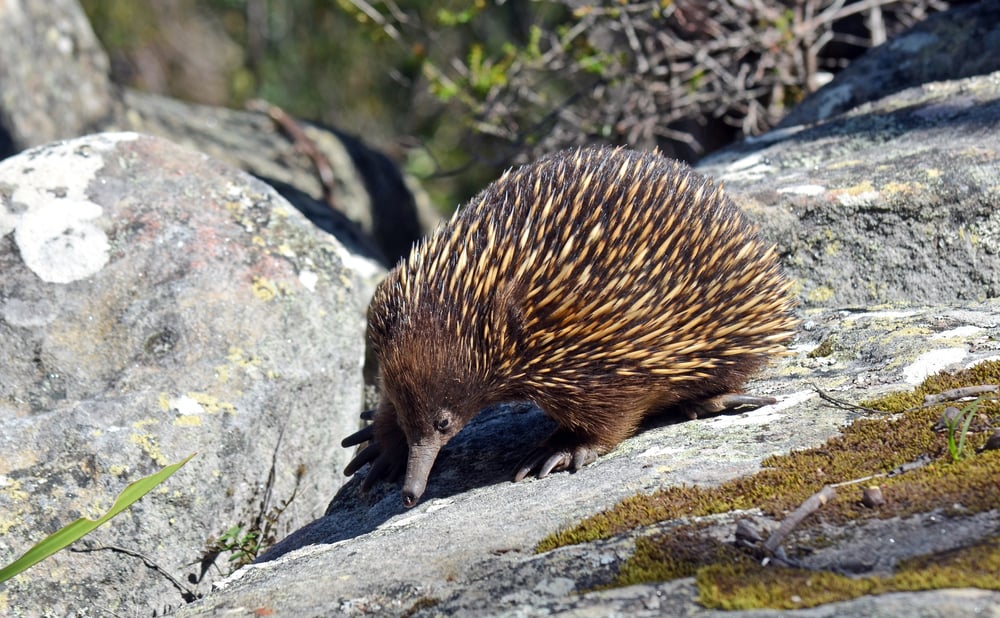
Echidnas belong to an extremely rare group of mammals that lay eggs instead of giving birth to live young. Their bodies are covered in spines similar to a porcupine, and they have a long sticky tongue that can extend several inches to catch ants and termites.
When threatened, an echidna will either curl into a spiny orb or rapidly dig straight down into the ground, leaving only its spines visible. The echidna appears on the Australian five-cent coin and shares the egg-laying mammal category with only the platypus.
Frilled Lizard
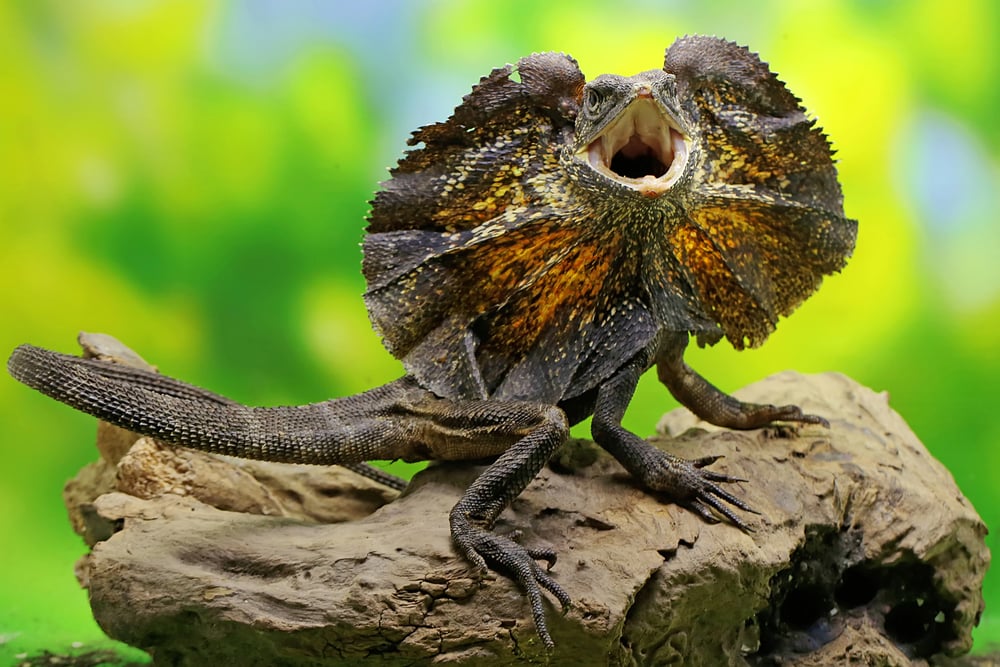
The frilled lizard stays camouflaged and ordinary-looking until something threatens it. Then it opens a large flap of skin around its neck that can measure up to a foot in diameter, creating an impressive display meant to scare off predators.
These lizards also stand on their hind legs and run when escaping danger, which gives them a comical appearance as they sprint away. The frill is usually a bright pink or yellow color with patterns that make the lizard look much larger and more intimidating than its actual two to three foot length.
Numbat
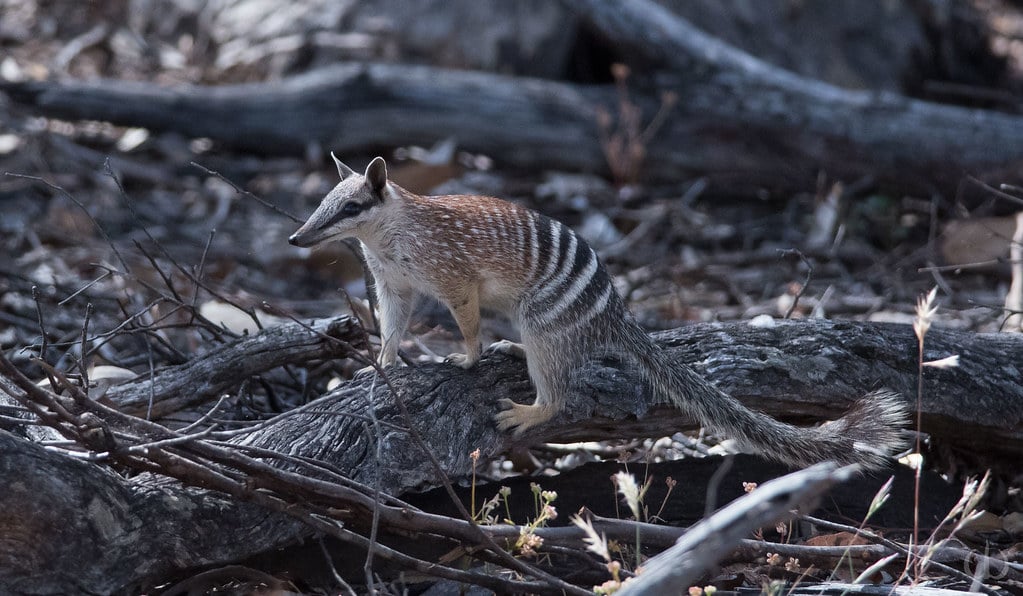
Numbats eat nothing but termites, consuming up to 20,000 of them every single day. Unlike most Australian marsupials, numbats are active during daylight hours, which makes them easier to spot in the wild.
They have more teeth than any other land mammal in Australia, with up to 52 tiny teeth that don’t actually help much with eating since they swallow termites whole. Only about 1,000 numbats remain in the wild, making them one of Australia’s rarest mammals.
Blue-Tongued Skink

The blue-tongued skink has exactly what its name suggests: a bright blue tongue that sticks out as a warning display. This defense mechanism works surprisingly well because the sudden flash of blue startles predators long enough for the skink to escape.
These lizards can live for over 20 years and grow up to two feet long. They’re actually quite calm around humans and have become popular pets in many countries, though the Australian species can only be kept legally by licensed wildlife handlers in their home country.
Thorny Devil
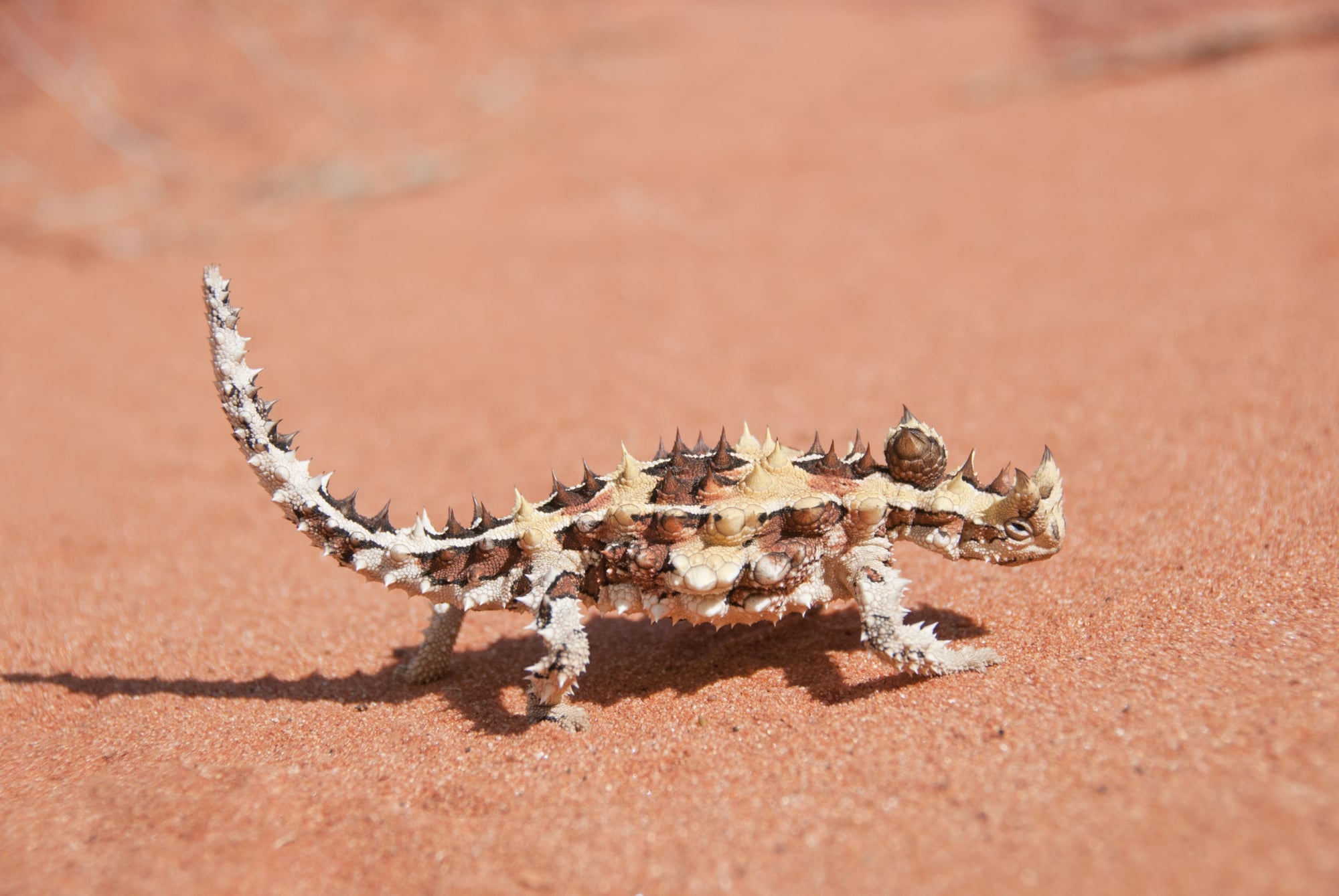
The thorny devil looks like something from a fantasy novel, covered head to tail in sharp spines. This small lizard has developed an incredible water collection system where moisture condenses on its skin and travels through tiny grooves between its scales directly to its mouth.
Thorny devils eat only ants and can consume thousands in a single sitting. They move in a strange jerky motion and can change color from pale yellow to dark brown depending on temperature and time of day.
Bilby
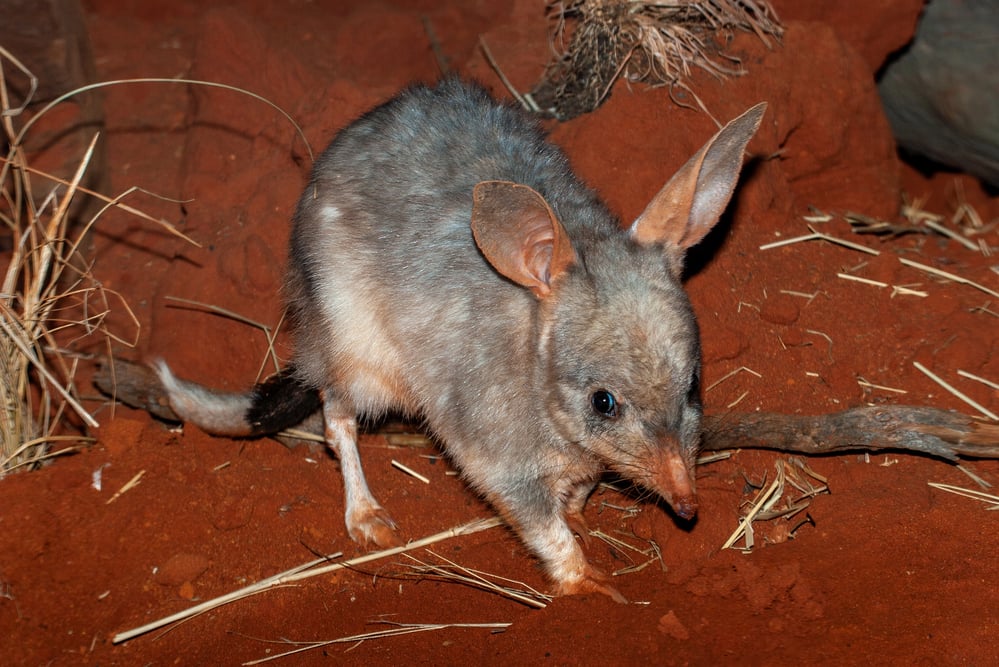
Bilbies have replaced the Easter Bunny in many Australian celebrations because they’re native animals facing extinction threats. These long-eared marsupials dig spiral-shaped burrows that can reach nearly 10 feet deep, and a single bilby might maintain up to a dozen different burrows in its territory.
Their powerful sense of smell helps them locate food underground, and they never need to drink water because they get all their moisture from the insects and plants they eat. Conservation groups have worked hard to protect bilbies from introduced predators like cats and foxes.
Cassowary
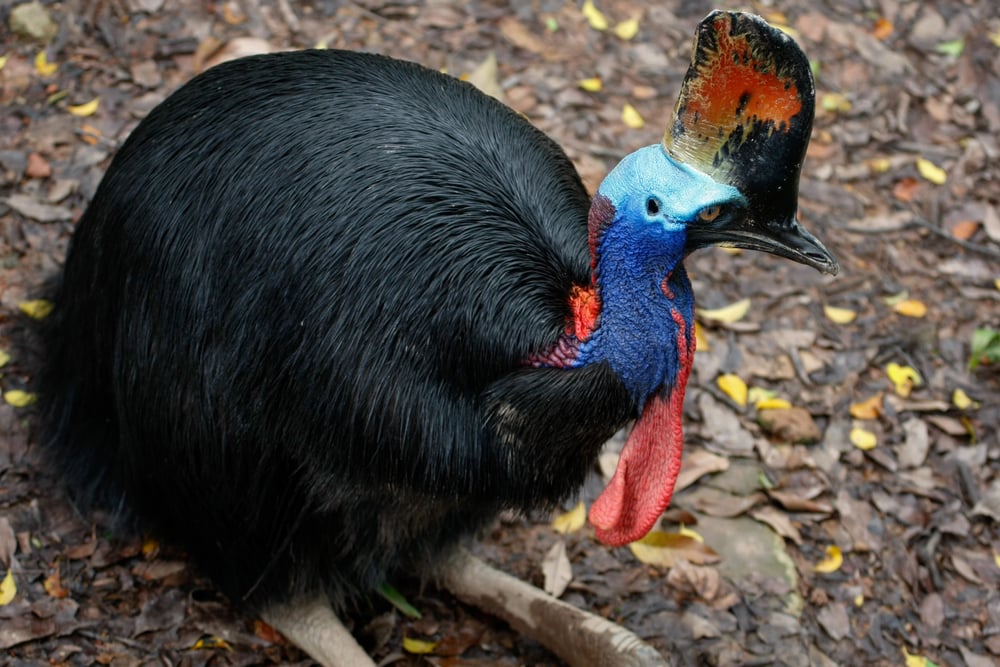
Cassowaries are large flightless birds that can grow over six feet tall and weigh more than 130 pounds. They have a hard casque on top of their heads, which scientists think might help them push through dense forest vegetation or could play a role in communication.
These birds have powerful legs with dagger-like claws that can cause serious injuries, making them one of the most dangerous birds in the world. Despite their fearsome reputation, cassowaries play a crucial role in rainforest ecosystems by spreading seeds from the fruits they eat.
Leafy Sea Dragon
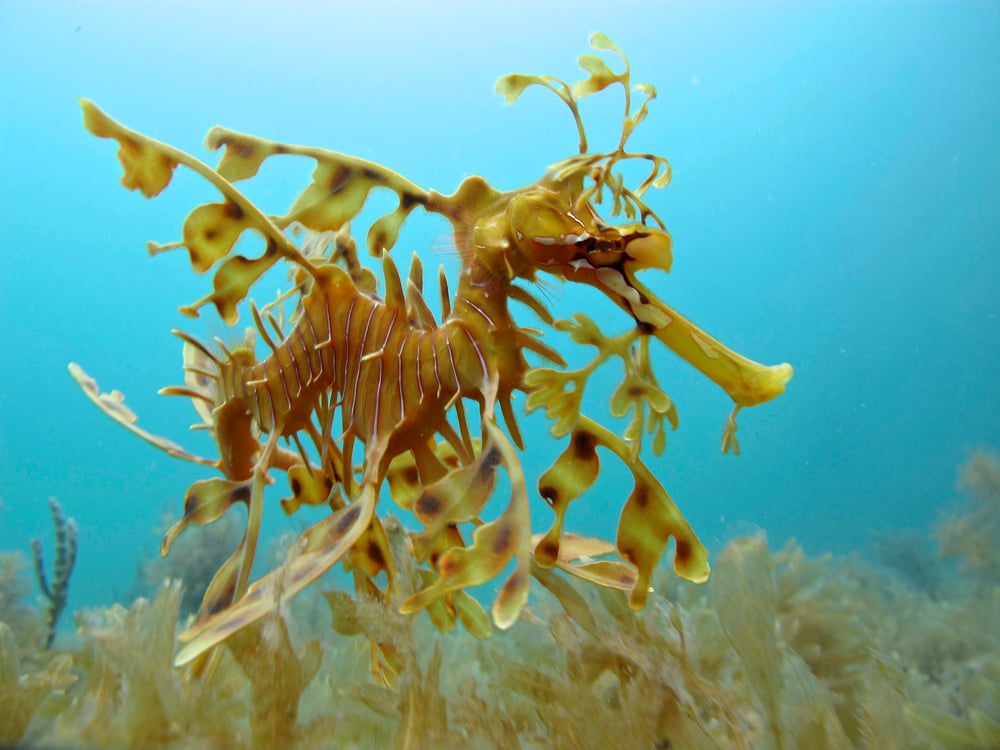
The leafy sea dragon floats through the water looking like a piece of drifting seaweed, which provides perfect camouflage in its ocean home. These relatives of seahorses have elaborate leaf-like appendages covering their bodies, though these ‘leaves’ aren’t used for swimming.
They move using nearly transparent fins that are so delicate and fast that they’re almost invisible to the human eye. Male leafy sea dragons carry the eggs on their tails until the babies hatch, and these creatures can live for up to 10 years in the wild.
Koala
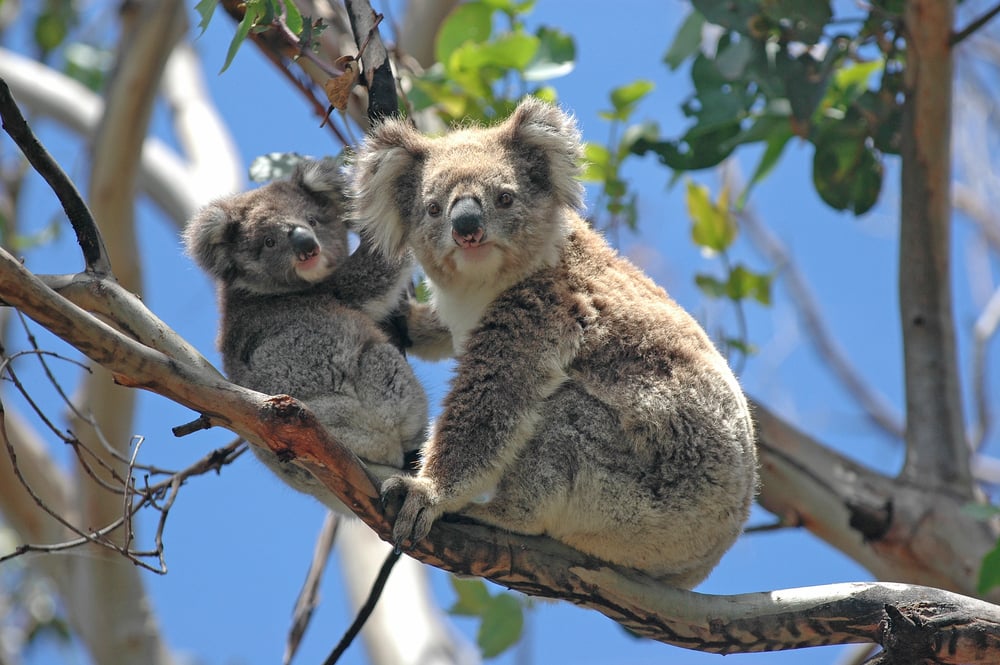
Sleeping nearly twenty-two hours daily keeps koalas going, given how eucalyptus offers almost no fuel and drags digestion out. To handle the poison inside those leaves, their stomachs host particular microbes others lack.
Fingerprints on every koala? Unique. So close to people that crime lab specialists sometimes mix them up.
Little ones, known as joeys, consume a special maternal secretion named pap – this stuff seeds their guts with needed bacteria for future leaf meals.
Inland Taipan

One bite from the inland taipan holds venom strong enough to kill a hundred grown adults, making it the deadliest among land snakes. Though its poison is extreme, nobody has died from its bite – mostly because it sticks to faraway places and steers clear of humans.
As seasons shift, so does its skin: deeper tones in cold months help soak up warmth, while paler shades appear when temperatures rise. Hunting small animals is what it does best, launching attacks that are fast, sharp, and rarely miss their mark.
Where Ancient Isolation Created Modern Wonders
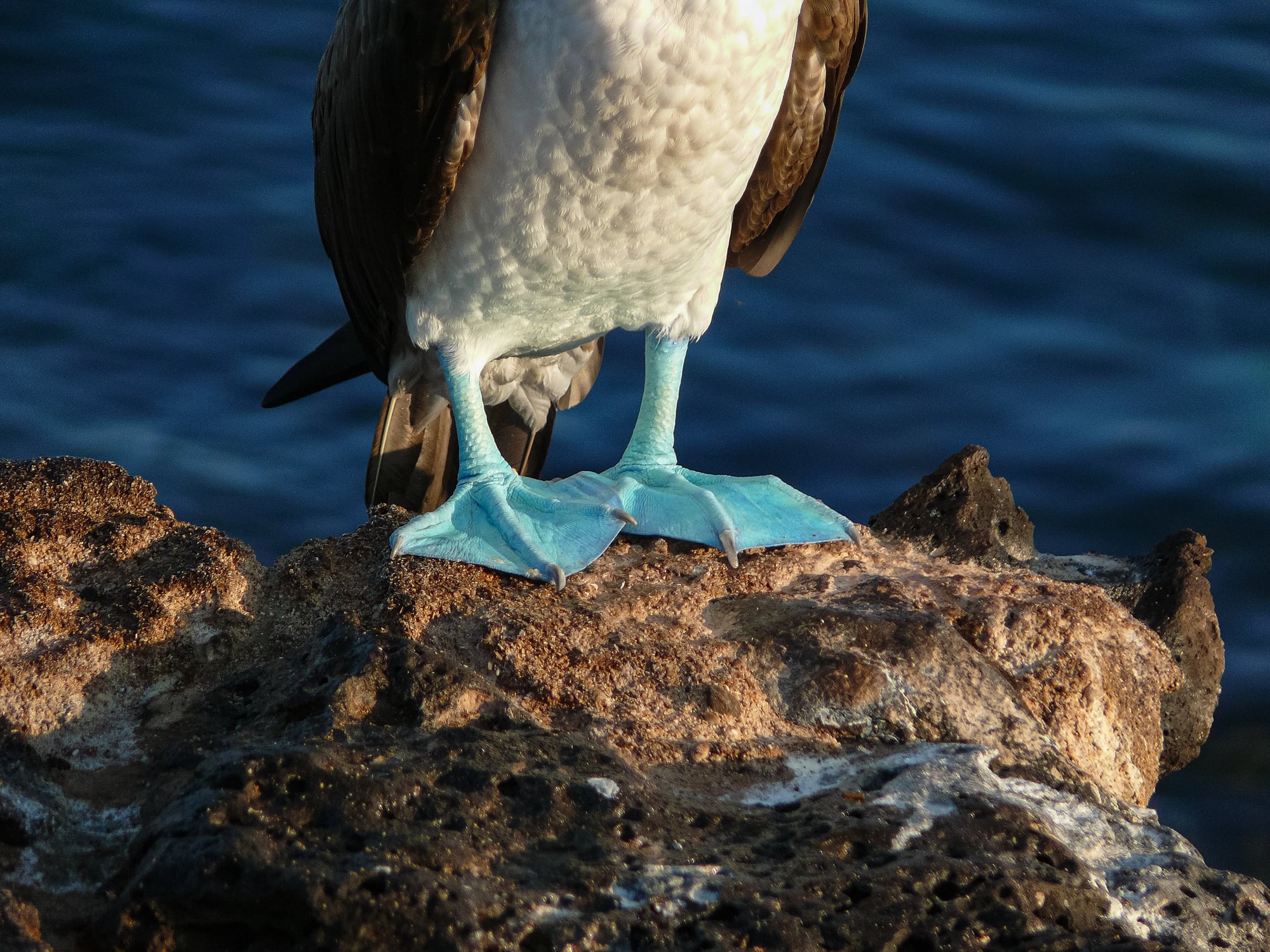
Life down under took a strange turn after millions of years cut off from everywhere else. Nowhere but here do you find beasts forged by such odd circumstances.
Shifting weather patterns, foreign predators – these pressures squeeze native wildlife hard. Without space to live and thrive, future kids may know certain animals only through old pictures.
More from Go2Tutors!

- The Romanov Crown Jewels and Their Tragic Fate
- 13 Historical Mysteries That Science Still Can’t Solve
- Famous Hoaxes That Fooled the World for Years
- 15 Child Stars with Tragic Adult Lives
- 16 Famous Jewelry Pieces in History
Like Go2Tutors’s content? Follow us on MSN.