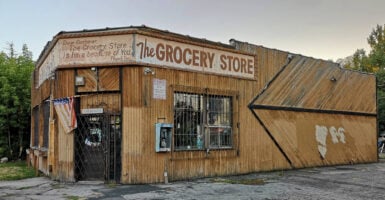
Photos Of What Walmart and Target Looked Like On Day 1
A glimpse at how things start can be quietly compelling. Back then, what would grow into household names began differently than we see them now.
Take Walmart, for example – its earliest version hardly resembled the sprawling buildings under fluorescent lights. Target too started small, far from the polished aisles known today.
The past versions feel almost hidden beneath modern shelves. Funny how much those first shops actually differed from what we imagine.
Truth is, more than a few details might catch you off guard.
Walmart Opens First Store In Rogers Arkansas
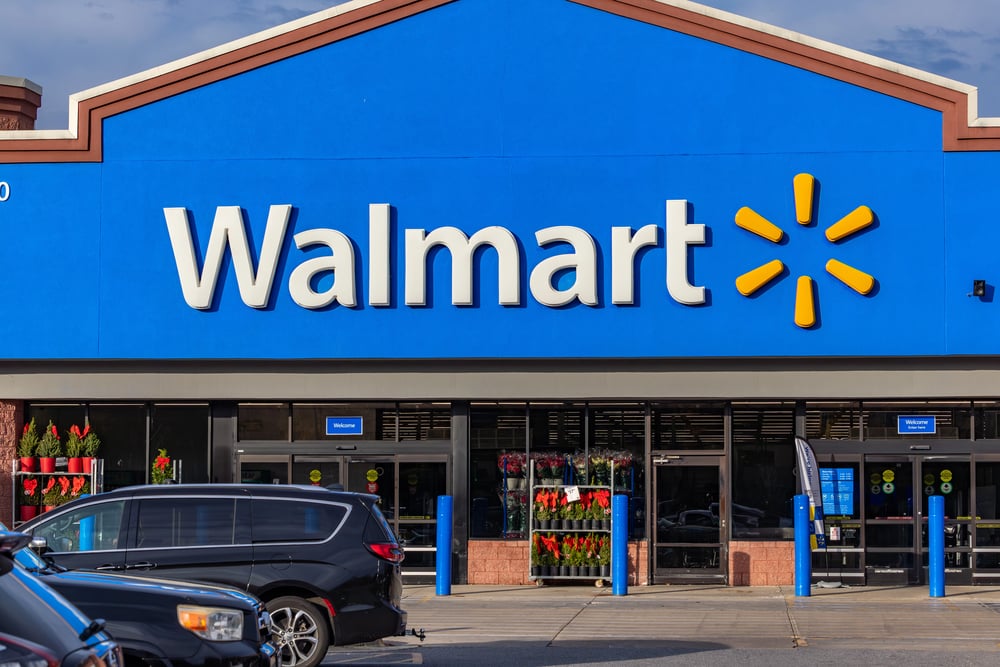
On July 2, 1962, Sam Walton started the first Walmart in Rogers, Arkansas – nothing flashy, just a quiet beginning. Instead of grand aisles, there stood basic shelves, almost homey in their simplicity.
From the start, the place felt familiar, like a local corner spot rather than some massive chain. Low prices mattered most to Walton; showiness took a back seat right away.
Fancy wasn’t part of the plan – the focus landed squarely on saving customers money.
Target Opens First Roseville Minnesota Store
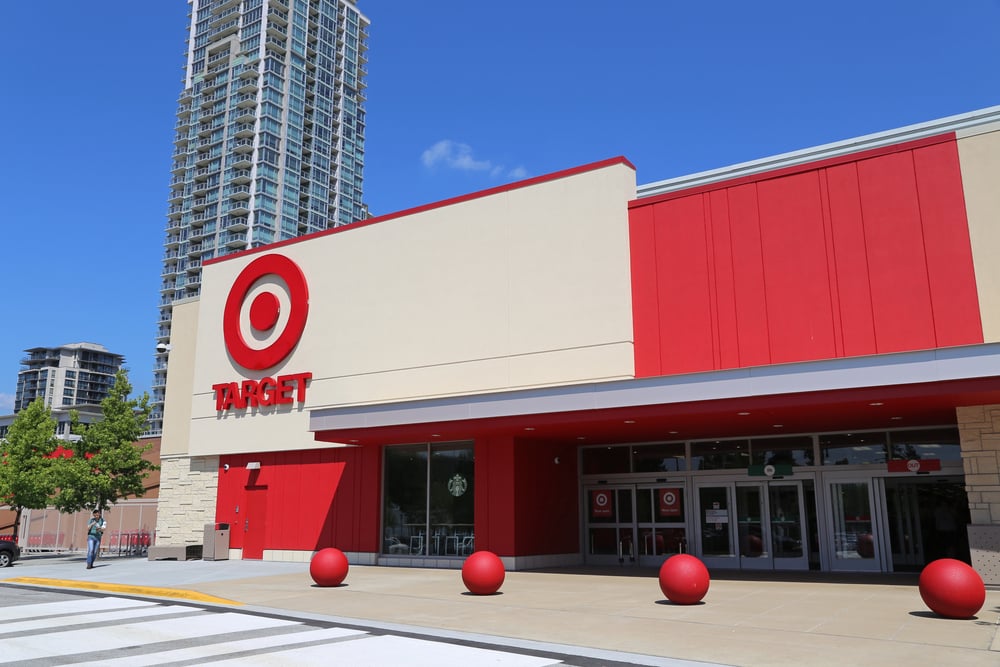
That spring, on May 1 just like that, the very first Target began serving customers in Roseville, Minnesota. A fresh look marked the space – neat rows, clear signs, nothing cluttered, almost like a quiet promise of what was coming next.
Unlike others back then built cheap and fast, this one felt different; light poured in, aisles breathed room, shoppers paused instead of rushed.
The Original Walmart Sign
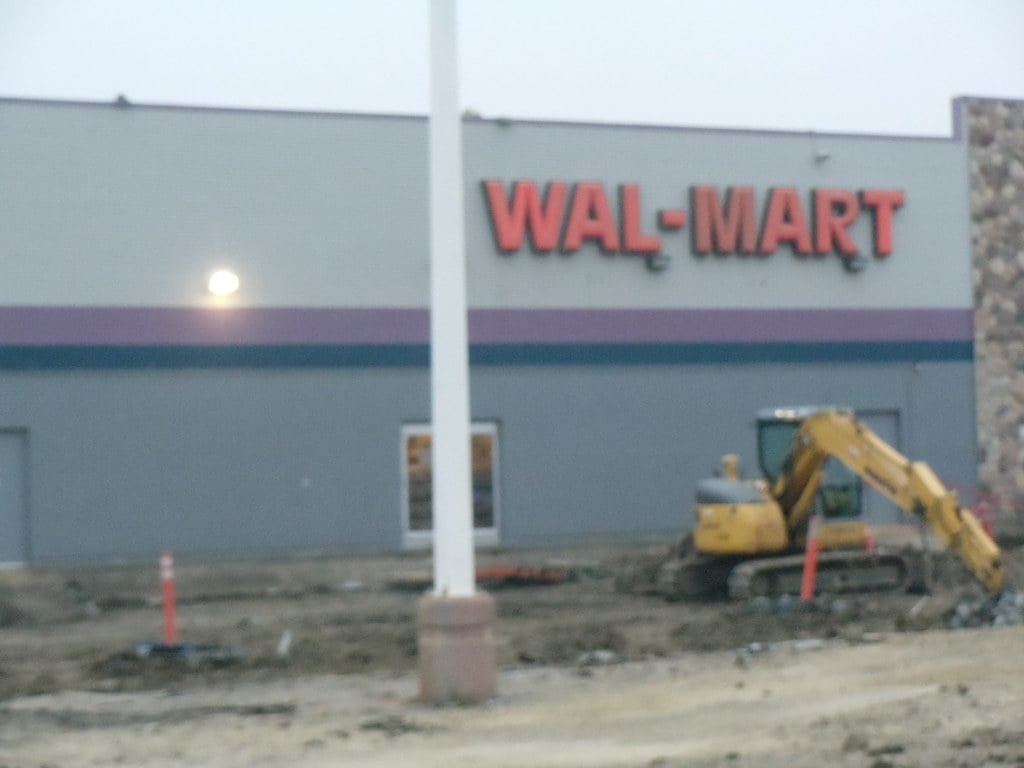
Back then, the original Walmart sign didn’t look anything like today’s bright yellow emblem. Instead of flash, it wore a plain, chunky typeface – closer to a hand-drawn notice at a corner shop.
Outside looks weren’t the goal; getting things right indoors mattered far more. For Walton, attention stayed on shelves, not facades.
It Took Time For Target’s Bullseye To Appear
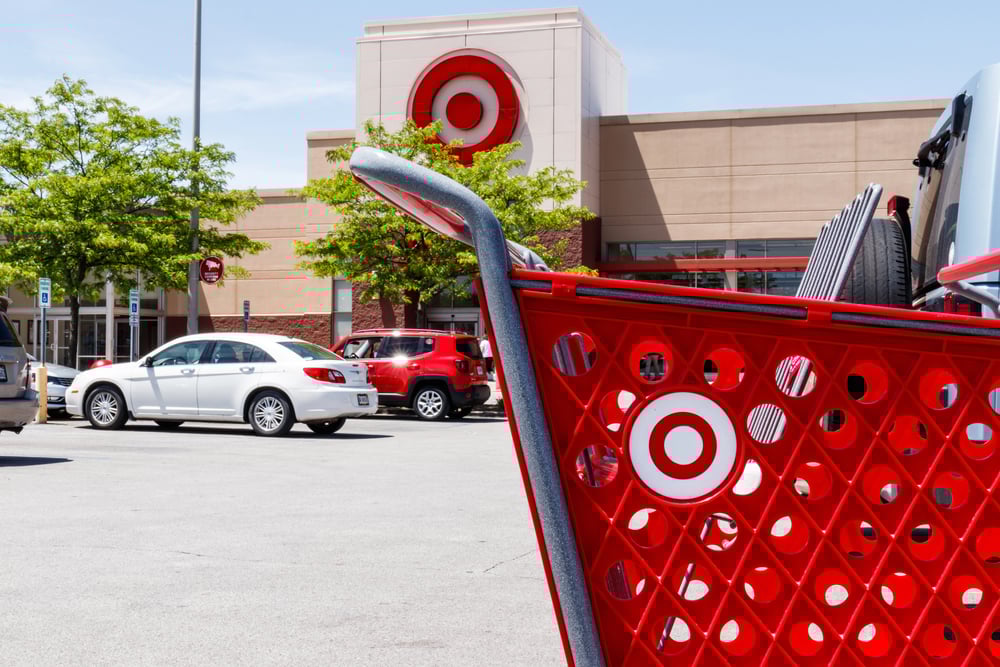
Starting off, Target didn’t actually have that bold red bullseye right away. Over months and changes, its image slowly shaped into something sharper.
The original shop looked tidy – minimal signs, few flashy elements. Little by little, a dot inside a circle began showing up more often.
Now, nearly everyone spots it instantly, even from far down the street.
Floorboards At Walmart Come From Trees. Shelves Stand Wide Apart On The Walls
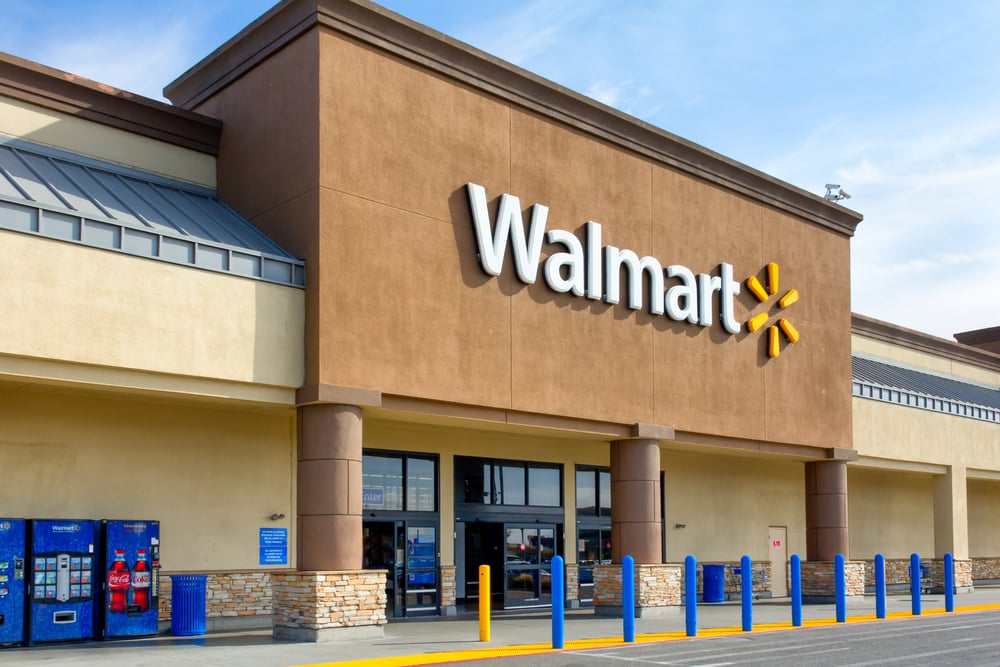
Back then, Walmart’s floors were wood, shelves made of bare metal holding basics people used every day. More like a corner shop from another time rather than anything you’d call big-box today.
Shoppers found their items without much trouble, though the setup wasn’t something anyone praised for design. A place to get things done, not to admire how it looked.
Target’s Wider Aisles From The Start
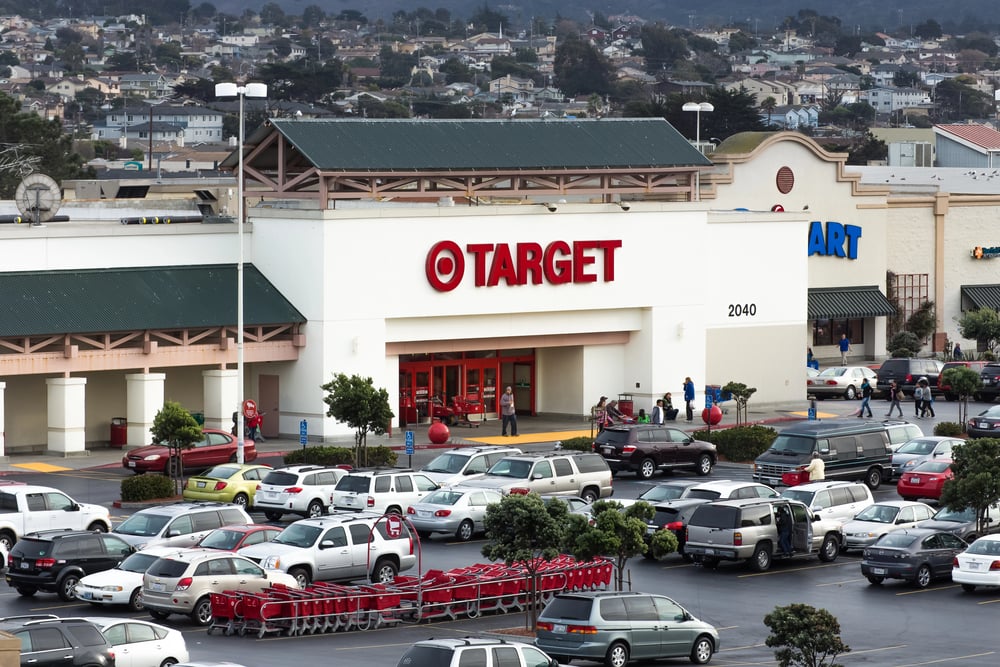
Back then, in 1962, Target gave its stores extra-wide paths between shelves. Most bargain shops didn’t bother.
Because of that, people moving through felt roomier, calmer. A quiet shift happened – just from space.
It quietly stood apart.
Walmart’s Early Product Range

One thing led to another when the earliest Walmart opened its doors, stocking only home items, basic clothes, and daily must-haves – all priced as low as could be.
Back then, you would not find any shelves filled with gadgets or entire aisles packed with fresh food. What drove Walton wasn’t complicated – just a clear idea that ordinary folks deserved solid stuff without emptying their wallets.
Target’s Focus On Style And Value Together
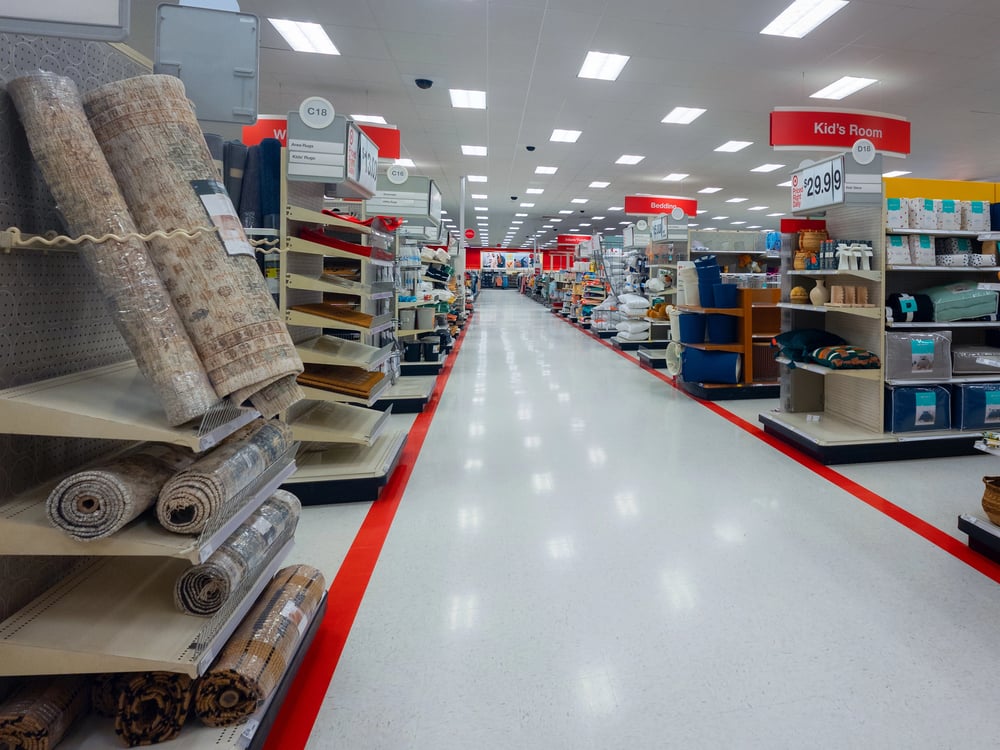
Right from day one, Target aimed to give shoppers lower prices without making them feel low-class. Instead of chasing rock-bottom costs, it focused on fairness priced goods inside bright, tidy stores.
A quiet pride lived in how things looked and felt while walking through the aisles. This small difference grew into a clear gap between it and others selling cheap stuff.
Early moves shaped what came later, almost without anyone noticing at first.
Sam Walton At Work On Opening Day
From day one, Sam Walton stood inside that first Walmart, hands deep in the work. Not just watching – moving alongside shoppers, noticing their paths, jotting down small truths on a pad.
His presence wasn’t symbolic; it set rhythms others would follow. Details mattered because he treated each like a clue.
Years later, those early habits still echoed in back rooms and aisles.
Target’s Parent Company And The Bigger Picture
Target did not start as an independent company. It was launched by the Dayton Company, a Minnesota-based department store group that wanted to compete in the growing discount retail market.
That corporate backing gave Target more structure and resources from the very beginning compared to Walton’s more grassroots start.
The Checkout Experience Back Then
Neither store had anything close to today’s self-checkout lanes or digital payment systems on opening day. Cashiers handled every transaction manually, and receipts were printed on basic paper rolls.
The whole process was slower, but nobody knew any different at the time.
Walmart’s Parking Lot Setup
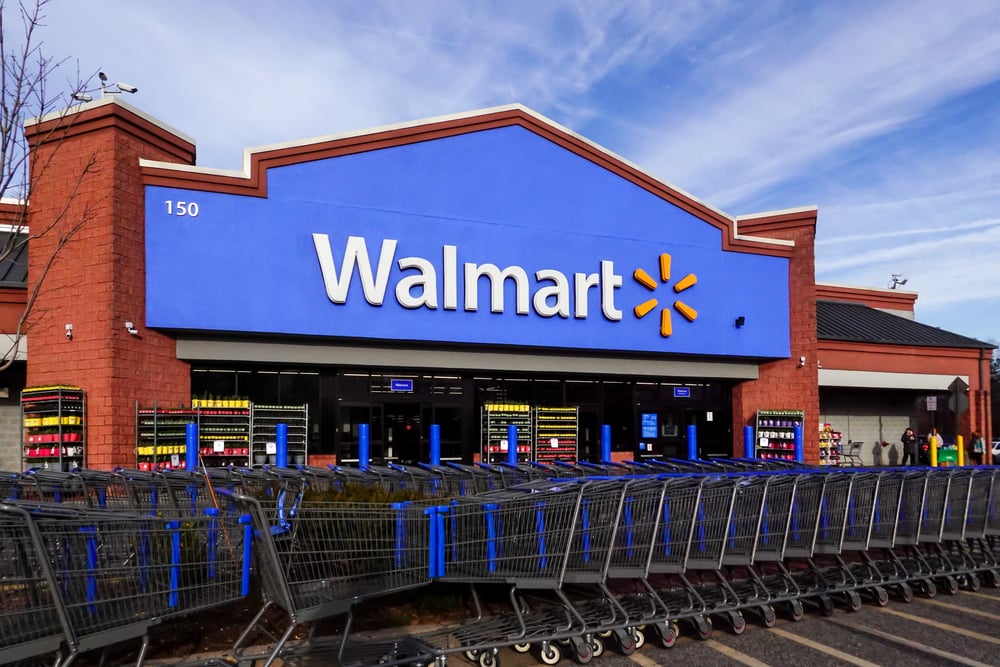
The first Walmart was built with a large parking lot, which was a smart move for a car-dependent town like Rogers, Arkansas. Walton understood that people needed to feel like they could easily get in and out.
That practical thinking became a standard part of Walmart store design going forward.
Target’s Lighting Choices
One thing that stood out in early Target stores was the brighter, more even lighting compared to other discount stores of the era. Most budget retailers used harsh or dim lighting to cut costs, but Target invested in making the space feel more inviting.
It was a small thing that made a real difference in how people felt while shopping.
How Prices Were Displayed In Early Walmart

Price tags in the first Walmart were handwritten or stamped onto individual items, which required a lot of manual work from staff. There were no electronic shelf labels or printed price sheets.
Everything was done by hand, and keeping prices consistent across the store was a daily job in itself.
Target’s Early Clothing Section
Target’s first store included a clothing section that was noticeably neater and better organized than what competitors offered. Clothes were folded and arranged with some care, which was not always the case in discount retail at the time.
It gave shoppers the feeling of browsing somewhere that respected their time and taste.
The Neighborhoods They Chose To Open In

Both Walmart and Target made very deliberate choices about where to open their first stores. Walmart chose a small town in Arkansas, banking on the fact that rural and suburban shoppers were underserved.
Target chose a suburban area outside Minneapolis, targeting middle-income families who wanted value without the chaos of a city department store. Those location strategies shaped how both brands grew and who they built their loyal customer base from.
What Those First Stores Say Today
Looking at early photos of these two stores is like seeing the rough draft of something that later changed how millions of people shop. The buildings were plain, the layouts were basic, and nothing about them screamed ‘future industry leader.’
Yet both stores opened in the same year, in the same discount retail wave, and ended up building two very different but equally powerful brands. What those first days really prove is that a strong idea, consistently carried out, eventually outgrows even the most ordinary starting point.
More from Go2Tutors!

- The Romanov Crown Jewels and Their Tragic Fate
- 13 Historical Mysteries That Science Still Can’t Solve
- Famous Hoaxes That Fooled the World for Years
- 15 Child Stars with Tragic Adult Lives
- 16 Famous Jewelry Pieces in History
Like Go2Tutors’s content? Follow us on MSN.