Photos So Strange, You’ll Question Your Eyesight
Odd images such as these tell us something interesting about the way in which the mind works. The mind is always trying to interpret what it can of the depth, lighting, and motion within a field of vision.
Yet within a single image, many of these visual cues may be absent. And so even familiar images can be visually intriguing.
And even with the advent of digital photography and the ease with which images can now be manipulated, some of the most inexplicable images remain the ones that occur because of timing and perspective alone. They remind us that simply because we can see something, it does not necessarily mean that we can understand it.
Floating Dog

At first glance, the image looks like a dog casually hovering several inches above the ground. The animal appears calm, almost as if floating is the most natural thing in the world.
The illusion happens because the dog is actually jumping at the exact moment the photo is taken, with its legs tucked neatly beneath its body. Without the blur of motion that normally signals movement, the brain interprets the image as suspension rather than a jump.
Timing is everything in photography, and in this case a perfectly captured split second transforms a normal leap into something seems almost magical.
The Leaning Building Illusion
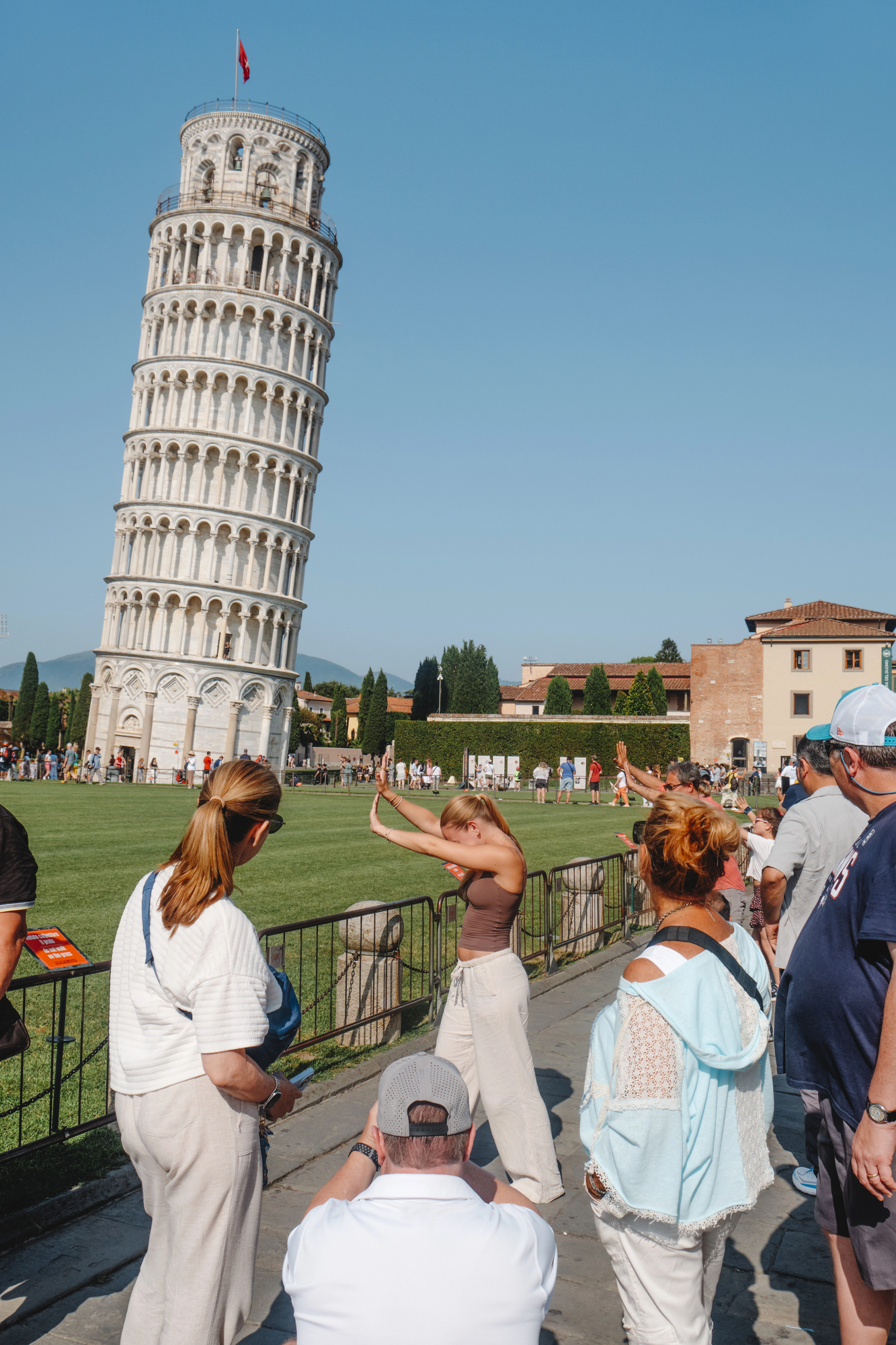
Some photos show buildings leaning dramatically as if they’re about to collapse. Streets appear tilted and windows form strange angles that don’t quite line up.
The explanation usually lies in camera perspective rather than structural problems. When a photographer points the camera upward from ground level, vertical lines begin to converge toward the top of the frame.
Architects know this effect well, and photographers often correct it with special lenses. Without that correction, even the most stable skyscraper can appear to tilt like it’s caught in a slow-motion fall.
The Giant Hand Trick

One well-known perspective illusion shows a giant hand seemingly holding a person like a tiny figurine. The scene looks like something out of a fantasy movie, but the trick is surprisingly simple.
The person stands several yards behind the hand, carefully positioned so both appear aligned in the frame. Because photographs flatten depth, the distance disappears and the objects appear side by side.
The brain assumes both subjects are the same distance from the camera, turning an ordinary scene into something wildly out of proportion.
The Endless Staircase

Certain photographs of spiral staircases create the impression that the steps continue forever. The staircase curves downward in a tight pattern, and from above it resembles an infinite tunnel.
The illusion comes from repetition. Each step mirrors the one before it, creating a pattern that the brain struggles to anchor.
Without a visible end point, the mind imagines the structure extending far beyond what the photo actually shows.
The Headless Runner

In some sports photographs, athletes appear to be missing their heads entirely. The image might show a runner’s body mid-stride while the head seems to vanish from the frame.
Usually this happens because another athlete or object perfectly blocks the head at the exact moment the shutter clicks. The body continues forward, creating the unsettling illusion that the runner is somehow incomplete.
A second later, everything looks normal again.
The Shadow Creature
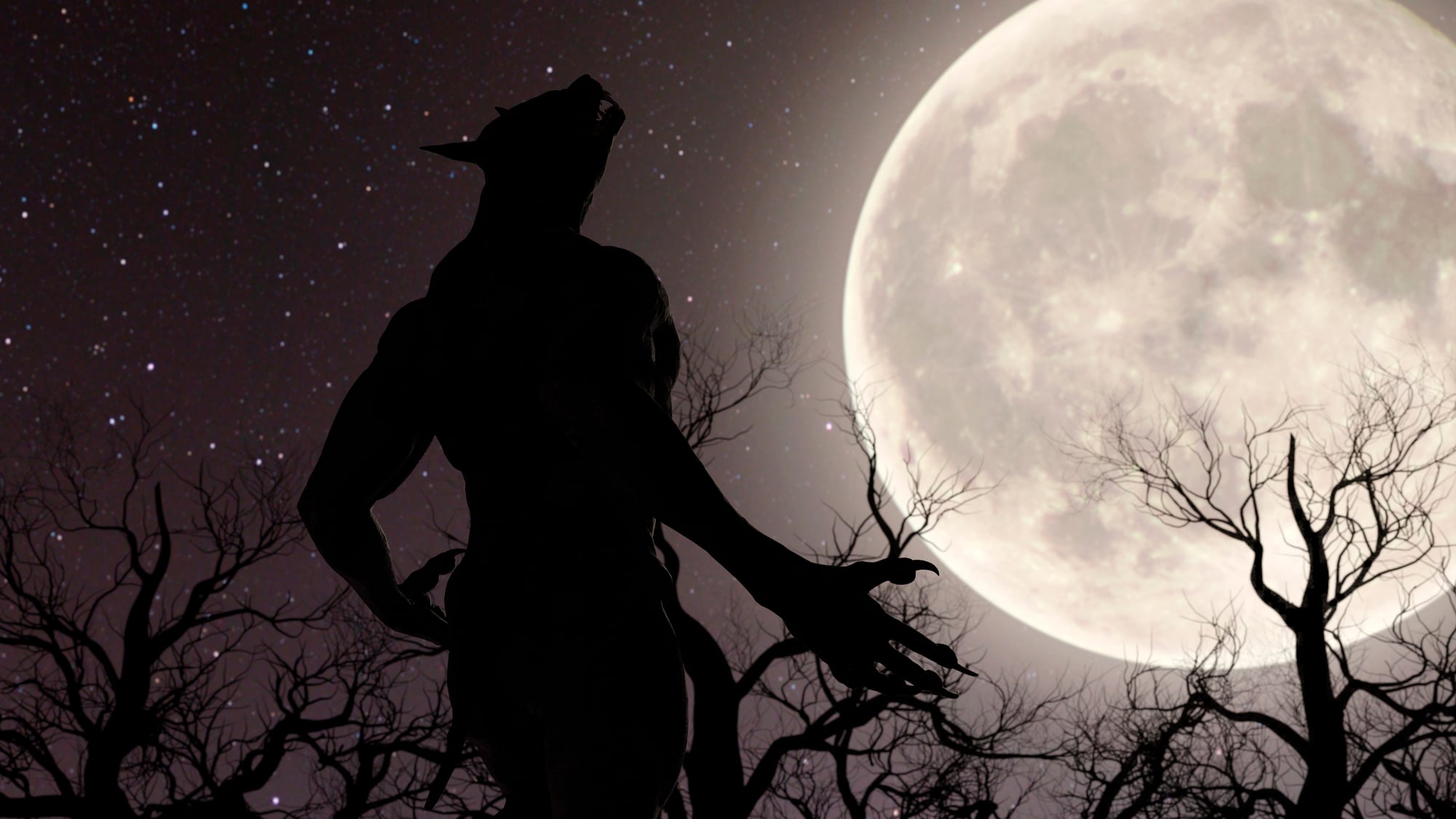
A strange shadow cast across a wall can sometimes resemble a completely different shape. One famous example shows the shadow of a simple fence forming the outline of what looks like a large creature.
The effect happens when sunlight hits objects at unusual angles. Multiple overlapping shadows combine into a shape that the brain interprets as something recognizable.
Human perception naturally searches for familiar forms, especially faces or animals, even when the objects creating them are ordinary.
The Two-Faced Mountain

Some landscapes contain rock formations that resemble human faces when viewed from a certain angle. In photographs, these formations can appear startlingly lifelike.
This phenomenon occurs because the brain is exceptionally skilled at detecting faces. Even vague patterns of shadow and texture can trigger that recognition.
When light and erosion carve just the right shapes into a mountainside, the result can look uncannily like a giant watching over the valley.
The Disappearing Legs

A beach photograph once puzzled viewers when it showed a person standing in shallow water with no visible legs. The upper body looked perfectly normal, yet below the waist there was nothing but clear water.
The explanation lies in the way light bends as it passes through water. Refraction shifts the appearance of objects beneath the surface, sometimes hiding them from view entirely depending on the camera angle.
What seems like vanishing limbs is really physics quietly playing tricks.
The Upside-Down Reflection

Some lake photographs appear to show the world flipped upside down. Trees and mountains seem to grow downward while the sky sits strangely beneath them.
In reality, the water’s surface is acting like a mirror, reflecting the entire scene above it. When the reflection looks perfectly crisp, it can be difficult to tell where the real landscape ends and the mirrored image begins.
The brain expects reflections to ripple slightly, so a still lake can create a moment of genuine confusion.
The Invisible Glass

Occasionally a photo captures someone walking straight into a perfectly clean glass door. In the image, the person appears to collide with thin air.
Glass reflects light in ways that often hide its presence, especially when framed against bright backgrounds. Cameras capture exactly what the eye sees in that instant—no frame, no glare, just an unexpected encounter with something nearly invisible.
The Giant Moon Illusion
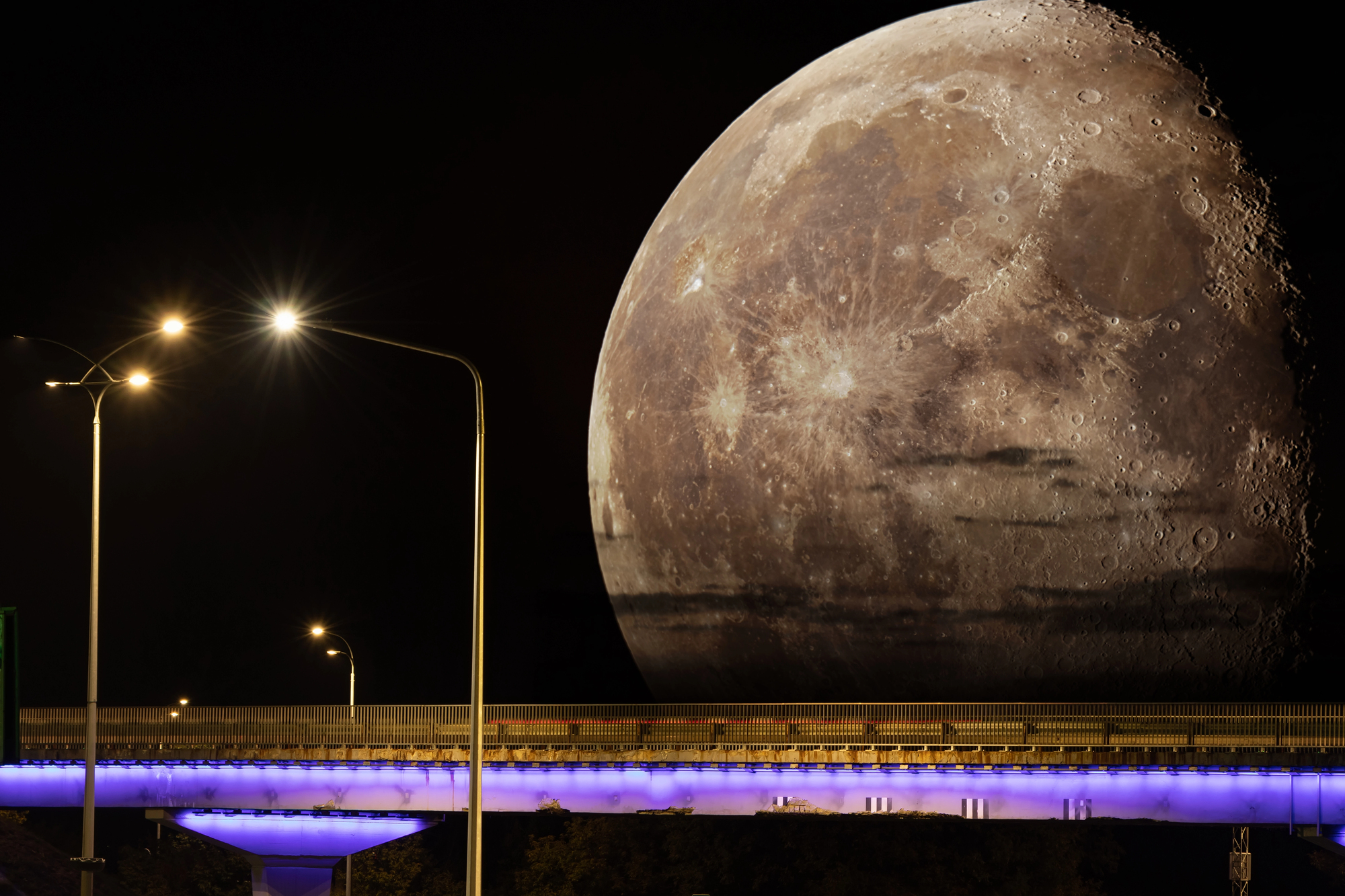
Photographs of the moon rising over cities sometimes make it look enormous, far larger than people remember seeing with their own eyes. The moon appears to hover close to buildings or mountains like a glowing sphere.
This effect comes from using a telephoto lens, which compresses distance in the frame. Objects that are actually miles apart appear much closer together.
The moon itself hasn’t changed size; the camera simply brings it visually closer to the foreground.
The Camouflaged Animal

Wildlife photographers occasionally capture animals that blend so perfectly into their surroundings that viewers struggle to find them in the image. A leopard might vanish into a rocky hillside or a bird might disappear among tree branches.
Nature evolved many animals with patterns that break up their outlines. When photographed, these patterns confuse the brain’s ability to separate subject from background.
The result is a picture that feels almost like a puzzle waiting to be solved.
The Floating Boat Illusion
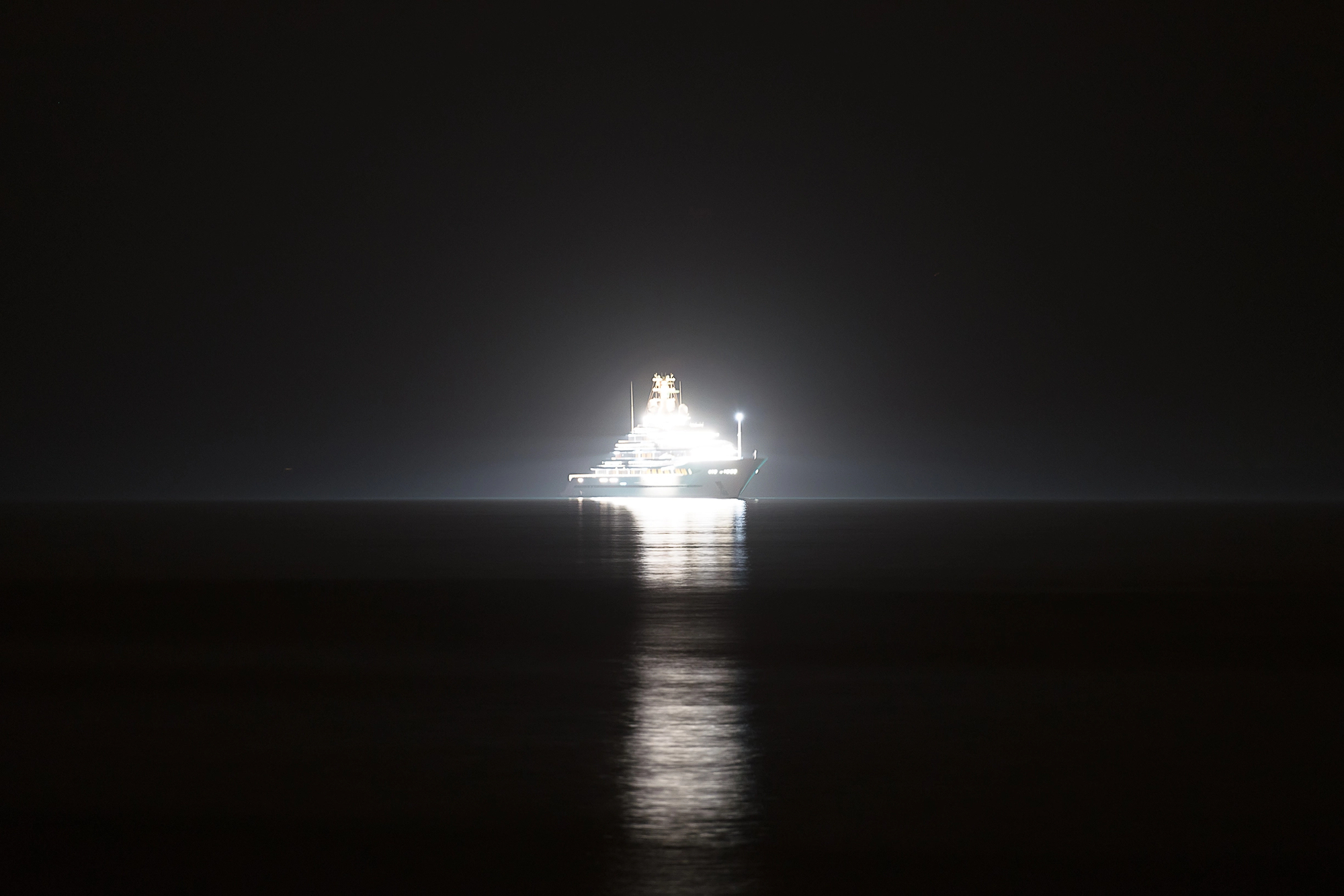
Photos taken over extremely clear water sometimes make boats appear to hover in midair. The bottom of the vessel looks disconnected from the surface beneath it.
The illusion happens when the water is so transparent that the seabed becomes visible. Because the eye expects water to distort or darken what lies below, seeing the bottom so clearly creates the impression that the boat is suspended above it.
The Half-Car Illusion

Some street photos show a car that appears sliced neatly in half. The front portion looks normal, while the back seems to vanish entirely.
Usually the rest of the vehicle is hidden behind another object at just the right angle. A wall, barrier, or even another car blocks part of the frame.
Because the hidden section aligns perfectly with the visible portion, the result feels oddly impossible.
The Perfectly Timed Wing

In wildlife photography, timing can create moments that look surreal. A bird flying behind someone’s head might line up so that its wings appear to grow from the person’s shoulders.
The illusion lasts only a fraction of a second. Yet when captured in a photograph, that fleeting alignment becomes permanent.
Viewers naturally interpret the wings as belonging to the person in the foreground, even though the bird is actually several yards away.
When the Camera Outsmarts the Brain

Odd pictures such as these tell us something interesting about how our minds work. Our brains are constantly trying to make sense of the depth, light, and movement in our field of view.
However, in a single image, many of these visual cues are absent. As a result, even familiar scenes can become visually intriguing.
Yet even with the rise of digital photography and the ease with which images can now be manipulated, some of the most inexplicable pictures are still those that result from timing and perspective alone. They serve as a reminder that just because we are seeing something doesn’t necessarily mean that we are understanding it.
More from Go2Tutors!

- The Romanov Crown Jewels and Their Tragic Fate
- 13 Historical Mysteries That Science Still Can’t Solve
- Famous Hoaxes That Fooled the World for Years
- 15 Child Stars with Tragic Adult Lives
- 16 Famous Jewelry Pieces in History
Like Go2Tutors’s content? Follow us on MSN.