Most Valuable Sports Memorabilia Ever Sold
There’s something about holding a piece of sporting history that numbers alone can’t explain. A jersey worn during a record-breaking performance, an orb from a moment millions watched live, a pair of shoes belonging to someone who changed an entire sport — these objects carry a charge that goes beyond fabric and leather.
At auction, that charge translates into extraordinary sums. Some of the prices reached in recent years have shocked even seasoned collectors.
Babe Ruth’s 1920 Jersey — $5.64 Million
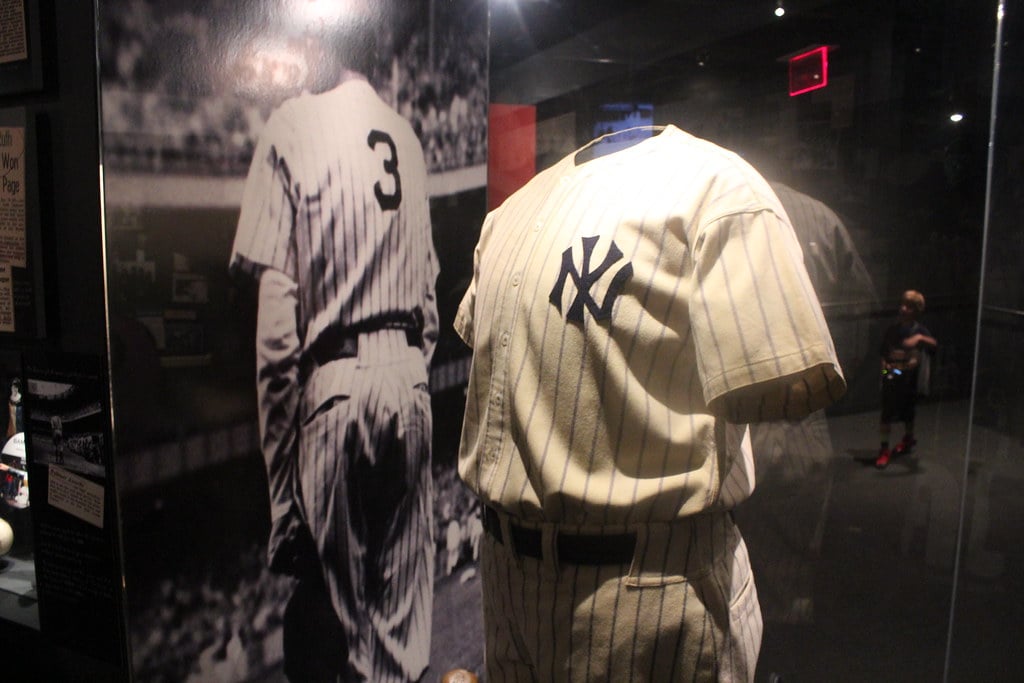
In 2019, a jersey worn by Babe Ruth in the 1920 season sold for $5.64 million, setting a record for game-worn baseball memorabilia at the time. The 1920 season was Ruth’s first with the New York Yankees after being traded from the Boston Red Sox — one of the most consequential moves in baseball history.
The jersey had been authenticated through a combination of fabric analysis, photographic matching, and provenance research. Its condition, given its age, was considered exceptional.
For collectors, the combination of the player, the season, and the team made it close to irreplaceable.
Michael Jordan’s 1998 NBA Finals Jersey — $10.1 Million
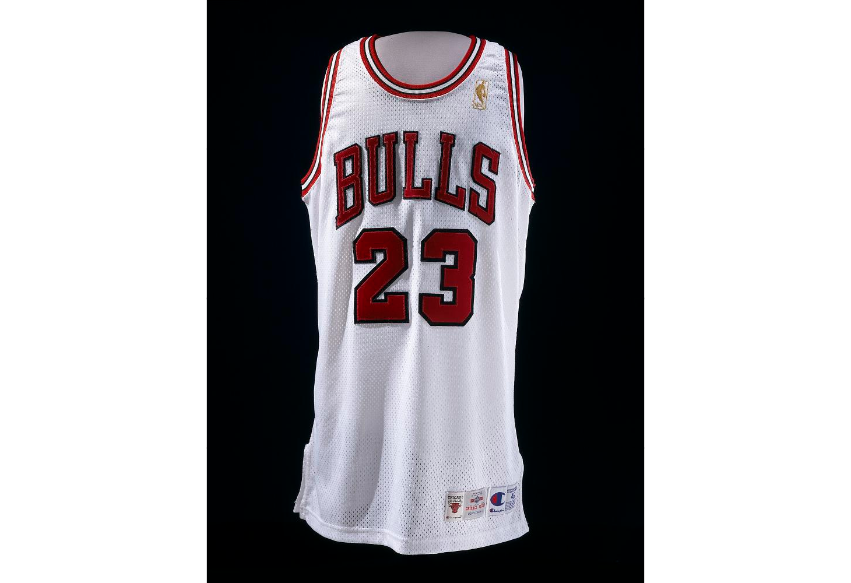
Michael Jordan’s jersey from Game 1 of the 1998 NBA Finals sold at Sotheby’s in 2022 for $10.1 million, making it the most valuable game-worn basketball jersey ever auctioned at that point. The 1998 Finals were the last championship Jordan won with the Chicago Bulls — the culmination of the second three-peat and widely considered the defining moment of his legacy.
What pushed the price beyond expectations was the cultural weight attached to that particular series. The “Last Dance” documentary had aired two years earlier, reigniting global interest in Jordan’s career and drawing a new generation into the story of those Bulls teams.
Diego Maradona’s “Hand of God” Jersey — $9.3 Million
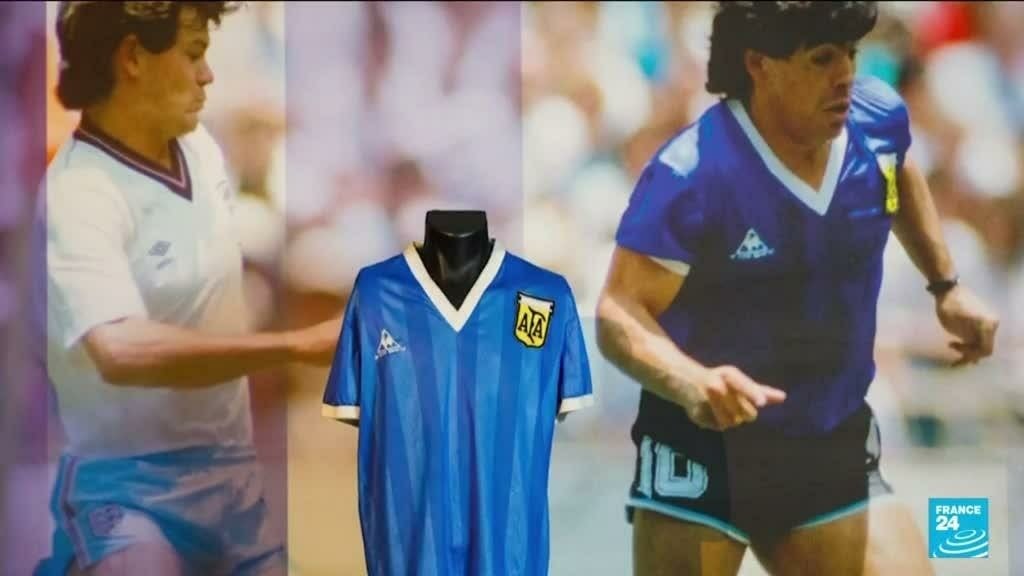
The jersey Diego Maradona wore during the 1986 World Cup quarter-final against England sold at Sotheby’s in 2022 for £7.1 million — approximately $9.3 million. It’s the jersey from arguably the most infamous match in football history, the game that produced both the “Hand of God” goal and the “Goal of the Century” in the same half.
Maradona had given the jersey to England midfielder Steve Hodge directly after the match, and Hodge had kept it for decades, lending it to the National Football Museum in Manchester for years before deciding to sell. The sale generated significant debate about where the jersey belonged — in Argentina, in England, or in a private collection.
Honus Wagner T206 Baseball Card — $7.25 Million
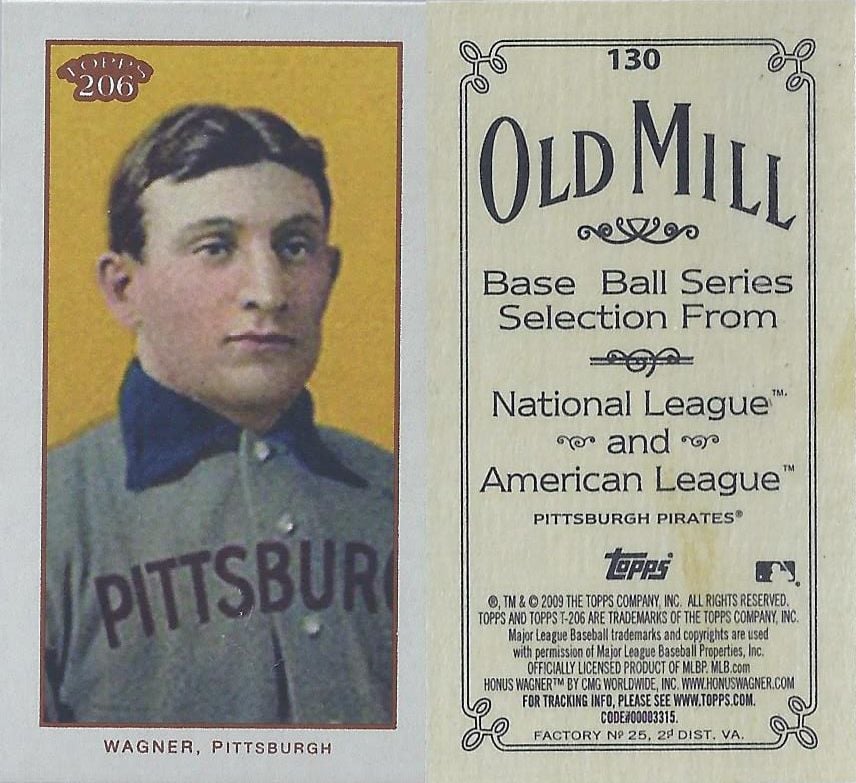
The T206 Honus Wagner card is the most famous piece of sports memorabilia that isn’t a physical object from a game. Produced between 1909 and 1911 by the American Company, the card was pulled from production early — allegedly because Wagner objected to his image being used to sell cig.
The result is extreme scarcity. One of the surviving examples sold in 2021 for $7.25 million, at the time a record for any trading card.
It has since been surpassed by other cards, but the Wagner remains the symbol of the entire hobby — the card that every collector knows, whether or not they could ever afford to be near one.
LeBron James Rookie Card — $5.2 Million
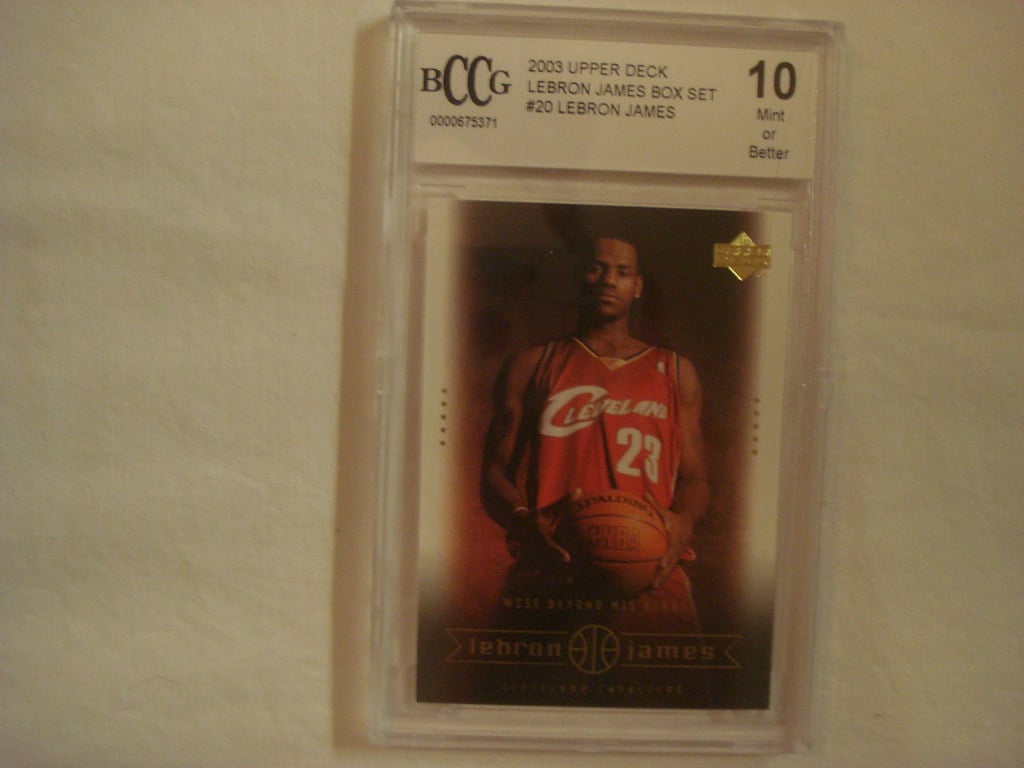
In 2021, a 2003-04 Upper Deck Exquisite LeBron James rookie card graded PSA 10 sold for $5.2 million. The modern trading card market had been building toward these numbers for years, driven partly by pandemic-era investment in collectibles and partly by LeBron’s sustained greatness over two decades.
Rookie cards have always carried premium value in the hobby, representing a player at the moment before their career had fully taken shape. A PSA 10 — the highest possible grade, indicating virtually perfect condition — adds another layer of rarity.
Very few cards of any era come out of grading at that level.
Muhammad Ali’s Training-Worn Gloves — $1.1 Million
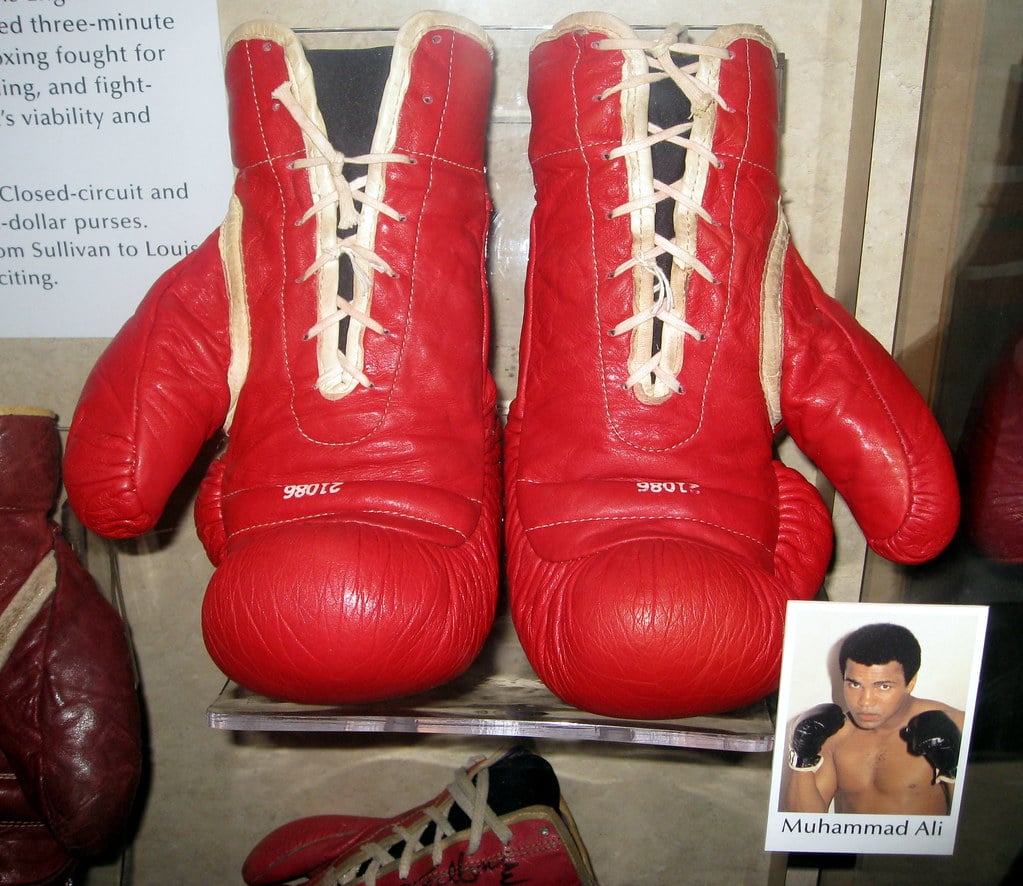
A pair of gloves used by Muhammad Ali during training sold for over a million dollars at auction in 2021. While that figure sits below some of the headline numbers on this list, what makes it notable is that these weren’t gloves from a specific famous fight — they were training equipment, worn in a gym, not under the lights.
That a pair of practice gloves from any athlete could reach seven figures says something about what Ali’s name represents beyond boxing. He remains one of the most recognisable figures in the history of sport, and objects connected to him carry a weight that transcends the sport itself.
Jesse Owens’ 1936 Olympic Gold Medal — $1.47 Million
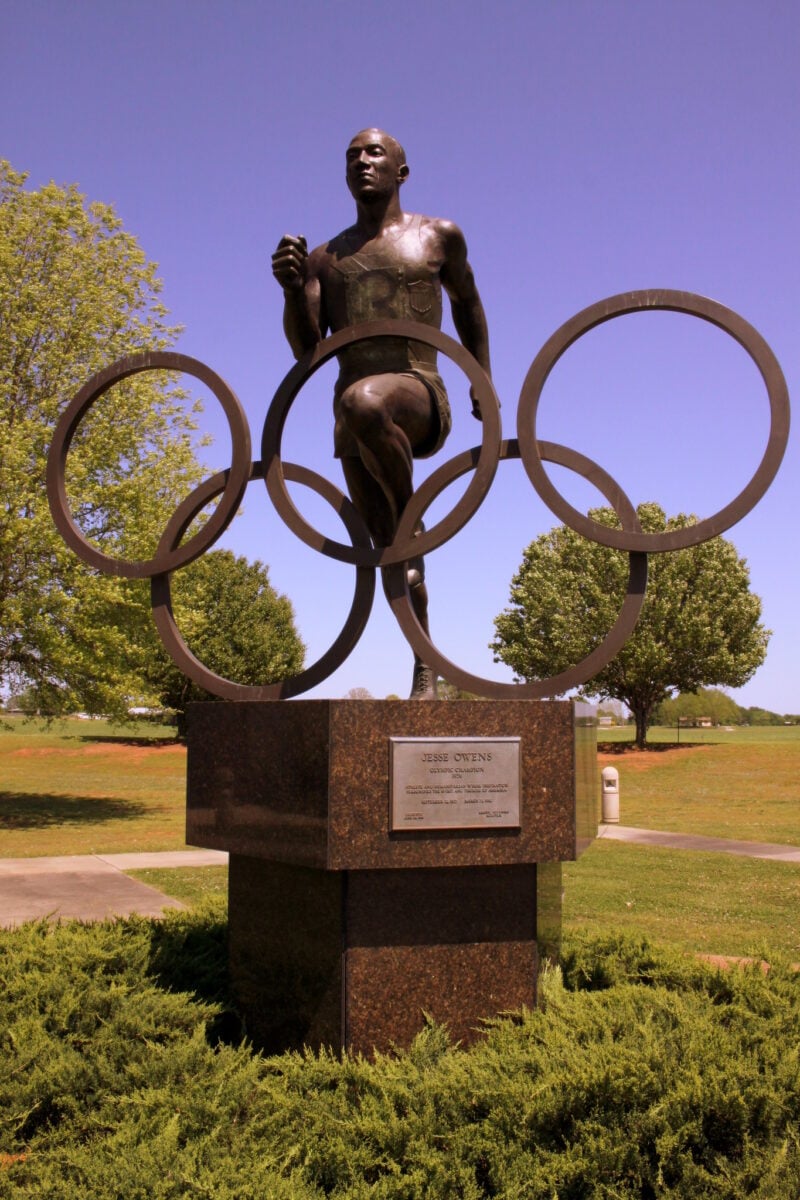
Jesse Owens won four gold medals at the 1936 Berlin Olympics, directly in front of Adolf Hitler, at a moment when those victories carried a meaning far beyond athletics. One of his gold medals sold at auction in 2013 for $1.47 million — a record for any Olympic medal at the time.
Olympic medals rarely come to market. Athletes typically keep them, pass them to family, or donate them to institutions.
When they do appear, the story attached to the medal matters enormously. In Owens’ case, the story is one of the most powerful in 20th century sport.
Tom Brady’s Rookie Card — $2.25 Million
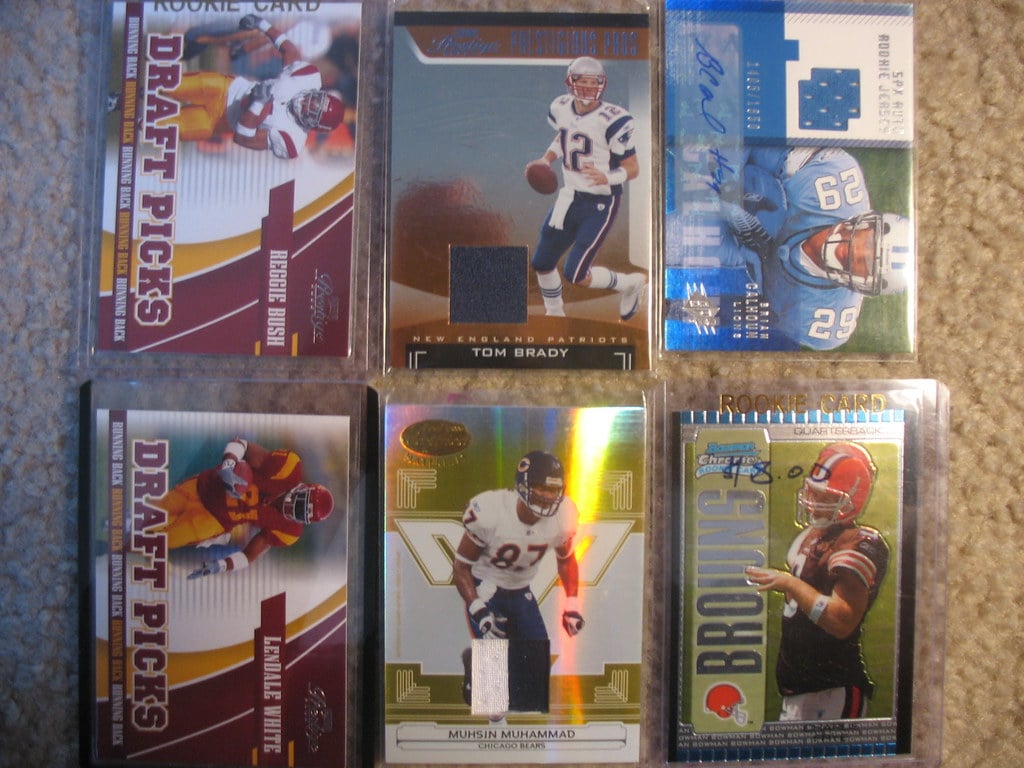
A Tom Brady 2000 Playoff Contenders Championship Ticket rookie card graded BGS 8.5 sold in 2021 for $2.25 million. Brady’s card sits in a peculiar position in the hobby — he was a sixth-round draft pick, which meant his early cards were produced in limited quantities by companies that didn’t expect him to become the most decorated player in NFL history.
That mismatch between the obscurity of his draft position and the scale of what he became gives his rookie cards a specific kind of appeal. The scarcity wasn’t manufactured.
It was an accident of circumstance that nobody could have predicted in the year 2000.
Mickey Mantle’s 1952 Topps Card — $12.6 Million
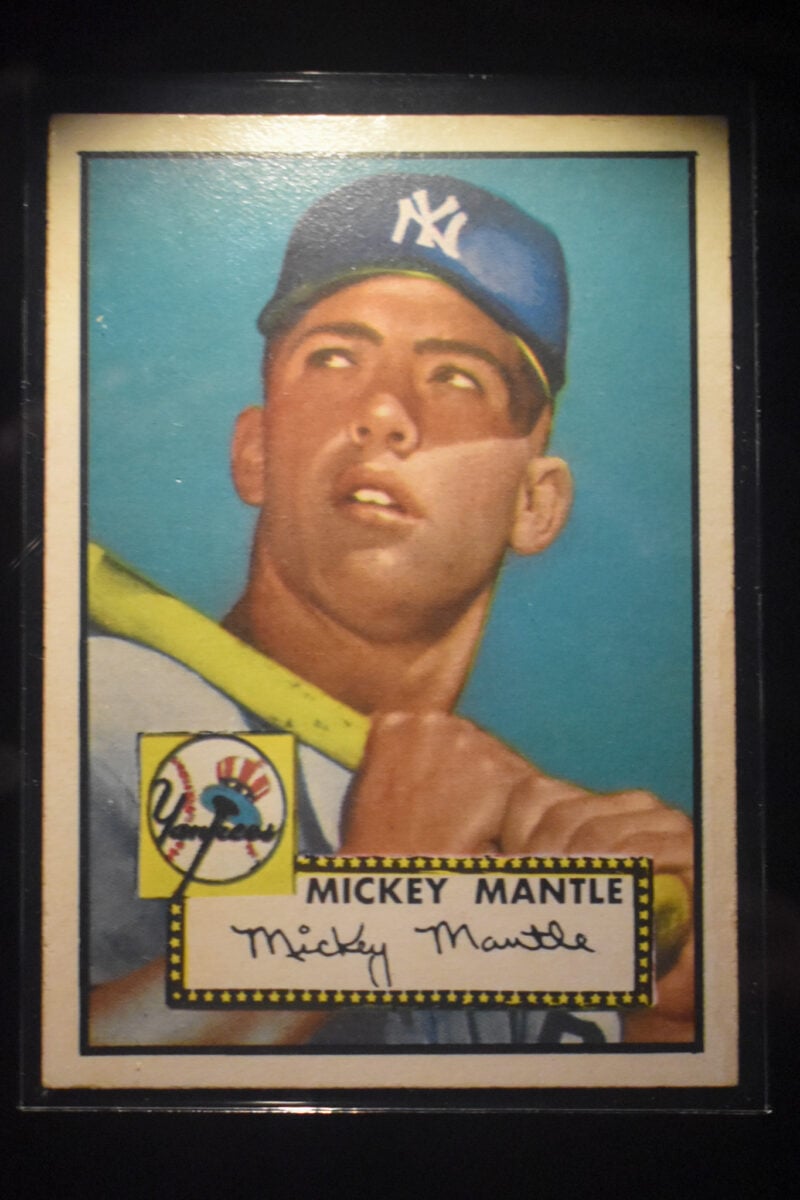
In August 2022, a 1952 Topps Mickey Mantle card graded PSA Mint 9 sold for $12.6 million — the highest price ever paid for a trading card at that time. The 1952 Topps set is considered the foundational set of modern baseball cards, and Mantle’s card within it is its centrepiece.
The card had been held in a private collection for decades before coming to auction through Heritage Auctions. Its condition — near-perfect preservation across 70 years — played a central role in the final price.
Most surviving copies show wear, creases, or fading. This one did not.
Wayne Gretzky’s 1979 O-Pee-Chee Rookie Card — $3.75 Million
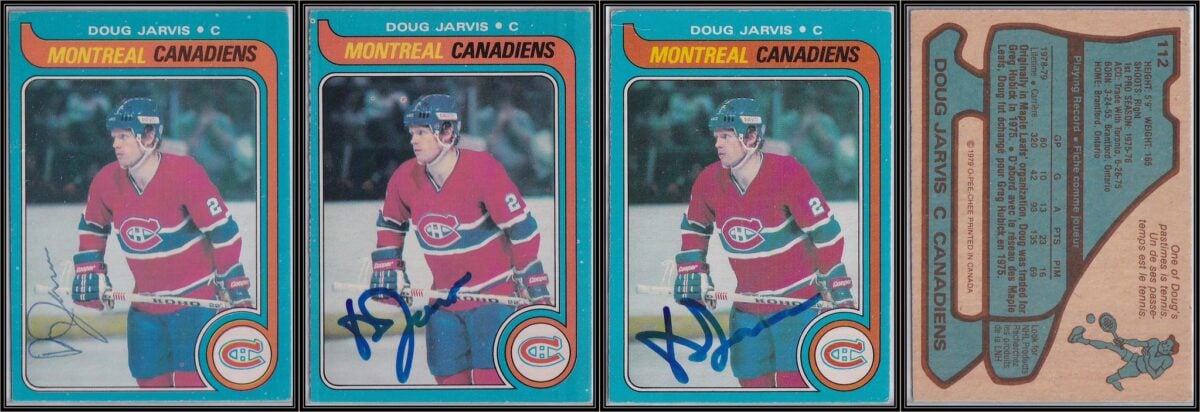
Wayne Gretzky’s rookie card from the 1979-80 O-Pee-Chee set sold in 2021 for $3.75 million — a record for any hockey card. Gretzky holds or shares 61 NHL records, many of which are considered statistically unbreakable.
In hockey, his position is singular. The O-Pee-Chee set was the Canadian equivalent of Topps, produced in smaller quantities and with subtle differences in design that make it distinct from the American version.
Collectors place a premium on the Canadian issue, which adds to the appeal among the dedicated slice of the hobby focused on hockey history.
Babe Ruth’s Called Shot Jersey — Estimated $30 Million+
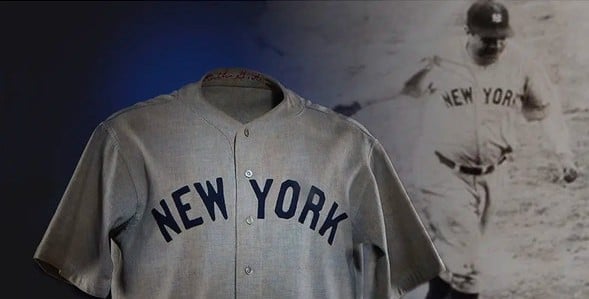
One item that hasn’t formally come to auction but has been valued publicly stands apart from every other piece on this list. A jersey believed to have been worn by Babe Ruth during the 1932 World Series — the game of the famous “Called Shot,” where Ruth allegedly pointed to centre field before hitting a home run to that exact spot — has been privately valued at over $30 million.
Its owner has declined to sell. Whether the Called Shot actually happened as legend describes it remains debated among historians.
But the legend is what drives the value, and in sports memorabilia, legend and value are almost the same thing.
Pelé’s 1970 World Cup Jersey — $328,000
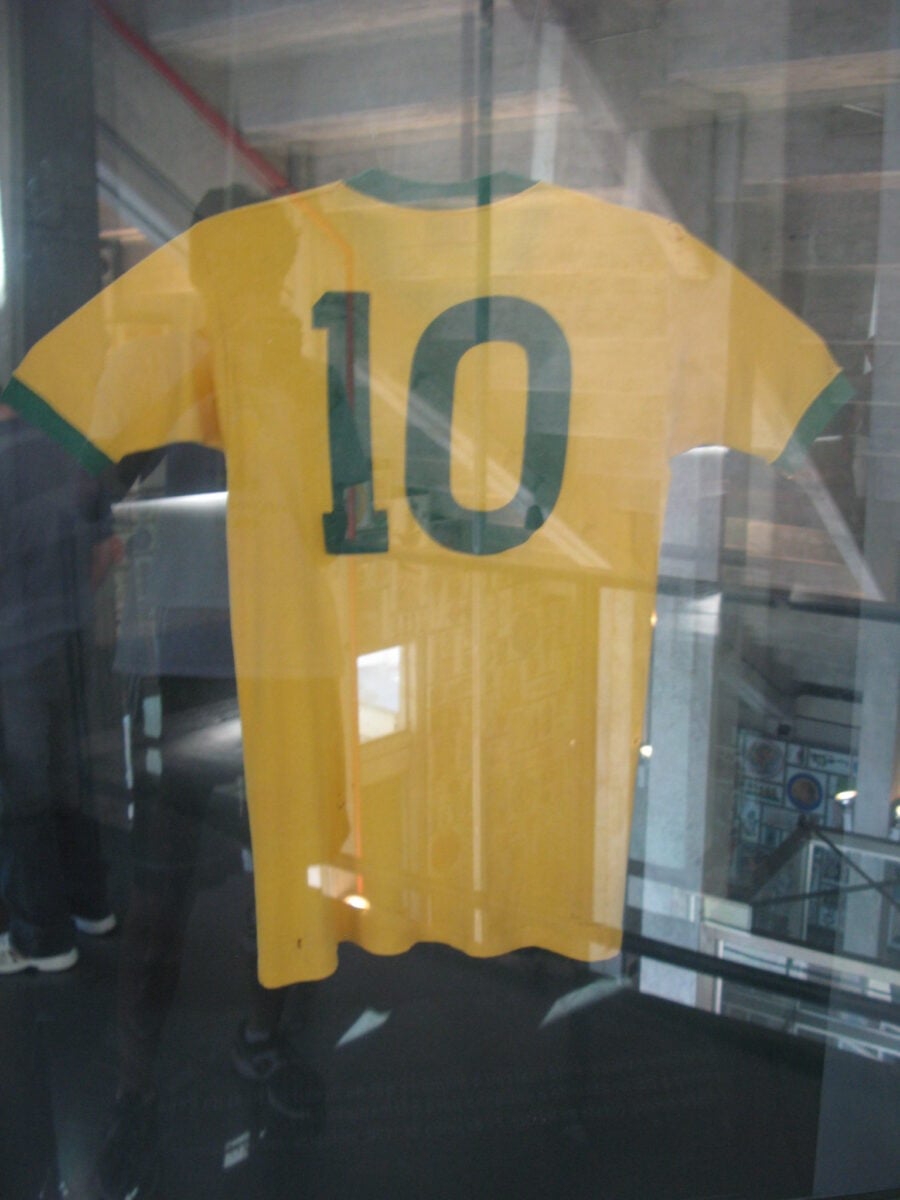
By the standards of other items here, $328,000 might seem modest. But Pelé’s jersey from the 1970 World Cup Final — widely considered the greatest World Cup ever played and the performance that cemented Pelé’s status as the best footballer of the 20th century — has held its place as a landmark sale in football memorabilia.
Football has historically lagged behind American sports in auction prices for jerseys and cards, partly due to a different culture around collecting and partly because authentication can be more complex. That’s beginning to shift, and prices for elite football items have accelerated sharply in recent years.
Secretariat’s 1973 Belmont Stakes Saddle — $239,000
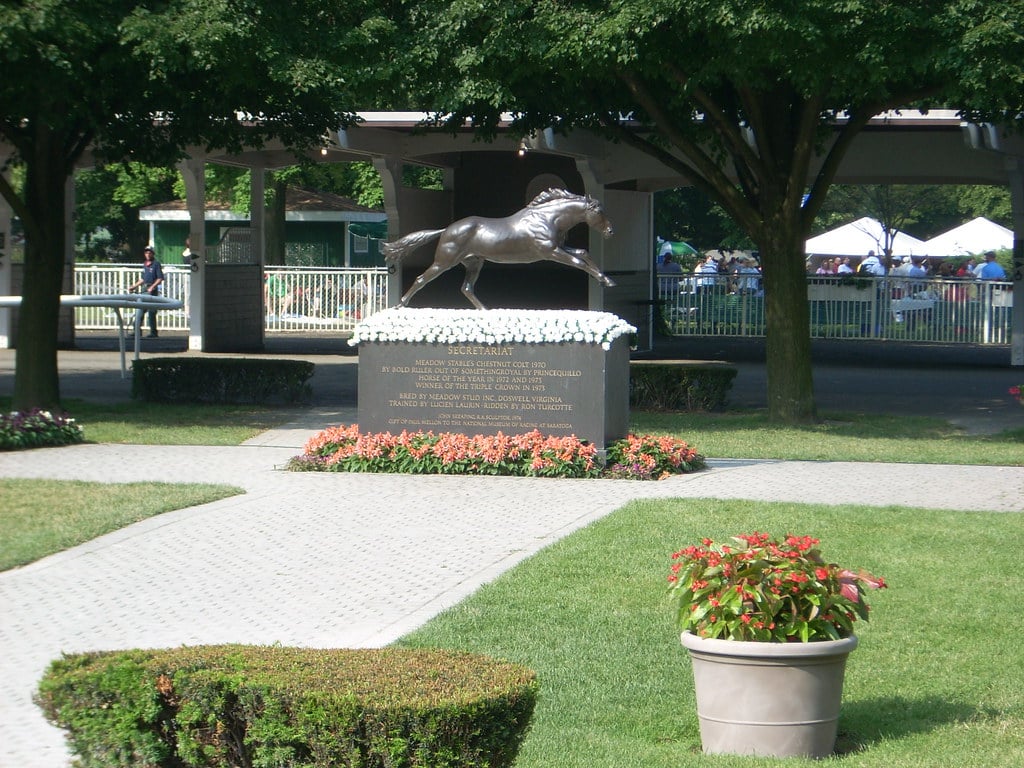
Secretariat won the 1973 Belmont Stakes by 31 lengths, setting a track record that still stands today. The saddle used in that race sold for $239,000 — not the largest sum on this list, but significant for equestrian memorabilia, a category that rarely reaches the mainstream auction market.
Secretariat’s Belmont performance is still considered by many the greatest individual athletic achievement in the history of sport, not just horse racing.
Watching the footage, the margin of victory is difficult to process. The horse simply ran away from the field and kept going.
The Numbers Behind the Stories
Every single one of these items was purchased at the price it fetched because of its story, not the actual thing itself. A jersey’s seams don’t change.
The cardboard of a trading card remains cardboard. What makes the difference is whose jersey it was, what happened to that player while wearing it, and how many people recall that moment and want to possess a part of it.
The prices in this area keep going up, and no definitive ceiling is visible at the moment. Since the generations that saw Mantle Ali Gretzky, and Jordan have grown up and as their kids and grandkids inherit not only the memories but also the financial power to act on them the prices of the items bearing those names should continue to rise.
The rarity is constant. The desire is not.
More from Go2Tutors!

- The Romanov Crown Jewels and Their Tragic Fate
- 13 Historical Mysteries That Science Still Can’t Solve
- Famous Hoaxes That Fooled the World for Years
- 15 Child Stars with Tragic Adult Lives
- 16 Famous Jewelry Pieces in History
Like Go2Tutors’s content? Follow us on MSN.