14 Past Shark Tank Hits Thriving Today
When “Shark Tank” first premiered on Shark Tank in 2009, it was just a simple pitch show. People came in, stood on a carpet, pitched their ideas, and hoped to get a check from a room full of investors.
However, over the years, it evolved into something much larger, becoming a platform with the potential to turn small businesses into household names in a matter of days.
To understand the influence of Shark Tank, it’s not necessary to look at the drama and negotiations. Instead, look at the companies that came in as small ideas and left with the momentum to become household names in retail stores and online, some even selling for billions of dollars.
Here’s a look at some of the former “Shark Tank” successes that continue to thrive today.
Scrub Daddy
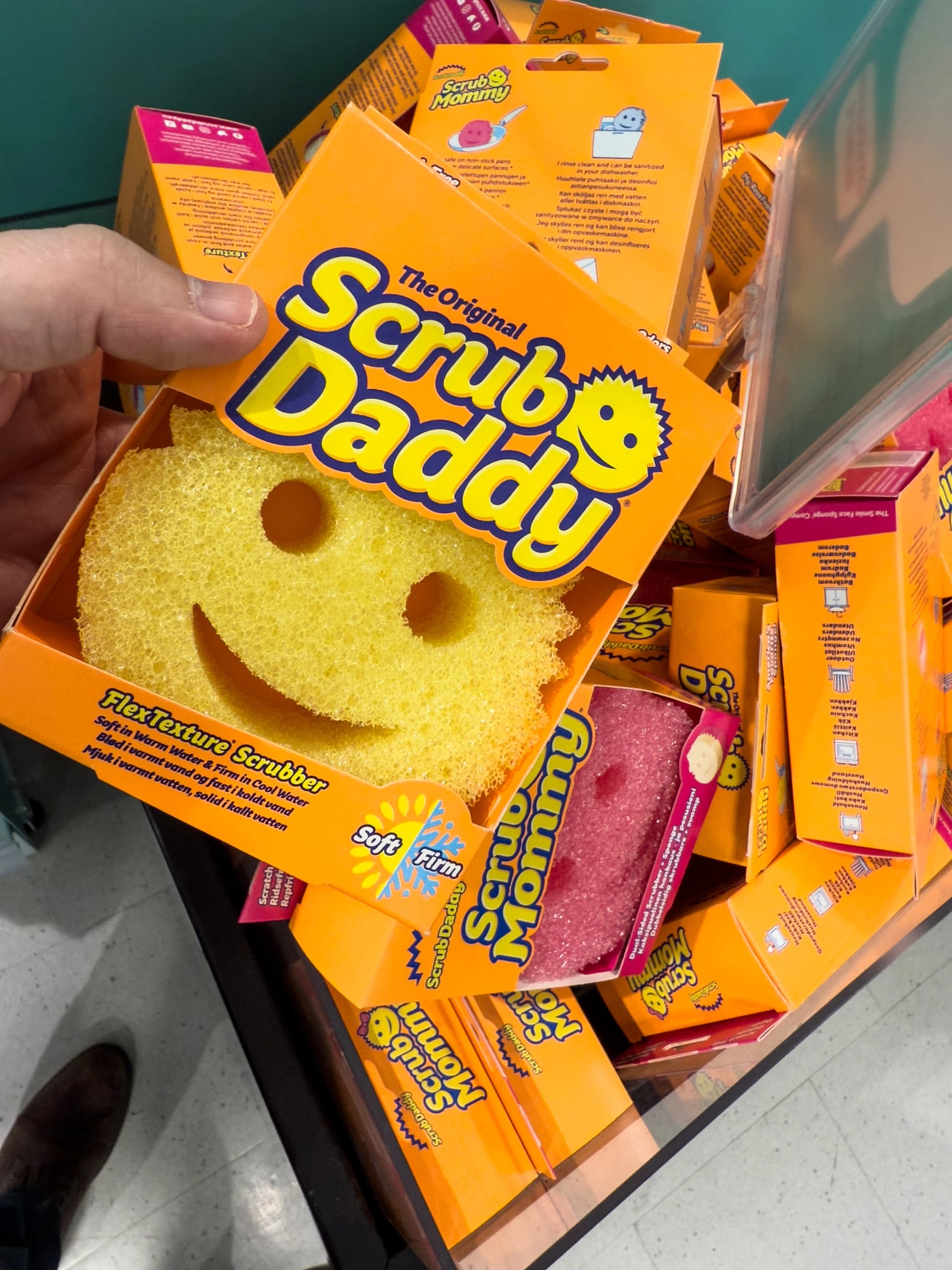
Few Shark Tank products have matched the staying power of Scrub Daddy. Founder Aaron Krause pitched the smiley-faced sponge in 2012, and its temperature-responsive texture immediately stood out.
It becomes firm in cold water and soft in warm water, a small innovation that proved surprisingly useful.
After securing a deal with Lori Greiner, the brand exploded into major retailers. Today, Scrub Daddy generates hundreds of millions in lifetime sales and has expanded into an entire cleaning line.
What started as a novelty sponge became one of the show’s most profitable investments.
Bombas

Socks are not typically exciting, but Bombas turned them into a mission-driven business. The founders appeared in 2014 with a simple promise: for every pair sold, one would be donated to someone in need.
That blend of product quality and social impact resonated. After partnering with Daymond John, Bombas scaled rapidly through e-commerce and retail.
The company has since surpassed hundreds of millions in revenue, expanding into underwear and T-shirts while maintaining its donation model. It remains one of the show’s most visible success stories.
Ring
Before it became a staple on suburban doorframes, Ring was pitched as Doorbot. Founder Jamie Siminoff did not secure a deal in his 2013 appearance, but the exposure mattered.
On the other hand, the real breakthrough came later. Ring refined its product, built consumer trust, and was eventually acquired by Amazon for over $1 billion in 2018.
The company’s trajectory demonstrates that even without an on-air deal, the platform itself can ignite massive growth.
Squatty Potty
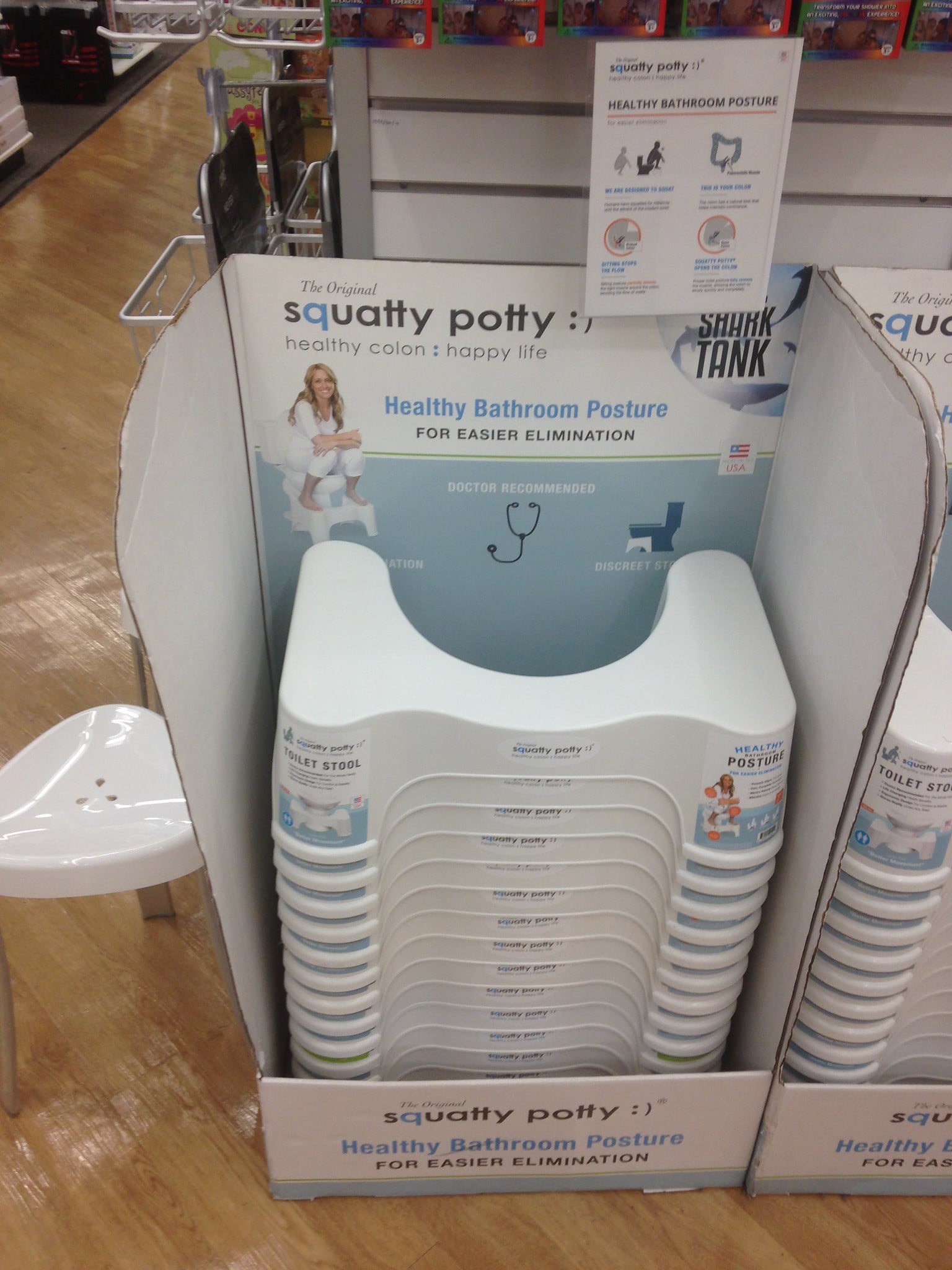
Squatty Potty solved a problem many people had but rarely discussed. The simple footstool promotes better posture in the bathroom, and its 2014 pitch secured investment from Lori Greiner.
Even so, it was the brand’s marketing — including a now-famous unicorn-themed commercial — that amplified its reach. Sales surged into the hundreds of millions over time.
What could have remained a niche product became a mainstream wellness item found in big-box stores nationwide.
The Bouqs Company
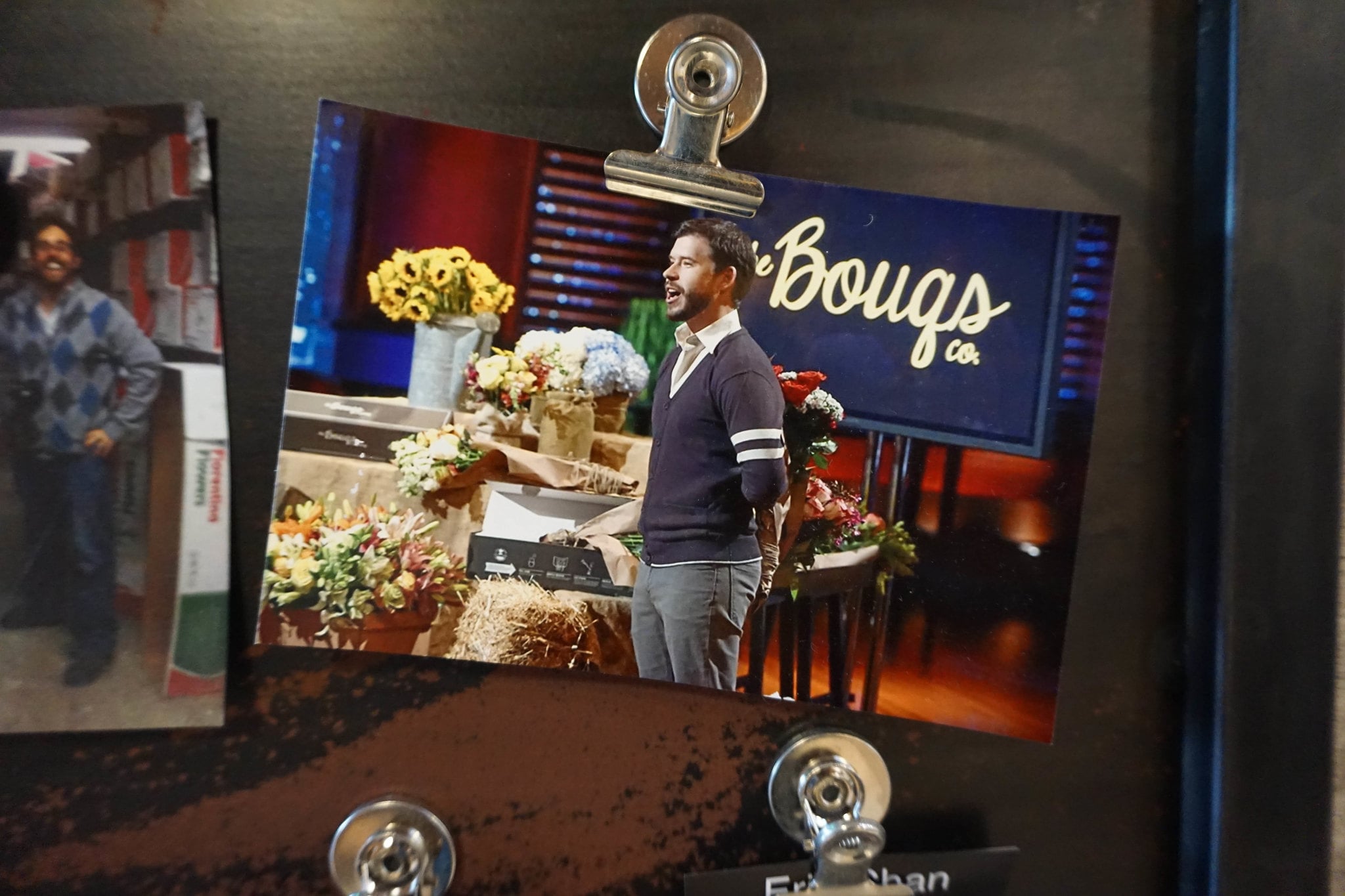
Flower delivery traditionally involved middlemen and inflated prices. The Bouqs Company proposed a farm-to-consumer model when it appeared on the show in 2014.
Although it did not initially land a deal, investor interest followed off-camera. The company has since grown into a major online floral brand, partnering with retailers and expanding its subscription services.
It is a reminder that exposure can be just as valuable as investment capital.
Tipsy Elves
Holiday sweaters were once ironic party attire. Tipsy Elves leaned into that humor during its 2013 pitch and secured backing from Robert Herjavec.
Still, the founders did not stop at novelty knitwear. They expanded into ski gear, themed apparel, and event-driven collections.
The brand has reportedly generated hundreds of millions in cumulative revenue, proving that seasonal ideas can evolve into durable businesses with the right expansion strategy.
Kodiak Cakes
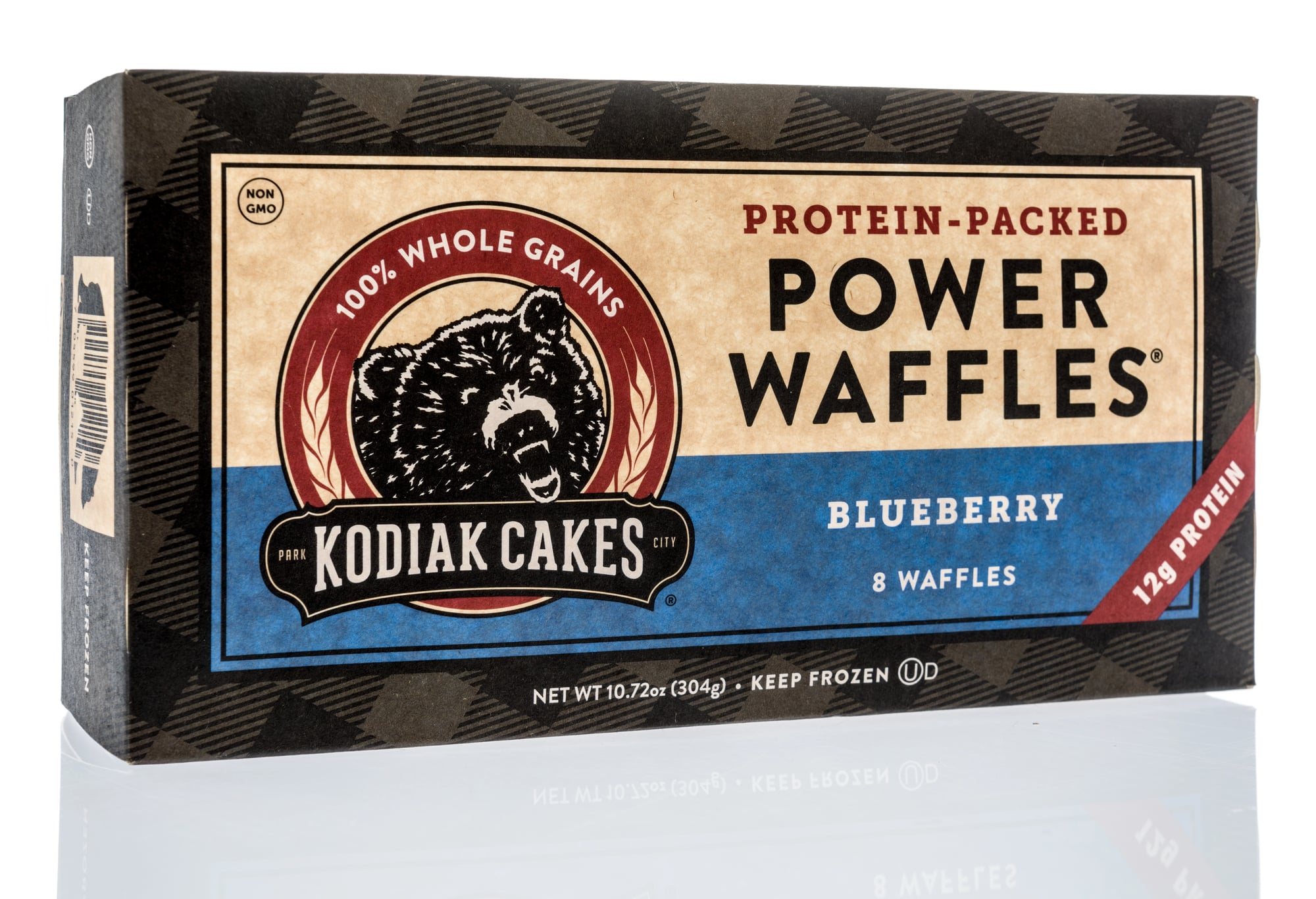
Protein-packed pancake mix might not sound revolutionary, but Kodiak Cakes had already built a loyal following before appearing in 2014. The founders declined a deal they felt undervalued their brand.
That decision paid off. Kodiak Cakes secured retail distribution in major grocery chains and expanded into waffles, oatmeal, and snack bars.
The company now records significant annual revenue and has become a staple in the better-for-you breakfast aisle.
Simply Fit Board
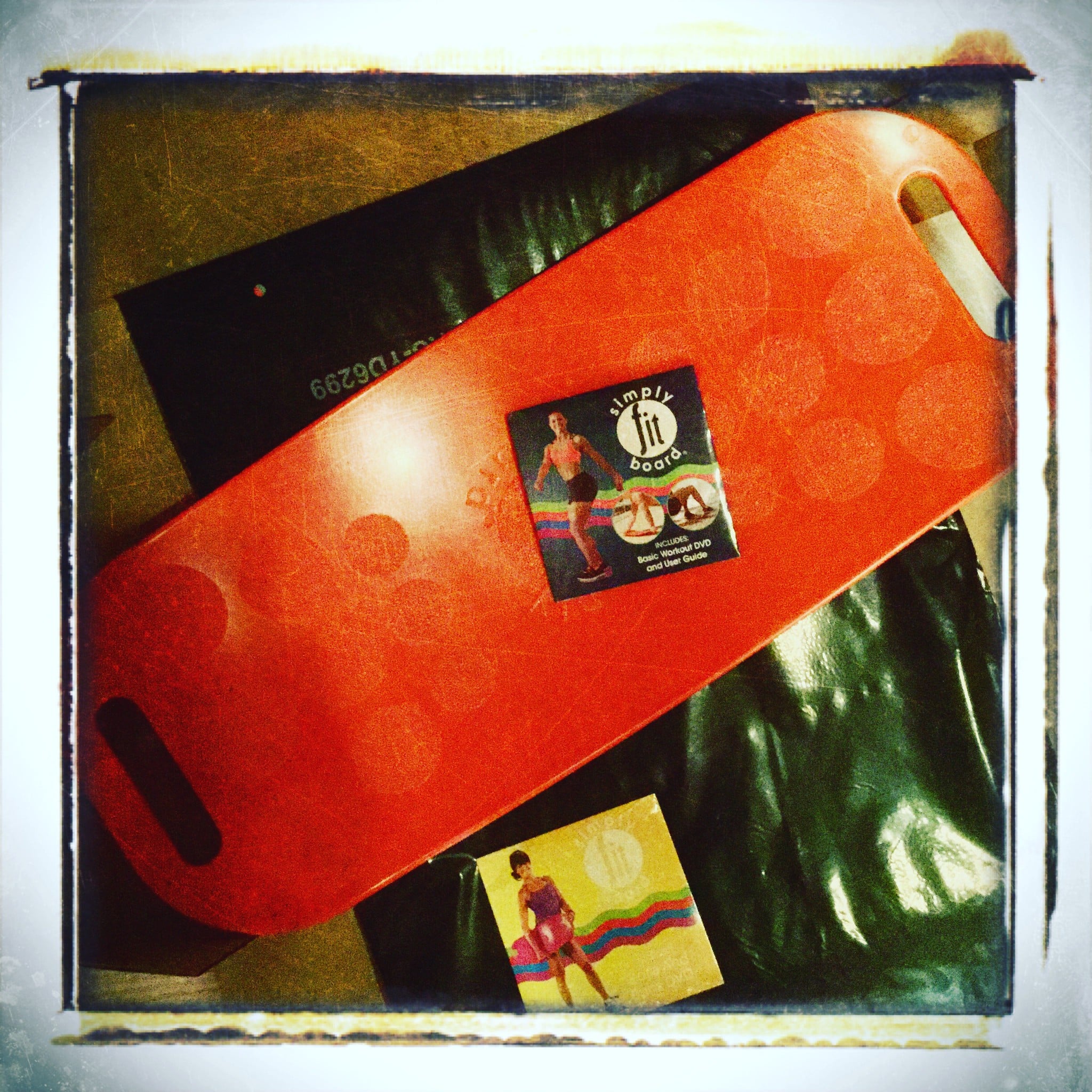
Simply Fit Board introduced a brightly colored balance board designed for core workouts. Its simplicity made it accessible, and the demonstration on air generated immediate buzz.
After partnering with Lori Greiner, the product secured shelf space in national retailers. Sales reportedly surpassed $100 million within a few years.
The company capitalized on infomercial-style marketing while maintaining mainstream credibility.
Cousins Maine Lobster
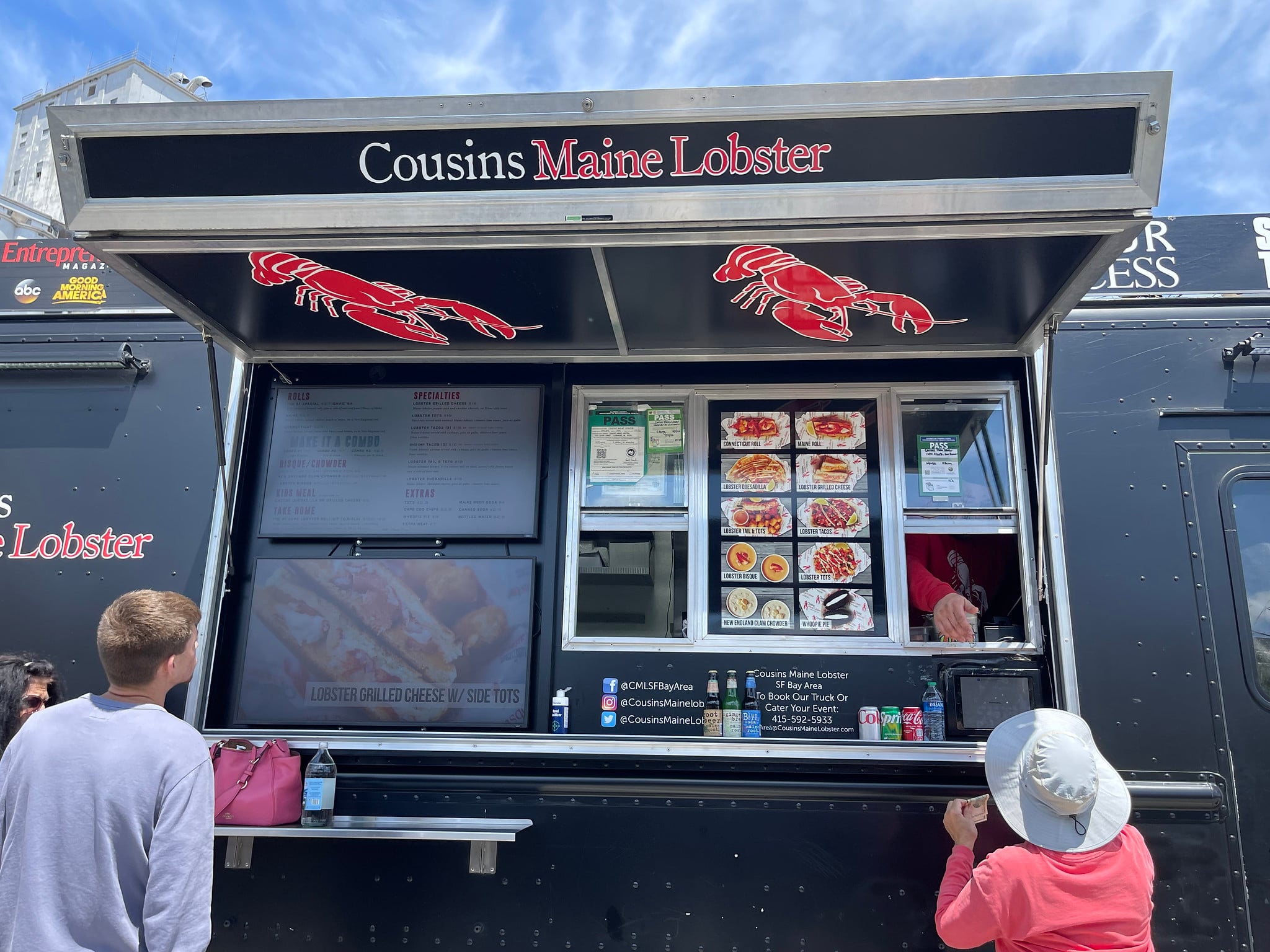
Food trucks rarely scale beyond regional fame. Cousins Maine Lobster changed that narrative. The founders pitched their lobster roll concept in 2012 and received backing from Barbara Corcoran.
Since then, the brand has expanded through franchising across multiple states. It has grown into a multi-million-dollar operation while maintaining its New England identity.
What began as a single truck now operates as a recognized fast-casual seafood chain.
Wicked Good Cupcakes

Shipping cupcakes in jars sounded unconventional when Wicked Good Cupcakes appeared in 2013. The founders struck a royalty deal with Kevin O’Leary instead of a traditional equity investment.
That said, the model worked. The company expanded its online sales and was eventually acquired by Hickory Farms in 2021.
It stands as one of the show’s more creative deal structures with lasting payoff.
Coffee Meets Bagel
Dating apps were already competitive when Coffee Meets Bagel pitched in 2015. The founders famously declined a $30 million buyout offer from Mark Cuban.
Instead, they pursued independent growth. The app refined its curated matching model and secured venture funding afterward.
While not the largest player in the space, it remains active and profitable, carving out a loyal niche among users seeking more intentional connections.
GrooveBook

GrooveBook offered a subscription service that printed smartphone photos into small books mailed monthly. The concept appealed to families wanting tangible keepsakes in a digital era.
After securing investment from Mark Cuban and Kevin O’Leary, the company grew quickly. In 2014, it was acquired by Shutterfly for $14.5 million.
The exit validated the power of subscription simplicity.
Tipsy Pooch

Pet owners often mirror human fashion trends, and Tipsy Pooch tapped into that behavior. The company pitched novelty dog apparel and accessories designed for social events.
While it remained a niche brand, it built steady online sales and retail partnerships after its appearance.
The pet industry’s continued growth has allowed brands like this to thrive in specialty markets without needing mass-market dominance.
Bala Bangles
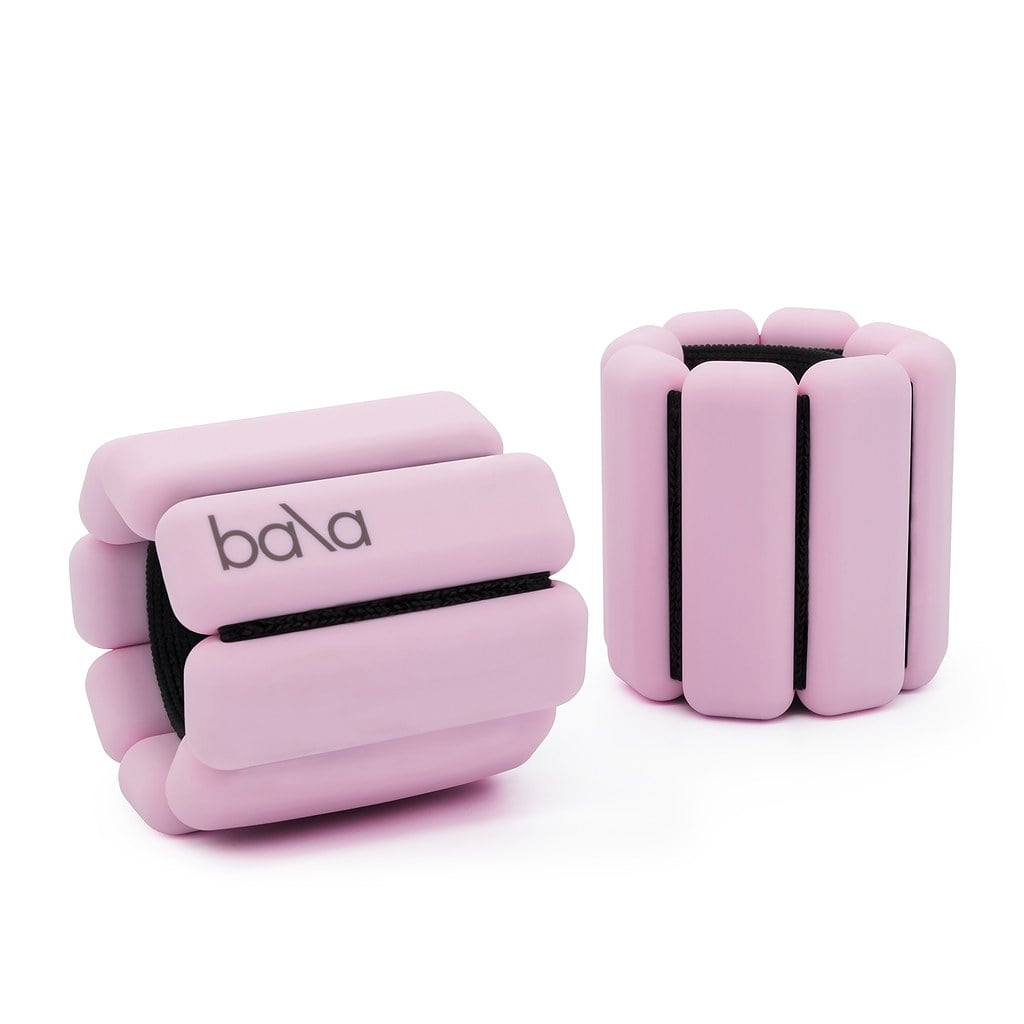
Bala Bangles introduced stylish wrist and ankle weights in 2020. Its sleek aesthetic sets it apart from traditional gym gear.
After securing a deal with Mark Cuban and Maria Sharapova, the brand expanded rapidly through direct-to-consumer sales and partnerships with major retailers.
Bala Bangles has since grown into a broader fitness lifestyle brand, proving that thoughtful design can elevate even simple equipment.
The Legacy Of The Tank

Over a decade after the show’s debut, Shark Tank continues to influence the American public’s perception of entrepreneurship. It has become the norm for entrepreneurs to pitch, for venture capital to be trendy, and for the concepts of valuation and equity to become common knowledge.
But the true lasting influence of the show can be found in the businesses that continue to grow and thrive long after the cameras stop rolling. They are a testament to the fact that, despite the crowded media space, growth can still be found through fundamentals.
The lasting success of these brands can serve as a reminder that, despite the momentum that Shark Tank can create, growth can still be found through fundamentals. In order to thrive, businesses must not only adapt to change, but evolve beyond the confines of the television show.
More from Go2Tutors!

- The Romanov Crown Jewels and Their Tragic Fate
- 13 Historical Mysteries That Science Still Can’t Solve
- Famous Hoaxes That Fooled the World for Years
- 15 Child Stars with Tragic Adult Lives
- 16 Famous Jewelry Pieces in History
Like Go2Tutors’s content? Follow us on MSN.



