Weird Facts About Japanese Bullet Trains
Japan’s bullet trains glide through the countryside with an almost supernatural precision, carrying millions of passengers each year at speeds that would make most cars jealous.
These engineering marvels have been connecting cities since 1964, but beneath their sleek exterior and punctual reputation lies a collection of peculiarities that even frequent riders might not know.
From bizarre cleaning rituals to wildlife encounters, the world of Japanese high-speed rail is far stranger than its polished image suggests.
They Bow To Passengers

Bullet train conductors perform a ritual that seems lifted from a ceremonial dance. Every single time they enter or exit a passenger car, they stop and bow.
Not a casual nod—a full, formal bow that lasts several seconds. This happens hundreds of times per trip.
The practice serves no operational purpose. Passengers rarely notice or acknowledge it.
But conductors do it anyway, car after car, trip after trip, with the same precision they apply to everything else.
Cleaning Crews Have Seven Minutes
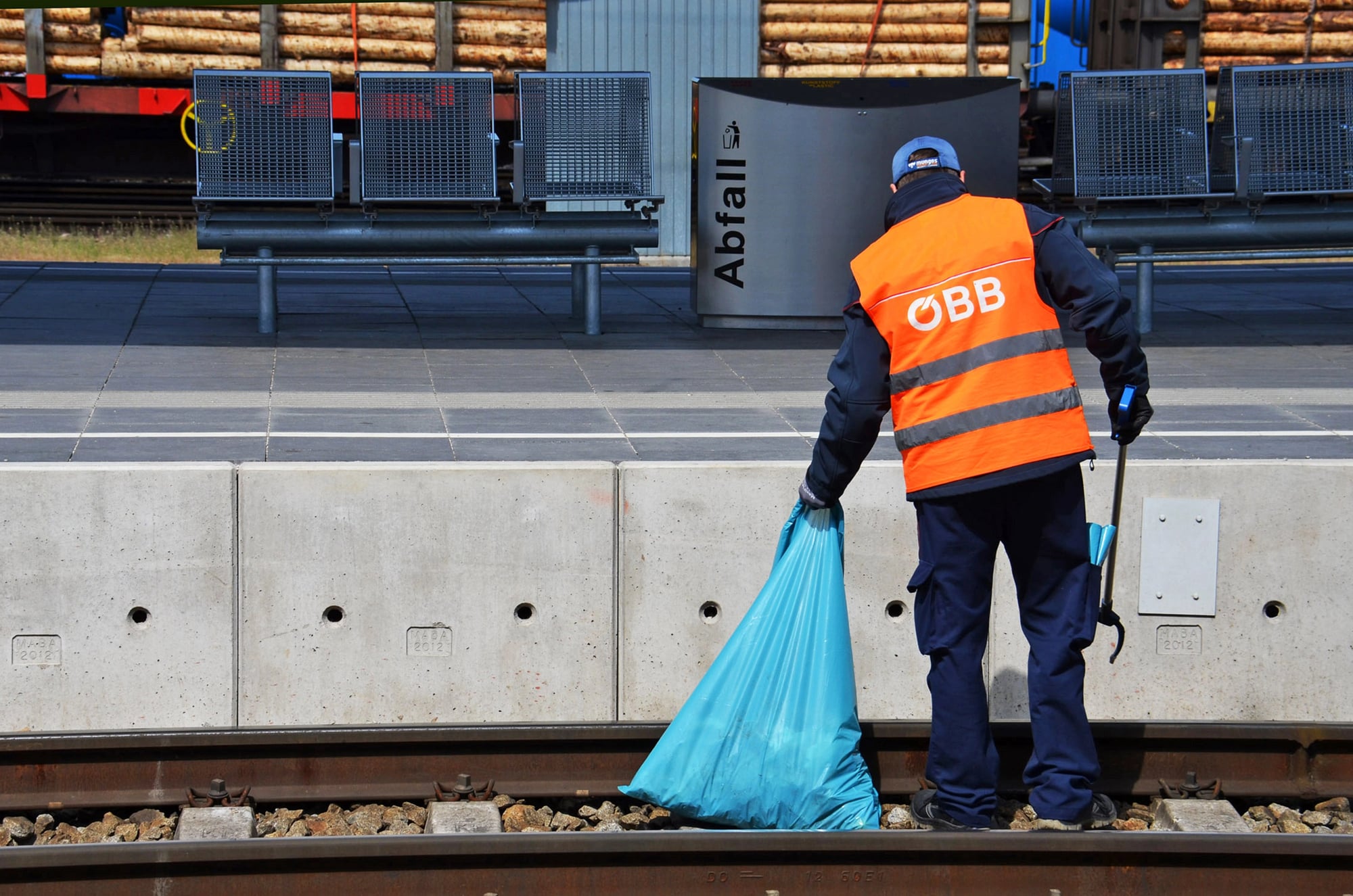
When a bullet train reaches its terminal station, something that resembles a choreographed performance breaks out on the platform. Teams of cleaners board every car simultaneously, armed with spray bottles, towels, and an urgency that suggests lives depend on their speed.
Because in a way, they do—the train departs in exactly seven minutes, regardless.
They flip every seat to face the correct direction (bullet trains don’t turn around—they simply reverse direction, so all seats must be manually rotated). They clean every surface, empty every trash receptacle, and check every overhead compartment.
The efficiency is so mesmerizing that tourists often film it instead of getting off the train. And yet these cleaning crews never seem rushed; they move with the fluid certainty of people who have distilled their work into pure motion, eliminating every wasted gesture until what remains is something closer to art than labor.
So passengers boarding seven minutes later step into what feels like a brand-new train. Which, in every way that matters, it is.
Drivers Must Point At Everything
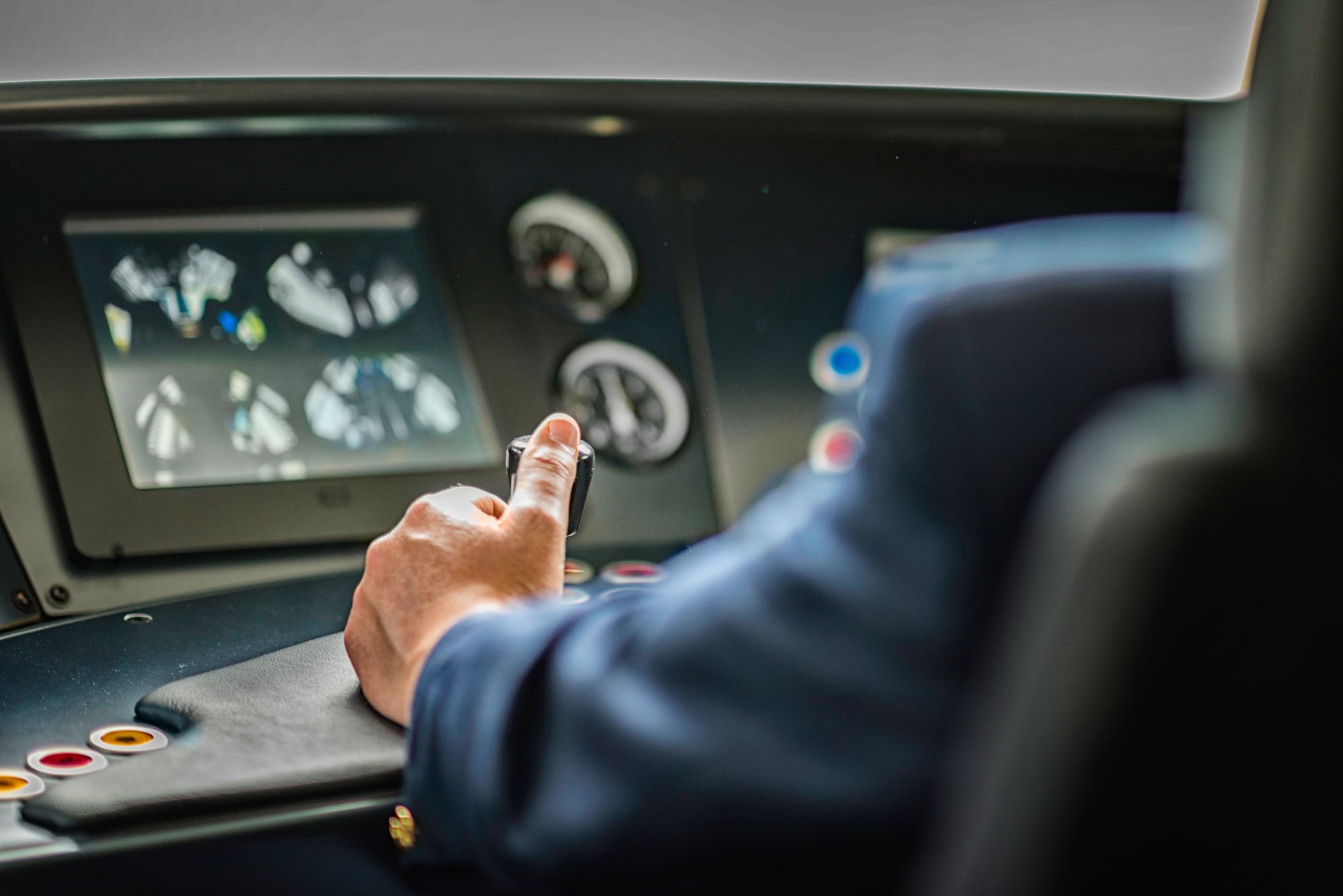
Step into the cab of a bullet train and witness something that looks like an elaborate mime routine. The driver points at gauges, signals, track markers, and speed displays while calling out what they’re seeing.
Point and call. Point and call. For hours.
This isn’t nervous habit or tradition. It’s mandatory procedure designed to prevent the autopilot that creeps into repetitive work.
The physical act of pointing forces conscious attention to details that eyes might otherwise glaze over.
They Apologize For Being One Minute Late

Japanese bullet trains operate with an average delay of less than one minute per year. When they are late—even by 30 seconds—station announcements begin immediately with formal apologies.
Staff bow to waiting passengers. Explanation notices get posted.
Most transit systems consider anything under five minutes to be “on time.” Bullet trains treat a 60-second delay like a minor catastrophe that demands accountability and explanation.
The cultural weight of punctuality transforms what would be invisible lateness anywhere else into a notable failure requiring acknowledgment and correction.
Nose Cones Get Swapped Like Car Parts

The pointed nose of a bullet train isn’t permanent—it’s a modular component that gets regularly replaced and modified, but not for the reasons most people would expect (and certainly not because they wear out from air resistance, though that sleek design does serve its aerodynamic purpose).
Engineers swap nose cones to test new shapes, materials, and internal configurations that might shave seconds off travel times or reduce energy consumption by fractions of a percentage.
What looks like a single, unchanging design element is actually a testing ground where tiny modifications get evaluated across thousands of miles of real-world operation. The difference between nose cone versions might be imperceptible to passengers, but to engineers tracking fuel efficiency and schedule adherence, these subtle changes represent meaningful improvements.
So that bullet train you rode last month and the one you’ll ride next month might look identical, but they’re quietly different in ways that matter more than their appearance suggests.
But the most curious part isn’t the swapping itself—it’s that passengers never know when it happens.
Tunnel Boom Sounds Terrorize Neighborhoods
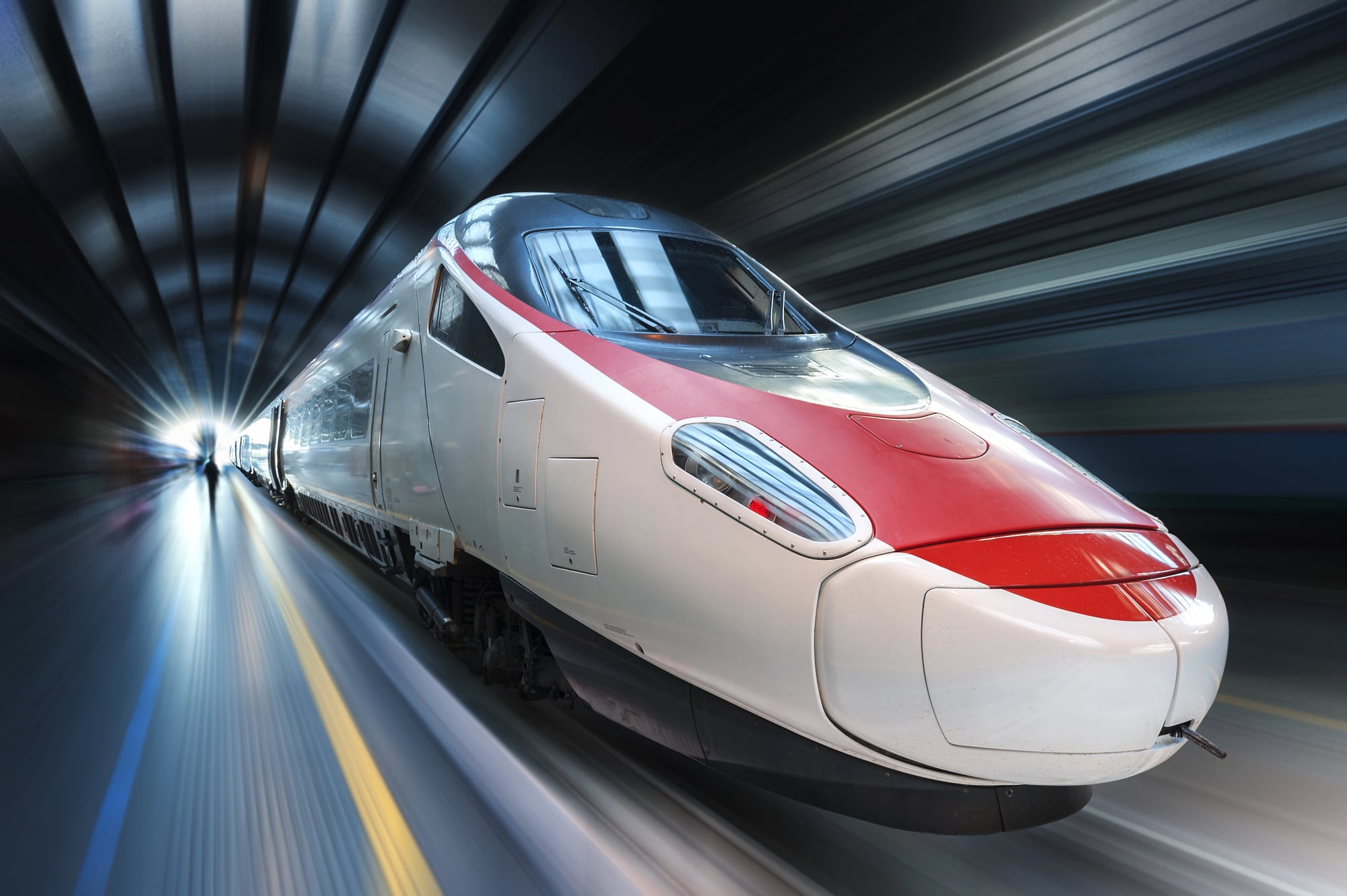
When a bullet train enters a tunnel at 200 mph, the compressed air has to go somewhere. It shoots out the other end like a cannon blast, creating what engineers politely call “tunnel boom”—a sound that can shatter windows and rattle buildings miles away.
This acoustic assault became so problematic that train designers borrowed inspiration from an unexpected source: kingfisher beaks.
The redesigned nose cones mimic the bird’s streamlined bill, reducing the tunnel boom effect significantly. Nature solving engineering problems created by speed.
They Test Earthquake Detection With Tiny Sensors
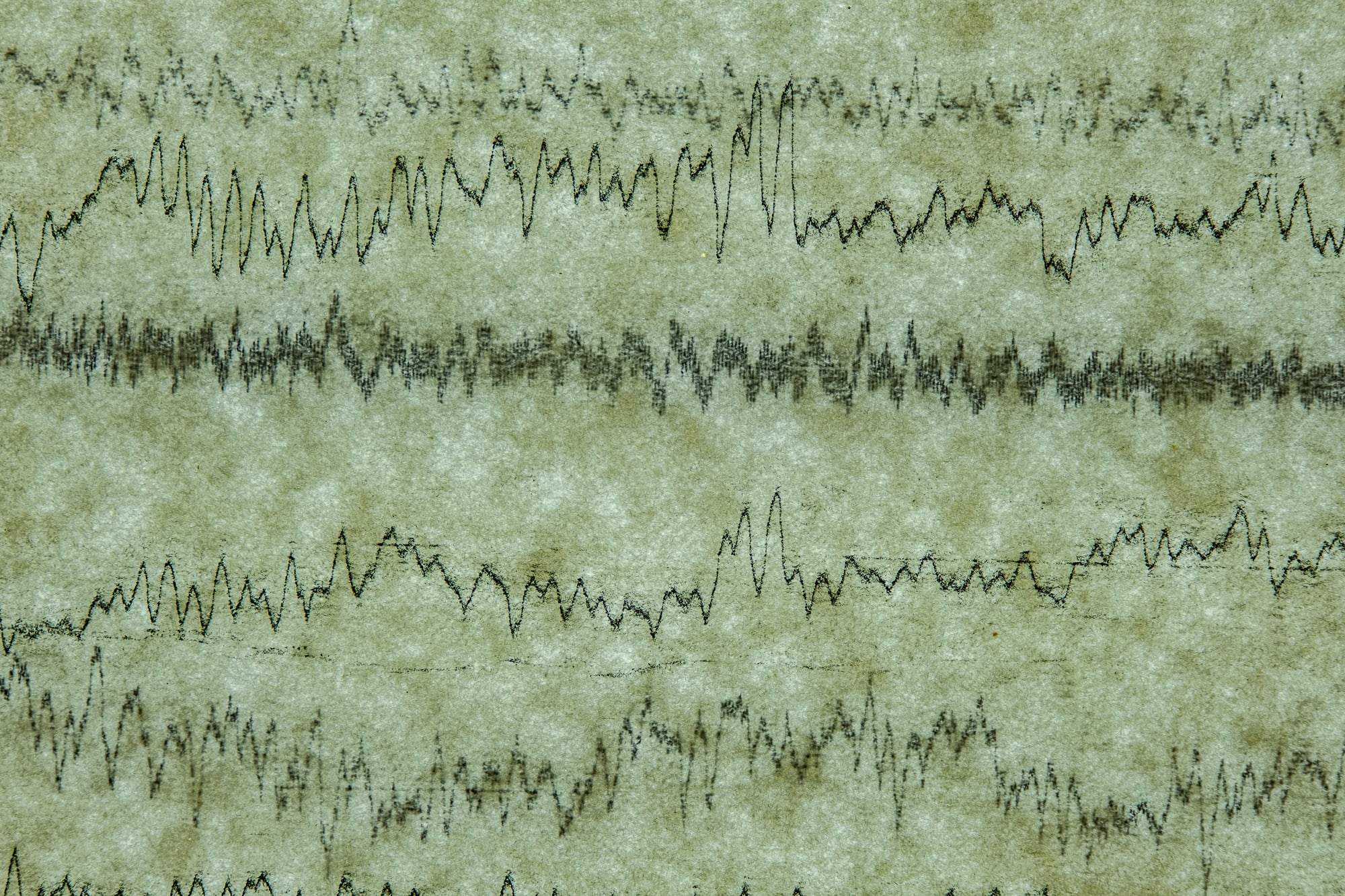
Scattered across Japan, thousands of seismic sensors no bigger than smartphones monitor ground movement specifically for the bullet train network. These devices can detect the P-waves of an earthquake—the faster-moving but less destructive precursor to the devastating S-waves that cause most damage.
When sensors detect suspicious movement, every bullet train in the affected region receives an automatic stop signal faster than human operators could react.
The trains engage emergency braking before passengers even feel the earthquake beginning. This system has never failed to stop trains before major seismic events, though it occasionally triggers false alarms from construction vibrations or particularly heavy truck traffic.
Magnetic Levitation Trains Float And Make No Sense
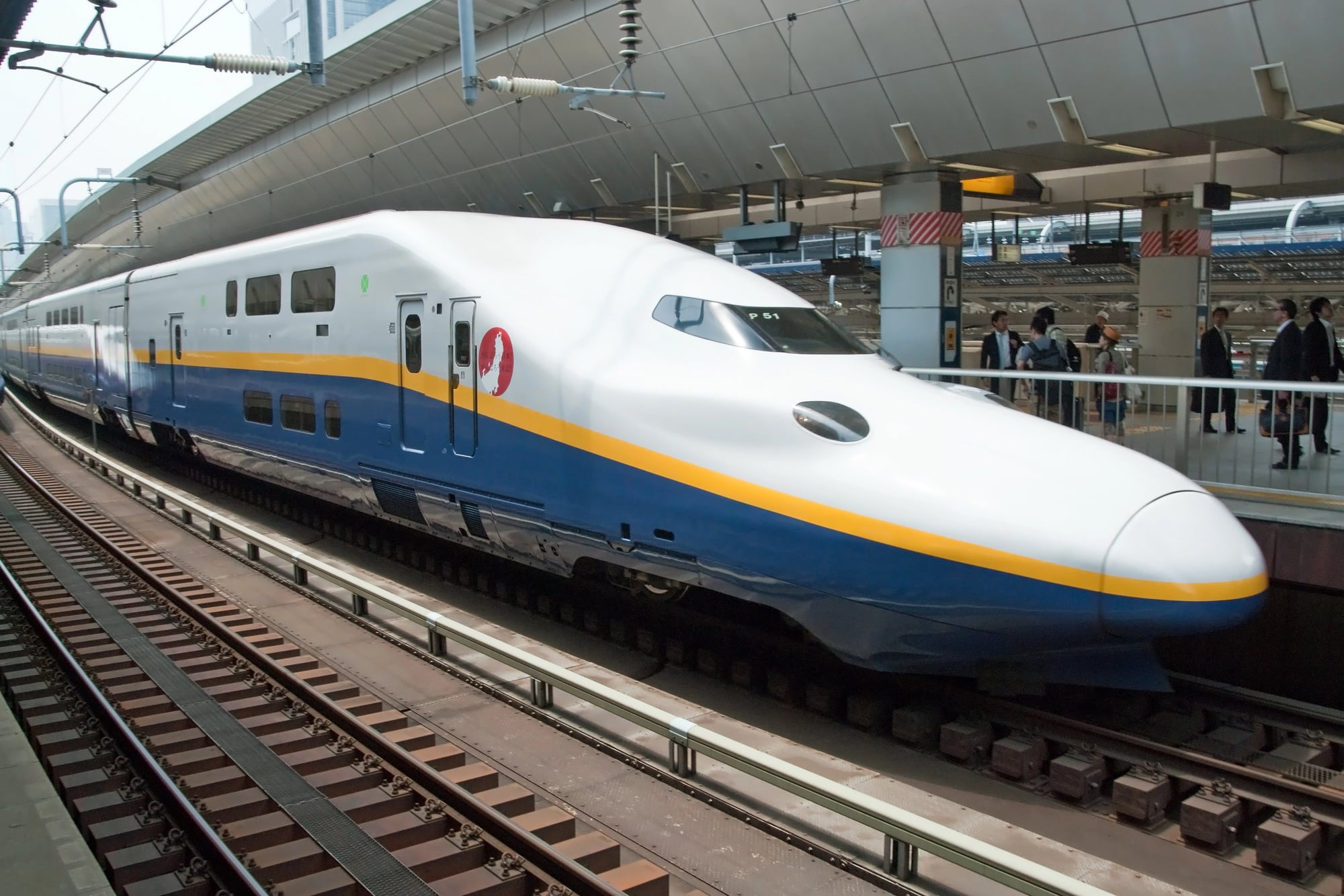
Japan operates a few magnetic levitation trains that hover above their tracks using superconducting magnets cooled to -450°F with liquid helium—which sounds like something that should exist only in theoretical physics papers, not as actual transportation that people can ride (though admittedly, most people can’t ride them yet, since the full commercial line won’t open until at least 2034 due to construction delays, and even then, tickets will cost more than most flights).
These trains don’t just float—they fly low, reaching speeds over 300 mph while suspended in electromagnetic fields that require more computational power to maintain than early space missions needed to reach the moon.
The energy requirements are staggering, the engineering is borderline magical, and the practical benefit over conventional bullet trains is marginal enough that most countries aren’t bothering to build them.
And yet Japan keeps building them anyway, because apparently having trains that hover wasn’t weird enough—they needed trains that hover impossibly fast while burning through enough electricity to power small cities.
Penguin Suits Are Mandatory Maintenance Gear

Maintenance workers servicing bullet trains at night wear puffy, insulated suits that earned the nickname “penguin suits” for obvious reasons.
But the resemblance to Antarctic birds isn’t accidental—these suits are designed for workers who spend hours in unheated train yards during winter, performing precision maintenance tasks in sub-freezing temperatures.
The suits allow enough dexterity for detailed mechanical work while providing warmth that prevents the small mistakes cold fingers make. Since bullet trains can’t tolerate small mistakes, penguin suits became essential safety equipment disguised as adorable workwear.
Deer Cause More Delays Than Mechanical Failures
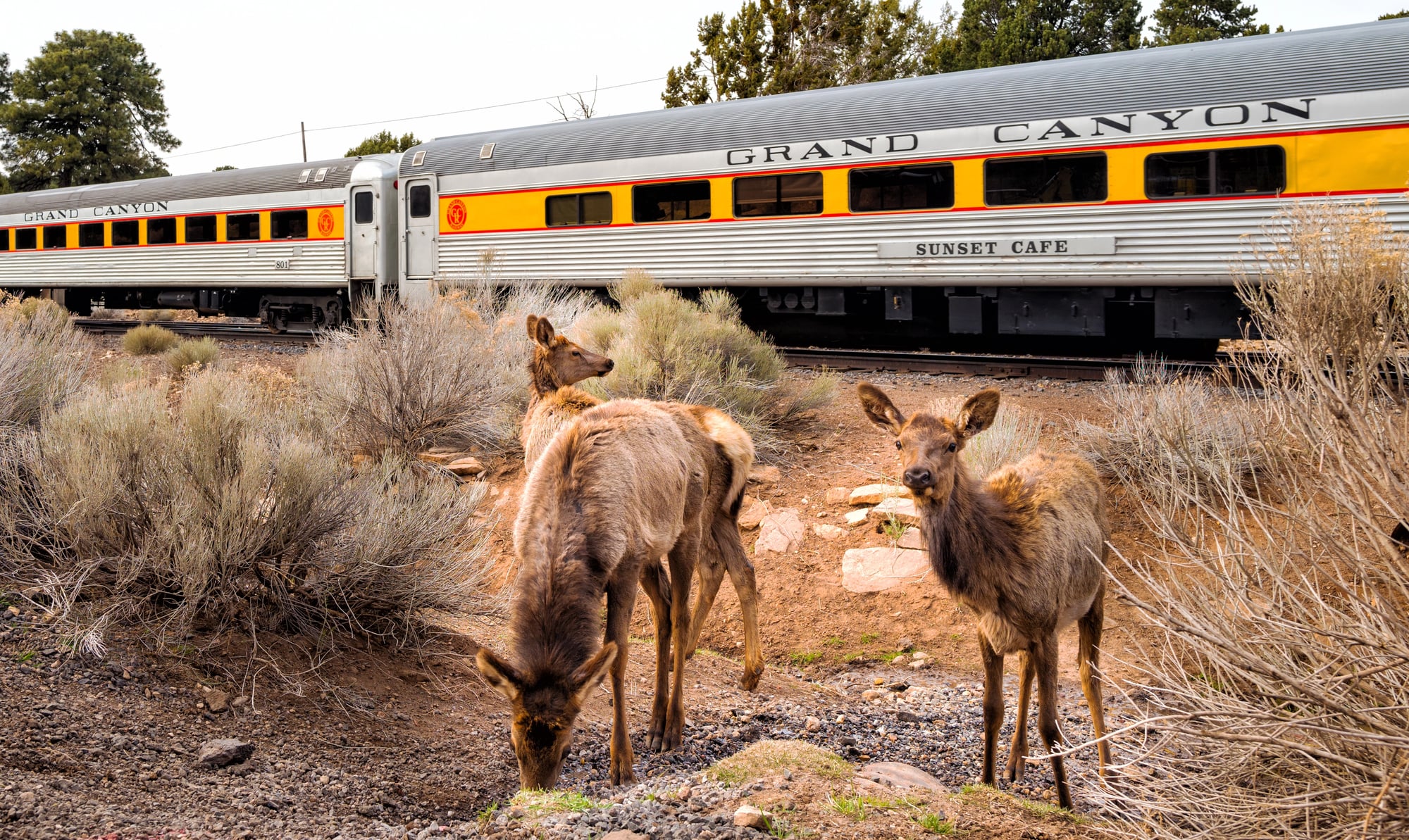
Wild deer wandering onto bullet train tracks create more service disruptions than actual train breakdowns. The trains are so reliable mechanically that wildlife encounters represent a significant percentage of their operational problems.
Deer strikes don’t usually damage the trains—traveling at 200 mph, the trains are essentially unstoppable by anything smaller than a building.
But safety protocols require immediate inspection after any animal contact, which means delays while crews examine every surface for damage that probably isn’t there.
Food Carts Move Like Precision Clockwork

The food cart attendants on bullet trains don’t just sell snacks—they execute a logistical ballet timed to the second. Each cart has a predetermined route through the train cars, calculated to reach every passenger area at optimal times without creating bottlenecks or collisions with other carts.
Attendants bow before entering each car, navigate the aisles at prescribed speeds, and spend predetermined amounts of time in each section.
They know exactly where they should be at any moment during the journey, turning snack service into a choreographed performance that happens to involve ice cream and coffee.
Drivers Train For Months To Master A Single Route
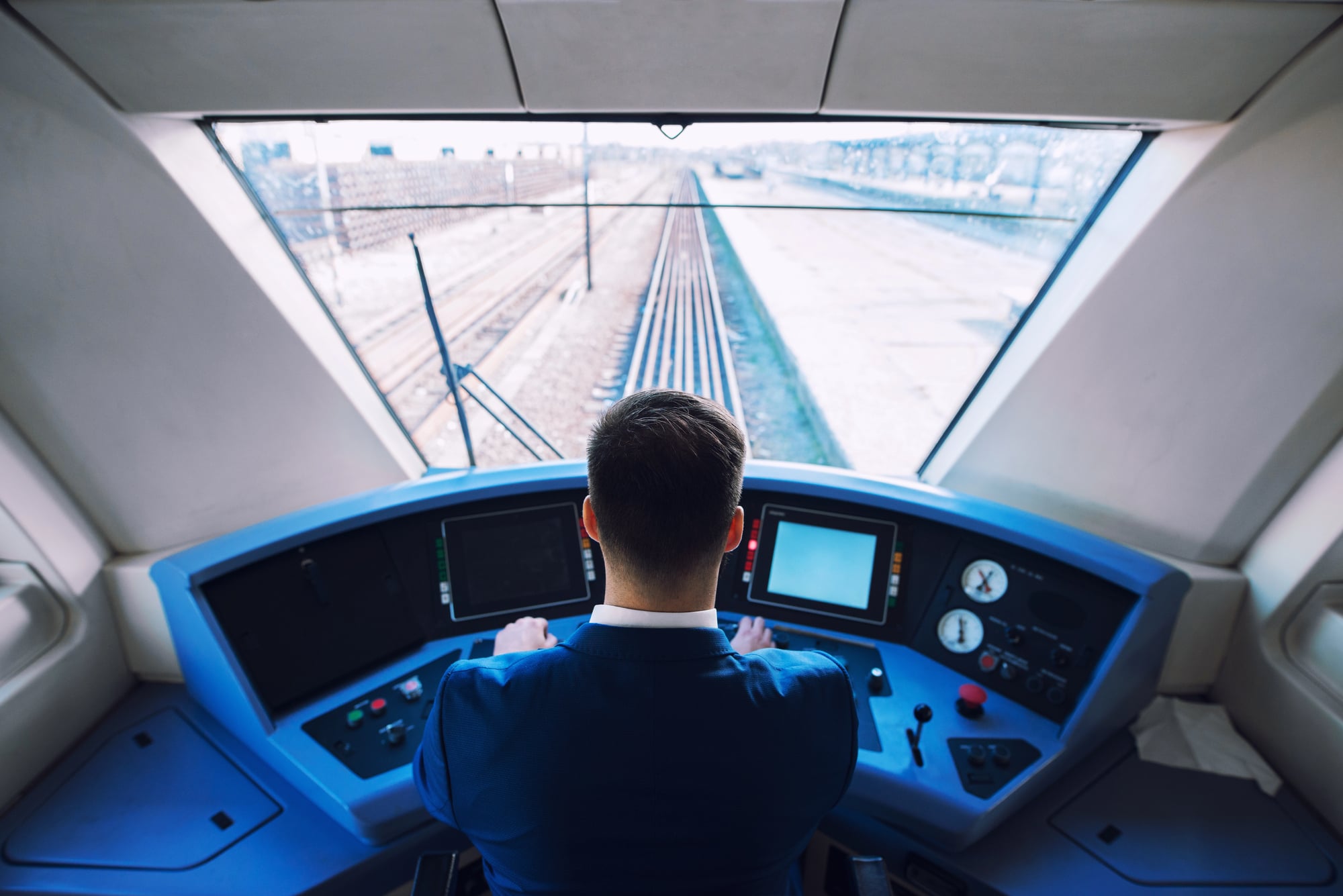
Bullet train drivers don’t just learn to operate trains—they memorize every curve, grade, signal, and landmark on their assigned route with the precision of classical musicians learning a concerto.
Training for a single route takes six months of intensive study, during which drivers must demonstrate perfect recall of thousands of operational details.
They know the exact speed required for every section of track, the precise braking points for every station, and the location of every signal and switch along hundreds of miles of railway.
This isn’t just professional thoroughness—it’s essential backup for the rare moments when technology fails and human knowledge becomes the only safety system that matters.
The Smoothest Ride Requires The Roughest Tracks
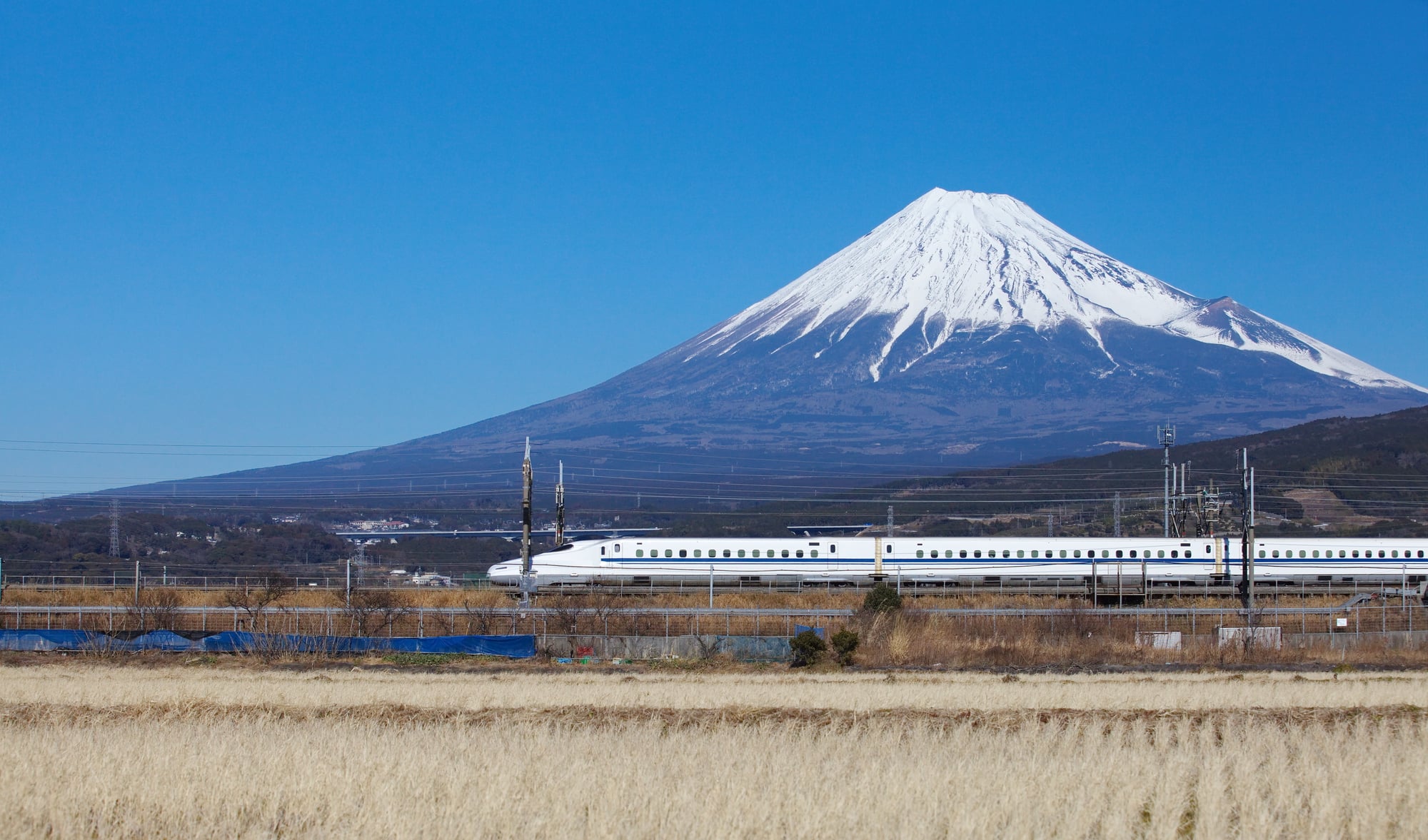
Bullet train tracks feel perfectly smooth to passengers, but they’re actually constructed with thousands of tiny imperfections built into the rail surface. These microscopic irregularities are precisely calculated to create vibrations that cancel out the natural resonance frequencies of the train cars.
Without these intentional rough spots, the trains would develop harmonic vibrations at high speed that could shake the cars apart or make passengers violently motion sick.
So the smoothest train ride in the world depends on tracks that are deliberately not smooth.
When The Extraordinary Becomes Ordinary
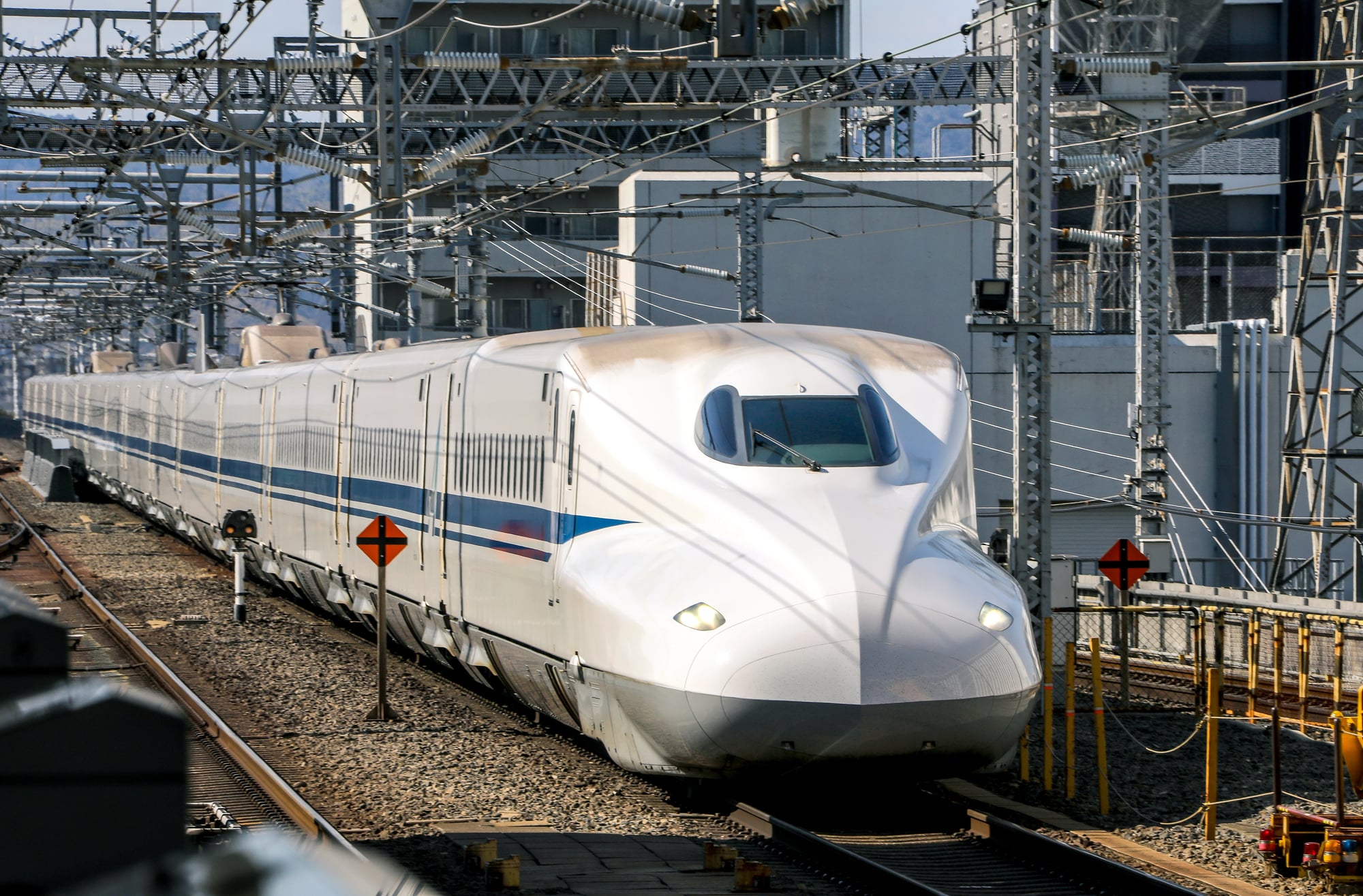
Perhaps the strangest thing about bullet trains isn’t any single peculiar detail, but how quickly the miraculous transforms into mundane.
Commuters board these engineering marvels with the same casual indifference they’d show a city bus, checking phones and dozing off while traveling faster than race cars through a countryside that blurs into impressionist brushstrokes outside the windows.
What should feel like science fiction becomes just another Tuesday morning commute, complete with the familiar rhythm of station announcements and the gentle sway that lulls passengers into forgetting they’re participating in something that would have seemed impossible just decades ago.
More from Go2Tutors!

- The Romanov Crown Jewels and Their Tragic Fate
- 13 Historical Mysteries That Science Still Can’t Solve
- Famous Hoaxes That Fooled the World for Years
- 15 Child Stars with Tragic Adult Lives
- 16 Famous Jewelry Pieces in History
Like Go2Tutors’s content? Follow us on MSN