Popular TV Shows That Had a Spinoff
Television has always been about giving audiences more of what they love. When a show clicks with viewers, networks often look for ways to keep the story going, even after the original series wraps up or while it’s still on the air.
Spinoffs have become a tried-and-true way to explore new characters, settings, and storylines while keeping that familiar feeling fans crave. Let’s dive into some of the most popular TV shows that spawned their own spinoffs, some of which became even bigger than the originals.
Cheers
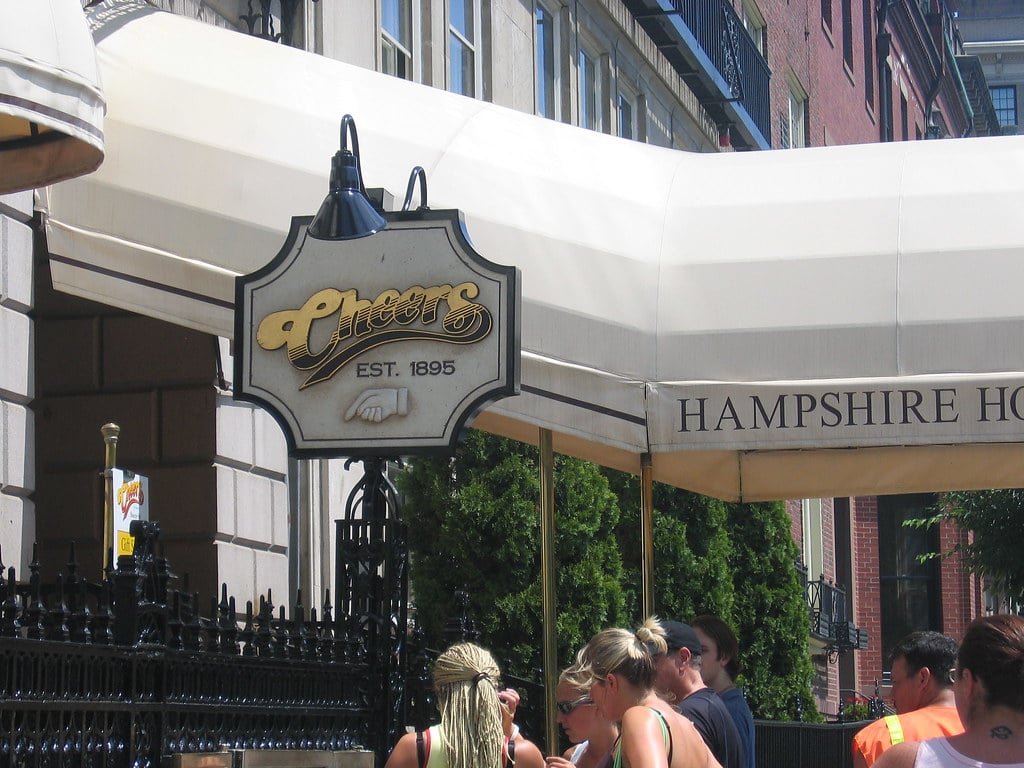
The Boston bar where everybody knew your name gave us one of the most successful spinoffs in television history. Frasier Crane, the pretentious psychiatrist played by Kelsey Grammer, moved from Boston to Seattle and got his own show in 1993.
Frasier ran for 11 seasons and won more Emmy Awards than nearly any other comedy series. The show proved that a supporting character could carry their own series when given the right setting and supporting cast.
Happy Days
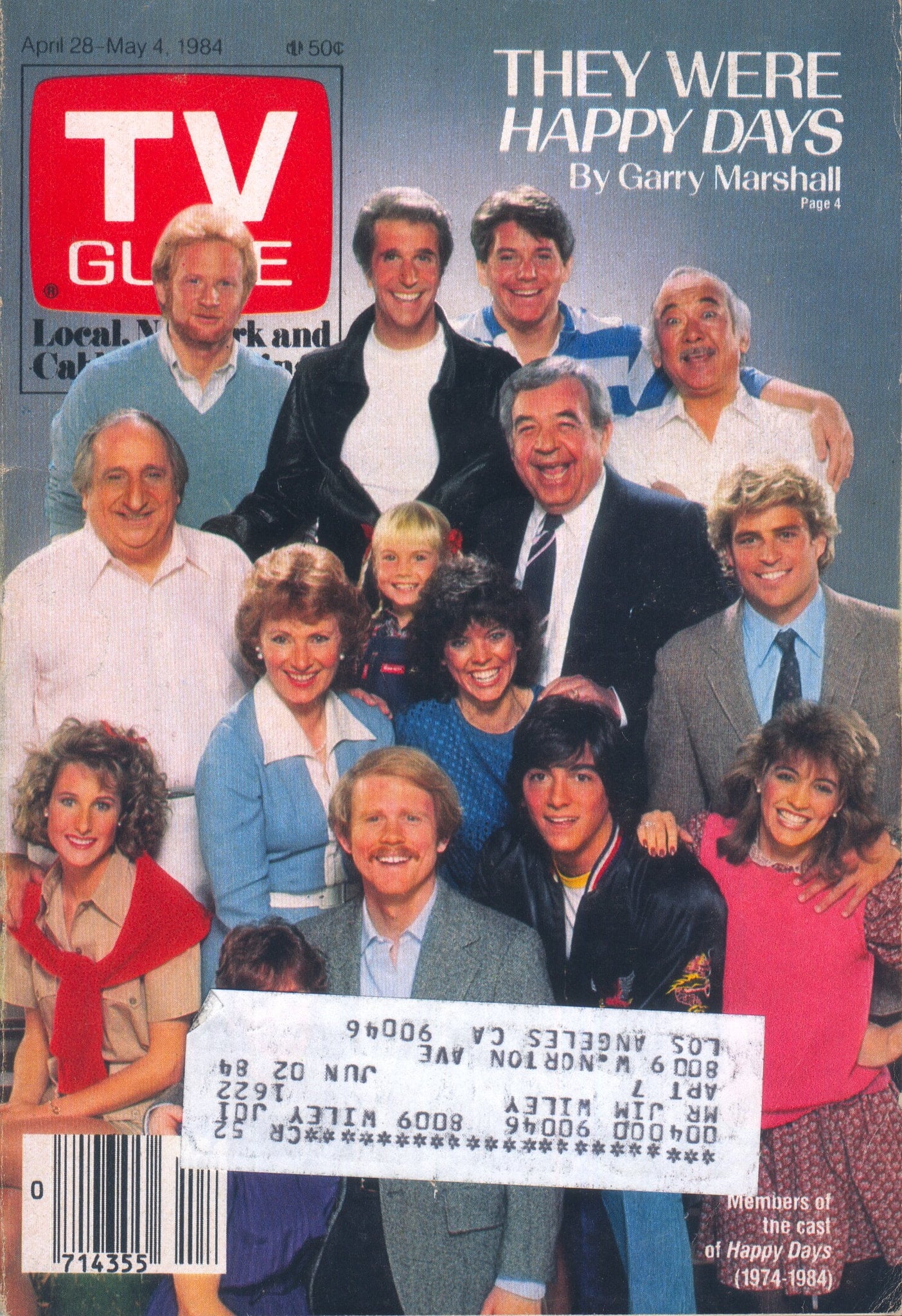
This nostalgic look at 1950s America became a spinoff factory. Laverne & Shirley followed two brewery workers and became a massive hit in its own right, running from 1976 to 1983.
Mork & Mindy launched Robin Williams to stardom as an alien living in Boulder, Colorado. Even Joanie Loves Chachi got a brief run, though it didn’t match the success of its predecessors.
The Happy Days universe proved that one show’s world could support multiple storylines.
All In The Family
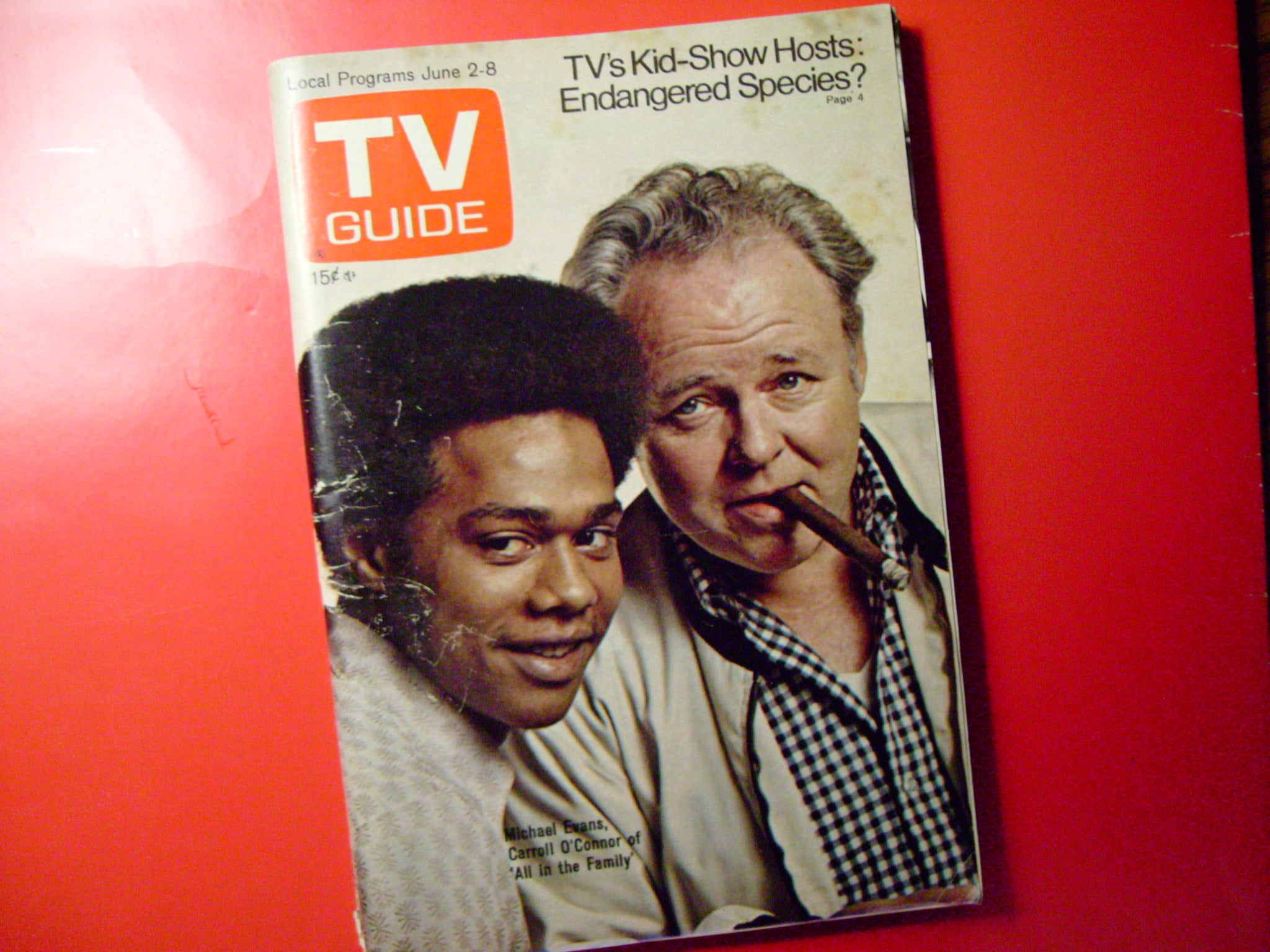
Norman Lear’s groundbreaking sitcom about the Bunker family created several spinoffs that tackled social issues head-on. The Jeffersons followed George and Louise as they moved on up to a fancy Manhattan apartment, running for 11 seasons.
Maude starred Bea Arthur as Edith’s outspoken cousin and wasn’t afraid to address controversial topics. Archie Bunker’s Place continued after the original series ended, keeping Carroll O’Connor on television for four more years.
The Mary Tyler Moore Show
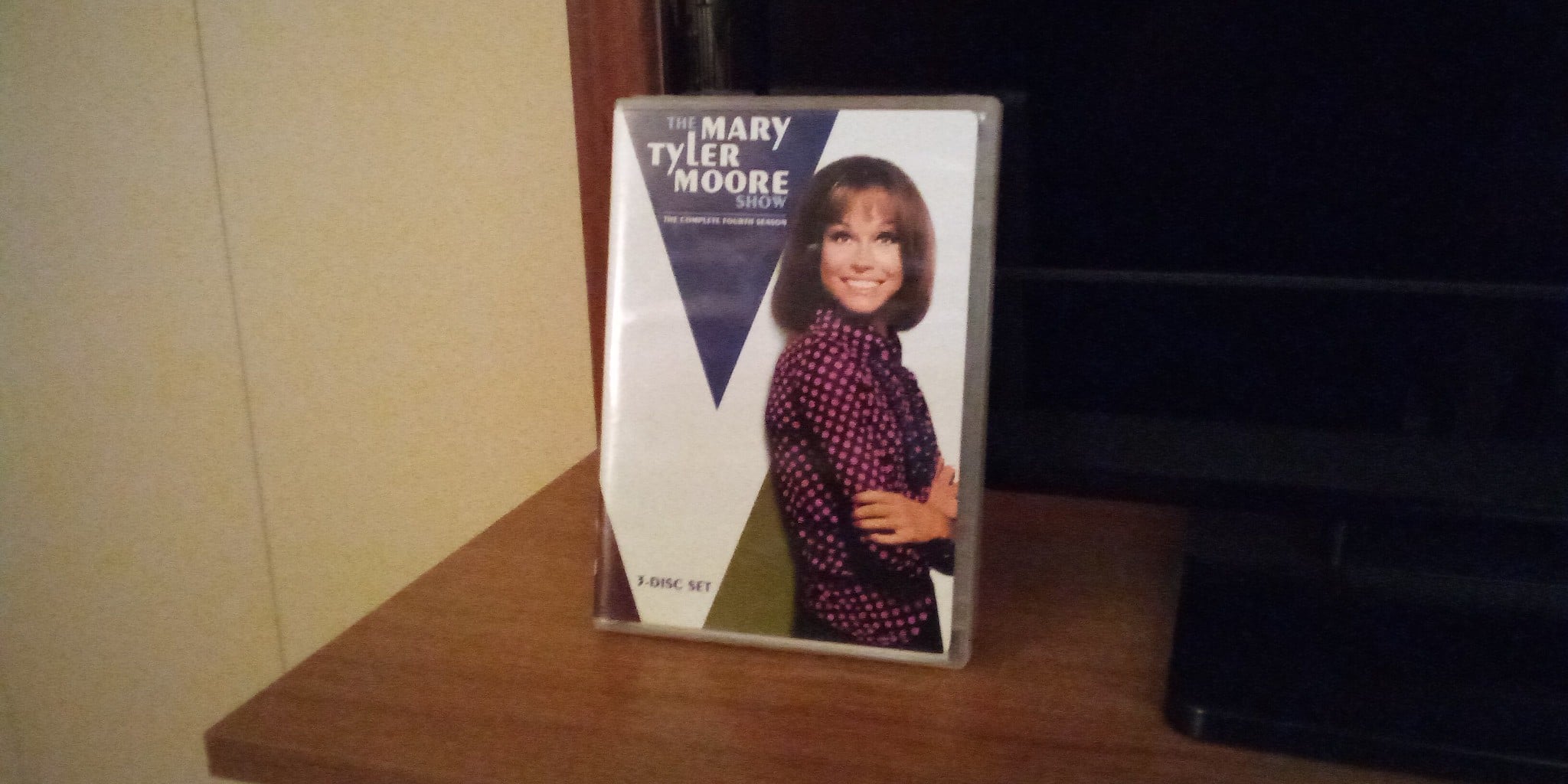
This workplace comedy set in a Minneapolis newsroom launched multiple careers and shows. Rhoda followed Mary’s best friend back to New York City, where she found love and dealt with real-life relationship challenges.
Phyllis sent Cloris Leachman’s character to San Francisco after her husband died. Lou Grant took Ed Asner’s gruff news director and placed him in a dramatic setting at a Los Angeles newspaper, showing that comedy characters could transition to serious roles.
The Andy Griffith Show

Mayberry’s appeal extended well beyond Sheriff Andy Taylor’s tenure. Gomer Pyle, U.S.M.C. took the gas station attendant from the small town and placed him in a Marine Corps base, where Jim Nabors played the lovable character for five seasons.
Mayberry R.F.D. continued the small-town charm after Andy left, keeping the setting alive with new characters. The town itself became as important as any single character.
Breaking Bad
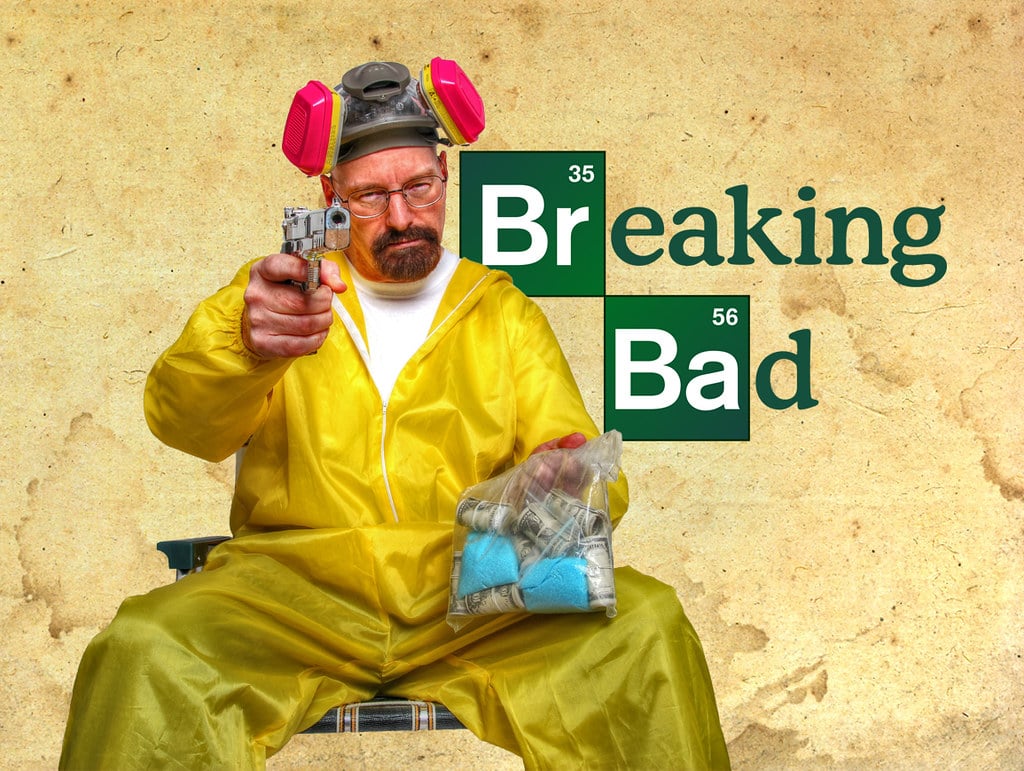
The gritty drama about a chemistry teacher turned drug manufacturer didn’t seem like spinoff material, but Better Call Saul proved everyone wrong. The prequel followed shady lawyer Saul Goodman back to his days as struggling attorney Jimmy McGillin.
The show ran for six seasons and received critical acclaim that rivaled its parent series. It showed that dramatic universes could expand just as successfully as comedic ones.
Star Trek
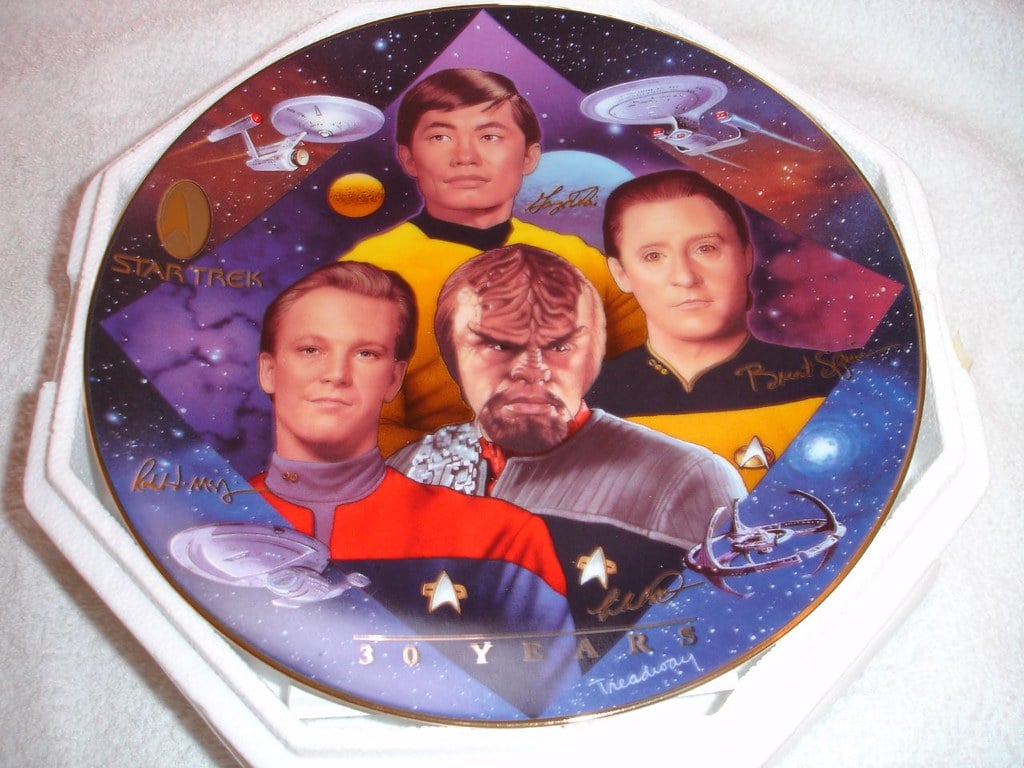
Gene Roddenberry’s original series from the 1960s launched an entire franchise that spans decades. The Next Generation introduced Captain Picard and a new Enterprise crew in 1987, becoming hugely popular and running for seven seasons.
Deep Space Nine took a darker approach by setting the action on a space station rather than a starship. Voyager featured the first female captain as the lead character, while Enterprise went back in time to explore earlier space exploration.
Grey’s Anatomy

The medical drama set in Seattle’s Grey Sloan Memorial Hospital expanded its universe with Private Practice. The spinoff followed Dr. Addison Montgomery to Los Angeles, where she joined a private medical practice dealing with complex cases.
The show ran for six seasons and proved that medical dramas could work outside the traditional hospital setting. Station 19 later brought firefighters into the Grey’s universe, creating crossover opportunities between the two shows.
The Golden Girls

Four older women sharing a house in Miami charmed audiences for seven seasons. When the show ended, three of the four characters moved to a hotel they purchased, creating The Golden Palace.
While the spinoff only lasted one season, it attempted to continue the sharp wit and friendship themes that made the original so beloved. Dorothy’s absence changed the dynamic too much for most fans to embrace fully.
NCIS
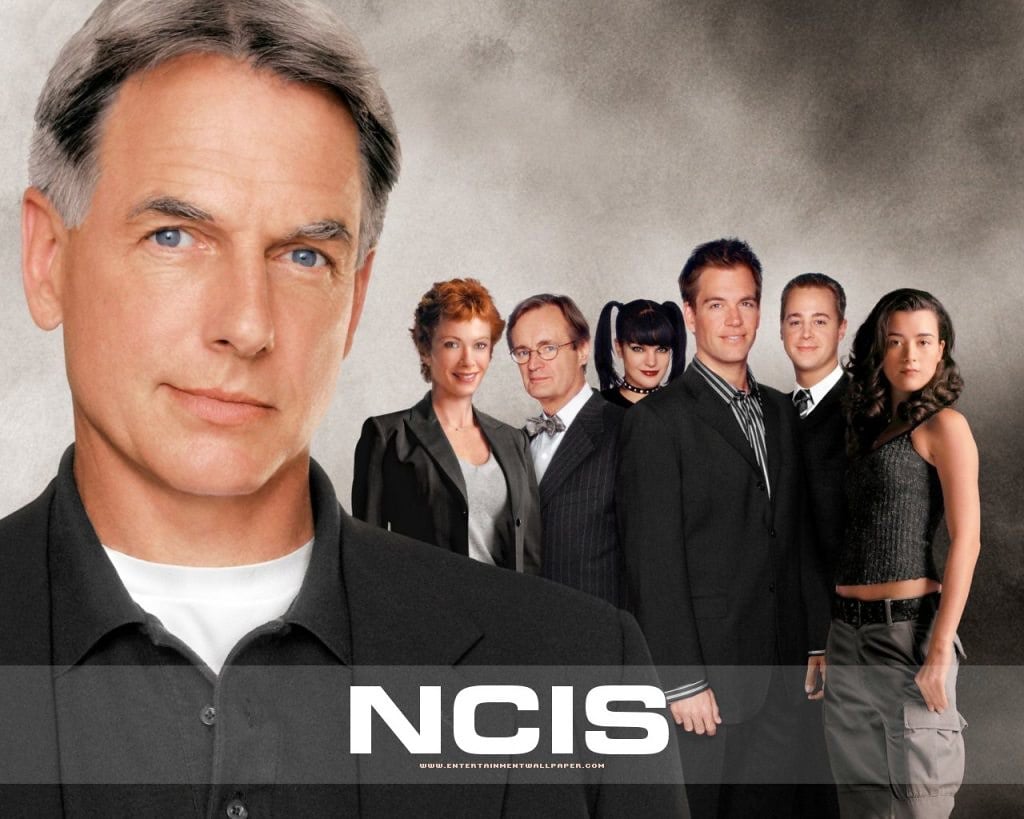
The military crime drama started as a spinoff itself from JAG, then created its own extended universe. NCIS: Los Angeles moved the action to the West Coast with a team focused on undercover operations.
NCIS: New Orleans brought the franchise to the Gulf Coast with a team handling cases in the Big Easy. The franchise proved that the procedural format could work in different cities with different teams while maintaining the same core appeal.
The Simpsons

America’s longest-running sitcom only produced one official spinoff, but it was memorable. The Simpsons already featured countless characters who could have carried their own shows.
However, the writers chose to keep expanding the world of Springfield rather than splitting it up. Futurama, created by Matt Groening, shares a similar animation style and humor but exists in its own universe rather than as a true spinoff.
Law & Order
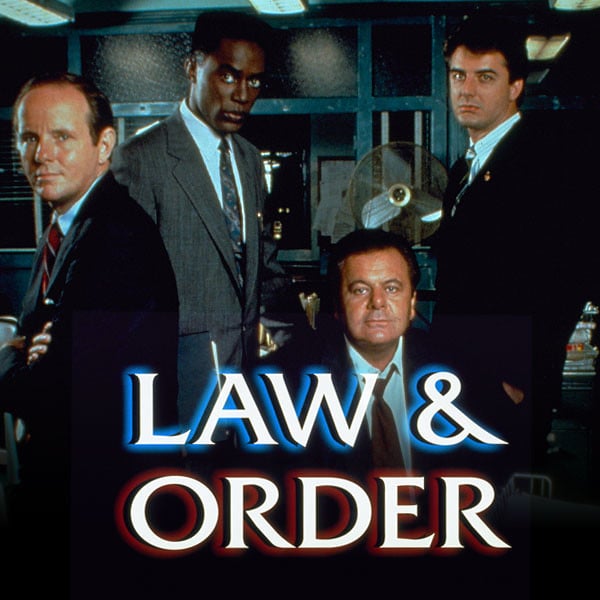
Wolf’s police procedural became one of the most successful franchise builders in television history. Law & Order: Special Victims Unit has outlasted the original series by many years and continues to draw strong ratings.
Criminal Intent offered a different perspective by focusing more on the psychology of criminals. Trial by Jury, Organized Crime, and several international versions have all expanded the Law & Order brand across different formats and locations.
Dallas
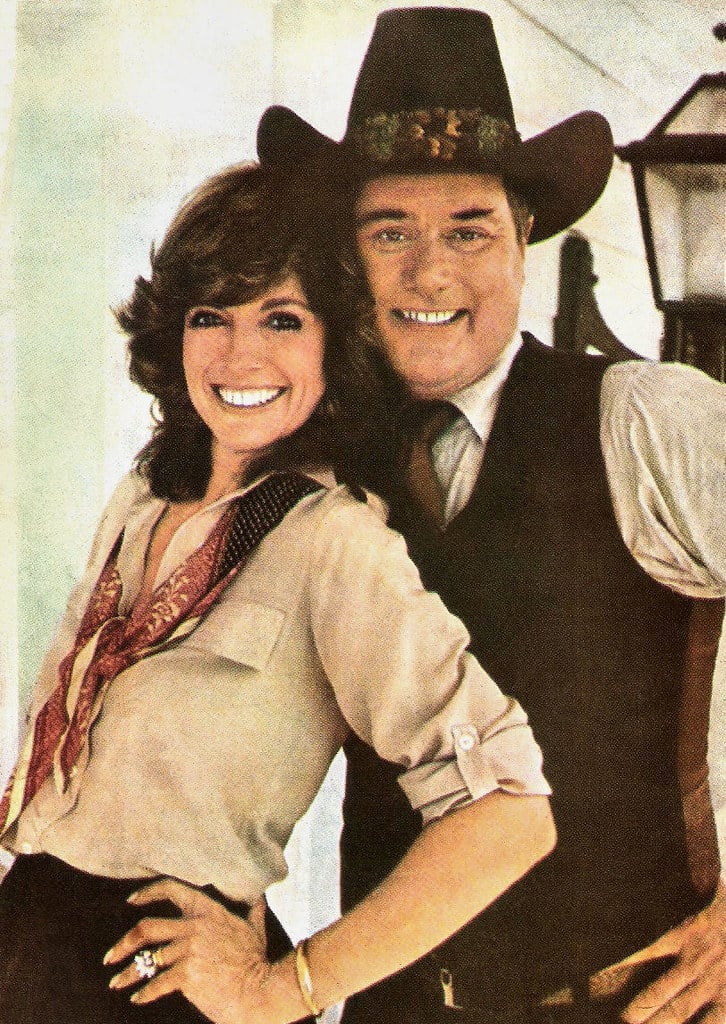
The prime-time soap opera about the wealthy Ewing family of Texas gave us Knots Landing, which actually outlasted the original series. The spinoff followed Gary Ewing and his wife to a California cul-de-sac, where they dealt with their own dramatic storylines.
Knots Landing ran for 14 seasons and developed its own identity separate from the oil baron drama of Dallas. The show proved that family drama worked just as well in middle-class suburbia as it did among the ultra-rich.
The Facts Of Life
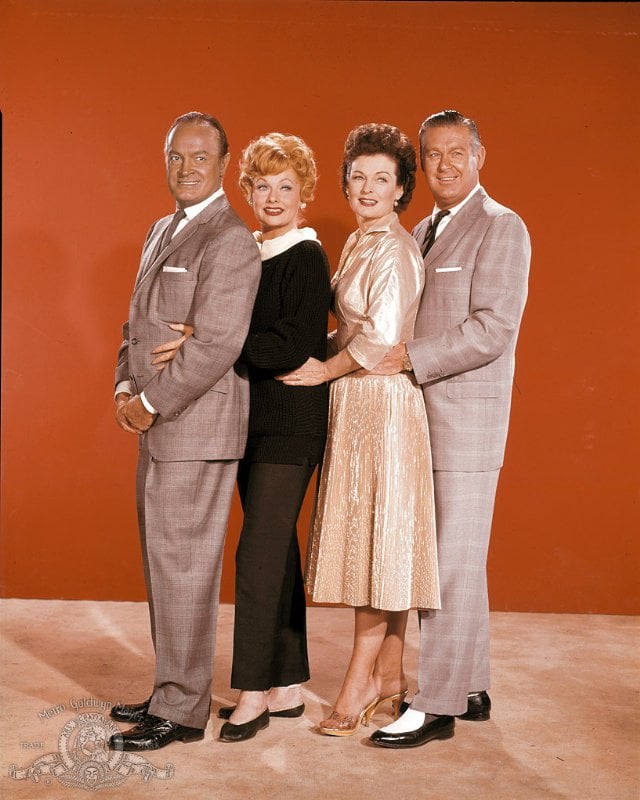
This sitcom started as a spinoff of Diff’rent Strokes, following the Drummond family’s housekeeper to her new job at a girls’ boarding school. The show found its footing after the first season and ran for nine years total.
It focused on the lives of several teenage girls as they grew up and faced typical adolescent challenges. The series outlasted its parent show and became beloved in its own right.
Boy Meets World

The coming-of-age sitcom that followed Cory Matthews through childhood and young adulthood inspired Girl Meets World decades later. The Disney Channel revival brought back Cory and Topanga as parents raising their own daughter in New York City.
The show ran for three seasons and introduced the original series to a new generation of viewers. It bridged the gap between nostalgic parents and their children looking for relatable content.
Sabrina The Teenage Witch
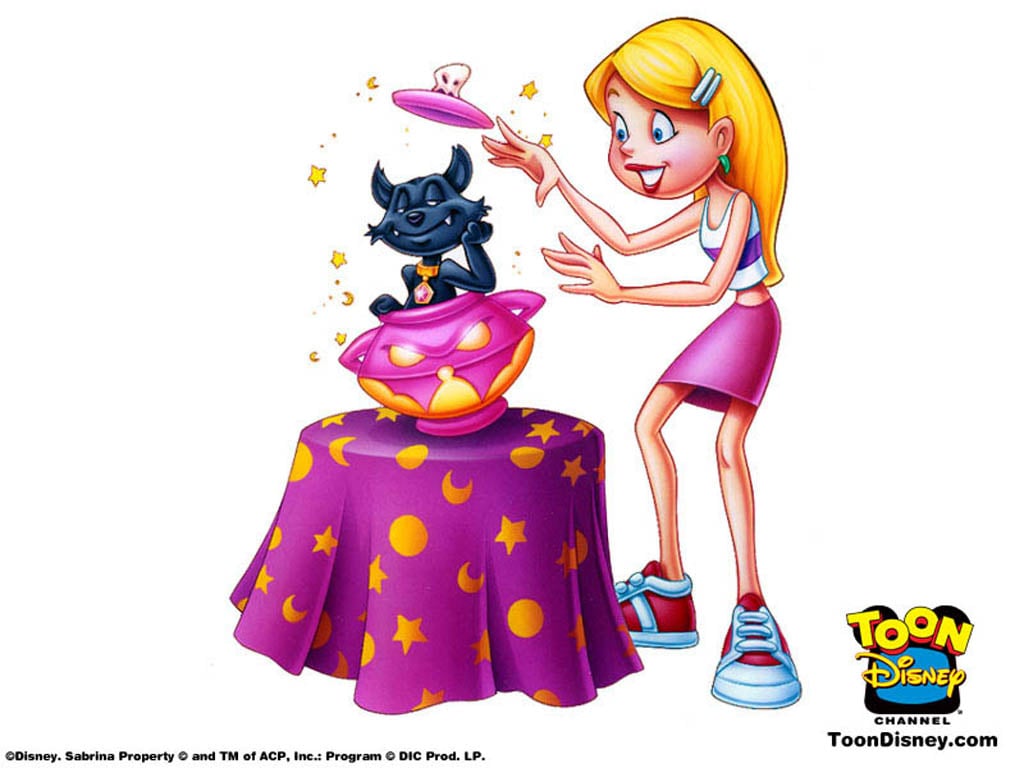
The lighthearted show about a young witch navigating high school and college didn’t produce a traditional spinoff during its run. However, the character later returned in a much darker reimagining called Chilling Adventures of Sabrina on Netflix.
This version took the same basic premise and transformed it into a horror-tinged drama that appealed to older audiences. The tonal shift showed how the same character could work in completely different genres.
Friends
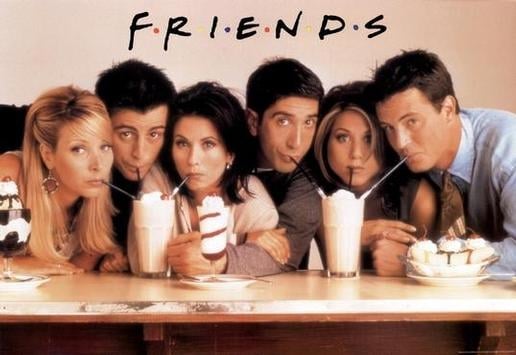
Joey took one of TV’s favorite comedies and moved it west, chasing roles under California skies. Without the group energy that lit up the earlier show, things felt off from the start.
Two years on screen turned into an early exit. What clicked before refused to repeat itself here.
Popularity in a team doesn’t always mean success solo, even with familiar faces and big names behind it.
The Walking Dead
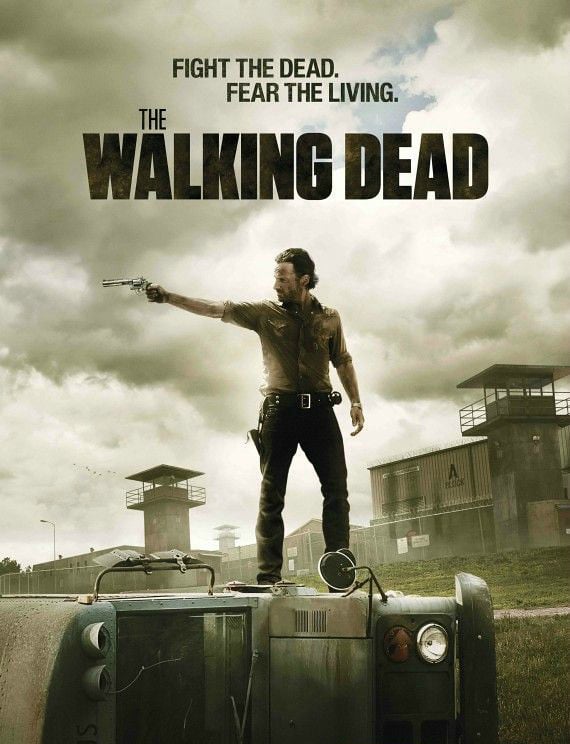
A whole web of stories spun out from the zombie show, each peeling back layers of life after everything fell apart. Before the fall, one tale unfolded along California’s coast, catching panic as it first spread.
Kids raised in the wreckage took center stage somewhere else, learning survival amid ruins. After the main story ended, others carried on – threads pulled forward through Daryl, Maggie, and paths less traveled.
Here Is Where Everything Links Up

When a show ends, its world might still live on. Great characters often outlast their first storylines.
One example? A follow-up series can sometimes beat the original it came from.
Other times, these new shows fade fast into background noise. What works best is finding fresh angles without forgetting the roots.
Viewers stick around because they want more of what felt familiar. Creators notice – people like staying in places they already care about.
More from Go2Tutors!

- The Romanov Crown Jewels and Their Tragic Fate
- 13 Historical Mysteries That Science Still Can’t Solve
- Famous Hoaxes That Fooled the World for Years
- 15 Child Stars with Tragic Adult Lives
- 16 Famous Jewelry Pieces in History
Like Go2Tutors’s content? Follow us on MSN.



