Most Common Elements Found in the Earth’s Crust
Take a moment to consider the ground beneath your feet. Whether you’re standing on concrete, soil, or bare rock, you’re connected to a complex chemical composition that has remained surprisingly consistent across our planet’s 4.6 billion-year history.
The Earth’s crust — that thin outer shell we call home — represents less than 1% of our planet’s total volume, yet it contains a fascinating distribution of elements that tells the story of planetary formation, geological processes, and the very building blocks of the world around us.
Understanding these elements isn’t just academic curiosity. Every smartphone screen, every building material, every mineral supplement traces back to this fundamental chemistry.
The elements that dominate our crust have shaped everything from the tools our ancestors crafted to the technologies powering modern civilization.
Oxygen

Oxygen claims nearly half of everything solid around you. At 46.1% of the crust by weight, it dominates not as the gas you breathe, but locked into compounds with almost every other element present.
Most people think of oxygen as air, but the crust’s oxygen lives a completely different life. It binds with silicon to form the backbone of rocks, combines with metals to create the ores we mine, and forms the foundation of nearly every mineral you’ve ever touched.
The oxygen in a granite countertop, a quartz crystal, or a handful of beach sand vastly outweighs all the oxygen in Earth’s atmosphere.
Silicon
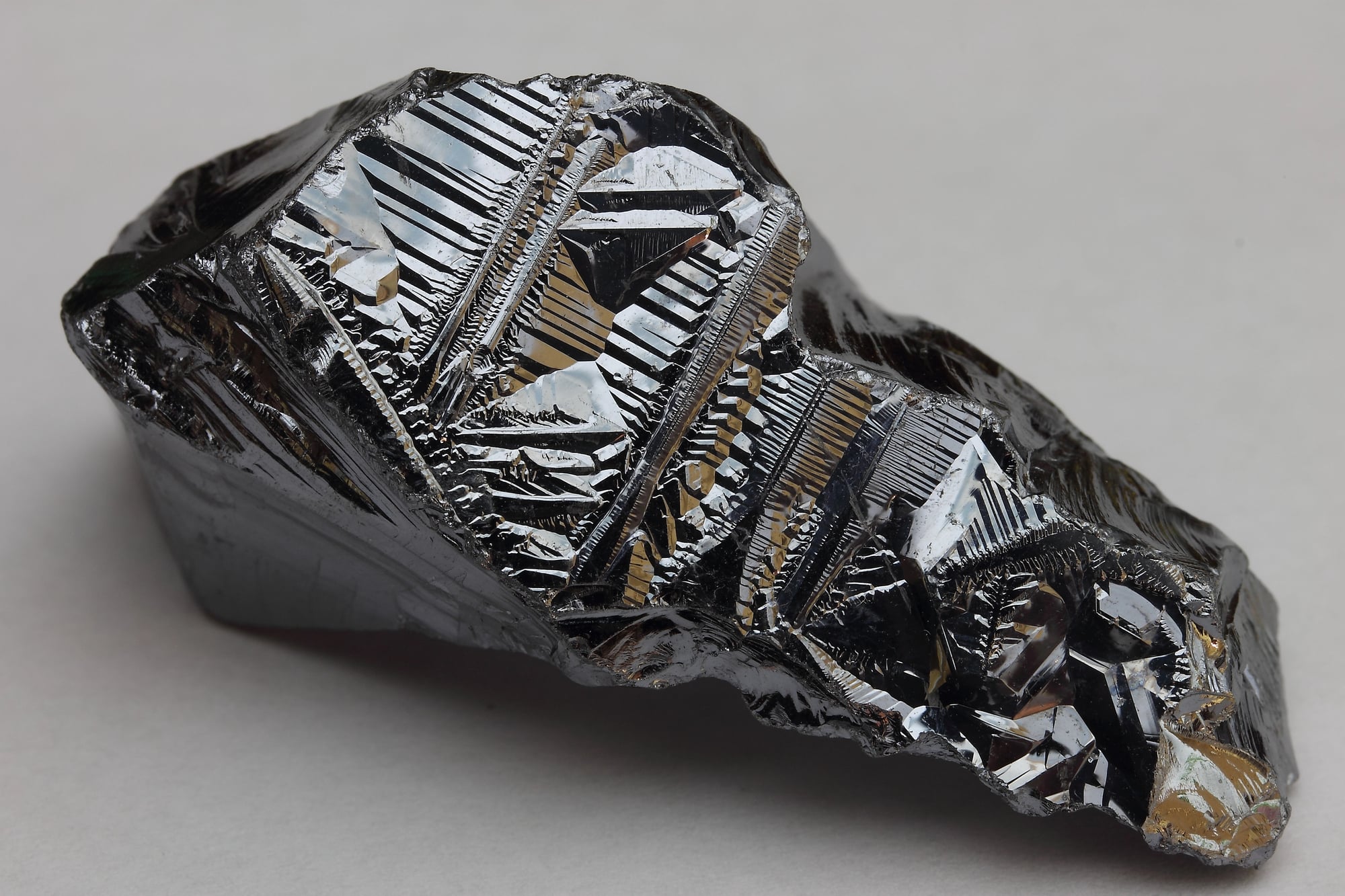
Silicon takes second place at 28.2% and for good reason — it forms the structural framework that holds the solid Earth together. Every major rock type depends on silicon-oxygen combinations called silicates, which create everything from the hardest granite to the softest clay (and here’s where it gets interesting, because silicon’s ability to form complex three-dimensional networks with oxygen creates an almost endless variety of mineral structures, each with different properties that geologists can identify just by looking at how the crystals break).
But that’s not the end of silicon’s story. Not even close.
So we end up with a situation where this single element — the same one powering computer chips — literally built the platform for all terrestrial life. And silicon’s talent for bonding doesn’t stop at oxygen; it readily combines with aluminum, iron, magnesium, and other elements to create the complex minerals that weather into soil, providing the chemical foundation for agriculture and ecosystems.
Aluminum
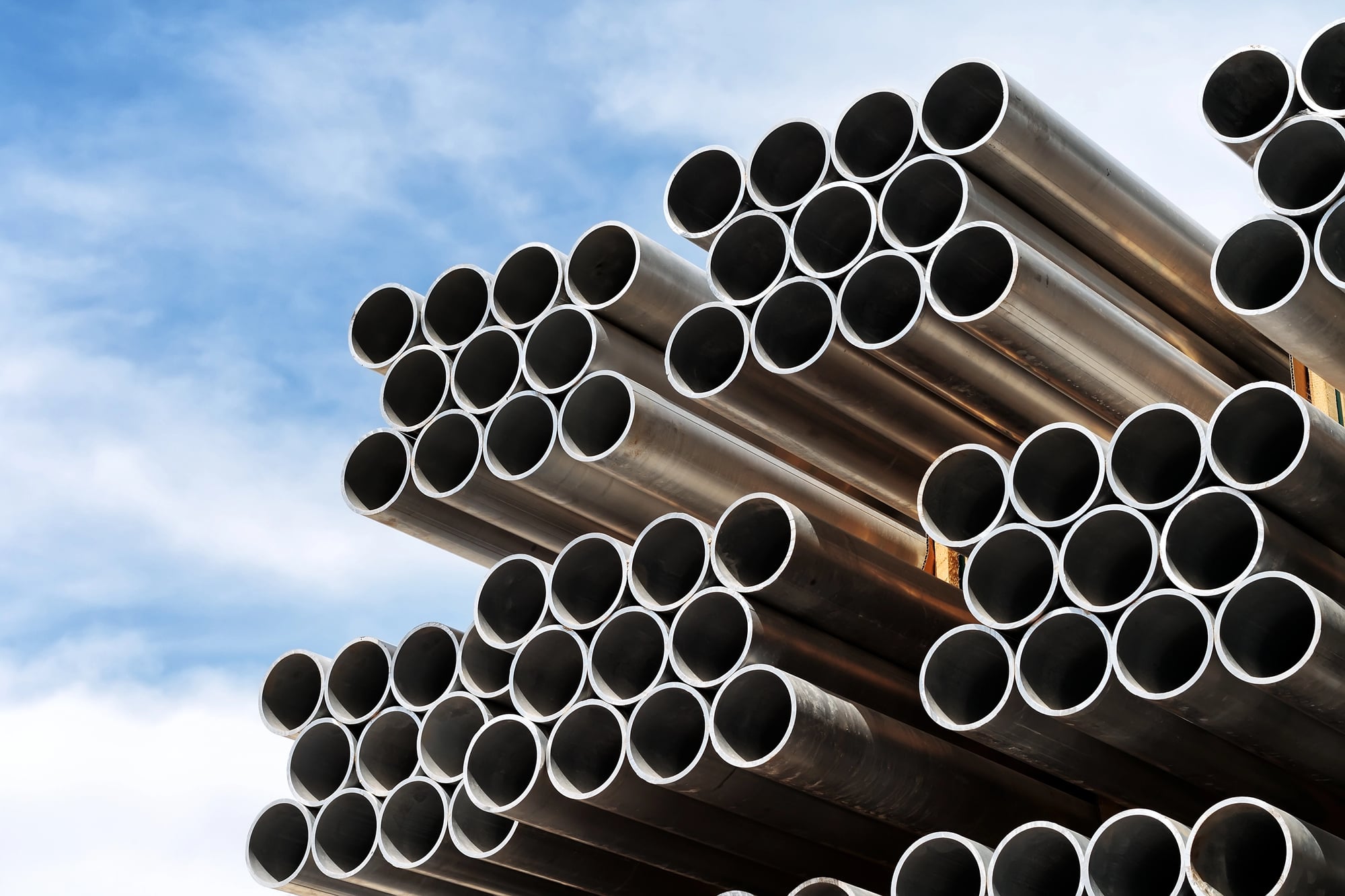
Aluminum sits at 8.2% of crustal composition, yet most people encounter it primarily as lightweight cans and cookware. The metal’s crustal abundance makes perfect sense when you realize that aluminum readily bonds with oxygen and silicon to form feldspars — the most common mineral group on Earth’s surface.
Before industrial extraction methods developed in the 1880s, aluminum was more valuable than gold despite being the third most abundant element in the crust. The challenge wasn’t scarcity but separation.
Aluminum binds so tightly with other elements that isolating pure metal requires enormous amounts of electrical energy, which explains why aluminum recycling saves 95% of the energy needed for primary production.
Iron
Iron represents 5.6% of the crust and carries more practical human history than any other element. Every major civilization advancement — from the Bronze Age transition to the Industrial Revolution — pivoted around humanity’s improving ability to extract and work iron.
The element appears everywhere in crustal rocks, usually as iron oxides that give many soils and rocks their red, brown, or yellow colors. Iron’s magnetic properties have guided human navigation for centuries, while its abundance and workability made it the foundation metal for tools, weapons, and infrastructure.
Modern steel production still depends on iron ore deposits that formed billions of years ago when early oxygen began oxidizing iron dissolved in ancient oceans.
Calcium
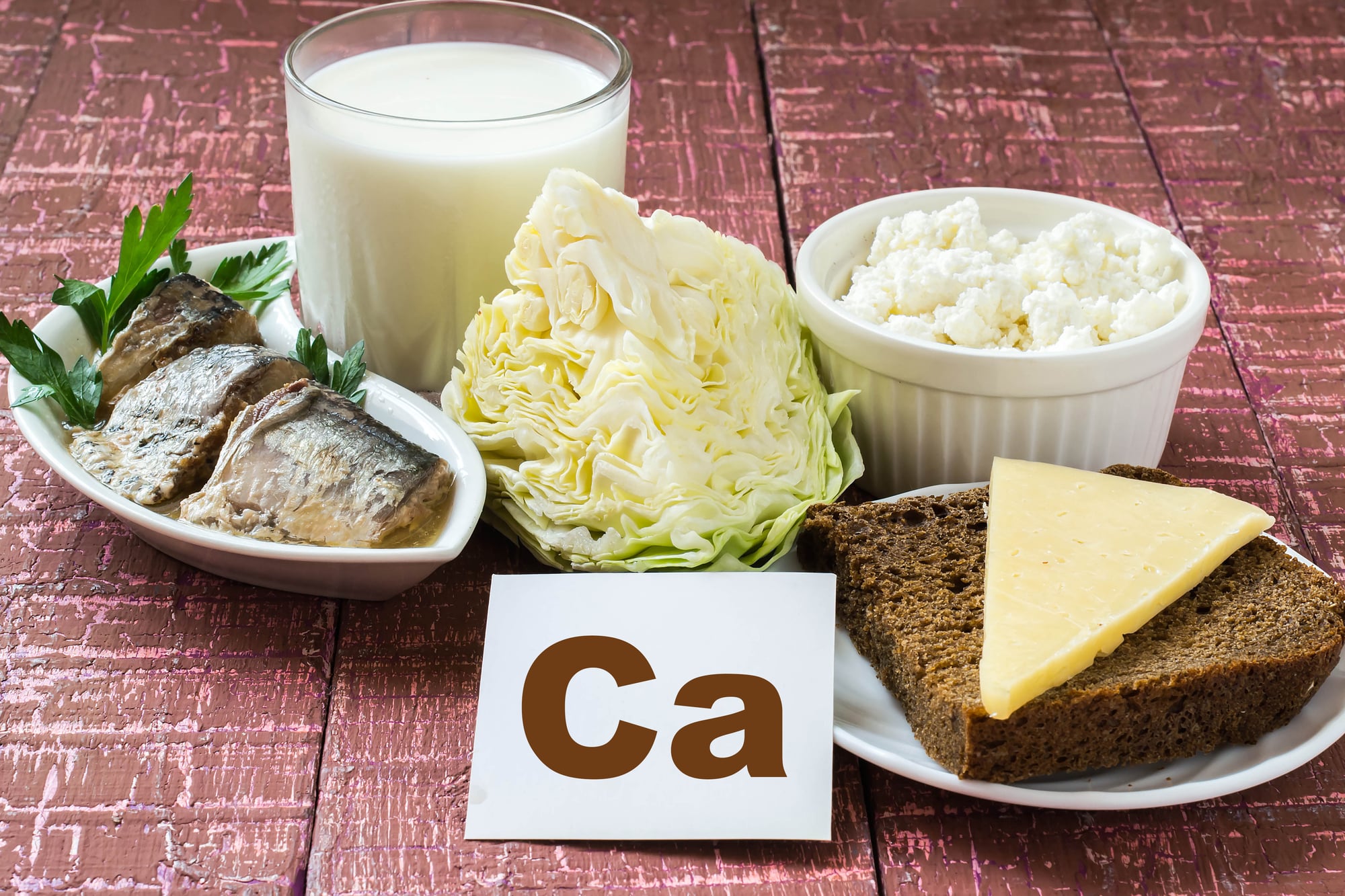
At 4.2% abundance, calcium builds both mountains and bones through remarkably similar chemical processes. The element concentrates in limestone, marble, and other carbonate rocks that often began as ancient sea life — countless shells, coral reefs, and microscopic organisms that extracted calcium from seawater to build their structures.
Calcium’s crustal story reads like a biography of life itself. Massive limestone formations represent millions of years of biological activity, while calcium’s essential role in biological processes meant that life and this element evolved together.
The calcium in your bones came from rocks, which came from ancient oceans, which came from even older rocks — a cycle that has continued for billions of years.
Sodium
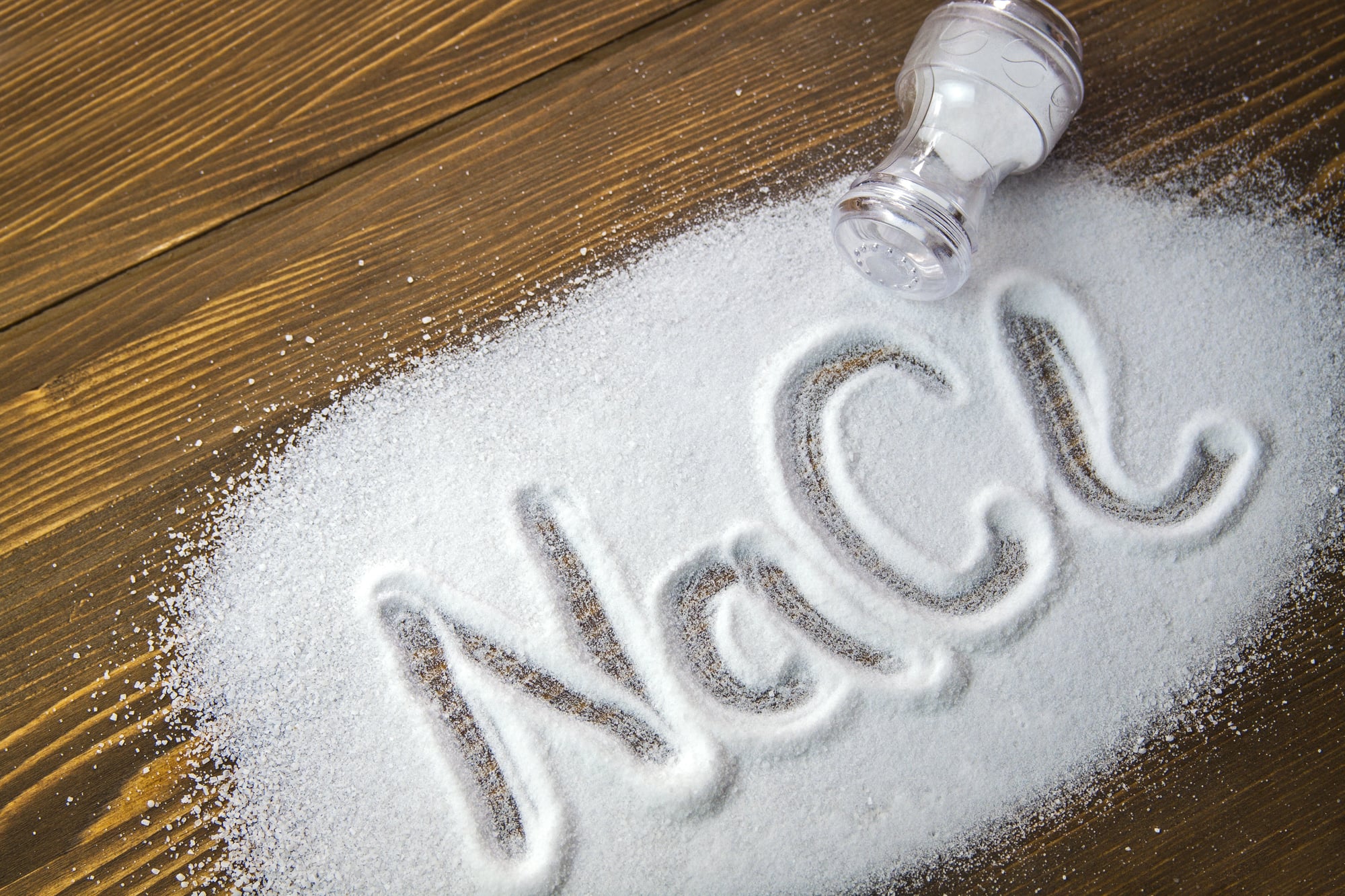
Sodium claims 2.9% of the crust but rarely appears in pure form due to its extreme reactivity. Instead, sodium locks itself into stable compounds, most famously combining with chlorine to form salt deposits, or bonding with aluminum and silicon in feldspar minerals that make up substantial portions of granite and other igneous rocks.
The element’s crustal abundance explains why salt deposits appear worldwide and why sodium-rich minerals weather to create fertile soils. Sodium’s mobility means it travels easily through groundwater systems, concentrating in areas where water evaporates — from desert salt flats to coastal salt marshes.
This mobility makes sodium both essential for life and problematic for agriculture when it accumulates in soils.
Potassium
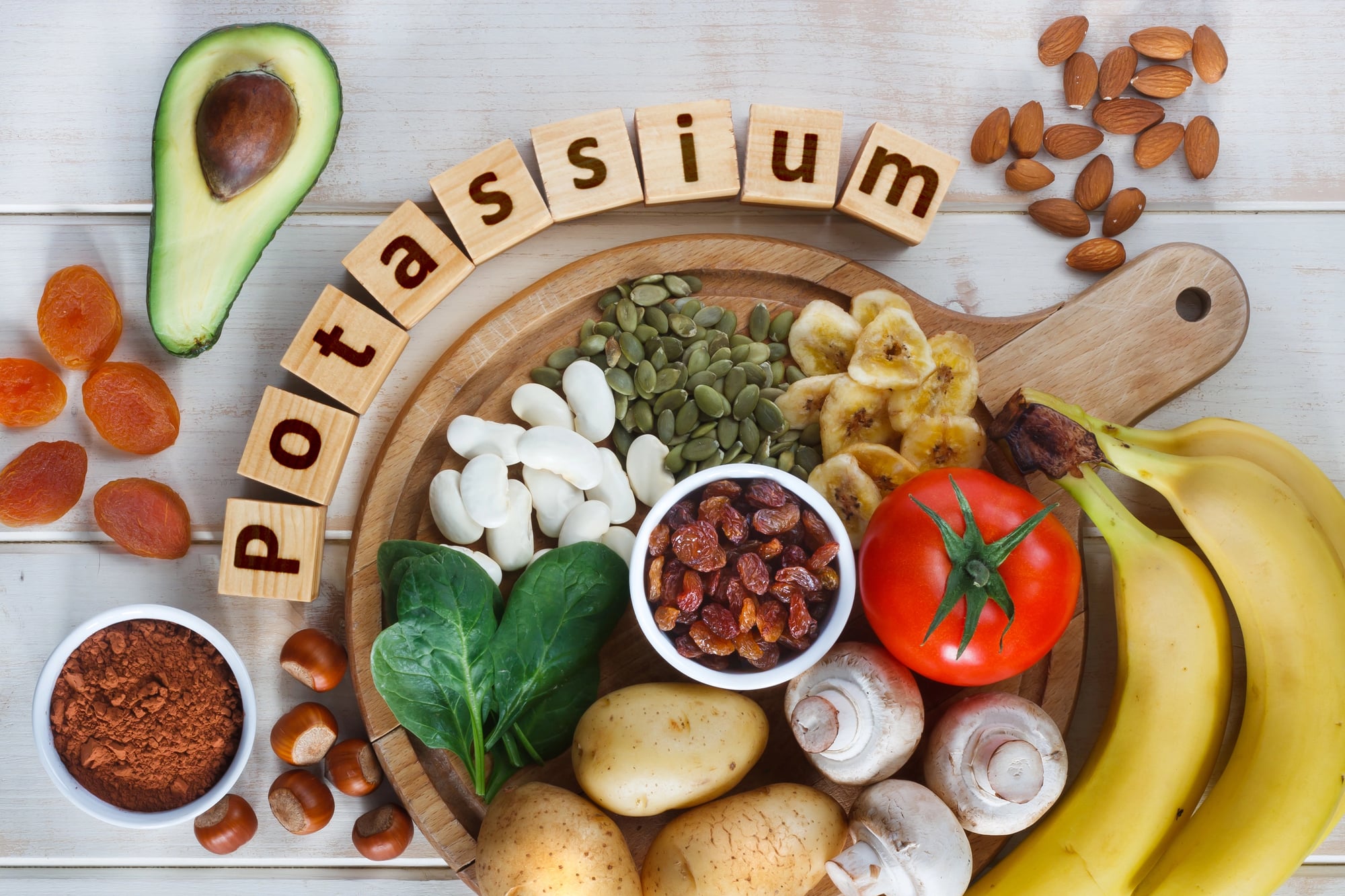
Potassium accounts for 2.8% of crustal composition, and like its chemical cousin sodium, it never occurs in pure metallic form naturally. The element prefers to bind with other elements in minerals like feldspar and mica, where it plays crucial structural roles that affect how rocks weather and break down over time.
What makes potassium particularly interesting is its dual role as both a rock-forming element and an essential nutrient (though the connection isn’t immediately obvious, potassium-rich minerals weather to release the element in forms that plants can absorb, which explains why certain geological regions produce more fertile soils than others). This weathering process has supported agriculture for millennia, long before anyone understood the chemistry involved.
But here’s what really matters about potassium’s crustal abundance: it represents a massive reservoir that slowly feeds terrestrial ecosystems through geological processes. And the element’s radioactive isotope, potassium-40, provides one of the tools geologists use to date ancient rocks and understand Earth’s history.
Magnesium
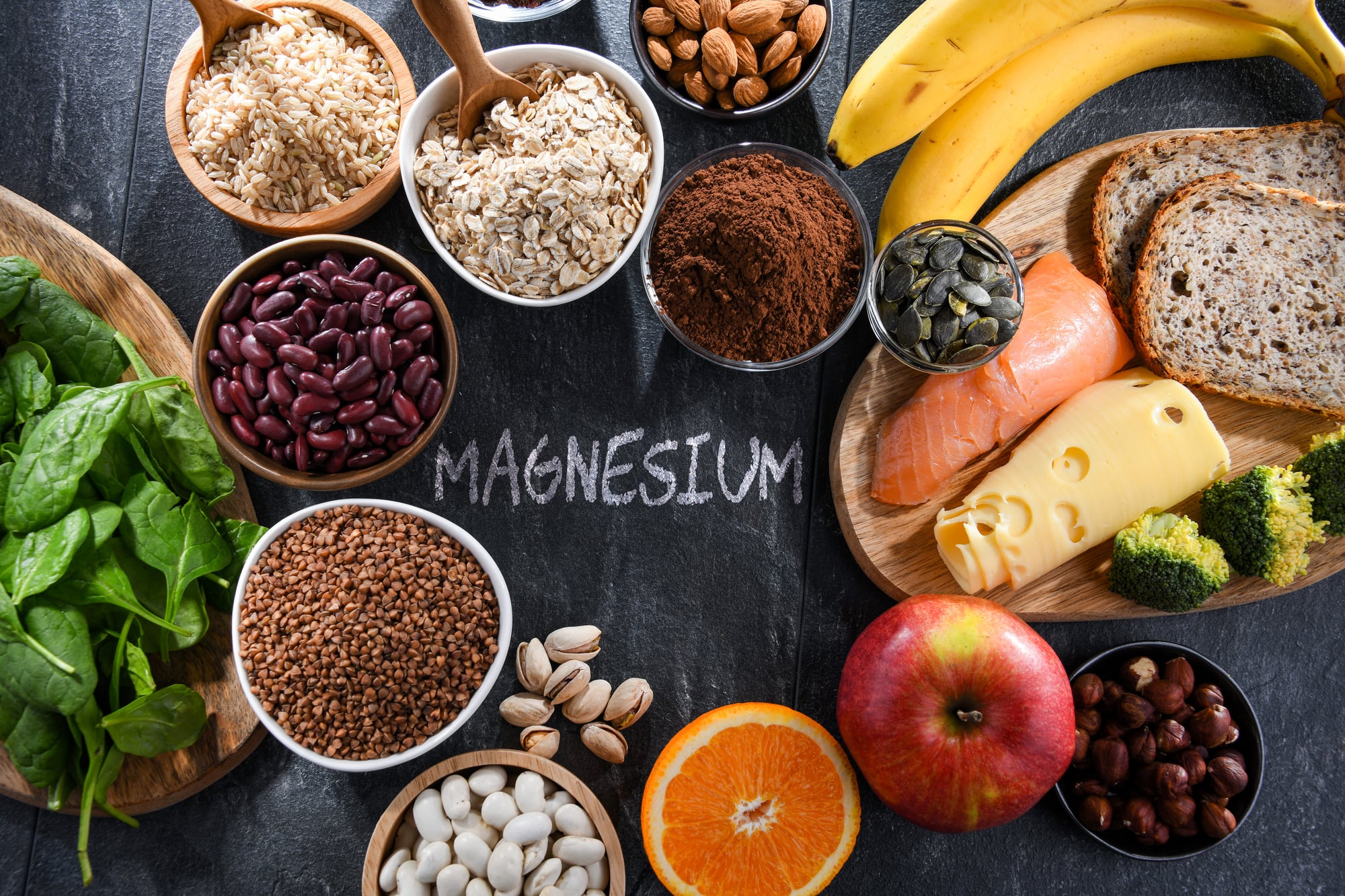
Magnesium sits at 2.3% of the crust and prefers the company of iron and other dense elements, which explains why it concentrates in darker, heavier rocks like basalt and in minerals that form deep within the Earth. When magnesium-rich rocks reach the surface and weather, they often create soils with distinct properties that support specialized plant communities.
The element’s crustal distribution tells a story of planetary formation and differentiation. Magnesium-rich minerals crystallize at high temperatures, meaning they form first when molten rock cools, and their density causes them to sink.
This process has sorted Earth’s materials over geological time, concentrating magnesium in the lower crust and upper mantle while lighter elements rose toward the surface.
Titanium
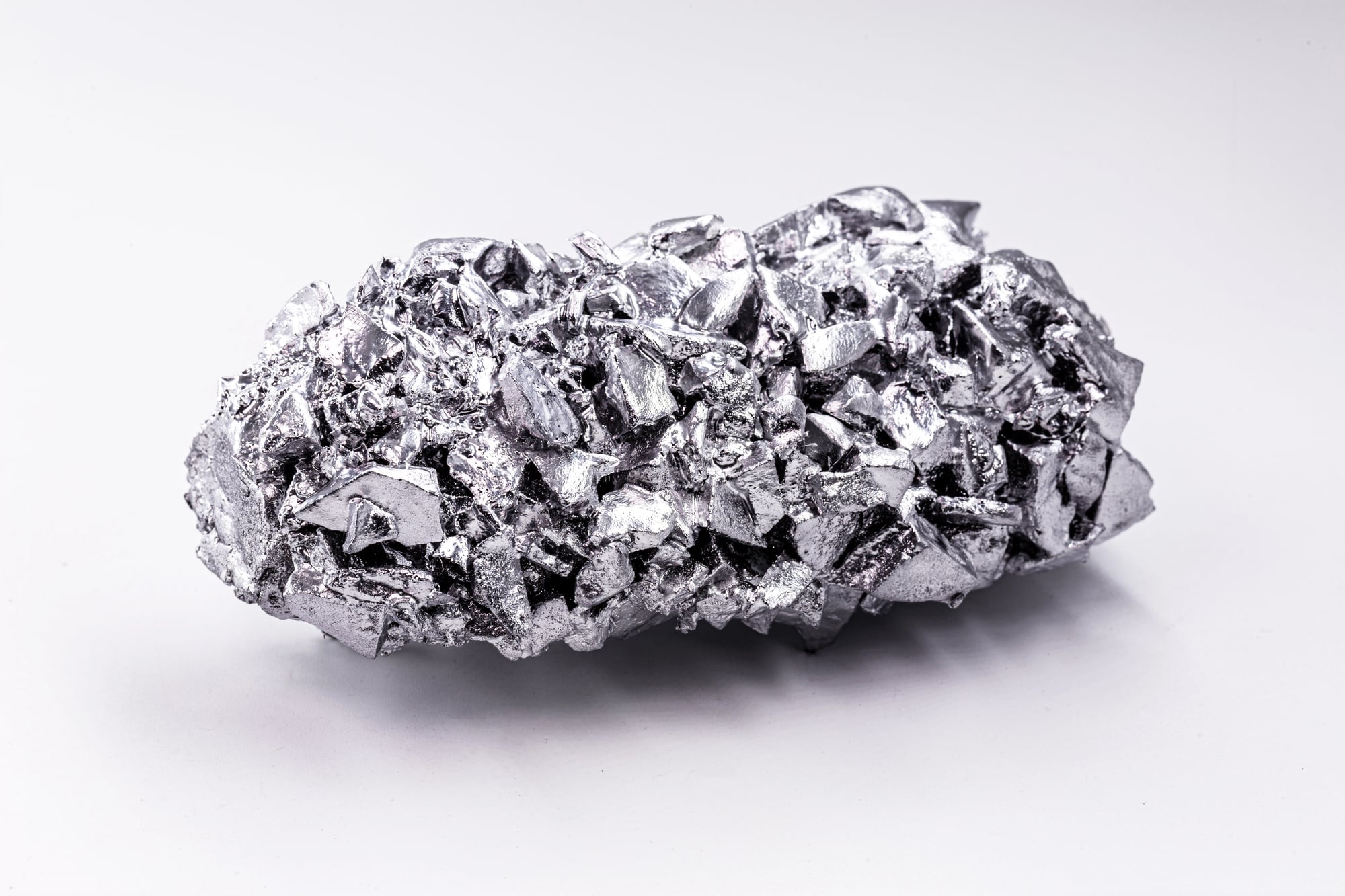
Titanium represents about 0.7% of the crust, making it more abundant than copper, lead, or zinc, yet it remained essentially unknown to human technology until the 20th century. The element’s strong chemical bonds made extraction nearly impossible with traditional methods, despite titanium minerals being relatively common in many rock types.
Most titanium occurs in minerals like ilmenite and rutile, which resist weathering so effectively that they concentrate in beach sands and river deposits. These “heavy mineral sands” provided the first economically viable titanium sources.
The element’s combination of strength, light weight, and corrosion resistance eventually made it essential for aerospace applications, but its crustal abundance suggests wider industrial use may expand as extraction methods improve.
Hydrogen
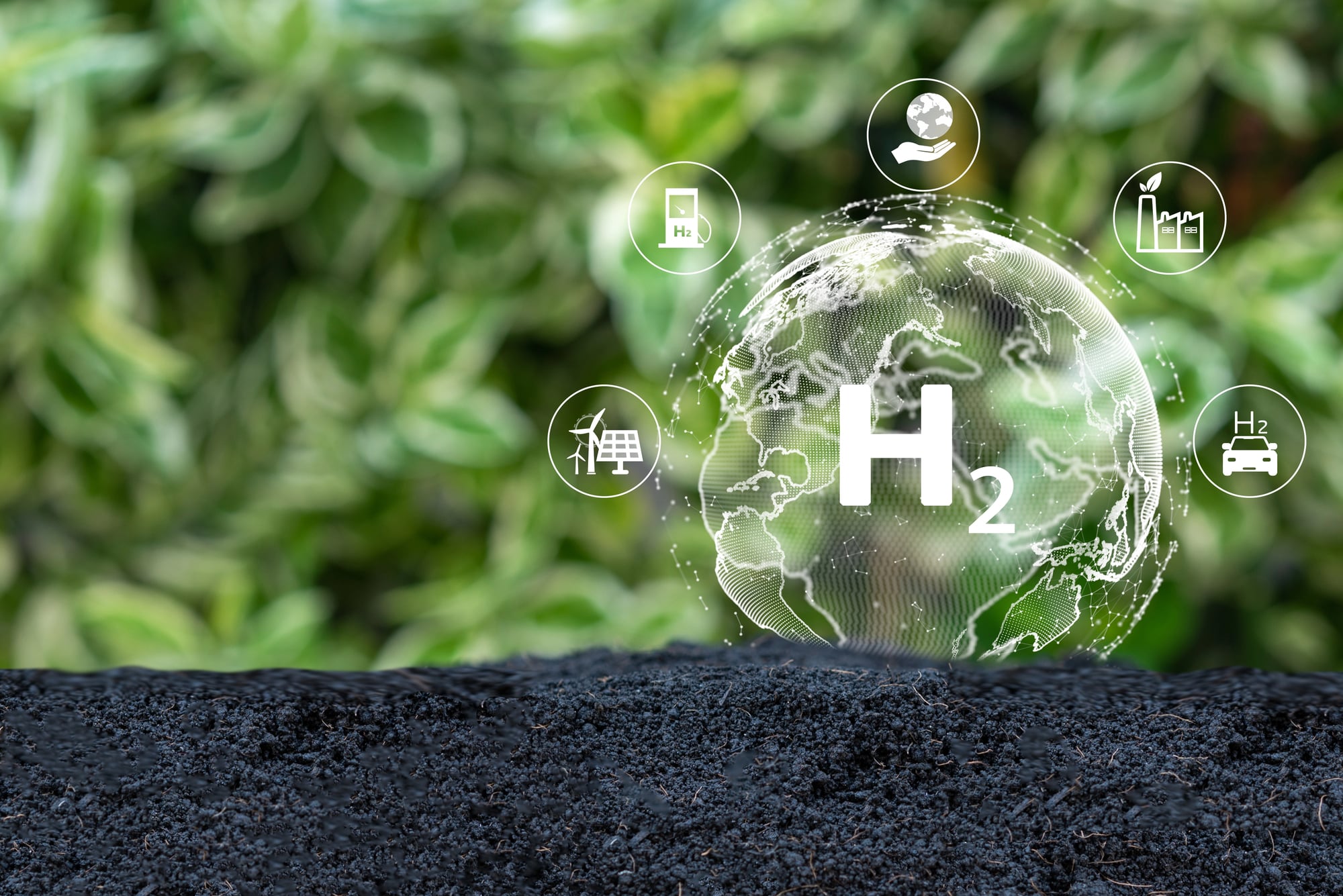
Hydrogen claims roughly 0.15% of crustal composition by weight, though this figure understates its importance. Nearly all crustal hydrogen exists bound to oxygen in water molecules or hydroxyl groups within mineral structures, making it essential for many geological processes including rock weathering, clay formation, and hydrothermal mineral deposition.
The element’s small size allows it to fit into mineral structures where larger atoms cannot, often creating unique properties. Hydrogen bonding affects how minerals behave during weathering, how clays absorb and release water, and how certain minerals respond to heat and pressure during metamorphism.
Despite its small crustal percentage, hydrogen influences the behavior of much more abundant elements.
Phosphorus
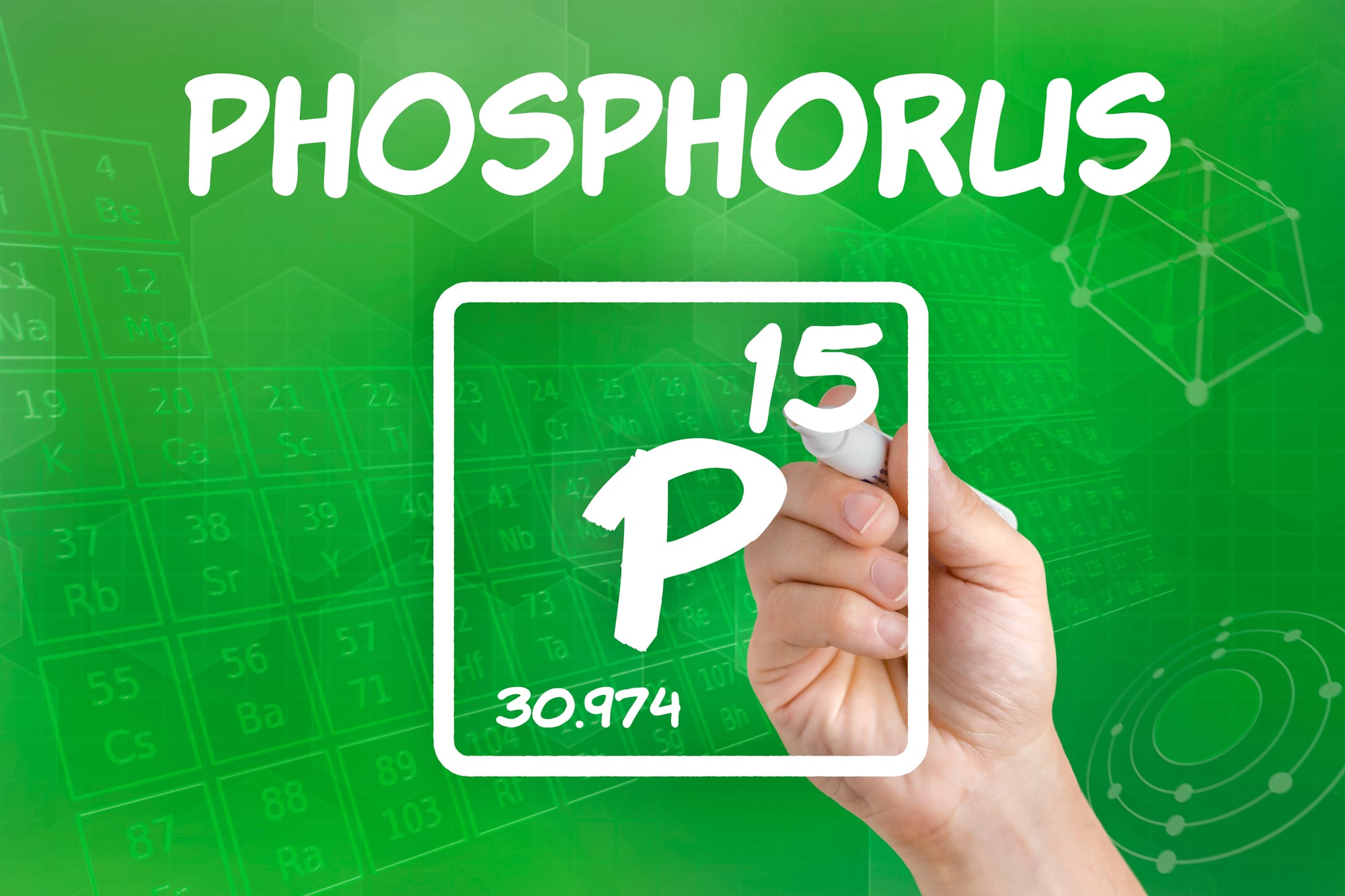
Phosphorus appears at about 0.13% of crustal abundance but carries outsized biological importance. The element concentrates in specific minerals like apatite, which forms in igneous rocks and provides the primary natural source of phosphate for fertilizer production — a connection that links crustal geology directly to global agriculture and food security.
Unlike many other elements, phosphorus cycles slowly through natural systems because it lacks a significant atmospheric phase. This makes crustal phosphorus deposits essentially non-renewable on human timescales, creating long-term concerns about phosphate rock depletion.
The element’s crustal distribution is uneven, with major deposits concentrated in relatively few locations worldwide, adding geopolitical dimensions to what might seem like a purely geological topic.
Manganese
Manganese accounts for approximately 0.11% of crustal composition and rarely gets the attention it deserves. The element appears in many common minerals and plays essential roles in both geological processes and industrial applications, yet most people encounter manganese only indirectly through steel alloys that depend on it for strength and workability.
Crustal manganese often concentrates through weathering processes that dissolve and redistribute the element, sometimes creating economic ore deposits in unexpected locations. The element’s multiple oxidation states allow it to participate in complex geochemical reactions, influencing soil chemistry and plant nutrition in ways that connect crustal composition directly to ecosystem health.
Carbon

Carbon represents only about 0.03% of crustal composition by weight, but this modest percentage includes some of the most economically and environmentally significant materials on Earth: coal, oil, natural gas, diamonds, and the carbon dioxide involved in rock weathering and climate regulation.
Most crustal carbon exists in carbonate minerals like limestone and dolomite, which store vast amounts of carbon that cycles slowly between rocks, oceans, and atmosphere over geological time. This crustal carbon reservoir dwarfs the carbon in living organisms or the atmosphere, making the crust a crucial component of Earth’s carbon cycle and long-term climate stability.
The element’s various forms — from graphite to diamond to organic compounds — demonstrate how the same element can create materials with radically different properties depending on atomic arrangement and formation conditions.
The Foundation Beneath Everything
These elements don’t exist in isolation — they combine, separate, and recombine through geological processes that have operated for billions of years. The percentages represent averages across a dynamic system where volcanic activity brings deep materials to the surface, weathering breaks down existing rocks, and plate tectonics shuffles compositions across the globe.
Understanding crustal composition connects us to both planetary history and human future. Every technology, every building material, every essential nutrient traces back to these fundamental abundances.
The elements beneath your feet right now participated in the formation of the solar system, witnessed the emergence of life, and continue shaping the world through processes that operate on timescales far beyond human experience yet influence every moment of daily life.
More from Go2Tutors!

- The Romanov Crown Jewels and Their Tragic Fate
- 13 Historical Mysteries That Science Still Can’t Solve
- Famous Hoaxes That Fooled the World for Years
- 15 Child Stars with Tragic Adult Lives
- 16 Famous Jewelry Pieces in History
Like Go2Tutors’s content? Follow us on MSN.



