Classic Milk Bottles Collectors Seek Out
Hunting old milk bottles brings back memories while uncovering forgotten tales. Back then, they showed up on doorsteps or bounced around on wagon rides from farms – now those jars are clues to times we don’t see anymore.
They whisper about neighborhood creameries, stamped names you can feel with your fingers, habits people lived by decades ago. Turns out, everyone’s got more than just a past tied to dairy – it holds secrets like its hometown, who filled it, what decade shaped its look.
Check out these 18 traits bottle fans keep an eye on when hunting old-school milk jars – here’s what makes each one count.
Embossed dairy names
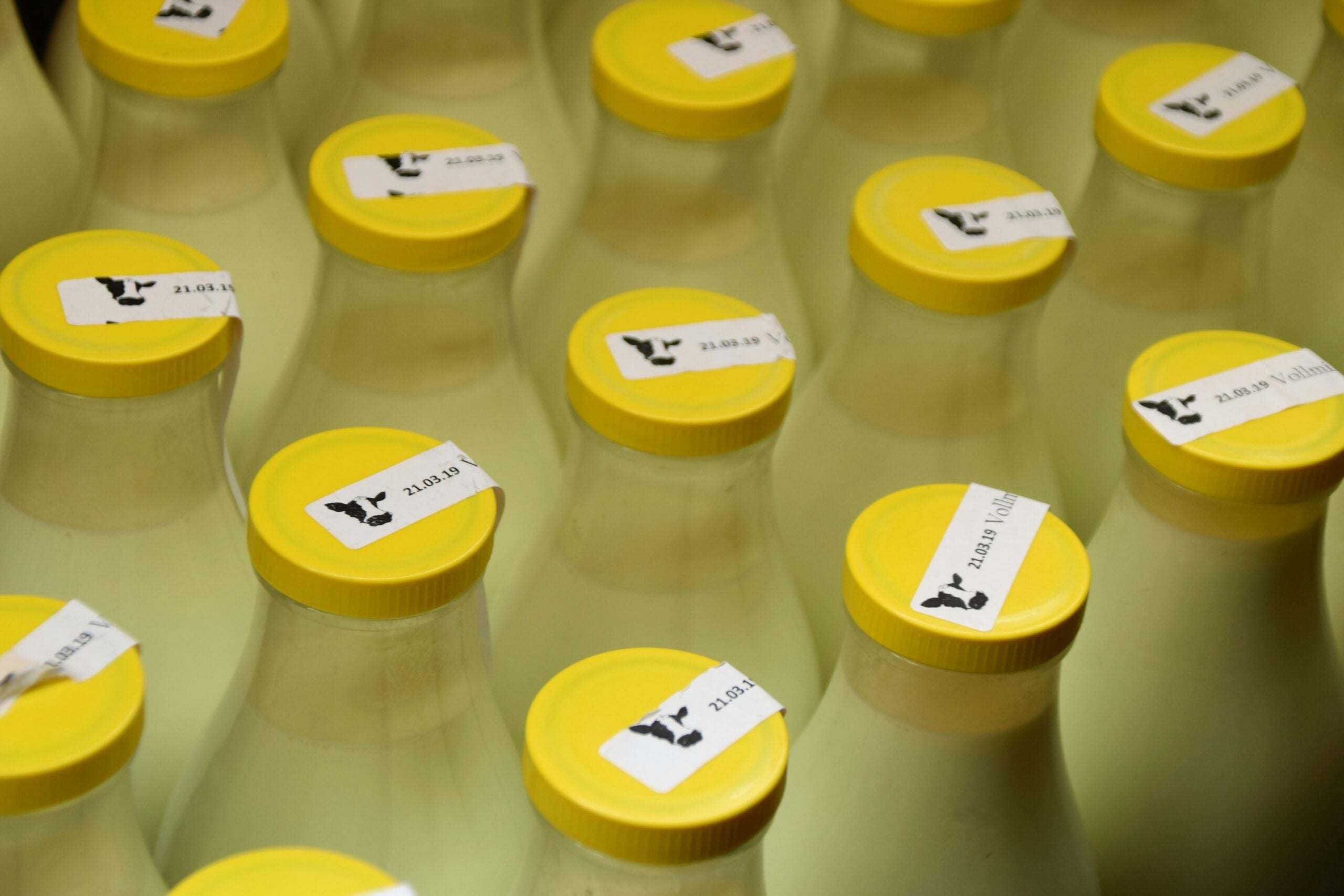
Some milk jars show bumpy text spelling out which creamery made – or reused – them. Because these stamped details let enthusiasts link each piece to a particular place or time, an ordinary container starts telling stories of nearby life long ago.
Take a jar from some forgotten village supplier; if the lettering pops sharp and clear, folks usually find it way more intriguing compared to something churned out by a big nationwide name.
Unique closures
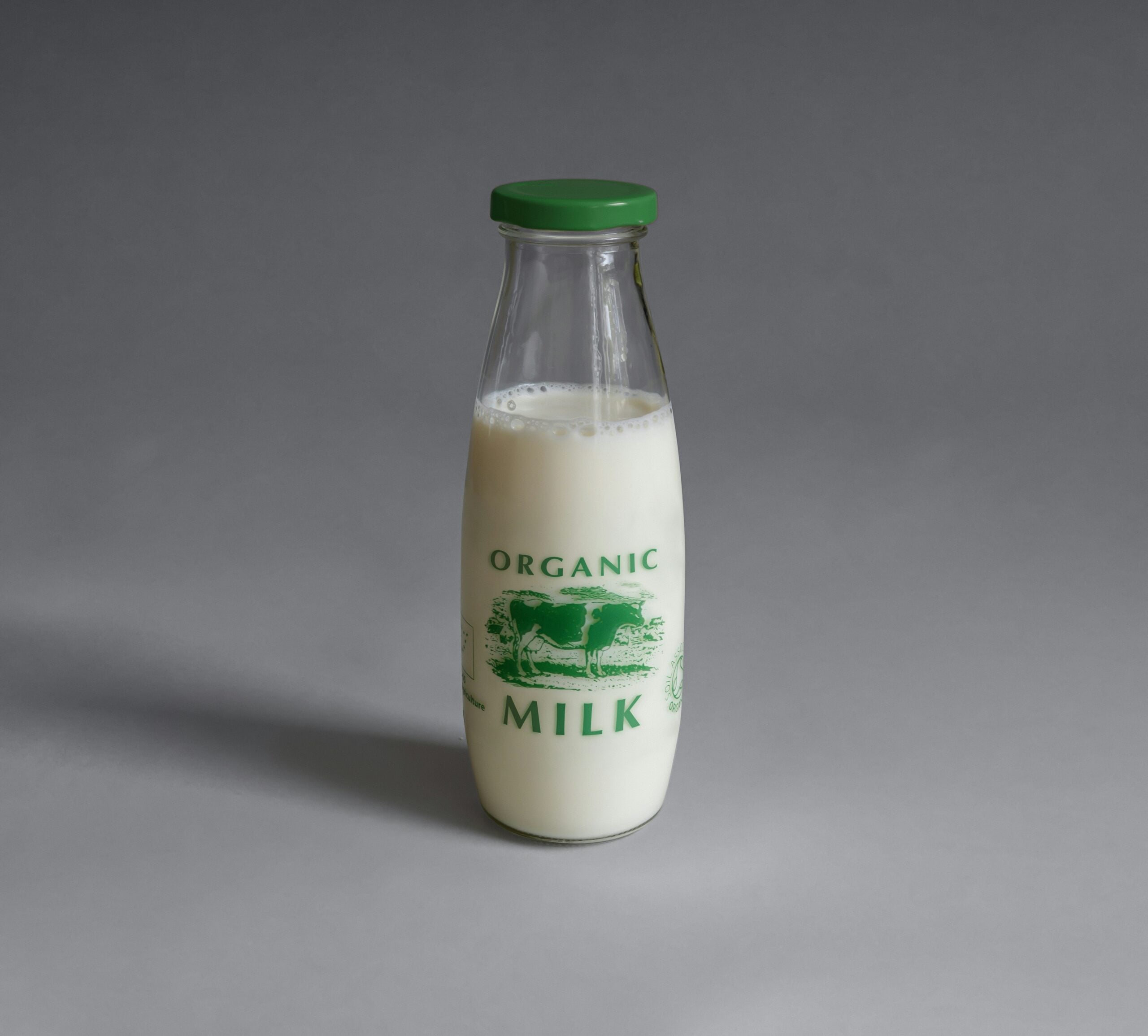
Older bottles occasionally had wire bail seals or glass plugs until paper tops took over. Those earlier sealing methods pop up less often, hinting at vintage origins – this boosts their appeal big time.
Take containers with metal clamps: they reflect production styles that vanished around the 1950s.
Color variations
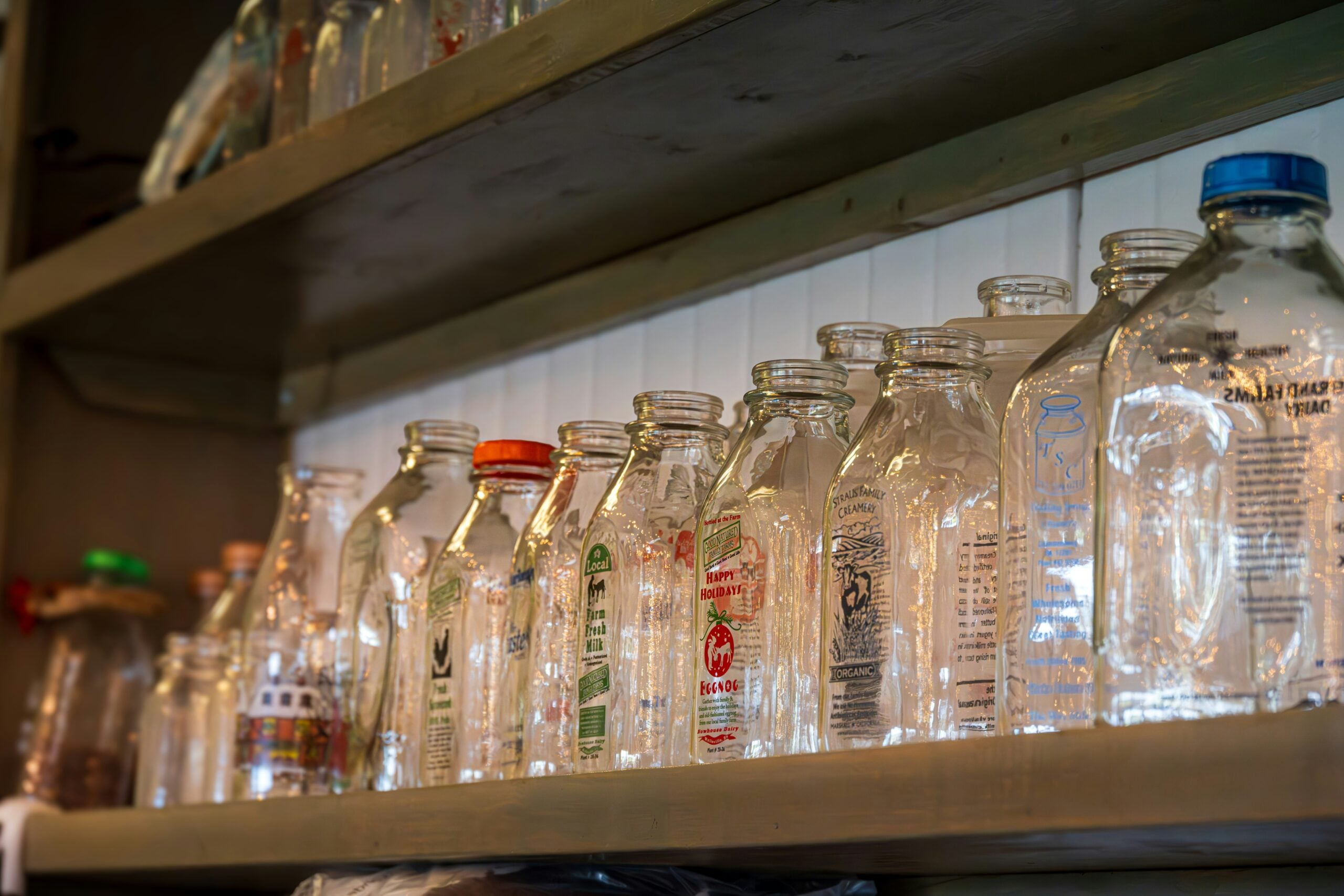
Though plenty of milk jars come in transparent glass, others popped up in shades like brown, green, or deep blue – thanks to practical needs or eye-catching flair. Those tinted versions catch the eye easier, plus they tend to draw bigger interest from those who hunt vintage items.
Each hue hints at how a creamery wanted to look – or whether it was trying to block sunlight.
Rare local dairies
Older milk containers often came from tiny local creameries that didn’t last long. Once the farm shut down, nobody made those bottles anymore – so they’re hard to find now.
Bottles stamped with a forgotten town’s dairy label show us how things used to run back then.
Old-time differences in how big or small things were – also their forms
Classic Milk bottles collectors seek out
Hunting old milk bottles brings back memories while uncovering forgotten tales. Back then, they showed up on doorsteps or bounced around on wagon rides from farms – now those jars are clues to times we don’t see anymore.
They whisper about neighborhood creameries, stamped names you can feel with your fingers, habits people lived by decades ago. Turns out, everyone’s got more than just a past tied to dairy – it holds secrets like its hometown, who filled it, what decade shaped its look.
Check out these 18 traits bottle fans keep an eye on when hunting old-school milk jars – here’s what makes each one count.
Embossed dairy names
Some milk jars show bumpy text spelling out which creamery made – or reused – them. Because these stamped details let enthusiasts link each piece to a particular place or time, an ordinary container starts telling stories of nearby life long ago.
Take a jar from some forgotten village supplier; if the lettering pops sharp and clear, folks usually find it way more intriguing compared to something churned out by a big nationwide name.
Unique closures
Older bottles occasionally had wire bail seals or glass plugs until paper tops took over. Those earlier sealing methods pop up less often, hinting at vintage origins – this boosts their appeal big time.
Take containers with metal clamps: they reflect production styles that vanished around the 1950s.
Color variations
Though plenty of milk jars come in transparent glass, others popped up in shades like brown, green, or deep blue – thanks to practical needs or eye-catching flair. Those tinted versions catch the eye easier, plus they tend to draw bigger interest from those who hunt vintage items.
Each hue hints at how a creamery wanted to look – or whether it was trying to block sunlight.
Rare local dairies
Older milk containers often came from tiny local creameries that didn’t last long. Once the farm shut down, nobody made those bottles anymore – so they’re hard to find now.
Bottles stamped with a forgotten town’s dairy label show us how things used to run back then.
Old-time differences in how big or small things were – also their forms
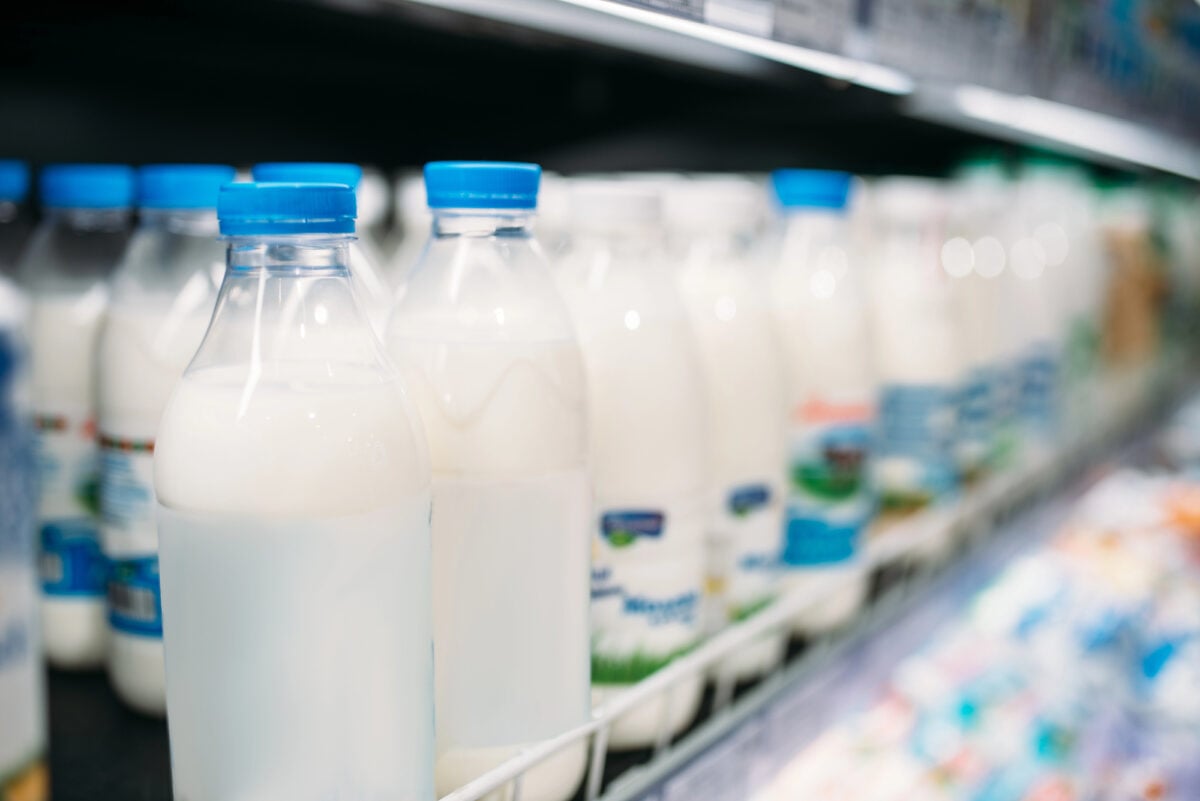
Bottle sizes shifted through the years – some held a quarter-pint, others half-pints, quarts, or whole gallons. On top of that, makers tried out odd forms like boxy edges or stretched necks.
Thanks to these differences, enthusiasts can track how packing styles evolved along with what people liked.
Advertising and artwork
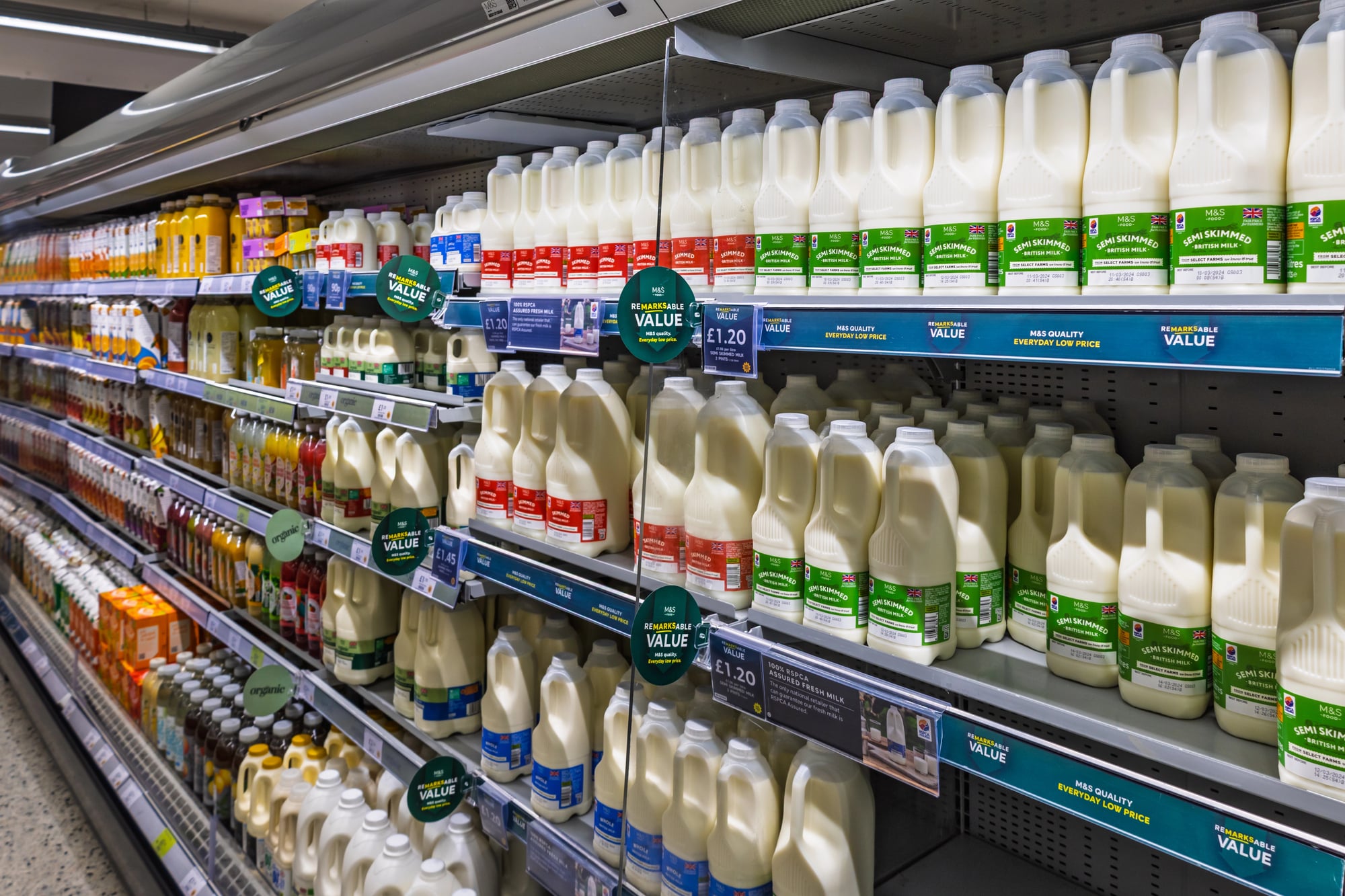
Later ones weren’t only for milk – they turned into rolling ads. Some got covered in fire-baked ink, catchy phrases, pictures of kids or cattle, along with punchy brand marks.
Thanks to these touches, what was once just a jug now counts as vintage visual culture.
Condition and rarity
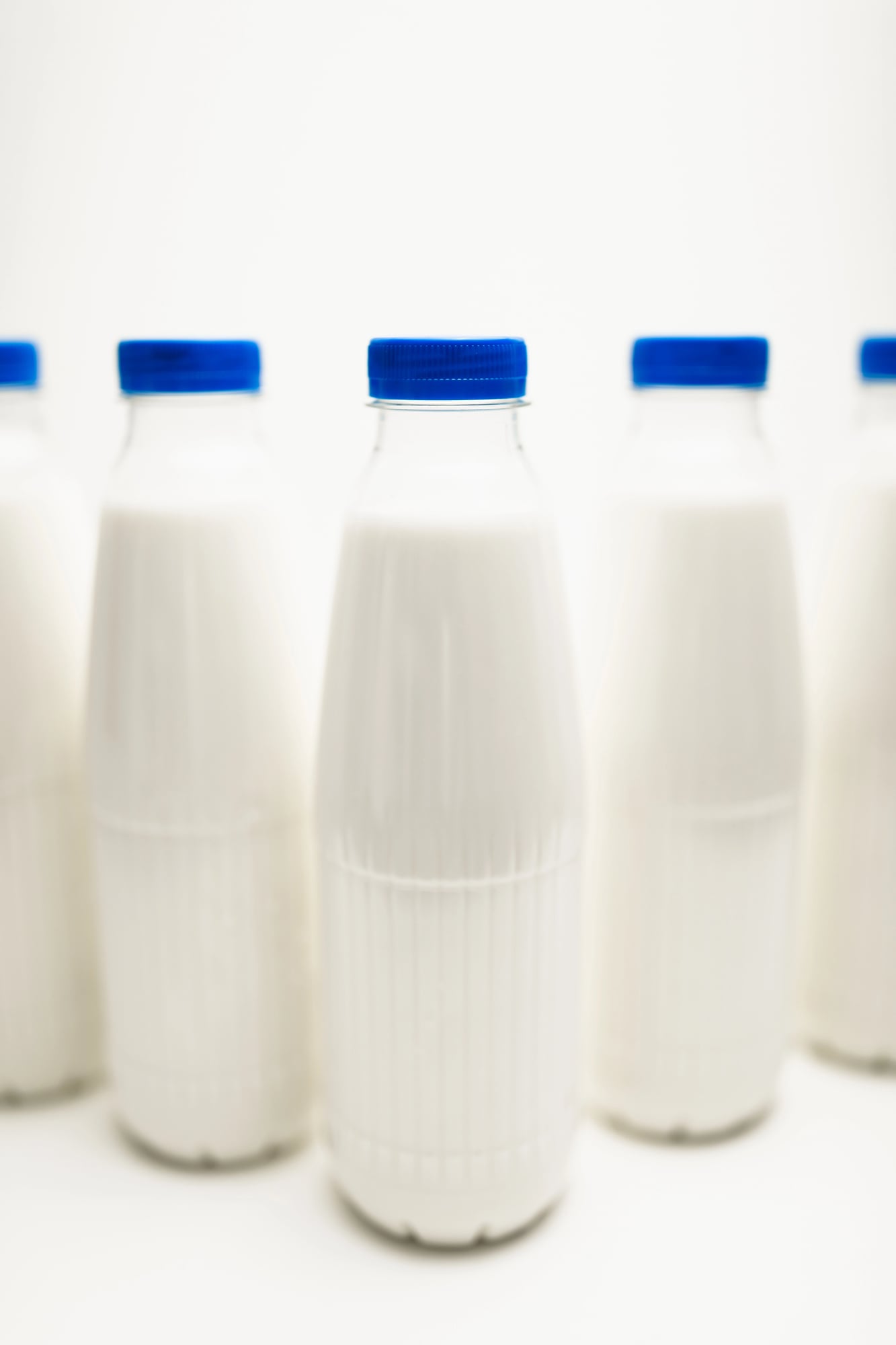
A bottle in good shape – no chips, cracks, or serious scratches – means more to someone looking to collect. When fewer of these survive – say, from small dairies that didn’t last long – the better the state it’s in, the more folks want it.
Regional provenance
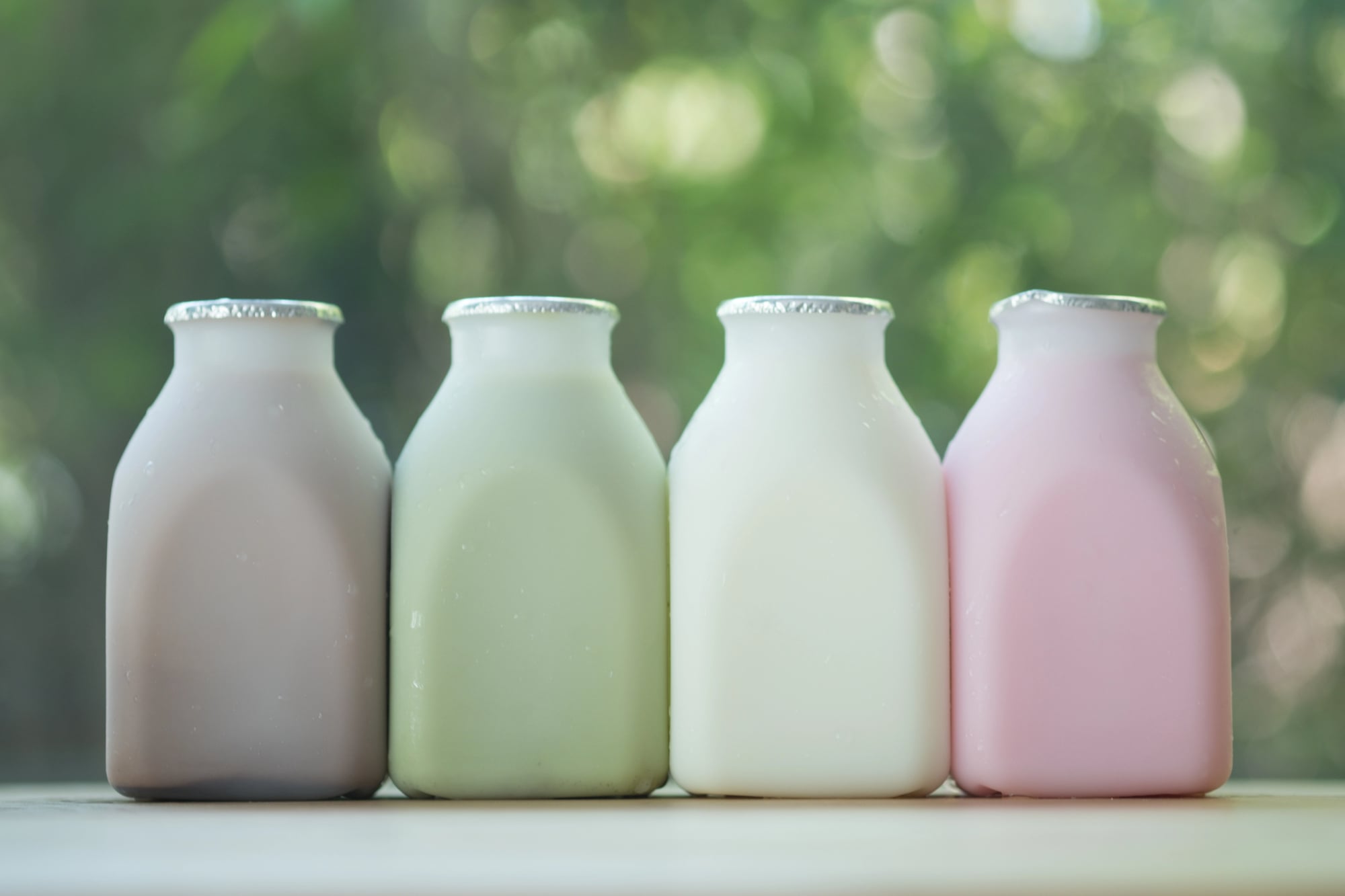
Some enthusiasts zero in on containers from certain areas – like states, counties, maybe just one town. Figuring out where the milk maker was located adds context to the container’s background, tying it closely to hometown roots.
A sense of place boosts its charm.
Early patent designs
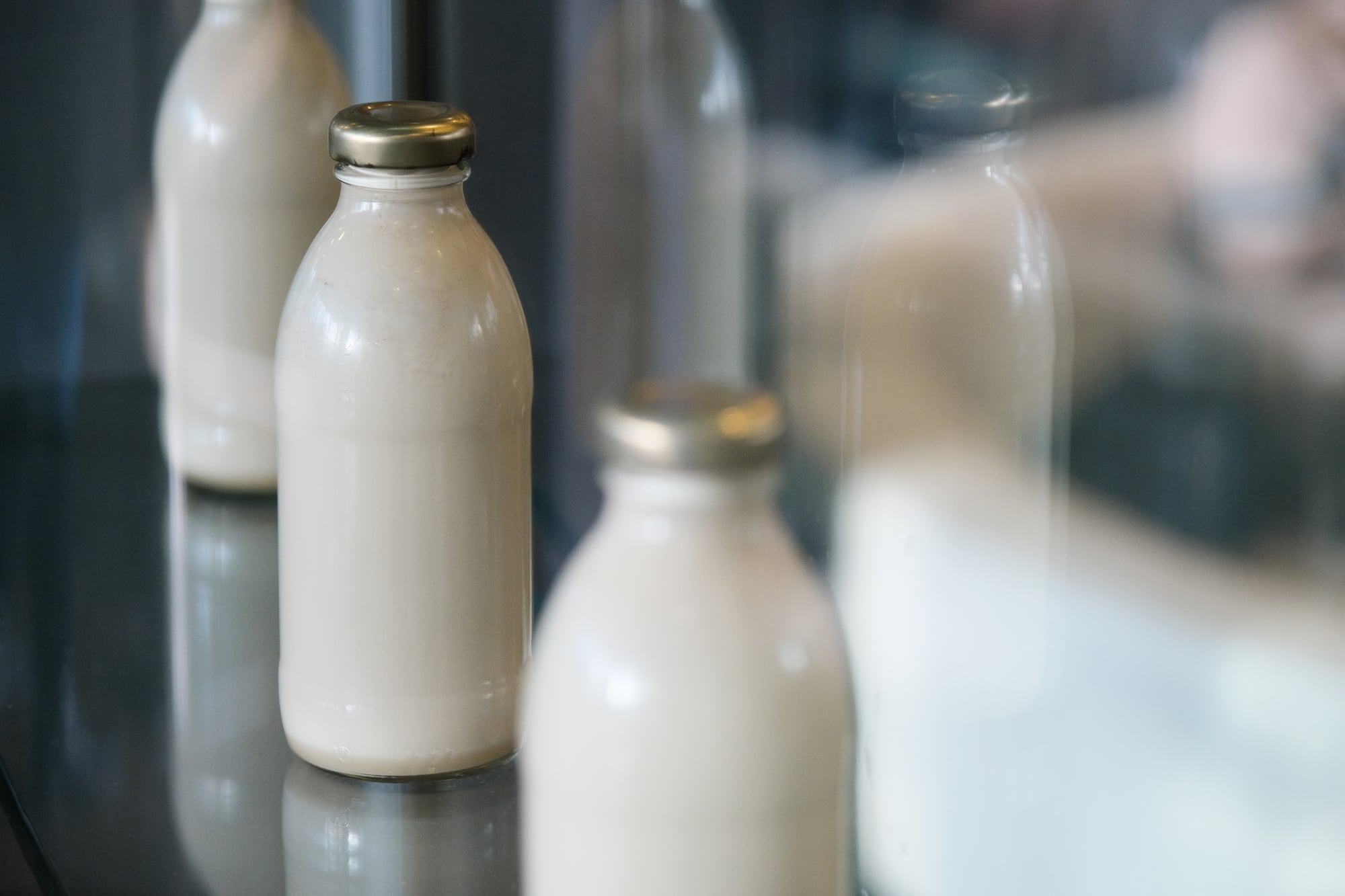
Some bottles came from unique designs protected by patents – take the first glass milk jar, locked down in 1878. Those old breakthroughs? They’re key moments in how we pack dairy today.
Folks hunting these bottles dig into patent records, seeing each find as a piece of forgotten factory creativity saved.
Transition materials
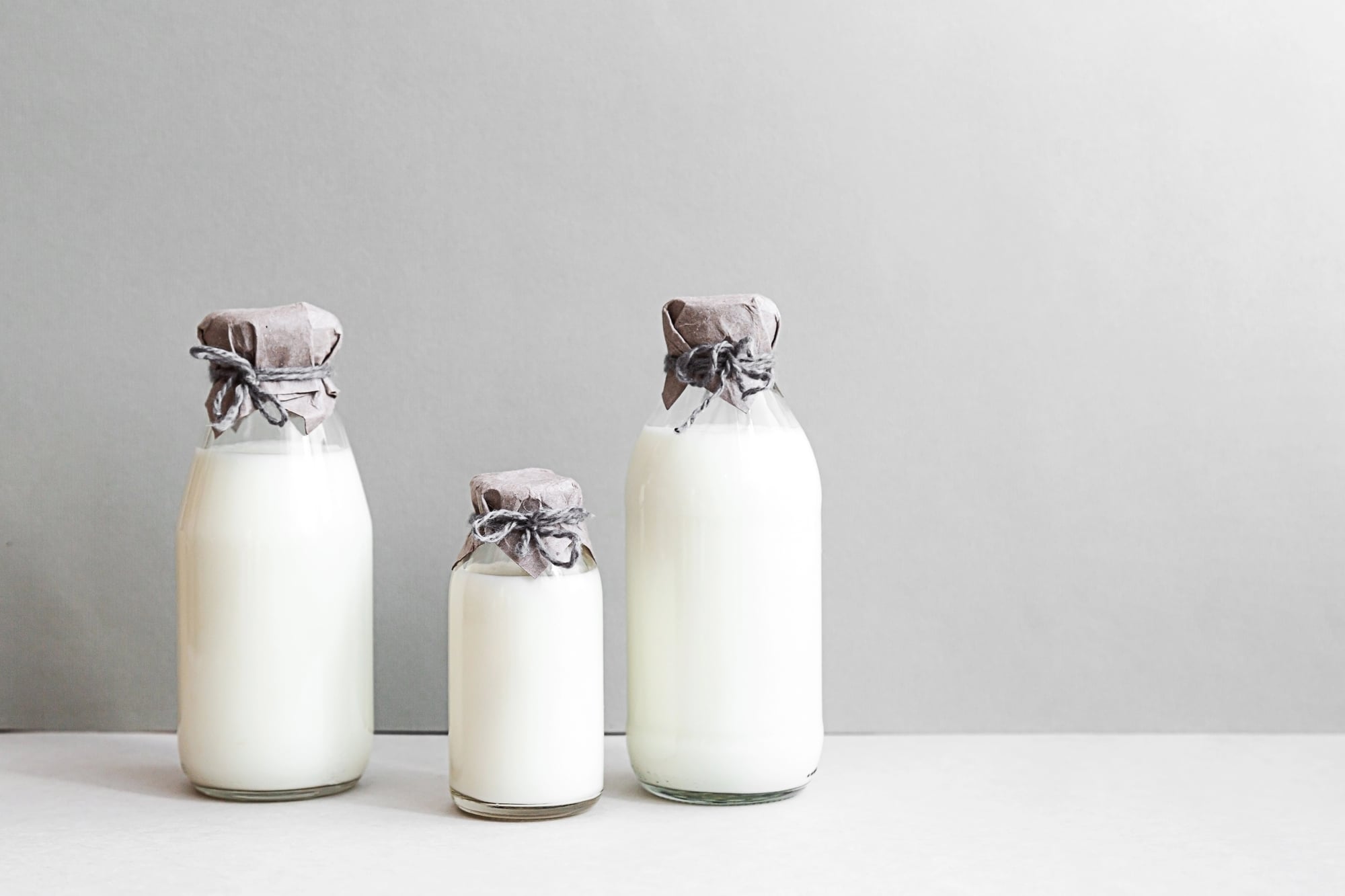
The move away from glass in favor of different container types during the 1950s created a break in how bottles were made. Instead of sticking to one way, jars from this shift show traces of earlier techniques alongside modern ones.
What makes these hybrid containers stand out is their mix of past and present styles.
Manufacturer marks
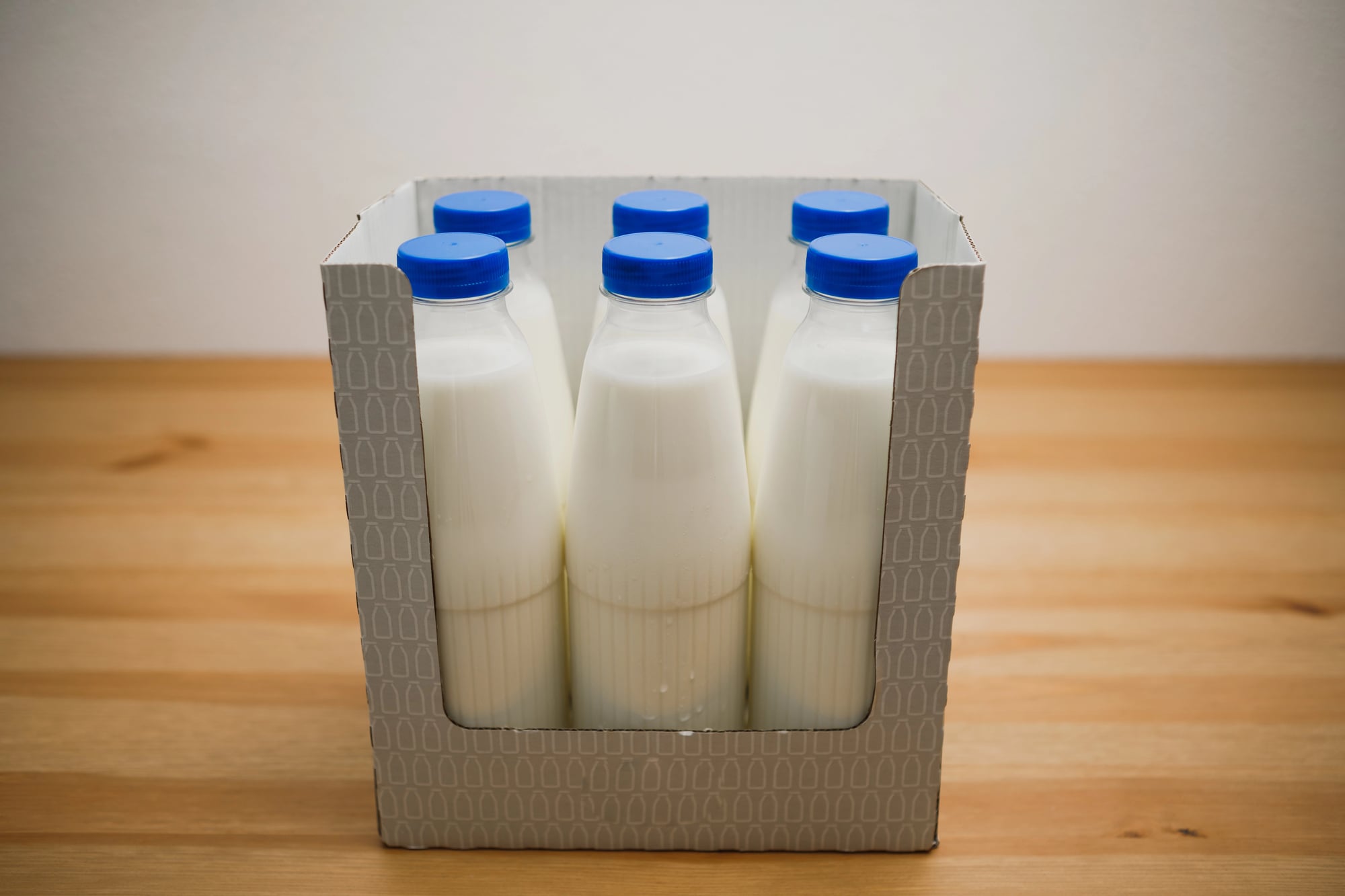
Some bottles show the maker’s symbol or the company logo stamped into the glass – this info lets collectors and history fans figure out when it was made while linking it to specific batches. When a recognized factory’s mark appears, it backs up the item’s origin and confirms it’s genuine.
Size rarity
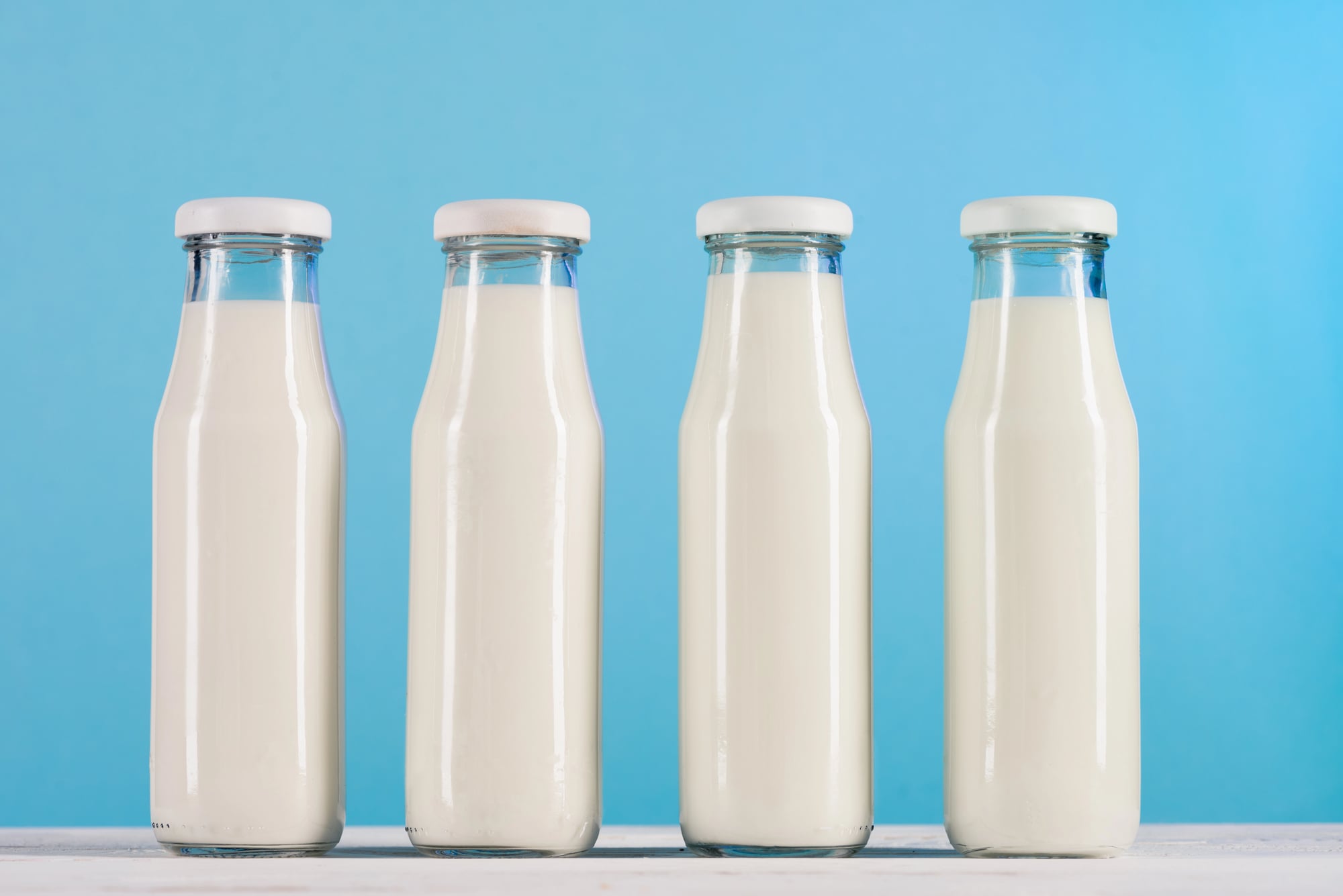
Big ones or tiny bottles – like gallon jugs or pint-sized jars – didn’t get made much, mostly used for special purposes. Collectors go after these oddballs just ’cause they’re different.
The weird dimensions make ’em tough to show off, yet way more satisfying when you track one down.
Functional wear marks
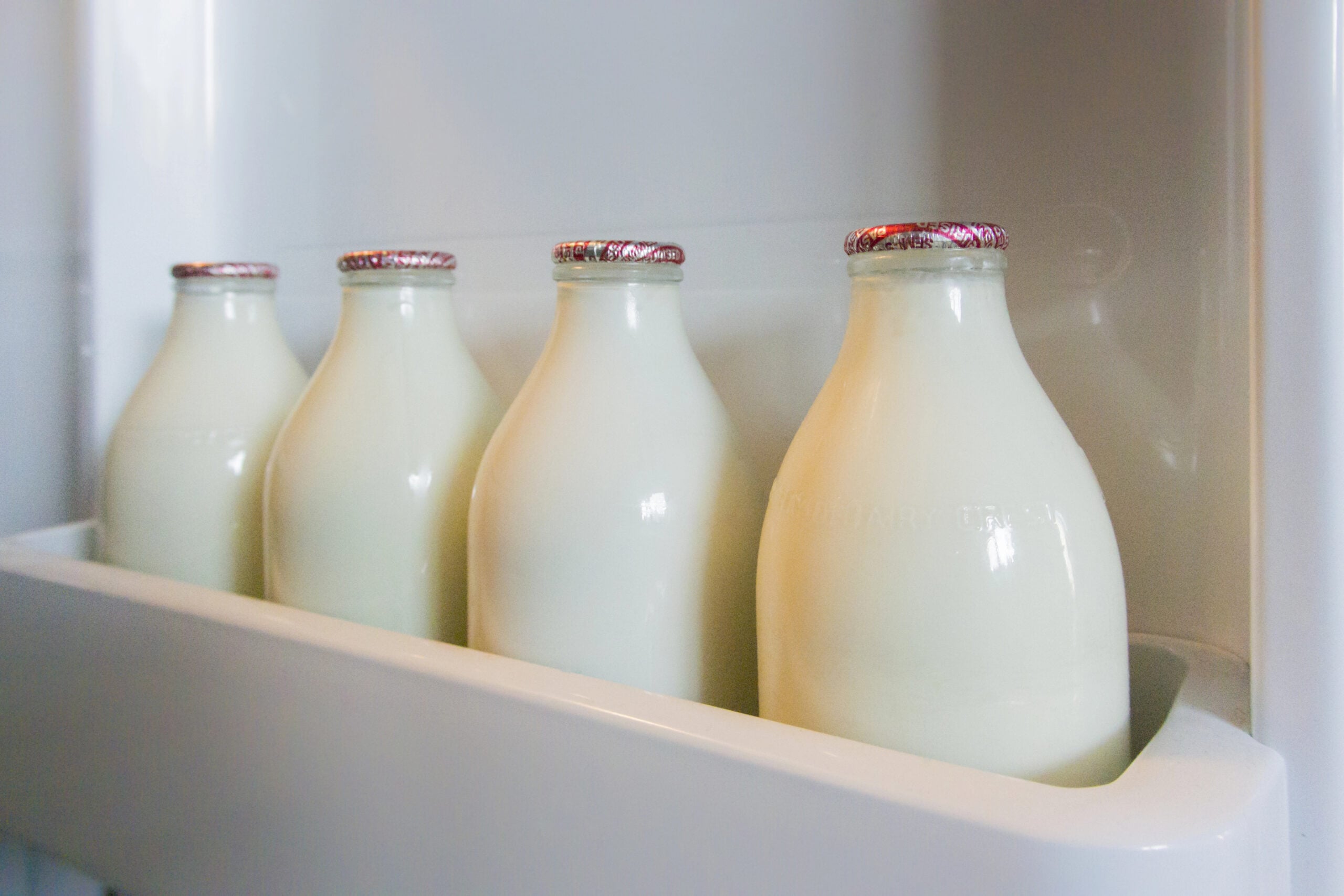
Small marks from being used – like fading near the rim, spots, or leftover bits inside – don’t ruin a bottle’s history – they build it. Life happened: deliveries made by hand, glass lined up in old wood boxes, mornings pouring breakfast drinks.
Those everyday scars? They fill in the background, make things feel true.
Documentation and history
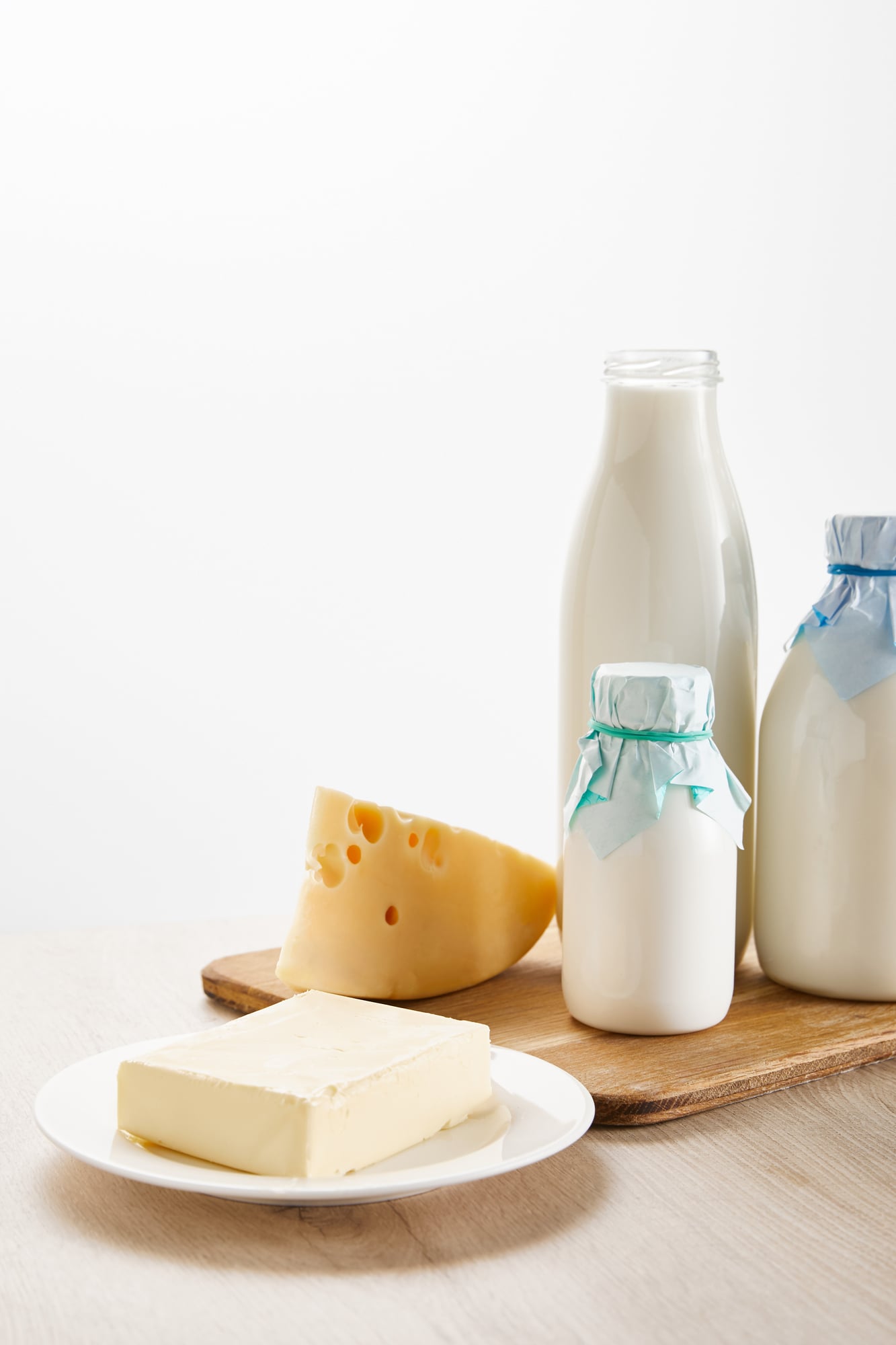
Some folks dig into the story behind milk bottles by checking out vintage ads, phone books, or town archives. When you know where it came from, the jar isn’t merely empty glass – instead, it ties back to someone, a shop, or a neighborhood.
This kind of link? That’s what gives it appeal.
Price on the market plus how sales are moving lately
Some bottles go for hundreds, based on how rare they are or their shape. Spotting what’s hot right now lets hobbyists tell if something’s special or just average.
Details – like raised lettering, caps used, who made it – affect price tags too.
Display and preservation
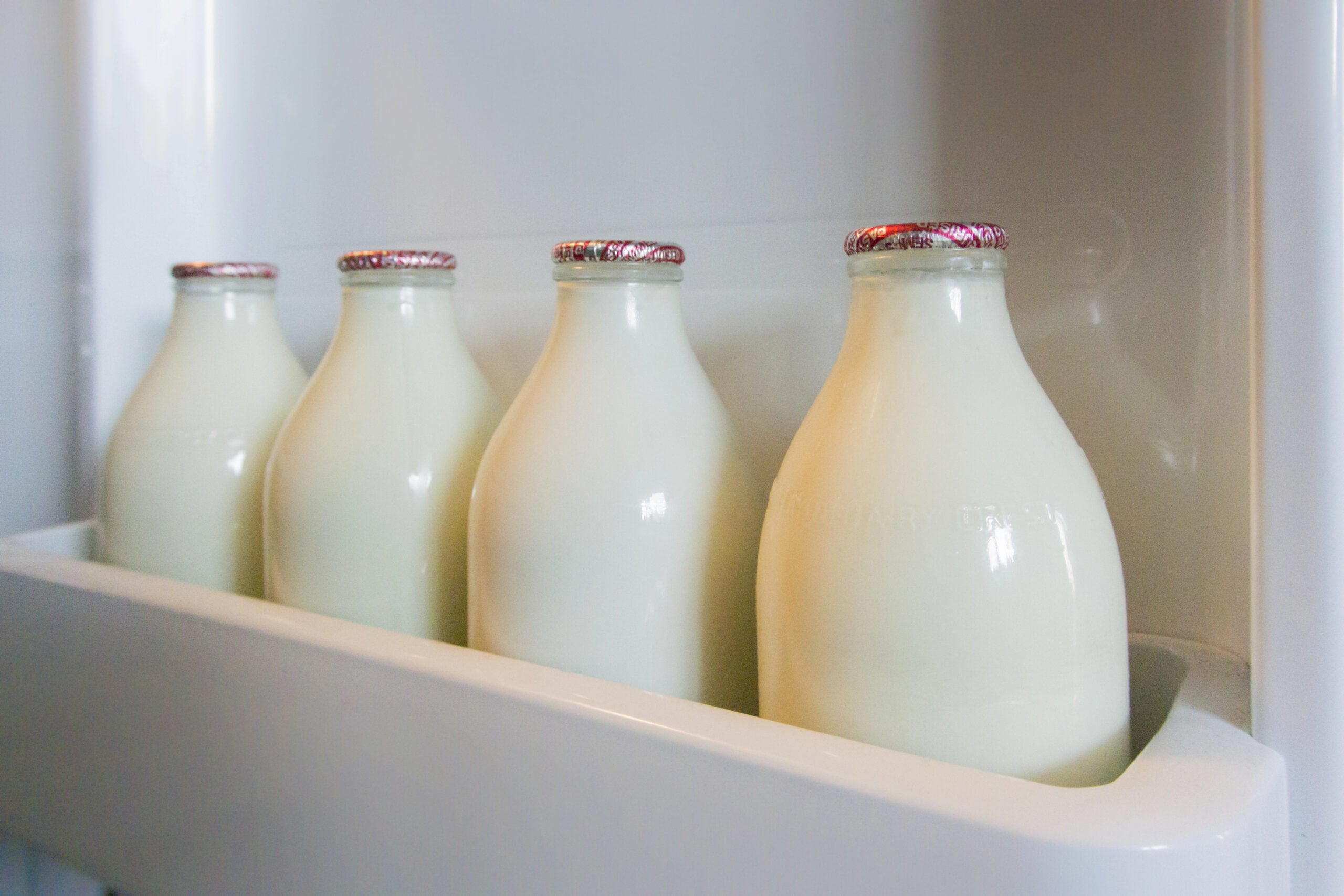
A bottle’s look changes depending on how it’s shown. Some keepers go for shelves, while others pick lit backgrounds or stable spots to highlight what they’ve collected.
A solid setup makes it easier to see the piece clearly – yet keeps it safe long-term.
Community and networks
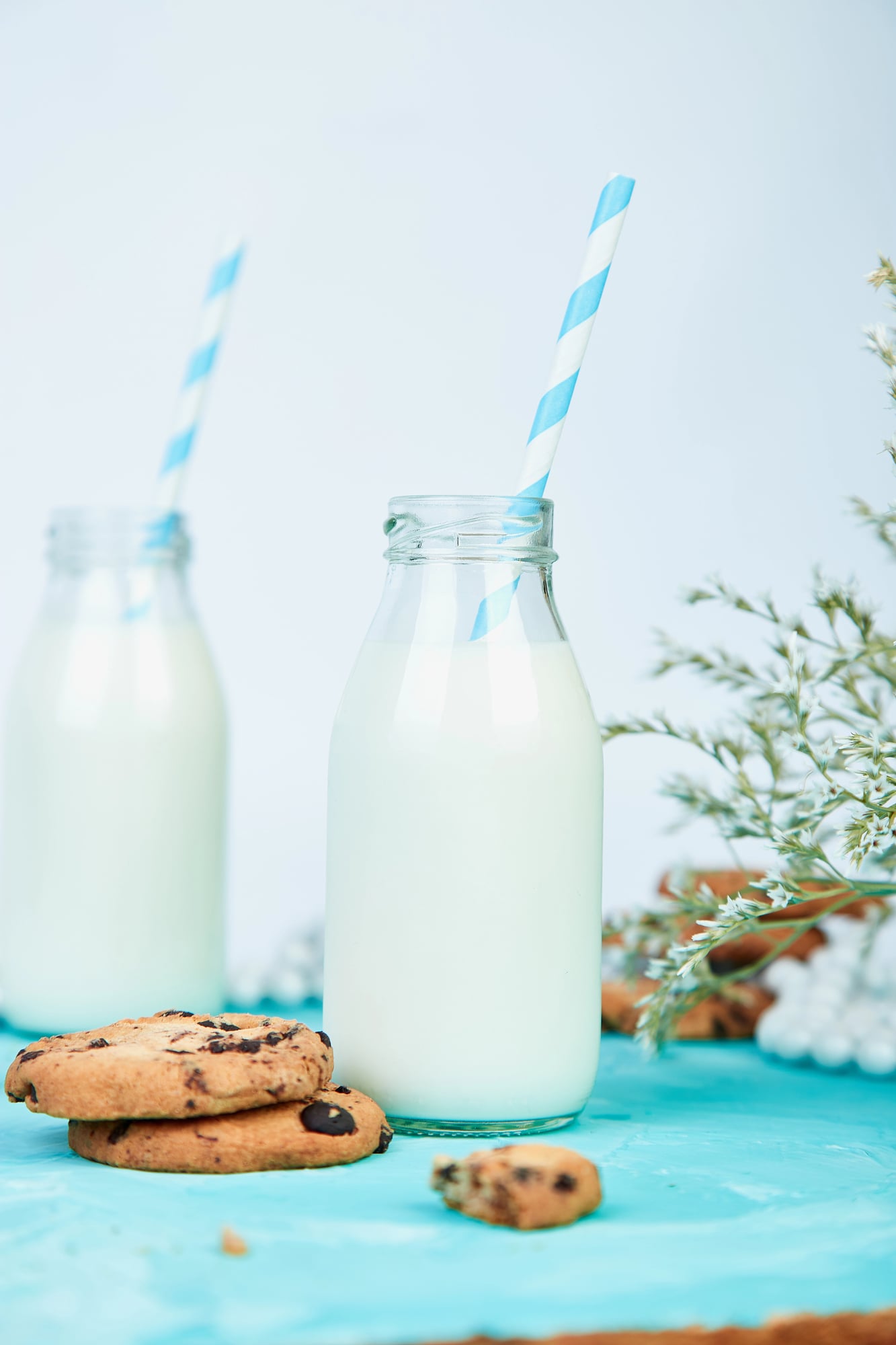
Milk bottle fans usually join groups or hit up events focused on old-time glassware. Through these circles, folks swap finds, figure out what they’ve got, or just chat about their latest score.
Hanging with others who care means the past sticks around – instead of gathering dust somewhere unseen.
Historical context

Every old milk jug links to big shifts – factories spreading, fridges becoming common, doorstep drop-offs, new ways to wrap goods. When glass bottles gave way to boxes and plastic jugs past the ’50s, it marked an end; now each worn container holds a snapshot of how things used to be.
Saving these items? It’s like holding onto scraps of everyday history.
Keeping a peek at what came before
These bottles aren’t just decoration. Yet they show snapshots of everyday routines, regional trade shifts, or how packaging evolved – details often forgotten.
By saving them, enthusiasts hold onto pieces of community, factory, and countryside stories. Every stamped milk brand, unusual cap, or strange form turns into a tiny exhibit by itself.
More from Go2Tutors!

- The Romanov Crown Jewels and Their Tragic Fate
- 13 Historical Mysteries That Science Still Can’t Solve
- Famous Hoaxes That Fooled the World for Years
- 15 Child Stars with Tragic Adult Lives
- 16 Famous Jewelry Pieces in History
Like Go2Tutors’s content? Follow us on MSN.