17 Lost Technologies We’re Trying to Recreate
Throughout history, humanity has achieved remarkable feats of engineering and craftsmanship that seem almost impossible by today’s standards. Wars, natural disasters, and the simple passage of time have erased the knowledge behind some of our most impressive achievements.
Modern scientists and engineers are working tirelessly to unlock these ancient secrets, often discovering that our ancestors were far more sophisticated than we ever imagined. Here’s a list of lost technologies that continue to puzzle researchers and inspire countless attempts at recreation.
Damascus Steel

The legendary Damascus steel produced blades so sharp they could slice through silk scarves, yet so strong they rarely broke in battle. Created primarily in the Middle East between 300 and 1700 CE, this steel contained distinctive watered patterns that flowed like liquid across the metal’s surface.
The secret died with its makers. Despite numerous attempts, modern metallurgists still can’t perfectly replicate the original process that gave Damascus steel its legendary properties.
Greek Fire

Byzantine forces wielded a terrifying naval weapon that could burn on water and couldn’t be extinguished by conventional means. This incendiary mixture was used from the 7th century onward, giving the Byzantine Empire a crucial military advantage in naval battles.
The exact formula remains one of history’s best-kept secrets, though modern chemists suspect it contained petroleum, quicklime, and sulfur in some unknown combination.
Like Go2Tutors’s content? Follow us on MSN.
Roman Concrete

Roman structures like the Pantheon and countless aqueducts have stood for nearly two thousand years. Modern concrete often crumbles within decades.
The Romans mixed volcanic ash called pozzolan with lime and seawater, creating a material that actually grew stronger over time. Scientists have identified the key ingredients, but the precise ratios and techniques that made Roman concrete so durable continue to elude modern engineers.
Stradivarius Violin Sound

Antonio Stradivari crafted violins in the late 1600s and early 1700s that produce a sound quality modern instrument makers struggle to match. These violins sell for millions of dollars today, not just because of their age, but because of their unparalleled acoustic properties.
Researchers have examined everything from the wood density to the varnish composition. The exact combination of factors that creates the Stradivarius sound remains elusive.
Antikythera Mechanism

This ancient Greek device, dating back to around 100 BCE, functioned as an incredibly sophisticated astronomical calculator. The bronze mechanism could predict eclipses, track celestial bodies, and calculate the timing of the Olympic Games decades in advance.
While researchers have recreated working models, the level of precision achieved by ancient craftsmen using only hand tools continues to amaze modern engineers.
Like Go2Tutors’s content? Follow us on MSN.
Japanese Samurai Sword Folding

The process of folding steel thousands of times to create katanas resulted in blades with exceptional sharpness and flexibility. Master swordsmiths passed down these techniques through generations, though many specific methods died out during Japan’s modernization period.
Modern attempts to recreate these folding patterns often fall short of achieving the perfect balance between hardness and flexibility that characterized the finest samurai blades.
Mayan Blue Pigment

The Maya created a brilliant blue pigment that’s remained vibrant for over a thousand years, resisting fading even under harsh tropical conditions. This remarkable paint adorned temples and murals throughout Mesoamerica.
The exact process for creating it was lost when Spanish colonization disrupted Mayan culture. Scientists know it involves indigo dye and a specific clay mineral, but the precise combination and heating process remain mysterious.
Library of Alexandria Organization

The ancient world’s greatest library developed a cataloging system that allowed scholars to efficiently locate texts among hundreds of thousands of scrolls. This system enabled researchers to cross-reference materials and conduct complex studies centuries before modern library science emerged.
The destruction of the library took with it not just the books, but also the sophisticated methods used to organize and preserve human knowledge.
Like Go2Tutors’s content? Follow us on MSN.
Viking Navigation Techniques
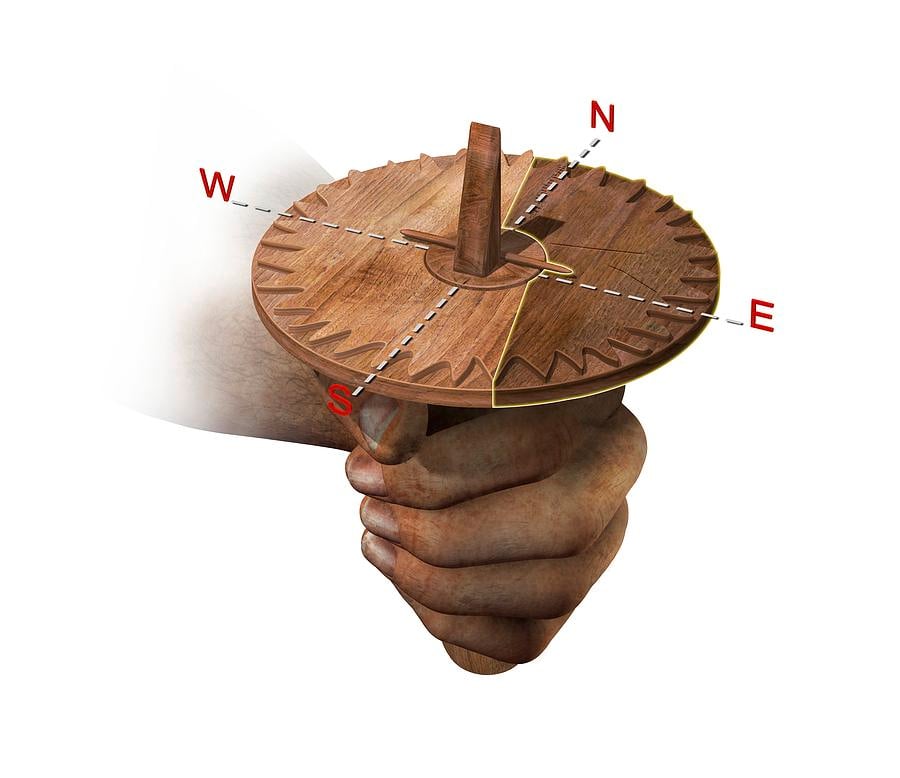
Norse seafarers crossed vast oceans without compasses, reaching North America centuries before Columbus. They used sunstones, which were special crystals that could locate the sun even through thick clouds, combined with detailed knowledge of ocean currents and bird migration patterns.
While historians understand the basic principles, the exact techniques that allowed Vikings to navigate with such precision across thousands of miles of open ocean remain partially lost.
Chinese Earthquake Detector
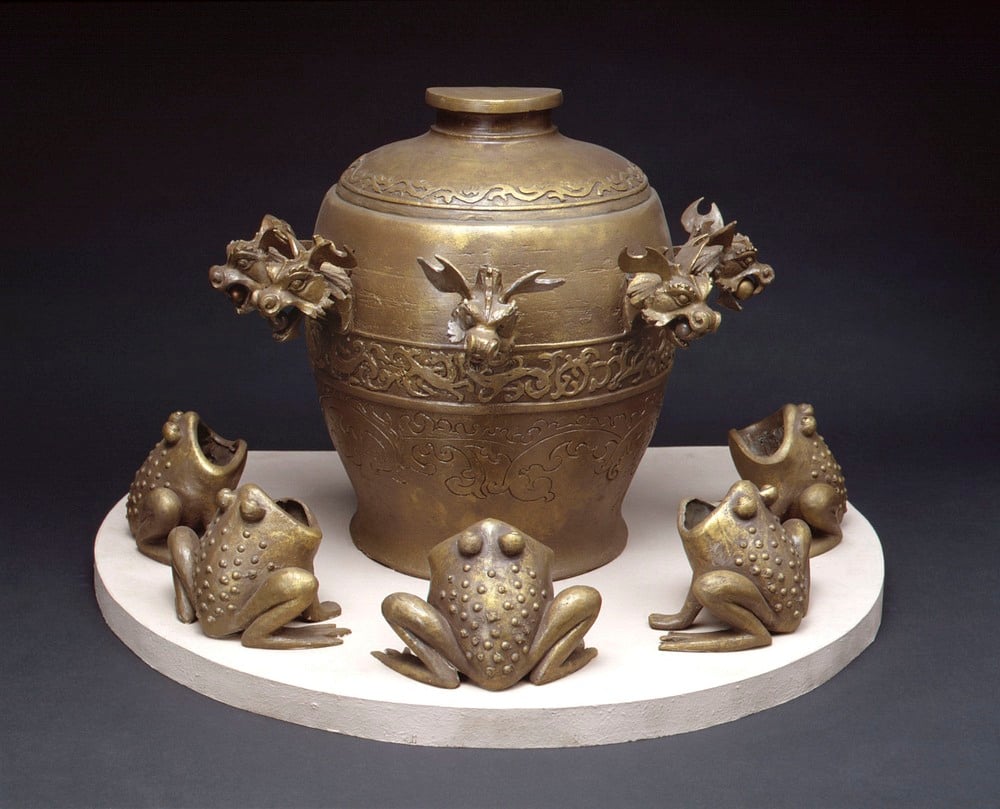
In 132 CE, Chinese inventor Zhang Heng created a device that could detect earthquakes from hundreds of miles away. This bronze invention featured dragons holding bronze orbs that would drop into the mouths of frogs below when seismic waves reached the device.
Modern seismologists have built reconstructions based on historical descriptions, yet none have matched the sensitivity and accuracy of the original.
Inca Stone Cutting
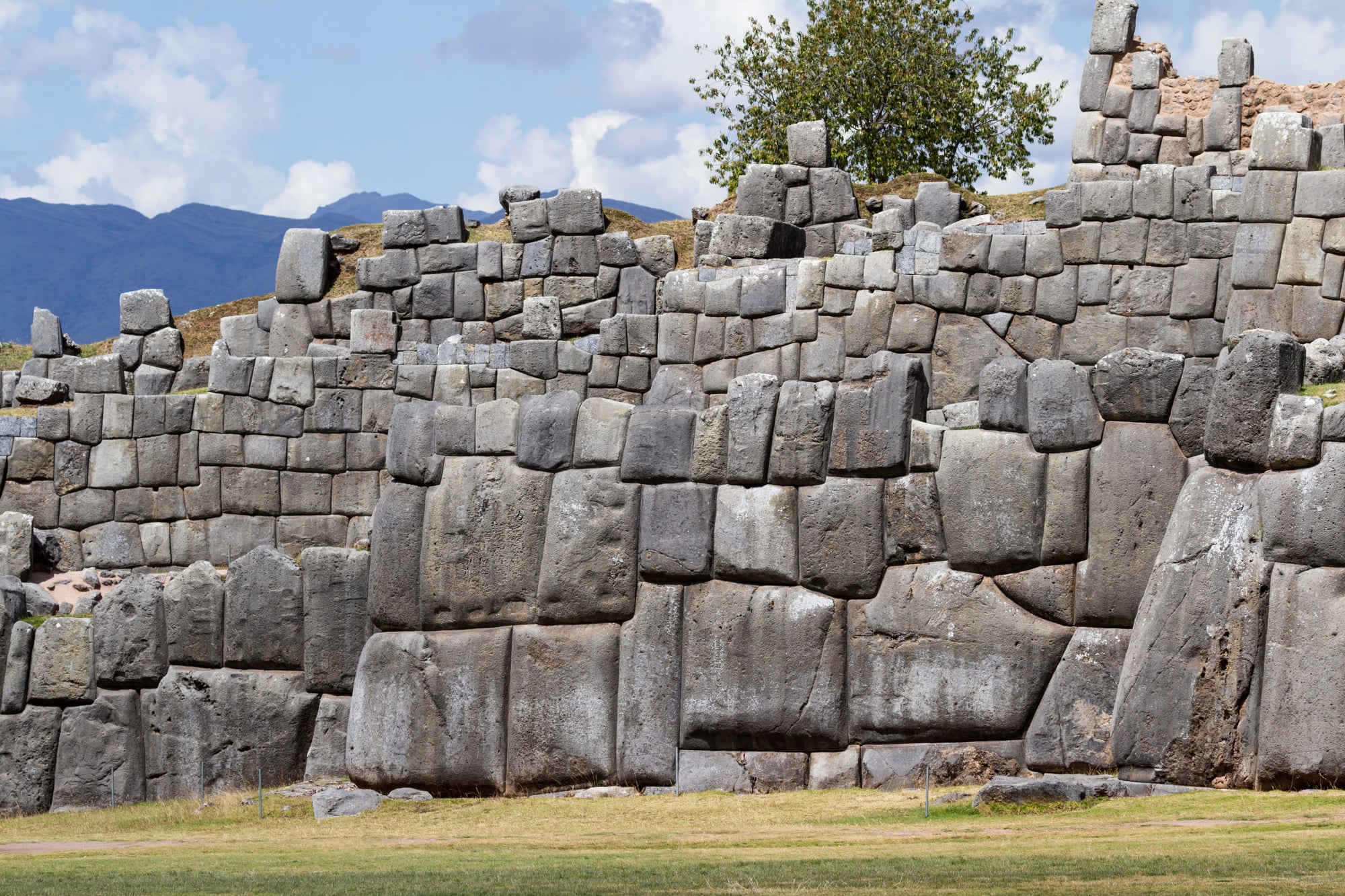
The Inca fitted massive stone blocks together so perfectly that not even a knife blade can slip between them, all without mortar or metal tools. These structures have survived centuries of earthquakes that toppled later Spanish colonial buildings.
Modern engineers with advanced machinery struggle to achieve the same level of precision that Inca masons accomplished using bronze tools and remarkable skill.
Like Go2Tutors’s content? Follow us on MSN.
Medieval Cathedral Acoustics
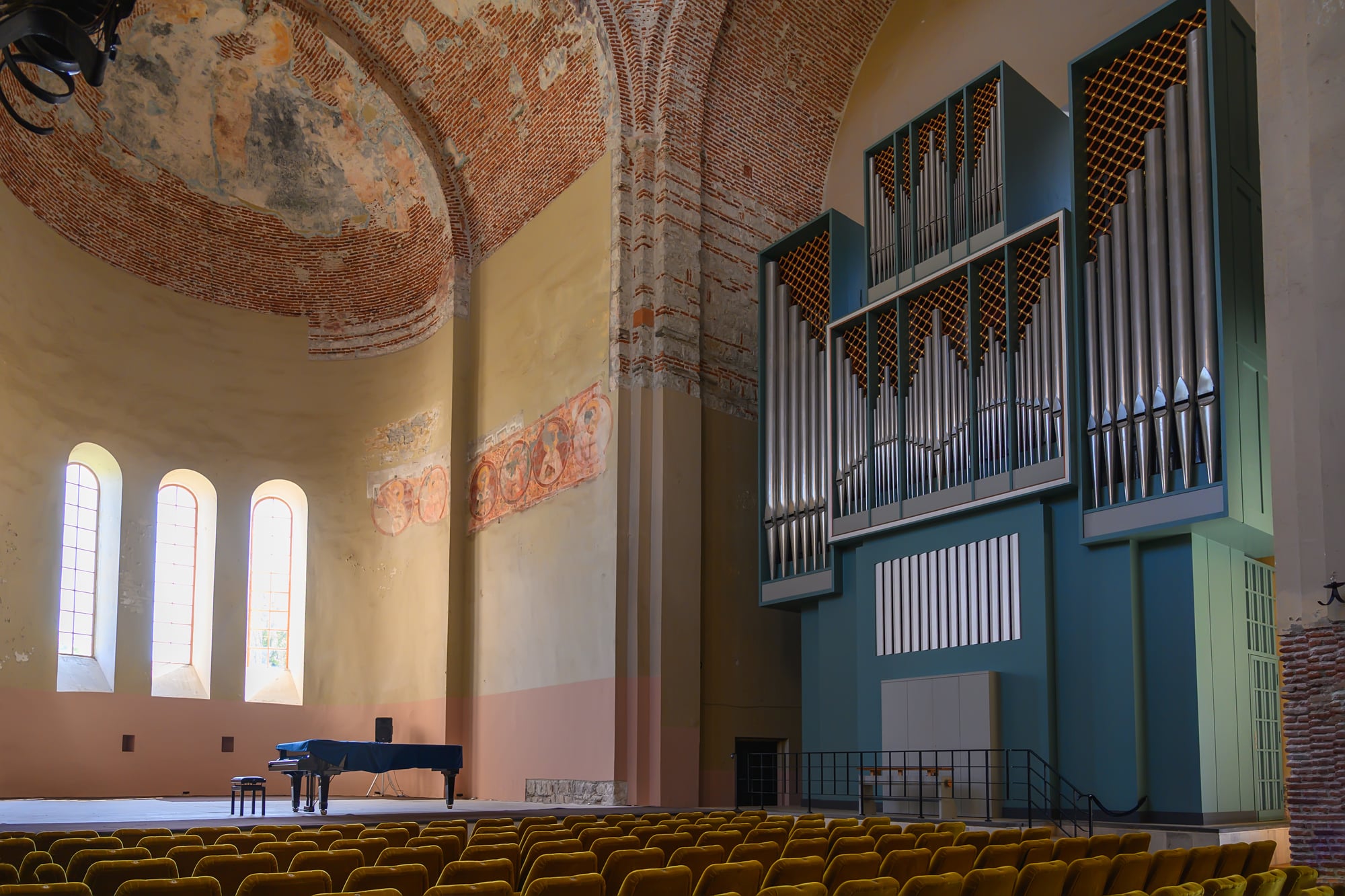
Gothic cathedrals were designed with acoustic properties that allowed a single voice to carry clearly throughout vast spaces without amplification. Master builders understood how stone placement, ceiling height, and architectural elements could shape sound waves.
While acoustic engineers can analyze these properties today, recreating the perfect balance of reverberation and clarity achieved in medieval cathedrals requires knowledge that was never written down.
Phoenician Purple Dye

The Phoenicians created a purple dye so valuable it was worth more than gold, reserved for royalty and the wealthy elite. This color came from thousands of murex shells, processed through techniques that died out when synthetic dyes replaced natural ones.
Modern attempts to recreate Tyrian purple using historical methods produce colors that are close but lack the depth and permanence that made the original so prized.
Renaissance Fresco Techniques

Renaissance masters like Michelangelo painted frescoes that have retained their brilliance for centuries by applying pigments to wet lime plaster. The timing and technique required perfect coordination between plaster preparation and paint application, skills that took years to master.
While art restoration experts understand the basic process, achieving the seamless blending and lasting quality of Renaissance frescoes remains incredibly challenging.
Like Go2Tutors’s content? Follow us on MSN.
Ancient Batteries
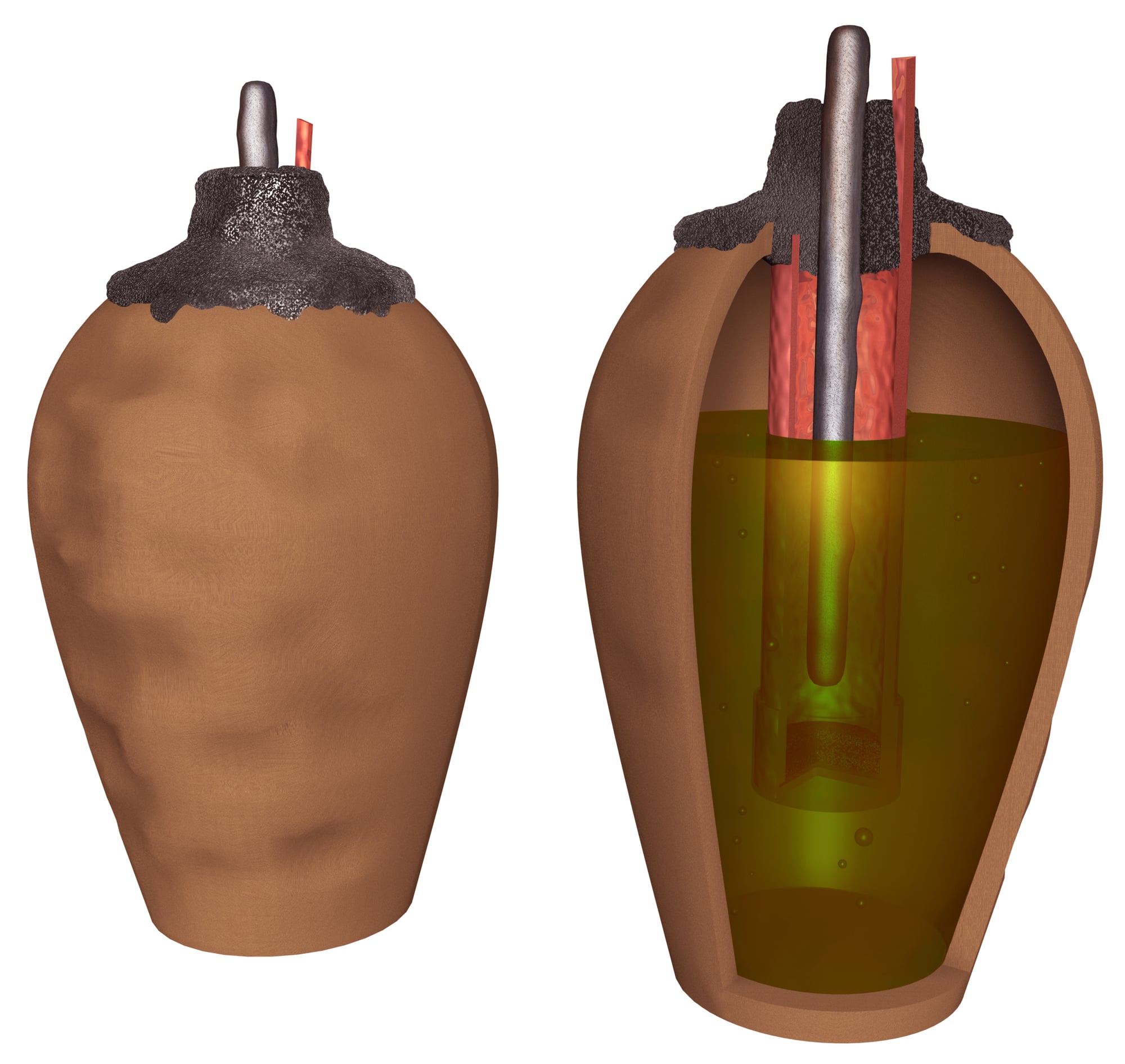
The Baghdad Battery, a clay jar containing copper cylinders and iron rods dating to around 250 BCE, may have generated small amounts of electricity. If these were indeed batteries, they represent electrical knowledge that wouldn’t be rediscovered until the 18th century.
Replicas can produce weak electrical currents, though the original purpose and the full extent of ancient electrical knowledge remain hotly debated among archaeologists.
Silk Road Preservation Methods

Merchants traveling the Silk Road developed techniques for preserving food and goods during journeys lasting months across harsh deserts and mountains. These methods kept delicate items like silk fabrics and exotic spices in perfect condition despite extreme temperature changes and humidity.
While some preservation techniques survived, the complete system that enabled successful long-distance trade across such challenging terrain was never fully documented.
Mayan Calendar Precision
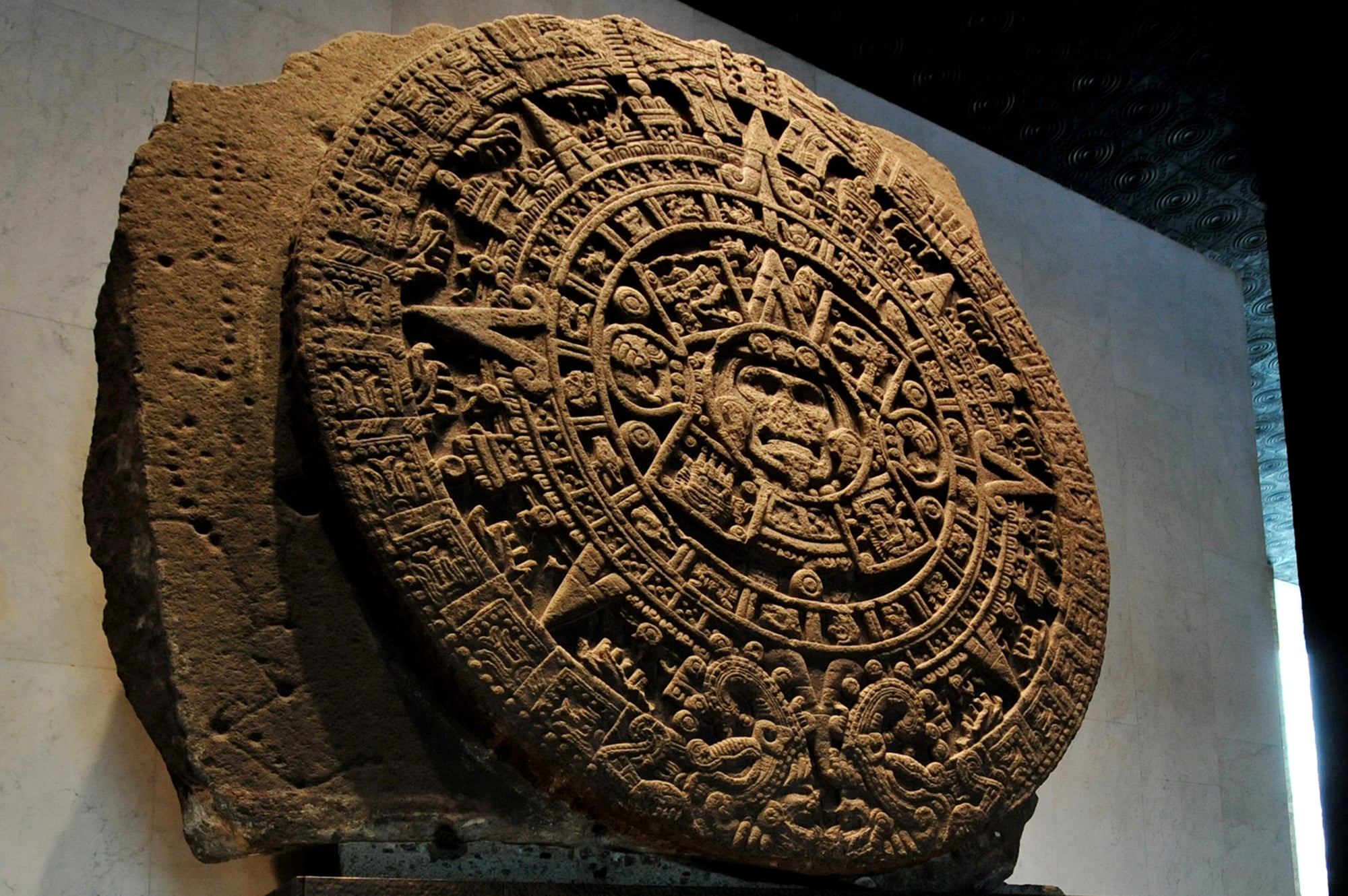
The Maya calculated astronomical cycles with accuracy that rivals modern computers, creating calendars that tracked Venus, Mars, and lunar eclipses with remarkable precision. Their understanding of mathematics and astronomy allowed them to predict celestial events thousands of years into the future.
While researchers have decoded much of the Mayan calendar system, the complete knowledge that enabled such precise calculations without telescopes or advanced mathematics remains partially lost.
Like Go2Tutors’s content? Follow us on MSN.
The Thread That Connects Past and Future

These lost technologies remind us that innovation isn’t always about moving forward. Sometimes it’s about rediscovering wisdom from the past.
Each failed attempt to recreate these ancient achievements teaches modern researchers something new about materials science, engineering, and human ingenuity. The pursuit of these lost arts continues to drive scientific advancement, proving that our ancestors still have much to teach us about solving complex problems with elegant solutions.
More from Go2Tutors!

- 18 Unexpectedly Valuable Collectibles You Might Have Lying Around
- 20 Little-Known Historical Battles That Had Huge Consequences
- 20 Historical Artifacts That Scientists Can’t Explain
- 15 Inventions That Were Immediately Banned After Being Created
- 20 Actors Who Were Almost Cast in Iconic Roles
Like Go2Tutors’s content? Follow us on MSN.