15 Board Games Older Than You Think
Board games have been bringing people together for thousands of years, yet many of us have no idea just how ancient our favorite pastimes really are. That game of chess you played last weekend? It’s been around for over 1,400 years. Those checkers gathering dust in your closet trace their roots back 5,000 years to ancient Mesopotamia. Even seemingly modern classics like Monopoly have been entertaining families for over a century, though most people assume they’re much newer inventions.
The history of board games reveals a fascinating timeline that stretches back to the dawn of civilization itself. From ancient Egyptian tombs to medieval European courts, humans have always found ways to compete, strategize, and have fun with simple boards and pieces. Here is a list of 15 board games older than you think.
Senet

This ancient Egyptian game is the granddaddy of all board games, dating back an incredible 5,500 years to around 3500 BCE. Archaeologists have found Senet boards in pharaohs’ tombs, including four complete sets buried with King Tutankhamun for his journey to the afterlife.
What started as simple entertainment evolved into a spiritual experience, with later versions featuring hieroglyphics that represented the challenges souls faced in the underworld.
Royal Game of Ur

Discovered in the royal cemetery of ancient Mesopotamia, this game is roughly 4,600 years old and represents the oldest playable board game with known rules. British Museum curator Irving Finkel actually deciphered the rules from a 2,000-year-old cuneiform tablet, revealing a racing game similar to backgammon.
The elaborate boards were highly decorated with shell and lapis lazuli, showing just how prized this game was among ancient royalty.
Like Go2Tutors’s content? Follow us on MSN.
Go

While most people know Go as a complex strategy game from East Asia, few realize it’s been played for over 3,000 years. Originally called Weiqi in China, this territorial conquest game was considered one of the four essential arts that Chinese scholars had to master.
The game’s simple rules hide incredible depth — even today’s most powerful computers struggle to beat top human players consistently.
Backgammon

Though it feels like a casino game from modern times, backgammon actually traces its origins back 5,000 years to ancient Persia and Mesopotamia. The game was so popular throughout history that archaeologists have found boards carved into Roman buildings and even discovered a set among the belongings of officers on the sunken Swedish warship Vasa from 1628.
By the Middle Ages, it had spread across Europe under various names like ‘Tables’ in England.
Checkers
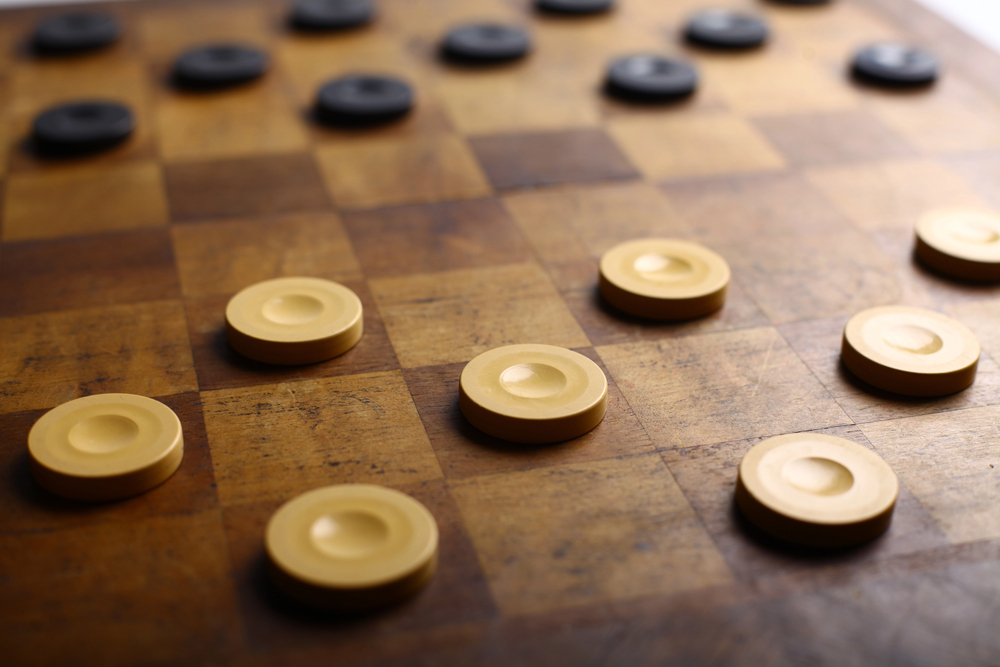
Most people assume checkers is a relatively simple, modern game, yet it’s actually one of the oldest board games still played today. Archaeological evidence places its origins around 3000 BCE in ancient Mesopotamia, and the game was mentioned in the works of both Homer and Plato.
The ancient Egyptians played a version called Alquerque around 1400 BCE, which used rules remarkably similar to modern checkers.
Like Go2Tutors’s content? Follow us on MSN.
Mancala
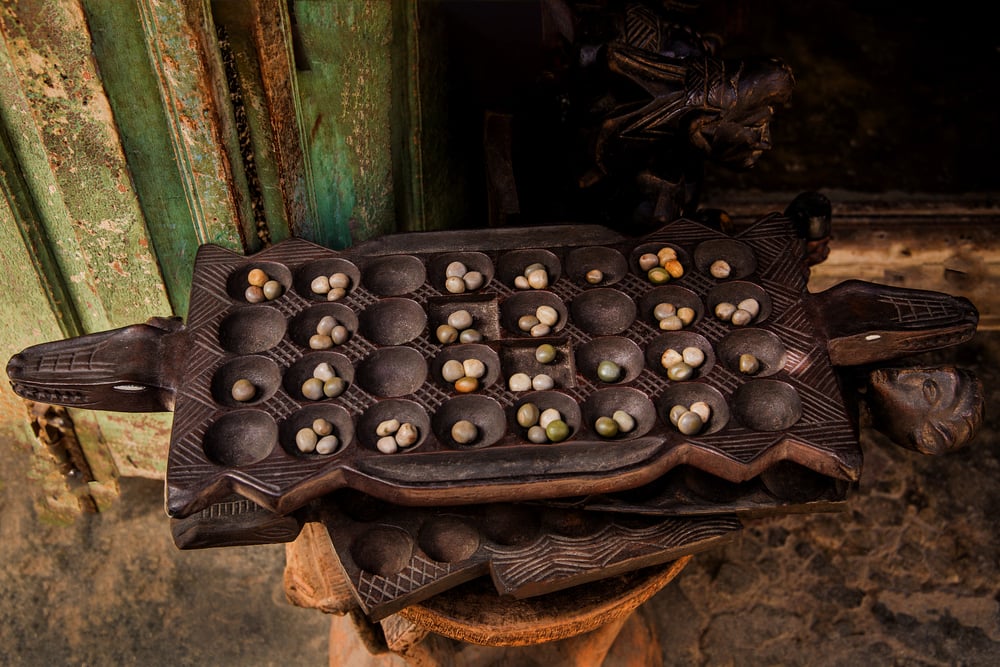
This family of seed-counting games might look exotic, yet variants have been played for nearly 2,000 years across Africa, Asia, and the Middle East. The oldest known mancala board was discovered in a Roman bathhouse in Israel dating to the 2nd or 3rd century CE.
Today, hundreds of different versions exist worldwide, from Owari in West Africa to Pallankuzhi in southern India, making it one of the most widespread ancient games still actively played.
Nine Men’s Morris

This strategic game is so ancient that nobody knows exactly when or where it originated, though boards have been found carved into Egyptian temple roofing slabs from around 1400 BCE. The game was incredibly popular in medieval Europe, earning mentions in Shakespeare’s ‘A Midsummer Night’s Dream’ and appearing on carved boards in monasteries across the continent.
Players compete to form ‘mills’ (rows of three pieces) while trying to block their opponent’s moves.
Chess
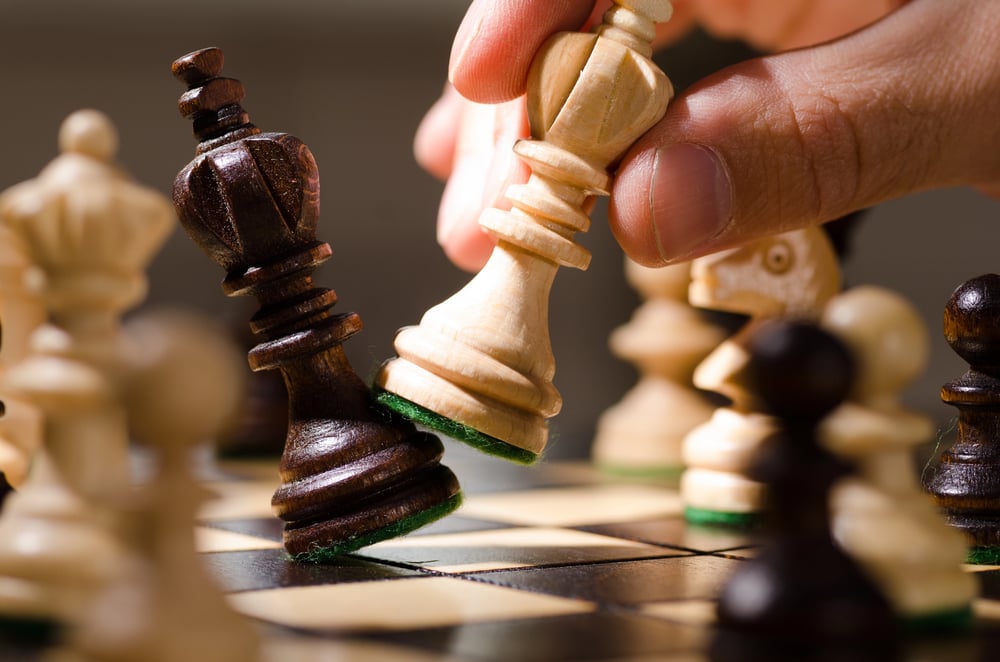
While everyone knows chess is old, most people are surprised to learn it’s been around for over 1,400 years. The game originated in 6th century India as Chaturanga, featuring four military divisions that evolved into today’s pawns, knights, bishops, and rooks.
The modern version we know took shape in 15th century Europe, where the queen became the most powerful piece — coinciding with the rise of influential female monarchs like Isabella of Castile.
Like Go2Tutors’s content? Follow us on MSN.
Ludus Latrunculorum

This ancient Roman strategy game, whose name translates to ‘Game of Mercenaries,’ was essentially the chess of the Roman Empire. Played by legions throughout the empire, it combined elements of modern chess and checkers in military-themed gameplay.
Archaeological evidence shows the game was popular from Britain to North Africa, though the exact rules have been lost to time and must be reconstructed from ancient references.
Hnefatafl
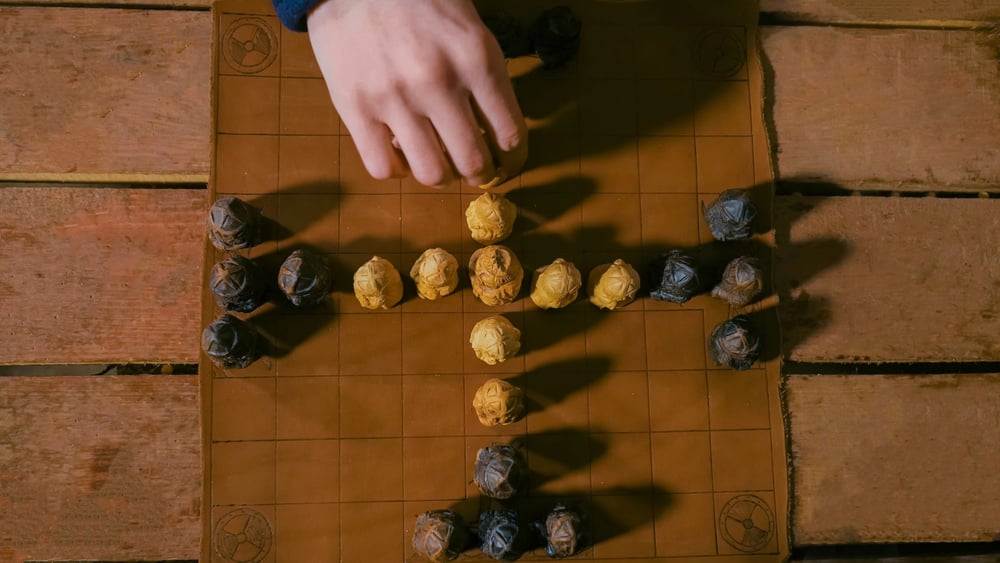
Vikings weren’t just warriors — they were also serious gamers who played this asymmetrical strategy game across Scandinavia, Iceland, and Scotland. Dating back over 1,000 years, Hnefatafl featured unequal sides, with one player defending a king while the other commanded a larger attacking force.
The game was so popular that it only declined when chess arrived in Northern Europe, offering similar strategic depth with more standardized rules.
Patolli
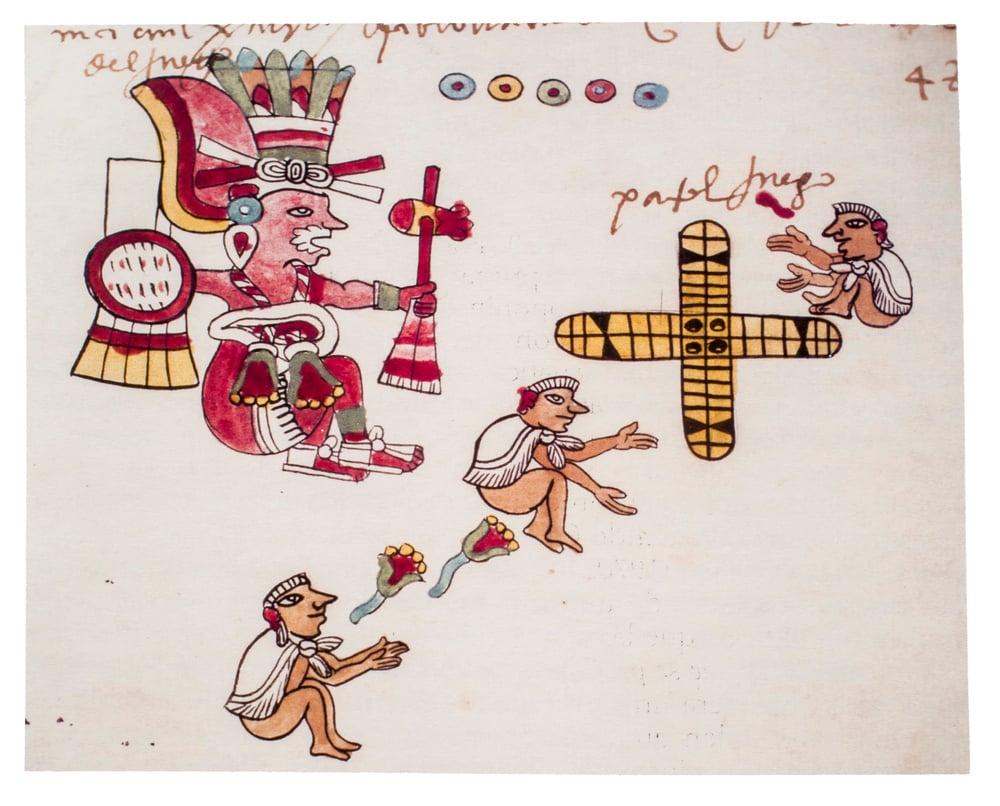
This ancient Mesoamerican game was played by the Aztecs, Mayans, and other pre-Columbian civilizations for over 2,000 years. Unlike most ancient board games, Patolli had a significant gambling element, with players betting valuable goods on the outcome.
The cross-shaped board represented the four directions of the universe, and the game held religious significance beyond mere entertainment.
Like Go2Tutors’s content? Follow us on MSN.
Pachisi

Often called the national game of India, Pachisi has been played for at least 1,500 years and served as the inspiration for the modern game Parcheesi. Mughal Emperor Akbar famously played the game on giant courtyard boards using palace servants as living game pieces.
The game’s name comes from the Hindi word for twenty-five, the highest score possible on a single throw of the cowrie shells used as dice.
Monopoly

Most people think Monopoly was invented in the 1930s during the Great Depression, yet its true origins stretch back to 1903 when Elizabeth Magie created ‘The Landlord’s Game.’ Magie designed it as an educational tool to demonstrate the problems with land monopolies and wealth concentration.
The game evolved through various versions over three decades before Charles Darrow popularized the version that Parker Brothers bought in 1935.
Scrabble

While Scrabble feels like a product of the mid-20th century word game boom, it actually dates back to 1938 when Alfred Mosher Butts first created it. Originally called ‘Lexiko’ and later ‘Criss Cross Words,’ the game took over a decade to gain commercial success.
Butts spent years analyzing letter frequency in newspapers to determine how many tiles each letter should have, creating the scoring system that millions still use today.
Like Go2Tutors’s content? Follow us on MSN.
Cluedo

Known as Clue in North America, this murder mystery game seems like a modern creation, yet it was actually invented in 1943 by Anthony Pratt during World War II air raid blackouts in England. Pratt drew inspiration from murder mystery dinner parties popular in the 1930s, creating a game where players deduce who committed a crime, where, and with what weapon.
The game wasn’t published until 1949 due to wartime material shortages, but it quickly became a worldwide phenomenon.
Games That Outlast Empires

These 15 games prove that good gameplay transcends time, culture, and technology. While empires have risen and fallen, languages have evolved, and entire civilizations have disappeared, people are still moving pieces around boards according to rules established thousands of years ago.
The ancient Egyptians who played Senet in their tombs, the Roman soldiers who strategized over Ludus Latrunculorum, and the medieval monks who carved Nine Men’s Morris boards into monastery walls all shared the same fundamental human desire for competition, strategy, and fun. Today’s digital age hasn’t diminished our love for these analog experiences — if anything, it’s made us appreciate the timeless appeal of gathering around a board with friends and family, just as humans have done for millennia.
More from Go2Tutors!

- 16 Historical Figures Who Were Nothing Like You Think
- 12 Things Sold in the 80s That Are Now Illegal
- 15 VHS Tapes That Could Be Worth Thousands
- 17 Historical “What Ifs” That Would Have Changed Everything
- 18 TV Shows That Vanished Without a Finale
Like Go2Tutors’s content? Follow us on MSN.