Puppet Show Characters That Stole Our Hearts
There’s something about felt and foam brought to life by a skilled performer that hits differently than any CGI creation ever could. Puppet characters have this unusual ability to feel more authentic than actual people sometimes—maybe because they wear their emotions so openly, or perhaps because there’s a visible human making them move and speak.
Whatever the reason, certain puppet characters have lodged themselves so deeply in collective memory that they’ve become part of the cultural furniture. Here’s a look at the puppet characters who became more than just entertainment.
Kermit the Frog
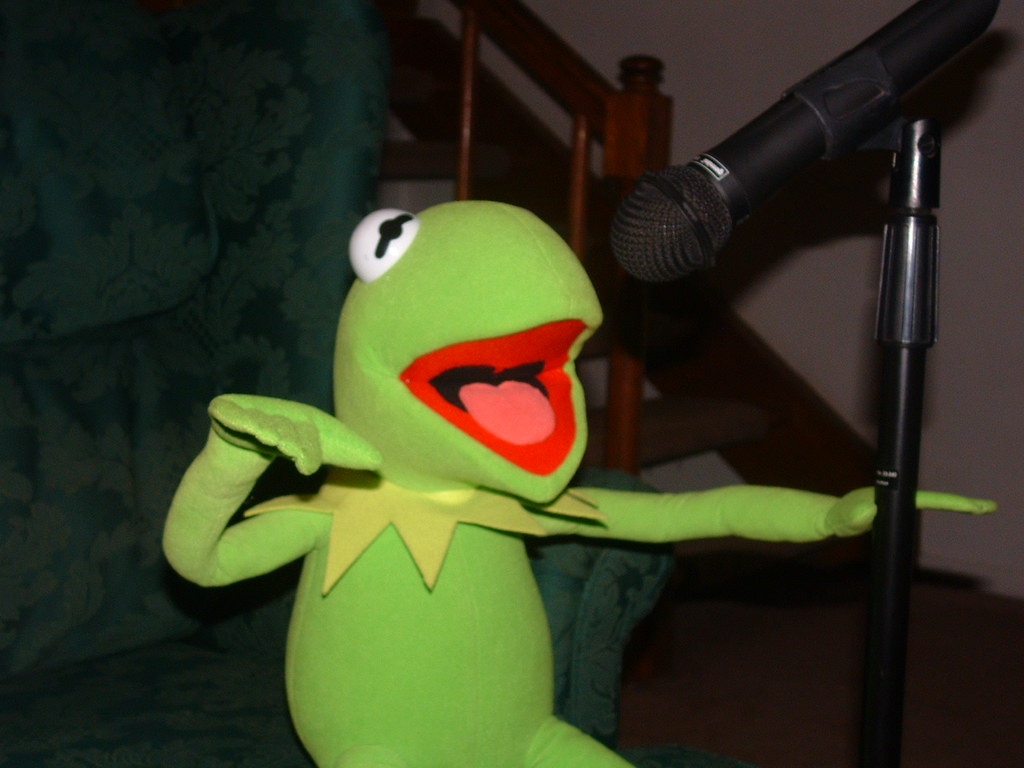
Starting anywhere else would feel wrong. Kermit debuted in 1955 and became the face of the Muppets—not because he was the funniest or the loudest, but because he was the straight man holding everything together. Jim Henson’s creation had this everyman quality that made him relatable even though he was, well, a frog.
His relationship with Miss Piggy gave audiences one of television’s most iconic (and dysfunctional) romances, while his rendition of “Rainbow Connection” remains one of those songs that sneaks up emotionally when least expected. Kermit managed to be wholesome without becoming saccharine, which is considerably harder than it looks.
Big Bird
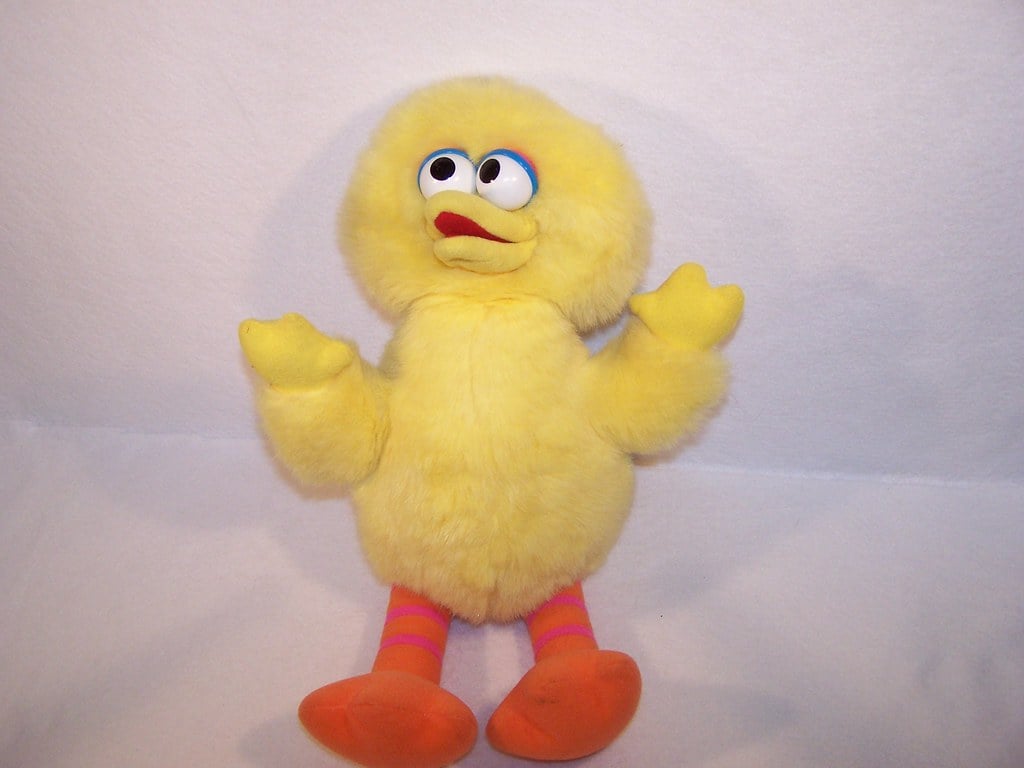
Standing eight feet two inches tall with bright yellow feathers, Big Bird shouldn’t work as a character children relate to. Somehow he does, though. Caroll Spinney brought him to life on Sesame Street starting in 1969, playing him as a six-year-old learning about the world alongside the show’s young viewers.
Big Bird asked the questions kids actually wanted to ask—made the mistakes they made, and processed emotions in real time. The 1983 TV movie “Follow That Bird” showed his vulnerability when he got separated from Sesame Street, and suddenly this giant yellow creature felt incredibly small and human.
Oscar the Grouch
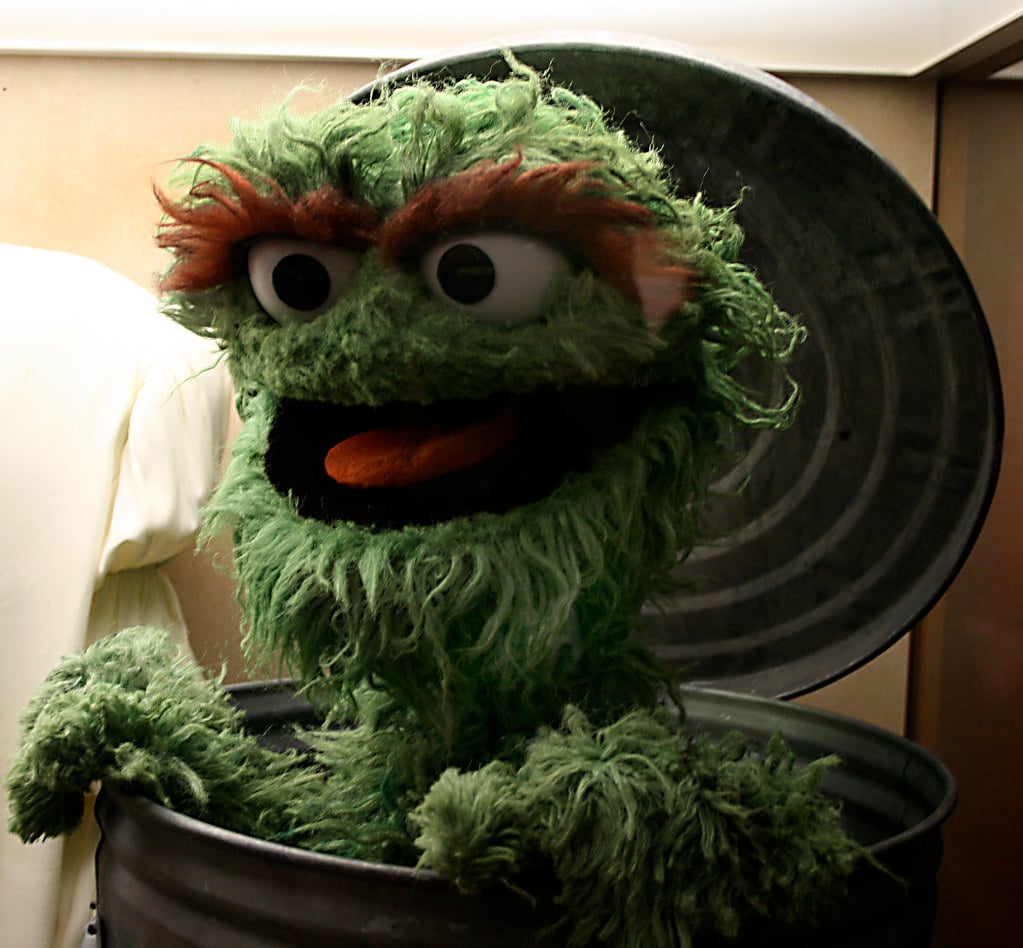
Living in a trash can while embracing a lifestyle of deliberate grumpiness, Oscar was Sesame Street’s gift to every kid who woke up on the wrong side of the bed. Bruno Mars once said Oscar was his favorite character growing up, which tracks—there’s something oddly comforting about a character who doesn’t pretend to be happy all the time.
Oscar taught audiences that different personalities exist and that’s perfectly acceptable. Not everyone needs to be cheerful and cooperative every moment of every day. Sometimes staying in a trash can and complaining about things feels right, and Oscar validated that feeling.
Cookie Monster
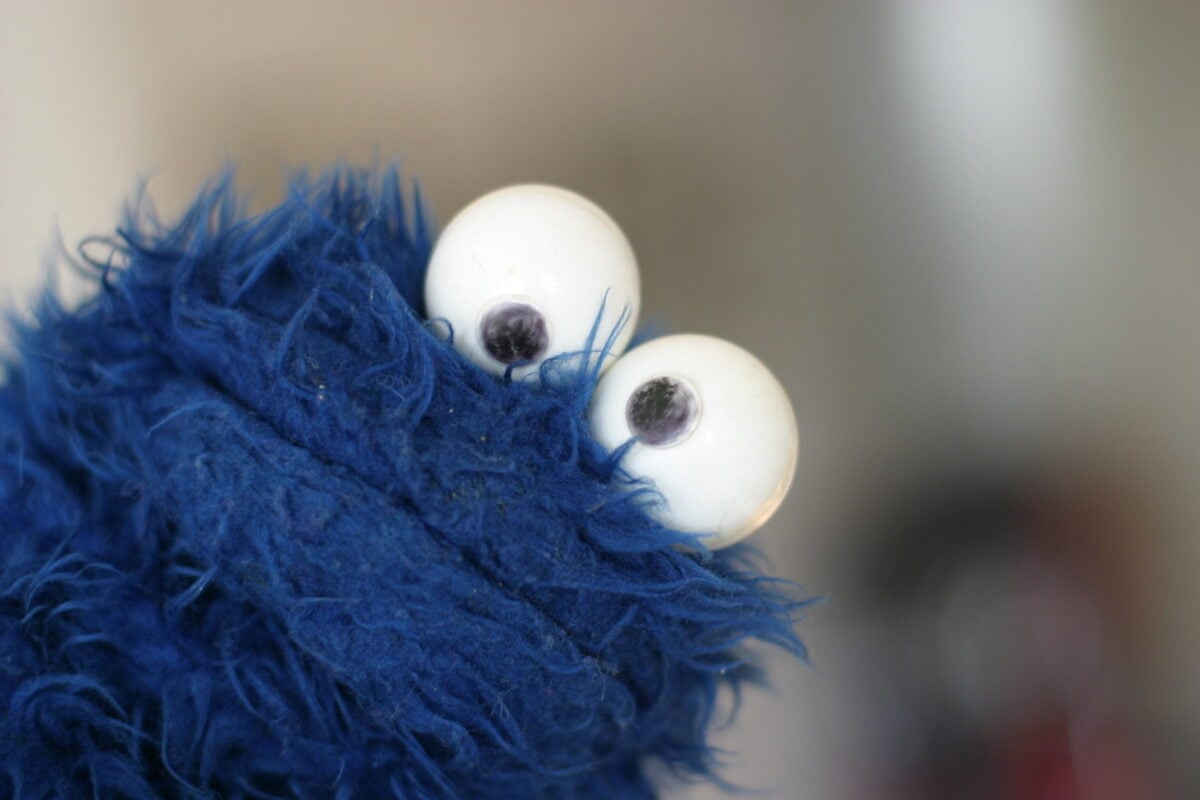
Before anyone obsessed about food on social media, Cookie Monster was out here making gluttony look adorable. His lack of self-control around baked goods became legendary, yet what made him endearing was the pure joy he found in those cookies.
No guilt, no second thoughts—just complete commitment to the moment. In later years, the show tried to rebrand him as someone who practiced moderation (“cookies are sometimes food”), which felt like watching a fun uncle suddenly start talking about his fiber intake. The original Cookie Monster, who would eat anything vaguely cookie-shaped including the letter of the day, captured something primal about desire that resonated with kids and adults alike.
Elmo
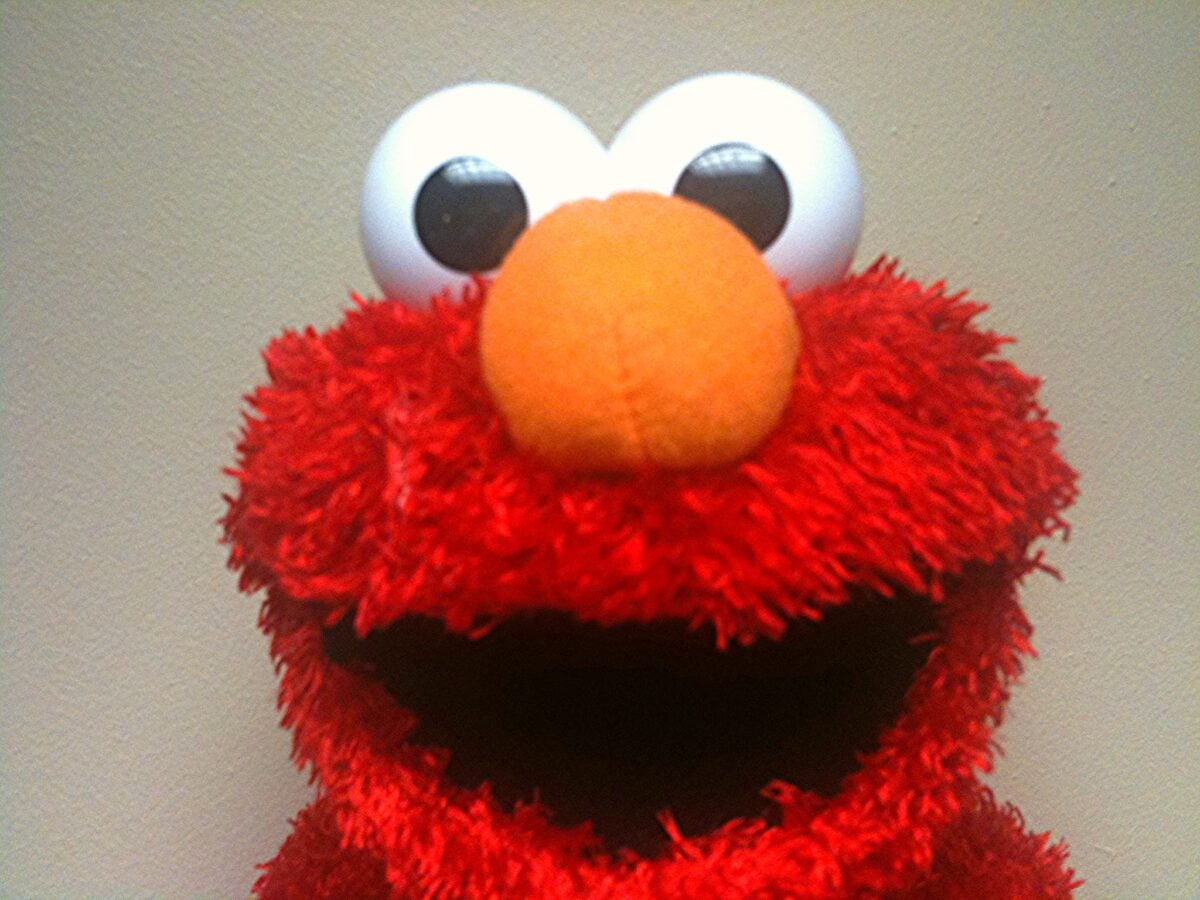
Elmo became Sesame Street’s breakout star in the 1980s and 1990s, speaking in third person and maintaining an enthusiasm level that would exhaust most people. Kevin Clash’s performance gave Elmo this infectious energy that made him a merchandising phenomenon.
The “Tickle Me Elmo” craze of 1996 saw parents literally fighting in stores to get one. Some find Elmo annoying, which is fair enough—that falsetto voice and relentless positivity aren’t for everyone.
Still, millions of kids saw themselves in this little red monster who approached everything with wonder and curiosity. His “Elmo’s World” segment became so popular it basically took over a chunk of the show.
Lamb Chop
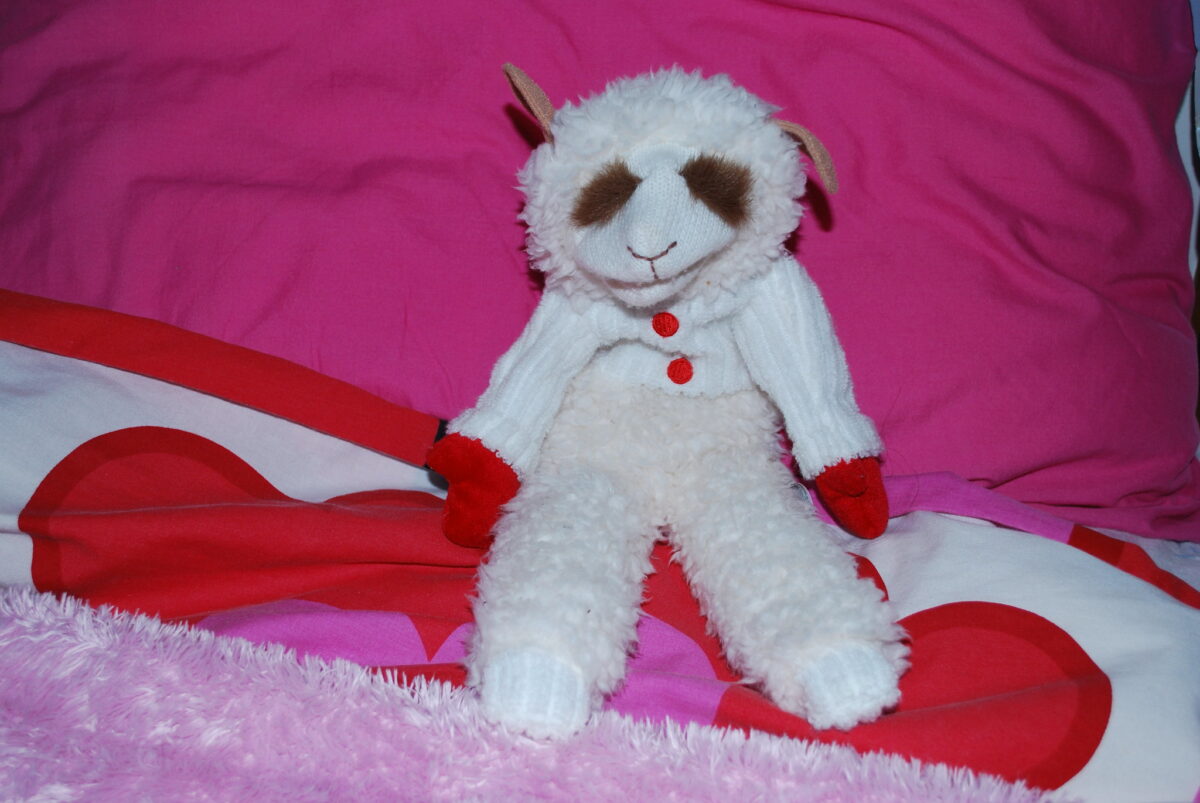
Shari Lewis and her sock puppet with the distinctive Southern accent formed one of television’s most successful puppet-puppeteer partnerships. Lamb Chop had this precocious quality—clever but never mean-spirited, curious yet not obnoxious.
The character appeared on various shows from 1957 through the 1990s, outlasting many more elaborate puppet productions. That song “The Song That Doesn’t End” became both beloved and despised by parents everywhere, which is arguably the mark of true cultural penetration.
Lamb Chop felt like the smart kid in class who somehow remained likable.
Grover
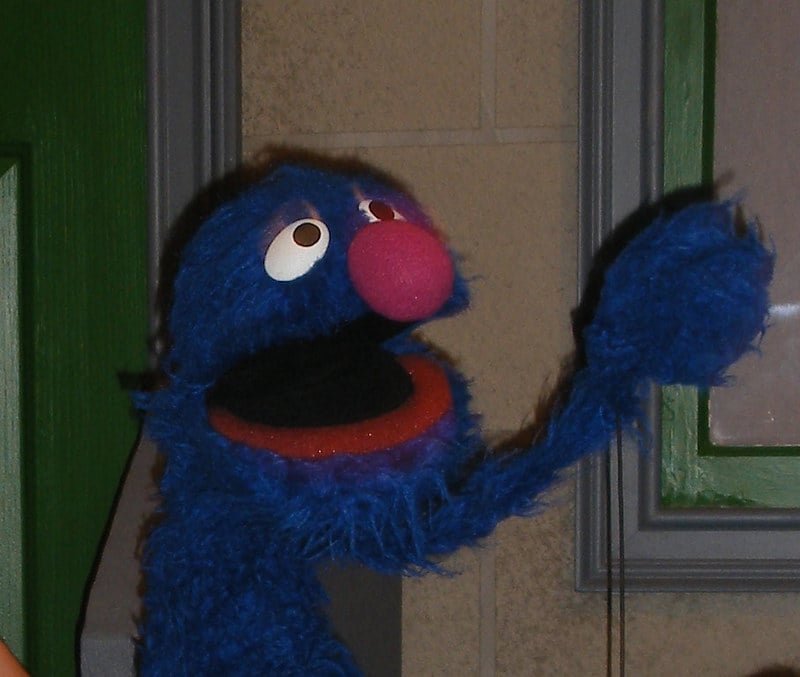
Grover occupies this strange space between lovable and chaotic. As Super Grover, he tried to be a hero despite being completely incompetent at it.
As a waiter at Charlie’s Restaurant, he exhausted everyone around him with his frantic energy. Frank Oz gave Grover this breathless, overeager quality that made him feel like a puppy who hasn’t learned to control his excitement.
The “Near and Far” sketches where he ran back and forth demonstrated physical comedy that didn’t need words. Grover tried so hard at everything that rooting for him felt inevitable, even when he predictably messed up.
The Count von Count
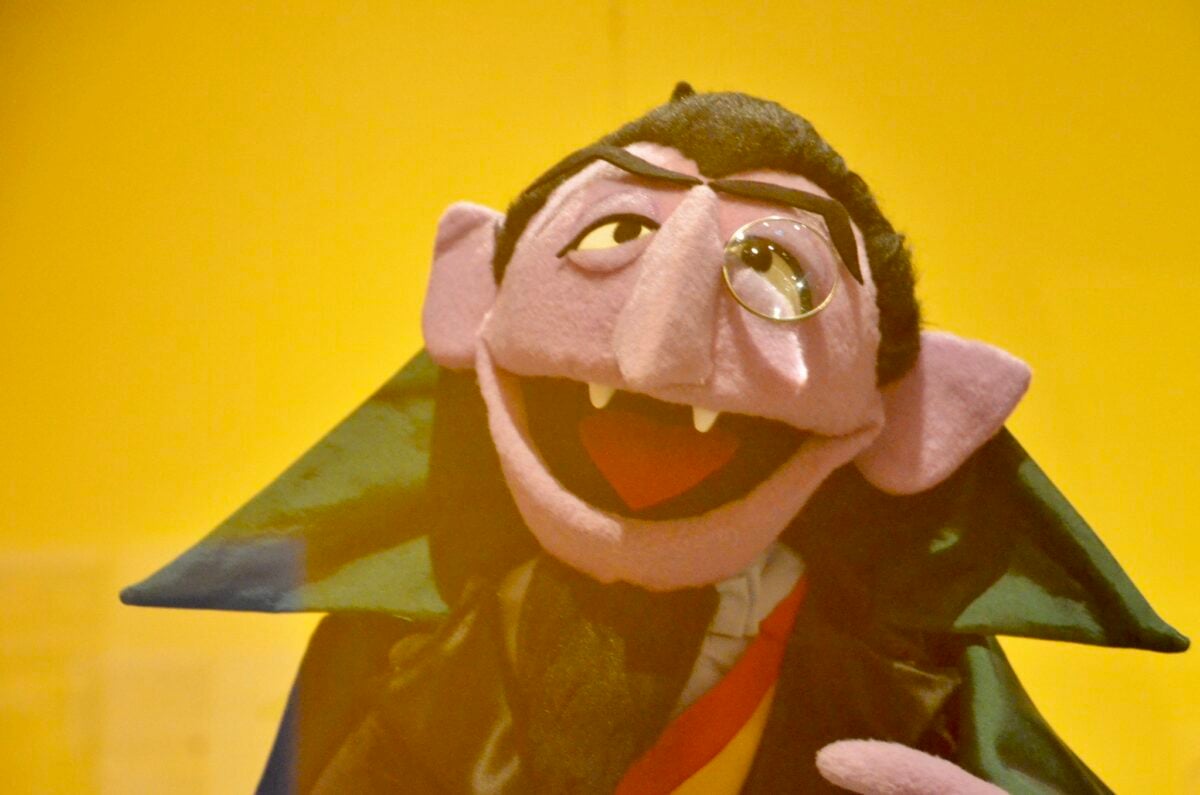
A vampire who loves counting more than blood—that’s the whole joke, and somehow it never gets old. The Count appeared on Sesame Street starting in 1972, introducing kids to numbers through this Transylvanian aristocrat who found genuine ecstasy in enumeration.
That “Ah ah ah” laugh after counting became instantly recognizable. J. Nelson voiced him with this thick accent that leaned into the Bela Lugosi inspiration without becoming mockery. The Count proved a classic horror character could be transformed into something not just kid-friendly but genuinely educational.
Thunder and lightning accompanied his counting sessions, maintaining just enough spooky atmosphere to keep things interesting.
Miss Piggy
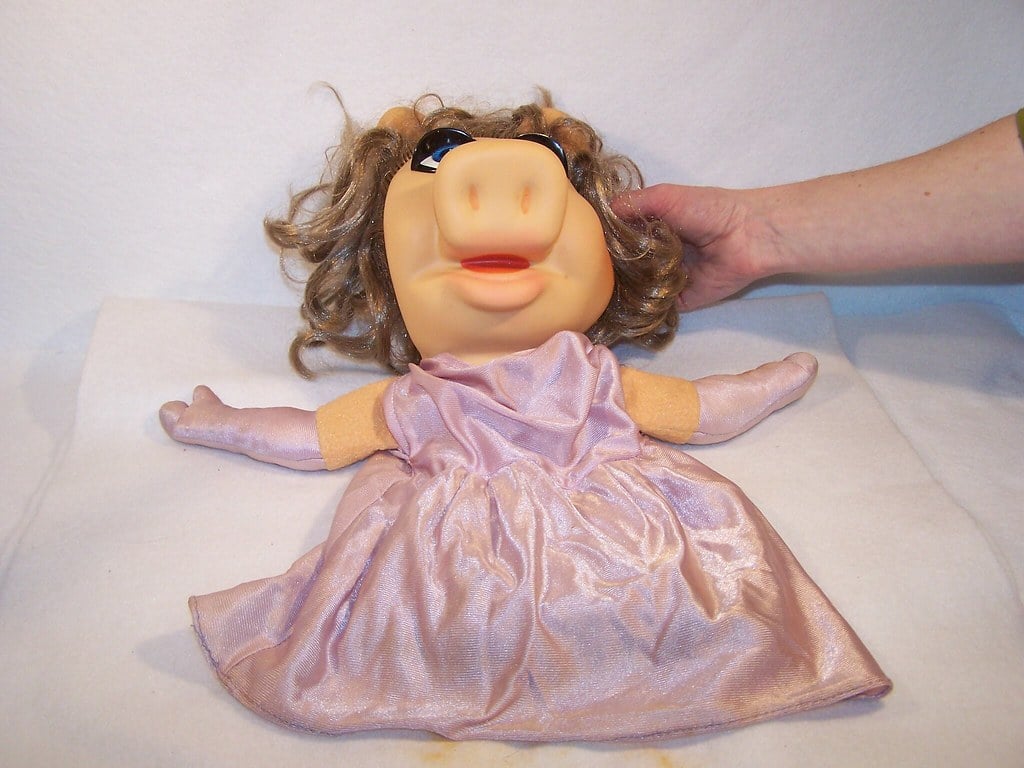
Diva, karate expert, and Kermit’s on-again-off-again flame—Miss Piggy brought glamour and chaos to the Muppets in equal measure. Frank Oz created a character who was simultaneously a parody of Hollywood excess and a genuine icon of self-confidence.
Miss Piggy never doubted her own fabulousness, even when everyone around her did. Her French phrases, her “moi” affectation, her willingness to physically assault anyone who crossed her—all of this should have made her unlikable.
Instead, she became a feminist icon for multiple generations. Piggy wanted success, love, and recognition, and she pursued all three with zero apology.
Bert and Ernie
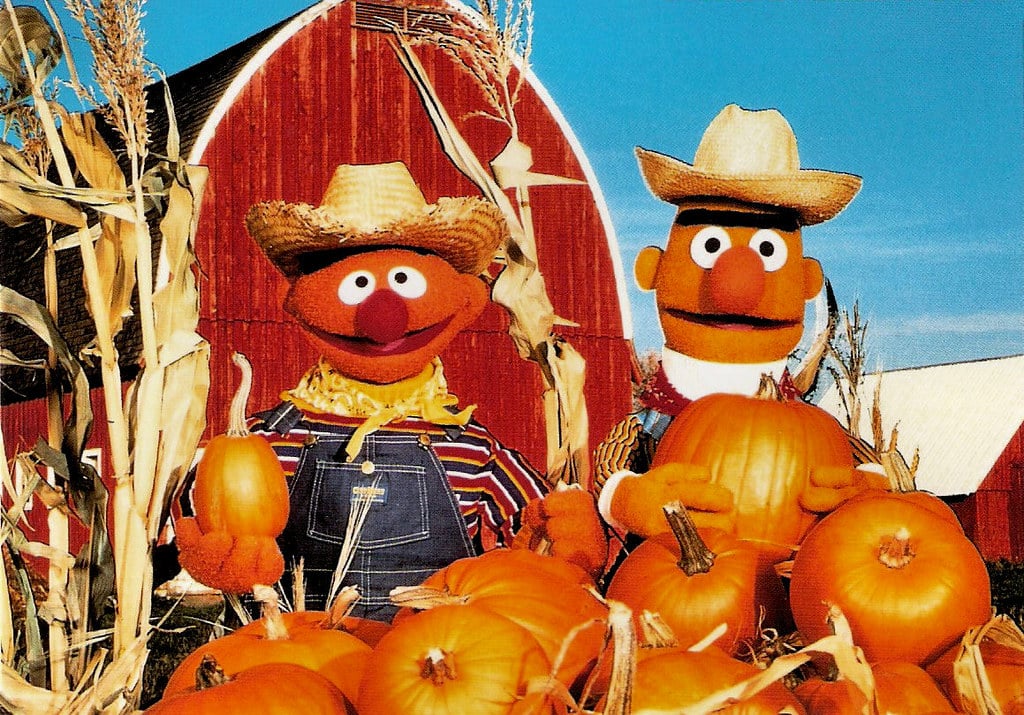
These two worked because they were opposites forced to share space. Bert, uptight and obsessed with paper clips and pigeons.
Ernie, carefree and prone to annoying Bert with bath-time songs about rubber duckies. Their relationship sparked decades of speculation about what they represented, though at their core they showed how different personalities navigate friendship.
The “Rubber Duckie” song became a legitimate hit, while those bedtime conversations where Ernie drove Bert crazy resonated with anyone who’s ever had a roommate. Jim Henson and Frank Oz brought such natural chemistry to these characters that their interactions felt genuinely improvised, even when scripted.
Fozzie Bear
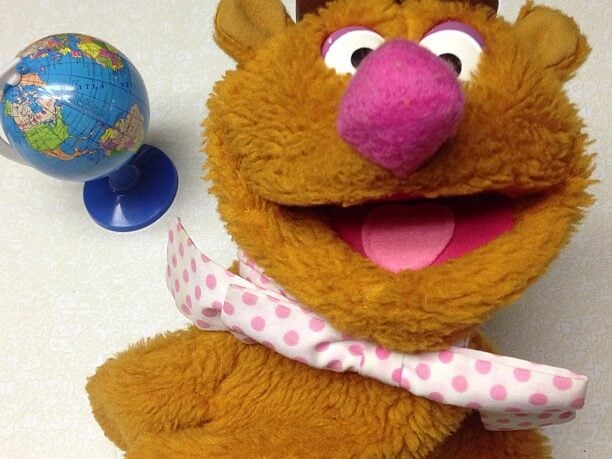
Comedy is hard, and Fozzie Bear proved it nightly on The Muppet Show. His terrible jokes and desperate need for approval made him tragic and funny simultaneously.
“Wocka wocka wocka” became his catchphrase after jokes that rarely landed, but that was precisely the point. Frank Oz played Fozzie as someone who kept trying despite constant failure—which is either inspiring or depressing depending on perspective. His friendship with Kermit showed loyalty in action.
Fozzie never became the star he dreamed of being, yet he remained essential to the Muppet ensemble because every group needs someone who tries too hard and means too well.
Gonzo
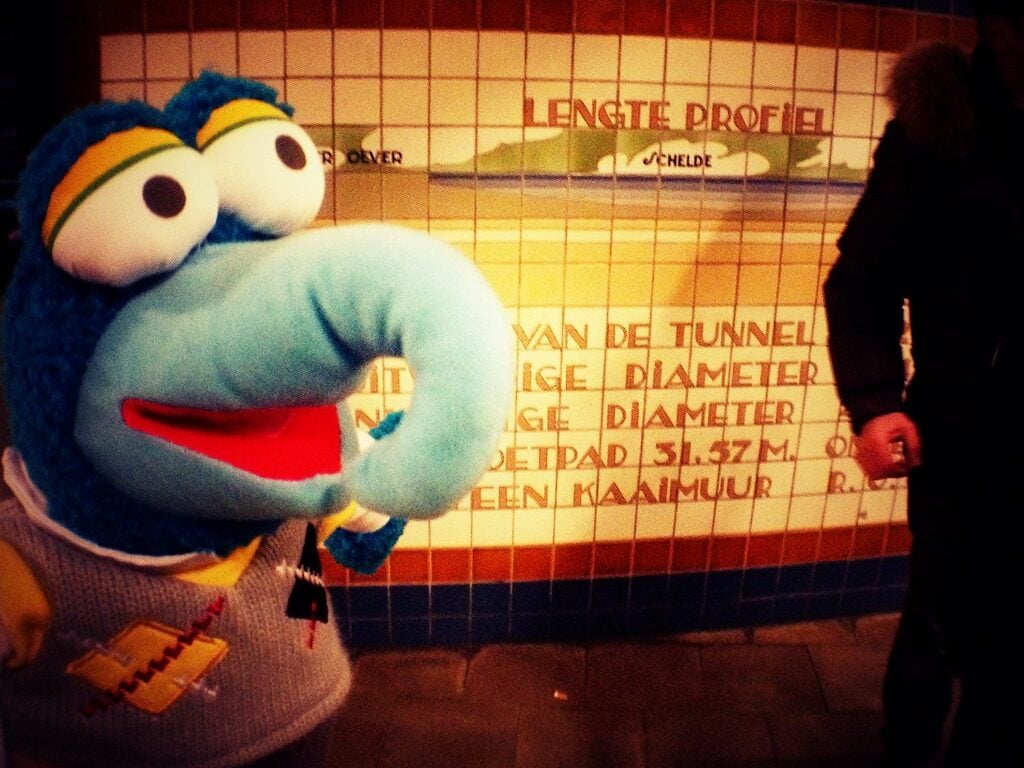
Nobody knew what Gonzo was supposed to be, species-wise, and that ambiguity became part of his charm. He performed increasingly dangerous stunts on The Muppet Show—shot from cannons, danced with chickens, attempted feats that defied logic and physics.
Dave Goelz gave Gonzo this peculiar dignity despite the character’s obvious strangeness. In “Muppets from Space,” they finally revealed he was an alien, which answered the question while somehow making him more mysterious.
Gonzo represented the weirdos and outsiders, those who don’t fit conventional categories but find their people anyway. His romance with Camilla the chicken was bizarre even by Muppet standards, though he committed to it fully.
Rowlf the Dog
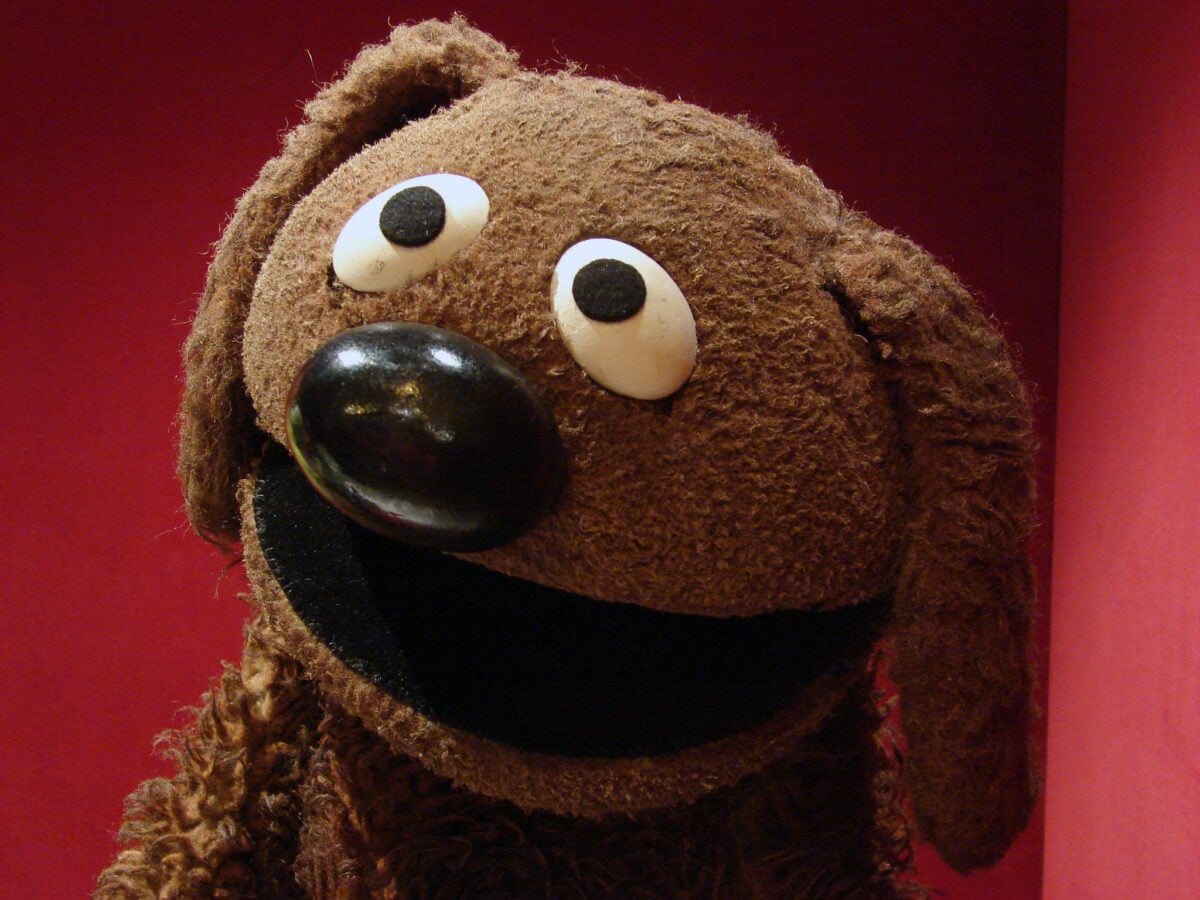
Before Kermit became the main Muppet, Rowlf was Jim Henson’s breakout character on The Jimmy Dean Show in the 1960s. This piano-playing dog had a laid-back, philosophical quality that made him seem older and wiser than everyone around him.
Rowlf delivered advice without being preachy and played music without showing off. He represented comfort and reliability in a sea of chaos. On The Muppet Show, Rowlf often appeared at his piano having conversations with guest stars, and these segments had a mellow, late-night talk show vibe.
Rowlf didn’t demand attention—he earned it through sheer likability.
Animal
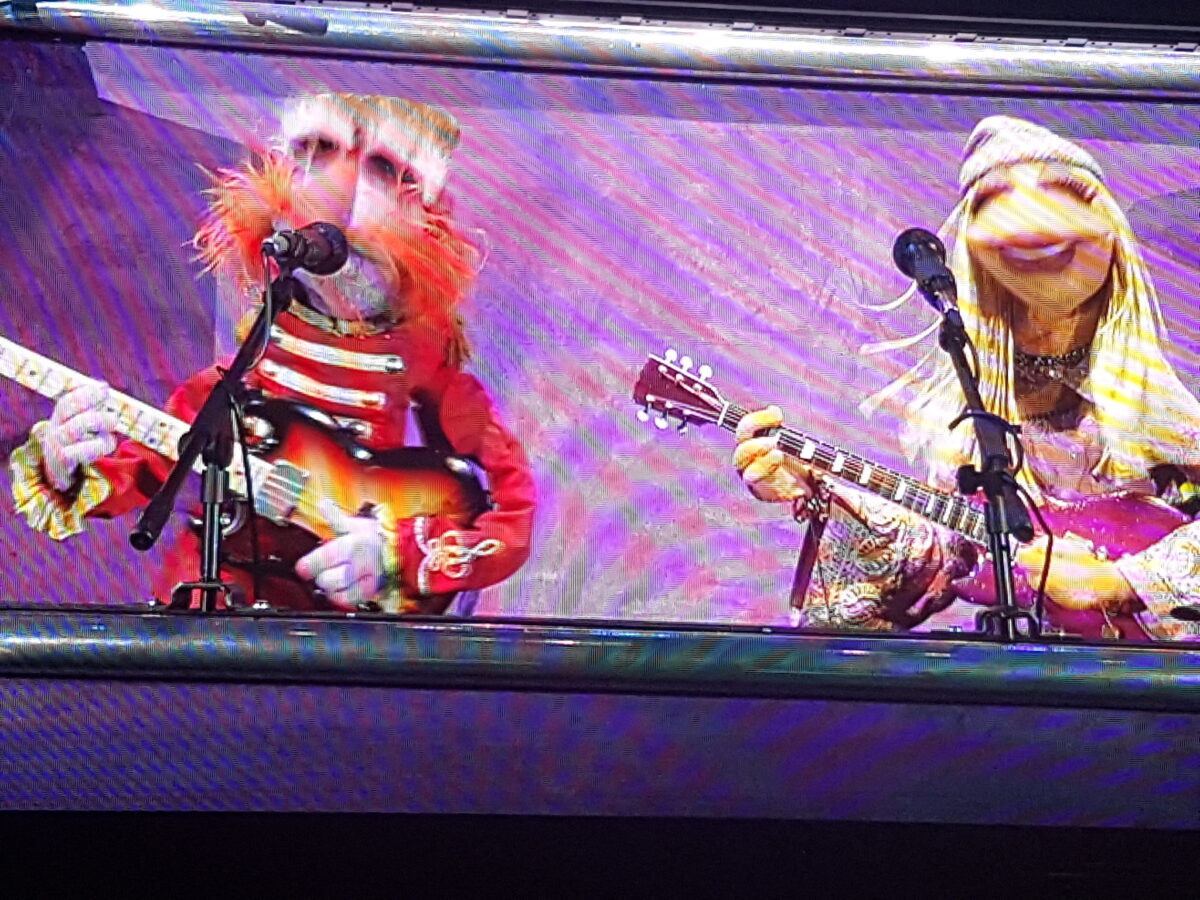
Pure id unleashed. Animals represent every wild impulse children feel but are told to suppress. He played drums with violent enthusiasm, chased women with uncomfortable persistence, and shouted single words with maximum volume.
The character walked a fine line between funny and genuinely disturbing—there was always this sense that Animal might actually hurt someone if the chain holding him broke. Frank Oz performed Animal with such physical commitment that audiences believed this creature operated on pure instinct.
That raspy voice screaming “WOMAN!” or “DRUMS!” became instantly quotable, and Animal proved that sometimes complexity isn’t necessary to be memorable.
Statler and Waldorf
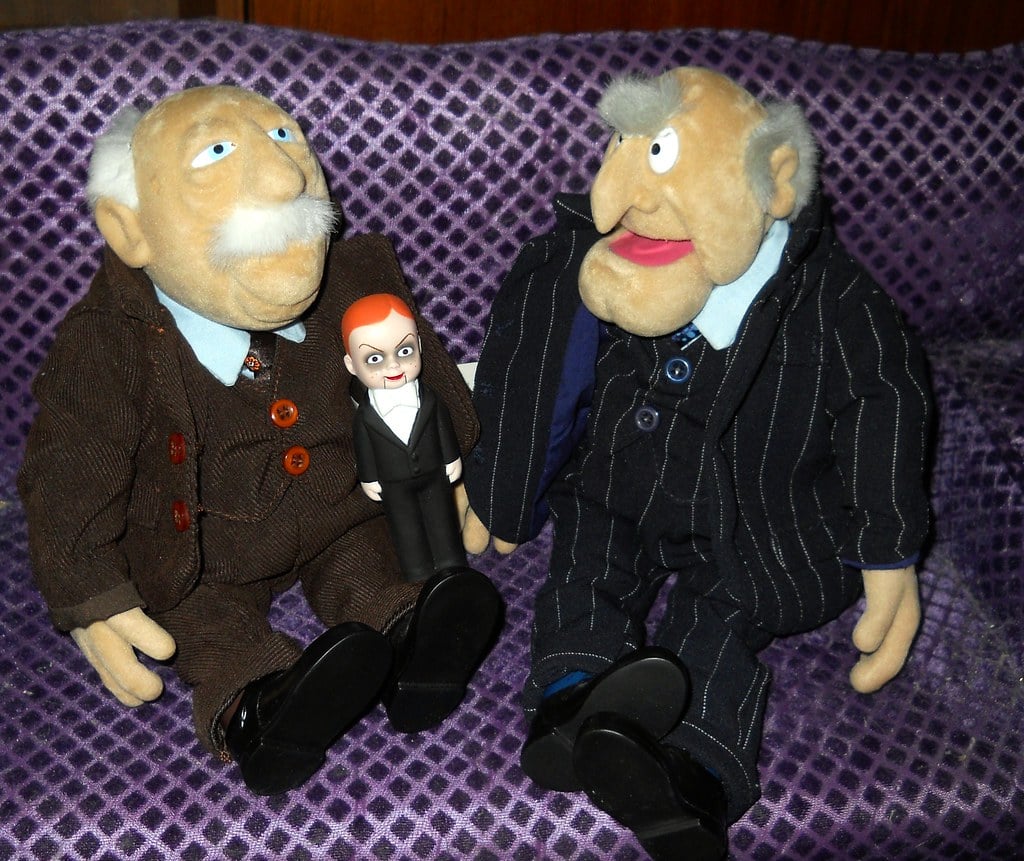
Two old men heckling from the balcony shouldn’t have become fan favorites, yet their curmudgeonly commentary on The Muppet Show provided a running meta-joke about the quality of entertainment. They hated everything, stayed anyway, and found joy in their shared misery.
Richard Hunt and Jim Henson (later Dave Goelz) gave them this vaudeville timing where the setup and punchline flowed naturally despite coming from two different performers. Statler and Waldorf represented the audience’s skeptical voice—that part of everyone that resists being entertained even while being entertained.
Their closing bit each episode, where they’d insult the show and then laugh at their own insults, captured something essential about criticism as performance.
Where They Still Live
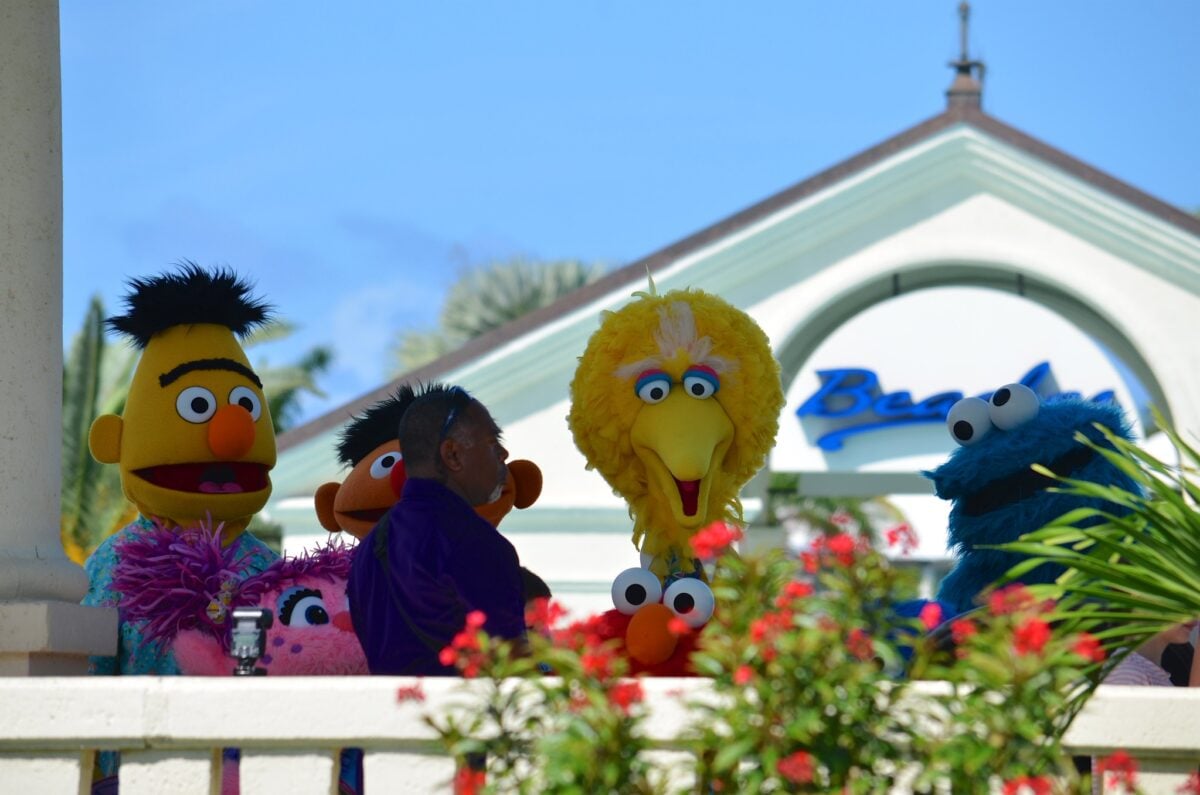
These characters haven’t disappeared—they’ve evolved into something between nostalgia and ongoing presence. New generations discover them through streaming services while older fans revisit them through a different lens.
What seemed simple and innocent in childhood often reveals more layers later. The Muppets dealt with failure, rejection, and existential uncertainty while maintaining enough lightness to avoid becoming heavy-handed.
Sesame Street taught academic concepts while addressing poverty, death, and emotional complexity. Those felt hands moved by talented performers created something that CGI still can’t quite replicate.
The imperfections made them perfect. And the fact that they decided to stick around feels like a stroke of luck.
More from Go2Tutors!

- The Romanov Crown Jewels and Their Tragic Fate
- 13 Historical Mysteries That Science Still Can’t Solve
- Famous Hoaxes That Fooled the World for Years
- 15 Child Stars with Tragic Adult Lives
- 16 Famous Jewelry Pieces in History
Like Go2Tutors’s content? Follow us on MSN.



