The History of Halloween: What are the facts?
Every October, Halloween rolls into town like clockwork – bringing with it costumes, candy and decorations which eat into the bank account every year. Yet, most people don’t really stop and think twice of where it all came from.
They just enjoy the festivities of it all.
But ask someone to explain how we got here, though, and the answers get fuzzy fast.
The history of Halloween is less a straight line and more a tangle of half-remembered traditions, religious adaptations, and commercial opportunism that’s been dressed up to look far more ancient and authentic than it probably is.
The truth is, nobody really knows the full story.
There are fragments of Celtic festivals, chunks of Christian rebranding, waves of immigrant nostalgia, and a heavy dose of 20th-century marketing.
What’s sold as ‘tradition’ today might be less than a hundred years old, while what actually happened two thousand years ago is mostly guesswork wrapped in academic language.
Here’s a closer look at the pieces we think we understand.
Samhain and the Celtic Theory
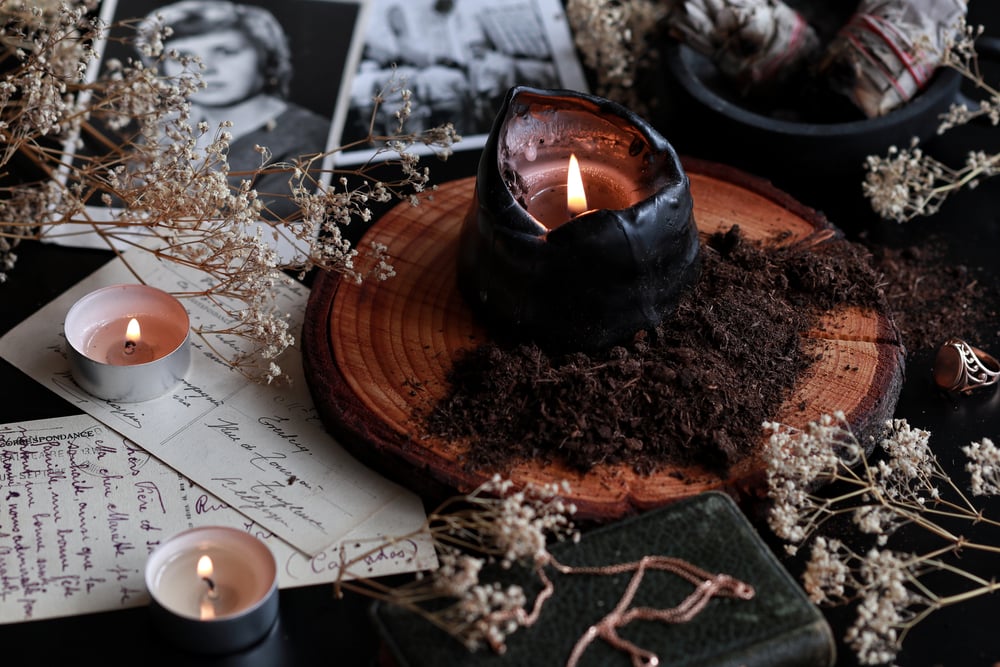
The most repeated origin story for Halloween starts with Samhain, an ancient Celtic festival that supposedly marked the end of harvest season and the beginning of winter.
According to popular tellings, the Celts believed that on the night of October 31st, the boundary between the living and the dead grew thin — allowing spirits to wander back into the mortal world.
People allegedly lit bonfires and wore costumes to ward off ghosts or confuse them, though how much of this is documented fact versus retroactive storytelling remains hard to pin down.
The problem is that most of what we ‘know’ about Samhain comes from sources written centuries after the Celts stopped practicing it.
Whether the Celts actually believed in wandering spirits or just marked a seasonal shift with some fires and feasting is genuinely up for debate.
The spooky supernatural angle might have been exaggerated — or invented entirely — by people looking to make paganism seem more exotic and sinister than it was.
Christian Takeover or Coincidence
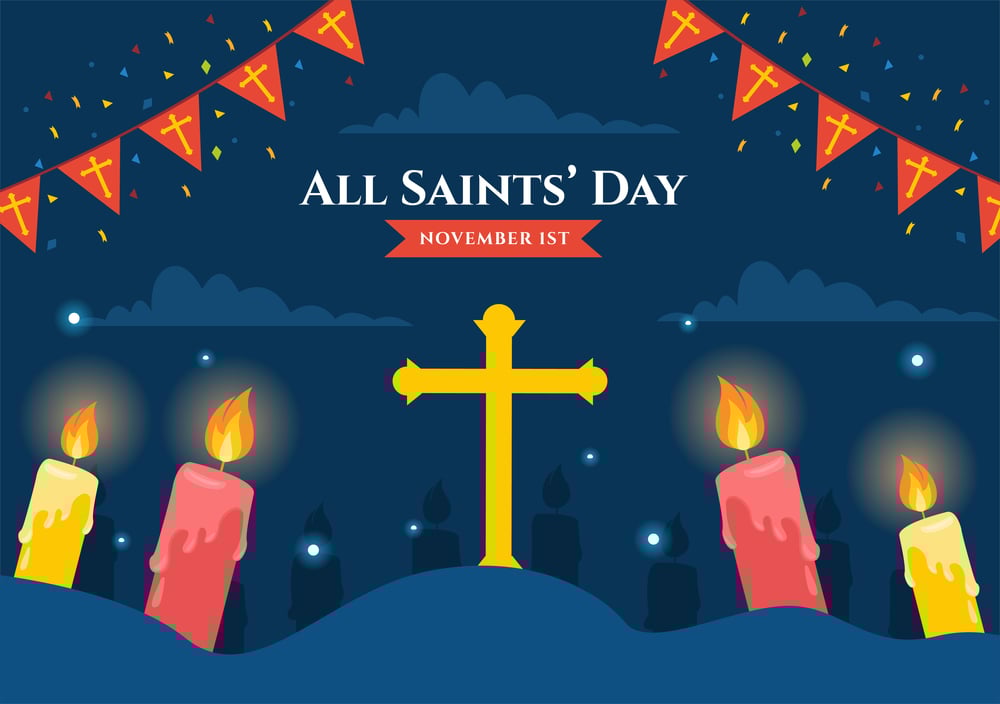
By the 9th century, the Catholic Church had established All Saints’ Day on November 1st, a day to honor saints and martyrs.
The night before became All Hallows’ Eve, which eventually got shortened to Halloween.
One common theory suggests the Church placed this holy day near the time of Samhain as a way to offer Christians a sanctified alternative to existing autumn festivals.
It’s a reasonable explanation, one that fits how religious traditions often adapt to local customs and calendars.
Even so, there’s no clear historical evidence proving the Church specifically targeted Samhain.
All Saints’ Day moved around the calendar for centuries before settling on November 1st, and some historians argue the timing might have been driven by internal Church considerations rather than any deliberate overlap with Celtic practices.
The popular narrative that Christianity systematically replaced pagan holidays gets repeated often enough to sound like established fact, though the actual historical record is far murkier.
It’s just as plausible that the two traditions coincided by chance, and later observers drew connections that felt logical in hindsight.
When It Came to America
Halloween didn’t make a big splash in early America. Puritans and other strict Protestant groups wanted nothing to do with it — viewing anything tied to Catholic saints or pagan roots as suspicious at best.
It wasn’t until the mid-1800s, when waves of Irish and Scottish immigrants arrived fleeing famine and economic hardship, that Halloween started showing up in American culture.
These immigrants brought their own folk traditions, though what they practiced in the New World was already a watered-down, half-remembered version of what their grandparents might have done.
What emerged in America wasn’t so much a continuation of ancient Celtic practice as it was a nostalgic reinvention.
Communities held harvest parties, told ghost stories, and engaged in mild mischief — yet the connection to Samhain or All Hallows’ Eve was more about ethnic identity and sentimentality than actual religious or spiritual observance.
By the early 20th century, Halloween had become something new entirely, a mishmash of vaguely spooky themes that didn’t belong to any one culture or time period.
Trick-or-Treating’s Murky Origins
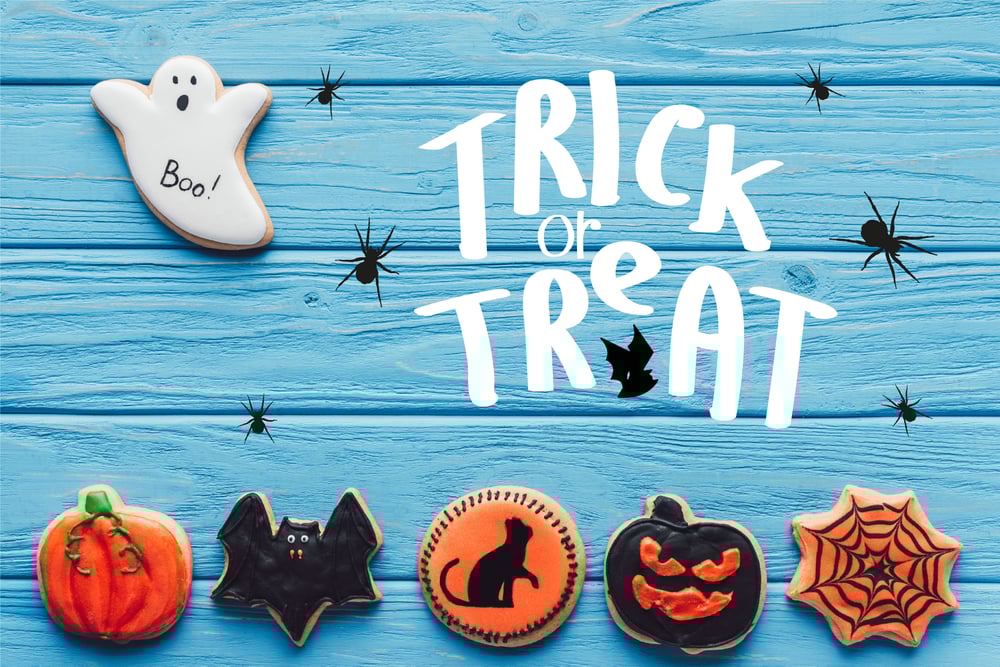
Trick-or-treating is often described as an ancient tradition, yet its modern form is barely older than most people’s grandparents.
Some claim it evolved from ‘souling,’ a medieval practice where poor people went door-to-door offering prayers for the dead in exchange for food. Others point to ‘guising‘ in Scotland and Ireland, where kids dressed up and performed songs or jokes for treats.
Both explanations sound plausible, though there’s a pretty big gap between those practices and the organized neighborhood candy raids that started in America during the 1930s and 40s.
The truth is that trick-or-treating as we know it was largely shaped by post-World War II suburban culture and aggressive marketing from candy companies.
In the 1950s, confectionery manufacturers saw an opportunity and pushed Halloween as the perfect excuse to sell individually wrapped sweets.
What might have been a minor folk custom got industrialized and packaged into a national event that now moves billions of dollars in candy sales every year.
The ‘ancient tradition’ framing conveniently ignores how much of it was manufactured by people with products to sell.
Jack-o’-Lanterns and Invented Folklore
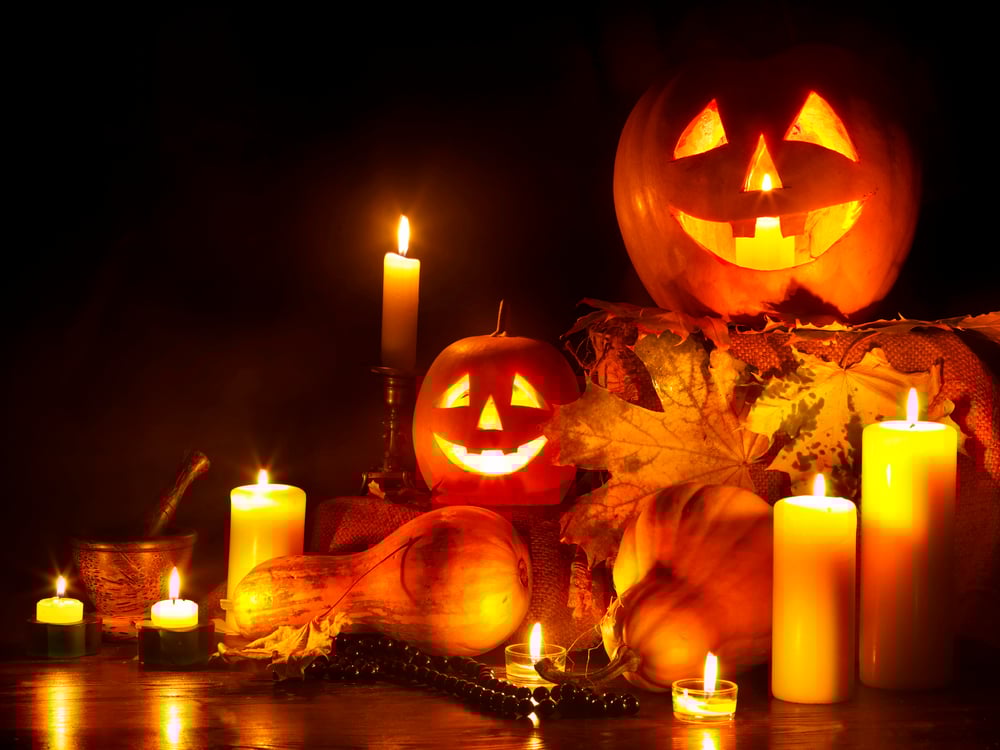
The jack-o’-lantern is another tradition sold as deeply rooted in Irish folklore, specifically the tale of Stingy Jack — a man who supposedly tricked the devil and was doomed to wander the earth with only a carved turnip to light his way.
It’s a charming story, though like a lot of Halloween lore, it’s hard to trace back beyond the 19th century.
Irish immigrants did carve turnips and potatoes, and when they got to America and found pumpkins, they switched over because pumpkins were bigger, easier to carve, and far more readily available.
What’s less clear is whether the Jack legend actually predates the practice or was invented later to give it a backstory.
Folklore has a way of accumulating explanations after the fact, especially when people want their customs to seem older and more meaningful than they are.
The glowing pumpkin on a porch might be connected to Irish immigration and agrarian symbolism, or it might just be a convenient way to decorate that got popular because it looked cool and pumpkins were cheap.
The Commercialization Nobody Talks About
By the mid-20th century, Halloween had become less about marking seasonal change and more about selling costumes, decorations, and candy.
Retailers figured out that people would spend money on an event that required new purchases every single year, and the holiday obliged by expanding into a full-blown commercial season.
What used to be homemade costumes and small community gatherings turned into an industry worth billions, with stores dedicating entire sections to Halloween months in advance.
This isn’t necessarily sinister, though it does raise questions about what people are actually celebrating.
Most of the ‘traditions’ we cling to were either invented in the last century or so heavily altered that they barely resemble their supposed origins.
The idea that we’re participating in something ancient and sacred starts to fall apart once you realize how much of it was designed by marketing teams and manufacturers looking to move product.
Halloween today is less a living tradition and more a consumer event dressed up in the costume of history.
A Holiday Built on Guesswork
That ambiguity doesn’t stop anyone from celebrating, of course.
People still carve pumpkins, hand out candy, and dress up their kids — whether or not those activities connect to anything genuinely historical. Maybe that’s the point.
Halloween works because it’s flexible enough to mean whatever people want it to mean, unburdened by the need to be authentic or historically accurate.
At the end of the day, Halloween is a holiday that thrives on being vague and letting those who practice it develop their own traditions and thoughts around it.
For many, it’s just a reason to eat lots of candy and enjoy family time.
More from Go2Tutors!

- The Romanov Crown Jewels and Their Tragic Fate
- 17 Halloween Costumes Once Considered Taboo
- Famous Hoaxes That Fooled the World for Years
- 15 Child Stars with Tragic Adult Lives
- 16 Famous Jewelry Pieces in History
Like Go2Tutors’s content? Follow us on MSN.



