How Tamagotchi Made Virtual Pets an Obsession
In the late 1990s, a tiny egg-shaped device with a blinking pixelated pet inside managed to transform millions into digital caretakers. It beeped, it begged, and it sometimes punished neglect with a pixelated gravestone.
For many, that was impossible to ignore.Here’s a list of the ways Tamagotchi turned a passing fad into a worldwide obsession with virtual pets.
The Appeal of Pocket-Sized Companionship
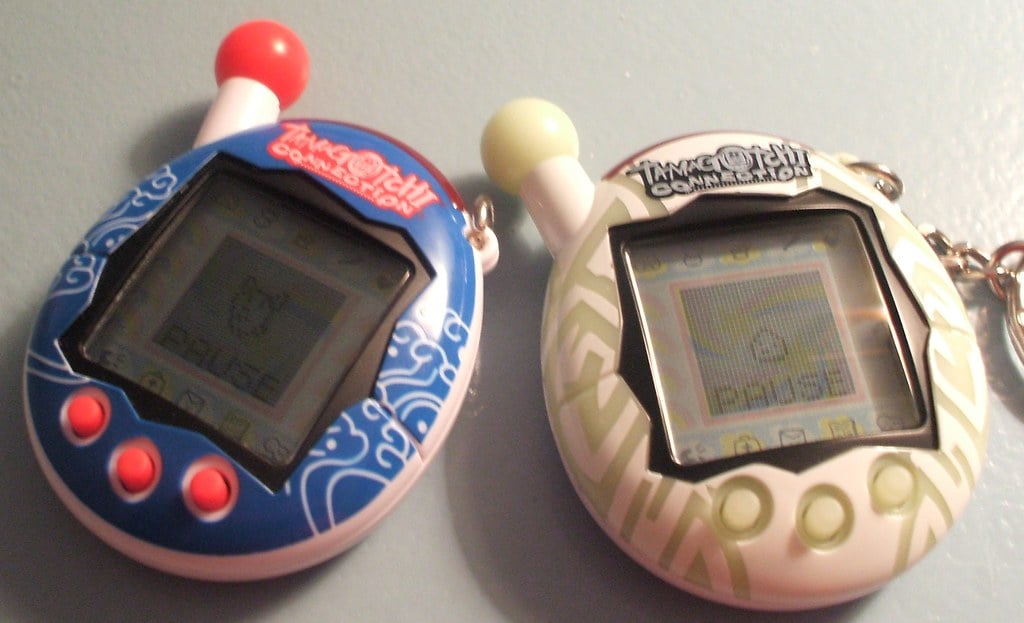
Unlike big consoles or toys that lived on a shelf, Tamagotchi could travel anywhere. Slip it into a pocket, clip it to a backpack, keep it close.
The creature inside didn’t feel distant—it was right there, demanding attention at any time. And yes, sometimes in the middle of class.
Constant Demands for Care
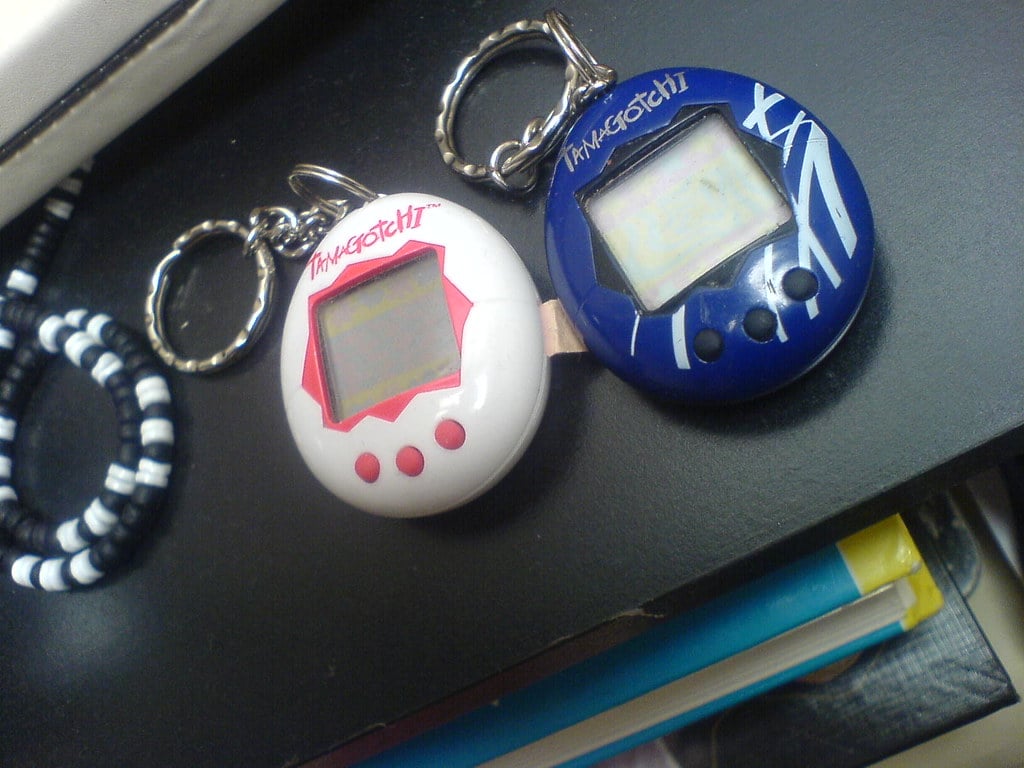
Feeding, cleaning, playing, even the occasional scolding—the checklist of care was never-ending. Ignore it for too long and the consequences arrive fast.
Not great. Some kids hovered over their devices, terrified of missing the next urgent beep.
Others passed it to a friend for “babysitting” duty.
Like Go2Tutors’s content? Follow us on MSN.
A Blend of Toy and Pet
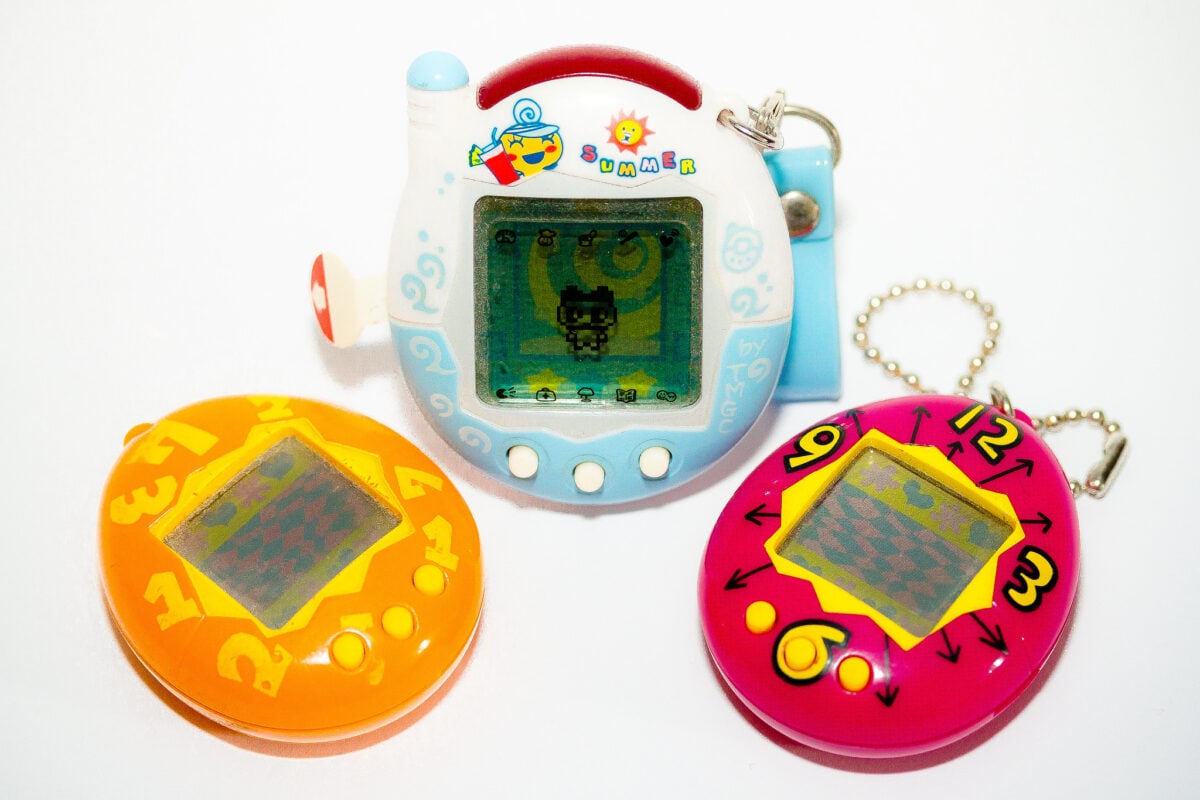
Tamagotchi didn’t fit neatly into a category. It wasn’t quite a game, not quite a stuffed animal.
Bandai pitched it as a living thing, and many people believed it. Pets had names, little personalities, and, when things went badly, short lifespans.
The emotional investment was real.
Schoolyard Status Symbol
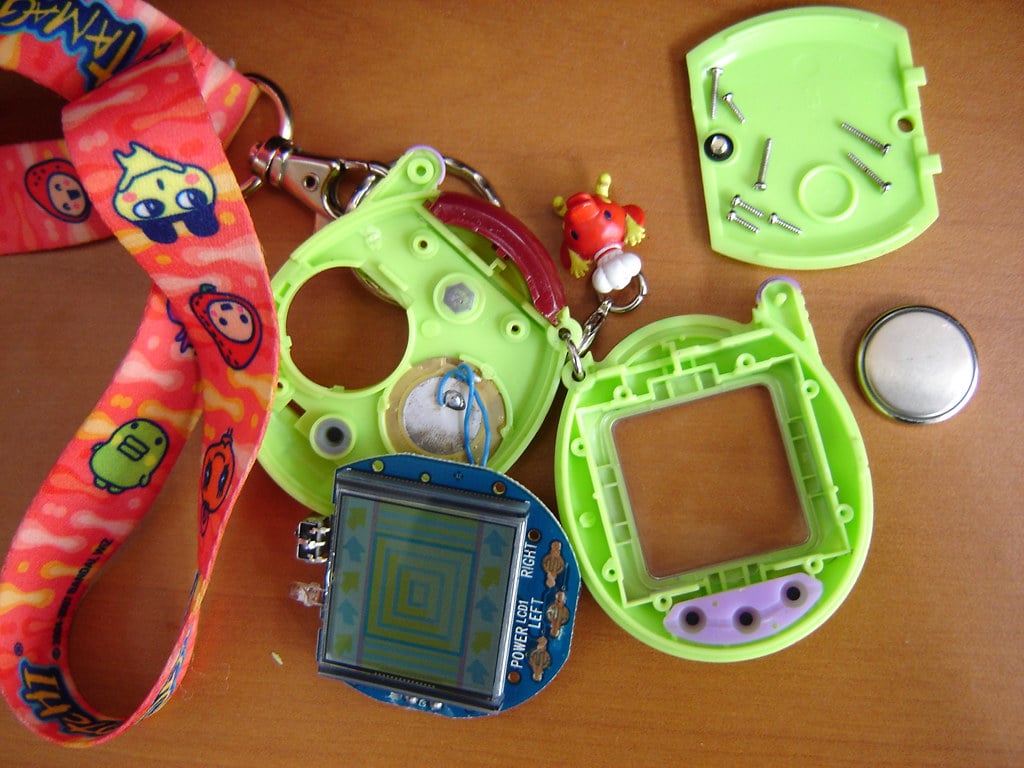
Owning one meant more than just play—it meant being seen. A fresh colour shell or newer version instantly drew attention.
Kids traded care tips, argued about designs, and compared pets like trophies. And sometimes, the quiet envy of those who didn’t have one.
The Drama of Mortality
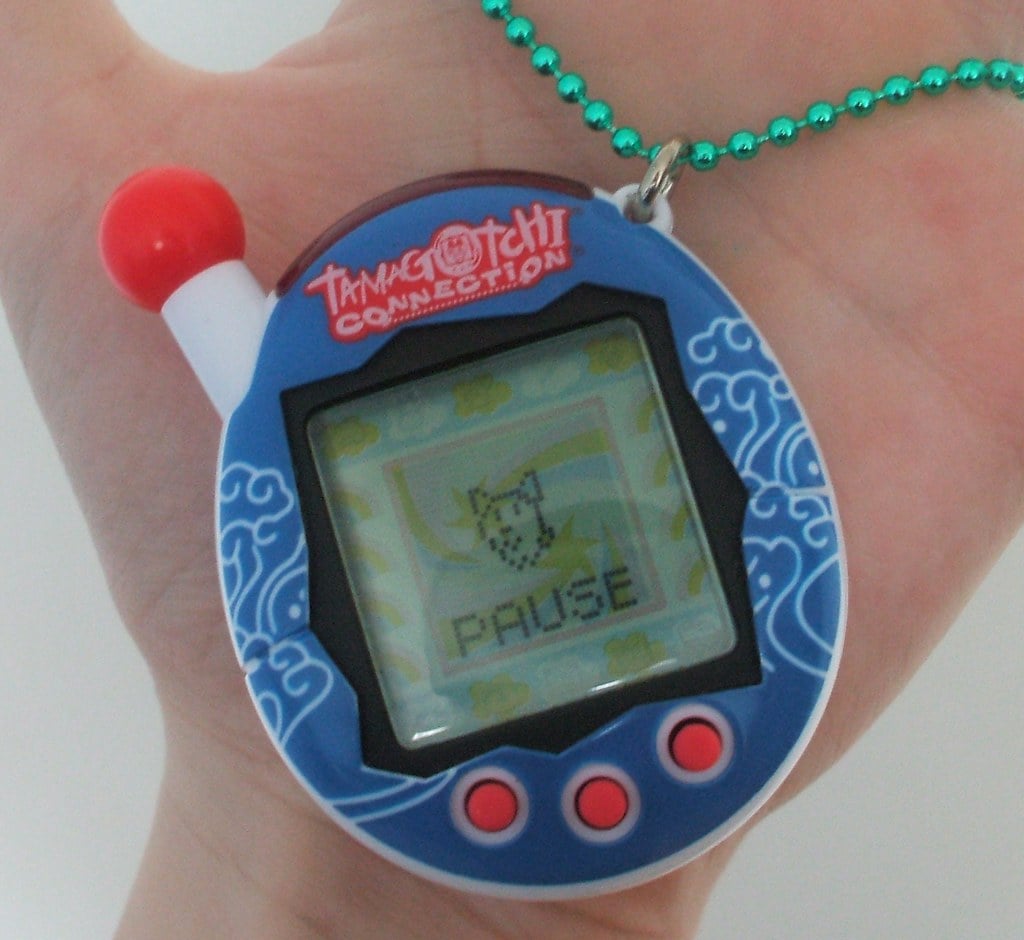
Unlike many toys, Tamagotchi came with a built-in ending. The gravestone animation was blunt. Shocking, even.
Still, it was strangely addictive, because each reset felt like a chance to do better. For some, it was the first encounter with the idea that digital life could feel just as fragile as the real thing.
Like Go2Tutors’s content? Follow us on MSN.
A New Kind of Addiction

That sound—shrill, insistent—was hard to ignore. Owners reported phantom beeps, hearing the cry even when the device sat silent. Obsession wasn’t an accident; it was part of the design.
The more it interrupted daily life, the more it stuck.
Endless Variations
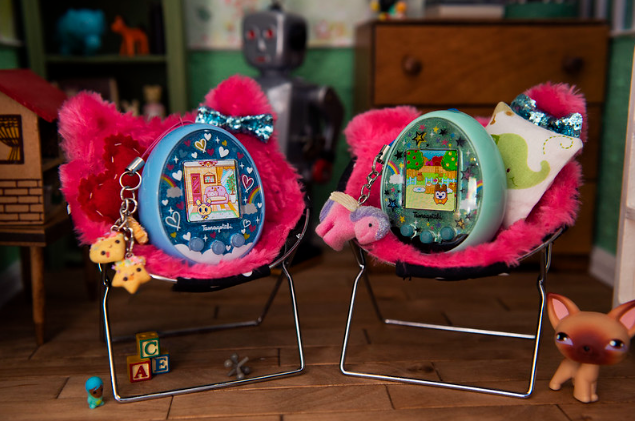
Different shells, themed designs, updated characters—the variety never stopped. Collecting became part of the game.
Some kids juggled multiple devices at once, trying to keep entire “families” alive.
- New colours
- Limited editions
- Seasonal releases
Each one kept the craze alive, sparking “just one more” purchases across the globe.
A Cultural Sensation
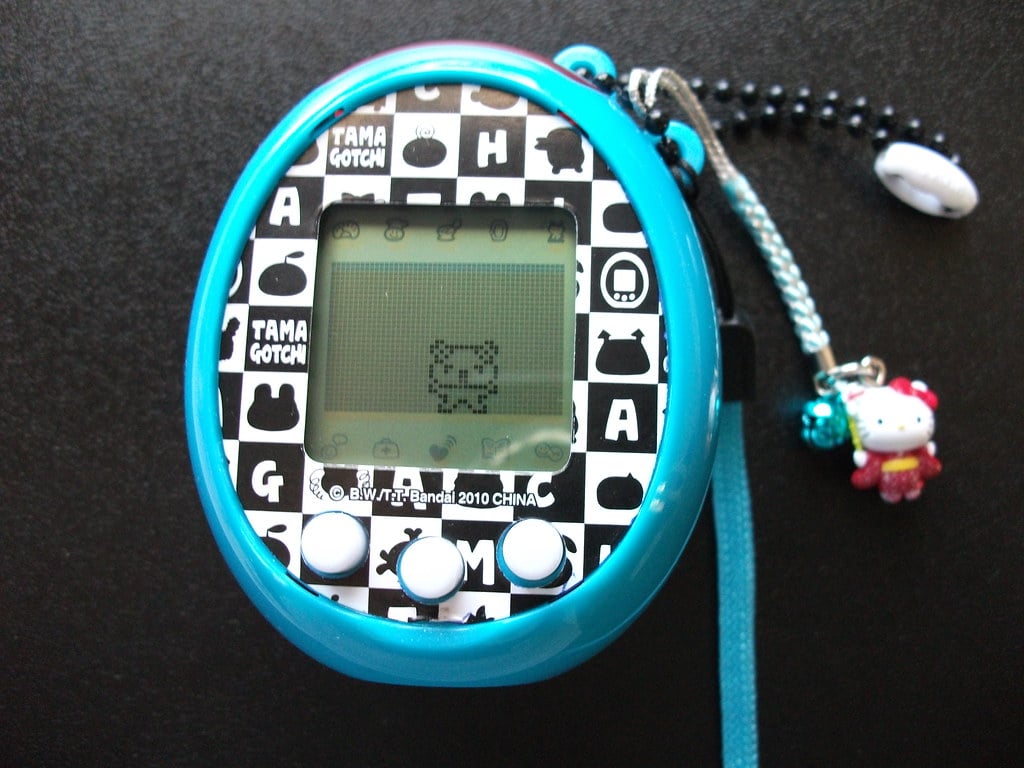
For a few years, Tamagotchi was everywhere. It turned up in cartoons, commercials, magazine spreads, even school rules banning them.
Everyone seemed to know what it was, even those who didn’t own one. And that cultural saturation only fed the frenzy.
Like Go2Tutors’s content? Follow us on MSN.
Early Lessons in Digital Life
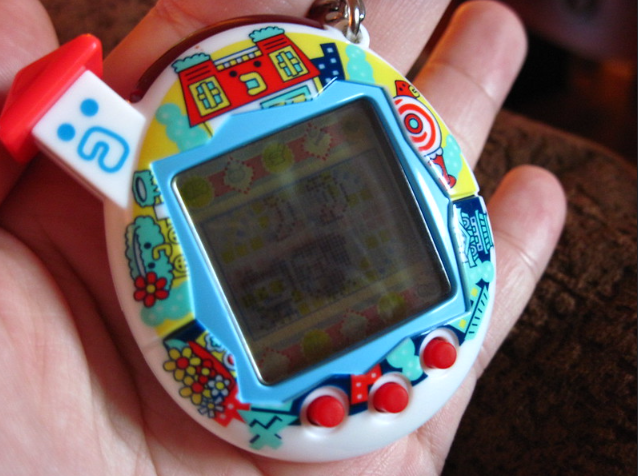
Tamagotchi gave a whole generation its first taste of digital responsibility. It was practice for a world where technology would soon demand constant attention—phones, apps, social feeds.
The idea that something virtual could tug at emotions? Tamagotchi proved it first.
The Ritual of Daily Check-Ins
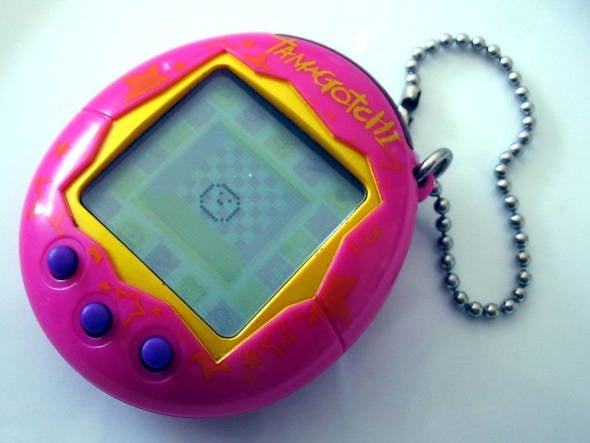
Morning, lunch, bedtime—the routine became second nature. Owners built their days around small check-ins, slipping in quick feeds or games like brushing teeth or packing a school bag.
The habit hardened fast. And habits, once they take root, are hard to break.
A Community Built on Beeps
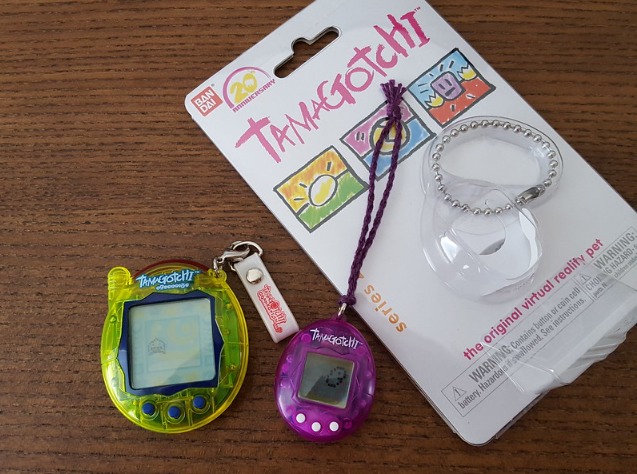
Playgrounds turned into Tamagotchi hubs. Friends compared growth stages, swapped strategies, even held little competitions.
The shared obsession magnified the personal one, turning tiny devices into social glue.
Like Go2Tutors’s content? Follow us on MSN.
Tiny Escapes in Ordinary Days
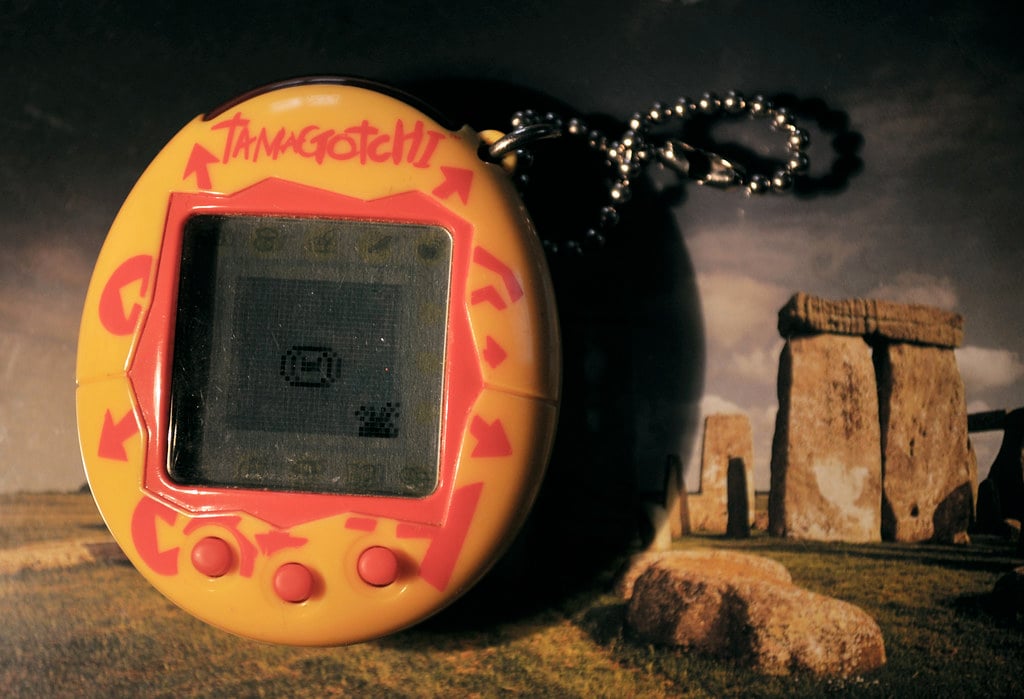
Sometimes, it was about comfort. A chirp during a boring lecture.
A quick snack given on the bus ride home. Or a moment of joy seeing a character bounce happily across its tiny screen. Small, fleeting escapes—wrapped in plastic and pixels.
What Tamagotchi Left Behind
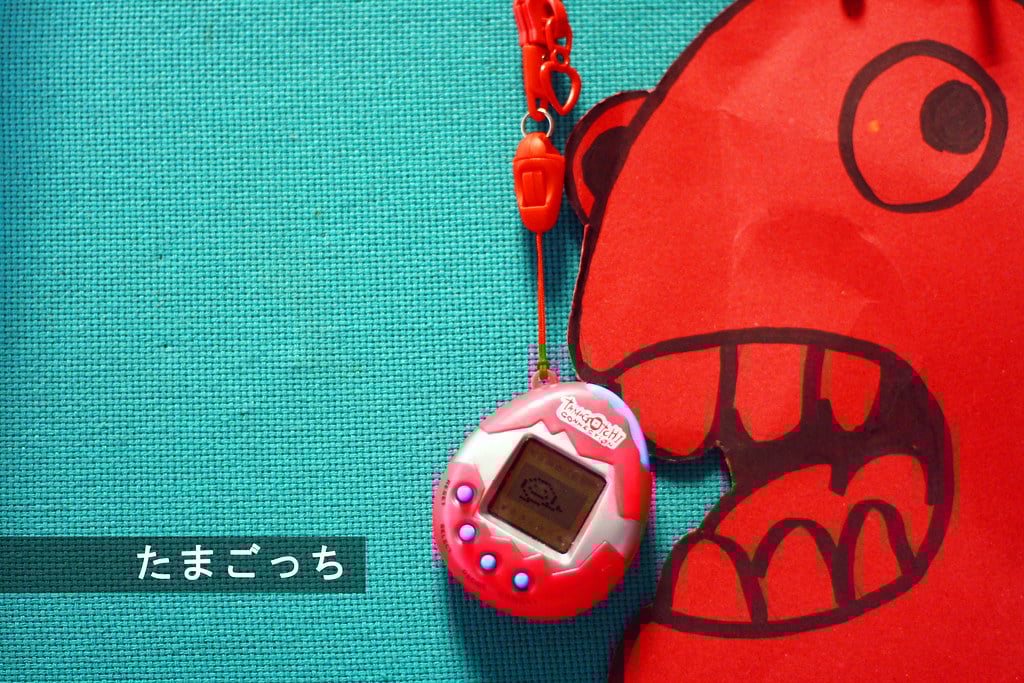
The craze eventually cooled, but the legacy stayed. Tamagotchi showed how technology could feel alive, how even a handful of pixels could spark loyalty, worry, and joy.
And in many ways, every modern digital companion—from apps to AI—still carries a trace of that first obsession.
More from Go2Tutors!

- 16 Historical Figures Who Were Nothing Like You Think
- 12 Things Sold in the 80s That Are Now Illegal
- 15 VHS Tapes That Could Be Worth Thousands
- 17 Historical “What Ifs” That Would Have Changed Everything
- 18 TV Shows That Vanished Without a Finale
Like Go2Tutors’s content? Follow us on MSN.