15 Underground Trends That Eventually Took Over the World
From obscure beginnings in shadowy corners of society to dominating the global landscape, certain movements and innovations have traced remarkable journeys. These once-fringe phenomena gradually built momentum until they became fixtures of everyday life, often transforming society in profound ways.
What starts in hidden subcultures doesn’t necessarily stay there for long. Here is a list of 15 underground trends that eventually conquered the mainstream, evolving from niche interests into cultural phenomena that shaped our world.
The Internet

Today’s indispensable technology started off as a little-known government initiative that linked a few research computers. When ARPANET was first created in the late 1960s, it connected just four academic computers.
The internet remained restricted to academic circles for decades after that, a secret network that was utilized by computer enthusiasts and researchers who had to navigate complicated interfaces that required specialized knowledge.
Hip-Hop Culture
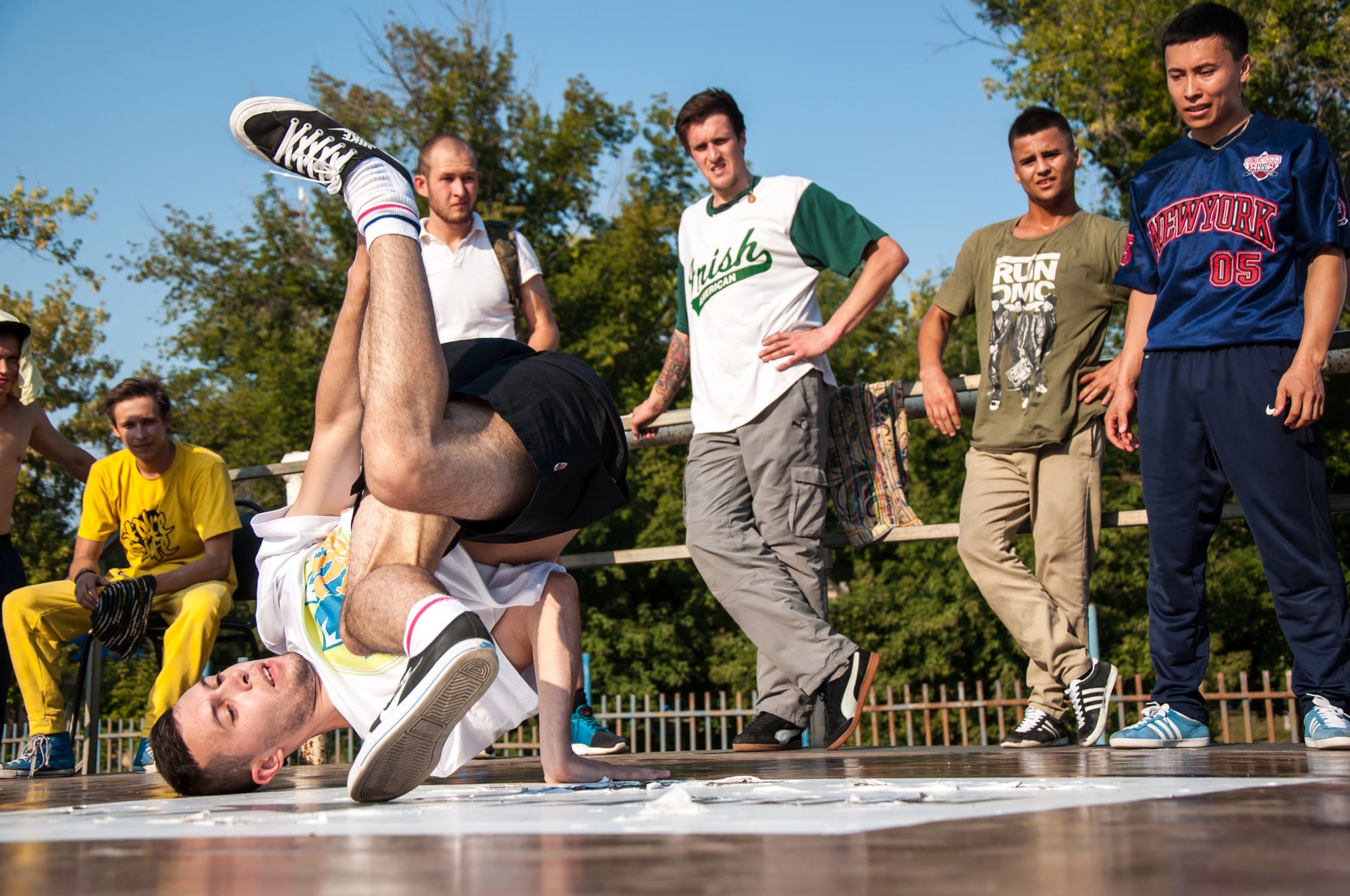
Hip-hop bubbled up from block parties in the South Bronx during the 1970s, with pioneers like DJ Kool Herc extending breaks for dancers who couldn’t get enough. This hyperlocal street movement blended DJing, MCing, breaking, and graffiti – forming a cultural response to urban hardship.
It’s traveled an extraordinary path from neighborhood gatherings to becoming the world’s most commercially successful music genre, transforming along the way from a marginalized art form into a multibillion-dollar force that shapes everything from fashion to language worldwide.
Personal Computing

Personal computers were hobby projects for enthusiasts who would congregate in groups like Silicon Valley’s Homebrew Computer Club before they became essentials. During enthusiastic gatherings, these tech-obsessed tinkerers shared expertise and constructed machines from kits.
This underground milieu gave rise to companies such as Apple, with Steve Wozniak sharing his homemade computer designs with other enthusiasts. Garage experimentation quickly gave way to necessary technology, which fundamentally altered how people interact and work.
Organic Food

Organic farming was often dismissed as a fringe health movement supported by hippies and environmentalists, operating on the periphery of society as conventional agriculture took center stage. While most shopping carts were filled with traditional merchandise, small farms and co-ops provided a small consumer base.
With organic products occupying premium shelf space in mainstream supermarkets, the reality of today is very different. Every year, more than $100 billion is sold worldwide as people look for food that isn’t farmed with artificial fertilizers or pesticides.
Yoga

This ancient practice made its way to Western countries primarily through spiritual seekers and counterculture movements – often practiced in apartments or community centers far from the mainstream. Outside India, yoga was frequently misunderstood – even viewed with suspicion as some exotic spiritual discipline that didn’t fit conventional exercise paradigms.
The transformation has been remarkable; yoga studios now appear in virtually every American town while the practice has evolved into a $15 billion industry embraced by medical professionals and corporate wellness programs alike.
Tattoos
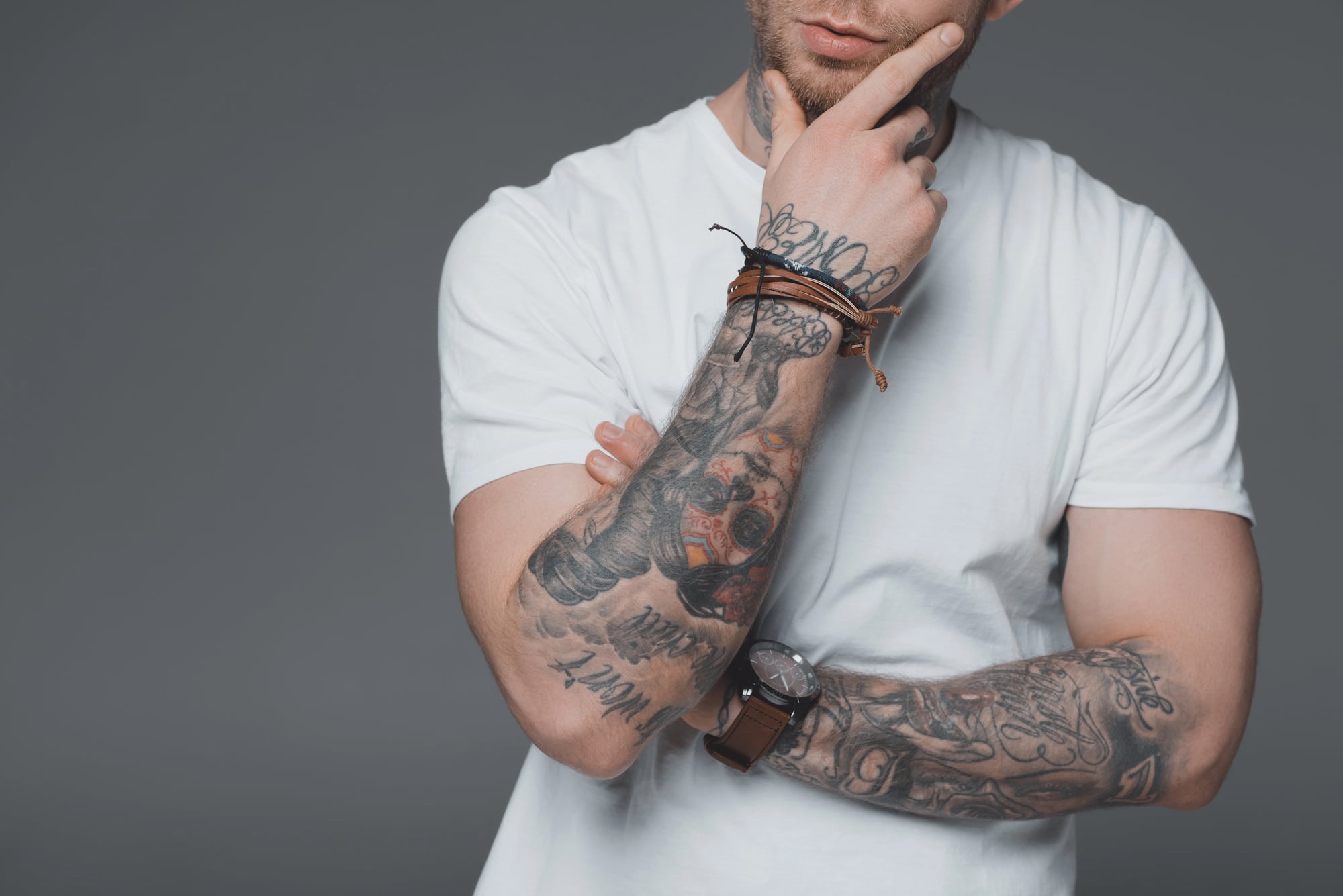
Once primarily associated with sailors, prisoners, and rebels – tattoos carried a serious stigma in professional and social circles for generations. Getting inked could severely limit career prospects and subject individuals to harsh social judgment that’s hard to imagine today.
The mainstreaming of tattoo culture represents a seismic shift in aesthetic values; body art has become accepted across demographics and social classes. Contemporary tattoo artists achieve celebrity status, tattoo-centered shows dominate reality TV, and visible ink hardly raises eyebrows in corporate settings anymore.
Electronic Dance Music
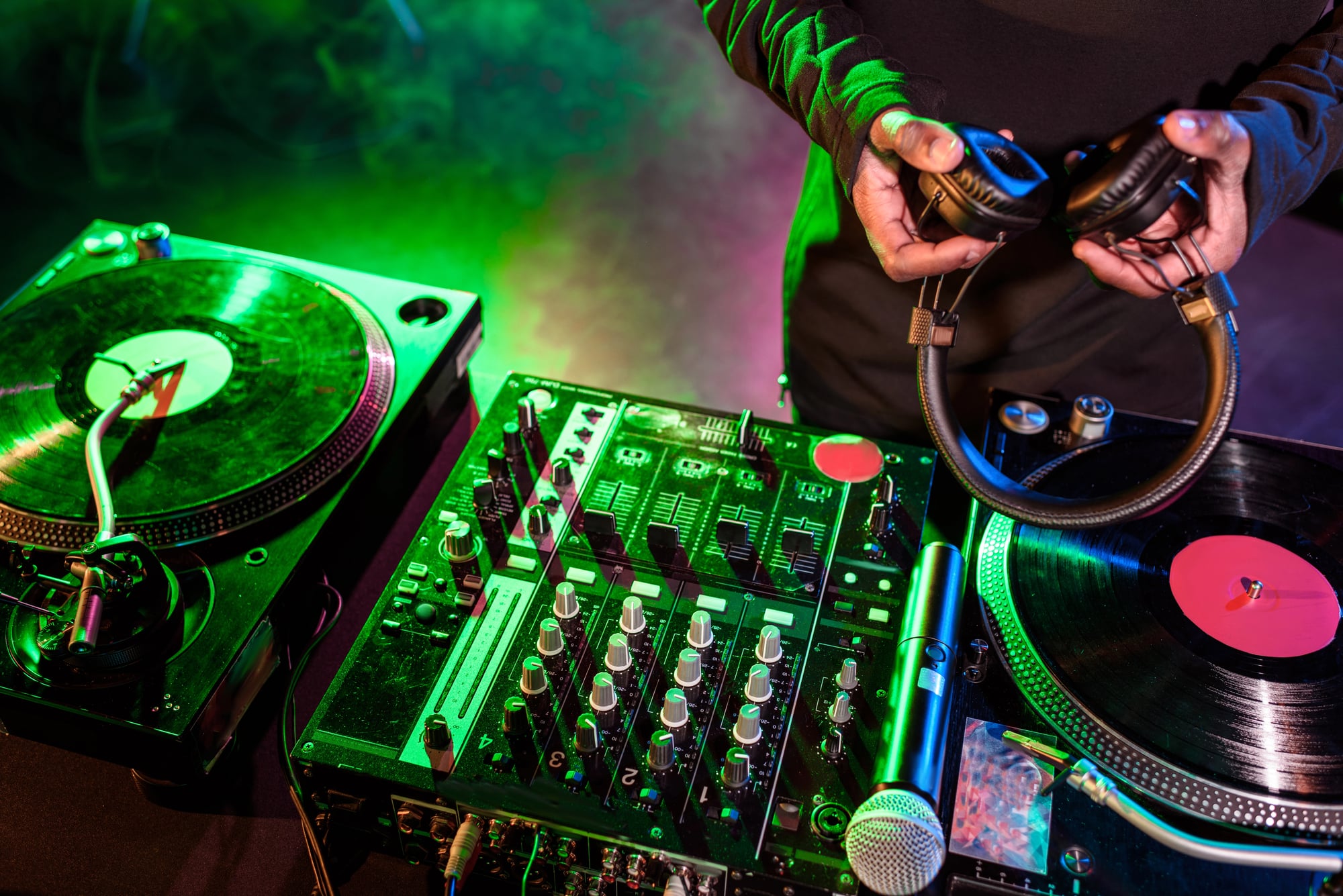
EDM got its start in underground warehouse parties and illegal raves during the late 1980s and early 1990s, particularly in cities like Detroit, Chicago, and Manchester. These gatherings operated completely outside conventional music venues – often in abandoned buildings you’d only learn about through whispered directions and passed notes.
From such secretive origins, electronic music has transformed into a global juggernaut featuring superstar DJs who command six-figure fees at massive festivals while influencing virtually all contemporary music production.
Social Media

Before becoming utilities that connect billions worldwide, social platforms started as niche networks serving specific communities with limited ambitions. Facebook began exclusively for Harvard students, then gradually expanded to other universities before finally opening to the general public.
This transition from campus curiosity to global communication infrastructure happened in just a few short years, fundamentally altering how people interact, consume news, form opinions, and express themselves in the social sphere.
Skateboarding

Initially a California subculture that thrived in empty swimming pools and abandoned lots, skateboarding was long considered nothing more than a nuisance activity practiced by rebellious teenagers with too much time on their hands. Skaters created improvised communities – often facing constant harassment from local authorities and property owners who viewed them as troublemakers.
The journey to legitimacy culminated with skateboarding’s recognition as an Olympic sport in 2021, alongside purpose-built parks funded by municipal governments and professional skaters securing endorsement deals with mainstream brands.
Coffee Culture

Before Starbucks appeared on seemingly every corner, specialty coffee belonged to aficionados who sought out independent cafes serving carefully sourced beans. The concept of paying premium prices for coffee seemed utterly absurd to most consumers who were perfectly satisfied with canned supermarket brands.
Coffee’s cultural ascendance transformed a basic commodity into an artisanal product – consumers now distinguish between regions, processing methods, and brewing techniques once known only to industry insiders.
Cryptocurrency
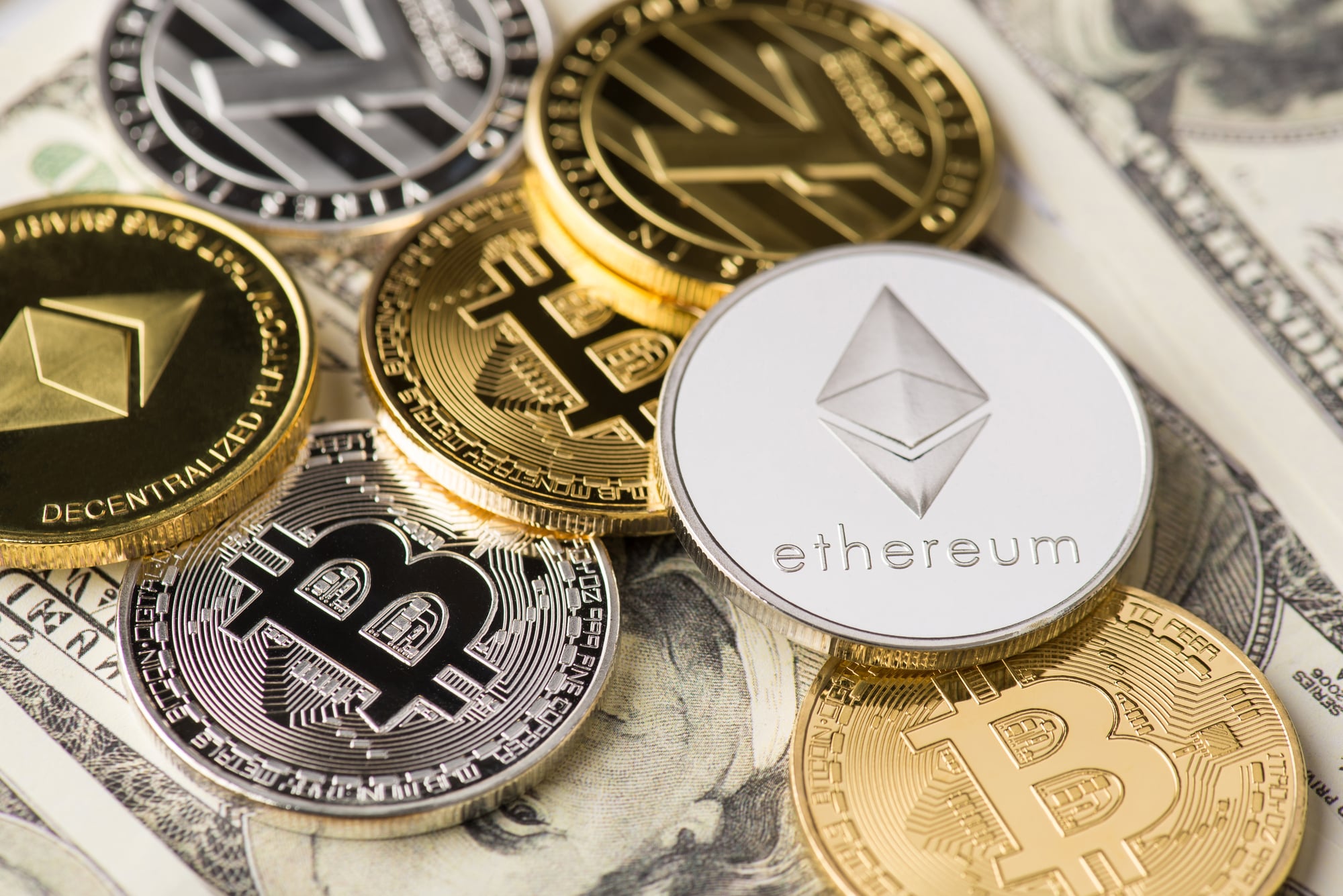
Bitcoin emerged in 2009 as an experimental project among cryptography enthusiasts and libertarian-minded technologists who questioned traditional banking systems. Early adopters mined digital coins on personal computers and traded them on basic exchanges, often for mere pennies.
This obscure digital currency concept has expanded into a trillion-dollar asset class attracting institutional investors, inspiring complex regulatory frameworks, and challenging fundamental assumptions about monetary policy and financial sovereignty.
Street Art

Previously dismissed simply as vandalism, street art evolved from illicit tagging and graffiti culture in urban centers worldwide. Artists worked anonymously under darkness, risking arrest to place their work in public spaces without permission.
The evolution toward recognition as legitimate art has been profound, with works by artists like Banksy selling for millions at prestigious auctions while cities commission murals from previously criminalized artists to revitalize neighborhoods and attract tourism.
Veganism

For decades, veganism was viewed as an extreme fringe lifestyle that faced widespread mockery and a significant lack of dietary options. Because there were so few commercially available plant-based items, early adopters usually made almost everything from scratch.
With major fast-food chains now giving vegan options, plant-based substitutes earning prominent supermarket placement, and the lifestyle garnering support from top athletes, celebrities, and medical professionals, the changes of today seem almost unreal.
Podcast Medium

Podcasting began as an amateur medium where enthusiasts recorded conversations in bedrooms and garages, distributing them through rudimentary RSS feeds to small but dedicated audiences. Technical barriers to both creation and consumption limited its reach to tech-savvy early adopters for years.
Currently, podcasting represents a mainstream media format attracting major advertisers, celebrity hosts, and professional production values, with top shows reaching audiences that rival traditional radio and television programming.
Reality Television
Before dominating prime-time schedules and creating influential celebrities, reality TV existed as experimental programming that networks viewed merely as low-budget filler between scripted shows. Early examples like ‘An American Family’ (1973) were presented as sociological experiments rather than pure entertainment.
The format evolved from curious anomaly to cultural cornerstone, creating instantly recognizable personalities and catchphrases while fundamentally changing how audiences engage with television content through voting mechanisms and social media participation.
From Underground to Everyday

The transition from subculture to mainstream serves as an example of how innovation often starts on the periphery of society and then fundamentally changes its core. These phenomena show that popular acceptance doesn’t always weaken original concepts; in fact, it can occasionally increase their significance beyond what their inventors could have predicted.
What happens underground now could become the norm tomorrow, changing social ties, consumption patterns, and communication styles in subtle and significant ways.
More from Go2Tutors!

- The Romanov Crown Jewels and Their Tragic Fate
- 13 Historical Mysteries That Science Still Can’t Solve
- Famous Hoaxes That Fooled the World for Years
- 15 Child Stars with Tragic Adult Lives
- 16 Famous Jewelry Pieces in History
Like Go2Tutors’s content? Follow us on MSN.