Rare Images of the California Gold Rush You Never Saw
The California Gold Rush happened more than 170 years ago, yet most people have seen the same handful of photographs over and over. Daguerreotypes of bearded miners, crowded main streets, and hydraulic mining operations — familiar images that have become the visual shorthand for the entire era.
But photography was still new in 1849, expensive and cumbersome, which means thousands of moments went unrecorded by professional photographers.
What survived instead were amateur attempts, private collections that stayed in family attics, and images taken by people who had no intention of documenting history. They were just trying to capture a moment.
These photographs reveal a Gold Rush that feels more human than the sanitized version most textbooks present — messier, stranger, and far more diverse than anyone expected.
A Chinese Miner’s Wedding in Grass Valley
This tintype, discovered in a Sacramento estate sale in 1987, shows something most Gold Rush narratives ignore: celebration. A Chinese couple stands before a small crowd outside a wooden building, the bride in traditional dress, the groom in Western clothing.
What makes the image remarkable isn’t the cultural blend — it’s the faces of the other miners watching. White, Black, Mexican, and Chinese men stand together, some smiling, others serious, all present for this moment.
The photograph contradicts the common narrative that different ethnic groups remained completely segregated during the Gold Rush. Hostility existed, certainly, but so did community.
The All-Female Mining Crew of Angel’s Camp
Most people assume women stayed home during the Gold Rush. This daguerreotype proves otherwise.
Six women, dressed in practical clothing with their hair pinned back, stand around a rocker box with gold pans in their hands. The image was taken in 1851, according to a note found on the back, and shows what appears to be an all-female mining operation.
These weren’t the saloon girls or shop owners typically mentioned in Gold Rush stories. These were women who grabbed pickaxes and worked claims themselves.
Native Americans Working Hydraulic Equipment
The relationship between Gold Rush miners and California’s Native American population is usually described as entirely adversarial, and much of it was. But this photograph (one of only three known to exist) shows a more complex reality.
Native Americans operate hydraulic mining equipment alongside white miners, suggesting some level of cooperation or employment that rarely makes it into historical accounts.
The image raises uncomfortable questions about labor, survival, and adaptation that don’t fit neatly into simplified historical narratives. Sometimes reality refuses to be categorized.
A Miner’s Library in a Canvas Tent
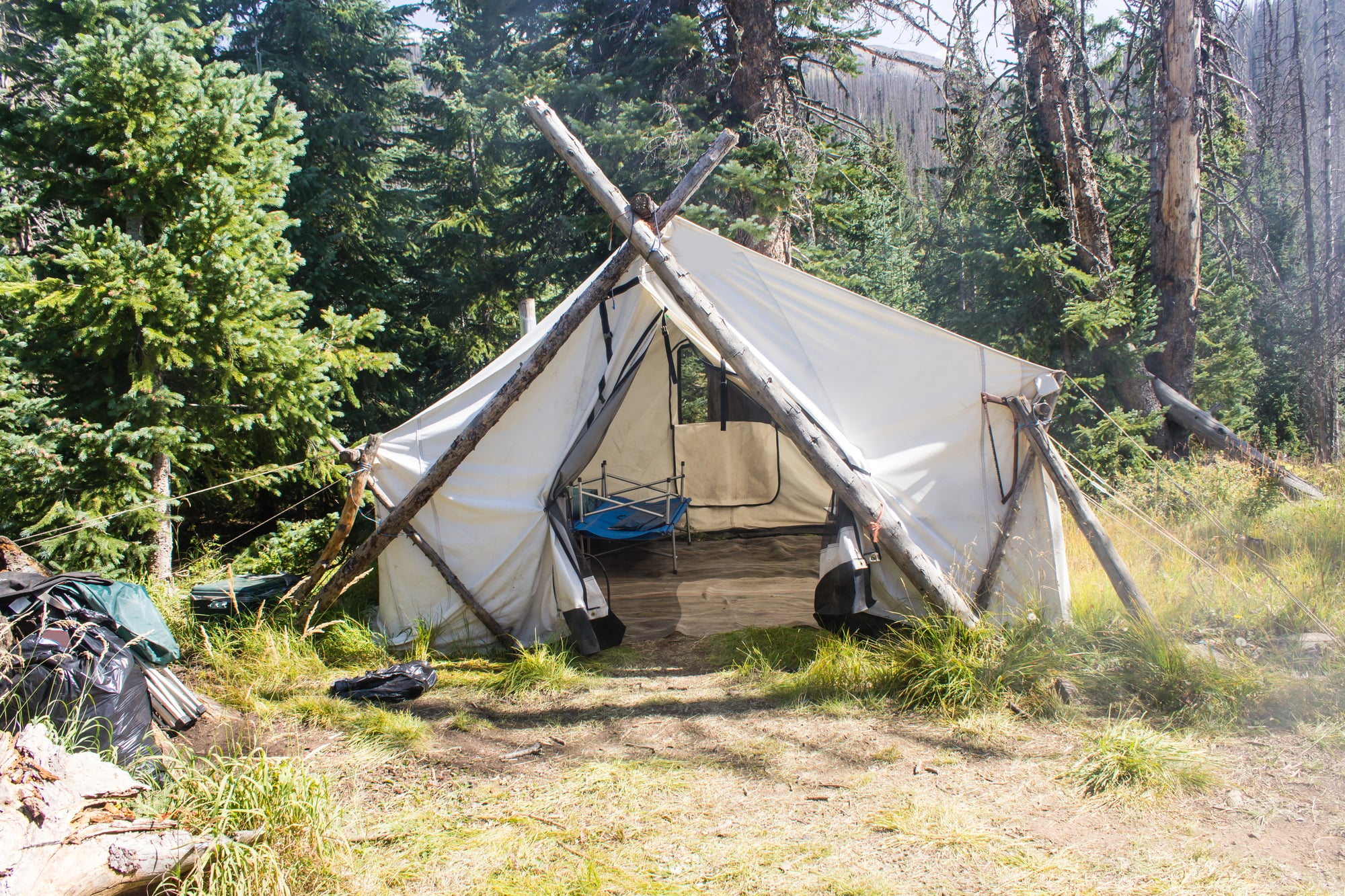
Here’s something that shatters every stereotype about Gold Rush miners: a photograph of the interior of a miner’s tent, lined floor to ceiling with books. The owner, whose name appears in a journal visible in the photograph, was Henry Morrison, a former college professor from Vermont who came west in 1849.
Morrison wasn’t unique — many miners were educated men who brought their intellectual lives with them (because what else were they supposed to do with their evenings after ten hours of digging). And yet the image of the book-reading miner never became part of Gold Rush mythology.
The wild, illiterate prospector made a better story.
Sunday Services in a Saloon

Religion and drinking weren’t mutually exclusive during the Gold Rush, apparently. This remarkable photograph shows a Sunday service being held inside Murphy’s Saloon in Coloma — the same establishment where men gambled and fought the other six days of the week.
The preacher stands behind the bar, his congregation seated at card tables, bottles still visible on the shelves behind him.
It’s a perfect example of how communities adapted to what they had rather than waiting for what they needed. The saloon was the largest indoor space in town.
So that’s where they held church.
Black Miners with Their Own Hydraulic Operation
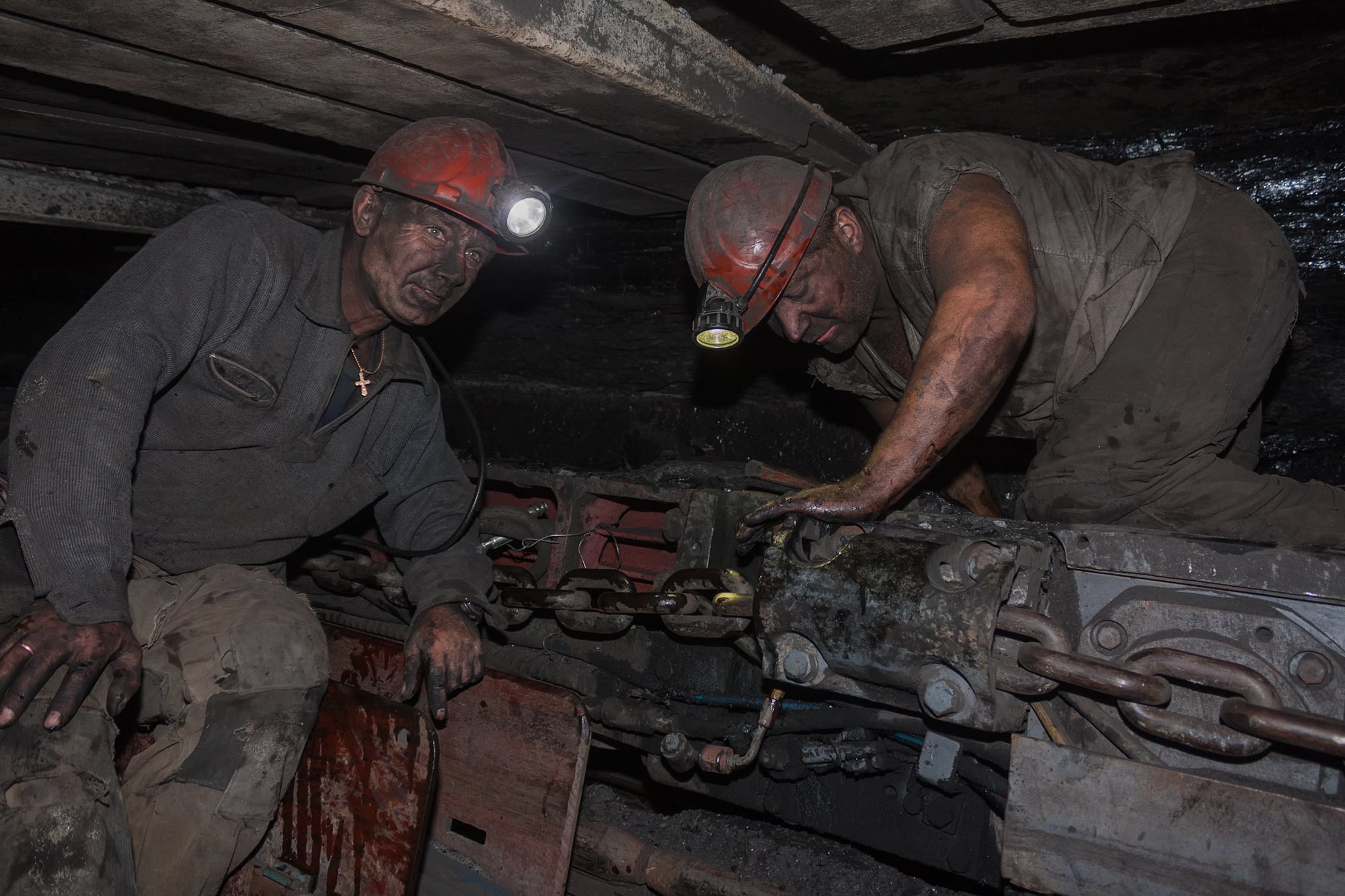
The erasure of Black miners from Gold Rush history is nearly complete in most accounts, but photographs like this one prove their presence was significant. This image shows at least eight Black men operating what appears to be a substantial hydraulic mining claim, complete with wooden sluices and water diversion systems that would have required considerable investment and expertise.
What’s striking is how prosperous this operation appears — these weren’t men scraping by with gold pans, but miners with the capital and knowledge to run sophisticated equipment.
Their success, documented here in silver and glass, challenges assumptions about who profited from the Gold Rush and how.
The Great Flood of Sacramento, 1862
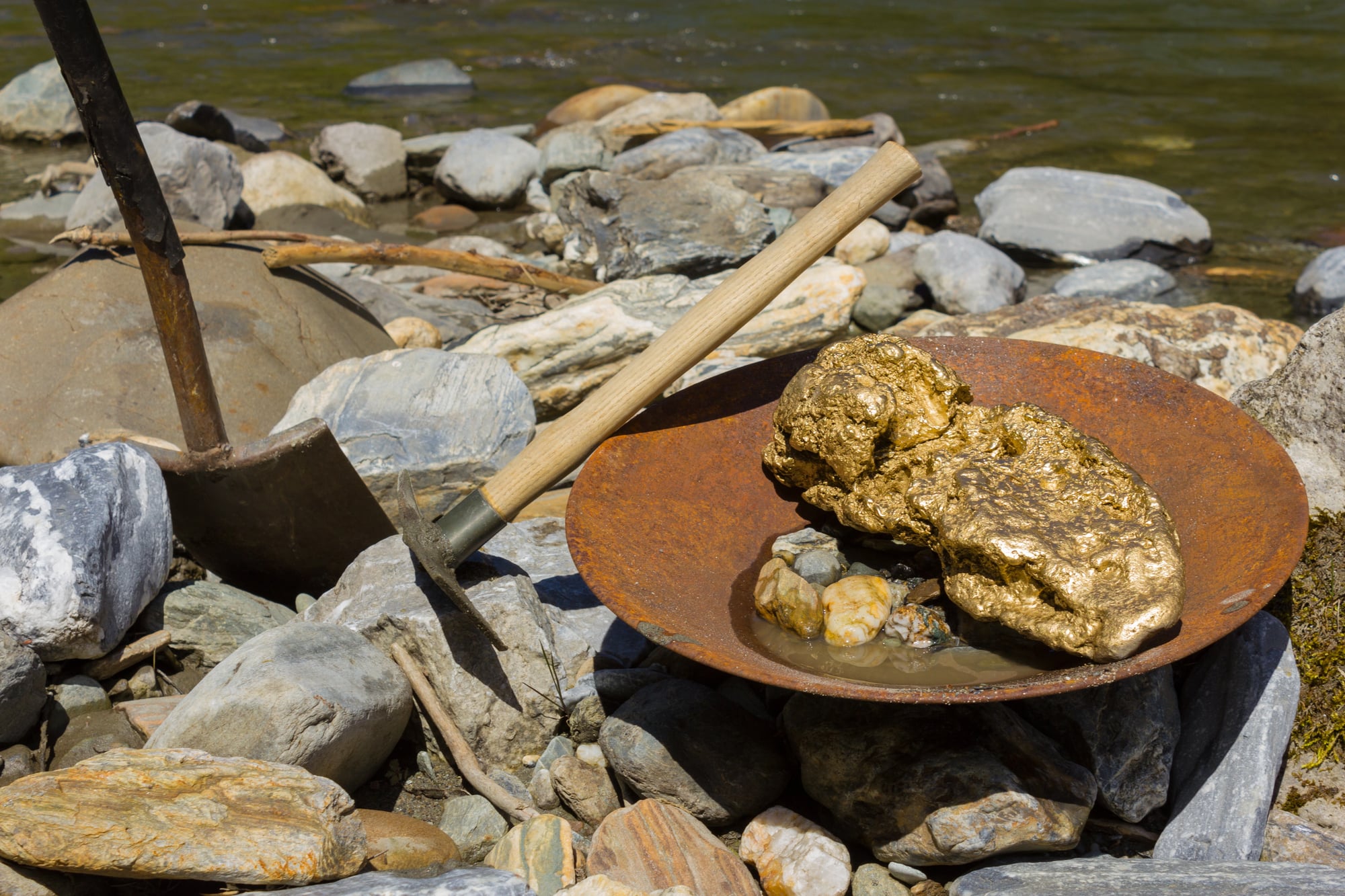
Most people don’t realize that the Gold Rush era ended with one of California’s worst natural disasters. This water-damaged photograph shows Sacramento completely submerged during the Great Flood of 1862, when weeks of rain turned the Central Valley into an inland sea.
Buildings stand like islands, their second floors becoming ground floors, boats navigating what used to be city streets.
The flood essentially ended hydraulic mining (all that equipment, washed away) and marked the real conclusion of the Gold Rush era. It’s a reminder that sometimes history ends not with human decisions, but with weather that refuses to cooperate with anyone’s plans.
Mexican Vaqueros Turned Miners

Before 1848, California was Mexican territory, and many Mexican ranchers and vaqueros found themselves dealing with thousands of American miners on their land. This photograph shows what appears to be Mexican vaqueros who adapted to the new reality by becoming miners themselves, their traditional clothing mixed with mining equipment.
The image captures a moment of cultural transition that happened faster than anyone could have anticipated. One day you’re a cattleman in Mexican California, the next you’re a miner in American California, and somehow you have to figure out how to be both.
The Donkey Express
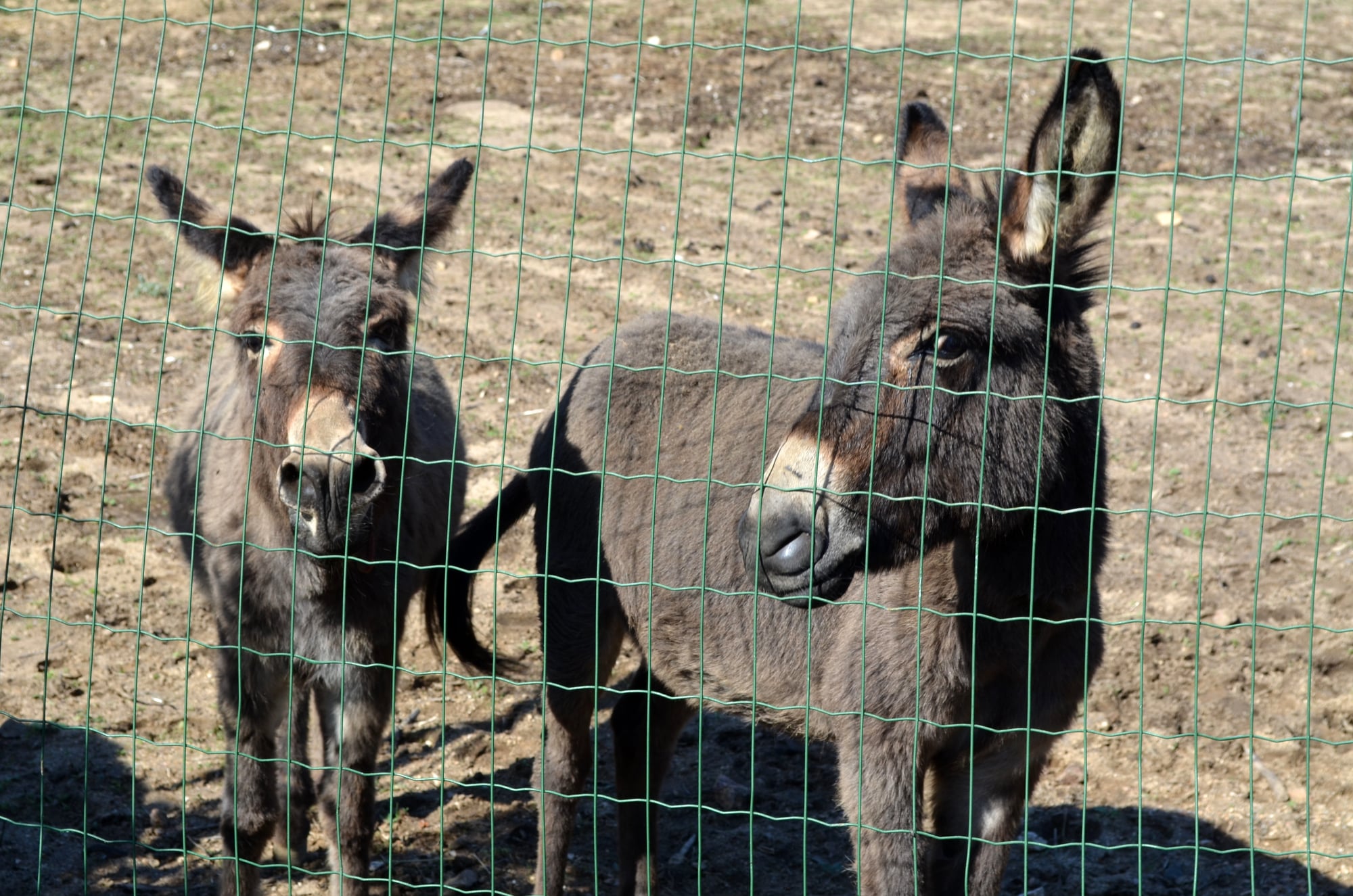
Everyone knows about the Pony Express, but this photograph documents something smaller and more practical: the donkey trains that carried supplies to remote mining camps. The image shows a line of pack donkeys loaded with goods, winding up a mountain trail that looks barely wide enough for a single animal.
These donkey trains were the real lifeline for isolated miners. No drama, no speed records, just steady animals carrying flour and tools and letters from home up impossible terrain because someone had to do it.
A Miner’s Underground Restaurant
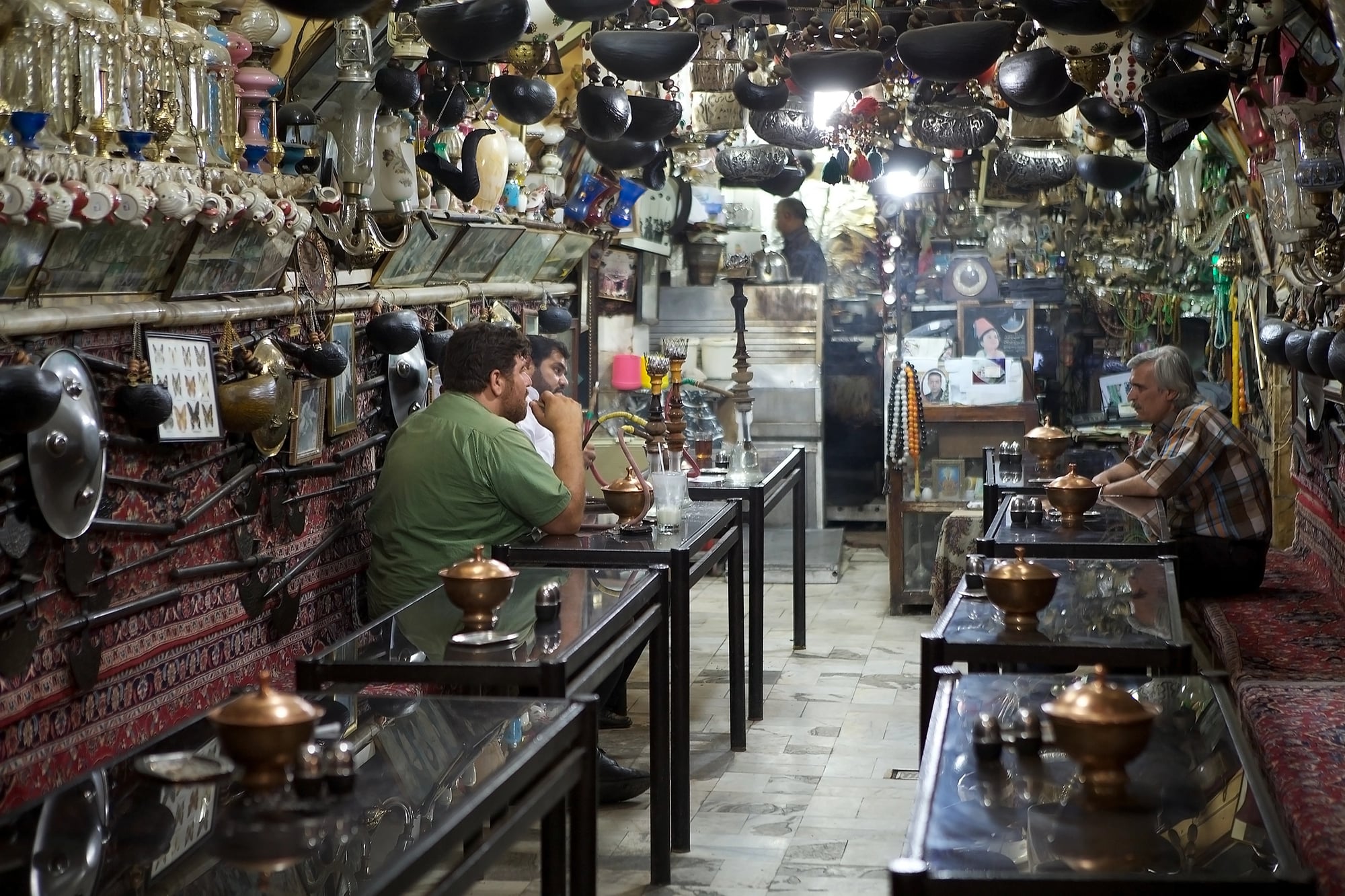
This extraordinary photograph was taken inside what appears to be an underground restaurant, carved directly into a hillside near a mining claim. Tables and chairs sit on a dirt floor, with support beams holding up a ceiling of raw earth and rock.
Lanterns provide the only light. It’s like a cave that decided to become a dining room.
The ingenuity is remarkable — instead of building up, they dug sideways into the hill, creating a space that stayed cool in summer and warm in winter while serving meals to miners who were too tired to cook for themselves after twelve hours underground.
The Ice Wagons of the Sierra Nevada

Ice was a luxury in Gold Rush California, but this photograph proves someone figured out how to deliver it. The image shows massive blocks of ice being loaded onto wagons in the Sierra Nevada mountains, presumably to be transported to mining camps and towns in the valleys below.
The logistics must have been incredible — cutting ice in winter, storing it through spring, and racing it down mountain roads before it melted completely. But miners would pay well for cold drinks, and where there’s demand, someone will figure out supply.
A Chinese Temple in the Mountains
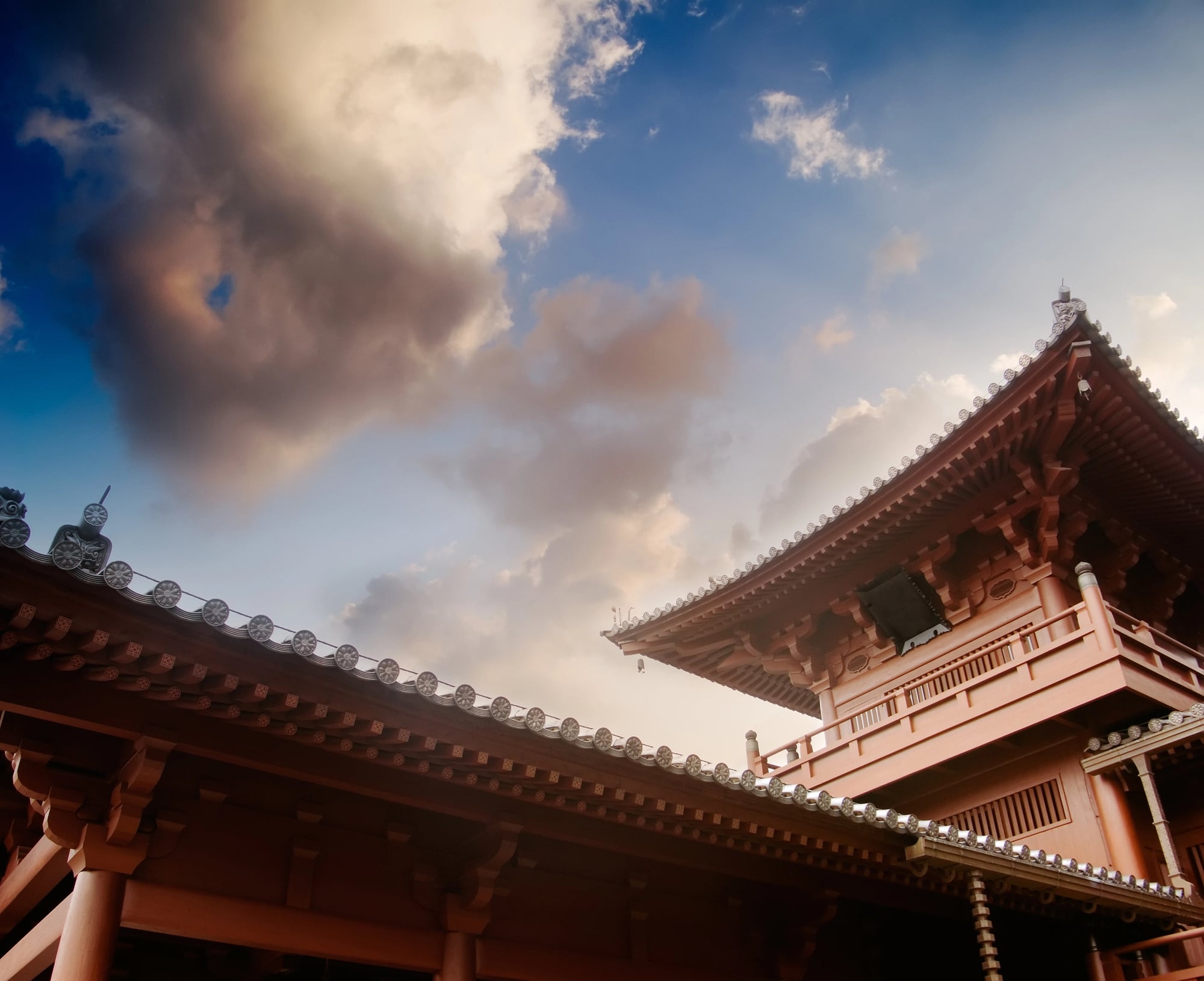
This photograph shows a Chinese temple that was built in a remote mining area, complete with traditional architecture and decorations that someone transported hundreds of miles from San Francisco or Sacramento. The effort required to carry these materials into the mountains and construct a proper temple speaks to how permanent Chinese miners expected their presence to be.
They weren’t just passing through. They were building communities, complete with the institutions that make a place feel like home rather than just a temporary camp.
The All-Children Mining Crew
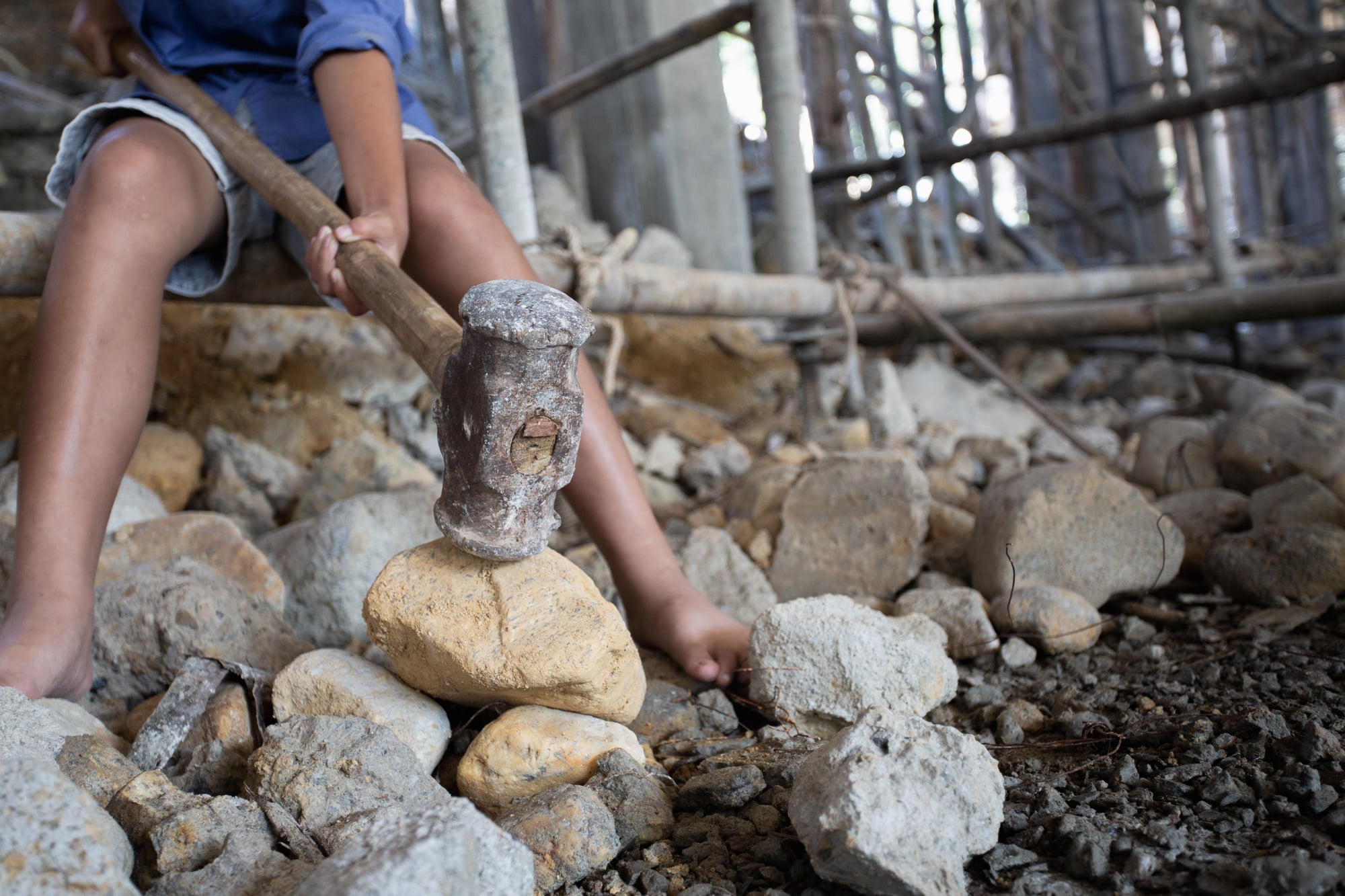
Child labor was common during the Gold Rush, but this photograph shows something more unusual: children who appear to be working a claim by themselves. Five boys, none looking older than fourteen, stand with mining equipment beside what appears to be their own sluice operation.
Whether these were orphans, runaways, or boys whose families had sent them to work claims, the image is a stark reminder that the Gold Rush wasn’t just an adult adventure. Children worked, children died, and sometimes children struck it rich while the adults around them went broke.
When the Gold Was Gone

The final photograph is perhaps the most poignant: an abandoned mining camp, probably taken in the 1870s, showing buildings already falling down and equipment rusting in place. No people visible, just the bones of what used to be a thriving community.
This is how most Gold Rush stories actually ended — not with wealth and success, but with exhausted claims and empty towns. The miners moved on or went home, leaving behind evidence of their brief, intense presence carved into the California landscape.
The camera captured what came after the excitement faded: silence, and the slow return of the wilderness.
What Photographs Remember

These images survive because someone thought they mattered enough to preserve, even when they showed ordinary moments rather than historic ones. A wedding, a flood, children at work, books in a tent — the small details that official histories tend to overlook.
Photography was supposed to show us the truth, but it turns out the truth was more complicated, more diverse, and more human than anyone expected. The California Gold Rush wasn’t just the story of individual fortune-seekers striking it rich.
It was the story of communities forming and dissolving, of people adapting to circumstances no one could have predicted, of ordinary life continuing even in extraordinary times.
More from Go2Tutors!

- The Romanov Crown Jewels and Their Tragic Fate
- 13 Historical Mysteries That Science Still Can’t Solve
- Famous Hoaxes That Fooled the World for Years
- 15 Child Stars with Tragic Adult Lives
- 16 Famous Jewelry Pieces in History
Like Go2Tutors’s content? Follow us on MSN.