TV Episodes Banned for Strange Reasons
Have you ever pondered why network executives are so anxious that they will cancel a whole show? It’s not always what you would anticipate.
Some of the most intriguing banned episodes were canceled for reasons that, in retrospect, seem almost ridiculous, despite the fact that we might assume content that is controversial gets cut. Imagine this: You’re a TV producer, and all of a sudden your harmless children’s program turns into a health risk, or your comedy episode unintentionally foreshadows a tragedy in the real world.
Here is a list of 15 TV episodes that were banned for reasons that will surprise you.
Pokémon – “Electric Soldier Porygon”
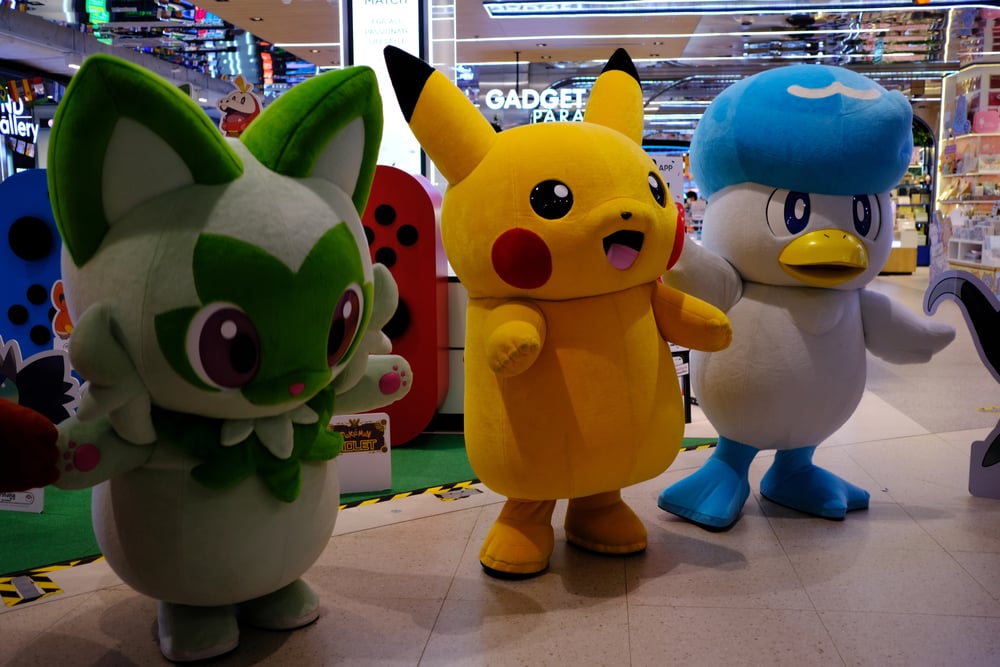
This infamous Pokémon episode was banned after over 600 children were hospitalized due to strobe lights in one scene that caused seizures, blindness, and unconsciousness. Imagine being a parent watching cartoons with your kid, only to have them suddenly collapse from flashing lights on screen.
The episode aired only once in Japan in 1997, and viewers experienced blurred vision, headaches, dizziness, and nausea, with 685 people taken to hospitals by ambulance. Who would have thought an animated sequence could literally hospitalize hundreds of people?
Sesame Street – Episode “847”

This Sesame Street episode featuring the Wicked Witch of the West was so terrifying that children became afraid of their TVs and the Muppets themselves. Can you imagine Big Bird being more frightening than a horror movie?
After the episode aired and underwent additional screen testing, Season 7 Episode 52 was permanently banned from being broadcast again. Sometimes even educational television can go too far when trying to entertain kids.
Peppa Pig – “Mister Skinnylegs”
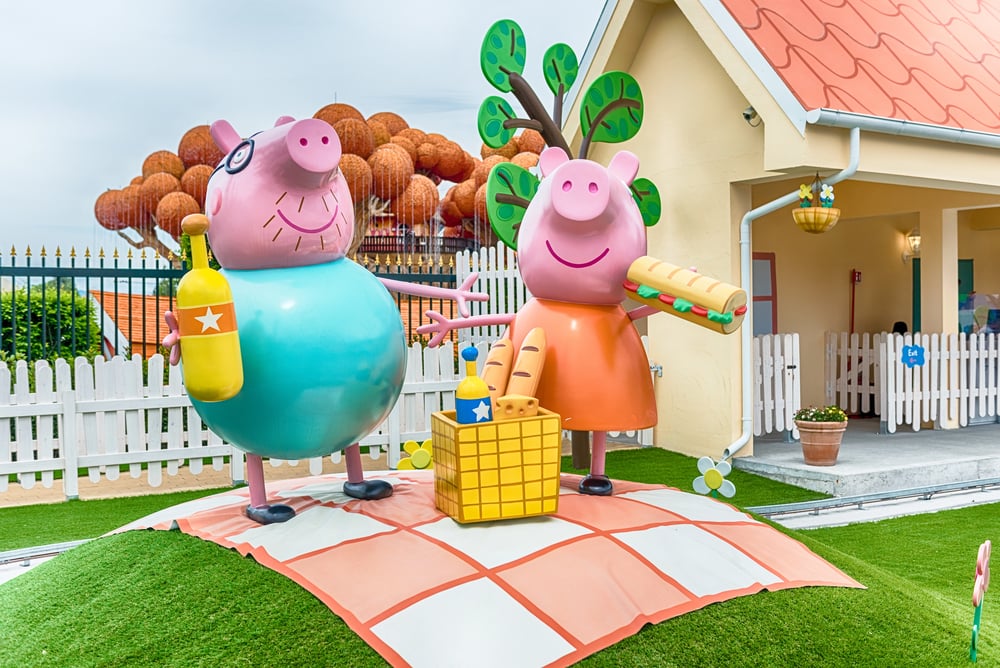
This innocent British children’s episode taught kids that ‘spiders are very small and they can’t hurt you,’ but Australian broadcasters were horrified. Think about it—this message works perfectly in the UK, but in Australia where there had been 27 deaths from spider bites in the previous hundred years, it became dangerous advice.
The Australian broadcaster ABC deemed it ‘unsuitable for broadcast’ because they were concerned the cartoon would create a generation of children trying to befriend venomous creatures. Cultural context matters more than you might think!
Bluey – “Dad Baby”
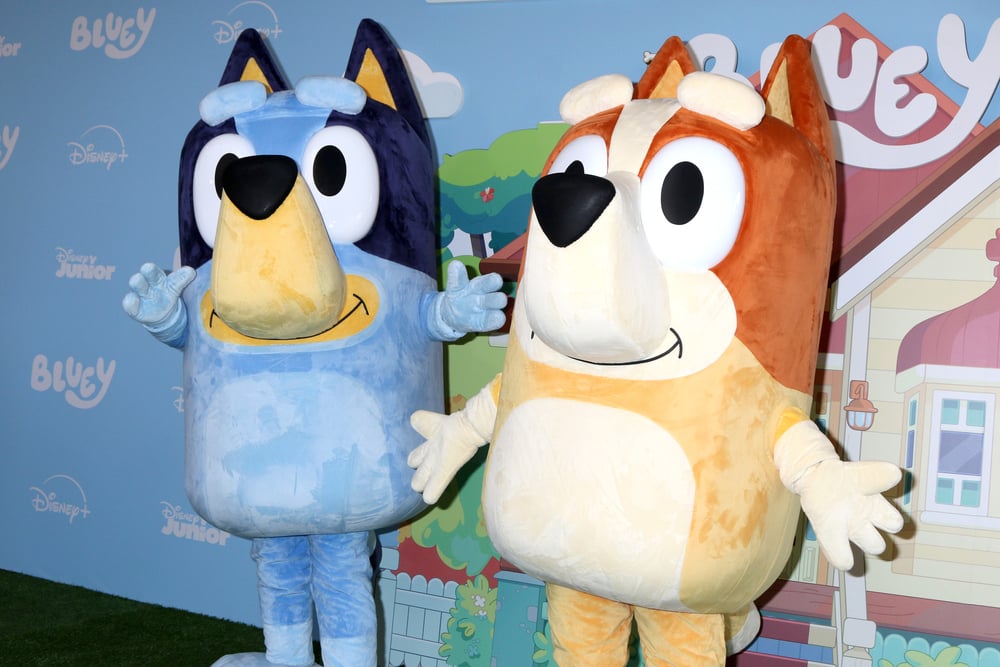
Even the beloved family show Bluey faced censorship when father figure Bandit pretended to be pregnant and simulated giving birth. The concept was silly and harmless, with playful jokes about pregnancy discomforts that parents could relate to.
However, the episode was pulled because some viewers found the fake birth scene inappropriate, despite the show being praised by both kids and parents. Sometimes even the most well-intentioned family content can spark unexpected controversy.
Dexter’s Laboratory – “Rude Removal”

This episode featured Dexter creating a machine to separate his and Dee Dee’s rude behavior, but the resulting ‘rude’ clones used excessive profanity that was bleeped out. Even though every offensive word was comically censored, the sheer volume of bleeps made it clear what was being said.
Cartoon Network immediately pulled the episode after its premiere, and aside from a couple animation festival showings and a brief Adult Swim appearance, it’s never seen the light of day. Who knew that cartoon bleeps could be more offensive than actual curse words?
Buffy the Vampire Slayer – “Earshot”

This episode was postponed after the Columbine High School massacre because it featured a student loading a rifle in what looked like a planned school shooting. The cruel irony?
The episode was actually about a troubled student planning self-harm, not violence against others, and explored Buffy’s themes about the high school experience. Sometimes good intentions get overshadowed by tragic timing, and what was meant to help students process difficult emotions becomes too painful to air.
The Simpsons – “The City of New York vs. Homer Simpson”

This episode featured the Simpson family traveling to New York to retrieve their car from outside the World Trade Center, but it was pulled from syndication after 9/11. Picture the writers creating what they thought was just a funny New York adventure story.
The episode showed Twin Towers scenes with employees arguing inside, and was removed out of respect for victims. Sometimes comedy becomes tragedy when real-world events overtake fictional storylines.
Fear Factor – “Hee Haw! Hee Haw!”

This reality show finale required contestants to drink large amounts of donkey semen and urine to win the cash prize. Even for a show notorious for disgusting stunts, this crossed a line that NBC couldn’t ignore.
Host Joe Rogan later said on his podcast that this episode was so offensive it actually killed the entire show. Sometimes pushing boundaries means pushing too far—even for reality TV standards.
South Park – “Super Best Friends”
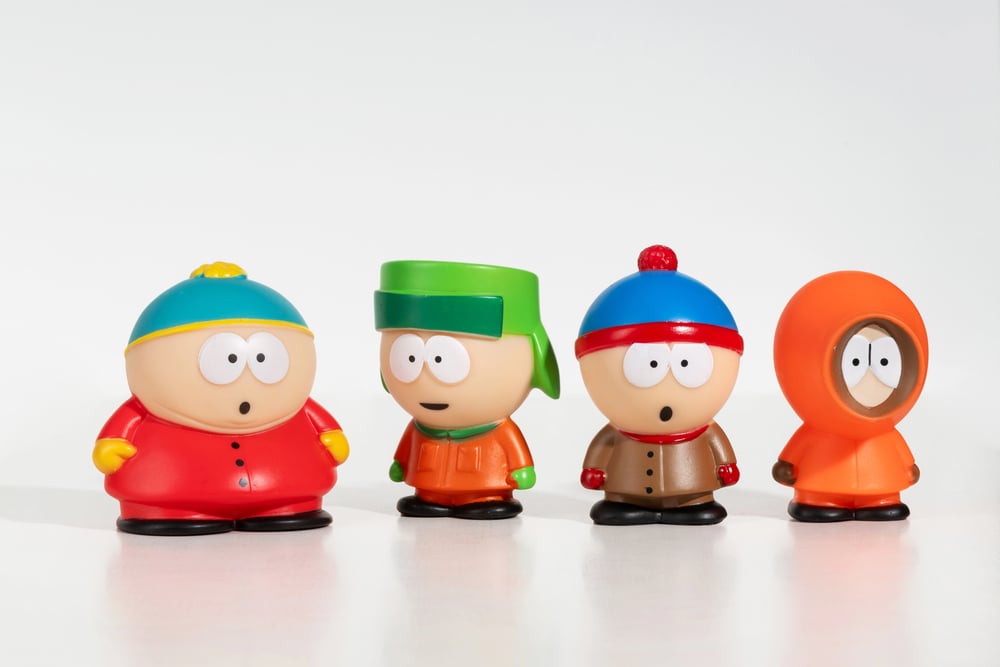
This Season 5 episode featured several religious figures including the prophet Muhammad, which some followers of Islam believe is not permitted. The episode aired without incident initially, but later became controversial during heightened sensitivities around religious imagery.
What started as the show’s typical irreverent humor toward all religions became a cultural flashpoint. Sometimes satire that seems harmless at first becomes problematic as cultural contexts shift.
Arthur – “Room to Ride”

This innocent children’s episode about installing bike lanes became controversial through no fault of its own when it featured Lance Armstrong as a cycling inspiration. The episode was perfectly wholesome when it aired in 2008, focusing on Binky Barnes campaigning for bike safety.
After Armstrong’s doping scandal, the episode was quietly remade shot-for-shot with a fictional wrestler named Uncle Slam replacing all of Armstrong’s parts. Sometimes real-life scandals can poison even the most innocent children’s programming.
Married… with Children – “I’ll See You in Court”

This episode saw Al and Peg staying at a hotel where they discovered a hidden camera recording their neighbors Steve and Marcy, leading to a court case about the illegal surveillance. The subject matter of non-consensual recording was considered too adult and inappropriate for the show’s typical audience.
Long considered a lost episode, it eventually aired during reruns on FX years later. Sometimes storylines that seem edgy become genuinely problematic when you think about the real-world implications.
Seinfeld – “The Puerto Rican Day”
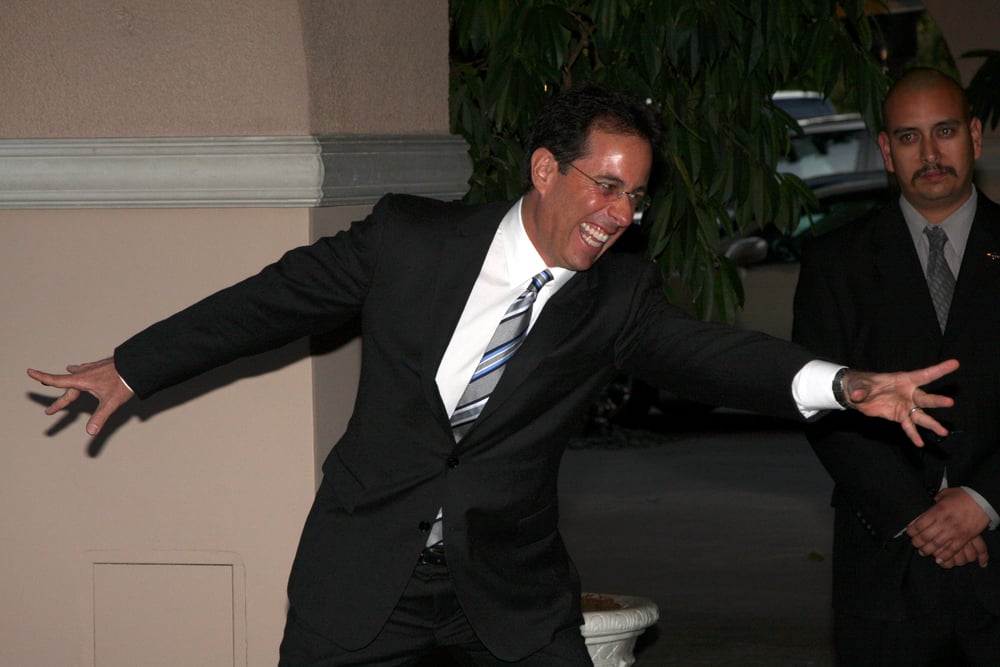
This episode featured the gang getting stuck in Puerto Rican Day parade traffic, with Kramer accidentally burning a Puerto Rican flag and stomping on it before being attacked by an angry crowd. What was meant to be typical Seinfeld physical comedy became a cultural insensitivity nightmare.
NBC pulled the episode and apologized for the original airing, though it returned to syndication by 2002. Sometimes slapstick humor accidentally becomes offensive when it involves cultural symbols.
When Good Intentions Go Wrong
What is the most intriguing aspect of these prohibited episodes? The majority had no intention of stirring up controversy.
When content is judged too repulsive, offensive, or unsuitable for target audiences, episodes are banned to reduce their public exposure. However, as we’ve seen, the most bizarre bans can occasionally originate from entirely unanticipated sources, such as medical crises, cultural misinterpretations, or just plain bad luck.
Even though banning worked well when broadcasting was the main source of entertainment, the streaming era has completely changed the landscape, and these infamous episodes now hold a unique place in television history. Trying to hide something often makes people want to see it even more, which is a delicious irony.
More from Go2Tutors!

- The Romanov Crown Jewels and Their Tragic Fate
- 13 Historical Mysteries That Science Still Can’t Solve
- Famous Hoaxes That Fooled the World for Years
- 15 Child Stars with Tragic Adult Lives
- 16 Famous Jewelry Pieces in History
Like Go2Tutors’s content? Follow us on MSN.