Poker Phrases in Everyday Speech
People throw around poker terms all the time without even realizing where they came from. These expressions have jumped straight from the card table into daily conversations, business meetings, and casual chats.
Most folks use them naturally, never stopping to think about their gambling roots or what they originally meant in a game of five-card stud.
The wild thing is how perfectly these phrases fit into modern life. They describe everything from workplace drama to romantic relationships with the kind of punch that normal words just can’t deliver.
Ante up

When someone tells you to ante up, they’re asking you to pay your share or contribute to something. The original poker meaning was simple: before the cards got dealt, every player had to toss a small amount of money into the pot to get the game started.
Today, it works for splitting restaurant bills, pitching in for office gifts, or doing your part on a group project. The phrase carries a sense of obligation, like you need to put something on the line before you can participate in whatever’s happening.
Call someone’s bluff
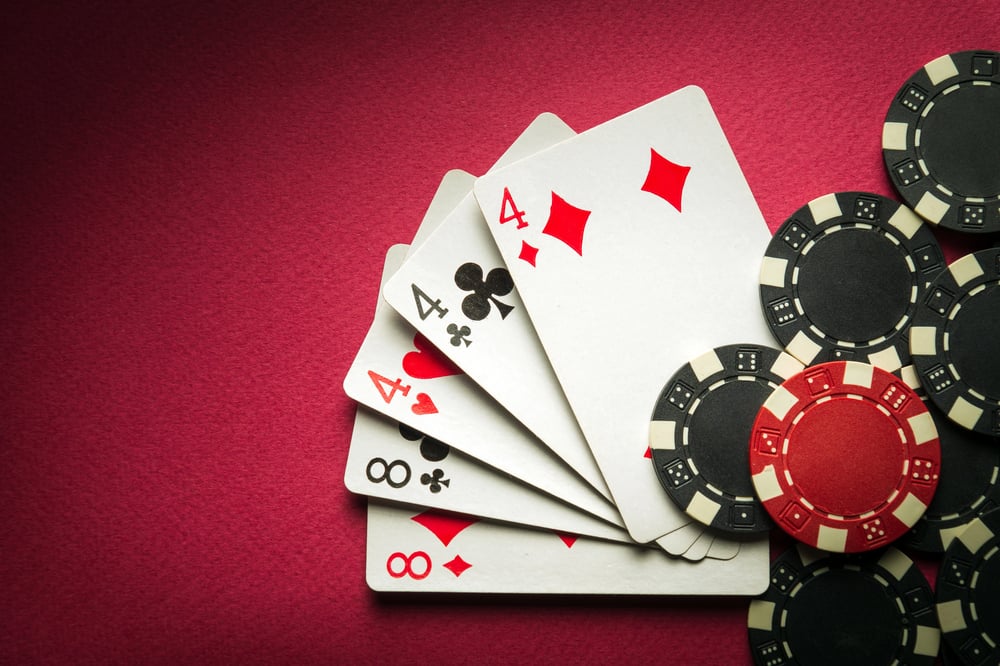
This one shows up everywhere, from political debates to playground arguments. Calling someone’s bluff means challenging them to prove they can actually do what they’re threatening or claiming.
In poker, a bluff is when a player bets big with terrible cards, hoping everyone else will fold out of fear. When you call that bluff, you’re forcing them to show their hand, and usually their weakness gets exposed.
The phrase works great when someone’s making empty threats or exaggerating their abilities just to intimidate others.
Poker face

Keeping a poker face means hiding your emotions completely, showing nothing on your face no matter what you’re feeling inside. Professional card players master this skill because any tiny expression might give away whether they’re holding aces or garbage.
People use this phrase when they need to stay neutral during tough conversations, job interviews, or when hearing shocking news. It’s about control and not letting anyone read what’s really going through your mind.
Up the ante

When things get more serious or intense, someone might up the ante. This means raising the stakes, making something more important, or increasing what’s at risk.
In poker, upping the ante literally means increasing the minimum bet required to play the next hand. Outside the card room, it describes everything from companies offering bigger salaries to attract workers, to kids daring each other to do increasingly risky stunts.
The phrase captures that moment when casual suddenly becomes serious.
Play your cards right
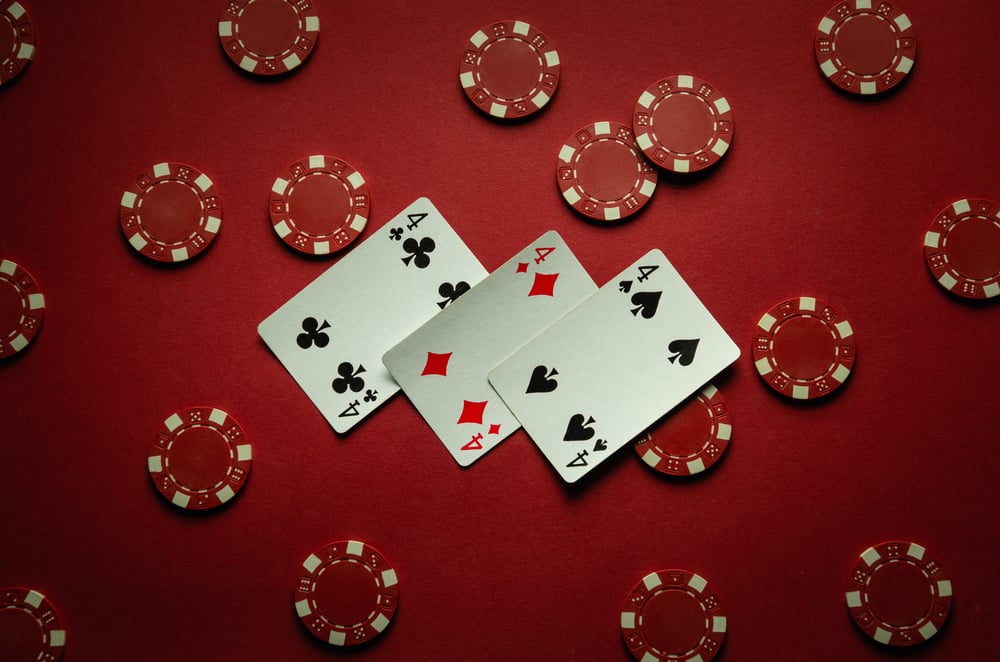
This advice shows up in every situation where strategy and good decisions matter. Playing your cards right means making smart choices and handling a situation carefully to get the best outcome.
The poker connection is obvious since the entire game depends on knowing when to bet, fold, or raise based on what cards you’re holding. Parents tell their kids to play their cards right with college applications, friends give this advice about dating, and coworkers whisper it before big presentations.
Wild card
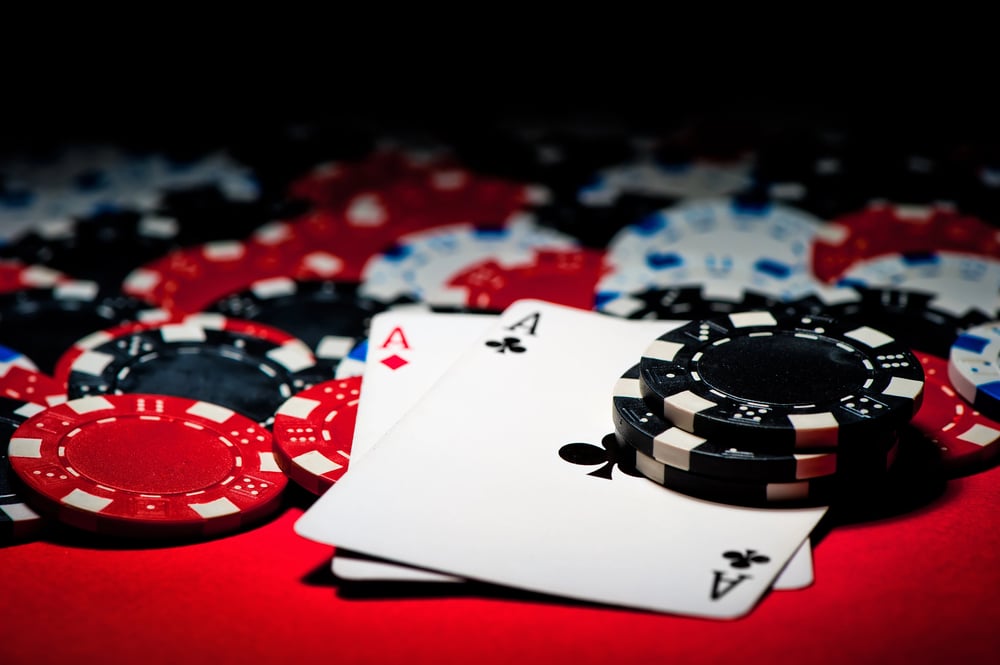
Calling someone or something a wild card means they’re unpredictable and could change everything. In certain poker games, wild cards can become whatever value the player needs them to be, turning a losing hand into a winner instantly.
The term perfectly describes that person who might show up to the party or might not, the weather that could ruin outdoor plans, or the competitor nobody can figure out. Wild cards keep things interesting because you never know what they’ll do next.
Cash in your chips
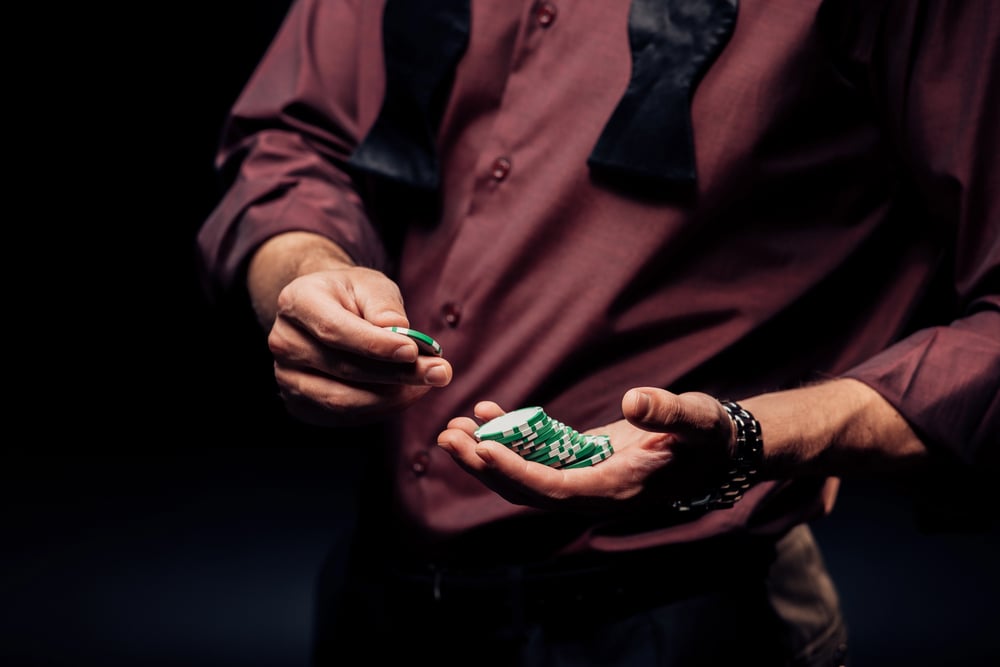
When someone cashes in their chips, they’re quitting, leaving, or sometimes dying. Poker players do this literally at the end of a game, trading their chips back for actual money before walking away from the table.
The phrase can be gentle or harsh depending on context—retiring from a job, ending a relationship, or in darker moments, referring to someone’s death. It carries a sense of finality, like the game is definitely over and there’s no coming back.
Stack the deck
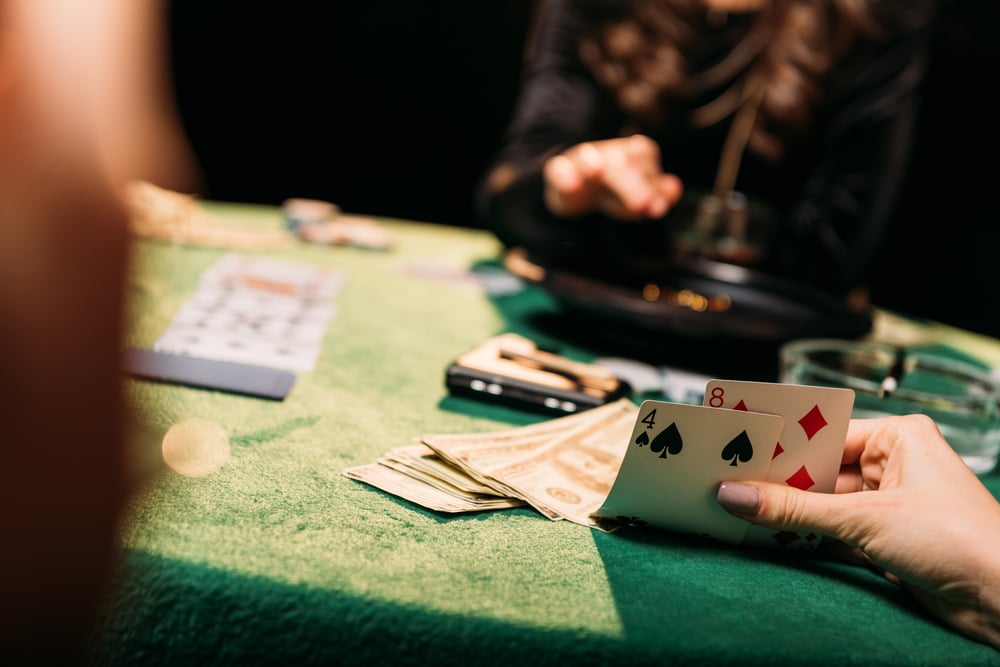
Stacking the deck means rigging something unfairly in your favor before it even starts. A dishonest card dealer could arrange the deck so specific cards go to specific players, guaranteeing certain outcomes.
People use this phrase when complaining about unfair hiring practices, biased rules, or situations where someone had an advantage from the beginning. It’s all about cheating the system, setting things up so only one result is possible.
Show your hand

Revealing your plans or intentions is what showing your hand means. In poker, this happens when betting is done and players flip their cards face up to see who wins.
Outside the game, it describes moments when people have to reveal their true motives, admit what they’re really after, or expose their strategy. Politicians eventually have to show their hand on policy positions, and people in negotiations can’t keep their real limits secret forever.
Pass the buck
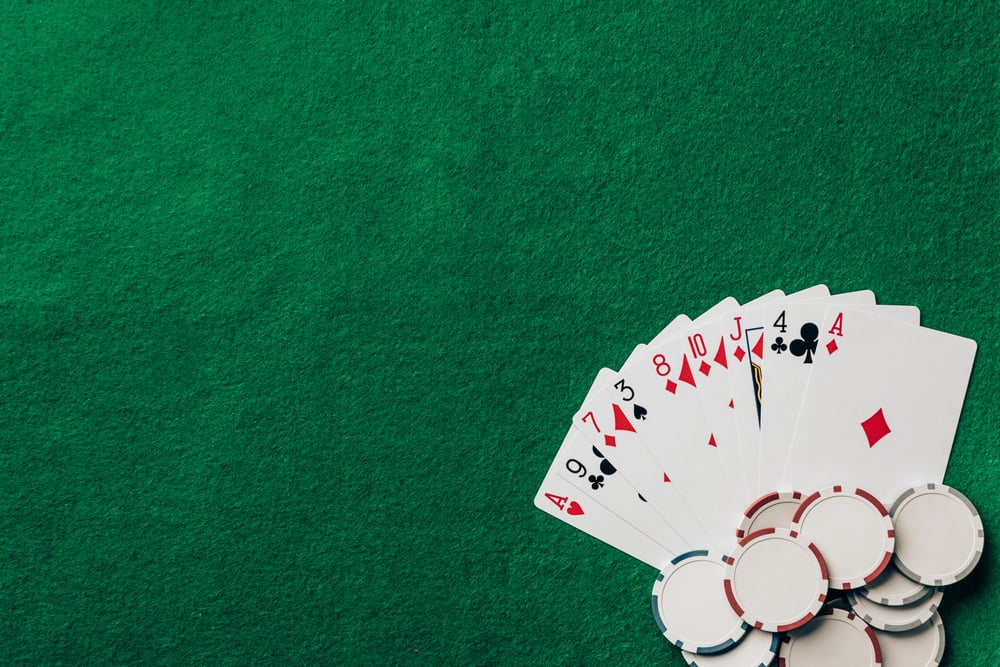
Passing the buck means avoiding responsibility by pushing it onto someone else. The original “buck” was a marker (often a knife with a buckhorn handle) that moved around the poker table to show whose turn it was to deal.
If you didn’t want to deal, you literally passed the buck to the next person. Now it describes coworkers blaming each other, politicians pointing fingers, or anyone dodging accountability for something that went wrong.
It’s become shorthand for people who won’t own their mistakes.
When the chips are down
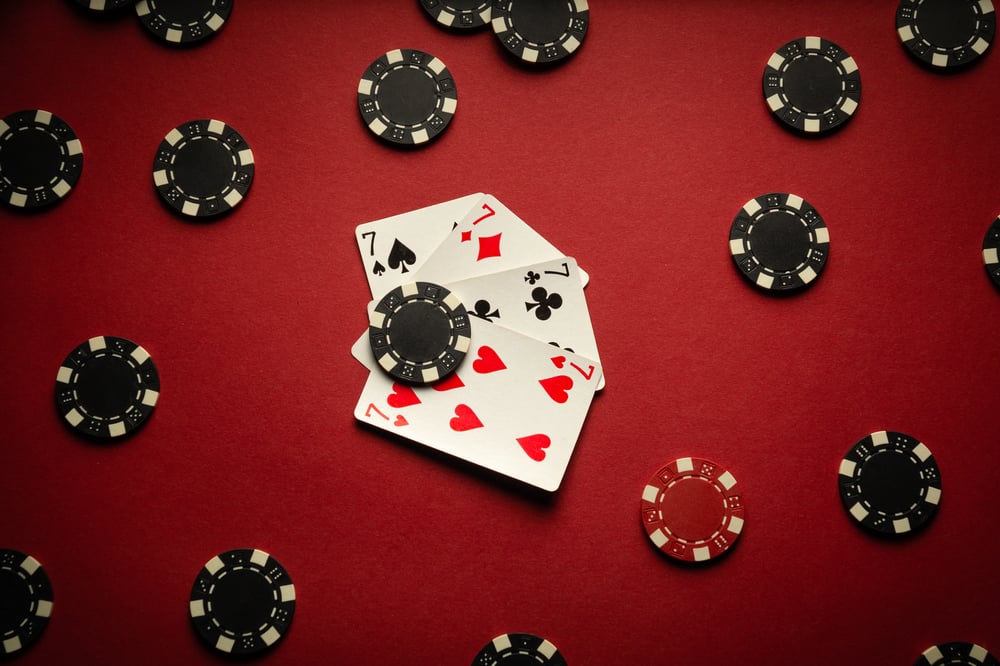
This phrase describes tough times when things get serious and difficult. In poker, when most of your chips are gone and you’re nearly out of the game, that’s when the chips are down.
It’s the moment of truth where you find out what someone’s really made of. People say it about friends who stick around during hard times, employees who work harder when the company struggles, or athletes who perform under pressure when everything’s on the line.
Four of a kind
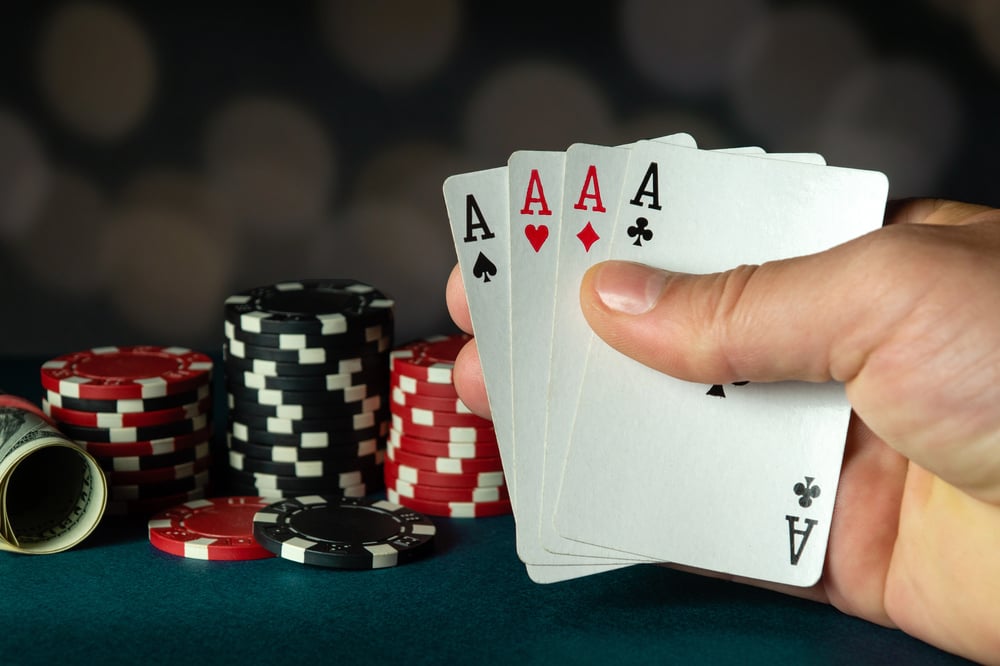
Having four of a kind in conversation usually means something rare and special, though people use it less than other poker phrases. In the actual card game, getting four cards of the same rank is incredibly lucky and beats almost everything.
The expression sometimes describes families with four kids of the same gender, collections with four matching items, or any situation where something quadruples in an unusual way. It’s not common in everyday talk, but when it fits, everyone knows what it means.
Know when to hold ’em, know when to fold ’em

Thanks to Kenny Rogers, this phrase became almost more famous than poker itself. Knowing when to hold means recognizing situations worth fighting for, while knowing when to fold means accepting when something isn’t working and walking away.
The wisdom applies to jobs, relationships, investments, and arguments. Some battles are worth the energy and some aren’t, and figuring out which is which separates smart people from stubborn ones who waste time on losing propositions.
Sweeten the pot
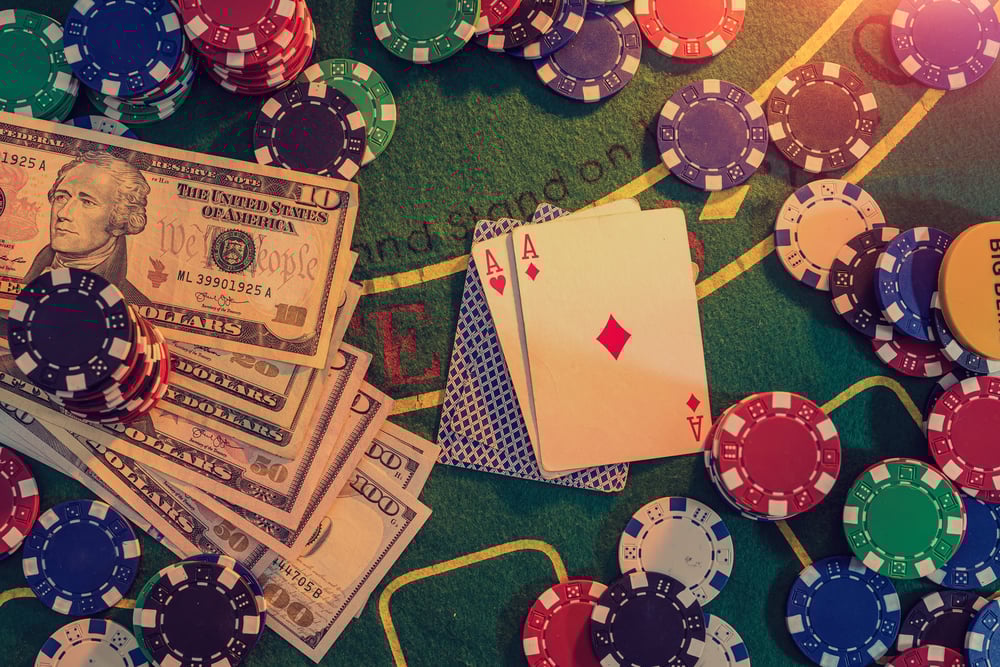
Making an offer more attractive by adding extra incentives is sweetening the pot. In poker, players sometimes add more money to increase what everyone’s competing for, making the game more exciting.
Employers sweeten the pot with signing bonuses, kids do it by adding extra chores to their allowance negotiations, and sellers might throw in free delivery or bonus items. The phrase captures that moment when someone tries to make a deal impossible to refuse.
Have skin in the game

Having skin in the game means you’ve got something personal at risk, not just watching from the sidelines. Poker players with their own money on the table definitely have skin in the game compared to spectators.
The phrase has exploded in business talk, describing investors who use their own cash versus other people’s money, employees who own company stock, or anyone whose personal welfare depends on an outcome. It’s about being truly invested, not just involved.
Luck of the draw
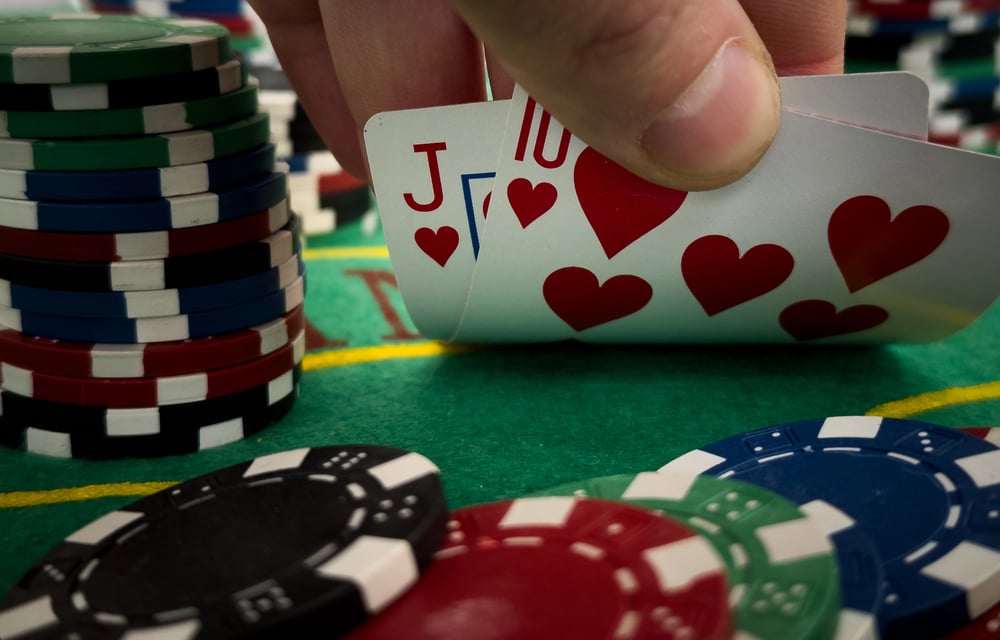
Sometimes things happen purely by chance, and that’s the luck of the draw. In card games, you can’t control which cards you get dealt, so whatever happens is just random.
People shrug and use this phrase when talking about being born into certain families, getting assigned to specific teachers or bosses, or ending up next to annoying people on airplanes. It acknowledges that life includes plenty of random elements nobody can predict or control.
All in
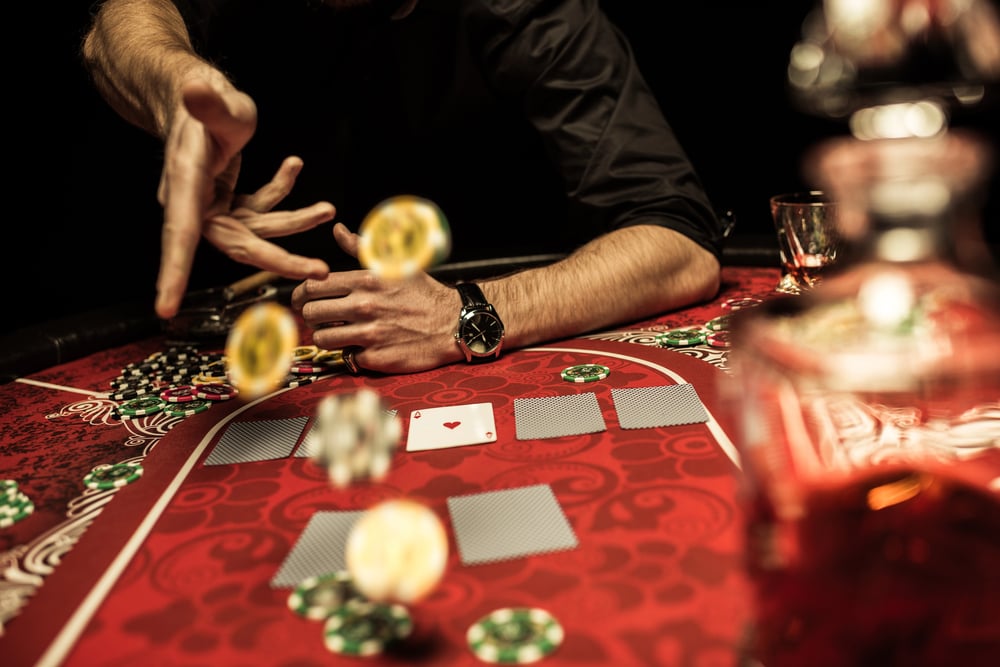
One way to play poker is putting your whole stack on the line at once, staking every last chip without hesitation. That move? It locks you in – no turning back, just raw exposure to chance.
Over time people began using it outside card games, like when diving headfirst into love or launching something new at work. Total effort shows up here: zero room for half steps, only full charge ahead.
Backing out fades as an option once the decision lands, simply because there’s nowhere else to land.
The cards we’re dealt

Things unfold differently for each person, no promises made along the way. One might land chances another never sees, while someone else battles tougher odds – that is simply how it lands.
This idea does not argue life balances out in the end but suggests we handle what arrives at our doorstep. Rather than fixate on unfairness, notice what’s present now.
From there, move forward using exactly what’s available, whether meagre or ample. The hand matters less than the choices after receiving it.
Now here is where you find those phrases
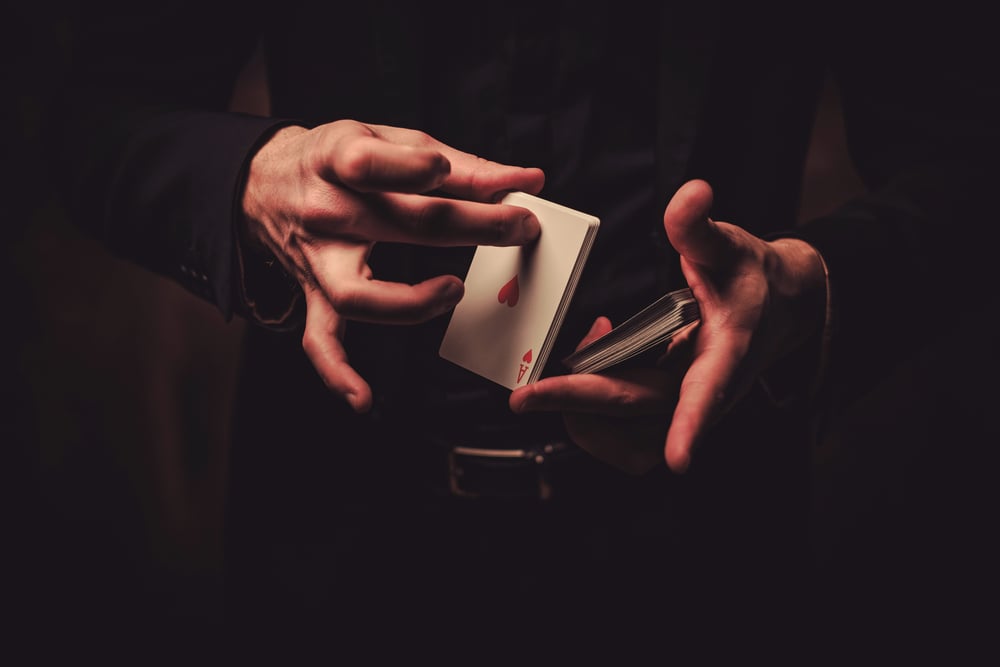
Out here, far beyond the felt-covered tables, these poker sayings lost their roots completely – most folks now miss they ever came from bets and bluffs at all. Shaped by chance, shaped by thought, they fit how things unfold today, where nothing is certain but choices weigh heavy.
Even if cards stay untouched in your hands – or maybe you shuffle them weekly – they click into place when moments hang balanced, waiting on one move.
More from Go2Tutors!

- The Romanov Crown Jewels and Their Tragic Fate
- 13 Historical Mysteries That Science Still Can’t Solve
- Famous Hoaxes That Fooled the World for Years
- 15 Child Stars with Tragic Adult Lives
- 16 Famous Jewelry Pieces in History
Like Go2Tutors’s content? Follow us on MSN.



