Reality TV secrets producers don’t admit
You probably know reality TV isn’t completely real. But the gap between what you see on screen and what actually happens behind the scenes runs deeper than most people realize.
Producers shape every moment you watch, and they’ve gotten very good at hiding their fingerprints.
Scenes get filmed multiple times until they’re “right”
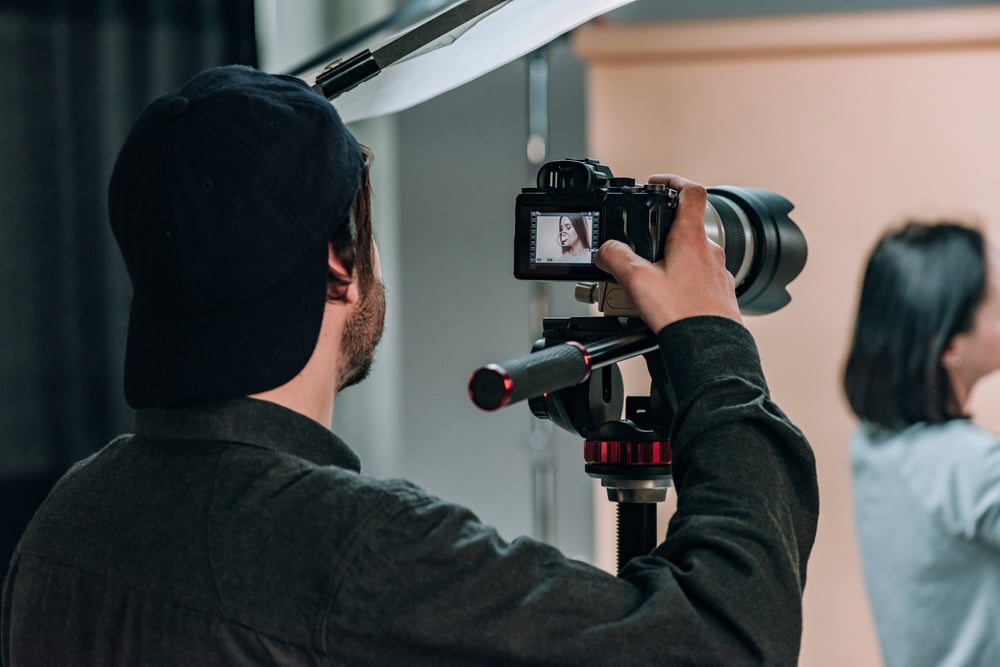
That spontaneous argument between housewives at brunch? They shot it four times.
Producers ask cast members to repeat conversations, reactions, and even fights until the footage matches what they need.
If someone’s response isn’t dramatic enough the first time, they’ll ask them to do it again with more emotion.
The cast learns quickly that going along with these do-overs keeps them on the show.
Frankenbiting creates conversations that never happened

Editors piece together words and phrases from different conversations to create entirely new dialogue.
Someone says “I love” in one scene and “that restaurant” in another, and suddenly they’re declaring their love for a place they actually hate.
The technical term is “frankenbiting,” and it’s standard practice.
Your favorite villain probably never said half the things that made you hate them.
Alcohol flows freely for a reason

Notice how many reality shows feature constant drinking? Producers know alcohol loosens inhibitions and creates drama.
Many shows provide unlimited free drinks and actively encourage cast members to keep drinking.
Some contestants have reported feeling pressured to drink even when they didn’t want to.
The goal isn’t to capture authentic moments—it’s to create situations where people lose control.
Producers plant ideas and then take credit away

A producer might suggest to a cast member that another contestant seems untrustworthy.
Hours later, when that cast member brings up their concerns on camera, it looks like organic drama.
The producer never appears on screen. Their suggestion becomes “reality.”
This happens constantly, turning producers into invisible puppet masters while the cast takes all the blame for manufactured conflicts.
Time doesn’t work the way it appears

That season finale fight that seems to happen after weeks of tension? It actually occurred three days into filming.
Editors rearrange timelines constantly to build better narratives.
Events from month two appear in episode one. Conversations from the beginning of filming show up in the final episodes.
You’re watching a carefully constructed story arc, not a chronological documentation of events.
Staff members pretend to be strangers

Those “random” people the cast meets at bars or parties often work for the production.
The attractive person who starts flirting with the lead? Hired by producers.
The friend who shows up with gossip at just the right moment? They got a call from production first.
Real strangers would require release forms and careful legal coordination, so shows use actors and crew members instead.
Contract clauses trap participants

Reality TV contracts run hundreds of pages and give producers extraordinary control.
Cast members typically can’t quit without facing massive financial penalties.
They often can’t talk about the show’s manipulation even years after filming ends.
Some contracts even give producers the right to portray participants “in a false light” or create “fictionalized” versions of events.
The people on screen signed away more rights than you’d imagine.
Your favorite genuine moments were staged

That surprise proposal? The production team knew about it weeks in advance and filmed it from five different angles with professional lighting.
The unexpected visitor who shows up at someone’s door? Security called ahead and a producer escorted them to the location.
The tearful reunion? Scheduled and rehearsed.
What feels spontaneous to you required careful planning and multiple departments coordinating their efforts.
Room assignments create problems on purpose

On competition shows and shared living situations, producers deliberately assign roommates they know will clash.
They’ve interviewed everyone extensively and know exactly who will irritate whom.
That terrible roommate pairing isn’t bad luck—it’s strategic planning.
They also control who gets the good rooms and who gets stuck in less desirable spaces, creating resentment before filming even begins.
Challenges get designed around predetermined outcomes

Competition shows sometimes build challenges that favor specific contestants.
Producers know who’s good at what from extensive pre-show interviews and testing.
If they want someone to win a particular challenge, they design it to match that person’s strengths.
The person who wins isn’t always the most talented—they’re just the one production decided should advance that week.
Editors create villains from normal people

Most “villains” are just regular people who got a bad edit.
Editors can take someone’s worst moments across months of filming and compress them into each episode, making them look terrible.
Meanwhile, another contestant’s worst behavior ends up on the cutting room floor.
The difference between hero and villain often comes down to which footage the editing team chooses to use.
Crew members feed lines and reactions

Before an interview segment, producers tell cast members what to say.
“Talk about how you felt betrayed.” “Mention the argument from last night.”
“Say something about trust issues.”
The cast member then delivers these coached responses while pretending they came up with the thoughts themselves.
Those confessional interviews where people perfectly articulate their feelings? They’ve been guided toward those exact words.
Winners sometimes get chosen before filming starts
Some competition shows have predetermined winners or at least strong preferences.
Producers know who will make good television and who fits the story they want to tell.
They then structure challenges, eliminations, and edits to support that outcome.
The “competition” you’re watching has been shaped to lead toward a specific conclusion.
Medical and safety concerns get ignored

Some participants say they were refused adequate medical help while cameras rolled through panic attacks, forced to stay on even when hurt.
What might look like concern from producers can vanish once ratings come into play.
When breakdowns make good footage, well-being gets treated as optional.
Drama tends to win out over basic decency behind the scenes.
What stays real

Even when everything feels fake, small truths still slip into view.
Emotions rise up – sometimes true, sometimes nudged, yet felt just the same.
Bonds grow, even with someone pulling strings behind the scenes.
Who people really are tends to show, no matter how tightly a story is cut.
Hidden beneath what we watch lies a structure built in a direction few ever notice.
Reality TV runs on hidden gears

What looks unscripted passes through many hands before you see it.
Producers shape scenes, editors trim seconds, bosses approve angles.
Their craft hides well now. The illusion sticks because it breathes like truth.
Viewers stay hooked without questioning how tight the strings are pulled.
More from Go2Tutors!

- The Romanov Crown Jewels and Their Tragic Fate
- 13 Historical Mysteries That Science Still Can’t Solve
- Famous Hoaxes That Fooled the World for Years
- 15 Child Stars with Tragic Adult Lives
- 16 Famous Jewelry Pieces in History
Like Go2Tutors’s content? Follow us on MSN.