15 Nostalgic Cereals That Changed Everything
Breakfast hasn’t been the same since colorful cartoon mascots started hawking sugary cereals from grocery store shelves. What began as simple oats and corn flakes evolved into an entire universe of crunchy, sweet creations that defined childhood mornings for generations. These cereals didn’t just fill bowls—they created cultural moments, sparked playground debates, and turned breakfast into an adventure.
The cereal aisle became a battleground where nutrition met marketing, and creativity knew no bounds. Here is a list of 15 nostalgic cereals that transformed breakfast forever.
Frosted Flakes
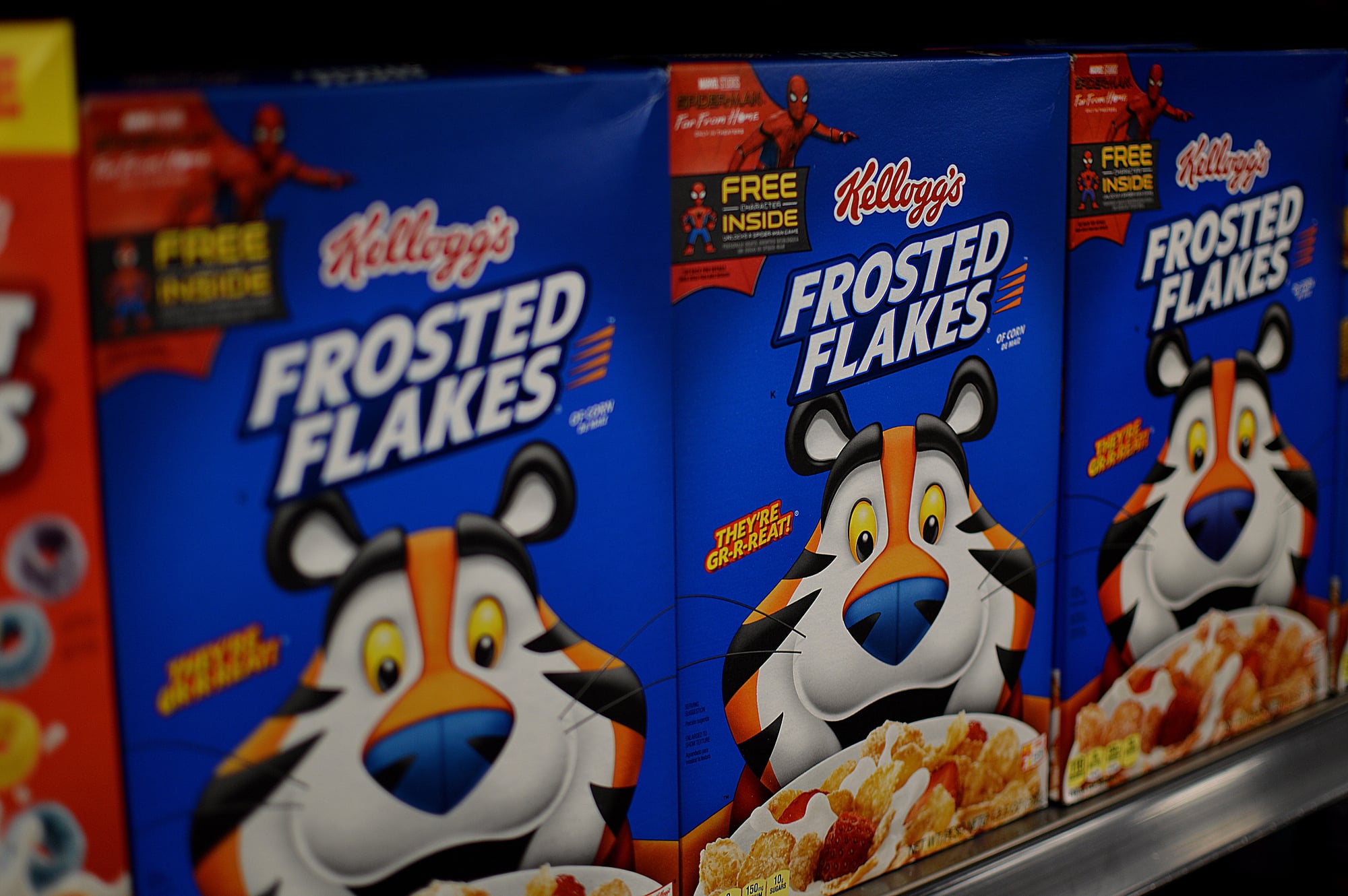
Tony the Tiger made ‘They’re Grrreat!’ one of the most recognizable catchphrases in advertising history when Frosted Flakes launched in 1952. Kellogg’s took their plain corn flakes and coated them with sugar, creating a sweet crunch that made kids actually excited about breakfast.
The cereal proved that sometimes the simplest changes make the biggest impact—just adding frosting turned an ordinary cereal into a childhood staple that parents still buy today.
Lucky Charms

General Mills struck gold in 1964 when they mixed toasted oat pieces with colorful marshmallow shapes, creating the first cereal to feature marshmallows as a main ingredient. The leprechaun mascot and his ‘magically delicious’ slogan turned breakfast into a treasure hunt as kids dug through their bowls searching for those coveted marshmallow bits.
Lucky Charms essentially invented the concept that cereal could be part food, part toy, setting the stage for countless imitators.
Cap’n Crunch
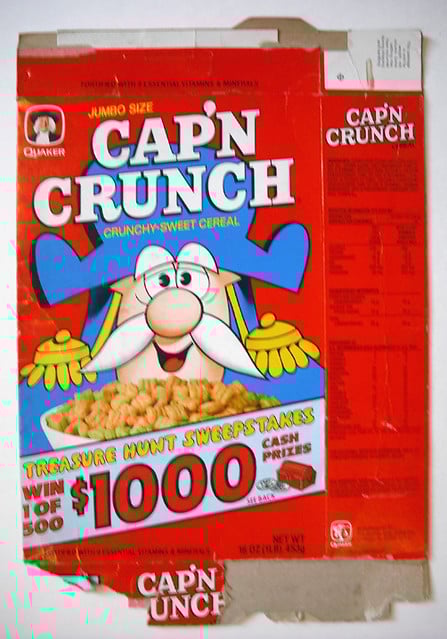
Horatio Magellan Crunch sailed onto shelves in 1963 with a cereal so distinctively crunchy it literally cut the roof of your mouth—and kids loved it anyway. The square-shaped corn and oat pieces stayed crispy in milk longer than most cereals, giving Quaker Oats a unique selling point that became legendary.
Cap’n Crunch proved that texture could be just as important as taste, and sometimes a little pain was worth the payoff.
Like Go2Tutors’s content? Follow us on MSN.
Trix
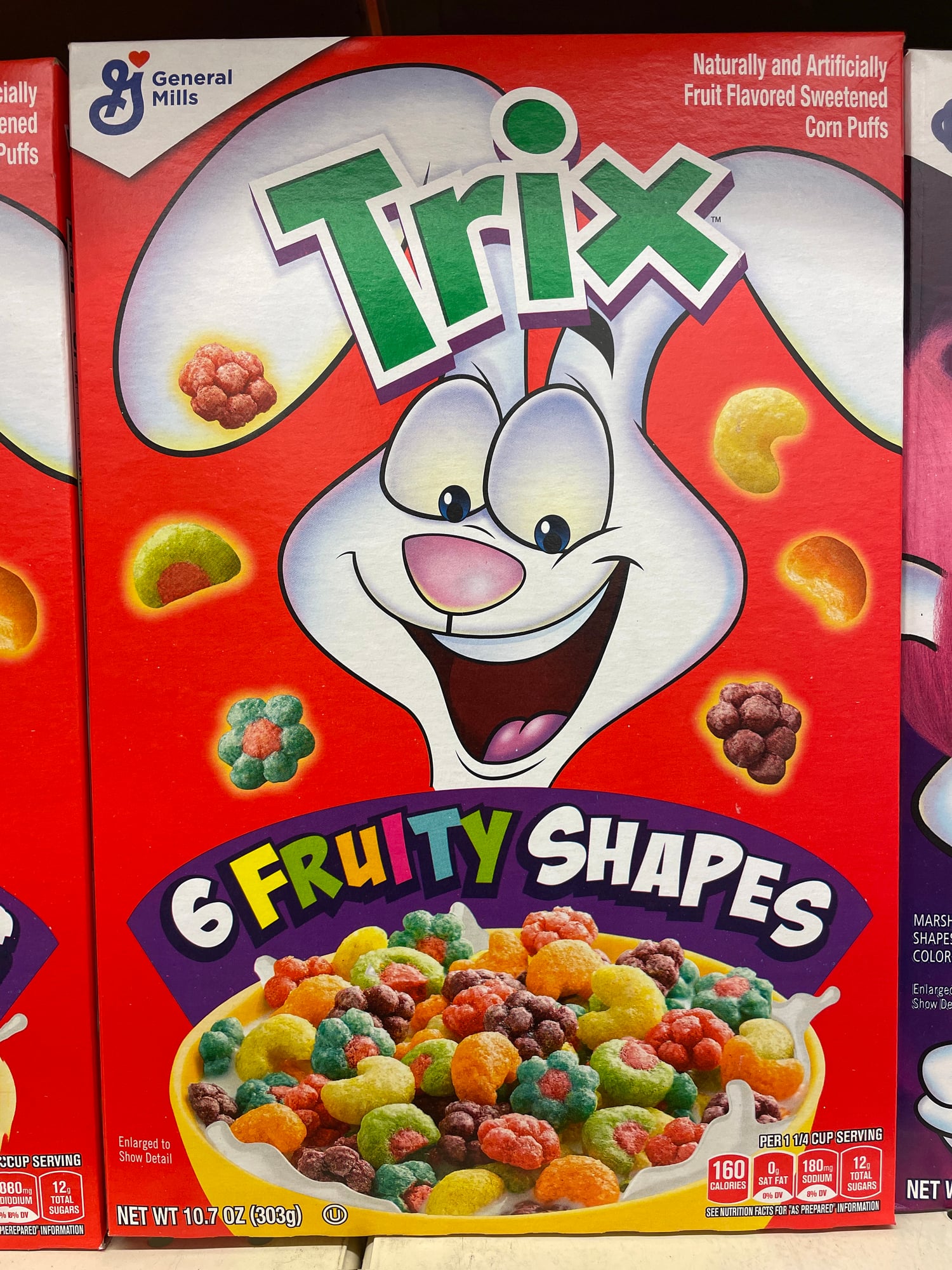
‘Trix are for kids!’ became a rallying cry for childhood when General Mills introduced their fruit-flavored corn puffs in 1954. The cereal started as colorful spheres before evolving into actual fruit shapes in the 1990s, making breakfast look like a bowl of tiny toys.
Trix demonstrated that cereal could be a form of edible art, where appearance mattered just as much as flavor.
Froot Loops
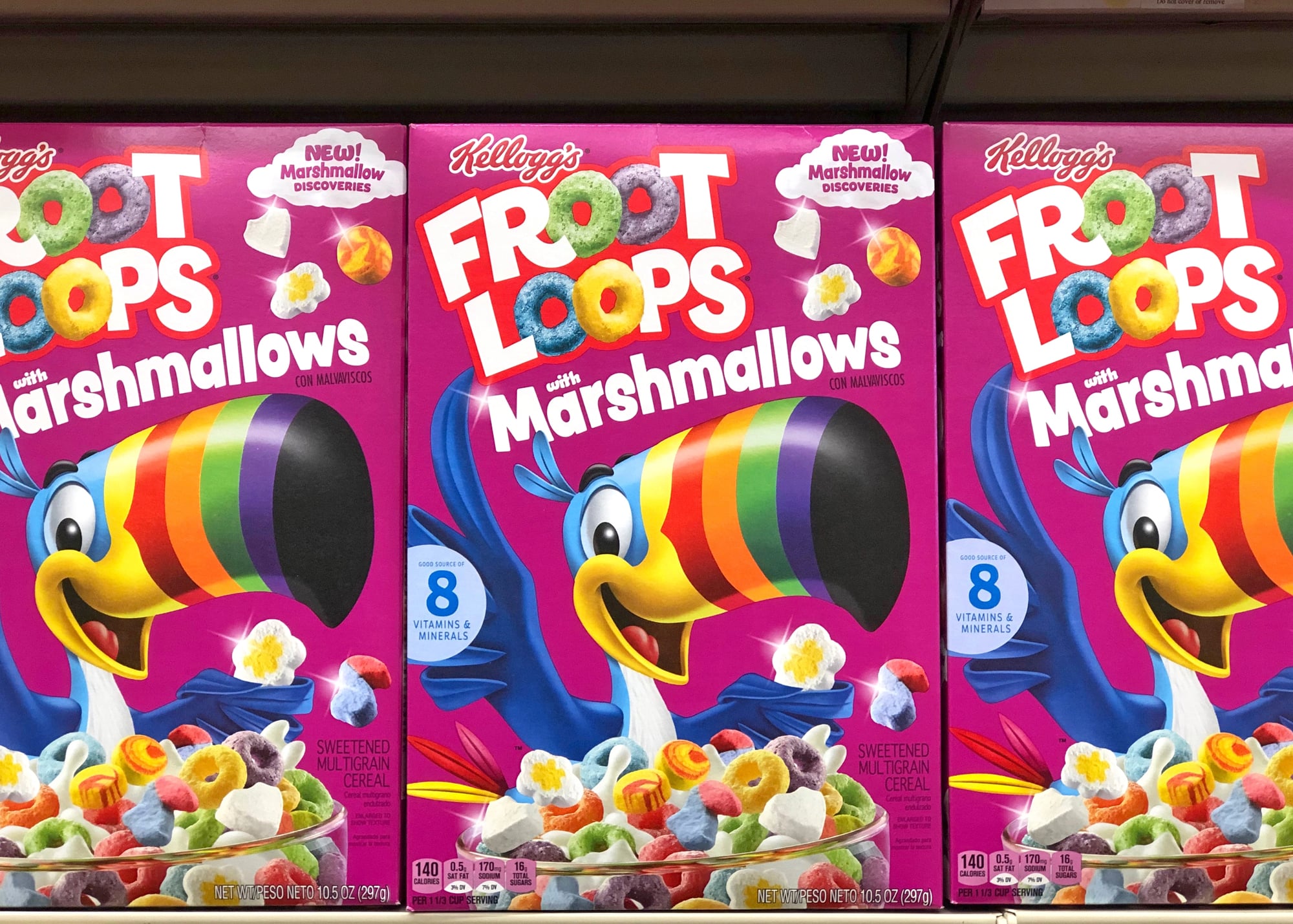
Kellogg’s created a rainbow in a bowl when Froot Loops debuted in 1963, featuring colorful rings that supposedly represented different fruit flavors—though they all tasted remarkably similar. Toucan Sam guided kids through this tropical breakfast adventure with his distinctive beak and confident ‘Follow your nose!’ advice.
The cereal showed that sometimes the illusion of variety was more powerful than actual variety, as long as the colors were bright enough.
Count Chocula
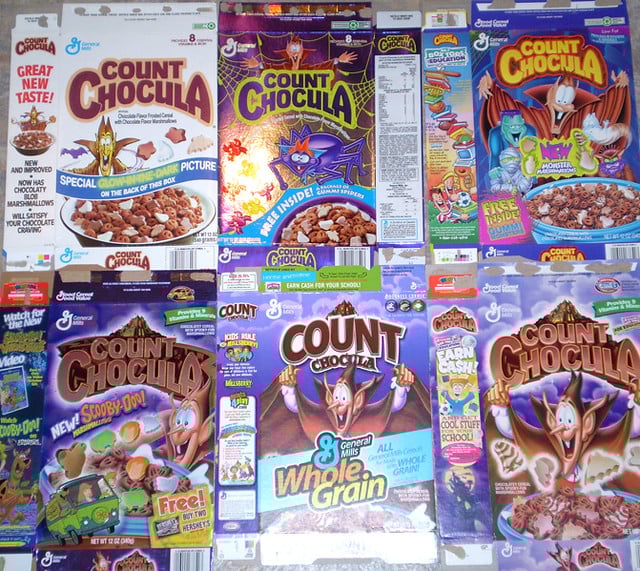
General Mills went full monster movie in 1971 with Count Chocula, combining chocolate-flavored cereal with marshmallow bats in a genius Halloween-themed package. The vampire mascot made breakfast spooky fun, proving that cereal marketing could tap into any cultural trend or season.
Count Chocula opened the door for themed cereals that went far beyond simple flavors, showing that storytelling could sell as much as taste.
Like Go2Tutors’s content? Follow us on MSN.
Apple Jacks
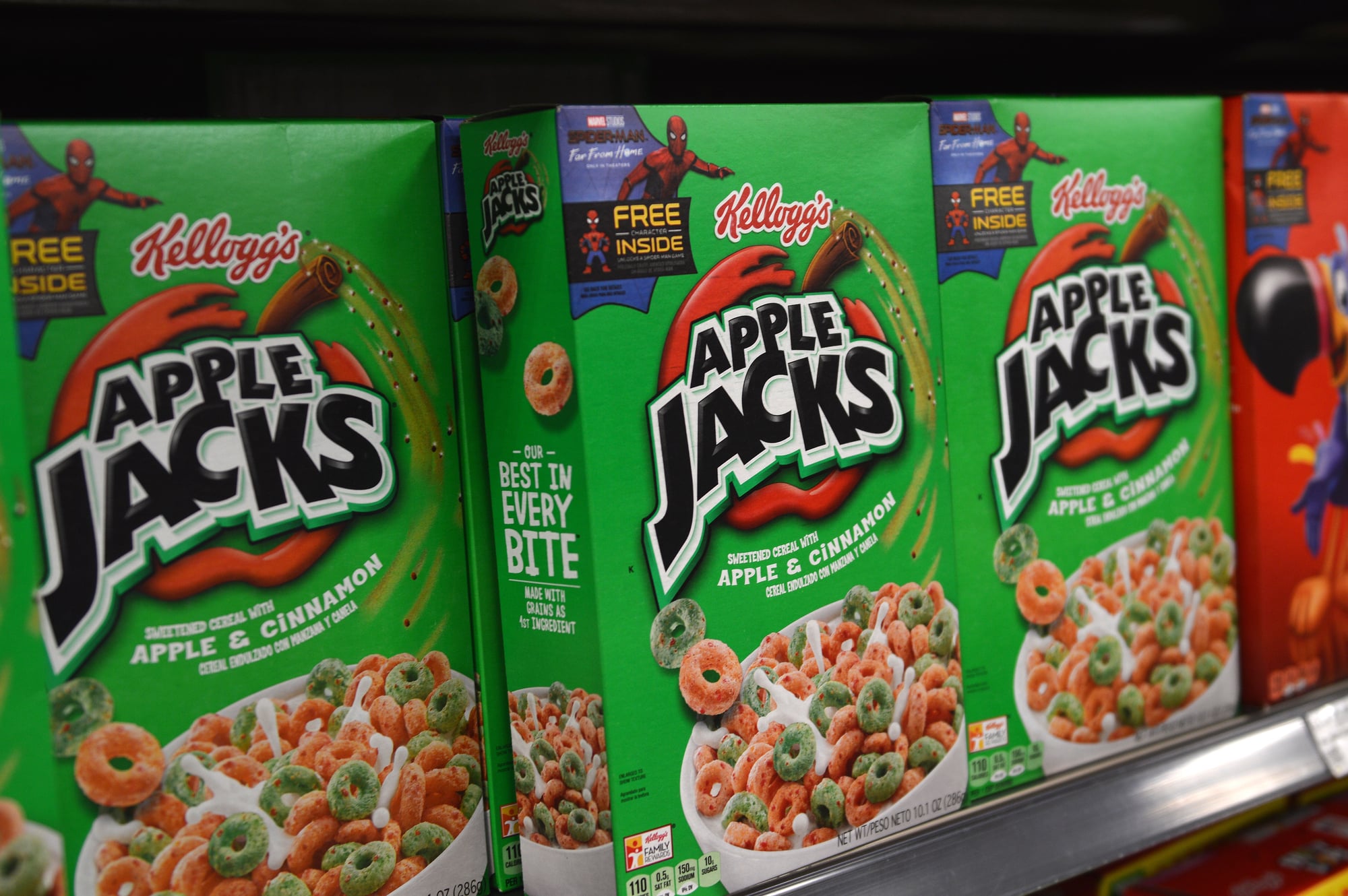
‘We eat what we like!’ became the rebellious anthem of Apple Jacks fans, even though the cereal tasted nothing like actual apples. Kellogg’s created these orange and green rings in 1965, banking on the idea that kids would choose fun over authenticity every time.
The cereal’s success proved that sometimes being honest about artificiality worked better than pretending to be healthy.
Cocoa Puffs
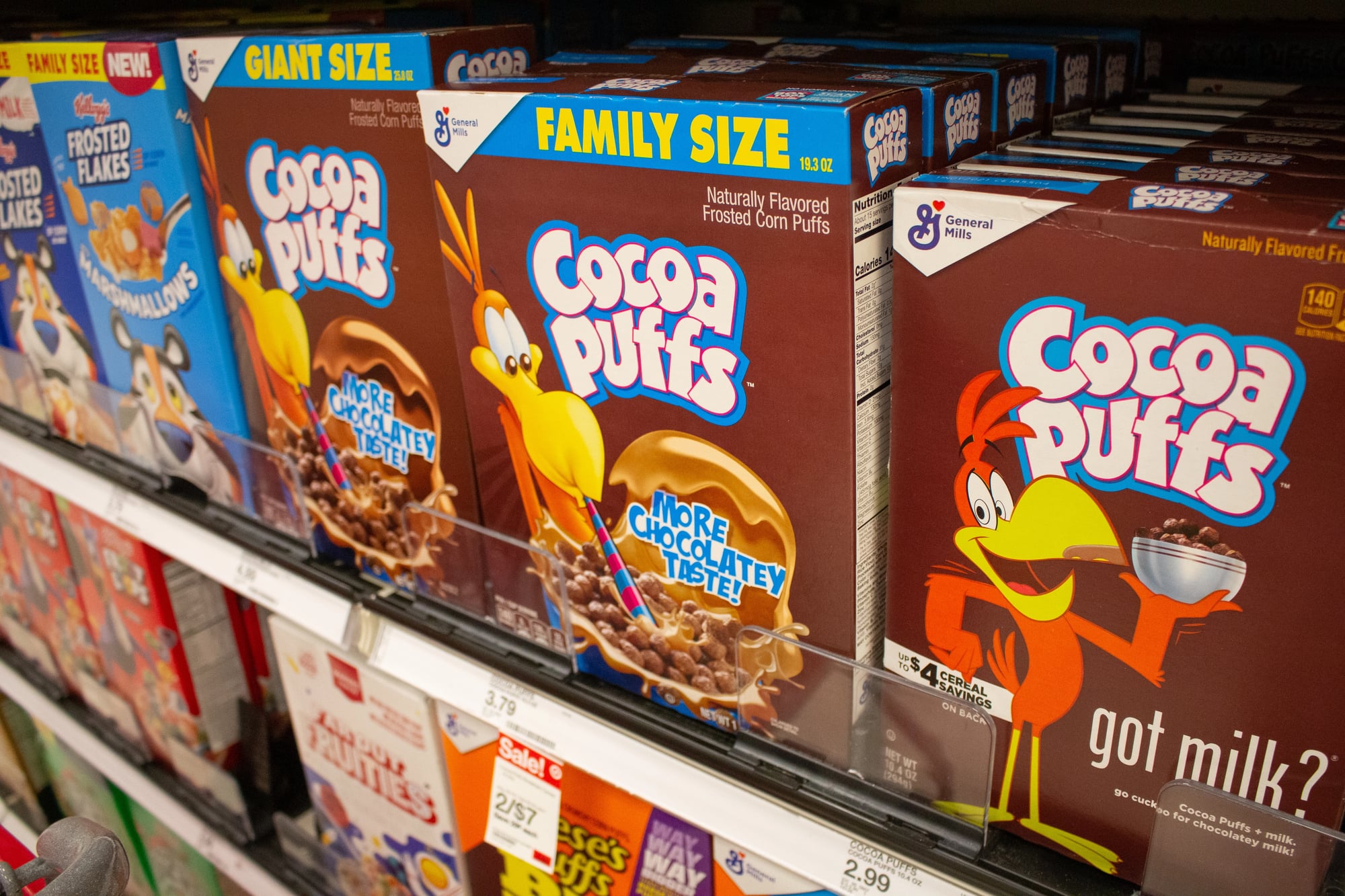
Sonny the Cuckoo Bird went ‘cuckoo for Cocoa Puffs’ in 1958, introducing kids to chocolate-flavored spheres that turned their milk into chocolate milk. General Mills had found the perfect way to make chocolate acceptable for breakfast, disguising candy as cereal with remarkable success.
Cocoa Puffs established chocolate as a legitimate breakfast flavor, paving the way for countless chocolate cereals that followed.
Honey Nut Cheerios
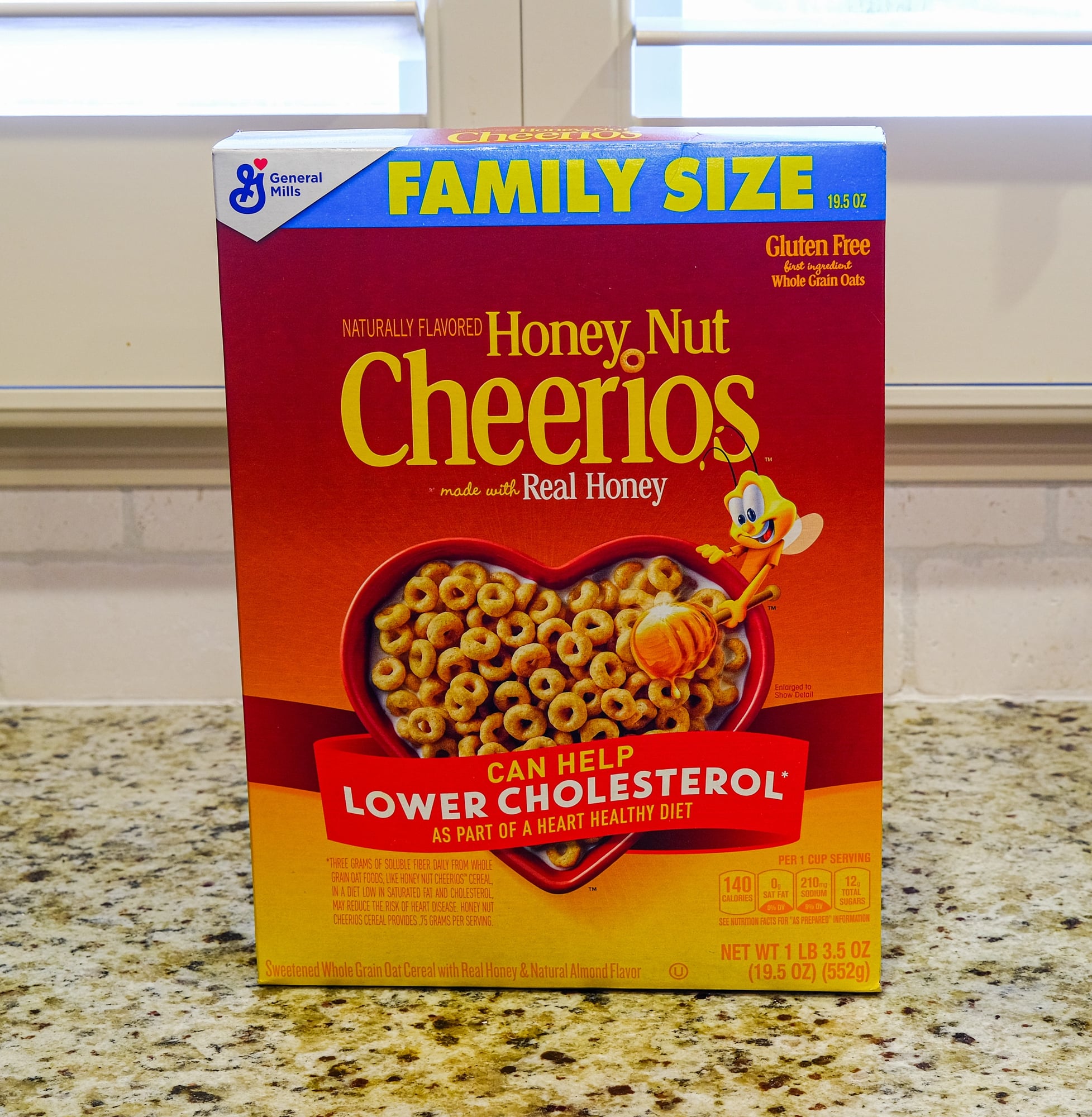
General Mills took their plain Cheerios and gave them a makeover in 1979, adding honey and nuts to create something that felt both familiar and exciting. Buzz the Bee became the perfect mascot for this naturally sweet upgrade, making the cereal feel wholesome despite its added sugars.
The success of Honey Nut Cheerios proved that even established brands could reinvent themselves and capture entirely new audiences.
Like Go2Tutors’s content? Follow us on MSN.
Fruity Pebbles
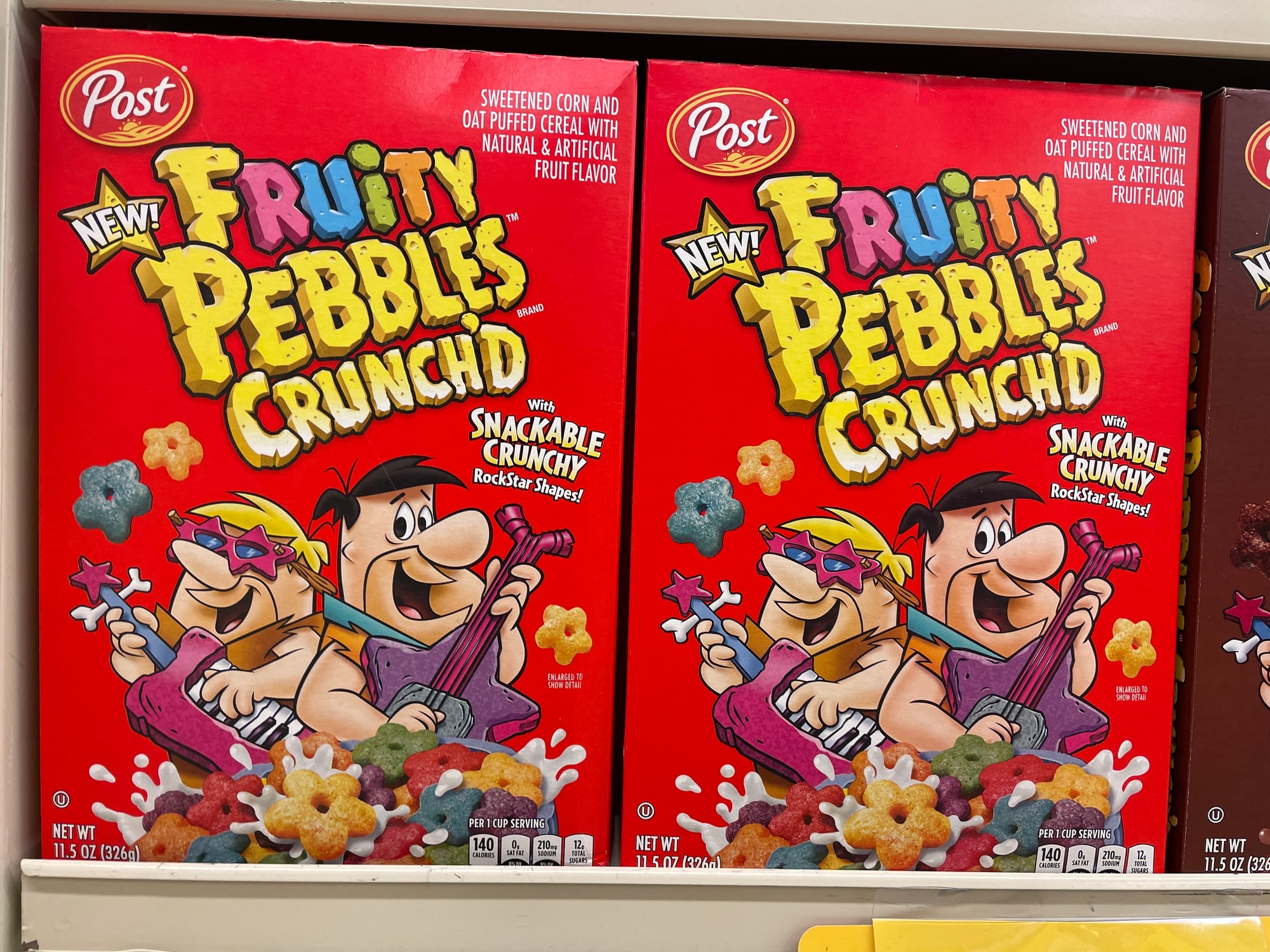
The Flintstones brought prehistoric breakfast to modern tables in 1971 when Post introduced these colorful rice crisps that made milk look like a liquid rainbow. Fred and Barney’s stone-age antics perfectly matched the playful nature of this aggressively colorful cereal.
Fruity Pebbles showed that licensing popular characters could transform an ordinary product into something special, creating one of the longest-running cereal partnerships in history.
Cookie Crisp

Ralston literally put cookies in a cereal bowl in 1977, creating the ultimate fantasy breakfast that made parents everywhere question their morning meal decisions. The original mascot was a wizard who used magic to transform cookies into cereal, later replaced by a cookie-stealing wolf that kids cheered for instead of against.
Cookie Crisp broke down the barriers between dessert and breakfast, proving that with the right marketing, anything could become acceptable morning food.
Cinnamon Toast Crunch
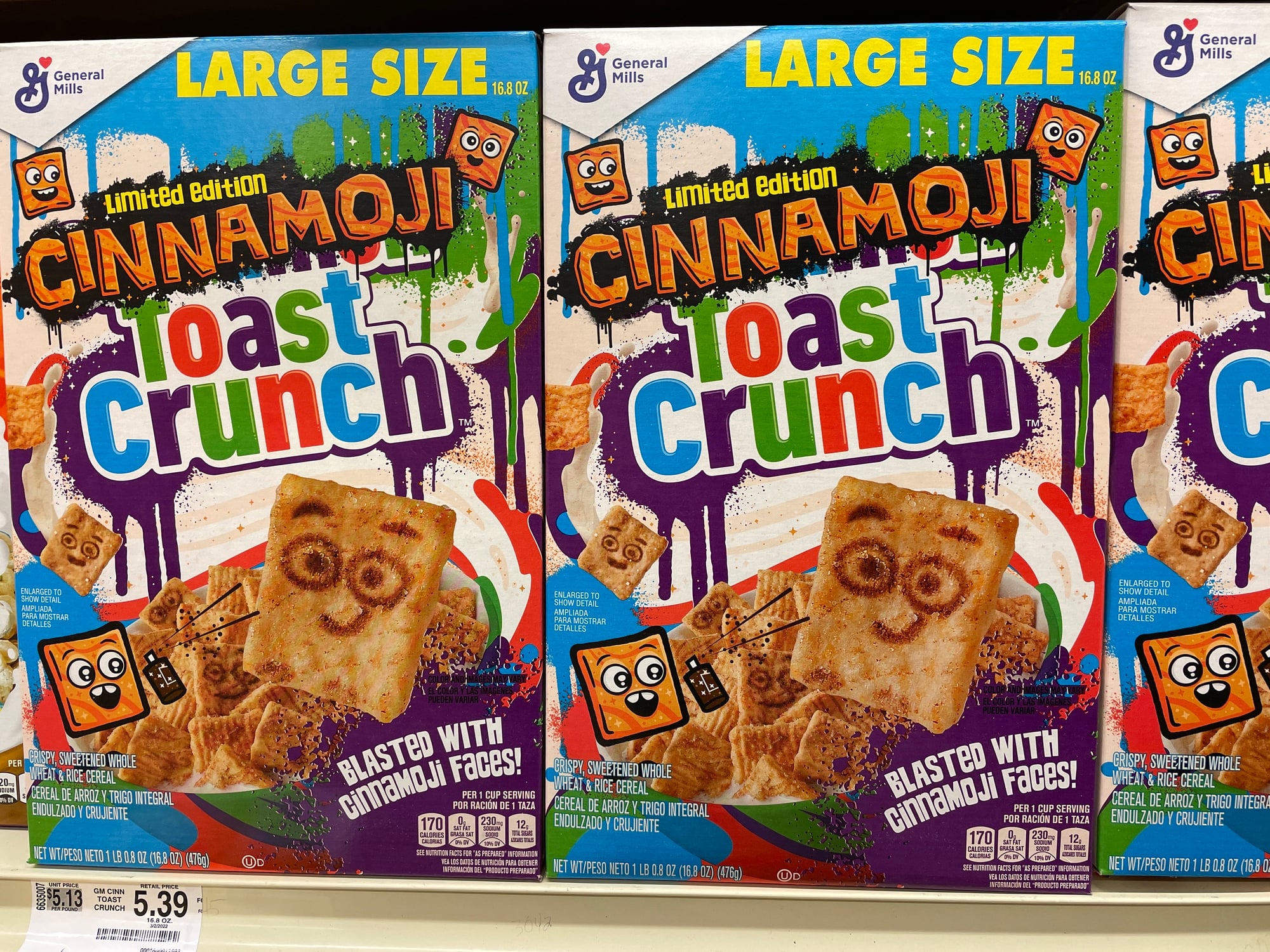
General Mills captured the essence of cinnamon toast in cereal form in 1984, complete with a sugar-cinnamon swirl that actually tasted like the real thing. The three bakers mascots—Wendell, Bob, and Quello—brought a touch of artisanal credibility to what was essentially candy masquerading as breakfast.
This cereal showed that successfully translating beloved flavors from other foods could create instant classics.
Like Go2Tutors’s content? Follow us on MSN.
Corn Pops
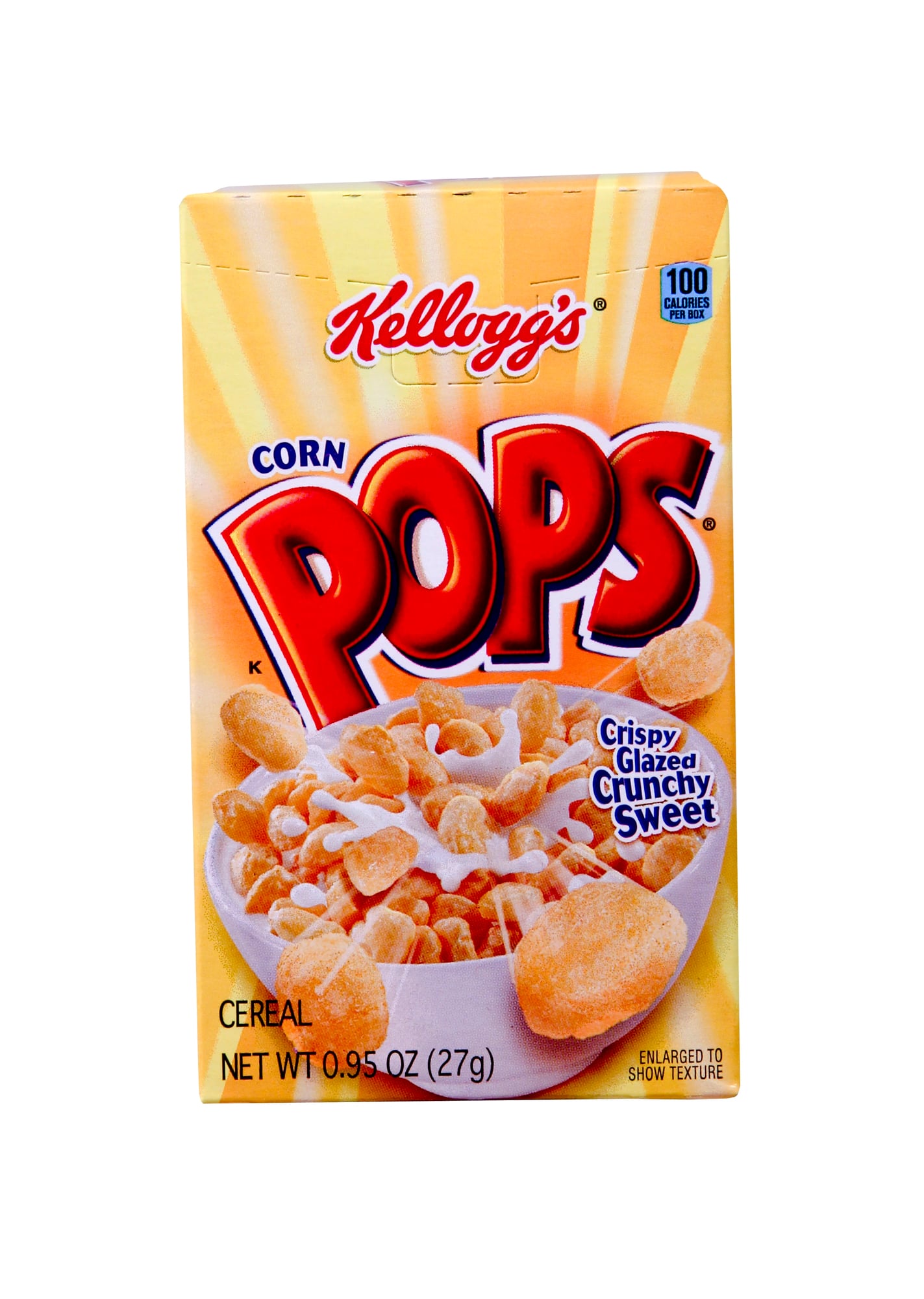
Originally called Sugar Pops when they launched in 1951, this puffed corn cereal survived the sugar backlash by simply changing its name to Corn Pops in 1978. The spherical golden puffs had a distinctive sweet corn flavor that set them apart from fruit and chocolate alternatives.
Corn Pops demonstrated that sometimes the simplest concepts—sweet corn that pops in your mouth—could have remarkable staying power.
Rice Krispies
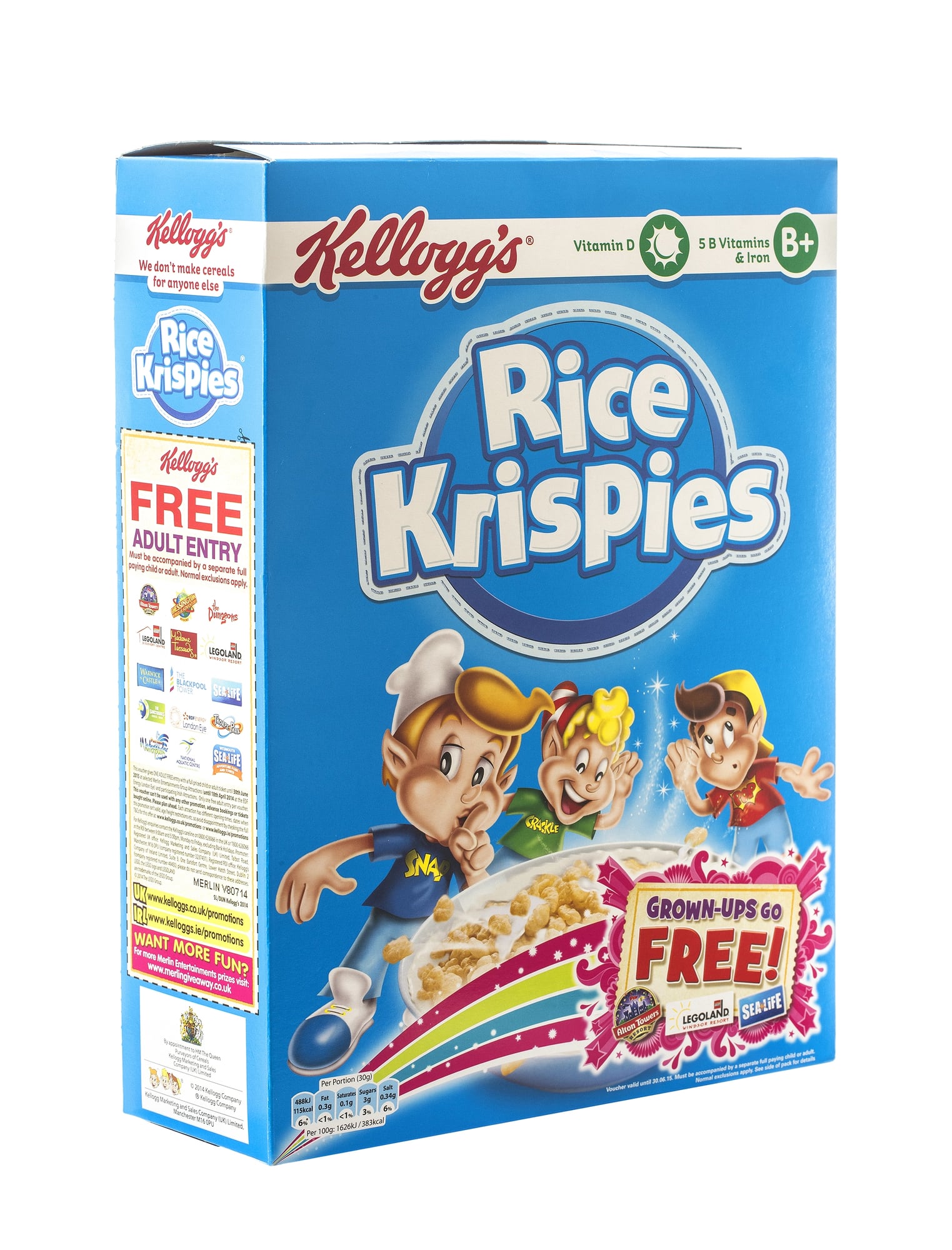
Kellogg’s created the original talking cereal in 1928 with Rice Krispies, where Snap, Crackle, and Pop provided the soundtrack to breakfast through their distinctive sounds in milk. These toasted rice cereal pieces became the foundation for countless treats beyond the breakfast bowl, from Rice Krispies Treats to various recipe innovations.
The cereal proved that engaging multiple senses—especially hearing—could create a more memorable eating experience.
Alpha-Bits
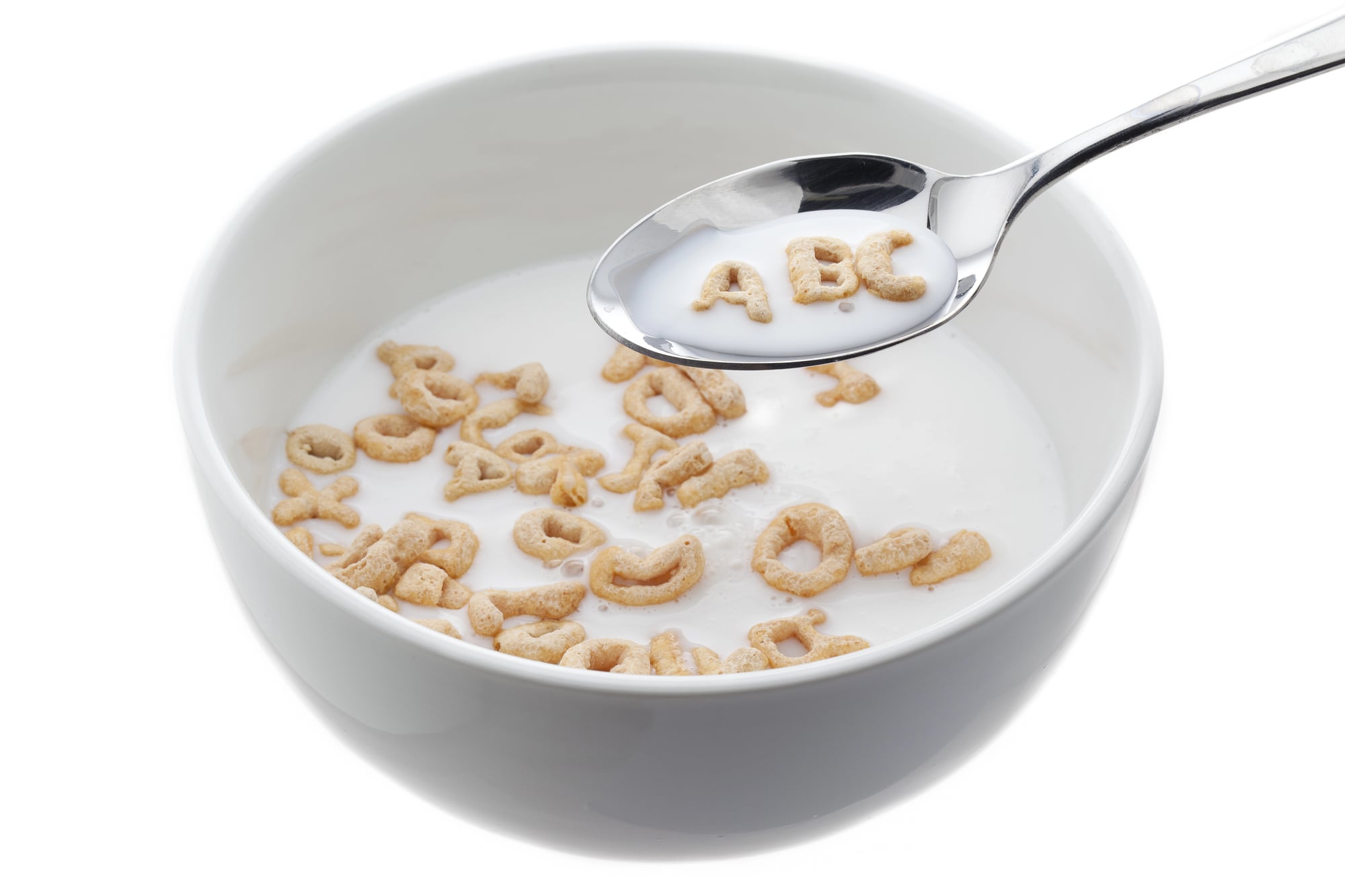
Post turned breakfast into a learning experience in 1958 with alphabet-shaped cereal pieces that let kids spell words while they ate. Parents loved the educational angle while children enjoyed playing with their food in a socially acceptable way.
Alpha-Bits showed that cereal could serve multiple purposes beyond nutrition and taste, making breakfast both fun and functional.
The Sweet Legacy Lives On

These cereals transformed breakfast from a necessity into an experience, proving that the right combination of taste, marketing, and imagination could create products that lasted for decades. They turned grocery store aisles into wonderlands where cartoon characters competed for attention and parents negotiated with children over sugar content.
The cereals that changed everything didn’t just feed us—they shaped our memories, influenced our preferences, and created a billion-dollar industry built on the simple idea that breakfast should be fun. Today’s cereal aisle still echoes with their influence, as new products continue chasing the magic these original innovators captured in their colorful, crunchy creations.
More from Go2Tutors!

- 18 Unexpectedly Valuable Collectibles You Might Have Lying Around
- 20 Little-Known Historical Battles That Had Huge Consequences
- 20 Historical Artifacts That Scientists Can’t Explain
- 15 Inventions That Were Immediately Banned After Being Created
- 20 Actors Who Were Almost Cast in Iconic Roles
Like Go2Tutors’s content? Follow us on MSN.



