Retail Tricks That Make You Spend More
Shopping seems straightforward – grab what you want, pay, done. Yet shops aren’t just shelves and cashiers.
Stores tweak layouts based on years of watching how folks move and choose. You might go in for one thing, end up buying three.
It’s not luck – setup nudges decisions without you noticing. Knowing basic store tricks might make you realize how surroundings shape choices.
Store Entrances Guide Your Path

Many stores design their entrances to direct foot traffic in specific patterns. In some Western countries, people tend to turn right when entering a space, and retailers sometimes place high-margin items on that side.
But this varies widely depending on store type, layout, and cultural shopping habits. The first products you see aren’t placed randomly—they’re often selected to catch attention when your basket is still empty and you’re open to suggestions.
Music Sets Your Shopping Pace
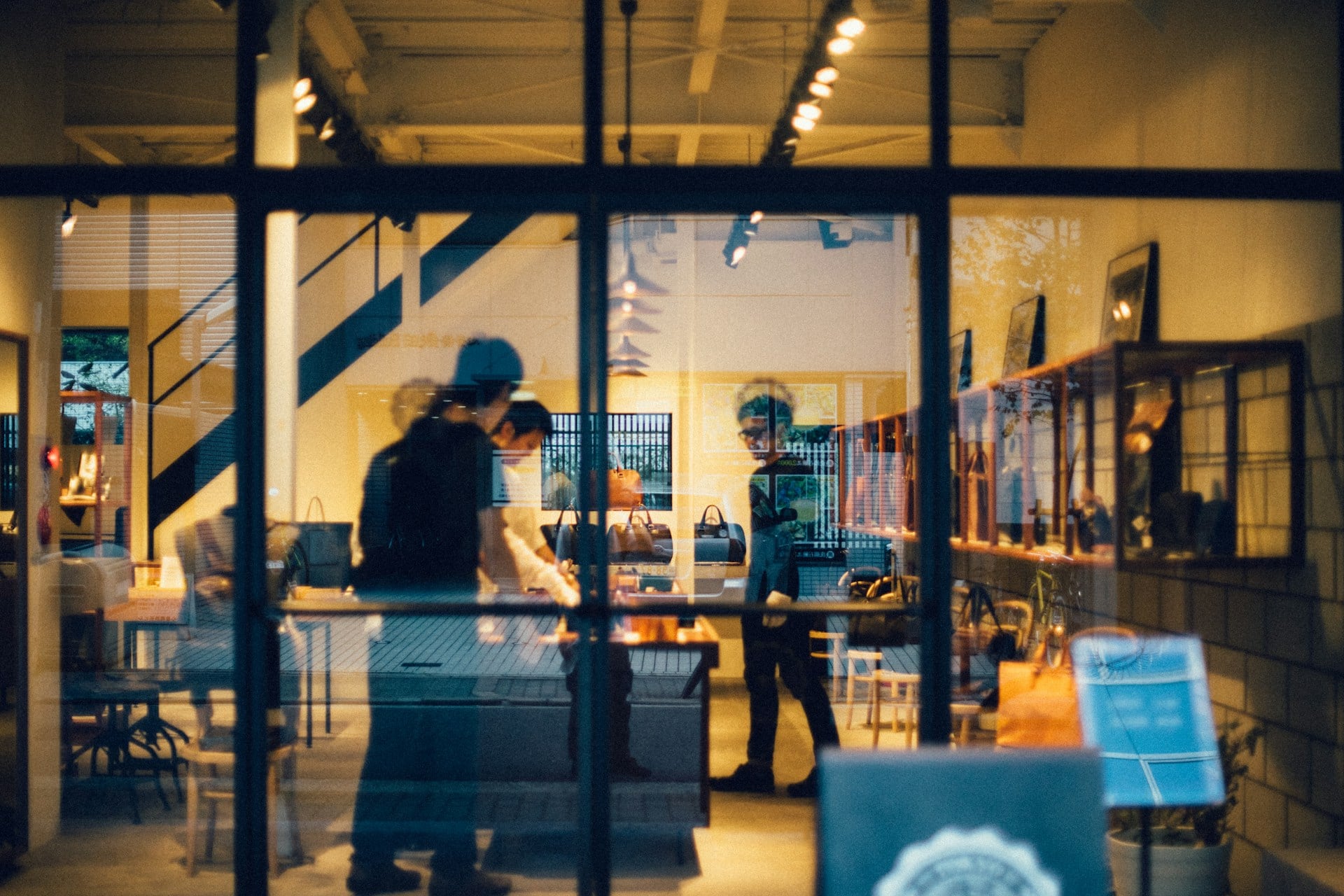
Slow music makes you shop slower. Fast music speeds you up.
Classical music makes you buy more expensive items because it creates an upscale feeling. The tempo directly affects how long you stay and how much you consider each purchase.
Grocery stores during evening hours often play slower music to keep you browsing through dinner time.
Cart Size Affects Perception

Larger shopping carts can make your purchases look smaller by comparison. A partially filled large cart creates visual emptiness that some shoppers feel compelled to address.
Retailers offer different cart and basket sizes, and the one you choose can influence how much you feel you’ve bought. The psychology is simple—empty space suggests room for more.
Essential Items Hide in the Back

Milk, eggs, bread—the things most people come in for—sit at the back of the store. You pass dozens of other products on the way there and back.
Each one is a chance for an impulse buy. The walk through the store exposes you to hundreds of items you didn’t come for.
Some of them will end up in your cart simply because you saw them.
Shelf Placement Follows Strategy
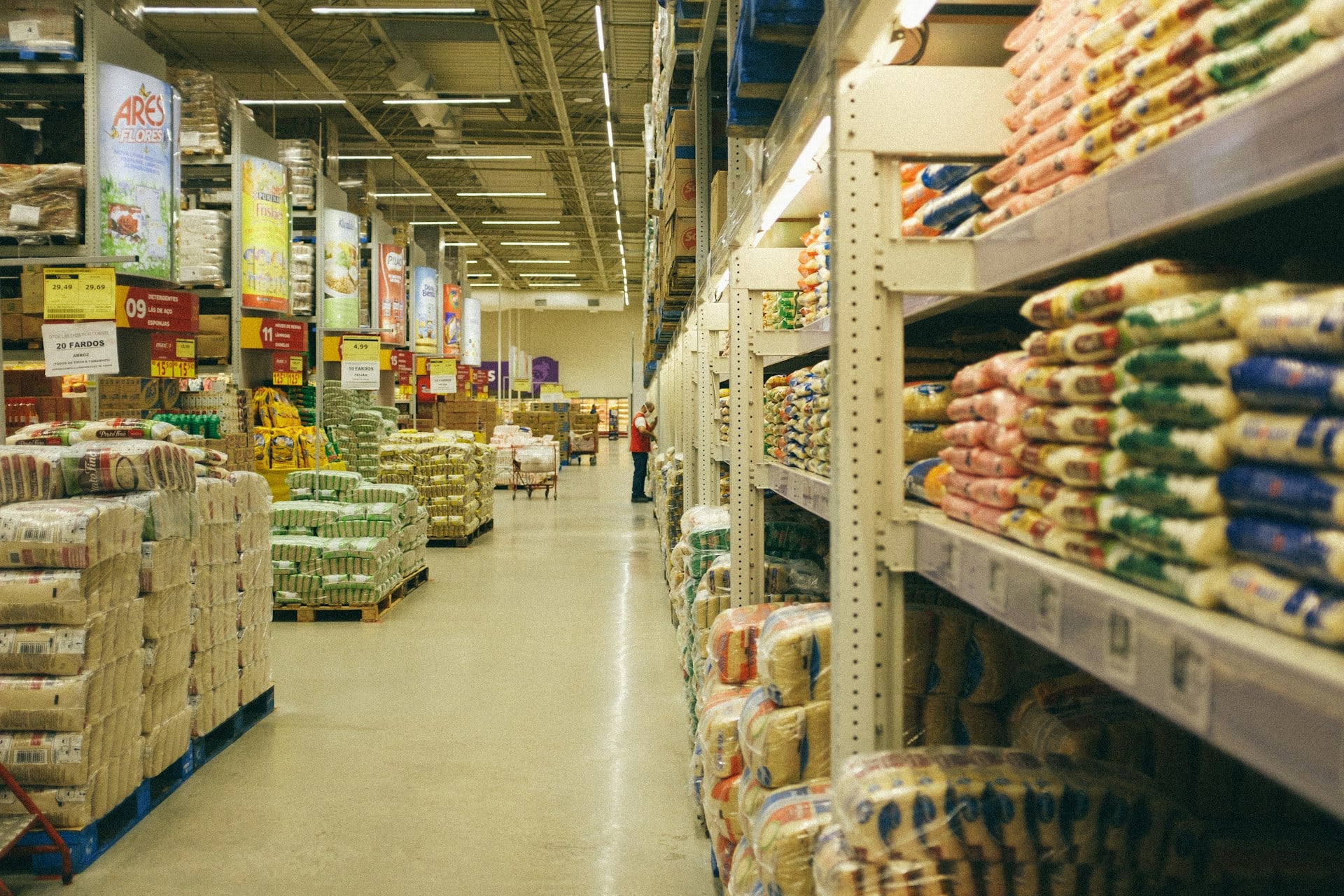
Products at eye level tend to get noticed first. Many stores place profitable items in this prime position, though the strategy varies by product category.
Kids’ cereals sit lower where children can see them. Some premium products are placed higher to create a sense of quality.
Budget options often require bending down or reaching up. Shelf placement is one of many factors that retailers negotiate with brands, and position affects visibility.
Sale Signs Draw Attention

Bright signage, particularly red tags in some markets, signals discounts and draws your eye. The visual cue creates a sense of opportunity.
Some sales represent genuine price reductions, while others involve prices that have been adjusted specifically for promotional periods. The effectiveness of color-based marketing varies across cultures.
What matters is that prominent sale markers make you pause and consider items you might have walked past.
The Checkout Lane is Impulse Buy Central

You’re committed to your purchase and waiting in line. Your defenses are down.
That’s when stores hit you with candy, magazines, small gadgets, and other low-cost items that you didn’t plan to buy. The margins on these products are enormous, and enough people grab them to make the strategy worthwhile.
Kids are particularly susceptible here, and parents know the struggle.
Scent Influences Mood
Food smells affect appetite and mood. In-store bakeries naturally produce aromas that many shoppers find appealing.
Some specialty retailers use ambient scenting in their spaces, though this practice is less common in standard grocery stores and faces regulations in various markets. The connection between smell and memory is real—familiar scents can make a shopping environment feel more comfortable and extend browsing time.
Price Endings Change Perceptions
Something priced at $19.99 feels significantly cheaper than $20, even though the difference is one cent. Your brain processes the first number—the 1 versus the 2—and anchors there.
Prices ending in .99 or .95 create a discount perception even when the actual value difference is negligible. Premium products sometimes use round numbers instead to signal quality rather than affordability.
Free Samples Create Obligation

You try a small piece of cheese at the grocery store. Now you feel slightly obligated to buy something.
That feeling of reciprocity is real and measurable. People who receive free samples are much more likely to purchase the product, even if they weren’t impressed by the taste.
The interaction creates a social connection that influences your buying decision.
Limited-Time Offers Create False Urgency

The sale ends Sunday. Only three left in stock.
These messages push you to decide now rather than think it through. Often the same promotion will run again next month, or the stock level is artificially limited.
The pressure to act immediately overrides careful consideration. You buy things you would have passed on if given more time to reflect.
Store Layouts Vary for Different Reasons

Stores reorganize product locations periodically for various reasons—seasonal changes, new product lines, vendor agreements, or remodeling. When familiar items move, you spend more time searching and see more products in the process.
Whether this is primarily designed to increase exposure to merchandise or reflects operational needs varies by retailer. Either way, the effect is the same—you take a longer path through the store.
Loyalty Programs Collect Data

Rewards cards offer discounts and track your purchases. This data helps retailers understand shopping patterns, manage inventory, and create targeted promotions.
The programs serve multiple purposes—customer retention, personalized marketing, and purchasing insights. You benefit from discounts and customized offers.
Retailers benefit from information that helps them predict demand and market more effectively. The relationship works both ways.
Expensive Items Frame Everything Else

An $800 jacket makes a $200 sweater seem reasonable. Stores stock extremely high-priced items not because they expect to sell many, but because they reset your expectations.
After seeing that price tag, everything else looks like a better deal. This anchoring effect shapes your entire shopping experience, making mid-range items feel affordable by comparison.
Product Placement Follows Psychology

Related items sit together, but the arrangement isn’t random. Pasta sauce goes near pasta, but expensive brands of sauce sit at eye level near premium pasta.
The store wants you to trade up across multiple purchases. The physical journey through departments is designed to create natural product pairings that increase your total spending.
Product Variety Creates Complexity

Dozens of options in any given product category can make decision-making harder. Some industries have experienced consolidation, with several brands operating under larger parent companies, but the degree varies significantly by product type and market.
The sheer number of choices you face in a modern store can lead to decision fatigue. When you’re overwhelmed by options, you’re more susceptible to choosing familiar brands or making quick impulse decisions to end the selection process.
Awareness Changes Your Perspective

Folks recognizing typical store tricks aren’t automatically safe from falling for them. These methods function since they hook into everyday mental habits – spotting trends, interpreting visuals, quick judgment calls.
Your brain will likely react to plenty of these signals simply due to how awareness operates. Yet knowing opens room for decisions.
Instead of buying fast, take a break – ask if the deal really adds value or if layout tricks steer you around. Since shops spend big to study habits and tweak setups, this isn’t personal – it’s routine.
Once you see what drives those choices, you’re free to buy on purpose when it actually counts.
More from Go2Tutors!

- The Romanov Crown Jewels and Their Tragic Fate
- 13 Historical Mysteries That Science Still Can’t Solve
- Famous Hoaxes That Fooled the World for Years
- 15 Child Stars with Tragic Adult Lives
- 16 Famous Jewelry Pieces in History
Like Go2Tutors’s content? Follow us on MSN.



