16 Countries Facing Major Housing Challenges
Canada
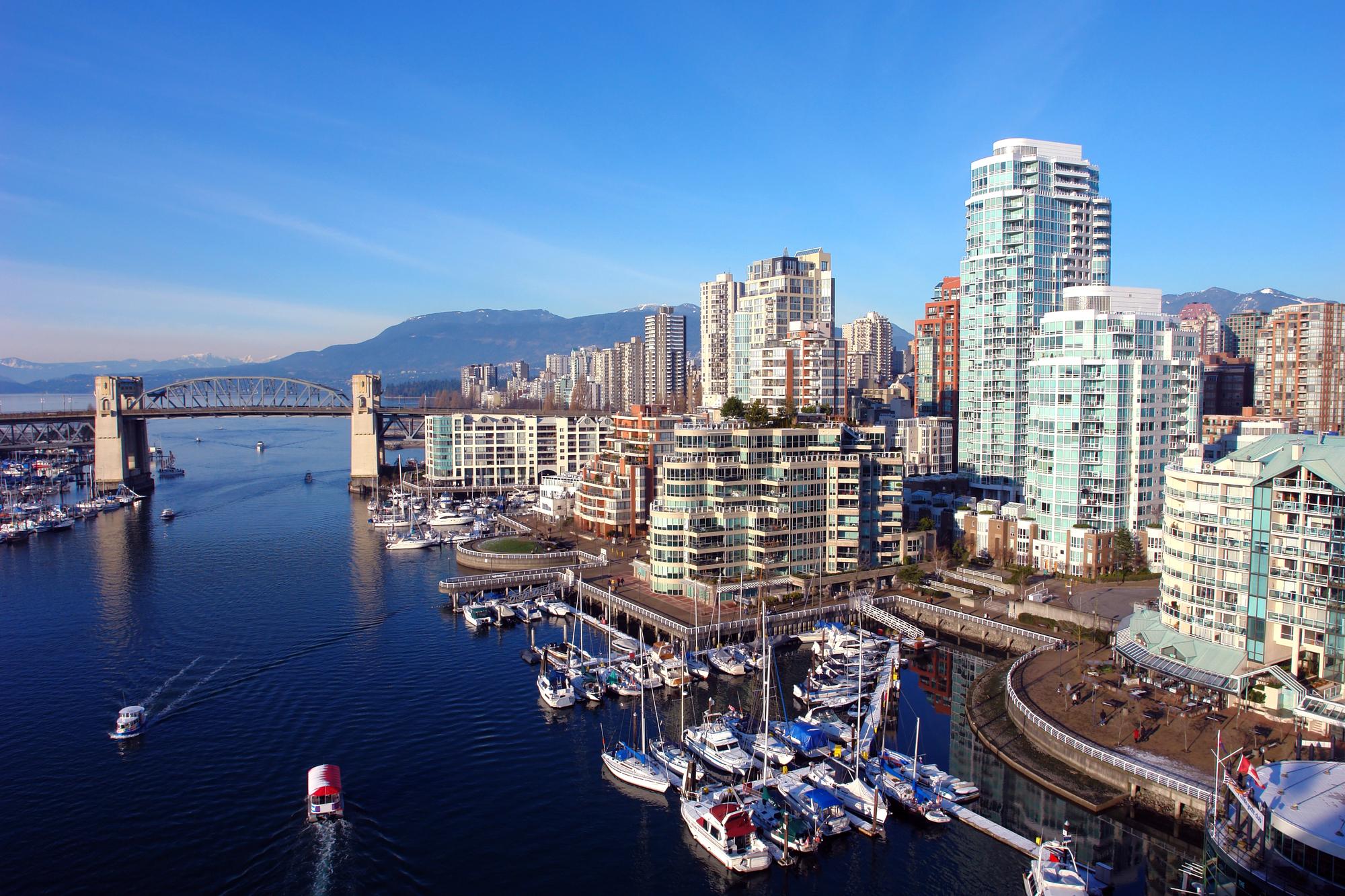
Home prices in Canada have reached levels that make homeownership nearly impossible for average families, especially in cities like Vancouver and Toronto. Canada has appeared near the top of all three bubble indicators, showing fast-rising prices that concern housing experts. Young Canadians are increasingly living with their parents well into their twenties and thirties because they can't afford to rent their own places. The government has tried various programs to help first-time buyers, but demand still far exceeds supply in major cities. Many Canadians now drive hours each day just to find housing they can afford outside expensive urban centers.
New Zealand
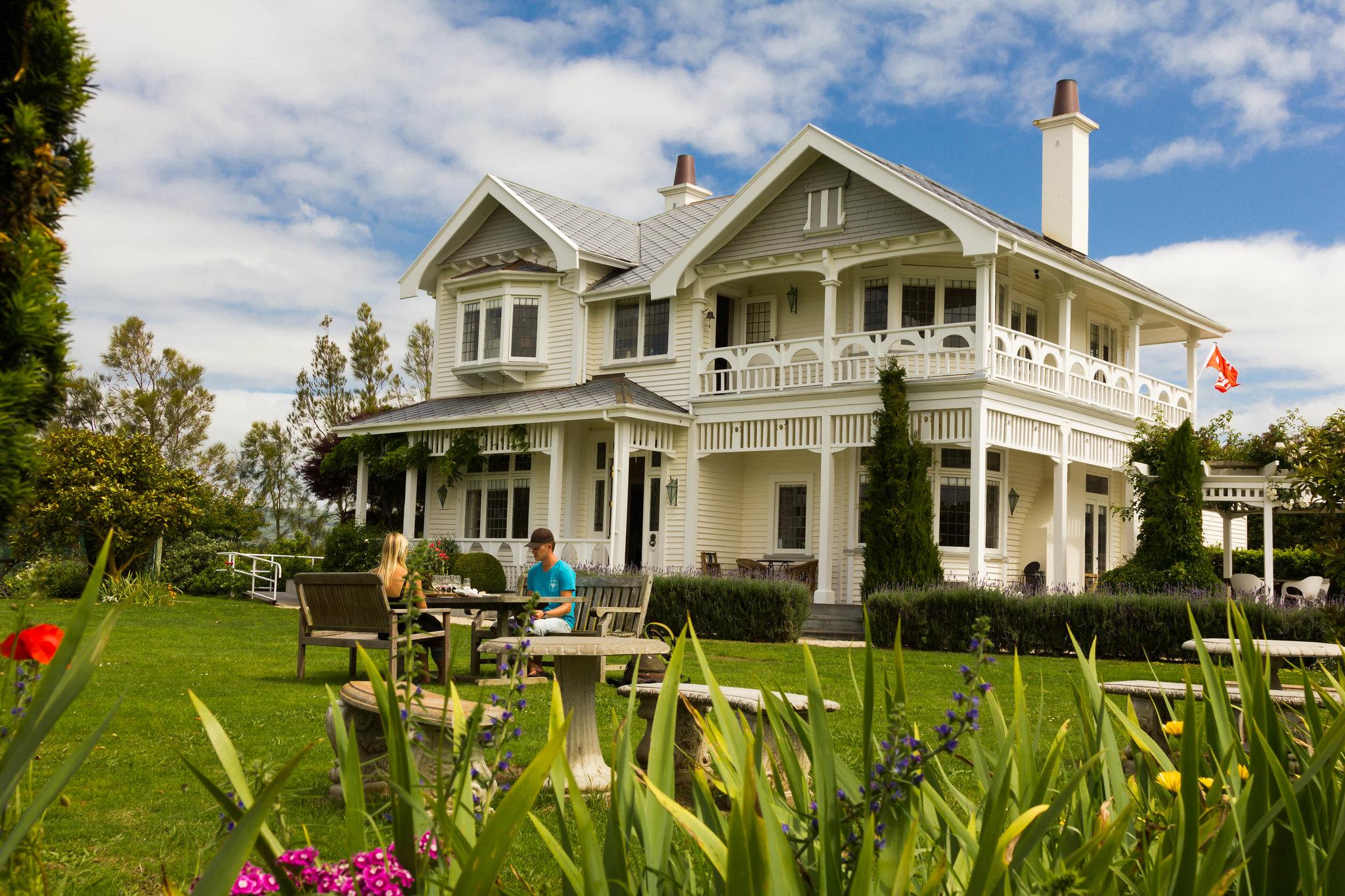
Housing affordability in New Zealand has become so bad that even middle-class families struggle to find decent places to live. New Zealand has appeared near the top of all three bubble indicators, and the data can point to the emergence of potential housing bubbles in New Zealand. Auckland's housing market is particularly expensive, with modest homes selling for prices that would buy mansions in other countries. The construction industry can't build new homes fast enough to meet demand, partly due to strict regulations and limited land availability. Many young New Zealanders are leaving the country because they see no path to homeownership at home.
Australia
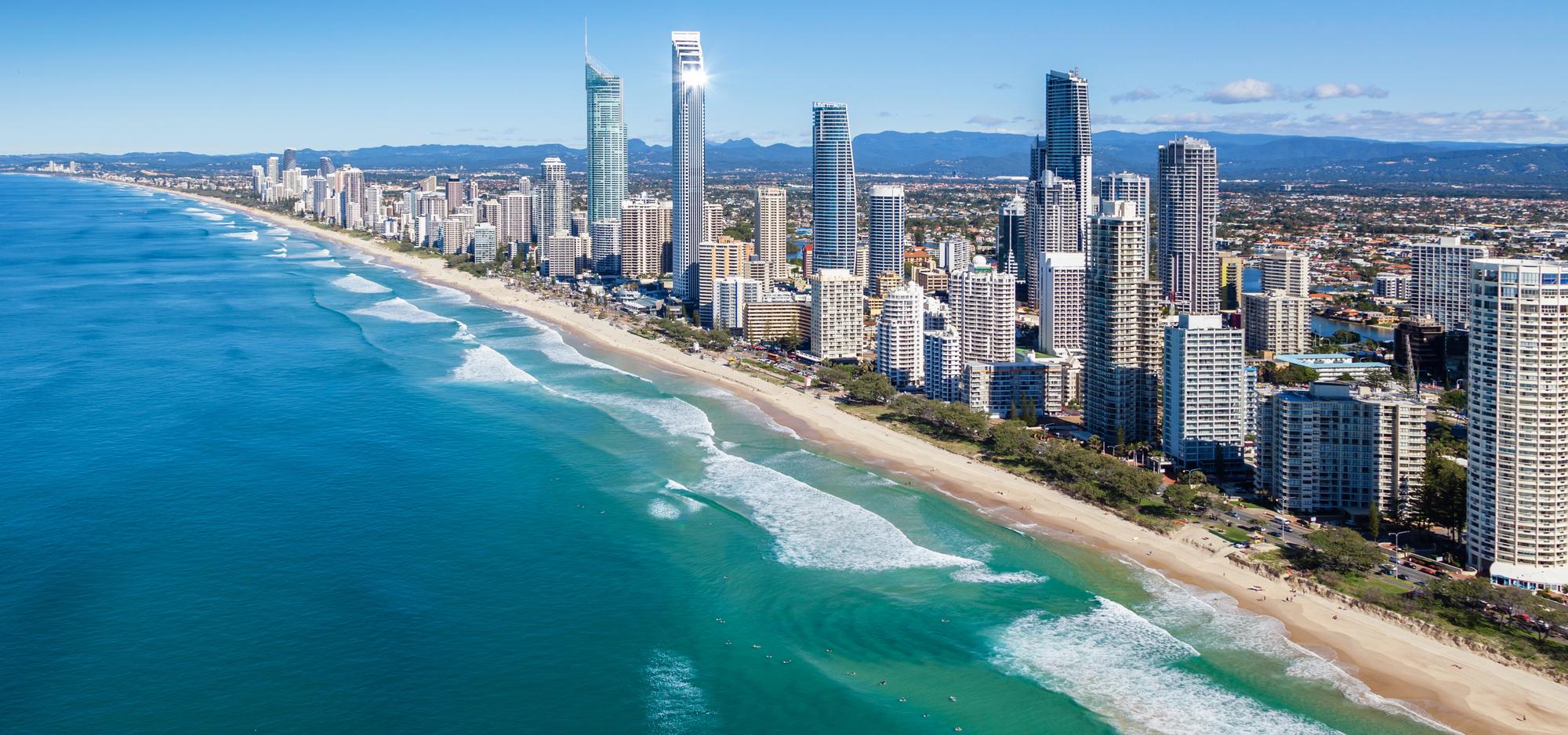
Australian cities consistently rank among the world's least affordable housing markets, with Sydney and Melbourne leading the way. Three out of the 10 least affordable housing markets are in Australia and New Zealand, highlighting the severity of the crisis. The average house in Sydney costs more than ten times the average household income, making it nearly impossible for regular workers to buy homes. Foreign investment and speculation have driven up prices beyond what local wages can support. Many Australians are now renting for life, unable to save enough for a down payment while paying high rents.
Netherlands
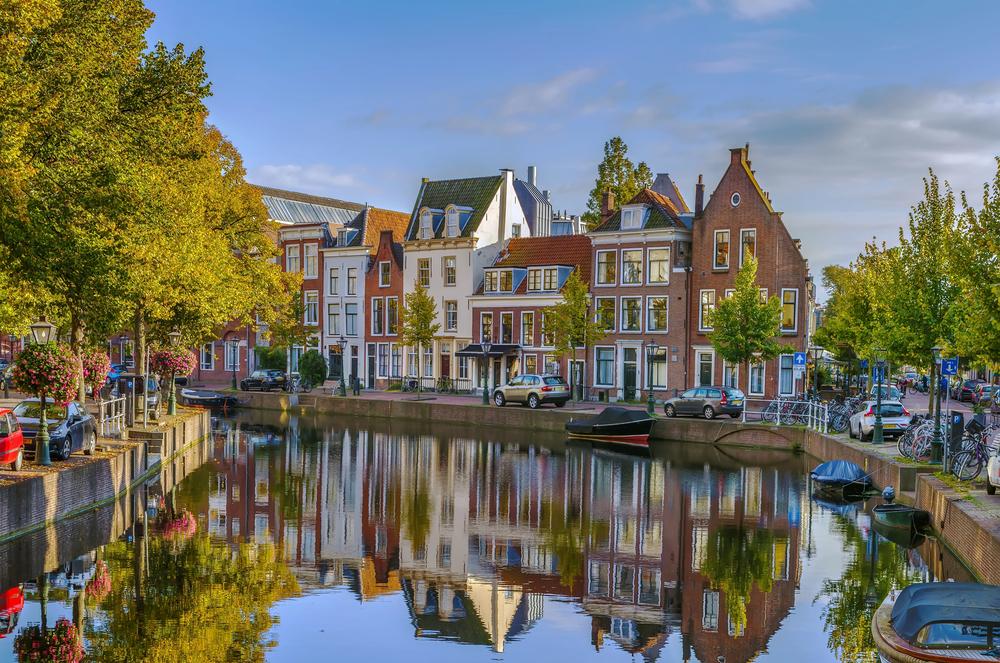
The Netherlands faces a severe housing shortage that affects people at all income levels, from students to working families. As of mid-2025, the country faced a shortage of approximately 396,000 homes, representing around 4.8 percent of the total housing stock. Dutch cities have long waiting lists for social housing, with some people waiting over a decade for an affordable apartment. The country's popularity with international workers and students has increased demand while construction hasn't kept pace. Amsterdam and other major cities have implemented various policies to control housing costs, but shortages persist.
United Kingdom

British housing has become unaffordable for entire generations, with London leading a nationwide crisis. In the UK, affordability index readings fell from 105 in 2021 to the low 70s in 2024, showing rapid deterioration in housing affordability. First-time buyers in the UK now need to earn significantly more than the national average wage just to qualify for a mortgage on a basic home. The gap between housing costs and average incomes has grown so wide that many British workers spend over half their salary on housing. Government programs like Help to Buy have had limited success in making homeownership accessible to regular families.
Ireland
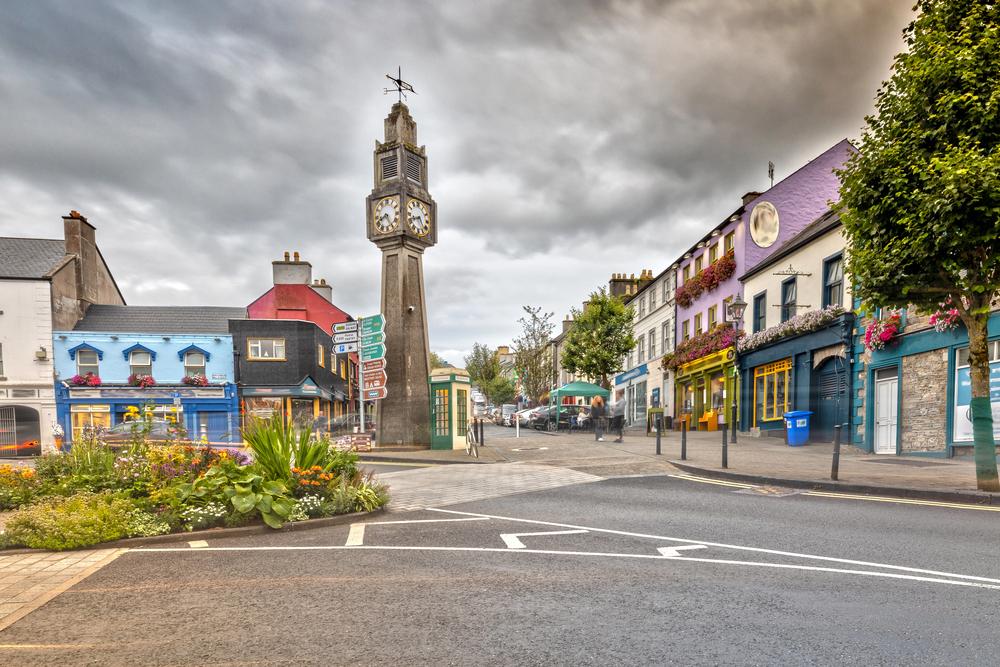
Ireland's housing crisis affects everyone from minimum-wage workers to well-paid professionals who can't find places to live. Ireland has fast-rising prices with a score of 127.6 on housing bubble indicators. Dublin's rental market has become so competitive that people attend house viewings with dozens of other applicants for single rooms. The country's economic recovery after the 2008 financial crisis brought jobs back faster than housing construction could accommodate new workers. Many Irish people have been forced to move back in with family or leave the country entirely to find affordable housing.
Portugal
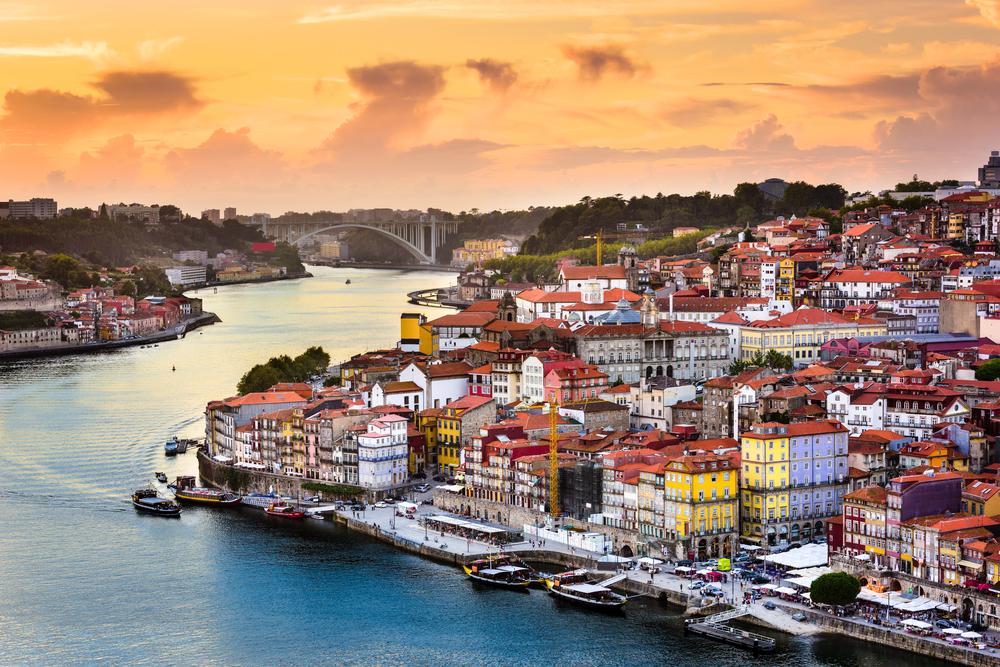
Portugal's housing market has been transformed by tourism and foreign investment, pushing out local residents from their own cities. Portugal has fast-rising prices with a score of 131.8, the highest among countries with housing bubble risks. Lisbon and Porto have seen traditional neighborhoods converted to tourist rentals, reducing housing available to Portuguese families. The Portuguese government has committed to constructing 59,000 new homes to address the shortage. Many young Portuguese adults can't afford to live in the cities where they work, creating long commutes and reduced quality of life.
Spain
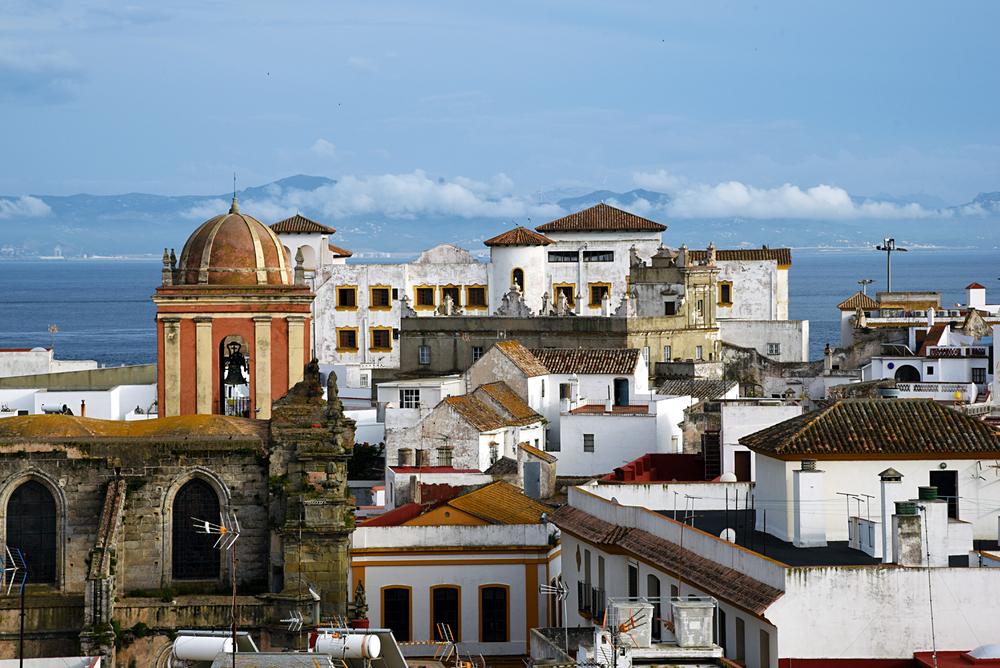
Spanish cities are experiencing housing shortages and unaffordability that force residents to live in overcrowded conditions or move far from job centers. Spain is plagued by housing shortages and unaffordability across Europe, with new rent controls and a law that puts caps on rent increases. Barcelona and Madrid have become particularly expensive, with gentrification pushing longtime residents out of their neighborhoods. The combination of tourism, foreign investment, and limited new construction has created a perfect storm for housing problems. Spanish youth unemployment remains high partly because young people can't afford to move to cities where jobs are available.
United States
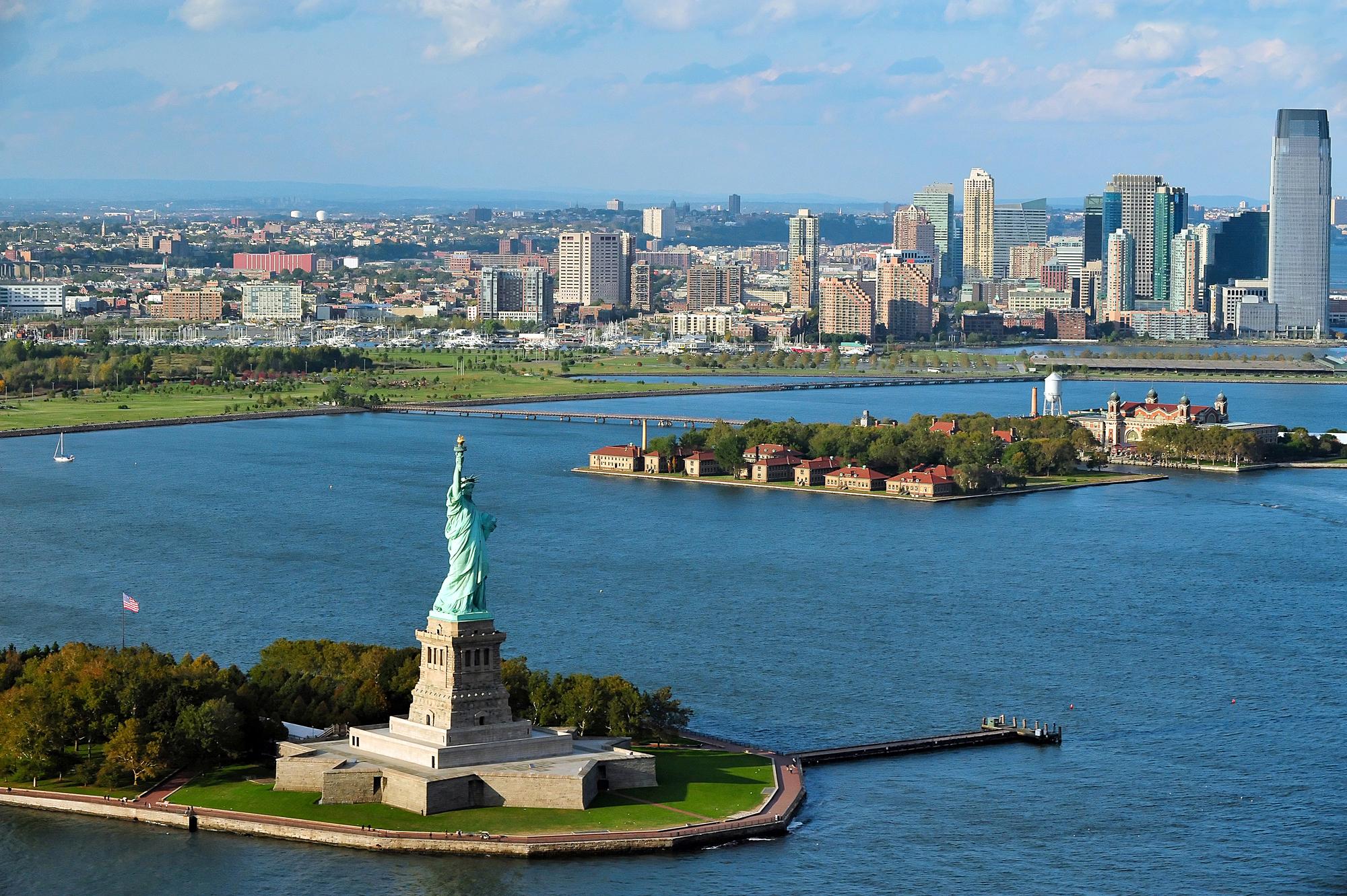
Despite having more housing units than many countries, America faces severe affordability problems in major cities and desirable areas. There is no overall shortage of housing units available, but many factors determine if a vacant unit is truly available, namely if it is physically habitable and how much it costs to purchase or rent. Cities like San Francisco, New York, and Los Angeles have housing costs so high that teachers, firefighters, and other essential workers can't afford to live there. The American dream of homeownership has become unreachable for many families, even those with good incomes. Homelessness has increased in many American cities partly due to the lack of affordable housing options.
Singapore
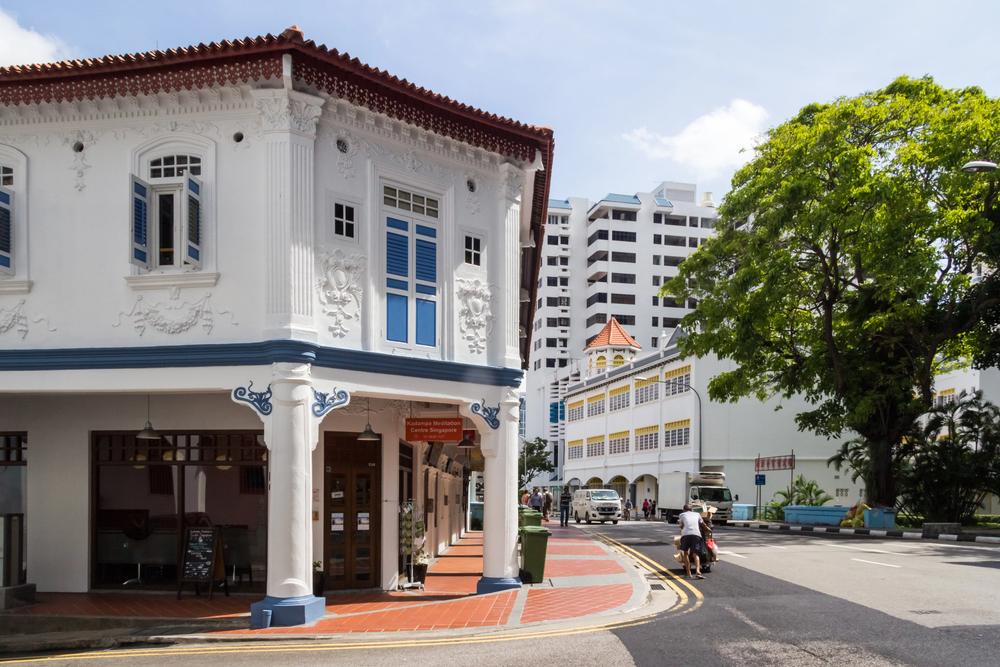
Singapore's public housing system was once a model for the world, but even this well-planned country now faces affordability challenges. Singapore has wildly expensive housing compared to the cost of building more of it. The island nation's limited land area means housing demand constantly outpaces supply, driving up prices even in government-subsidized developments. Young Singaporeans often wait years to qualify for public housing while paying high rents for private accommodations. The government continues to build new housing, but population growth and foreign workers keep demand high.
Hong Kong
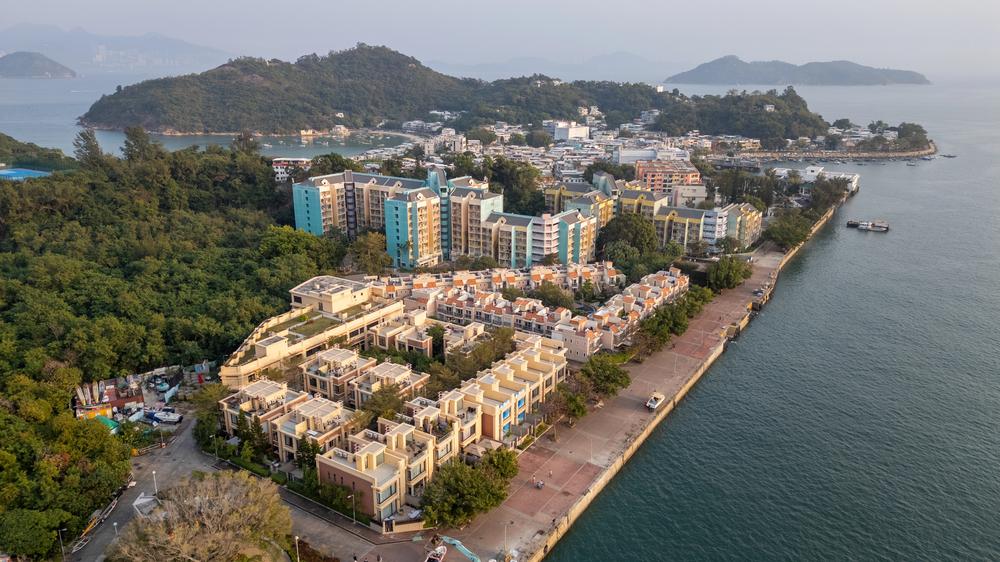
Hong Kong has the distinction of being the world's least affordable housing market, where families live in spaces smaller than parking spots. The least affordable housing market is Hong Kong according to international surveys. Apartment prices in Hong Kong are so high that even wealthy professionals struggle to afford decent living spaces. The city's unique geography and political situation limit land available for development, creating extreme scarcity. Many Hong Kong residents live in subdivided flats or cage homes because they can't afford regular apartments.
Iceland
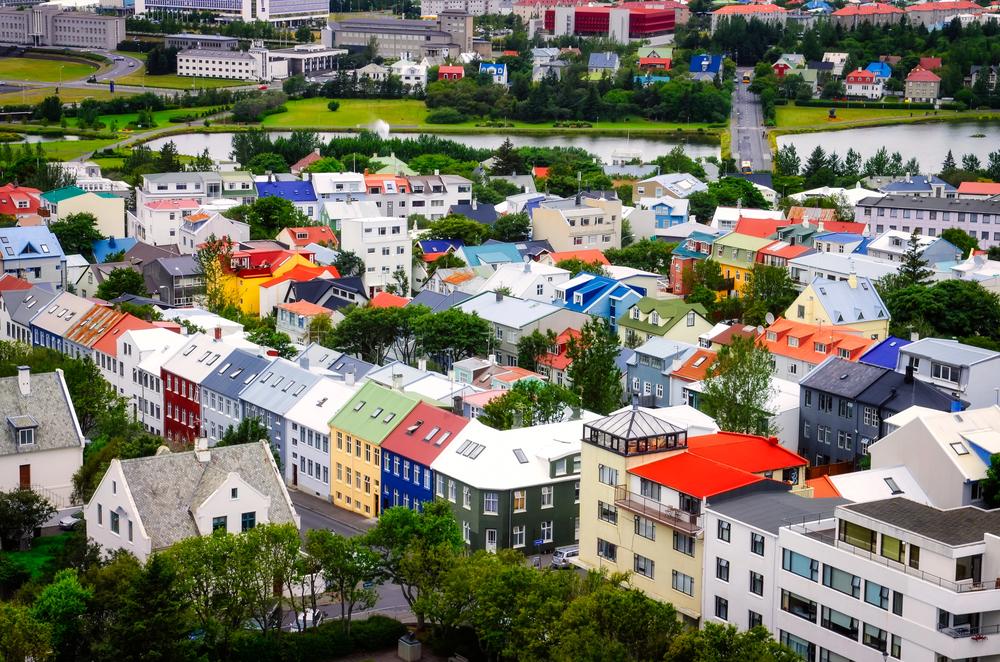
Iceland's housing market has experienced dramatic price increases that have outpaced the small country's economic growth. The data can point to the emergence of potential housing bubbles in Iceland based on recent price trends. Reykjavik's housing costs have grown so high that young Icelanders struggle to find affordable places to live in their own capital city. The country's small population and limited housing stock mean that any increase in demand quickly translates to higher prices. Tourism growth before the pandemic put additional pressure on housing as properties were converted to short-term rentals.
Germany
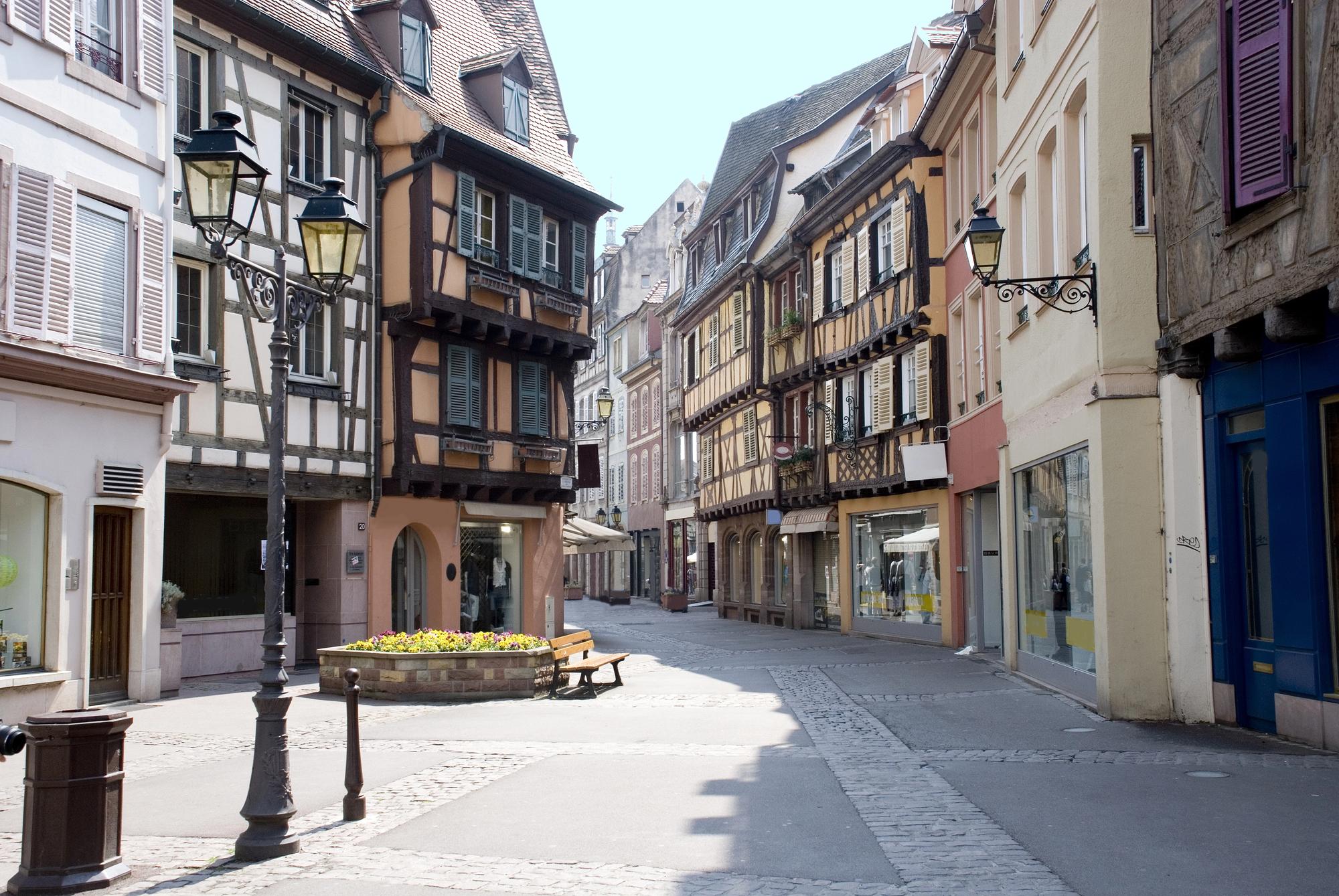
German cities that were once known for affordable housing are now experiencing rapid rent increases that outpace wage growth. Berlin, Munich, and Hamburg have seen housing costs rise so quickly that longtime residents are being forced to move to cheaper areas. Germany's strong economy has attracted workers from across Europe, increasing demand for housing in major cities. The country's rental market, which traditionally provided stable housing for most Germans, has become increasingly expensive and competitive. Construction of new housing has not kept up with population growth in desirable urban areas.
France
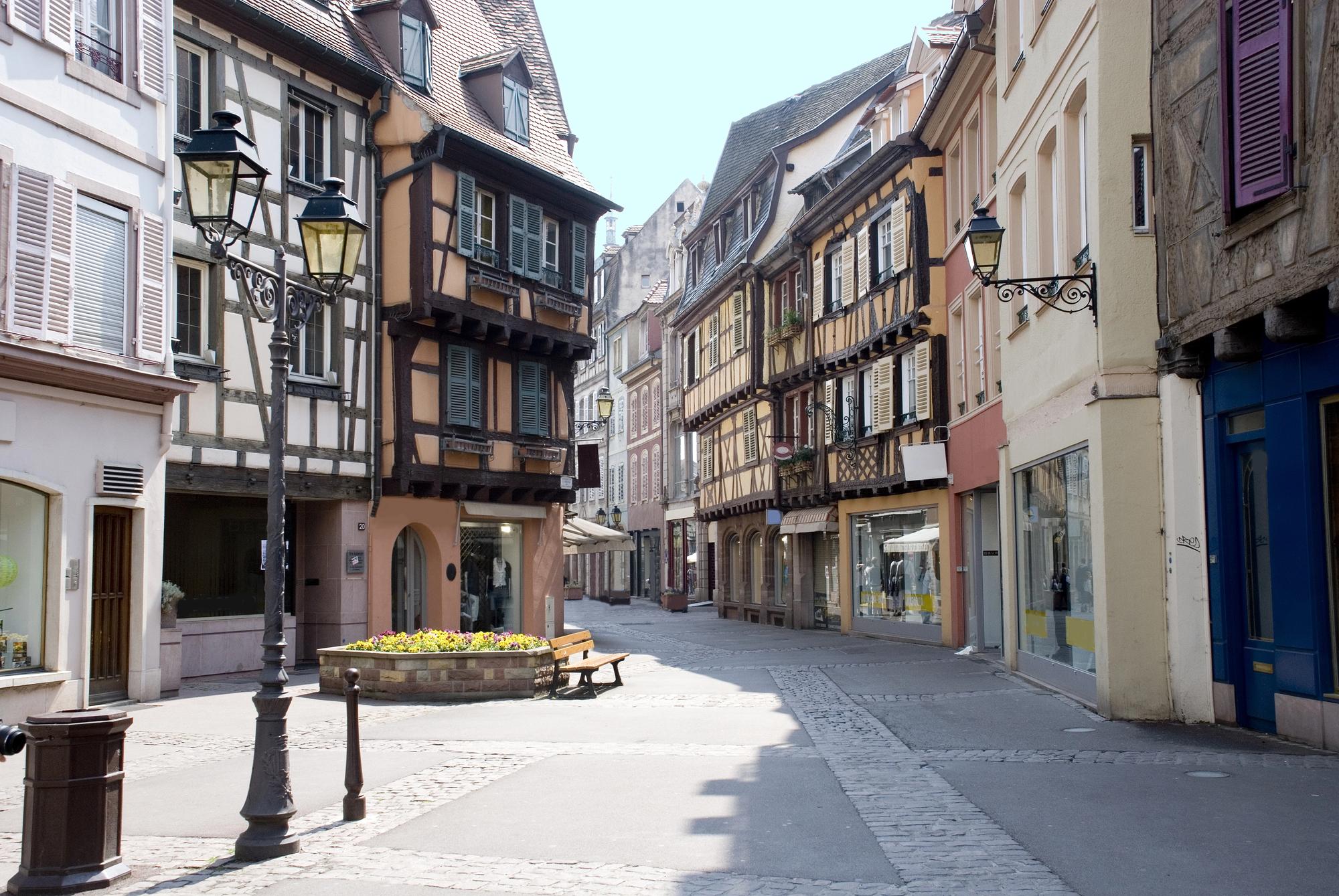
France's housing crisis particularly affects young people and low-income families who struggle to find affordable places to live in major cities. Paris has some of the world's highest housing costs relative to local incomes, making it difficult for teachers, nurses, and other essential workers to live where they work. French suburbs that once offered affordable alternatives have also seen significant price increases. The country's strict rental laws, while protecting tenants, have made some landlords reluctant to rent to certain groups, reducing available housing. Many young French adults delay starting families because they can't afford housing large enough for children.
South Korea

South Korea's housing market has become a major political issue as young people struggle to afford homes despite the country's economic success. Seoul's apartment prices have risen so rapidly that even dual-income professional families find homeownership out of reach. The Korean government has implemented various policies to control housing speculation, but prices continue to climb faster than wages. Many young Koreans delay marriage and having children because they can't afford family-sized housing. The country's emphasis on education and urban job opportunities concentrates demand in expensive metropolitan areas.
Austria
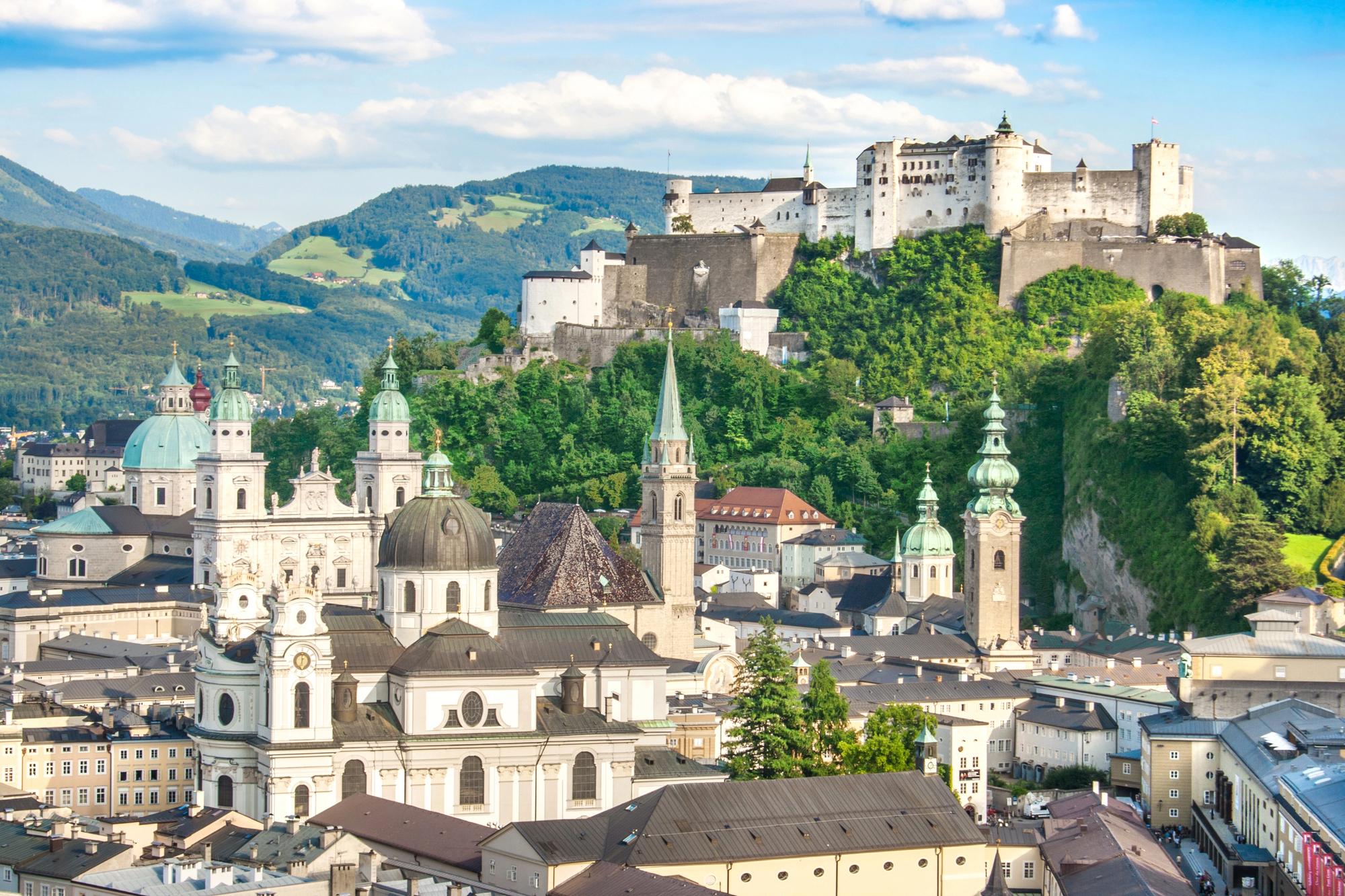
Austria has experienced significant declines in housing affordability that affect both renters and potential homebuyers across the country. Similar declines took place in Austria, Canada, Hungary, Poland, Portugal, Türkiye, and the Baltic countries in terms of affordability. Vienna, once famous for its social housing programs, now faces increasing pressure as demand outpaces supply even in public housing sectors. The country's attractive quality of life draws residents from other European countries, increasing competition for housing. Austrian wages have not kept pace with housing cost increases, making it harder for locals to compete in their own housing markets.
When shelter becomes a luxury

The global housing crisis reveals a troubling trend where having a decent place to live has become a privilege rather than a basic necessity for millions of people worldwide. Around 1.6 billion people worldwide lack adequate housing, according to a United Nations report – and experts say this could rise to 3 billion by 2030. These 15 countries represent both wealthy and developing nations struggling with the same fundamental problem: housing costs rising much faster than people's ability to pay for them. The crisis affects not just individuals and families, but entire economies as workers can't afford to live near their jobs and young adults delay major life decisions due to housing insecurity. Solving this global challenge will require innovative policies, increased construction, and recognition that housing is essential infrastructure for functioning societies rather than just another investment commodity.
More from Go2Tutors!

- 16 Historical Figures Who Were Nothing Like You Think
- 12 Things Sold in the 80s That Are Now Illegal
- 15 VHS Tapes That Could Be Worth Thousands
Like Go2Tutors’ content? Follow us on MSN.



