Royal Scandals That Shocked Their Kingdoms
Royalty has always lived under a spotlight, where every move gets watched and judged by millions. When kings, queens, princes, and princesses step out of line, the fallout can be massive.
These aren’t just tabloid stories—they’re events that shook entire nations, changed laws, and sometimes even toppled dynasties. Let’s dive into some of the most jaw-dropping moments when royal families found themselves at the center of scandals that left their kingdoms reeling.
King Edward VIII’s abdication

Edward VIII had everything a king could want until he fell for Wallis Simpson, an American woman who’d been married twice before. The Church of England wouldn’t accept a divorced woman as queen, and the British government stood firm on this issue.
Edward faced an impossible choice between his crown and the woman he loved. In December 1936, he gave up the throne after ruling for less than a year.
His younger brother George VI took over, and the royal family never quite forgave Edward for what they saw as abandoning his duty.
Princess Margaret and Peter Townsend

Queen Elizabeth II’s younger sister Margaret wanted to marry Peter Townsend, a royal air force officer who worked for the family. The problem was simple but devastating—Townsend was divorced, and Margaret was third in line to the throne.
The Church and the government pressured her to make a choice. In 1955, Margaret announced she wouldn’t marry him, putting duty before her heart.
Years later, she married someone else, but that marriage ended in divorce anyway, making the whole sacrifice seem pointless.
King Henry VIII’s six wives

Henry VIII changed England forever because he wanted a son and couldn’t stay married to one woman. He broke away from the Catholic Church just so he could divorce his first wife, Catherine of Aragon.
Two of his wives lost their heads, literally—Anne Boleyn and Catherine Howard were both executed. His treatment of women and his quest for a male heir turned the country upside down.
The religious split he created shaped British history for centuries and caused wars, rebellions, and countless deaths.
Princess Diana’s BBC interview

Diana, Princess of Wales, sat down with journalist Martin Bashir in 1995 and revealed secrets that shocked the world. She talked openly about her failed marriage to Prince Charles, his affair with Camilla Parker Bowles, and her own struggles with mental health.
The phrase ‘there were three of us in this marriage’ became instantly famous. The interview damaged the royal family’s reputation and pushed them toward divorce.
Later investigations revealed Bashir used forged documents to secure the interview, adding another layer of scandal to an already explosive situation.
King Leopold II’s Congo atrocities

Belgium’s King Leopold II ran the Congo Free State as his personal property from 1885 to 1908. His brutal exploitation of the region led to millions of deaths through violence, starvation, and disease.
Workers who didn’t meet rubber collection quotas faced mutilation or death. When reports of these horrors reached Europe, public outrage forced the Belgian government to take control away from Leopold.
The scandal remains one of the darkest chapters in European colonial history and stained Belgium’s reputation for generations.
Prince Andrew’s friendship with Jeffrey Epstein

Prince Andrew’s association with convicted offender Jeffrey Epstein created a crisis for the modern British monarchy. Andrew claimed he stayed at Epstein’s properties but didn’t know about his crimes, which the public found hard to believe.
A 2019 BBC interview meant to clear his name backfired spectacularly, with Andrew making claims that seemed increasingly unlikely. Virginia Giuffre accused him of assault, leading to a lawsuit that he settled out of court.
The Queen stripped him of his military titles and royal duties, effectively removing him from public life.
Queen Marie Antoinette’s diamond necklace affair

Marie Antoinette never actually bought or wore the infamous diamond necklace, but the scandal destroyed her reputation anyway. Con artists tricked a cardinal into believing the queen wanted to purchase an expensive necklace secretly.
When the scheme collapsed, many French people believed Marie Antoinette was involved, seeing it as proof of her wasteful spending. The affair happened in 1785, just years before the French Revolution.
Public hatred of the queen grew stronger, and this scandal played a part in turning people against the monarchy entirely.
King Juan Carlos’s elephant hunting trip
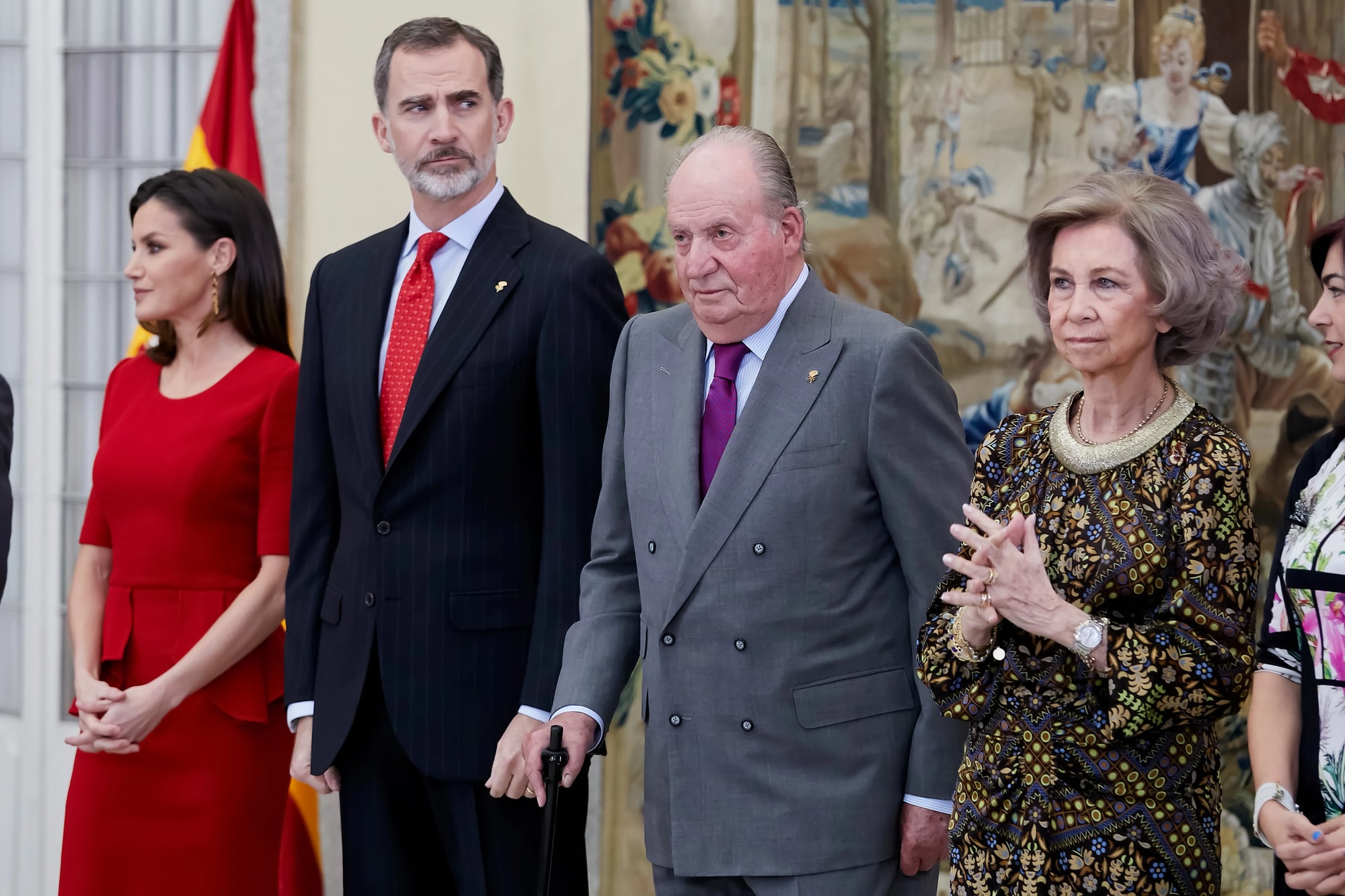
Spain’s King Juan Carlos went elephant hunting in Botswana in 2012 while his country struggled through a terrible economic crisis. Photos of him posing with a dead elephant leaked after he injured himself and needed to be flown home.
Spanish citizens were furious that their king was spending money on luxury safaris while unemployment hit record highs. The scandal damaged his reputation beyond repair.
He abdicated in 2014, partly because of this incident and other controversies, ending his reign after nearly 40 years.
Crown Prince Rudolf’s Mayerling incident

Austria’s Crown Prince Rudolf died in 1889 at a hunting lodge in Mayerling alongside his teenage mistress, Baroness Mary Vetsera. The official story claimed Rudolf died by his own hand, but the circumstances raised endless questions.
The Austro-Hungarian Empire tried to cover up the details, which only made people more suspicious. Some historians believe it was a pact between the lovers, while others think foul play was involved.
The tragedy weakened the already fragile Habsburg dynasty and contributed to the empire’s eventual collapse.
King Farouk’s lavish lifestyle
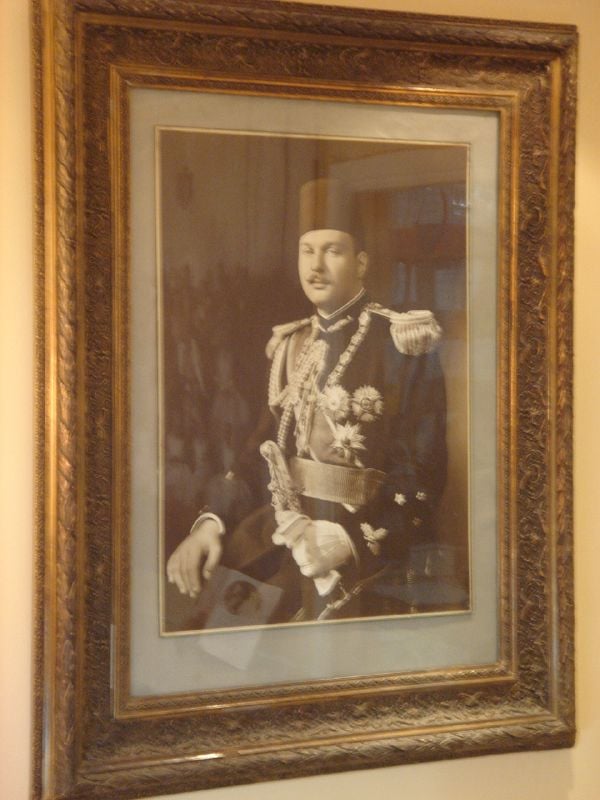
Egypt’s King Farouk lived like a character from a storybook while his people struggled with poverty. He owned hundreds of cars, threw extravagant parties, and reportedly had a habit of pickpocketing items from guests as a bizarre hobby.
His weight ballooned as he indulged in feasts while Egyptians went hungry. By the early 1950s, his excessive lifestyle and poor governance made him deeply unpopular.
Military officers overthrew him in 1952, and Egypt became a republic. Farouk spent his remaining years in exile, a cautionary tale of royal excess.
Princess Stephanie’s circus romance

Princess Stephanie of Monaco, daughter of Prince Rainier and Grace Kelly, shocked her family by running off with a married circus performer in the 1990s. She joined the circus, working as a performer and living in a caravan.
Her relationship with the elephant trainer ended when he returned to his wife, but Stephanie’s unconventional choices continued. She later had children with her bodyguard and married a circus acrobat.
Monaco’s royal family maintained their dignity through it all, but tabloids had a field day with every twist in Stephanie’s colorful life.
King Christian VII’s mental illness and Struensee affair
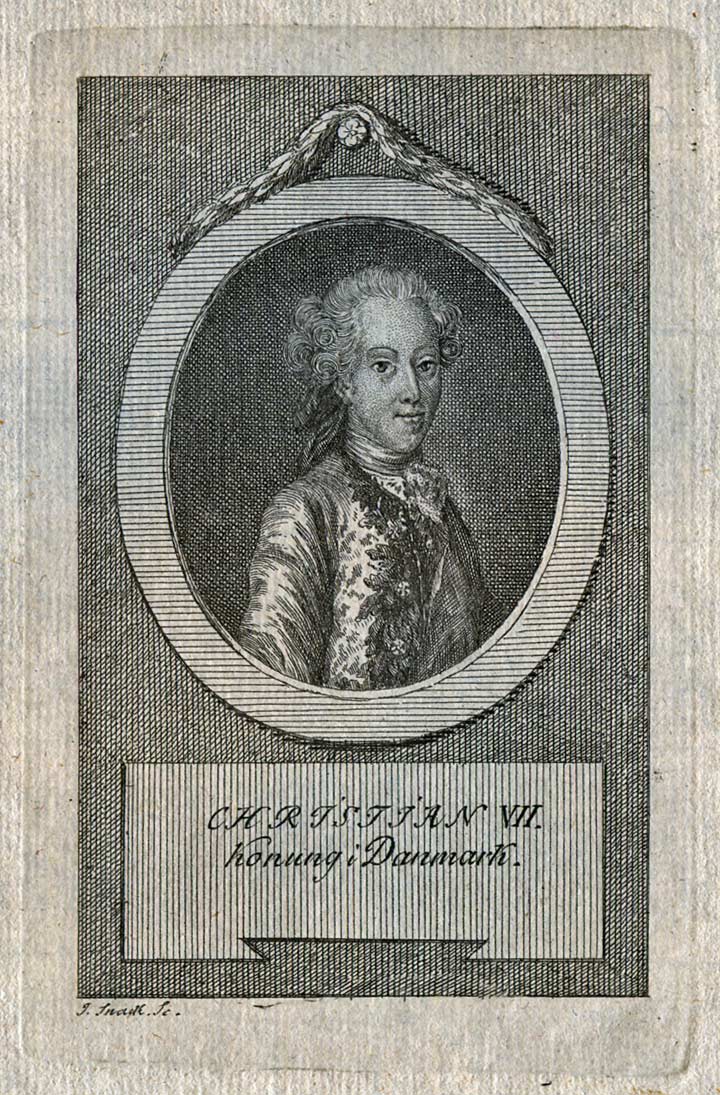
Denmark’s King Christian VII struggled with severe mental illness that left him unable to rule effectively. His German doctor, Johann Friedrich Struensee, took control of the government and became the queen’s lover.
Struensee pushed through progressive reforms but made enemies among the nobility. In 1772, conservative forces arrested both Struensee and Queen Caroline Matilda, accusing them of conspiracy.
Struensee was executed in a brutal public display, and the queen was exiled. The scandal rocked Denmark and showed how vulnerable a monarchy could become when the king couldn’t fulfill his duties.
Prince Harry and Meghan’s exit

Prince Harry and Meghan Markle’s decision to step back from royal duties in 2020 sent shockwaves through Britain. The couple cited unbearable media pressure and lack of support from the royal family.
Their interview with Oprah Winfrey in 2021 included claims about racism within the palace and concerns about their son’s skin color. The royal family stayed mostly silent, issuing only a brief statement.
Harry and Meghan’s departure highlighted tensions that had been building for years and sparked global debates about tradition, race, and mental health. Their move to California marked a clean break from centuries of royal protocol.
King Zog’s authoritarian rule and exile

Albania’s King Zog I came to power through political maneuvering and maintained control through authoritarian methods. He survived over 50 attempts on his life during his reign.
When Italy invaded Albania in 1939, Zog fled with his family and the national treasury. Many Albanians felt betrayed that their king abandoned them in their darkest hour.
He spent decades trying to reclaim his throne from exile, but Albania became communist and wanted nothing to do with monarchy. Zog died in France in 1961, a king without a kingdom.
Empress Alexandra and Rasputin
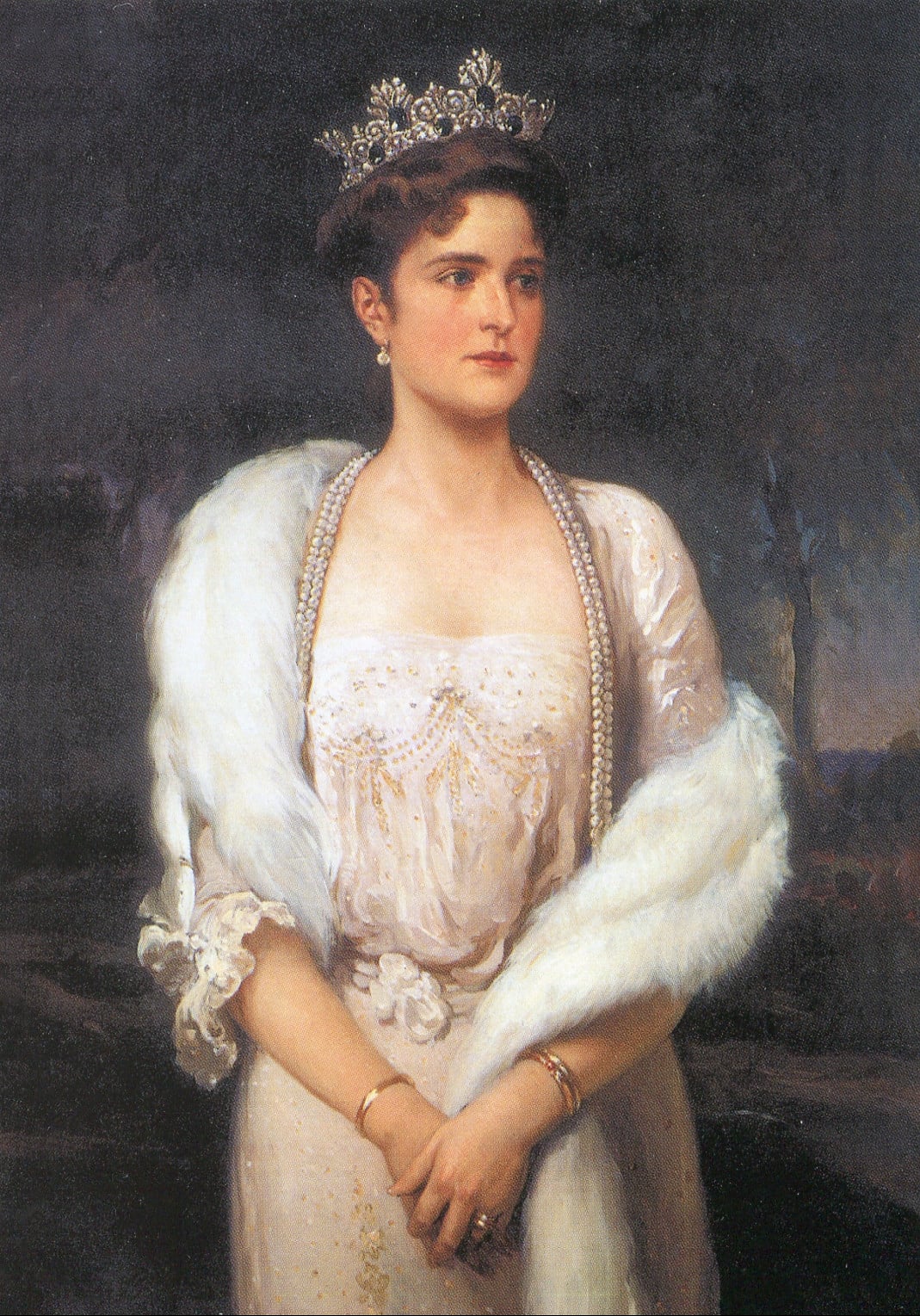
Russian Empress Alexandra’s relationship with the mystic Grigori Rasputin damaged the Romanov dynasty’s final years. Rasputin seemed able to help her son, who suffered from hemophilia, which gave him enormous influence over the royal family.
Rumors spread about an inappropriate relationship between Alexandra and Rasputin, though historians generally believe they were false. His presence at court and interference in government appointments angered nobles and common people alike.
Russian aristocrats murdered Rasputin in 1916, but the damage was done. The scandal contributed to the revolution that swept away the monarchy just months later.
King Constantine II’s coup and exile
Greece’s King Constantine II got involved in a power struggle with the country’s military government in 1967. He attempted a counter-coup to remove the military leaders from power, but his plan failed miserably.
Constantine fled to Rome with his family, expecting to return soon. Instead, Greece abolished the monarchy in 1973, and Constantine never got his throne back.
He spent decades fighting legal battles over property and titles. The failed coup attempt turned Constantine from a reigning monarch into just another wealthy exile, showing how quickly royal power could vanish.
Princess Caroline’s rocky marriages

Fame chased Caroline of Monaco like a shadow, particularly when love was involved. Though brief, her union with Philippe Junot unraveled fast – his wild nights said to be the cause.
Tragedy struck harder when Stefano Casiraghi, her next spouse, perished in a boat race crash, suddenly making her a mother alone. Then came Prince Ernst August of Hanover; their bond weakened under claims of cruelty behind closed doors.
Grief piled up, yet she moved through chaos without breaking stride. Cameras never stopped rolling, but neither did she.
King Baudouin and the abortion law conflict

In 1990, Belgium’s King Baudouin stood at odds with new rules on abortion approved by lawmakers. Because of his deep Catholic beliefs, giving approval felt wrong to him.
Yet tradition demanded that royal assent follow every act of Parliament. So came an unusual fix – one rarely seen before.
Lawmakers briefly removed him from duty, calling him unfit for one single day. During that gap, they enacted the change without needing his name on it.
By morning light, he was restored, rights intact, position unchanged. This moment stirred talk about where conscience meets obligation.
Some saw strength in holding firm to inner truth. Others wondered if old institutions still fit present values when faith guides decisions meant to be neutral.
Crowns sit where outcomes begin

What these scandals show is how shaky royal authority can really be – its strength depends on what ordinary people are willing to accept. When rulers act like they exist above everyone else, history shows they tend to fall hard.
Losing power was common. So was losing trust.
Sometimes even life itself vanished overnight. Gone are the times when kings did as they pleased without consequence.
Modern royalty faces eyes everywhere, watching far more closely than ever before. Mistakes don’t hide well under gold hats and palaces – they burn hotter instead.
More from Go2Tutors!

- The Romanov Crown Jewels and Their Tragic Fate
- 13 Historical Mysteries That Science Still Can’t Solve
- Famous Hoaxes That Fooled the World for Years
- 15 Child Stars with Tragic Adult Lives
- 16 Famous Jewelry Pieces in History
Like Go2Tutors’s content? Follow us on MSN.