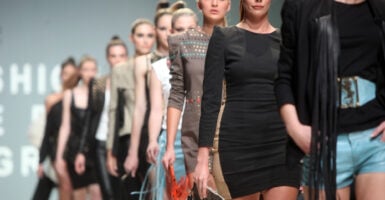
Timeless Fashion Trends From The 50s And 60s
There’s something about mid-century fashion that refuses to fade. Decades after women first wore full circle skirts to soda fountains and men stepped out in slim-cut suits, those same looks keep turning up on runways, in films, and in everyday wardrobes.
The Full Circle Skirt

Few silhouettes have held up as well as the full circle skirt. It first became popular in the early 1950s, often paired with a petticoat underneath to give it that signature puff.
The shape flatters a wide range of body types and moves beautifully when you walk or dance. Today you’ll find it in midi and maxi lengths, in florals, plaids, and solid colours — still doing exactly what it did 70 years ago.
High-Waisted Everything
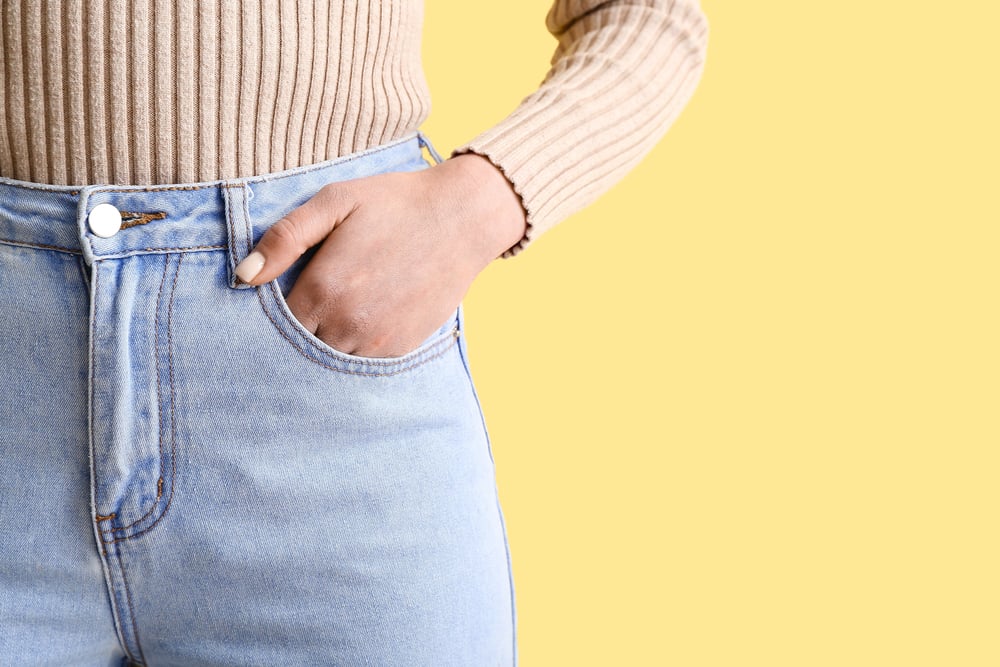
The high waist defined mid-century dressing in a way that nothing else really did. Trousers, skirts, shorts — everything sat at or above the natural waist, creating a long-legged, structured look.
It disappeared for a while during the low-rise era of the early 2000s, but it never fully went away. Now it’s back as strongly as ever, and the reason is simple: it works.
The Shift Dress

The shift dress became the uniform of the 1960s. Clean lines, no defined waist, and a hemline sitting just above the knee — it was the opposite of the 50s hourglass silhouette, and it felt radical at the time.
Designers like Hubert de Givenchy and André Courrèges pushed it into mainstream fashion, and it stuck. You can wear a shift dress to a job interview or a garden party with almost no adjustment between the two.
Cat-Eye Glasses
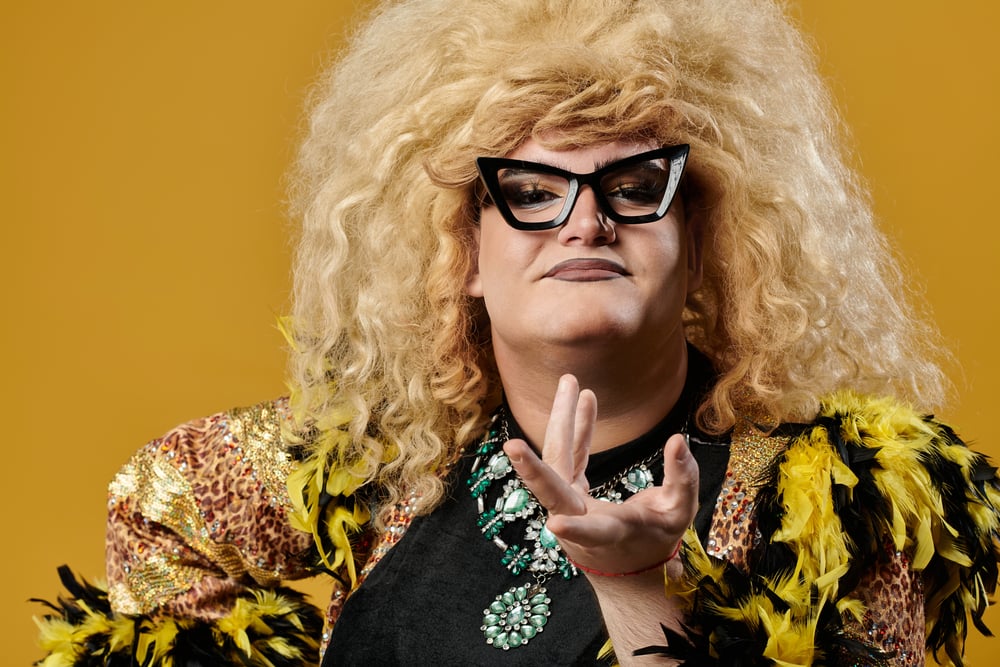
Cat-eye frames first appeared in the 1950s and became synonymous with a particular kind of put-together glamour. The upswept corners gave the face a lifted, dramatic look without much effort.
They disappeared in the 70s and 80s, came back quietly in the 2000s, and are now a permanent fixture in eyewear collections. Whether you’re after a subtle vintage reference or a full retro statement, cat-eye frames deliver.
Slim-Cut Trousers
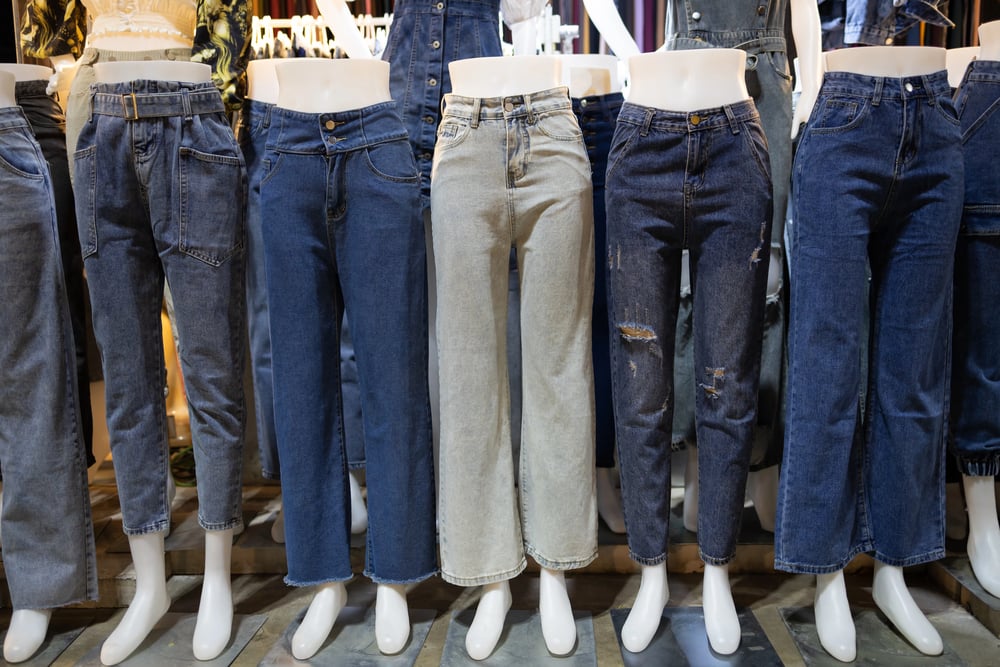
The tapered, slim-cut trouser — narrow through the thigh and ankle — became one of the signature pieces of 1950s and 60s men’s fashion. Women adopted it too, and it gave both a sharp, no-nonsense look.
Today’s version is essentially the same garment with minor updates in fabric and fit. It pairs well with almost anything and never reads as overdressed or underdressed.
The Little Black Dress

Coco Chanel introduced the concept in the 1920s, but it was Audrey Hepburn in the early 1960s who made it iconic. Simple, sleeveless, just above the knee — the dress became shorthand for a certain kind of effortless elegance.
The little black dress hasn’t changed much since then because it doesn’t need to. Every generation finds a new reason to keep it in their wardrobe.
Go-Go Boots

Go-go boots — white, low-heeled, knee-high — were the footwear of the mid-60s and they’ve never fully left. They were bold and modern when they launched, associated with pop music, dancing, and a new sense of freedom in women’s fashion.
Today they appear in white, black, and cream, sometimes with a slight platform, sometimes flat. Paired with a mini skirt or a shift dress, they look like they belong right now.
Polka Dots

Polka dots have been around since the 1800s, but the 1950s turned them into a genuine fashion statement. Full skirts, bathing suits, headscarves — the pattern showed up everywhere during the postwar era and became associated with playful, confident dressing.
There’s no decade since then where polka dots have completely disappeared. They come back in bigger or smaller forms, different colour combinations, but the pattern itself is constant.
The Classic Loafer
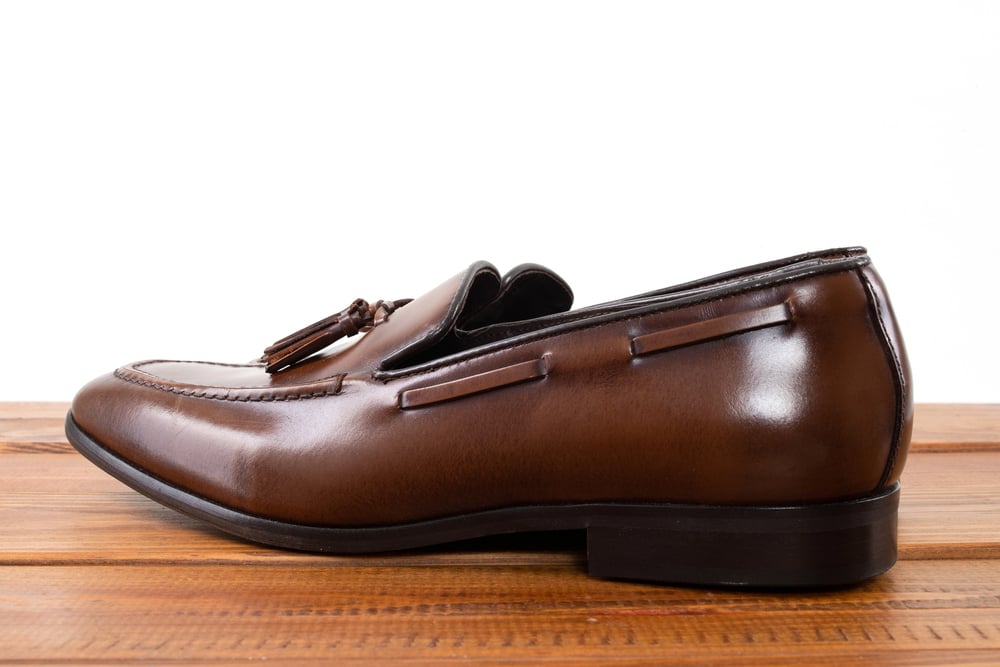
The penny loafer became a staple of American style in the 1950s, worn by both men and women as a practical, polished alternative to formal shoes. It paired with everything from rolled-up jeans to pleated trousers.
Today the loafer is everywhere again — in leather, suede, and patent finishes, with chunky soles or classic flat ones. It’s the kind of shoe that bridges casual and formal without trying too hard.
The Trench Coat

The trench coat predates the 50s and 60s, but this era cemented its status as a civilian wardrobe staple rather than just military outerwear. Double-breasted, belted at the waist, with a storm flap and wide lapels — the silhouette barely changed from then to now.
Beige remains the classic colour, though black and navy versions have become just as common. It’s one of those pieces that looks current regardless of what’s happening in fashion at any given moment.
Silk Scarves And Headscarves

Still seen today, those silky wraps women favored in the 1950s drape just as freely – knotted beneath the jaw during open-air drives, twisted into a twist at the back of the head, shaped like tops, or left trailing down the shoulders. That vintage movie-star charm clings tightly to the fabric whenever it rests on skin.
Patterns haven’t changed much either; rich reds, deep emeralds, and loud florals stay true to form. How they’re worn now mirrors how they were then – not reinvented, simply repeated.
The Turtleneck

Back then, intellectuals and artists loved the turtleneck – paired with narrow pants and a tailored jacket, or simply by itself. Yet somehow, it always looked more intense than most clothes did.
Nowadays, people wear it alone, beneath sweaters, tucked into skirts, or under shift dresses. Few necklines have stayed relevant this long without fading out.
Even still, nothing else fits so many roles year after year.
Cinched Waists And Wide Belts
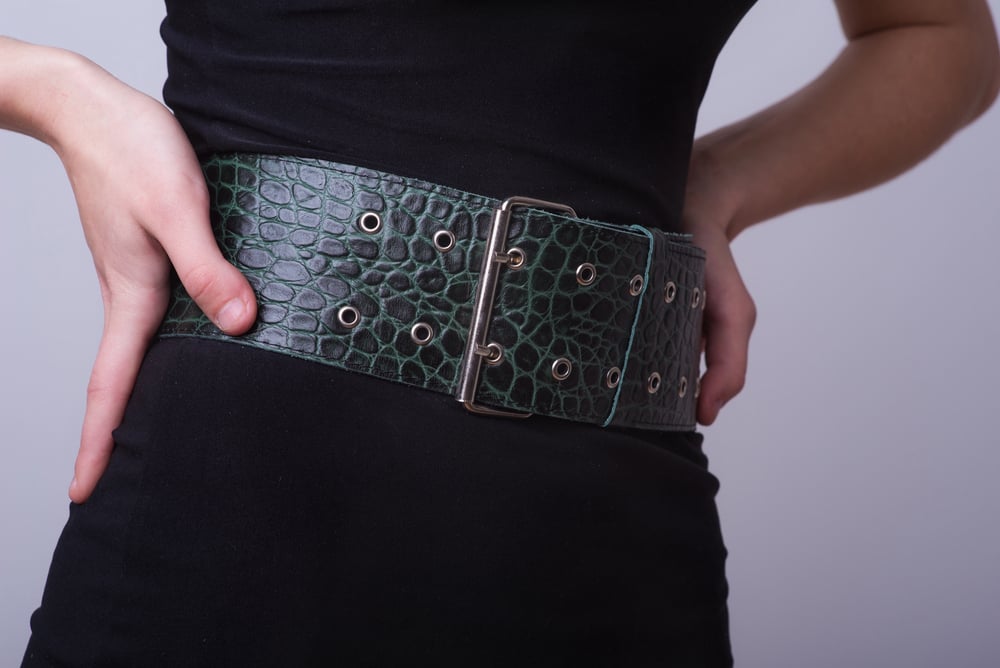
Belted waists dominated 1950s styles, shaping silhouettes with dramatic curves built around cinched middles and flowing hems. Often tied over skirts or fitted sheaths, those bands created form out of fabric that might otherwise drape loosely.
Instead of merely holding clothes up, they became focal points – drawing eyes, defining proportions. Over time, this idea resurfaces again and again across runways, each return feeling calculated, never accidental.
The Last Remaining Fragments
Back then, clothing had purpose. Shapes stood out – clean lines, balanced cuts, nothing left to chance.
Made to last, not tossed aside after a season. Take a 1955 skirt.
Compare it with today’s version. Same blueprint, really. Time didn’t change the core idea.
A coat dug up from sixty-two looks almost like one bought yesterday. Built right at first?
It skips the need for change – only asks to be used. Style stays when thought through.
More from Go2Tutors!

- The Romanov Crown Jewels and Their Tragic Fate
- 13 Historical Mysteries That Science Still Can’t Solve
- Famous Hoaxes That Fooled the World for Years
- 15 Child Stars with Tragic Adult Lives
- 16 Famous Jewelry Pieces in History
Like Go2Tutors’s content? Follow us on MSN.