15 Fashion Icons Who Redefined Global Style
Fashion has always been more than fabric. It’s a statement, a stance, and in many cases, a signal that the rules are made to be rewritten. The people on this list didn’t just dress well. They changed the way the world saw clothing, beauty, gender, and self-expression. Some did it quietly, others loudly. But all of them left a mark that rippled across generations and borders.
Here is a list of 15 fashion icons who redefined global style and reshaped how people everywhere think about what it means to get dressed.
Coco Chanel
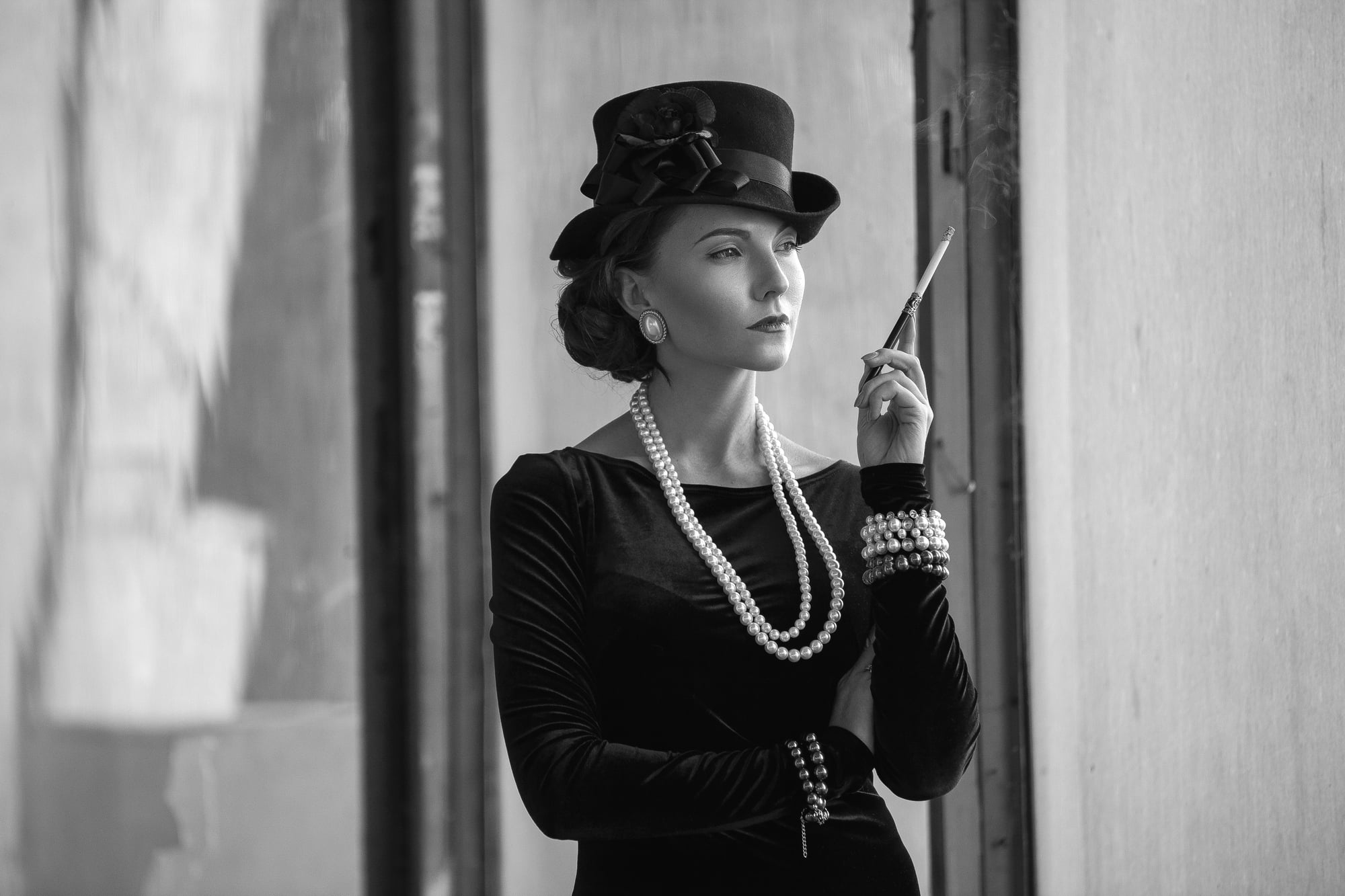
Coco Chanel helped the world let go of corsets and frills in favor of clean lines and functional elegance. She introduced the little black dress, made trousers acceptable for women, and turned the jersey from undergarment fabric into runway material.
Her designs didn’t just flatter the body. They gave women the freedom to move and breathe without sacrificing sophistication.
Rihanna

Rihanna turned fashion into fearless performance. Whether showing up in a sheer crystal dress, oversized puffed jackets or launching Fenty with shades for every skin tone, she made space for representation and boldness all at once.
Her red carpet looks broke molds, and her Savage X Fenty shows turned traditional lingerie runways into inclusive, high-energy spectacles.
Like Go2Tutors’s content? Follow us on MSN.
David Bowie

Bowie didn’t just blur gender lines. He erased them completely onstage.
With alter egos like Ziggy Stardust and costumes that mixed glam, punk, and sci-fi, he reimagined what menswear could look like. His ability to make theatrical, strange, and unapologetically eccentric fashion feel cool gave artists everywhere the green light to do the same.
Princess Diana

Diana had the power to make a revenge dress front-page news and a sweatshirt with biker shorts look iconic. Her fashion told stories as her life evolved—from royal gowns and tiaras to bold, sleek silhouettes after her split from the monarchy.
She gave elegance a human face and mixed high-end with everyday in a way that still inspires stylists decades later.
Harry Styles

Harry Styles brought charm and confidence to floral suits, pearl necklaces, and chiffon blouses. He broke from the typical male pop star uniform and leaned into playfulness, showing that fluid fashion isn’t a phase—it’s a cultural shift.
His Vogue cover in a dress sparked debate, but it also opened space for countless others to explore identity without shame.
Like Go2Tutors’s content? Follow us on MSN.
Grace Jones
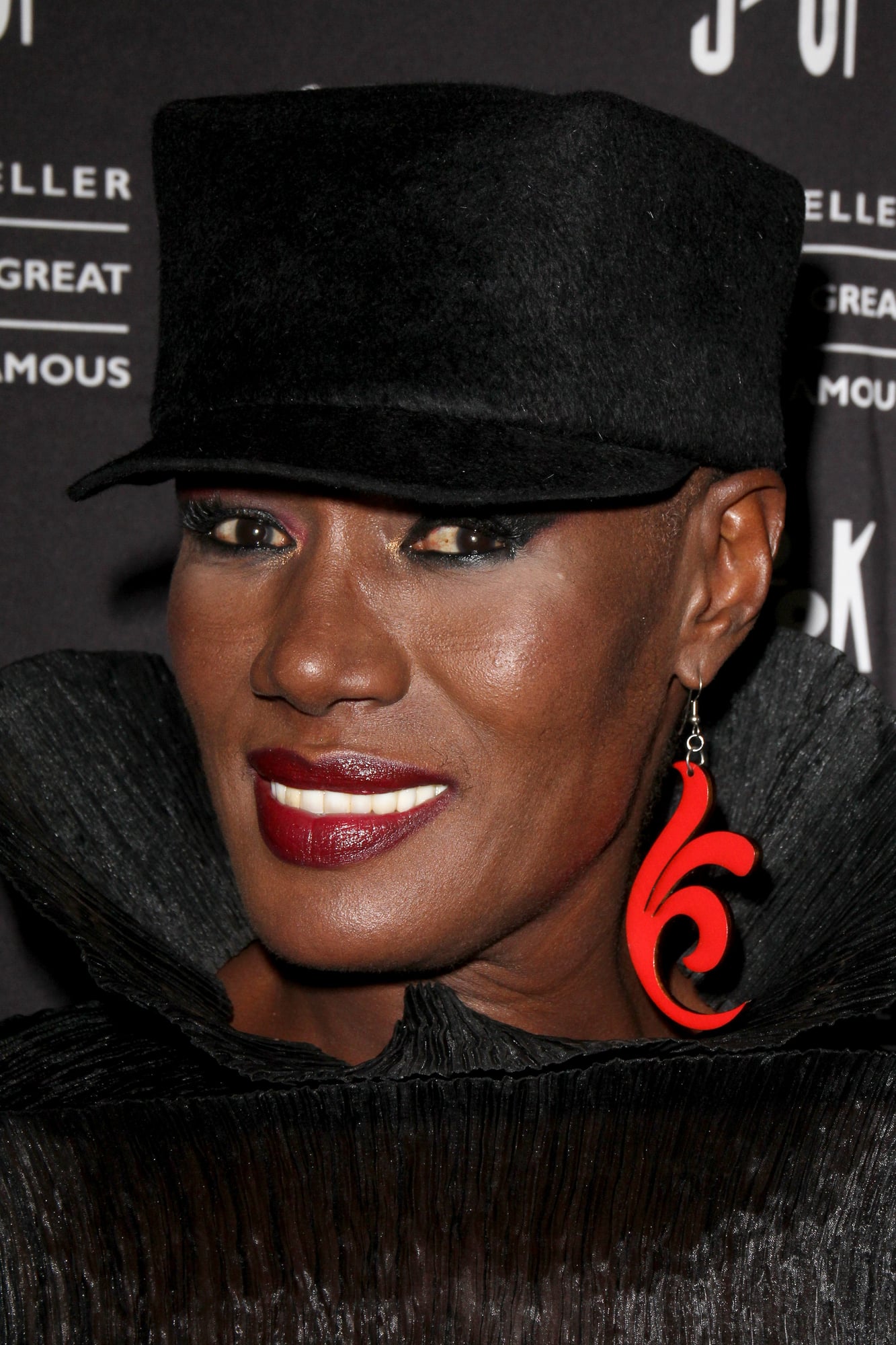
Grace Jones fused fashion with power. Her sharp, geometric silhouettes, bold makeup, and androgynous style helped redefine what it meant to be beautiful, strong, and provocative.
She didn’t just wear clothing—she turned herself into walking art. Her influence still echoes in runways, music videos, and every fashion-forward risk taker.
Pharrell Williams

Pharrell made trucker hats, giant shorts, and streetwear chic long before it became mainstream. He blurred the lines between luxury and skate style with effortless cool.
Whether wearing pearls or oversized outerwear, he redefined what it means to be stylish in hip-hop. His later work with big-name fashion houses pushed street culture even further into the luxury space.
Madonna

Madonna turned every era of her career into a style statement. From lace gloves and layered jewelry to cone bras and bondage-inspired couture, she used clothing to express rebellion, identity, and self-invention.
She didn’t just follow trends. She provoked them, and then reinvented herself the moment everyone caught up.
Like Go2Tutors’s content? Follow us on MSN.
Audrey Hepburn
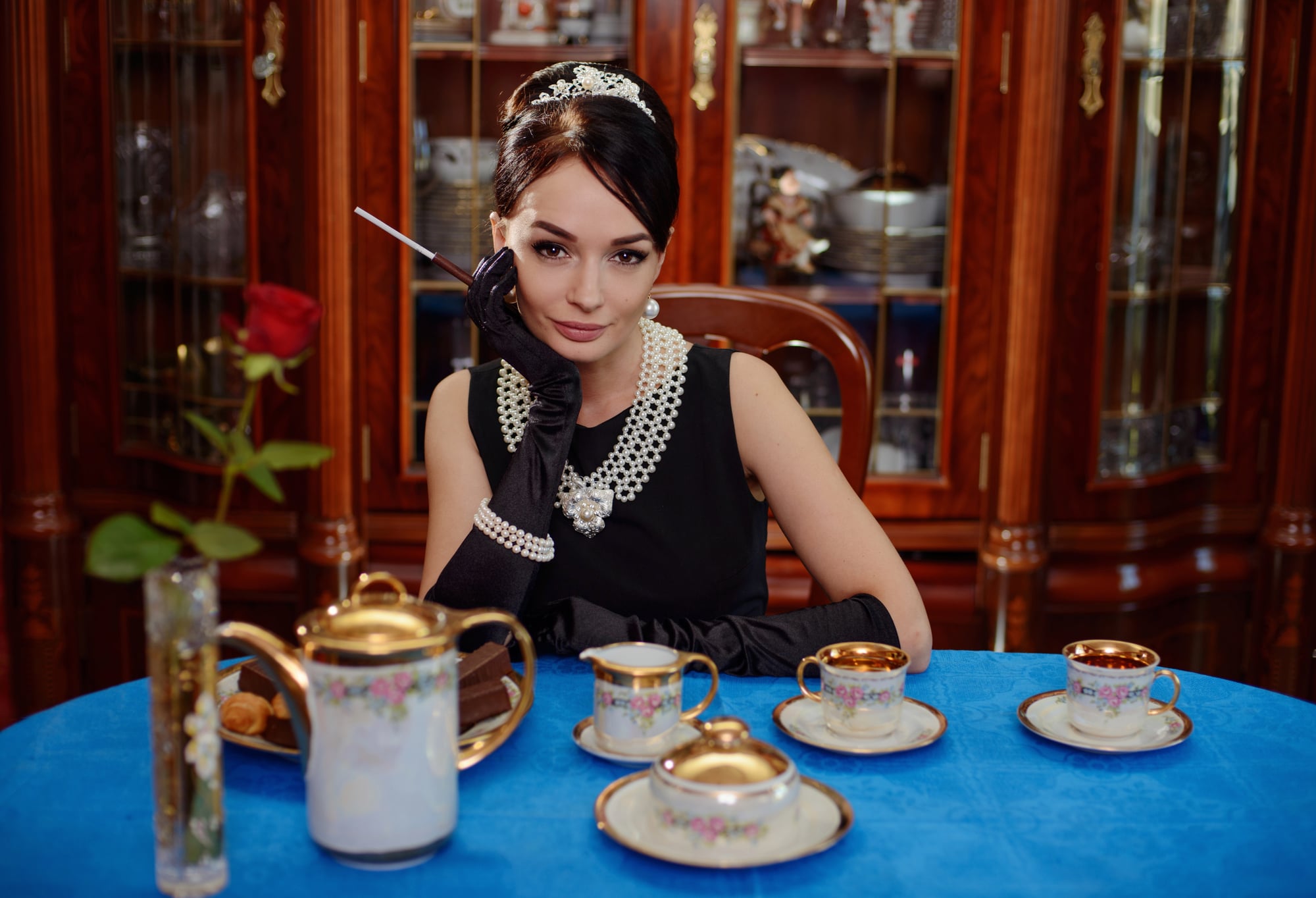
Audrey Hepburn’s look was simple, timeless, and endlessly copied. She took elegance and stripped it of fuss.
Her black Givenchy dress in Breakfast at Tiffany’s, cropped pants, and ballet flats became wardrobe staples for millions. Her style wasn’t loud, but it had staying power, proving that quiet confidence can outlast flashy trends.
Kanye West
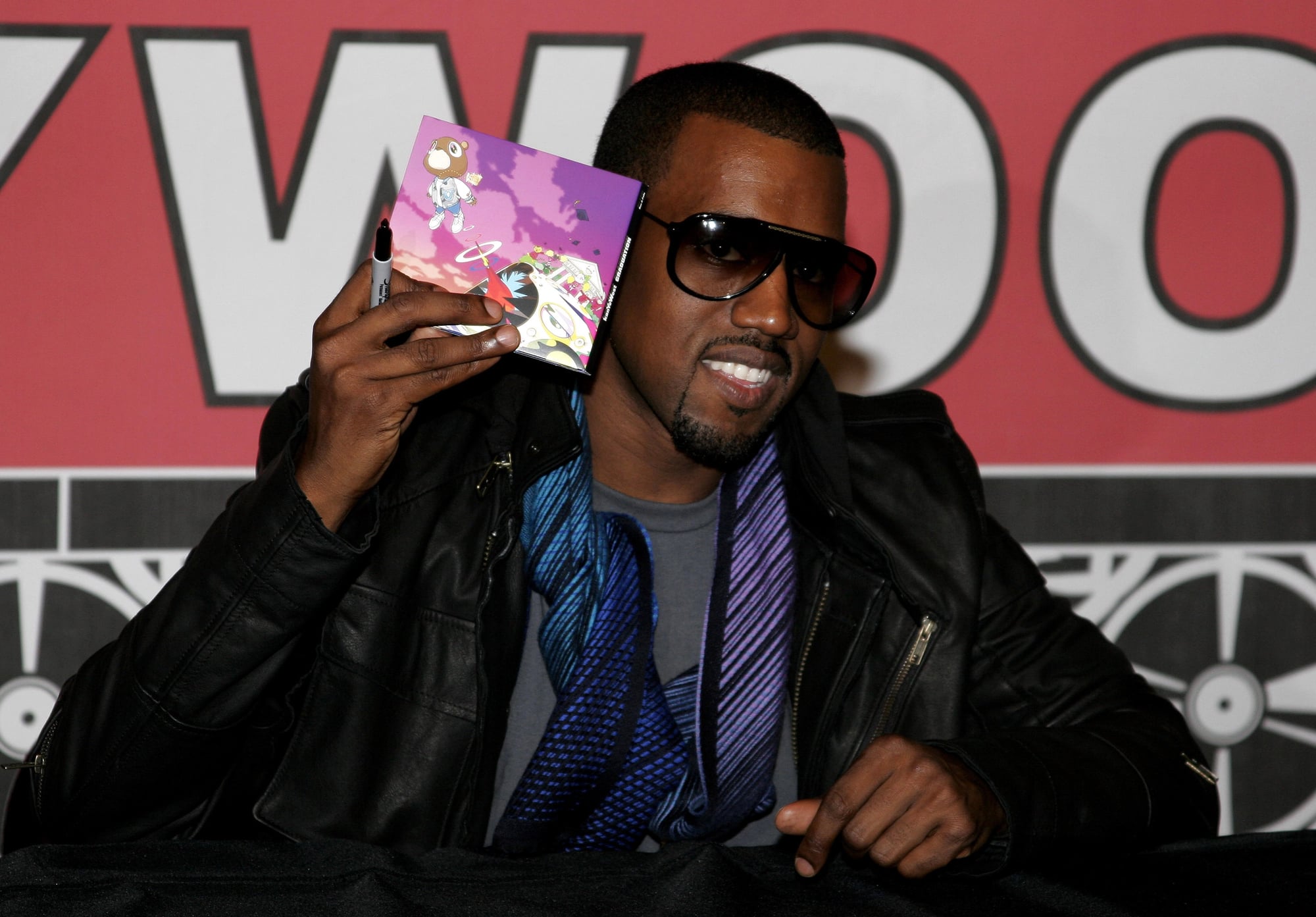
Kanye may be controversial, but there’s no denying his influence on fashion. His Yeezy line turned minimalism into streetwear gold, and his love of earth tones and oversized silhouettes shaped a decade of design.
Whether walking Paris Fashion Week or launching his own sneaker empire, he made fashion feel more accessible and more like a cultural movement.
Jane Birkin

Jane Birkin gave ‘effortless’ a face. With tousled hair, vintage tees, and the basket bag she carried everywhere, she helped define that casual French aesthetic the world is still chasing.
Even the iconic Birkin bag, named after her, wasn’t meant to be fancy—it was created because she wanted a purse that actually worked for everyday life.
Like Go2Tutors’s content? Follow us on MSN.
Billy Porter

Billy Porter shattered the red carpet template with capes, gowns, and glittering suits that defied every mold. He used award shows to make fashion statements about queerness, Black excellence, and creative freedom.
He didn’t dress to impress. He dressed to challenge, to inspire, and to open the door wider for everyone who’s been told to shrink.
Kate Moss

Kate Moss took the 90s by storm with a look that was both casual and high fashion. Her slight frame and undone beauty sparked the era of “heroin chic,” but she also made slip dresses, boots, and thrift-shop basics feel runway-worthy.
She embodied that off-duty model look before it became an Instagram aesthetic.
Zendaya

Zendaya showed up in couture at 17 and never looked back. She’s worn everything from armor-inspired gowns to menswear tailored better than most suits.
She’s used her style to signal growth, range, and bold creativity—without ever seeming like she’s trying too hard. Her looks feel intentional and smart, often reflecting culture and art more than trend-chasing.
Like Go2Tutors’s content? Follow us on MSN.
Style Isn’t Just Fabric, It’s Power

These fashion icons didn’t just influence what people wore. They shaped how people saw themselves.
Their impact stretched far beyond trends or seasons, challenging norms around identity, gender, class, and culture. Some used fashion as armor, some as a megaphone.
But all of them turned clothing into something more than style—something that speaks, moves, and refuses to be ignored. Their legacies prove that fashion is more than appearance.
It’s a form of communication that transcends words. It shows courage, creativity, and the refusal to be boxed in by society’s expectations.
More from Go2Tutors!

- 16 Historical Figures Who Were Nothing Like You Think
- 12 Things Sold in the 80s That Are Now Illegal
- 15 VHS Tapes That Could Be Worth Thousands
- 17 Historical “What Ifs” That Would Have Changed Everything
- 18 TV Shows That Vanished Without a Finale
Like Go2Tutors’s content? Follow us on MSN.